Home   Top 10 Lists   Nutrition Facts   Super Foods   Fruits   Vegetables   Recipes   Blog   FAQ   

Top 10 Cholesterol Lowering Foods


Cholesterol is a steroid lipid (fat) found in the blood and is necessary for proper functioning of cell membranes. Our bodies already manufacture all the cholesterol we need, so it is not necessary to consume more. High levels of cholesterol have been shown to increase the risk of heart disease and stroke. Cholesterol lowering foods should be incorporated into everyone's diet for optimal health. The percentages by which these foods lower cholesterol reflect people who have high levels of cholesterol greater than 200 mg/dL, and have been diagnosed with hypercholesterolemia. Different diets, lifestyles, and foods will work differenlty for different people. It is recommended that you buy a Cholesterol Test Kit, so you can monitor your cholesterol levels at home and see which diet and lifestyle works best for you. Below is a list of foods which lowers the "bad" LDL cholesterol, while leaving the good HDL cholesterol largely unaffected.

#1: Monounsaturated and Polyunsaturated Fats (Olive Oil, Canola Oil, Peanut Oil, Peanuts, Olives, Avocados)
Cholesterol Reduction:18%1,2,37
Substituting saturated animal fats and other high cholesterol foods with healthier fats like olive oil, canola oil, peanut oil, and avocados is the most powerful thing you can do to achieve a drastic reduction in your LDL cholesterol. Specifically a diet high in olive and sunflower oil, that contains 12.9% saturated fat, 15.1% monounsaturated fat, and 7.9% polyunsaturated fat can achieve an 18% reduction in LDL cholesterol vs people on a diet higher in saturated fat.1

#2: Bran (Oat, Rice)
Cholesterol Reduction:7-14%3-5
Bran, particularly oat bran, has been proven effective in lowering LDL cholesterol levels. Add bran to hot cereals and bread. Also, eating whole oatmeal every morning, or switching to whole products like brown rice, can help you get more bran in your diet and lower your cholesterol numbers. Click to see complete nutrition facts for Bran.

#3: Flax Seeds
Cholesterol Reduction:8-14%6,7
Up to 50 grams of flax seeds a day has been shown to reduce LDL cholesterol in healthy young adults by up to 8%,6 and 38 grams of flax seeds per day reduced LDL cholesterol by 14% in people with high cholesterol (hypercholesterolemia).7 In both studies the flax seeds where consumed in a muffin or other bread product. Flax seeds are easily incorporated in baked goods, as well as added to hot cereals like oatmeal.
Click to see complete nutrition facts for Flax Seeds

#4: Garlic
Cholesterol Reduction:9-12%8,9
Studies have shown that less than half a clove (900mg) of raw garlic a day can lower cholesterol by 9-12%.8,9 Raw garlic is best and can be added to olive oil salad dressings, or as a garnish on soups and sandwiches. Click to see complete nutrition facts for Raw Garlic.

#5: Almonds
Cholesterol Reduction:7-10%10-12
Several studes report that eating up to a cup of almonds can reduce cholesterol levels by up to 10%. In a dose response study it was found that half a cup of almonds reduces cholesterol by 5% and 1 cup causes the full 10% reduction.11 As almonds are a high calorie food, it is not recommended that you eat more that a cup. Almonds are great as a snack, or as an addition to breakfast cereals like oatmeal.
Click to see complete nutrition facts for Almonds.

#6: Lycopene Foods
Cholesterol Reduction:0-17%13,14
Lycopene is a carotenoid pigment responsible for giving fruits and vegetables their red color and is found in tomatoes, watermelon, and various other high lycopene foods. Studies are conflicting as to whether lycopene reduces LDL cholesterol or not. Some studies report a 10-17% reduction13,14 while other studies find no difference.15,16 Despite this difference, lycopene is thought to generally promote heart health whether it lowers LDL cholesterol or not.

#7: Walnuts and Pistachios
Cholesterol Reduction:10%17-21
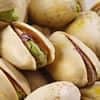
Numerous studies report a reduction in cholesterol with consumption of walnuts or pistachios. This is esepcially true when the fats from the nuts replace consumption of other high cholesterol fats. Consuming around 30 grams of walnuts, or having the nuts be about 20-30% of total caloric intake is necessary to achieve the cholesterol lowering benefits.19
Click to see complete nutrition facts for Walnuts and Pistachios.

#8: Whole Barley
Cholesterol Reduction:7-10%22,23
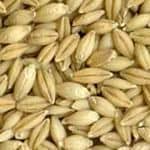
Like the bran from oats and rice, barley reduces cholesterol, particularly when it is used as a substitute for wheat products.22 Barley can easily substitute for wheat in the form of barley noodles, barley flour, or whole pearl barley. Click to see complete nutrition facts for Barley.

#9: Dark Chocolate and Plant Sterols
Cholesterol Reduction:2-5%24,25
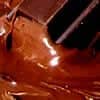
The plant sterols and cocoa flavanols in dark non-milk chocolate have been shown to reduce cholesterol by 2-5%. Further, plant sterols (phytosterols), found in all plants, and particularly plant oils like corn oil and soybean oil have been shown to lower LDL cholesterol by up to 16%.25 However, this reduction is largley due to inhibiting absorption of cholesterol, and would not have a large effect if you consumed little or no cholesterol.
Click to see complete nutrition facts for Dark Chocolate.

#10: Green Tea
Cholesterol Reduction:2-5%26
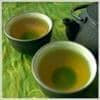
Green tea has long been a staple in East Asia where it is believed to wash oil (fat) out of the body. Studies suggest this may be true as. green tea can lower cholesterol by 2-5%.26 Green tea without sugar also has few calories (typically less than 10) and can make a great substitute for a variety of beverages. Click to see complete nutrition facts for Green Tea


Advertisement


More Lifestyle Choices to Lower Cholesterol

  • Take Niacin (Vitamin B3) Supplements - Niacin has been shown to lower LDL (bad) cholesterol and raise the level of HDL (good) cholesterol.27,28 The degree to which it lowers LDL cholesterol has not been measured, but one study reports a 20% increase in HDL (good) cholesterol29. There are no studies on the effect of high niacin foods as compared to the supplement. However, it is commonly construed that eating high niacin foods will help lower bad LDL levels while raising good HDL levels.
  • Exercise - Studies suggest that regular endurance aerobic exercises (walking, swimming, running) can increase levels of good (HDL) cholesterol which has protective effects on your cardiovascular system. This is especially true for people with low levels of HDL cholesterol.30,31 Further, exercise can enhance the effect of a low cholesterol diet, further lowering levels of bad (LDL) cholesterol.32
  • Become Vegan - Being vegan involves eating only plant foods and avoiding all animal foods such as dairy, meats, seafoods, etc...Veganism has been shown to lower cholesterol numbers as well as triglyceride levels.33 This is especially true for vegan diets that do not contain refined sugars, processed foods, or trans-fats, and consist mostly of high fiber foods like nuts, whole grains, fruits, and vegetables.
  • Reduce Stress - Studies show that mental, emotional, or physchological stress can increase cholesterol levels by 10%.34,35,36 One study in particular found that college students have high cholesterol levels before tests than other times in the semester.35 Another study found that performing a stressful mental activity, like math, increases cholesterol levels.36 To reduce stress in your life try drinking hot tea, yoga, or spending time with friends. Try new things till you find something that works for you.

Recipes to Lower Cholesterol

Add bran or flax to any of these recipes to increase their cholesterol lowering potential

Buy Cholesterol Test Kits from Amazon.com

You do not have to wait for your next doctors appointment to get your cholesterol numbers. You can buy a Cholesterol Test Kit to use at home. This saves both time and money, and also gives you faster feedback to know how your lifestyle choices are affecting your cholesterol levels. When you find a diet that works well for you, come back and comment to share your findings with other readers.


Comments.
Name:Gary
Location:Los Angeles
Subject:Thanks for helpful subject matter!!!!
Thank you for a helpful interesting article!!!!
Posted on 2011-10-30 08:11:07
Name:Maria
Location:Australia
Subject:Thanks for helpful information!!!
Posted on 2012-01-30 10:00:51
Name:Jesus
Location:Weston, Fl.
Subject:Olives only work as a substitute
Although a good strategy for lowering cholesterol could be to substitute animal fats for fats consisting of olives, canola, etc...it can also be misleading (at least it was for me for many years) to think that olives and olive oil alone can reduce cholesterol. Actually, even olives contain some saturated fat! So on net, olives only lower cholesterol when used as a substitute and in my view oat bran should have the first spot in your ranking!
Posted on 2012-02-10 11:15:23
Name:HealthAliciousNess
Subject:RE: Olives only work as a substitute
Hi Jesus, thanks for your comment and making the important distinction that monosaturated fats, like olive oil, will not lower cholesterol alone, and can only work when used as a substitute for saturated animal fats or other unhealthy fats.
Posted on 2012-02-10 11:22:28
Name:Tamoor
Location:Rawalpindi Pakistan
Subject:Truely useful info
Hi, I like this info and I am doing the same practice for my regular diet. Thanks for sharing such useful information.
Posted on 2012-03-15 14:08:57
Name:Tyrel
Location:Indiana
Subject:Something not listed
Something that I didn't see listed was cinnamon. This is actually prescribed by some doctors. I have switched to using olive oil in almost all of my cooking, since it is so healthy. The only thing is, because it's an oil, it still increases the HDL cholesterol. I also take fish oil and krill oil supplements daily (I HATE seafood). I help a high HDL by taking 1 cinnamon pill shortly after eating. My doctor says that all of my blood work now looks fantastic and to keep doing what I'm doing.
Posted on 2012-05-04 22:41:35
Name:Annette
Location:Scotland
Subject:Olive oil
Despite having a healthy diet my cholsterol levels are always high. I have avoided taking statins because of the side effects. My partner suffered badly with the side effects of statins and his cardiologist recommened that he stopped taking them. I was always a user of Olive Oil that was until I read about how it can become toxic when heated to a high temperature. I have since reverted to cooking with rapseed oil (in small doses). Is this okay? What alternatives are there to taking STATINS please? Thanks Annette!
Posted on 2012-05-17 15:51:42
Name:HealthAliciousNess
Subject:RE: Olive oil and Canola Oil
Hi Annette, thanks for your question. Canola (aka:Rapeseed) oil is a good substitute for olive oil and has been shown to lower cholesterol. Further, canola oil has a higher smoke point than olive oil, meaning that it can better tolerate high heat before becoming toxic. Another tip is to add water to the oil before cooking, this can help prevent the oil from degrading. In terms of lowering cholesterol and staying off of statins, some people are genetically predisposed to high cholesterol and it can be difficult to lower it. Perhaps try a vegan diet that is high in vegetables and whole grains, while being low in fats and sugars. This combined with 20 minutes of exercise a day might be effective. Good luck.
Posted on 2012-05-18 00:21:33
Name:Kandregula S. Satyanarayana
Location:Visakhapatnam India
Subject:Reduction of Cholesterol
I am regularly taking almond oil in food items as per your good advise. I am also taking green tea everyday. Your article is very useful. Thank you!
Posted on 2012-06-22 04:54:26
Name:Josie
Location:Pembroke Pines, Florida
Subject:Alternative to Statins
This is in response to Annette asking for an alternative to statins. I was on Lipitor and I also suffered some side effects. I stopped that right away and started on natural supplements such as Red Yeast Rice and odorless garlic pills. If you do the same, You should have no more trouble with cholesterol. You can find them at your local health food store.
Posted on 2012-07-30 22:52:35
Name:Matilda
Location:Mississippi
Subject:Niacin and Red Yeast Rice
Annette - Both Niacin and Red Yeast Rice have history of lowering cholesterol - the Red Yeast Rice can usually be found in a health food store and has been used in Oriental history - I personally have found it to be VERY effective.
Posted on 2012-07-30 23:37:17
Name:Melissa
Subject:Nutrition Labels - What to look for?
Hi, my husband has high cholesterol, and he is only 28. Since then, I have been browsing the net to find out what's good and what's bad. My question is, when buying something with a nutrition label, besides looking at the cholesterol, what else should I look at, and what should the percentage be?
Posted on 2012-09-07 07:19:19
Name:HealthAliciousNess
Subject:RE: Nutrition Labels - What to look for?
Hi Melissa, thanks for your question. You want to find foods that have no cholesterol in them (0% DV). If they are animal based foods, you also want them to have as little saturated fat as possible. Further look for foods low in sugar and sodium, as both these nutrients increase the risk of heart disease. Try instead to find foods high in fiber and potassium. By low, look for less than 20% DV, and by high, look for more than 50% DV. Also, try to make more vegan or vegetarian meals, since plant based foods have no cholesterol. Numerous people have gone on vegan diets and found tremendous results with lowering cholesterol.
Posted on 2012-09-07 07:25:36
Name:Iqbal Moosa
Location:South Africa
Subject:Cholesterol lowering fruits/foods
Pomegranate is very effective in lowering ldl. Gogi berries (also rated as one of the best foods for damaged cancer cell replacement). Black grapes with the seeds. Green apples (granny smith). Citrus fruits(I have found that by eating citrus fruits after my evening meal also helps with bowel movement early every morning). Onion juice with honey. Popcorn lightly salted. Tumeric powder added to your foods also helps to lower ldl, it is also good as an anti-inflammatory, anti-bacterial, anti-fungal aid that reduces risk of cancer.
Posted on 2012-10-28 19:00:39
Name:Joe
Location:VA
Subject:Oatmeal and Muesli Breakfast
Thank you for your work and information. Your format is simple to understand. Keep doing it for so many of us you help. #2 on your Cholesterol Lowering Foods is Oat Bran so I put 1/4 cup dry Oatmeal and 1/4 cup Muesli in a saucepan when it comes to a boil and let it simmer a few minutes. I add 3 walnut halves, a dash of cinnamon and a little unsweetened almond milk, eat this breakfast with a cup of coffee and go off to the Y to work out. Previous medical report cholesterol was 352. Current cholesterol is 188. 123 point reduction 38% improvement. Your list and exercise really work. I will be 71 next month. Thank you. Can you do a list on anti-inflammatory best top ten foods?
Posted on 2013-03-03 10:30:15
Name:HealthAliciousNess
Subject:RE: Oatmeal and Muesli Breakfast
Hi Joe, thanks for sharing your experience and congratulations on your success lowering your numbers! Keep up the good work, persistence over the long term counts the most. Thanks for the article suggestion also, will work on an article of anti-inflammatory foods.
Posted on 2013-03-03 15:46:02
Name:Nazrul
Location:Japan
Subject:Low Cholesterol (Hypocholesterolemia)
About 5 months ago my LDL Cholesterol count was just 105. Now its 51. Whereas the normal cholesterol range is 70-140. Higher LDL is risky for health. Is a lower LDL, like around 50, also a risk factor for health? Maybe I know the reason for my decreasing LDL level. Recently, I found the page for cholesterol lowering foods. Surprisingly, I found I eat almost 95-100% of these foods every day. This might be the cause I think. I would be happy to know:
Is there any other health reason that might be responsible for such drastic change of this count? Is and LDL count less than 50 unhealthy?
(A) If yes, How much risk is there?
(B) If the present situation is risky then what should I do for it?
(C) Should I eat less of some of the top 10 foods listed above?
Thank you
Posted on 2013-03-08 23:11:41
Name:HealthAliciousNess
Subject:RE: Low Cholesterol (Hypocholesterolemia)
Hi Nazul, thanks for your question. The effects of low cholesterol have not been studied well, and there is no "lower limit" for cholesterol. So it is not possible to tell if a LDL level of 50 is unhealthy. However, given how quickly your LDL cholesterol has dropped, you could have some underlying health problem, particularly with your liver.
Did you start eating a lot of these cholesterol lowering foods just 6 months ago? Or for most of your life? If it is just recently, the foods might have an effect, otherwise, it is unlikely that they do, and you do not need to change your diet.
Low cholesterol (Hypocholesterolemia) can lead to anxiety, depression, and even cancer. If you want to boost your cholesterol levels, try eating more high cholesterol foods. Also, consider seeing a doctor about your low cholesterol levels, particularly if they do not improve in 2-3 months.
Posted on 2013-03-09 22:57:46
Name:Robert Conroy CNC
Location:San Diego
Subject:Lowering LDL Cholesterol - Health Risks
Large studies have shown the lower your LDL below 108, the higher the risk for cancer. Amount of LDL does not effect cardiovascular risk, it's the particle size that matters and also the oxidation of cholesterol. Saturated fat makes particles large and fluffy that can do no harm. Eating high glycemic carbohydrates causes the LDL particle sizes to become the very small VLDL particles that are atherogenic (cause atherosclerosis). A good book on this is: The Great Cholesterol Myth by Dr Sinatra (a heart surgeon) and Jonny Bowden PhD nutritionist. So pretty much everything we've been told about cholesterol is simply not true. Good way to raise your particle size? Cheesecake for desert. A whole piece only has a glycemic load of around 10.
Posted on 2013-04-27 03:11:10
Name:Robert Conroy
Location:San Diego
Subject:People should not be vegan
Vegans get no omega-3 of the important kind (DHA and EPA). Plant omega-3, like from flax seeds, is called ALA. When consumed, less that .2-5% is converted to EPA and practically none is converted to DHA. Your brain is about 60% DHA. Think about that. This is why I'm treating many vegans for depression right now. Telling people to become a vegan is the worst advice you can give a person about nutrition. Over 95% of Americans are omega-3 deficient. 20% have no detectable omega-3 in their blood, at all. This would include most all vegans. 1 out of 10 Americans are now on at least 1 antidepressant. Good books about this:
The Missing Wellness Factors - EPA and DHA The Most Important Nutrients Since Vitamins? by Jorn Dyerberg M.D.
The Omega RX Zone by Barry Sears
The Omega Diet by Artemis Simopoulos M.D.
Inflammation Nation by Floyd H. Chilton PhD
Posted on 2013-04-27 03:19:08
Name:Michael
Location:New Jersey
Subject:Vegan diet

I commend the recommendation of a vegan diet. Concerns raised about the mix of fats typically found in vegan diets are misplaced. There is no known link between depression and vegan diets or even depression and circulating omega-3 levels. And there is plenty of evidence that veganism is helpful.

Also, statin drugs can sometimes cause adverse effects but on the whole are enormously beneficial. Less than 3% of patients taking statins have myalgias (muscle pain) or elevated transaminases (liver tests). Red yeast rice, touted as a "natural" substance, has an active metabolite identical to the drug lovastatin.

Posted on 2013-06-09 11:19:27

Post a comment.
Name:          
Location:       
Email:(Optional)
Subject:         

Spam Prevention *(REQUIRED):
Enter the last three letters of this sentence.
Comments.
Name:Gary
Location:Los Angeles
Subject:Thanks for helpful subject matter!!!!
Thank you for a helpful interesting article!!!!
Posted on 2011-10-30 08:11:07
Name:Maria
Location:Australia
Subject:Thanks for helpful information!!!
Posted on 2012-01-30 10:00:51
Name:Jesus
Location:Weston, Fl.
Subject:Olives only work as a substitute
Although a good strategy for lowering cholesterol could be to substitute animal fats for fats consisting of olives, canola, etc...it can also be misleading (at least it was for me for many years) to think that olives and olive oil alone can reduce cholesterol. Actually, even olives contain some saturated fat! So on net, olives only lower cholesterol when used as a substitute and in my view oat bran should have the first spot in your ranking!
Posted on 2012-02-10 11:15:23
Name:HealthAliciousNess
Subject:RE: Olives only work as a substitute
Hi Jesus, thanks for your comment and making the important distinction that monosaturated fats, like olive oil, will not lower cholesterol alone, and can only work when used as a substitute for saturated animal fats or other unhealthy fats.
Posted on 2012-02-10 11:22:28
Name:Tamoor
Location:Rawalpindi Pakistan
Subject:Truely useful info
Hi, I like this info and I am doing the same practice for my regular diet. Thanks for sharing such useful information.
Posted on 2012-03-15 14:08:57
Name:Tyrel
Location:Indiana
Subject:Something not listed
Something that I didn't see listed was cinnamon. This is actually prescribed by some doctors. I have switched to using olive oil in almost all of my cooking, since it is so healthy. The only thing is, because it's an oil, it still increases the HDL cholesterol. I also take fish oil and krill oil supplements daily (I HATE seafood). I help a high HDL by taking 1 cinnamon pill shortly after eating. My doctor says that all of my blood work now looks fantastic and to keep doing what I'm doing.
Posted on 2012-05-04 22:41:35
Name:Annette
Location:Scotland
Subject:Olive oil
Despite having a healthy diet my cholsterol levels are always high. I have avoided taking statins because of the side effects. My partner suffered badly with the side effects of statins and his cardiologist recommened that he stopped taking them. I was always a user of Olive Oil that was until I read about how it can become toxic when heated to a high temperature. I have since reverted to cooking with rapseed oil (in small doses). Is this okay? What alternatives are there to taking STATINS please? Thanks Annette!
Posted on 2012-05-17 15:51:42
Name:HealthAliciousNess
Subject:RE: Olive oil and Canola Oil
Hi Annette, thanks for your question. Canola (aka:Rapeseed) oil is a good substitute for olive oil and has been shown to lower cholesterol. Further, canola oil has a higher smoke point than olive oil, meaning that it can better tolerate high heat before becoming toxic. Another tip is to add water to the oil before cooking, this can help prevent the oil from degrading. In terms of lowering cholesterol and staying off of statins, some people are genetically predisposed to high cholesterol and it can be difficult to lower it. Perhaps try a vegan diet that is high in vegetables and whole grains, while being low in fats and sugars. This combined with 20 minutes of exercise a day might be effective. Good luck.
Posted on 2012-05-18 00:21:33
Name:Kandregula S. Satyanarayana
Location:Visakhapatnam India
Subject:Reduction of Cholesterol
I am regularly taking almond oil in food items as per your good advise. I am also taking green tea everyday. Your article is very useful. Thank you!
Posted on 2012-06-22 04:54:26
Name:Josie
Location:Pembroke Pines, Florida
Subject:Alternative to Statins
This is in response to Annette asking for an alternative to statins. I was on Lipitor and I also suffered some side effects. I stopped that right away and started on natural supplements such as Red Yeast Rice and odorless garlic pills. If you do the same, You should have no more trouble with cholesterol. You can find them at your local health food store.
Posted on 2012-07-30 22:52:35
Name:Matilda
Location:Mississippi
Subject:Niacin and Red Yeast Rice
Annette - Both Niacin and Red Yeast Rice have history of lowering cholesterol - the Red Yeast Rice can usually be found in a health food store and has been used in Oriental history - I personally have found it to be VERY effective.
Posted on 2012-07-30 23:37:17
Name:Melissa
Subject:Nutrition Labels - What to look for?
Hi, my husband has high cholesterol, and he is only 28. Since then, I have been browsing the net to find out what's good and what's bad. My question is, when buying something with a nutrition label, besides looking at the cholesterol, what else should I look at, and what should the percentage be?
Posted on 2012-09-07 07:19:19
Name:HealthAliciousNess
Subject:RE: Nutrition Labels - What to look for?
Hi Melissa, thanks for your question. You want to find foods that have no cholesterol in them (0% DV). If they are animal based foods, you also want them to have as little saturated fat as possible. Further look for foods low in sugar and sodium, as both these nutrients increase the risk of heart disease. Try instead to find foods high in fiber and potassium. By low, look for less than 20% DV, and by high, look for more than 50% DV. Also, try to make more vegan or vegetarian meals, since plant based foods have no cholesterol. Numerous people have gone on vegan diets and found tremendous results with lowering cholesterol.
Posted on 2012-09-07 07:25:36
Name:Iqbal Moosa
Location:South Africa
Subject:Cholesterol lowering fruits/foods
Pomegranate is very effective in lowering ldl. Gogi berries (also rated as one of the best foods for damaged cancer cell replacement). Black grapes with the seeds. Green apples (granny smith). Citrus fruits(I have found that by eating citrus fruits after my evening meal also helps with bowel movement early every morning). Onion juice with honey. Popcorn lightly salted. Tumeric powder added to your foods also helps to lower ldl, it is also good as an anti-inflammatory, anti-bacterial, anti-fungal aid that reduces risk of cancer.
Posted on 2012-10-28 19:00:39
Name:Joe
Location:VA
Subject:Oatmeal and Muesli Breakfast
Thank you for your work and information. Your format is simple to understand. Keep doing it for so many of us you help. #2 on your Cholesterol Lowering Foods is Oat Bran so I put 1/4 cup dry Oatmeal and 1/4 cup Muesli in a saucepan when it comes to a boil and let it simmer a few minutes. I add 3 walnut halves, a dash of cinnamon and a little unsweetened almond milk, eat this breakfast with a cup of coffee and go off to the Y to work out. Previous medical report cholesterol was 352. Current cholesterol is 188. 123 point reduction 38% improvement. Your list and exercise really work. I will be 71 next month. Thank you. Can you do a list on anti-inflammatory best top ten foods?
Posted on 2013-03-03 10:30:15
Name:HealthAliciousNess
Subject:RE: Oatmeal and Muesli Breakfast
Hi Joe, thanks for sharing your experience and congratulations on your success lowering your numbers! Keep up the good work, persistence over the long term counts the most. Thanks for the article suggestion also, will work on an article of anti-inflammatory foods.
Posted on 2013-03-03 15:46:02
Name:Nazrul
Location:Japan
Subject:Low Cholesterol (Hypocholesterolemia)
About 5 months ago my LDL Cholesterol count was just 105. Now its 51. Whereas the normal cholesterol range is 70-140. Higher LDL is risky for health. Is a lower LDL, like around 50, also a risk factor for health? Maybe I know the reason for my decreasing LDL level. Recently, I found the page for cholesterol lowering foods. Surprisingly, I found I eat almost 95-100% of these foods every day. This might be the cause I think. I would be happy to know:
Is there any other health reason that might be responsible for such drastic change of this count? Is and LDL count less than 50 unhealthy?
(A) If yes, How much risk is there?
(B) If the present situation is risky then what should I do for it?
(C) Should I eat less of some of the top 10 foods listed above?
Thank you
Posted on 2013-03-08 23:11:41
Name:HealthAliciousNess
Subject:RE: Low Cholesterol (Hypocholesterolemia)
Hi Nazul, thanks for your question. The effects of low cholesterol have not been studied well, and there is no "lower limit" for cholesterol. So it is not possible to tell if a LDL level of 50 is unhealthy. However, given how quickly your LDL cholesterol has dropped, you could have some underlying health problem, particularly with your liver.
Did you start eating a lot of these cholesterol lowering foods just 6 months ago? Or for most of your life? If it is just recently, the foods might have an effect, otherwise, it is unlikely that they do, and you do not need to change your diet.
Low cholesterol (Hypocholesterolemia) can lead to anxiety, depression, and even cancer. If you want to boost your cholesterol levels, try eating more high cholesterol foods. Also, consider seeing a doctor about your low cholesterol levels, particularly if they do not improve in 2-3 months.
Posted on 2013-03-09 22:57:46
Name:Robert Conroy CNC
Location:San Diego
Subject:Lowering LDL Cholesterol - Health Risks
Large studies have shown the lower your LDL below 108, the higher the risk for cancer. Amount of LDL does not effect cardiovascular risk, it's the particle size that matters and also the oxidation of cholesterol. Saturated fat makes particles large and fluffy that can do no harm. Eating high glycemic carbohydrates causes the LDL particle sizes to become the very small VLDL particles that are atherogenic (cause atherosclerosis). A good book on this is: The Great Cholesterol Myth by Dr Sinatra (a heart surgeon) and Jonny Bowden PhD nutritionist. So pretty much everything we've been told about cholesterol is simply not true. Good way to raise your particle size? Cheesecake for desert. A whole piece only has a glycemic load of around 10.
Posted on 2013-04-27 03:11:10
Name:Robert Conroy
Location:San Diego
Subject:People should not be vegan
Vegans get no omega-3 of the important kind (DHA and EPA). Plant omega-3, like from flax seeds, is called ALA. When consumed, less that .2-5% is converted to EPA and practically none is converted to DHA. Your brain is about 60% DHA. Think about that. This is why I'm treating many vegans for depression right now. Telling people to become a vegan is the worst advice you can give a person about nutrition. Over 95% of Americans are omega-3 deficient. 20% have no detectable omega-3 in their blood, at all. This would include most all vegans. 1 out of 10 Americans are now on at least 1 antidepressant. Good books about this:
The Missing Wellness Factors - EPA and DHA The Most Important Nutrients Since Vitamins? by Jorn Dyerberg M.D.
The Omega RX Zone by Barry Sears
The Omega Diet by Artemis Simopoulos M.D.
Inflammation Nation by Floyd H. Chilton PhD
Posted on 2013-04-27 03:19:08
Name:Michael
Location:New Jersey
Subject:Vegan diet

I commend the recommendation of a vegan diet. Concerns raised about the mix of fats typically found in vegan diets are misplaced. There is no known link between depression and vegan diets or even depression and circulating omega-3 levels. And there is plenty of evidence that veganism is helpful.

Also, statin drugs can sometimes cause adverse effects but on the whole are enormously beneficial. Less than 3% of patients taking statins have myalgias (muscle pain) or elevated transaminases (liver tests). Red yeast rice, touted as a "natural" substance, has an active metabolite identical to the drug lovastatin.

Posted on 2013-06-09 11:19:27

Post a comment.
Name:          
Location:       
Email:(Optional)
Subject:         

Spam Prevention *(REQUIRED):
Enter the last three letters of this sentence.

References

  1. Mensink RP, Katan MB. Effect of a diet enriched with monounsaturated or polyunsaturated fatty acids on levels of low-density and high-density lipoprotein cholesterol in healthy women and men. N Engl J Med. 1989 Aug 17;321(7):436-41.
  2. Penny M Kris-Etherton, Thomas A Pearson, Ying Wan, Rebecca L Hargrove, Kristin Moriarty, Valerie Fishell and Terry D Etherton. High?monounsaturated fatty acid diets lower both plasma cholesterol and triacylglycerol concentrations. American Journal of Clinical Nutrition, Vol. 70, No. 6, 1009-1015, December 1999
  3. Robert W. Kirby, M.D., James W. Anderson, M.D., Beverly Sieling, R.D.,E. Douglas Rees, M.D. Oat-bran intake selectively lowers serum lowdensity lipoprotein cholesterol concentrations of hypercholesterolemic men. Am. J. Clin. Nutr. 34: 824-829, 1981.
  4. Graeme H McIntosh, Joanna Whyte, Rosemary McArthur, and Paul J Nestel. Barley and wheat foods: influence on plasma cholesterol concentrations in hypercholesterolemic men. Am. J. Clin. Nutr. 34: 824-829, 1991.
  5. Maren Hegsted, Marlene M. Windhauser, S. Kay Morrisa, and Susan B. Lester. Stabilized rice bran and oat bran lower cholesterol in humans. Nutrition Research Volume 13, Issue 4, April 1993, Pages 387-398
  6. SC Cunnane, MJ Hamadeh, AC Liede, LU Thompson, TM Wolever and DJ Jenkins. Nutritional attributes of traditional flaxseed in healthy young adults. American Journal of Clinical Nutrition, Vol 61, 62-68, 1995.
  7. Bahram H Arjmandi, Dilshad A Khan, Shanil Juma, Melinda L. Drum, Sreevidya Venkatesh, Eugenia Sohn, Lili Wei, and Richard Derman. Whole flaxseed consumption lowers serum LDL-cholesterol and lipoprotein(a) concentrations in postmenopausal women.
  8. AJ Adler and BJ Holub. Effect of garlic and fish-oil supplementation on serum lipid and lipoprotein concentrations in hypercholesterolemic men. American Journal of Clinical Nutrition, Vol 65, 445-450, 1997
  9. Stephen Warshafsky, Russell S. Kamer, Steven L. Sivak. Effect of Garlic on Total Serum Cholesterol-A Meta-Analysis. Annals of Internal Medicine, 2004.
  10. Abbey M., Noakes M., Belling G.B., Nestel, P. Partial replacement of saturated fatty acids with almonds or walnuts lowers total plasma cholesterol and low-density-lipoprotein cholesterol. The American Journal of Clinical Nutrition, 1994;59:995-9.
  11. David J.A. Jenkins, MD; Cyril W.C. Kendall, PhD; Augustine Marchie, BSc; Tina L. Parker, RD; Philip W. Connelly, PhD; Wei Qian, PhD; James S. Haight, MD; Dorothea Faulkner, RD; Edward Vidgen, BSc; Karen G. Lapsley, DSc; Gene A. Spiller, PhD Dose Response of Almonds on Coronary Heart Disease Risk Factors: Blood Lipids, Oxidized Low-Density Lipoproteins, Lipoprotein(a), Homocysteine, and Pulmonary Nitric Oxide. The American Heart Assoiciation, 2002;106:1327.
  12. David JA Jenkins, Cyril WC Kendall, Augustine Marchie, Dorothea A Faulkner, Julia MW Wong, Russell de Souza, Azadeh Emam, Tina L Parker, Edward Vidgen, Elke A Trautwein, Karen G Lapsley, Robert G Josse, Lawrence A Leiter, William Singer and Philip W Connelly Direct comparison of a dietary portfolio of cholesterol-lowering foods with a statin in hypercholesterolemic participants. The American Journal of Clinical Nutrition, February 2005, vol. 81, no. 2, 380-387.
  13. Karin Ried, Peter Fakler. Protective effect of lycopene on serum cholesterol and blood pressure: Meta-analyses of intervention trials. Volume 68, Issue 4 , Pages 299-310, April 2011
  14. Marja-Leena Silastea, Georg Alfthana, Antti Aroa, Y. Antero Kesäniemia, and Sohvi Hörkkö. Tomato juice decreases LDL cholesterol levels and increases LDL resistance to oxidation. British Journal of Nutrition (2007), 98: 1251-1258
  15. Isabelle A. Hininger, PhD, Anita Meyer-Wenger, PhD, Ulrich Moser, PhD, Anthony Wright, PhD, Susan Southon, PhD, David Thurnham, PhD, Mridula Chopra, PhD, Henk Van Den Berg, PhD, Begona Olmedilla, PhD, Alain E. Favier, PhD, FACN and Anne-Marie Roussel, PhD, FACN. No Significant Effects of Lutein, Lycopene or ß-Carotene Supplementation on Biological Markers of Oxidative Stress and LDL Oxidizability in Healthy Adult Subjects. J Am Coll Nutr June 2001 vol. 20 no. 3 232-238.
  16. Lenore Arab and Susan Steck. Lycopene and cardiovascular disease. American Journal of Clinical Nutrition, Vol. 71, No. 6, 1691S-1695s, June 2000.
  17. Sabaté J, Fraser GE, Burke K, Knutsen SF, Bennett H, Lindsted KD. Effects of walnuts on serum lipid levels and blood pressure in normal men. N Engl J Med. 1993 Mar 4;328(9):603-7.
  18. M Abbey, M Noakes, GB Belling and PJ Nestel. Partial replacement of saturated fatty acids with almonds or walnuts lowers total plasma cholesterol and low-density-lipoprotein cholesterol. American Journal of Clinical Nutrition, Vol 59, 995-999, 1994.
  19. Linda C. Tapsell, PHD, Lynda J. Gillen, Craig S. Patch, Marijka Batterham, Alice Owen, Marian Baré, and Meredith Kennedy. Including Walnuts in a Low-Fat/Modified-Fat Diet Improves HDL Cholesterol-to-Total Cholesterol Ratios in Patients With Type 2 Diabetes. doi: 10.2337/diacare.27.12.2777 Diabetes Care December 2004 vol. 27 no. 12 2777-2783
  20. Rogelio U Almario, Veraphon Vonghavaravat, Rodney Wong, and Sidika E Kasim-Karakas. Effects of walnut consumption on plasma fatty acids and lipoproteins in combined hyperlipidemia. Am J Clin Nutr July 2001 vol. 74 no. 1 72-79.
  21. Karen Edwards, MS, Isidore Kwaw, MD, Jose Matud and Ira Kurtz, MD. Effect of Pistachio Nuts on Serum Lipid Levels in Patients with Moderate Hypercholesterolemia. J Am Coll Nutr June 1999 vol. 18 no. 3 229-232
  22. GH McIntosh, J Whyte, R McArthur and PJ Nestel. Barley and wheat foods: influence on plasma cholesterol concentrations in hypercholesterolemic men. Am J Clin Nutr May 1991 vol. 53 no. 5 1205-1209.
  23. Joanne R Lupton, PhD, Michael Clayton Robinson, MS, RD, Janet L Morin, MS, RD. Cholesterol-lowering effect of barley bran flour and oil. Journal of the American Dietetic Association Volume 94, Issue 1 , Pages 65-70, January 1994
  24. Robin R. Allen, LeaAnn Carson, Catherine Kwik-Uribe, Ellen M. Evans, and John W. Erdman, Jr. Daily Consumption of a Dark Chocolate Containing Flavanols and Added Sterol Esters Affects Cardiovascular Risk Factors in a Normotensive Population with Elevated Cholesterol. American Society for Nutrition J. Nutr. 138:725-731, April 2008
  25. Catherine A Vanstone, Mahmoud Raeini-Sarjaz, William E Parsons and Peter JH Jones. Unesterified plant sterols and stanols lower LDL-cholesterol concentrations equivalently in hypercholesterolemic persons. American Journal of Clinical Nutrition, Vol. 76, No. 6, 1272-1278, December 2002
  26. Tokunaga S, White IR, Frost C, Tanaka K, Kono S, Tokudome S, Akamatsu T, Moriyama T, Zakouji H. Green tea consumption and serum lipids and lipoproteins in a population of healthy workers in Japan. Ann Epidemiol. 2002 Apr;12(3):157-65.
  27. Pubmed Health Page on Niacin
  28. Katzung, Bertram G. (2006). Basic and clinical pharmacology. New York: McGraw-Hill Medical Publishing Division. ISBN 0071451536.
  29. Allen J. Taylor, MD; Lance E. Sullenberger, MD; Hyun J. Lee, BS; Jeannie K. Lee, PharmD; Karen A. Grace, PharmD. A Double-Blind, Placebo-Controlled Study of Extended-Release Niacin on Atherosclerosis Progression in Secondary Prevention Patients Treated With Statins. American Heart Association Journal. Circulation. 2004; 110: 3512-3517 Published online before print November 10, 2004, doi: 10.1161/?01.CIR.0000148955.19792.8D.
  30. Mark A. Kantora, Eileen M. Cullinanea, Stanley P. Sadya, Peter N. Herberta, Paul D. Thompson. Exercise acutely increases high density lipoprotein-cholesterol and lipoprotein lipase activity in trained and untrained men. Metabolism Volume 36, Issue 2, February 1987, Pages 188-192 2001; 21: 1226-1232
  31. Charles Couillard, Jean-Pierre Després, Benoît Lamarche, Jean Bergeron, Jacques Gagnon, Arthur S. Leon, D. C. Rao, James S. Skinner, Jack H. Wilmore, Claude Bouchard. Effects of Endurance Exercise Training on Plasma HDL Cholesterol Levels Depend on Levels of Triglycerides. American Heart Association Arteriosclerosis, Thrombosis, and Vascular Biology.
  32. Marcia L. Stefanick, Ph.D., Sally Mackey, M.S., R.D., Mary Sheehan, M.S., Nancy Ellsworth, William L. Haskell, Ph.D., and Peter D. Wood, D.Sc., Ph.D. Effects of Diet and Exercise in Men and Postmenopausal Women with Low Levels of HDL Cholesterol and High Levels of LDL Cholesterol. N Engl J Med 1998; 339:12-20July 2, 1998.
  33. Resnicow K, Barone J, Engle A, Miller S, Haley NJ, Fleming D, Wynder E. Diet and serum lipids in vegan vegetarians: a model for risk reduction. J Am Diet Assoc. 1991 Apr;91(4):447-53.
  34. P. T. Wertlake, A. A. Wilcox, M. I. Haley and J. E. Peterson. Relationship of Mental and Emotional Stress to Serum Cholesterol Levels. doi: 10.3181/00379727-97-23676 Exp Biol Med January 1958 vol. 97 no. 1 163-165
  35. Caroline Bedell Thomas, M.D., Edmond A. Murphy, M.D. Further studies on cholesterol levels in the Johns Hopkins medical students: The effect of stress at examinations. From the Department of Medicine, The Johns Hopkins University School of Medicine, Baltimore, Md. USA Received 5 September 1958. Available online 23 March 2004.
  36. Matthew F. Muldoon, MD; Elizabeth A. Bachen, MA; Stephen B. Manuck, PhD; Shari R. Waldstein, MS; Patricia L. Bricker, MSN; Jill A. Bennett. Acute Cholesterol Responses to Mental Stress and Change in Posture. Arch Intern Med. 1992;152(4):775-780.
  37. B E McDonald, J M Gerrard, V M Bruce, and E J Corner. Comparison of the effect of canola oil and sunflower oil on plasma lipids and lipoproteins and on in vivo thromboxane A2 and prostacyclin production in healthy young men. Am J Clin Nutr December 1989 vol. 50 no. 6 1382-1388.