Top 10 Foods Highest in Vitamin E


Vitamin E is a group of 8 fat-soluble vitamins, which protect cell membranes and other fat-soluble tissues in the body against damage from oxidative stress. (1)
While rare, vitamin E deficiency can lead to poor reflex control, muscle weakness, and fatigue. Over time severe deficiency can lead to complete blindness, dementia, and cardiac arrhythmias. (2)
Conversely, too much vitamin E from supplements can lead to excessive bleeding. (3) Vitamin E foods, like the ones listed below, are generally considered to be safe and healthy, with a very low risk of consuming too much of this vitamin.
In general, consuming adequate amounts of vitamin E promotes the health of the immune system, skin, hair, and liver. (4,5,6,7,8,9,10) Studies are mixed on the protective effect of vitamin E as related to heart disease, macular degeneration, and cancer. (11,12,13) Some results suggest that high doses of vitamin E supplements (alpha-tocopherol) can even increase the risk of cancer. (13) The good news is that vitamin E from diet alone carries the most protective benefit. (13) This is believed to be due to the fact that multiple different forms of vitamin E are found in foods, while most supplements contain only a single form.
Foods high in vitamin E include sunflower seeds, almonds, spinach, avocados, squash, kiwifruit, trout, shrimp (prawns), olive oil, wheat germ oil, and broccoli. The current daily value (DV) for vitamin E is 15mg. (14) Vitamin E is also lipid soluble, which means that fats in your diet will help you absorb vitamin E.
Below is a list of foods high in vitamin E sorted by a common serving size. For more, see the list of vitamin E rich foods sorted by a 100-gram serving, and the list of vitamin E rich foods sorted by a 200 calorie serving size.
- Introduction
- List of Vitamin E Foods
- 100g Serving
- 200 Calorie Serving
- Printable
- How much Vitamin E Do You Need Everyday?
- How Much Vitamin E is Too Much?
- Health Benefits of Vitamin E
- Is Vitamin E found in meats?
- Warnings
- About the Daily Value (%DV) Target
- About the Data
- Lists By Food Group
- Related
- References
- Feedback
-
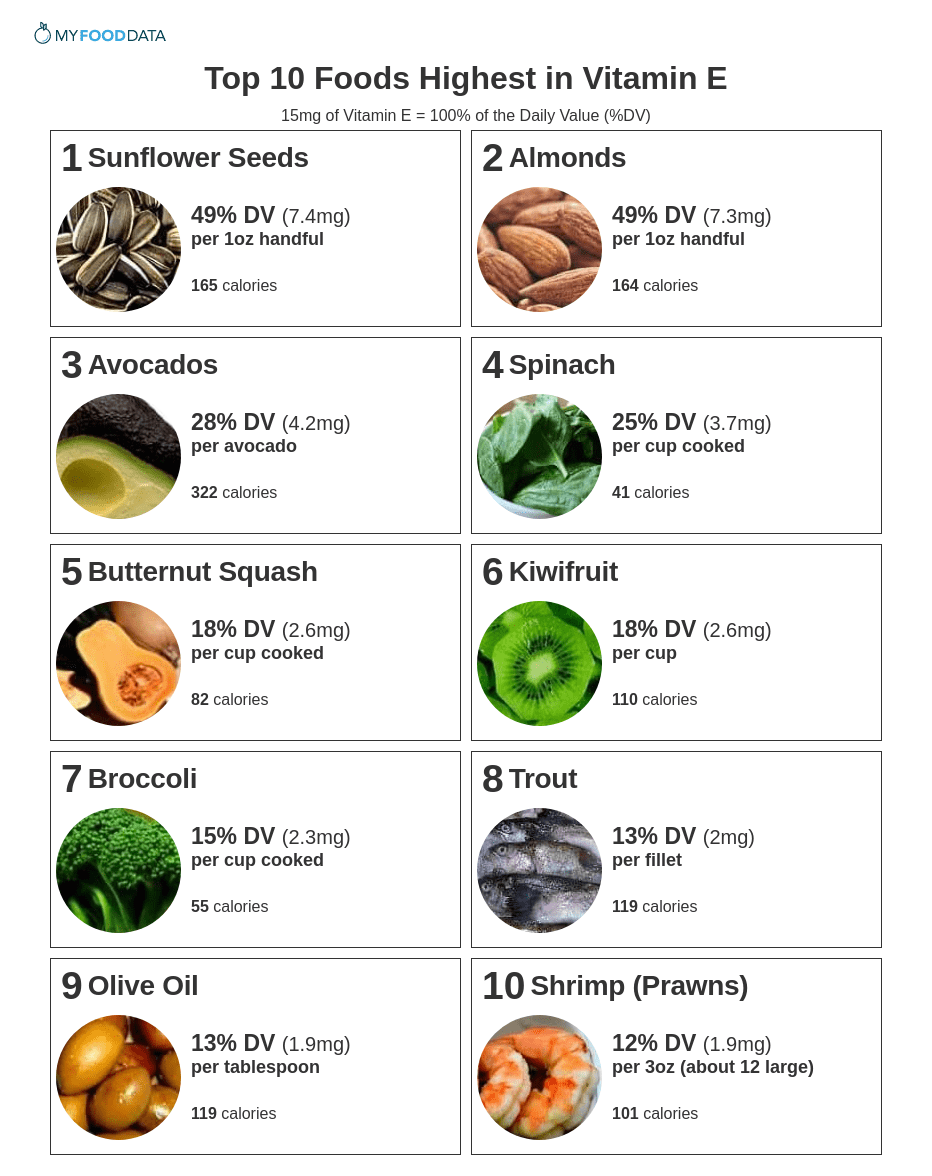
 1. Sunflower Seeds
Vitamin E
per 1oz HandfulVitamin E
per 100gVitamin E
per 200 Calories7.4mg
(49% DV)26.1mg
(174% DV)9mg
(60% DV)See all nuts and seeds high in vitamin E.
-
 2. Almonds
Vitamin E
per 1oz HandfulVitamin E
per 100gVitamin E
per 200 Calories7.3mg
(49% DV)25.6mg
(171% DV)8.9mg
(59% DV)More nuts high in vitamin E
- 29% DV in 1oz of hazelnuts
- 18% DV in 1oz of pine nuts
- 11% DV in 1oz of Brazil nuts
- 9% DV in 1oz of peanuts
See all nuts and seeds high in vitamin E.
-
 3. Avocados
Vitamin E
per AvocadoVitamin E
per 100gVitamin E
per 200 Calories4.2mg
(28% DV)2.1mg
(14% DV)2.6mg
(17% DV) -
 4. Spinach
Vitamin E
per Cup CookedVitamin E
per 100gVitamin E
per 200 Calories3.7mg
(25% DV)2.1mg
(14% DV)18.1mg
(121% DV)Other Leafy Greens High in Vitamin E
- 22% DV in 1 cup of Swiss chard
- 18% DV in 1 cup of turnip greens
- 17% DV in 1 cup of beet greens
- 17% DV in 1 cup of mustard greens
- 11% DV in 1 cup of collard greens
See all vegetables high in vitamin E.
-
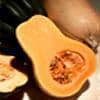 5. Butternut Squash
Vitamin E
per Cup CookedVitamin E
per 100gVitamin E
per 200 Calories2.6mg
(18% DV)1.3mg
(9% DV)6.5mg
(43% DV)- 9% DV per cup of cooked pumpkin
- 7% DV per cup of mashed sweet potato
See all vegetables high in vitamin E.
-
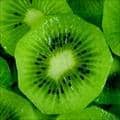 6. Kiwifruit
Vitamin E
per CupVitamin E
per 100gVitamin E
per 200 Calories2.6mg
(18% DV)1.5mg
(10% DV)4.8mg
(32% DV)More fruit high in vitamin E
- 25% DV in 1 cup of mamey sapote
- 11% DV in 1 cup of blackberries
- 10% DV in 1 cup of mangoes
See the complete list of fruits high in vitamin E.
-
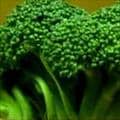 7. Broccoli
Vitamin E
per Cup CookedVitamin E
per 100gVitamin E
per 200 Calories2.3mg
(15% DV)1.5mg
(10% DV)8.3mg
(55% DV)See the complete list of vegetables high in vitamin E.
-
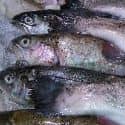 8. Trout
Vitamin E
per FilletVitamin E
per 100gVitamin E
per 200 Calories2mg
(13% DV)2.8mg
(19% DV)3.3mg
(22% DV)More Fish High in Vitamin E
- 16% DV in a 3oz fillet of trout
- 14% DV in a 3oz fillet of swordfish
- 13% DV in 3oz of canned tuna
- 13% DV in a 6oz salmon fillet
See all fish high in vitamin E.
-
 9. Olive Oil
Vitamin E
per TablespoonVitamin E
per 100gVitamin E
per 200 Calories1.9mg
(13% DV)14.4mg
(96% DV)3.2mg
(22% DV)More Plant Oils High in Vitamin E
- 135% DV per tbsp of wheat germ oil
- 31% DV per tbsp of safflower oil
- 29% DV per tbsp of rice bran oil
- 26% DV per tbsp of grapeseed oil
- 26% DV per tbsp of canola oil
- 14% DV per tbsp of peanut oil
Note: Olive oil is listed first since it is more common.
See all oils high in vitamin E.
-
 10. Shrimp (Prawns)
Vitamin E
per 3oz (About 12 Large)Vitamin E
per 100gVitamin E
per 200 Calories1.9mg
(12% DV)2.2mg
(15% DV)3.7mg
(25% DV)More Shellfish High in Vitamin E
- 17% DV in 1 cup of canned blue crab
- 12% DV in 3oz of cooked shrimp
- 9% DV in 3oz of crayfish
 Next ➞
Printable One Page Sheet
Foods High in Vitamin E (Alpha-Tocopherol) by Nutrient Density (100 Gram Serving Size)
This ranking lets you know which foods have the most Vitamin E (Alpha-Tocopherol) per gram of food.
| Food | Serving | Vitamin E |
|---|---|---|
| 1. Wheat Germ Oil | 100 grams | 996% DV (149.4mg) |
| 2. Chili Powder | 100 grams | 254% DV (38.1mg) |
| 3. Dried Sunflower Seeds | 100 grams | 234% DV (35.2mg) |
| 4. Cayenne Pepper | 100 grams | 199% DV (29.8mg) |
| 5. Paprika | 100 grams | 194% DV (29.1mg) |
| 6. Almonds | 100 grams | 171% DV (25.6mg) |
| 7. Dried Oregano | 100 grams | 122% DV (18.3mg) |
| 8. Toasted Wheat Germ | 100 grams | 107% DV (16mg) |
| 9. Dry Roasted Hazelnuts | 100 grams | 102% DV (15.3mg) |
| 10. Smooth Peanut Butter | 100 grams | 61% DV (9.1mg) |
Foods High in Vitamin E (Alpha-Tocopherol) by Calorie Density (200 Calorie Serving Size)
This ranking lets you know which foods have the most Vitamin E (Alpha-Tocopherol) per calorie of food. It is ideal for those who want to maximize their Vitamin E (Alpha-Tocopherol) intake per calorie of food, reducing their overall calorie intake to lose weight.
| Food | Serving | Vitamin E |
|---|---|---|
| 1. Almond Milk (Unsweetened) | 200 calories | 563% DV (84.4mg) |
| 2. Wheat Germ Oil | 200 calories | 225% DV (33.8mg) |
| 3. Chili Powder | 200 calories | 180% DV (27mg) |
| 4. Jalapeno Peppers | 200 calories | 165% DV (24.7mg) |
| 5. Silken Tofu | 200 calories | 163% DV (24.5mg) |
| 6. Fresh Cilantro | 200 calories | 145% DV (21.7mg) |
| 7. Paprika (Powder) | 200 calories | 138% DV (20.6mg) |
| 8. Broccoli Raab (Cooked) | 200 calories | 135% DV (20.2mg) |
| 9. Swiss Chard (Cooked) | 200 calories | 133% DV (19.9mg) |
| 10. Spinach (Cooked) | 200 calories | 121% DV (18.1mg) |
How much Vitamin E Do You Need Everyday?
The daily value (%DV) for vitamin E is 15mg and is a general target intended for most people. (14) The Recommended Dietary Allowance (RDA) sets more specific targets, based on a person's age and gender. The RDA for vitamin E is between 4 - 20mg for most people. (15)
| Life Stage | RDA |
|---|---|
| Infants | |
| 0-6 months old* | 4mg |
| 7-12 months old* | 5mg |
| Children | |
| 1-3 years old | 6mg |
| 4-8 years old | 7mg |
| Males | |
| 9-13 years old | 11mg |
| 14+ years old | 15mg |
| Females | |
| 9-13 years old | 11mg |
| 14+ years old | 15mg |
| Pregnancy | |
| 14-50 years old | 15mg |
| Lactation | |
| 14-50 years old | 19mg |
Source: National Library of Medicine Dietary Reference Intakes for Vitamin C, Vitamin E, Selenium, and Carotenoids
How Much Vitamin E is Too Much?
Since too much vitamin E from supplements may increase the risk of bleeding, the U.S. National Library of Medicine Established Tolerable Upper Limits of Intake (UL). Below is a table of tolerable upper limits for vitamin E by age and gender. The tolerable upper limit for Vitamin E ranges between 200 - 1,000mg.
Note: no studies show that excess vitamin E from foods is harmful, so these numbers are only relevant to you if you're taking supplements containing vitamin E. Some multivitamins contain very high levels of vitamin E, so it's important to check the label of any supplement that you may be taking. (15)
| Life Stage | RDA |
|---|---|
| Children | |
| 1-3 years old | 200mg |
| 4-8 years old | 300mg |
| Males | |
| 9-13 years old | 600mg |
| 14-18 years old | 800mg |
| 19+ years old | 1,000mg |
| Females | |
| 9-13 years old | 600mg |
| 14-18 years old | 800mg |
| 19+ years old | 1,000mg |
| Pregnancy | |
| 14-18 years old | 800mg |
| 19+ years old | 1000mg |
| Lactation | |
| 14-18 years old | 800mg |
| 19+ years old | 1000mg |
Health Benefits of Vitamin E
- Healthy Immune System - Vitamin E is an antioxidant found at particularly high concentrations in cells of the immune system. (16) A deficiency of vitamin E impairs the immune system, so consuming adequate amounts of vitamin E is essential for a healthy immune system. (4)
- Healthy Skin - Vitamin E is the primary fat-soluble antioxidant that protects the skin from free radical damage. (5)
- Liver Health - Vitamin E is associated with a reduced risk of liver cancer. (6) Further, vitamin E promotes recovery for diabetic patients with non-alcoholic fatty liver disease. (7,8) Consuming adequate amounts of vitamin E may help to promote liver health.
- Hair Health - Vitamin E is a potent antioxidant that can help heal some of the oxidative stress in aging hair. (9) In one study, supplements of (a form of vitamin E) lead to 34.5% hair growth in patients suffering from alopecia. (10) Patients took 100mg of mixed tocotrienol daily over the course of a month. (10) Because of the potential risks associated with taking high doses of vitamin E, it's important to be cautious with this approach. If you're suffering from alopecia, discuss the possibility of taking vitamin E as a part of your treatment plan. Otherwise, aim for consuming your daily recommended amount of vitamin E through foods to promote healthy hair.
Is Vitamin E found in meats?
In general, meat is a poor source of vitamin E. Since vitamin E is fat-soluble, what little vitamin E is found in meats will tend to be in fattier cuts. Choose vegetables and fish instead of meat to meet your requirements for vitamin E.
Warnings
- High-dose vitamin E supplements interfere with the process of blood clotting, which increases the risk of excessive bleeding or hemorrhage. (17)
- People with cystic fibrosis are at an increased risk of vitamin E deficiency. (18) Vitamin E supplements may be recommended for people with cystic fibrosis.
- Nuts, seeds, and oils are high calorie foods. You may want to take this into consideration if you have a high body mass index, and are trying to lose weight.
About the Data
Data for the curated food lists comes from the USDA Food Data Central Repository.
You can check our data against the USDA by clicking the (Source) link at the bottom of each food listing.
Note: When checking data please be sure the serving sizes are the same. In the rare case you find any difference, please contact us and we will fix it right away.
About Nutrient Targets
Setting targets can provide a guide to healthy eating.
Some of the most popular targets include:- Daily Value (%DV) - The daily value (%DV) is a general guideline for consumption that will prevent deficiency of a particular nutrient in most people. The %DV refers to the percentage of an amount that\'s found in a single serving of a food. It also accounts for absorption factors. It is set by the U.S. FDA.
- Recommended Dietary Allowance (%RDA) - The RDA sets an average daily dietary intake level that is sufficient to meet the nutrient requirements of nearly all (97.5%) healthy individuals. It\'s more specific than the daily value, and varies by age and gender. The RDA is set by the US National Institutes of Health.
- Reference Dietary Intake (%RDI) -The reference dietary intake is similar to the recommended daily allowance, but is specific to age and gender. The RDI for amino acids is set by the U.N. World Health Organization.
- Adequate Intake (%AI) - This value is primarily used in reference to omega-3 and omega-6 fats. The Adequate Intake is set by the U.S. Institute of Medicine. Because there is less evidence to determine the ideal targets for consumption of these nutrients, the specific amount is considered to be less reliable. Using the term Adequate Intake, rather than one of the other terms, helps to emphasize that the ideal intake of that particular nutrient has not yet been scientifically determined.
See the Guide to Recommended Daily Intakes for more information.
Want to set your own targets? Sign up for an account and set custom targets in the daily food log.From the Nutrient Ranking Tool
Use the ranking tool links below to select foods and create your own food list to share or print.
- Foods High in Vitamin E
- Foods Low in Vitamin E
- Vegetables High in Vitamin E
- Fruits High in Vitamin E
- Vegetarian Foods High in Vitamin E
- Nuts High in Vitamin E
- Beans High in Vitamin E
- Dairy High in Vitamin E
- Breakfast Cereals High in Vitamin E
- Fast Foods High in Vitamin E
View more nutrients with the nutrient ranking tool, or see ratios with the nutrient ratio tool.
Related
Data Sources and References
- Niki E. Vitamin E and oxidative stress Free Radic Biol Med. 2014 Jan;66:3-12. doi: 10.1016/j.freeradbiomed.2013.03.022. Epub 2013 Apr 2. 23557727
- Sokol RJ. Neurologic findings in vitamin E deficiency Adv Pediatr. 1990;37:119-48. 2176058
- Niki E, Traber MG. Vitamin E Toxicity Ann Nutr Metab. 2012;61(3):207-12. doi: 10.1159/000343106. Epub 2012 Nov 26. 23183290
- Sen CK, Khanna S, Roy S. Regulatory role of vitamin E in the immune system and inflammation Ann N Y Acad Sci. 2004 Dec;1031:127-42. doi: 10.1196/annals.1331.013. 15753140
- Miyachi Y. The role of vitamin E in normal and damaged skin J Dermatol Sci. 1995 Mar;9(2):79-86. doi: 10.1016/0923-1811(94)00363-j. 7772578
- Zhao LG, Shu XO, Li HL, Zhang W, Gao J, Sun JW, Zheng W, Xiang YB. Vitamin intake and liver cancer risk: a report from two cohort studies in China J Epidemiol. 2017 Mar;27(3):89-97. doi: 10.1016/j.je.2016.10.002. Epub 2016 Dec 26. 28142039
- Askari F, Rashidkhani B, Hekmatdoost A. Tocotrienols for normalisation of hepatic echogenic response in nonalcoholic fatty liver: a randomised placebo-controlled clinical trial Nutr Res. 2014 Feb;34(2):143-8. doi: 10.1016/j.nutres.2013.11.005. Epub 2013 Dec 6. 24461315
- Dufour JF. Pioglitazone, vitamin E, or placebo for nonalcoholic steatohepatitis Hepatology. 2010 Aug;52(2):789-92. doi: 10.1002/hep.23817. 20683969
- Trüeb RM. Oxidative stress in ageing of hair Int J Cosmet Sci. 2015 Dec;37 Suppl 2:25-30. doi: 10.1111/ics.12286. 26574302
- Daud ZA, Tubie B, Sheyman M, Osia R, Adams J, Tubie S, Khosla P. Effects of tocotrienol supplementation on hair growth in human volunteers Vasc Health Risk Manag. 2013;9:747-61. doi: 10.2147/VHRM.S51710. Epub 2013 Nov 28. 24348043
- Léger C. Vitamin E and cardiovascular disease Ann Biol Clin (Paris). 2000 Sep-Oct;58(5):527-40. 11022097
- Hall NF, Gale CR. Vitamin E supplementation and macular degeneration: randomised controlled trial BMJ. 2002 Jul 6;325(7354):1-2. doi: 10.1136/bmj.325.7354.1. 12098707
- Yang CS, Luo P, Zeng Z, Wang H, Malafa M, Suh N. Does vitamin E prevent or promote cancer? Mol Carcinog. 2020 Apr;59(4):365-389. doi: 10.1002/mc.23160. Epub 2020 Feb 3. 32017273
- U.S.FDA - Daily Value on the New Nutrition and Supplement Facts Labels
- Institute of Medicine (US) Panel on Micronutrients. Dietary Reference Intakes for Vitamin C, Vitamin E, Selenium, and Carotenoids Washington (DC): National Academies Press (US); 2001. 25057538
- Sen CK, Khanna S, Roy S. Regulatory role of vitamin E in the immune system and inflammation Ann N Y Acad Sci. 2004 Dec;1031:127-42. doi: 10.1196/annals.1331.013. 15753140
- Kapadia P, Bona R. Vitamin E-induced coagulopathy in a young patient: a case report Conn Med. 2008 Apr;72(4):207-9. 18478986
- Okebukola PO, Kansra S, Barrett J. Vitamin E supplementation in people with cystic fibrosis Cochrane Database Syst Rev. 2017 Mar 6;3(3):CD009422. doi: 10.1002/14651858.CD009422.pub3. 28262916
Try the recipe nutrition calculator, or daily meal planner.
Create a free account to log and track foods.