Ginger
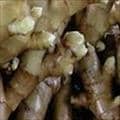
Ginger (Zingiber officinale) is a thin brown skinned root vegetable with a fibrous flesh.
 |
Health Benefits of Ginger
- Increased Protection from Bacterial and Viral Infections
- Increased Immune Function
- Reduced Cancer Risk
- Reduced Risk of Colon Cancer
- Protection Against Heart Disease
- Regulation of Blood Sugar and Insulin Dependence
- Slowing the progression of AIDS
- Slowing Aging
- DNA Repair and Protection
- Protection Against Dementia
- Alleviation of Cardiovascular Disease
- Alleviation of Hypertension (High Blood Pressure)
- Promoted Eye Health
- Alzheimer's Protection
- Osteoporosis Protection
- Stroke Prevention
- Reduced Risk of Type II Diabetes
- Reduced Frequency of Migraine Headaches
- Alleviation of Premenstrual Syndrome (PMS)
- Antioxidant Protection
- Prevention of Epileptic Seizures
- Alleviation of the Common Cold
- Prevention of Alopecia (Spot Baldness)
- Alleviation of Inflammation Ginger is known to help resolve an array of digestive ailments, chiefly, gas and nausea. Ginger also has strong anti-inflammatory properties that may cause it to help osteoarthritis. It is also thought to help reduce and fight cancer, and is often used to alleviate symptoms of the common cold and flu.
*Some of these health benefits are due to the nutrients highly concentrated in Ginger, and may not necessarily be related to Ginger.
How to choose Ginger
Look for shiny roots that are firm, "earthy", and impart a good smell. Avoid ginger that is wrinkled or dried.
Climate and origin
Ginger originated in Southeast Asia and spread across the tropical world as far as the Caribbean. Today it is grown in warm climates.
Taste
Raw ginger has an extremely sharp and spicy taste. In cooking, ginger mellows considerably, but still adds a lot of spice and aromatic flavor.
Miscellaneous information
A tall and beautiful plant with yellow flowers, ginger is often used in tropical climates for landscaping purposes.
Similar tasting produce
Natural vitamins, minerals, and nutrients found in Ginger + Complete Nutrition Facts
Carbohydrates | Saturated Fat | Vitamin A | Lycopene | Vitamin B1 (Thiamin) | Vitamin B2 (Riboflavin) | Vitamin B3 (Niacin) | Vitamin B5 (Pantothenic Acid) | Vitamin B6 | Vitamin B9 (Folate, Folic Acid) | Vitamin C | Vitamin K | Vitamin E | Calcium | Dietary Fiber | Magnesium | Phosphorus | Manganese | Selenium | Iron | Potassium | Copper | Zinc | Click here to compare these nutrition facts with other vegetables.- Leach RM, Harris ED. Manganese. In: O'Dell BL, Sunde RA, eds. Handbook of nutritionally essential minerals. New York: Marcel Dekker, Inc; 1997:335-355.
- Freeland-Graves J, Llanes C. Models to study manganese deficiency. In: Klimis-Tavantzis DL, ed. Manganese in health and disease. Boca Raton: CRC Press, Inc; 1994.
- Reginster JY, Strause LG, Saltman P, Franchimont P. Trace elements and postmenopausal osteoporosis: a preliminary study of decreased serum manganese. Med Sci Res. 1988;16:337-338.
- Odabasi E, Turan M, Aydin A, Akay C, Kutlu M. Magnesium, zinc, copper, manganese, and selenium levels in postmenopausal women with osteoporosis. Can magnesium play a key role in osteoporosis? Ann Acad Med Singapore. 2008;37(7):564-567.
- Keen CL, Zidenberg-Cherr S. Manganese. In: Ziegler EE, Filer LJ, eds. Present Knowledge in Nutrition. 7th ed. Washington D.C.: ILSI Press; 1996:334-343.
- Carl GF, Gallagher BB. Manganese and epilepsy. In: Klimis-Tavantzis DL, ed. Manganese in health and disease. Boca Raton: CRC Press, Inc; 1994:133-157.
- Blaurock-Busch, E. Wichtige Nahrstoffe fur Gesunde Haut und Haare, Kosmetik Internat. 3/87.
- Collipp, P.J., et al. Manganese in infant formulas and learning disability. Ann. Nutr. Metab. 27(6):488-494, 1983.
- Office Of Dietary Supplements Fact Sheet: Vitamin A
- Semba RD. The role of vitamin A and related retinoids in immune function. Nutr Rev 1998;56:S38-48.
- Ross DA. Vitamin A and public health: Challenges for the next decade. Proc Nutr Soc 1998;57:159-65.
- Harbige LS. Nutrition and immunity with emphasis on infection and autoimmune disease. Nutr Health 1996;10:285-312.
- de Pee S, West CE. Dietary carotenoids and their role in combating vitamin A deficiency: A review of the literature. Eur J Clin Nutr 1996;50 Suppl 3:S38-53.
- Institute of Medicine. Food and Nutrition Board. Dietary Reference Intakes for Vitamin A, Vitamin K, Arsenic, Boron, Chromium, Copper, Iodine, Iron, Manganese, Molybdenum, Nickel, Silicon, Vanadium, and Zinc. National Academy Press, Washington, DC, 2001.
- Ross AC. Vitamin A and retinoids. In: Modern Nutrition in Health and Disease. 9th Edition (edited by Shils ME, Olson J, Shike M, Ross AC). Lippincott Williams and Wilkins, New York, 1999, pp. 305-27.
- Ross AC, Stephensen CB. Vitamin A and retinoids in antiviral responses. FASEB J 1996;10:979-85.
- Fontham ETH. Protective dietary factors and lung cancer. Int J Epidemiol 1990;19:S32-S42.
- Albanes D, Heinonen OP, Taylor PR, Virtamo J, Edwards BK, Rautalahti M, Hartman AM, Palmgren J, Freedman LS, Haapakoski J, Barrett MJ, Pietinen P, Malila N, Tala E, Lippo K, Salomaa ER, Tangrea JA, Teppo L, Askin FB, Taskinen E, Erozan Y, Greenwald P, Huttunen JK. Alpha-tocopherol and beta-carotene supplement and lung cancer incidence in the alpha-tocopherol, beta-carotene cancer prevention study: Effects of base-line characteristics and study compliance. J Natl Cancer Inst 1996;88:1560-70.
- Redlich CA, Blaner WS, Van Bennekum AM, Chung JS, Clever SL, Holm CT, Cullen MR. Effect of supplementation with beta-carotene and vitamin A on lung nutrient levels. Cancer Epidemiol Biomarkers Prev 1998;7:211-14.
- Pryor WA, Stahl W, Rock CL. Beta carotene: from biochemistry to clinical trials. Nutr Rev 2000;58:39-53.
- Office of Dietary Suppliments Face Sheet: Vitamin C
- Gokce N, Keaney JF, Jr., Frei B, et al. Long-term ascorbic acid administration reverses endothelial vasomotor dysfunction in patients with coronary artery disease. Circulation. 1999;99(25):3234-3240.
- Audera, C (2001). "Mega-dose vitamin C in treatment of the common cold: a randomised controlled trial". Medical Journal of Australia 389: 175.
- Hemilä, Harri; Chalker, Elizabeth; Douglas, Bob; Hemilä, Harri (2007). "Vitamin C for preventing and treating the common cold". Cochrane database of systematic reviews (Online) (3): CD000980
- Fleming DJ, Tucker KL, Jacques PF, Dallal GE, Wilson PW, Wood RJ (December 2002). "Dietary factors associated with the risk of high iron stores in the elderly Framingham Heart Study cohort". The American Journal of Clinical Nutrition 76 (6): 1375?84.
- Institute of Medicine. Food and Nutrition Board. Dietary Reference Intakes for Vitamin C, Vitamin E, Selenium, and Carotenoids. Washington, DC: National Academy Press, 2000.
- Weinstein M, Babyn P, Zlotkin S. An orange a day keeps the doctor away: scurvy in the year 2000. Pediatrics 2001;108:E55.
- Hoffman FA. Micronutrient requirements of cancer patients. Cancer. 1985;55 (1 Suppl):295-300.
- Deicher R, Hörl WH. Vitamin C in chronic kidney disease and hemodialysis patients. Kidney Blood Press Res 2003;26:100-6.
- Leach RM, Harris ED. Manganese. In: O'Dell BL, Sunde RA, eds. Handbook of nutritionally essential minerals. New York: Marcel Dekker, Inc; 1997:335-355.
- Freeland-Graves J, Llanes C. Models to study manganese deficiency. In: Klimis-Tavantzis DL, ed. Manganese in health and disease. Boca Raton: CRC Press, Inc; 1994.
- Reginster JY, Strause LG, Saltman P, Franchimont P. Trace elements and postmenopausal osteoporosis: a preliminary study of decreased serum manganese. Med Sci Res. 1988;16:337-338.
- Odabasi E, Turan M, Aydin A, Akay C, Kutlu M. Magnesium, zinc, copper, manganese, and selenium levels in postmenopausal women with osteoporosis. Can magnesium play a key role in osteoporosis? Ann Acad Med Singapore. 2008;37(7):564-567.
- Keen CL, Zidenberg-Cherr S. Manganese. In: Ziegler EE, Filer LJ, eds. Present Knowledge in Nutrition. 7th ed. Washington D.C.: ILSI Press; 1996:334-343.
- Carl GF, Gallagher BB. Manganese and epilepsy. In: Klimis-Tavantzis DL, ed. Manganese in health and disease. Boca Raton: CRC Press, Inc; 1994:133-157.
- Blaurock-Busch, E. Wichtige Nahrstoffe fur Gesunde Haut und Haare, Kosmetik Internat. 3/87.
- Collipp, P.J., et al. Manganese in infant formulas and learning disability. Ann. Nutr. Metab. 27(6):488-494, 1983.
- Office Of Dietary Supplements Fact Sheet: Vitamin A
- Semba RD. The role of vitamin A and related retinoids in immune function. Nutr Rev 1998;56:S38-48.
- Ross DA. Vitamin A and public health: Challenges for the next decade. Proc Nutr Soc 1998;57:159-65.
- Harbige LS. Nutrition and immunity with emphasis on infection and autoimmune disease. Nutr Health 1996;10:285-312.
- de Pee S, West CE. Dietary carotenoids and their role in combating vitamin A deficiency: A review of the literature. Eur J Clin Nutr 1996;50 Suppl 3:S38-53.
- Institute of Medicine. Food and Nutrition Board. Dietary Reference Intakes for Vitamin A, Vitamin K, Arsenic, Boron, Chromium, Copper, Iodine, Iron, Manganese, Molybdenum, Nickel, Silicon, Vanadium, and Zinc. National Academy Press, Washington, DC, 2001.
- Ross AC. Vitamin A and retinoids. In: Modern Nutrition in Health and Disease. 9th Edition (edited by Shils ME, Olson J, Shike M, Ross AC). Lippincott Williams and Wilkins, New York, 1999, pp. 305-27.
- Ross AC, Stephensen CB. Vitamin A and retinoids in antiviral responses. FASEB J 1996;10:979-85.
- Fontham ETH. Protective dietary factors and lung cancer. Int J Epidemiol 1990;19:S32-S42.
- Albanes D, Heinonen OP, Taylor PR, Virtamo J, Edwards BK, Rautalahti M, Hartman AM, Palmgren J, Freedman LS, Haapakoski J, Barrett MJ, Pietinen P, Malila N, Tala E, Lippo K, Salomaa ER, Tangrea JA, Teppo L, Askin FB, Taskinen E, Erozan Y, Greenwald P, Huttunen JK. Alpha-tocopherol and beta-carotene supplement and lung cancer incidence in the alpha-tocopherol, beta-carotene cancer prevention study: Effects of base-line characteristics and study compliance. J Natl Cancer Inst 1996;88:1560-70.
- Redlich CA, Blaner WS, Van Bennekum AM, Chung JS, Clever SL, Holm CT, Cullen MR. Effect of supplementation with beta-carotene and vitamin A on lung nutrient levels. Cancer Epidemiol Biomarkers Prev 1998;7:211-14.
- Pryor WA, Stahl W, Rock CL. Beta carotene: from biochemistry to clinical trials. Nutr Rev 2000;58:39-53.
- Office of Dietary Suppliments Face Sheet: Vitamin C
- Gokce N, Keaney JF, Jr., Frei B, et al. Long-term ascorbic acid administration reverses endothelial vasomotor dysfunction in patients with coronary artery disease. Circulation. 1999;99(25):3234-3240.
- Audera, C (2001). "Mega-dose vitamin C in treatment of the common cold: a randomised controlled trial". Medical Journal of Australia 389: 175.
- Hemilä, Harri; Chalker, Elizabeth; Douglas, Bob; Hemilä, Harri (2007). "Vitamin C for preventing and treating the common cold". Cochrane database of systematic reviews (Online) (3): CD000980
- Fleming DJ, Tucker KL, Jacques PF, Dallal GE, Wilson PW, Wood RJ (December 2002). "Dietary factors associated with the risk of high iron stores in the elderly Framingham Heart Study cohort". The American Journal of Clinical Nutrition 76 (6): 1375?84.
- Institute of Medicine. Food and Nutrition Board. Dietary Reference Intakes for Vitamin C, Vitamin E, Selenium, and Carotenoids. Washington, DC: National Academy Press, 2000.
- Weinstein M, Babyn P, Zlotkin S. An orange a day keeps the doctor away: scurvy in the year 2000. Pediatrics 2001;108:E55.
- Hoffman FA. Micronutrient requirements of cancer patients. Cancer. 1985;55 (1 Suppl):295-300.
- Deicher R, Hörl WH. Vitamin C in chronic kidney disease and hemodialysis patients. Kidney Blood Press Res 2003;26:100-6.
- Leach RM, Harris ED. Manganese. In: O'Dell BL, Sunde RA, eds. Handbook of nutritionally essential minerals. New York: Marcel Dekker, Inc; 1997:335-355.
- Freeland-Graves J, Llanes C. Models to study manganese deficiency. In: Klimis-Tavantzis DL, ed. Manganese in health and disease. Boca Raton: CRC Press, Inc; 1994.
- Reginster JY, Strause LG, Saltman P, Franchimont P. Trace elements and postmenopausal osteoporosis: a preliminary study of decreased serum manganese. Med Sci Res. 1988;16:337-338.
- Odabasi E, Turan M, Aydin A, Akay C, Kutlu M. Magnesium, zinc, copper, manganese, and selenium levels in postmenopausal women with osteoporosis. Can magnesium play a key role in osteoporosis? Ann Acad Med Singapore. 2008;37(7):564-567.
- Keen CL, Zidenberg-Cherr S. Manganese. In: Ziegler EE, Filer LJ, eds. Present Knowledge in Nutrition. 7th ed. Washington D.C.: ILSI Press; 1996:334-343.
- Carl GF, Gallagher BB. Manganese and epilepsy. In: Klimis-Tavantzis DL, ed. Manganese in health and disease. Boca Raton: CRC Press, Inc; 1994:133-157.
- Blaurock-Busch, E. Wichtige Nahrstoffe fur Gesunde Haut und Haare, Kosmetik Internat. 3/87.
- Collipp, P.J., et al. Manganese in infant formulas and learning disability. Ann. Nutr. Metab. 27(6):488-494, 1983.
- Office of Dietary Supplements Fact Sheet: Iron
- Hallberg L, Rossander L. Effect of different drinks on the absorption of non-heme iron from composite meals. Hum Nutr Appl Nutr. 1982 Apr;36(2):116-23.
- Richard F. Hurrell, Manju Reddy, and James D. Cook. Inhibition of non-haem iron absorption in man by polyphenolic-containing beverages. British Journal of Nutrition (1999), 81, 289-295
- National Library of Medicine Fact Sheet on Taking Iron Supplements.
- New SA, Bolton-Smith C, Grubb DA, Reid DM. Nutritional influences on bone mineral density: a cross-sectional study in premenopausal women. Am J Clin Nutr. 1997;65(6):1831-1839.
- New SA, Robins SP, Campbell MK, et al. Dietary influences on bone mass and bone metabolism: further evidence of a positive link between fruit and vegetable consumption and bone health? Am J Clin Nutr. 2000;71(1):142-151.
- Tucker KL, Hannan MT, Chen H, Cupples LA, Wilson PW, Kiel DP. Potassium, magnesium, and fruit and vegetable intakes are associated with greater bone mineral density in elderly men and women. Am J Clin Nutr. 1999;69(4):727-736.
- Ascherio A, Rimm EB, Hernan MA, et al. Intake of potassium, magnesium, calcium, and fiber and risk of stroke among US men. Circulation. 1998;98(12):1198-1204.
- Iso H, Stampfer MJ, Manson JE, et al. Prospective study of calcium, potassium, and magnesium intake and risk of stroke in women. Stroke. 1999;30(9):1772-1779.
- Fang J, Madhavan S, Alderman MH. Dietary potassium intake and stroke mortality. Stroke. 2000;31(7):1532-1537.
- Bazzano LA, He J, Ogden LG, et al. Dietary potassium intake and risk of stroke in US men and women: National Health and Nutrition Examination Survey I epidemiologic follow-up study. Stroke. 2001;32(7):1473-1480.
- Green DM, Ropper AH, Kronmal RA, Psaty BM, Burke GL. Serum potassium level and dietary potassium intake as risk factors for stroke. Neurology. 2002;59(3):314-320.
- Barri YM, Wingo CS. The effects of potassium depletion and supplementation on blood pressure: a clinical review. Am J Med Sci. 1997;314(1):37-40.
- Hajjar IM, Grim CE, George V, Kotchen TA. Impact of diet on blood pressure and age-related changes in blood pressure in the US population: analysis of NHANES III. Arch Intern Med. 2001;161(4):589-593.
- Appel LJ, Moore TJ, Obarzanek E, et al. A clinical trial of the effects of dietary patterns on blood pressure. DASH Collaborative Research Group. N Engl J Med. 1997;336(16):1117-1124.
- Gennari FJ. Hypokalemia. N Engl J Med. 1998;339(7):451-458.
- http://lpi.oregonstate.edu/infocenter/minerals/potassium/potassiumrefs.html
- Office Of Dietary Supplements Fact Sheet: Vitamin A
- Semba RD. The role of vitamin A and related retinoids in immune function. Nutr Rev 1998;56:S38-48.
- Ross DA. Vitamin A and public health: Challenges for the next decade. Proc Nutr Soc 1998;57:159-65.
- Harbige LS. Nutrition and immunity with emphasis on infection and autoimmune disease. Nutr Health 1996;10:285-312.
- de Pee S, West CE. Dietary carotenoids and their role in combating vitamin A deficiency: A review of the literature. Eur J Clin Nutr 1996;50 Suppl 3:S38-53.
- Institute of Medicine. Food and Nutrition Board. Dietary Reference Intakes for Vitamin A, Vitamin K, Arsenic, Boron, Chromium, Copper, Iodine, Iron, Manganese, Molybdenum, Nickel, Silicon, Vanadium, and Zinc. National Academy Press, Washington, DC, 2001.
- Ross AC. Vitamin A and retinoids. In: Modern Nutrition in Health and Disease. 9th Edition (edited by Shils ME, Olson J, Shike M, Ross AC). Lippincott Williams and Wilkins, New York, 1999, pp. 305-27.
- Ross AC, Stephensen CB. Vitamin A and retinoids in antiviral responses. FASEB J 1996;10:979-85.
- Fontham ETH. Protective dietary factors and lung cancer. Int J Epidemiol 1990;19:S32-S42.
- Albanes D, Heinonen OP, Taylor PR, Virtamo J, Edwards BK, Rautalahti M, Hartman AM, Palmgren J, Freedman LS, Haapakoski J, Barrett MJ, Pietinen P, Malila N, Tala E, Lippo K, Salomaa ER, Tangrea JA, Teppo L, Askin FB, Taskinen E, Erozan Y, Greenwald P, Huttunen JK. Alpha-tocopherol and beta-carotene supplement and lung cancer incidence in the alpha-tocopherol, beta-carotene cancer prevention study: Effects of base-line characteristics and study compliance. J Natl Cancer Inst 1996;88:1560-70.
- Redlich CA, Blaner WS, Van Bennekum AM, Chung JS, Clever SL, Holm CT, Cullen MR. Effect of supplementation with beta-carotene and vitamin A on lung nutrient levels. Cancer Epidemiol Biomarkers Prev 1998;7:211-14.
- Pryor WA, Stahl W, Rock CL. Beta carotene: from biochemistry to clinical trials. Nutr Rev 2000;58:39-53.
- Office of Dietary Suppliments Face Sheet: Vitamin C
- Gokce N, Keaney JF, Jr., Frei B, et al. Long-term ascorbic acid administration reverses endothelial vasomotor dysfunction in patients with coronary artery disease. Circulation. 1999;99(25):3234-3240.
- Audera, C (2001). "Mega-dose vitamin C in treatment of the common cold: a randomised controlled trial". Medical Journal of Australia 389: 175.
- Hemilä, Harri; Chalker, Elizabeth; Douglas, Bob; Hemilä, Harri (2007). "Vitamin C for preventing and treating the common cold". Cochrane database of systematic reviews (Online) (3): CD000980
- Fleming DJ, Tucker KL, Jacques PF, Dallal GE, Wilson PW, Wood RJ (December 2002). "Dietary factors associated with the risk of high iron stores in the elderly Framingham Heart Study cohort". The American Journal of Clinical Nutrition 76 (6): 1375?84.
- Institute of Medicine. Food and Nutrition Board. Dietary Reference Intakes for Vitamin C, Vitamin E, Selenium, and Carotenoids. Washington, DC: National Academy Press, 2000.
- Weinstein M, Babyn P, Zlotkin S. An orange a day keeps the doctor away: scurvy in the year 2000. Pediatrics 2001;108:E55.
- Hoffman FA. Micronutrient requirements of cancer patients. Cancer. 1985;55 (1 Suppl):295-300.
- Deicher R, Hörl WH. Vitamin C in chronic kidney disease and hemodialysis patients. Kidney Blood Press Res 2003;26:100-6.
- Office Of Dietary Supplements Fact Sheet: Vitamin E
- Institute of Medicine. Food and Nutrition Board. Dietary Reference Intakes: Vitamin C, Vitamin E, Selenium, and Carotenoids. Washington, DC: National Academy Press, 2000.
- Glynn RJ, Ridker PM, Goldhaber SZ, Zee RY, Buring JE. Effects of random allocation to vitamin E supplementation on the occurrence of venous thromboembolism: report from the Women's Health Study. Circulation 2007;116:1497-1503.
- Stampfer MJ, Hennekens CH, Manson JE, Colditz GA, Rosner B, Willett WC. Vitamin E consumption and the risk of coronary disease in women. N Engl J Med 1993;328:1444-9.
- Traber MG. Heart disease and single-vitamin supplementation. Am J Clin Nutr 2007;85:293S-9S.
- U.S. Department of Agriculture, Agricultural Research Service. USDA National Nutrient Database for Standard Reference, Release 16-1, 2004. http://www.ars.usda.gov/ba/bhnrc/ndl
- Weitberg AB, Corvese D. Effect of vitamin E and beta-carotene on DNA strand breakage induced by tobacco-specific nitrosamines and stimulated human phagocytes. J Exp Clin Cancer Res 1997;16:11-4.
- Chong EW-T, Wong TY, Kreis AJ, Simpson JA, Guymer RH. Dietary antioxidants and primary prevention of age-related macular degeneration: systematic review and meta-analysis. BMJ 2007;335:755.
- Evans J. Primary prevention of age related macular degeneration. BMJ 2007;335:729.
- Taylor HR, Tikellis G, Robman LD, McCarty CA, McNeil JJ. Vitamin E supplementation and macular degeneration: randomized controlled trial. BMJ 2002;325:11.
- Teikari JM, Virtamo J, Rautalahti M, Palmgren J, Liesto K, Heinonen OP. Long-term supplementation with alpha-tocopherol and beta-carotene and age-related cataract. Acta Ophthalmol Scand 1997;75:634-40.
- http://news.illinois.edu/news/08/1204vitamine.html
- Huey KA, Fiscus G, Richwin AF, Johnson RW, Meador BM. In vivo vitamin E administration attenuates IL-6 and IL-1ß responses to an acute inflammatory insult in mouse skeletal and cardiac muscle. Exp Physiology. 2008.
- Meador BM., Fiscus G, Richwine AF, Johnson RW, Huey KA. Effects of Vitamin E on Cytokine Responses to an Inflammatory Insult in Mouse Skeletal Muscle. Medicine & Science in Sports & Exercise: May 2008 - Volume 40 - Issue 5 - pp S162-S163.
- K.H. Masaki, MD, K.G. Losonczy, MA, G. Izmirlian, PhD, D.J. Foley, MS, G.W. Ross, MD, H. Petrovitch, MD, R. Havlik, MD and L.R. White, MD. Association of vitamin E and C supplement use with cognitive function and dementia in elderly men. Neurology March 28, 2000 vol. 54 no. 6 1265-1272.
- Ascherio A. Vitamin E Intake and Risk of Amyotrophic Lateral Sclerosis: A Pooled Analysis of Data From 5 Prospective Cohort Studies. Am. J. Epidemiol. (2011) 173 (6): 595-602.
- Office Of Dietary Supplements Fact Sheet: Folate
- Doshi SN, McDowell IF, Moat SJ, Payne N, Durrant HJ, Lewis MJ, Goodfellos J. Folic acid improves endothelial function in coronary artery disease via mechanisms largely independent of homocysteine. Circulation. 2002;105:22-6.
- Doshi SN, McDowell IFW, Moat SJ, Lang D, Newcombe RG, Kredean MB, Lewis MJ, Goodfellow J. Folate improves endothelial function in coronary artery disease. Arterioscler Thromb Vasc Biol 2001;21:1196-1202.
- Wald DS, Bishop L, Wald NJ, Law M, Hennessy E, Weir D, McPartlin J, Scott J. Randomized trial of folic acid supplementation and serum homocysteine levels. Arch Intern Med 2001;161:695-700.
- Jennings E. Folic acid as a cancer preventing agent. Med Hypothesis 1995;45:297-303.
- Freudenheim JL, Grahm S, Marshall JR, Haughey BP, Cholewinski S, Wilkinson G. Folate intake and carcinogenesis of the colon and rectum. Int J Epidemiol 1991;20:368-74.
- Giovannucci E, Stampfer MJ, Colditz GA, Hunter DJ, Fuchs C, Rosner BA, Speizer FE, Willett WC. Multivitamin use, folate, and colon cancer in women in the Nurses' Health Study. Ann Intern Med 1998;129:517-24.
- A Paoloni-Giacobino, R Grimble, C Pichard. Genetics and nutrition. Clinical Nutrition Volume 22, Issue 5, Pages 429-435 (October 2003)
- Corradaa MM, Kawasab CH, Hallfrischc J, Mullerd D, Brookmeyere R. Reduced risk of Alzheimer?s disease with high folate intake: The Baltimore Longitudinal Study of Aging. Alzheimer's and Dementia Volume 1, Issue 1, Pages 11-18 (July 2005).
- Wang HX, Wahlin Å, Basun H, Fastbom J, Winblad B, Fratiglioni L. Vitamin B12 and folate in relation to the development of Alzheimer?s disease. Neurology May 8, 2001 vol. 56 no. 9 1188-1194.
- Leach RM, Harris ED. Manganese. In: O'Dell BL, Sunde RA, eds. Handbook of nutritionally essential minerals. New York: Marcel Dekker, Inc; 1997:335-355.
- Freeland-Graves J, Llanes C. Models to study manganese deficiency. In: Klimis-Tavantzis DL, ed. Manganese in health and disease. Boca Raton: CRC Press, Inc; 1994.
- Reginster JY, Strause LG, Saltman P, Franchimont P. Trace elements and postmenopausal osteoporosis: a preliminary study of decreased serum manganese. Med Sci Res. 1988;16:337-338.
- Odabasi E, Turan M, Aydin A, Akay C, Kutlu M. Magnesium, zinc, copper, manganese, and selenium levels in postmenopausal women with osteoporosis. Can magnesium play a key role in osteoporosis? Ann Acad Med Singapore. 2008;37(7):564-567.
- Keen CL, Zidenberg-Cherr S. Manganese. In: Ziegler EE, Filer LJ, eds. Present Knowledge in Nutrition. 7th ed. Washington D.C.: ILSI Press; 1996:334-343.
- Carl GF, Gallagher BB. Manganese and epilepsy. In: Klimis-Tavantzis DL, ed. Manganese in health and disease. Boca Raton: CRC Press, Inc; 1994:133-157.
- Blaurock-Busch, E. Wichtige Nahrstoffe fur Gesunde Haut und Haare, Kosmetik Internat. 3/87.
- Collipp, P.J., et al. Manganese in infant formulas and learning disability. Ann. Nutr. Metab. 27(6):488-494, 1983.
- Office of Dietary Supplements Fact Sheet: Iron
- Hallberg L, Rossander L. Effect of different drinks on the absorption of non-heme iron from composite meals. Hum Nutr Appl Nutr. 1982 Apr;36(2):116-23.
- Richard F. Hurrell, Manju Reddy, and James D. Cook. Inhibition of non-haem iron absorption in man by polyphenolic-containing beverages. British Journal of Nutrition (1999), 81, 289-295
- National Library of Medicine Fact Sheet on Taking Iron Supplements.
- New SA, Bolton-Smith C, Grubb DA, Reid DM. Nutritional influences on bone mineral density: a cross-sectional study in premenopausal women. Am J Clin Nutr. 1997;65(6):1831-1839.
- New SA, Robins SP, Campbell MK, et al. Dietary influences on bone mass and bone metabolism: further evidence of a positive link between fruit and vegetable consumption and bone health? Am J Clin Nutr. 2000;71(1):142-151.
- Tucker KL, Hannan MT, Chen H, Cupples LA, Wilson PW, Kiel DP. Potassium, magnesium, and fruit and vegetable intakes are associated with greater bone mineral density in elderly men and women. Am J Clin Nutr. 1999;69(4):727-736.
- Ascherio A, Rimm EB, Hernan MA, et al. Intake of potassium, magnesium, calcium, and fiber and risk of stroke among US men. Circulation. 1998;98(12):1198-1204.
- Iso H, Stampfer MJ, Manson JE, et al. Prospective study of calcium, potassium, and magnesium intake and risk of stroke in women. Stroke. 1999;30(9):1772-1779.
- Fang J, Madhavan S, Alderman MH. Dietary potassium intake and stroke mortality. Stroke. 2000;31(7):1532-1537.
- Bazzano LA, He J, Ogden LG, et al. Dietary potassium intake and risk of stroke in US men and women: National Health and Nutrition Examination Survey I epidemiologic follow-up study. Stroke. 2001;32(7):1473-1480.
- Green DM, Ropper AH, Kronmal RA, Psaty BM, Burke GL. Serum potassium level and dietary potassium intake as risk factors for stroke. Neurology. 2002;59(3):314-320.
- Barri YM, Wingo CS. The effects of potassium depletion and supplementation on blood pressure: a clinical review. Am J Med Sci. 1997;314(1):37-40.
- Hajjar IM, Grim CE, George V, Kotchen TA. Impact of diet on blood pressure and age-related changes in blood pressure in the US population: analysis of NHANES III. Arch Intern Med. 2001;161(4):589-593.
- Appel LJ, Moore TJ, Obarzanek E, et al. A clinical trial of the effects of dietary patterns on blood pressure. DASH Collaborative Research Group. N Engl J Med. 1997;336(16):1117-1124.
- Gennari FJ. Hypokalemia. N Engl J Med. 1998;339(7):451-458.
- http://lpi.oregonstate.edu/infocenter/minerals/potassium/potassiumrefs.html
- Office Of Dietary Supplements Fact Sheet: Vitamin A
- Semba RD. The role of vitamin A and related retinoids in immune function. Nutr Rev 1998;56:S38-48.
- Ross DA. Vitamin A and public health: Challenges for the next decade. Proc Nutr Soc 1998;57:159-65.
- Harbige LS. Nutrition and immunity with emphasis on infection and autoimmune disease. Nutr Health 1996;10:285-312.
- de Pee S, West CE. Dietary carotenoids and their role in combating vitamin A deficiency: A review of the literature. Eur J Clin Nutr 1996;50 Suppl 3:S38-53.
- Institute of Medicine. Food and Nutrition Board. Dietary Reference Intakes for Vitamin A, Vitamin K, Arsenic, Boron, Chromium, Copper, Iodine, Iron, Manganese, Molybdenum, Nickel, Silicon, Vanadium, and Zinc. National Academy Press, Washington, DC, 2001.
- Ross AC. Vitamin A and retinoids. In: Modern Nutrition in Health and Disease. 9th Edition (edited by Shils ME, Olson J, Shike M, Ross AC). Lippincott Williams and Wilkins, New York, 1999, pp. 305-27.
- Ross AC, Stephensen CB. Vitamin A and retinoids in antiviral responses. FASEB J 1996;10:979-85.
- Fontham ETH. Protective dietary factors and lung cancer. Int J Epidemiol 1990;19:S32-S42.
- Albanes D, Heinonen OP, Taylor PR, Virtamo J, Edwards BK, Rautalahti M, Hartman AM, Palmgren J, Freedman LS, Haapakoski J, Barrett MJ, Pietinen P, Malila N, Tala E, Lippo K, Salomaa ER, Tangrea JA, Teppo L, Askin FB, Taskinen E, Erozan Y, Greenwald P, Huttunen JK. Alpha-tocopherol and beta-carotene supplement and lung cancer incidence in the alpha-tocopherol, beta-carotene cancer prevention study: Effects of base-line characteristics and study compliance. J Natl Cancer Inst 1996;88:1560-70.
- Redlich CA, Blaner WS, Van Bennekum AM, Chung JS, Clever SL, Holm CT, Cullen MR. Effect of supplementation with beta-carotene and vitamin A on lung nutrient levels. Cancer Epidemiol Biomarkers Prev 1998;7:211-14.
- Pryor WA, Stahl W, Rock CL. Beta carotene: from biochemistry to clinical trials. Nutr Rev 2000;58:39-53.
- Office of Dietary Suppliments Face Sheet: Vitamin C
- Gokce N, Keaney JF, Jr., Frei B, et al. Long-term ascorbic acid administration reverses endothelial vasomotor dysfunction in patients with coronary artery disease. Circulation. 1999;99(25):3234-3240.
- Audera, C (2001). "Mega-dose vitamin C in treatment of the common cold: a randomised controlled trial". Medical Journal of Australia 389: 175.
- Hemilä, Harri; Chalker, Elizabeth; Douglas, Bob; Hemilä, Harri (2007). "Vitamin C for preventing and treating the common cold". Cochrane database of systematic reviews (Online) (3): CD000980
- Fleming DJ, Tucker KL, Jacques PF, Dallal GE, Wilson PW, Wood RJ (December 2002). "Dietary factors associated with the risk of high iron stores in the elderly Framingham Heart Study cohort". The American Journal of Clinical Nutrition 76 (6): 1375?84.
- Institute of Medicine. Food and Nutrition Board. Dietary Reference Intakes for Vitamin C, Vitamin E, Selenium, and Carotenoids. Washington, DC: National Academy Press, 2000.
- Weinstein M, Babyn P, Zlotkin S. An orange a day keeps the doctor away: scurvy in the year 2000. Pediatrics 2001;108:E55.
- Hoffman FA. Micronutrient requirements of cancer patients. Cancer. 1985;55 (1 Suppl):295-300.
- Deicher R, Hörl WH. Vitamin C in chronic kidney disease and hemodialysis patients. Kidney Blood Press Res 2003;26:100-6.
- Office Of Dietary Supplements Fact Sheet: Vitamin E
- Institute of Medicine. Food and Nutrition Board. Dietary Reference Intakes: Vitamin C, Vitamin E, Selenium, and Carotenoids. Washington, DC: National Academy Press, 2000.
- Glynn RJ, Ridker PM, Goldhaber SZ, Zee RY, Buring JE. Effects of random allocation to vitamin E supplementation on the occurrence of venous thromboembolism: report from the Women's Health Study. Circulation 2007;116:1497-1503.
- Stampfer MJ, Hennekens CH, Manson JE, Colditz GA, Rosner B, Willett WC. Vitamin E consumption and the risk of coronary disease in women. N Engl J Med 1993;328:1444-9.
- Traber MG. Heart disease and single-vitamin supplementation. Am J Clin Nutr 2007;85:293S-9S.
- U.S. Department of Agriculture, Agricultural Research Service. USDA National Nutrient Database for Standard Reference, Release 16-1, 2004. http://www.ars.usda.gov/ba/bhnrc/ndl
- Weitberg AB, Corvese D. Effect of vitamin E and beta-carotene on DNA strand breakage induced by tobacco-specific nitrosamines and stimulated human phagocytes. J Exp Clin Cancer Res 1997;16:11-4.
- Chong EW-T, Wong TY, Kreis AJ, Simpson JA, Guymer RH. Dietary antioxidants and primary prevention of age-related macular degeneration: systematic review and meta-analysis. BMJ 2007;335:755.
- Evans J. Primary prevention of age related macular degeneration. BMJ 2007;335:729.
- Taylor HR, Tikellis G, Robman LD, McCarty CA, McNeil JJ. Vitamin E supplementation and macular degeneration: randomized controlled trial. BMJ 2002;325:11.
- Teikari JM, Virtamo J, Rautalahti M, Palmgren J, Liesto K, Heinonen OP. Long-term supplementation with alpha-tocopherol and beta-carotene and age-related cataract. Acta Ophthalmol Scand 1997;75:634-40.
- http://news.illinois.edu/news/08/1204vitamine.html
- Huey KA, Fiscus G, Richwin AF, Johnson RW, Meador BM. In vivo vitamin E administration attenuates IL-6 and IL-1ß responses to an acute inflammatory insult in mouse skeletal and cardiac muscle. Exp Physiology. 2008.
- Meador BM., Fiscus G, Richwine AF, Johnson RW, Huey KA. Effects of Vitamin E on Cytokine Responses to an Inflammatory Insult in Mouse Skeletal Muscle. Medicine & Science in Sports & Exercise: May 2008 - Volume 40 - Issue 5 - pp S162-S163.
- K.H. Masaki, MD, K.G. Losonczy, MA, G. Izmirlian, PhD, D.J. Foley, MS, G.W. Ross, MD, H. Petrovitch, MD, R. Havlik, MD and L.R. White, MD. Association of vitamin E and C supplement use with cognitive function and dementia in elderly men. Neurology March 28, 2000 vol. 54 no. 6 1265-1272.
- Ascherio A. Vitamin E Intake and Risk of Amyotrophic Lateral Sclerosis: A Pooled Analysis of Data From 5 Prospective Cohort Studies. Am. J. Epidemiol. (2011) 173 (6): 595-602.
- Office Of Dietary Supplements Fact Sheet: Folate
- Doshi SN, McDowell IF, Moat SJ, Payne N, Durrant HJ, Lewis MJ, Goodfellos J. Folic acid improves endothelial function in coronary artery disease via mechanisms largely independent of homocysteine. Circulation. 2002;105:22-6.
- Doshi SN, McDowell IFW, Moat SJ, Lang D, Newcombe RG, Kredean MB, Lewis MJ, Goodfellow J. Folate improves endothelial function in coronary artery disease. Arterioscler Thromb Vasc Biol 2001;21:1196-1202.
- Wald DS, Bishop L, Wald NJ, Law M, Hennessy E, Weir D, McPartlin J, Scott J. Randomized trial of folic acid supplementation and serum homocysteine levels. Arch Intern Med 2001;161:695-700.
- Jennings E. Folic acid as a cancer preventing agent. Med Hypothesis 1995;45:297-303.
- Freudenheim JL, Grahm S, Marshall JR, Haughey BP, Cholewinski S, Wilkinson G. Folate intake and carcinogenesis of the colon and rectum. Int J Epidemiol 1991;20:368-74.
- Giovannucci E, Stampfer MJ, Colditz GA, Hunter DJ, Fuchs C, Rosner BA, Speizer FE, Willett WC. Multivitamin use, folate, and colon cancer in women in the Nurses' Health Study. Ann Intern Med 1998;129:517-24.
- A Paoloni-Giacobino, R Grimble, C Pichard. Genetics and nutrition. Clinical Nutrition Volume 22, Issue 5, Pages 429-435 (October 2003)
- Corradaa MM, Kawasab CH, Hallfrischc J, Mullerd D, Brookmeyere R. Reduced risk of Alzheimer?s disease with high folate intake: The Baltimore Longitudinal Study of Aging. Alzheimer's and Dementia Volume 1, Issue 1, Pages 11-18 (July 2005).
- Wang HX, Wahlin Å, Basun H, Fastbom J, Winblad B, Fratiglioni L. Vitamin B12 and folate in relation to the development of Alzheimer?s disease. Neurology May 8, 2001 vol. 56 no. 9 1188-1194.
- Leach RM, Harris ED. Manganese. In: O'Dell BL, Sunde RA, eds. Handbook of nutritionally essential minerals. New York: Marcel Dekker, Inc; 1997:335-355.
- Freeland-Graves J, Llanes C. Models to study manganese deficiency. In: Klimis-Tavantzis DL, ed. Manganese in health and disease. Boca Raton: CRC Press, Inc; 1994.
- Reginster JY, Strause LG, Saltman P, Franchimont P. Trace elements and postmenopausal osteoporosis: a preliminary study of decreased serum manganese. Med Sci Res. 1988;16:337-338.
- Odabasi E, Turan M, Aydin A, Akay C, Kutlu M. Magnesium, zinc, copper, manganese, and selenium levels in postmenopausal women with osteoporosis. Can magnesium play a key role in osteoporosis? Ann Acad Med Singapore. 2008;37(7):564-567.
- Keen CL, Zidenberg-Cherr S. Manganese. In: Ziegler EE, Filer LJ, eds. Present Knowledge in Nutrition. 7th ed. Washington D.C.: ILSI Press; 1996:334-343.
- Carl GF, Gallagher BB. Manganese and epilepsy. In: Klimis-Tavantzis DL, ed. Manganese in health and disease. Boca Raton: CRC Press, Inc; 1994:133-157.
- Blaurock-Busch, E. Wichtige Nahrstoffe fur Gesunde Haut und Haare, Kosmetik Internat. 3/87.
- Collipp, P.J., et al. Manganese in infant formulas and learning disability. Ann. Nutr. Metab. 27(6):488-494, 1983.
- Office of Dietary Supplements Fact Sheet: Iron
- Hallberg L, Rossander L. Effect of different drinks on the absorption of non-heme iron from composite meals. Hum Nutr Appl Nutr. 1982 Apr;36(2):116-23.
- Richard F. Hurrell, Manju Reddy, and James D. Cook. Inhibition of non-haem iron absorption in man by polyphenolic-containing beverages. British Journal of Nutrition (1999), 81, 289-295
- National Library of Medicine Fact Sheet on Taking Iron Supplements.
- New SA, Bolton-Smith C, Grubb DA, Reid DM. Nutritional influences on bone mineral density: a cross-sectional study in premenopausal women. Am J Clin Nutr. 1997;65(6):1831-1839.
- New SA, Robins SP, Campbell MK, et al. Dietary influences on bone mass and bone metabolism: further evidence of a positive link between fruit and vegetable consumption and bone health? Am J Clin Nutr. 2000;71(1):142-151.
- Tucker KL, Hannan MT, Chen H, Cupples LA, Wilson PW, Kiel DP. Potassium, magnesium, and fruit and vegetable intakes are associated with greater bone mineral density in elderly men and women. Am J Clin Nutr. 1999;69(4):727-736.
- Ascherio A, Rimm EB, Hernan MA, et al. Intake of potassium, magnesium, calcium, and fiber and risk of stroke among US men. Circulation. 1998;98(12):1198-1204.
- Iso H, Stampfer MJ, Manson JE, et al. Prospective study of calcium, potassium, and magnesium intake and risk of stroke in women. Stroke. 1999;30(9):1772-1779.
- Fang J, Madhavan S, Alderman MH. Dietary potassium intake and stroke mortality. Stroke. 2000;31(7):1532-1537.
- Bazzano LA, He J, Ogden LG, et al. Dietary potassium intake and risk of stroke in US men and women: National Health and Nutrition Examination Survey I epidemiologic follow-up study. Stroke. 2001;32(7):1473-1480.
- Green DM, Ropper AH, Kronmal RA, Psaty BM, Burke GL. Serum potassium level and dietary potassium intake as risk factors for stroke. Neurology. 2002;59(3):314-320.
- Barri YM, Wingo CS. The effects of potassium depletion and supplementation on blood pressure: a clinical review. Am J Med Sci. 1997;314(1):37-40.
- Hajjar IM, Grim CE, George V, Kotchen TA. Impact of diet on blood pressure and age-related changes in blood pressure in the US population: analysis of NHANES III. Arch Intern Med. 2001;161(4):589-593.
- Appel LJ, Moore TJ, Obarzanek E, et al. A clinical trial of the effects of dietary patterns on blood pressure. DASH Collaborative Research Group. N Engl J Med. 1997;336(16):1117-1124.
- Gennari FJ. Hypokalemia. N Engl J Med. 1998;339(7):451-458.
- http://lpi.oregonstate.edu/infocenter/minerals/potassium/potassiumrefs.html
- Office Of Dietary Supplements Fact Sheet: Vitamin A
- Semba RD. The role of vitamin A and related retinoids in immune function. Nutr Rev 1998;56:S38-48.
- Ross DA. Vitamin A and public health: Challenges for the next decade. Proc Nutr Soc 1998;57:159-65.
- Harbige LS. Nutrition and immunity with emphasis on infection and autoimmune disease. Nutr Health 1996;10:285-312.
- de Pee S, West CE. Dietary carotenoids and their role in combating vitamin A deficiency: A review of the literature. Eur J Clin Nutr 1996;50 Suppl 3:S38-53.
- Institute of Medicine. Food and Nutrition Board. Dietary Reference Intakes for Vitamin A, Vitamin K, Arsenic, Boron, Chromium, Copper, Iodine, Iron, Manganese, Molybdenum, Nickel, Silicon, Vanadium, and Zinc. National Academy Press, Washington, DC, 2001.
- Ross AC. Vitamin A and retinoids. In: Modern Nutrition in Health and Disease. 9th Edition (edited by Shils ME, Olson J, Shike M, Ross AC). Lippincott Williams and Wilkins, New York, 1999, pp. 305-27.
- Ross AC, Stephensen CB. Vitamin A and retinoids in antiviral responses. FASEB J 1996;10:979-85.
- Fontham ETH. Protective dietary factors and lung cancer. Int J Epidemiol 1990;19:S32-S42.
- Albanes D, Heinonen OP, Taylor PR, Virtamo J, Edwards BK, Rautalahti M, Hartman AM, Palmgren J, Freedman LS, Haapakoski J, Barrett MJ, Pietinen P, Malila N, Tala E, Lippo K, Salomaa ER, Tangrea JA, Teppo L, Askin FB, Taskinen E, Erozan Y, Greenwald P, Huttunen JK. Alpha-tocopherol and beta-carotene supplement and lung cancer incidence in the alpha-tocopherol, beta-carotene cancer prevention study: Effects of base-line characteristics and study compliance. J Natl Cancer Inst 1996;88:1560-70.
- Redlich CA, Blaner WS, Van Bennekum AM, Chung JS, Clever SL, Holm CT, Cullen MR. Effect of supplementation with beta-carotene and vitamin A on lung nutrient levels. Cancer Epidemiol Biomarkers Prev 1998;7:211-14.
- Pryor WA, Stahl W, Rock CL. Beta carotene: from biochemistry to clinical trials. Nutr Rev 2000;58:39-53.
- Office of Dietary Suppliments Face Sheet: Vitamin C
- Gokce N, Keaney JF, Jr., Frei B, et al. Long-term ascorbic acid administration reverses endothelial vasomotor dysfunction in patients with coronary artery disease. Circulation. 1999;99(25):3234-3240.
- Audera, C (2001). "Mega-dose vitamin C in treatment of the common cold: a randomised controlled trial". Medical Journal of Australia 389: 175.
- Hemilä, Harri; Chalker, Elizabeth; Douglas, Bob; Hemilä, Harri (2007). "Vitamin C for preventing and treating the common cold". Cochrane database of systematic reviews (Online) (3): CD000980
- Fleming DJ, Tucker KL, Jacques PF, Dallal GE, Wilson PW, Wood RJ (December 2002). "Dietary factors associated with the risk of high iron stores in the elderly Framingham Heart Study cohort". The American Journal of Clinical Nutrition 76 (6): 1375?84.
- Institute of Medicine. Food and Nutrition Board. Dietary Reference Intakes for Vitamin C, Vitamin E, Selenium, and Carotenoids. Washington, DC: National Academy Press, 2000.
- Weinstein M, Babyn P, Zlotkin S. An orange a day keeps the doctor away: scurvy in the year 2000. Pediatrics 2001;108:E55.
- Hoffman FA. Micronutrient requirements of cancer patients. Cancer. 1985;55 (1 Suppl):295-300.
- Deicher R, Hörl WH. Vitamin C in chronic kidney disease and hemodialysis patients. Kidney Blood Press Res 2003;26:100-6.
- Office Of Dietary Supplements Fact Sheet: Vitamin E
- Institute of Medicine. Food and Nutrition Board. Dietary Reference Intakes: Vitamin C, Vitamin E, Selenium, and Carotenoids. Washington, DC: National Academy Press, 2000.
- Glynn RJ, Ridker PM, Goldhaber SZ, Zee RY, Buring JE. Effects of random allocation to vitamin E supplementation on the occurrence of venous thromboembolism: report from the Women's Health Study. Circulation 2007;116:1497-1503.
- Stampfer MJ, Hennekens CH, Manson JE, Colditz GA, Rosner B, Willett WC. Vitamin E consumption and the risk of coronary disease in women. N Engl J Med 1993;328:1444-9.
- Traber MG. Heart disease and single-vitamin supplementation. Am J Clin Nutr 2007;85:293S-9S.
- U.S. Department of Agriculture, Agricultural Research Service. USDA National Nutrient Database for Standard Reference, Release 16-1, 2004. http://www.ars.usda.gov/ba/bhnrc/ndl
- Weitberg AB, Corvese D. Effect of vitamin E and beta-carotene on DNA strand breakage induced by tobacco-specific nitrosamines and stimulated human phagocytes. J Exp Clin Cancer Res 1997;16:11-4.
- Chong EW-T, Wong TY, Kreis AJ, Simpson JA, Guymer RH. Dietary antioxidants and primary prevention of age-related macular degeneration: systematic review and meta-analysis. BMJ 2007;335:755.
- Evans J. Primary prevention of age related macular degeneration. BMJ 2007;335:729.
- Taylor HR, Tikellis G, Robman LD, McCarty CA, McNeil JJ. Vitamin E supplementation and macular degeneration: randomized controlled trial. BMJ 2002;325:11.
- Teikari JM, Virtamo J, Rautalahti M, Palmgren J, Liesto K, Heinonen OP. Long-term supplementation with alpha-tocopherol and beta-carotene and age-related cataract. Acta Ophthalmol Scand 1997;75:634-40.
- http://news.illinois.edu/news/08/1204vitamine.html
- Huey KA, Fiscus G, Richwin AF, Johnson RW, Meador BM. In vivo vitamin E administration attenuates IL-6 and IL-1ß responses to an acute inflammatory insult in mouse skeletal and cardiac muscle. Exp Physiology. 2008.
- Meador BM., Fiscus G, Richwine AF, Johnson RW, Huey KA. Effects of Vitamin E on Cytokine Responses to an Inflammatory Insult in Mouse Skeletal Muscle. Medicine & Science in Sports & Exercise: May 2008 - Volume 40 - Issue 5 - pp S162-S163.
- K.H. Masaki, MD, K.G. Losonczy, MA, G. Izmirlian, PhD, D.J. Foley, MS, G.W. Ross, MD, H. Petrovitch, MD, R. Havlik, MD and L.R. White, MD. Association of vitamin E and C supplement use with cognitive function and dementia in elderly men. Neurology March 28, 2000 vol. 54 no. 6 1265-1272.
- Ascherio A. Vitamin E Intake and Risk of Amyotrophic Lateral Sclerosis: A Pooled Analysis of Data From 5 Prospective Cohort Studies. Am. J. Epidemiol. (2011) 173 (6): 595-602.
- Office Of Dietary Supplements Fact Sheet: Folate
- Doshi SN, McDowell IF, Moat SJ, Payne N, Durrant HJ, Lewis MJ, Goodfellos J. Folic acid improves endothelial function in coronary artery disease via mechanisms largely independent of homocysteine. Circulation. 2002;105:22-6.
- Doshi SN, McDowell IFW, Moat SJ, Lang D, Newcombe RG, Kredean MB, Lewis MJ, Goodfellow J. Folate improves endothelial function in coronary artery disease. Arterioscler Thromb Vasc Biol 2001;21:1196-1202.
- Wald DS, Bishop L, Wald NJ, Law M, Hennessy E, Weir D, McPartlin J, Scott J. Randomized trial of folic acid supplementation and serum homocysteine levels. Arch Intern Med 2001;161:695-700.
- Jennings E. Folic acid as a cancer preventing agent. Med Hypothesis 1995;45:297-303.
- Freudenheim JL, Grahm S, Marshall JR, Haughey BP, Cholewinski S, Wilkinson G. Folate intake and carcinogenesis of the colon and rectum. Int J Epidemiol 1991;20:368-74.
- Giovannucci E, Stampfer MJ, Colditz GA, Hunter DJ, Fuchs C, Rosner BA, Speizer FE, Willett WC. Multivitamin use, folate, and colon cancer in women in the Nurses' Health Study. Ann Intern Med 1998;129:517-24.
- A Paoloni-Giacobino, R Grimble, C Pichard. Genetics and nutrition. Clinical Nutrition Volume 22, Issue 5, Pages 429-435 (October 2003)
- Corradaa MM, Kawasab CH, Hallfrischc J, Mullerd D, Brookmeyere R. Reduced risk of Alzheimer?s disease with high folate intake: The Baltimore Longitudinal Study of Aging. Alzheimer's and Dementia Volume 1, Issue 1, Pages 11-18 (July 2005).
- Wang HX, Wahlin Å, Basun H, Fastbom J, Winblad B, Fratiglioni L. Vitamin B12 and folate in relation to the development of Alzheimer?s disease. Neurology May 8, 2001 vol. 56 no. 9 1188-1194.
- Leach RM, Harris ED. Manganese. In: O'Dell BL, Sunde RA, eds. Handbook of nutritionally essential minerals. New York: Marcel Dekker, Inc; 1997:335-355.
- Freeland-Graves J, Llanes C. Models to study manganese deficiency. In: Klimis-Tavantzis DL, ed. Manganese in health and disease. Boca Raton: CRC Press, Inc; 1994.
- Reginster JY, Strause LG, Saltman P, Franchimont P. Trace elements and postmenopausal osteoporosis: a preliminary study of decreased serum manganese. Med Sci Res. 1988;16:337-338.
- Odabasi E, Turan M, Aydin A, Akay C, Kutlu M. Magnesium, zinc, copper, manganese, and selenium levels in postmenopausal women with osteoporosis. Can magnesium play a key role in osteoporosis? Ann Acad Med Singapore. 2008;37(7):564-567.
- Keen CL, Zidenberg-Cherr S. Manganese. In: Ziegler EE, Filer LJ, eds. Present Knowledge in Nutrition. 7th ed. Washington D.C.: ILSI Press; 1996:334-343.
- Carl GF, Gallagher BB. Manganese and epilepsy. In: Klimis-Tavantzis DL, ed. Manganese in health and disease. Boca Raton: CRC Press, Inc; 1994:133-157.
- Blaurock-Busch, E. Wichtige Nahrstoffe fur Gesunde Haut und Haare, Kosmetik Internat. 3/87.
- Collipp, P.J., et al. Manganese in infant formulas and learning disability. Ann. Nutr. Metab. 27(6):488-494, 1983.
- Office of Dietary Supplements Fact Sheet: Iron
- Hallberg L, Rossander L. Effect of different drinks on the absorption of non-heme iron from composite meals. Hum Nutr Appl Nutr. 1982 Apr;36(2):116-23.
- Richard F. Hurrell, Manju Reddy, and James D. Cook. Inhibition of non-haem iron absorption in man by polyphenolic-containing beverages. British Journal of Nutrition (1999), 81, 289-295
- National Library of Medicine Fact Sheet on Taking Iron Supplements.
- New SA, Bolton-Smith C, Grubb DA, Reid DM. Nutritional influences on bone mineral density: a cross-sectional study in premenopausal women. Am J Clin Nutr. 1997;65(6):1831-1839.
- New SA, Robins SP, Campbell MK, et al. Dietary influences on bone mass and bone metabolism: further evidence of a positive link between fruit and vegetable consumption and bone health? Am J Clin Nutr. 2000;71(1):142-151.
- Tucker KL, Hannan MT, Chen H, Cupples LA, Wilson PW, Kiel DP. Potassium, magnesium, and fruit and vegetable intakes are associated with greater bone mineral density in elderly men and women. Am J Clin Nutr. 1999;69(4):727-736.
- Ascherio A, Rimm EB, Hernan MA, et al. Intake of potassium, magnesium, calcium, and fiber and risk of stroke among US men. Circulation. 1998;98(12):1198-1204.
- Iso H, Stampfer MJ, Manson JE, et al. Prospective study of calcium, potassium, and magnesium intake and risk of stroke in women. Stroke. 1999;30(9):1772-1779.
- Fang J, Madhavan S, Alderman MH. Dietary potassium intake and stroke mortality. Stroke. 2000;31(7):1532-1537.
- Bazzano LA, He J, Ogden LG, et al. Dietary potassium intake and risk of stroke in US men and women: National Health and Nutrition Examination Survey I epidemiologic follow-up study. Stroke. 2001;32(7):1473-1480.
- Green DM, Ropper AH, Kronmal RA, Psaty BM, Burke GL. Serum potassium level and dietary potassium intake as risk factors for stroke. Neurology. 2002;59(3):314-320.
- Barri YM, Wingo CS. The effects of potassium depletion and supplementation on blood pressure: a clinical review. Am J Med Sci. 1997;314(1):37-40.
- Hajjar IM, Grim CE, George V, Kotchen TA. Impact of diet on blood pressure and age-related changes in blood pressure in the US population: analysis of NHANES III. Arch Intern Med. 2001;161(4):589-593.
- Appel LJ, Moore TJ, Obarzanek E, et al. A clinical trial of the effects of dietary patterns on blood pressure. DASH Collaborative Research Group. N Engl J Med. 1997;336(16):1117-1124.
- Gennari FJ. Hypokalemia. N Engl J Med. 1998;339(7):451-458.
- http://lpi.oregonstate.edu/infocenter/minerals/potassium/potassiumrefs.html
- Office Of Dietary Supplements Fact Sheet: Vitamin A
- Semba RD. The role of vitamin A and related retinoids in immune function. Nutr Rev 1998;56:S38-48.
- Ross DA. Vitamin A and public health: Challenges for the next decade. Proc Nutr Soc 1998;57:159-65.
- Harbige LS. Nutrition and immunity with emphasis on infection and autoimmune disease. Nutr Health 1996;10:285-312.
- de Pee S, West CE. Dietary carotenoids and their role in combating vitamin A deficiency: A review of the literature. Eur J Clin Nutr 1996;50 Suppl 3:S38-53.
- Institute of Medicine. Food and Nutrition Board. Dietary Reference Intakes for Vitamin A, Vitamin K, Arsenic, Boron, Chromium, Copper, Iodine, Iron, Manganese, Molybdenum, Nickel, Silicon, Vanadium, and Zinc. National Academy Press, Washington, DC, 2001.
- Ross AC. Vitamin A and retinoids. In: Modern Nutrition in Health and Disease. 9th Edition (edited by Shils ME, Olson J, Shike M, Ross AC). Lippincott Williams and Wilkins, New York, 1999, pp. 305-27.
- Ross AC, Stephensen CB. Vitamin A and retinoids in antiviral responses. FASEB J 1996;10:979-85.
- Fontham ETH. Protective dietary factors and lung cancer. Int J Epidemiol 1990;19:S32-S42.
- Albanes D, Heinonen OP, Taylor PR, Virtamo J, Edwards BK, Rautalahti M, Hartman AM, Palmgren J, Freedman LS, Haapakoski J, Barrett MJ, Pietinen P, Malila N, Tala E, Lippo K, Salomaa ER, Tangrea JA, Teppo L, Askin FB, Taskinen E, Erozan Y, Greenwald P, Huttunen JK. Alpha-tocopherol and beta-carotene supplement and lung cancer incidence in the alpha-tocopherol, beta-carotene cancer prevention study: Effects of base-line characteristics and study compliance. J Natl Cancer Inst 1996;88:1560-70.
- Redlich CA, Blaner WS, Van Bennekum AM, Chung JS, Clever SL, Holm CT, Cullen MR. Effect of supplementation with beta-carotene and vitamin A on lung nutrient levels. Cancer Epidemiol Biomarkers Prev 1998;7:211-14.
- Pryor WA, Stahl W, Rock CL. Beta carotene: from biochemistry to clinical trials. Nutr Rev 2000;58:39-53.
- Office of Dietary Suppliments Face Sheet: Vitamin C
- Gokce N, Keaney JF, Jr., Frei B, et al. Long-term ascorbic acid administration reverses endothelial vasomotor dysfunction in patients with coronary artery disease. Circulation. 1999;99(25):3234-3240.
- Audera, C (2001). "Mega-dose vitamin C in treatment of the common cold: a randomised controlled trial". Medical Journal of Australia 389: 175.
- Hemilä, Harri; Chalker, Elizabeth; Douglas, Bob; Hemilä, Harri (2007). "Vitamin C for preventing and treating the common cold". Cochrane database of systematic reviews (Online) (3): CD000980
- Fleming DJ, Tucker KL, Jacques PF, Dallal GE, Wilson PW, Wood RJ (December 2002). "Dietary factors associated with the risk of high iron stores in the elderly Framingham Heart Study cohort". The American Journal of Clinical Nutrition 76 (6): 1375?84.
- Institute of Medicine. Food and Nutrition Board. Dietary Reference Intakes for Vitamin C, Vitamin E, Selenium, and Carotenoids. Washington, DC: National Academy Press, 2000.
- Weinstein M, Babyn P, Zlotkin S. An orange a day keeps the doctor away: scurvy in the year 2000. Pediatrics 2001;108:E55.
- Hoffman FA. Micronutrient requirements of cancer patients. Cancer. 1985;55 (1 Suppl):295-300.
- Deicher R, Hörl WH. Vitamin C in chronic kidney disease and hemodialysis patients. Kidney Blood Press Res 2003;26:100-6.
- Office Of Dietary Supplements Fact Sheet: Vitamin E
- Institute of Medicine. Food and Nutrition Board. Dietary Reference Intakes: Vitamin C, Vitamin E, Selenium, and Carotenoids. Washington, DC: National Academy Press, 2000.
- Glynn RJ, Ridker PM, Goldhaber SZ, Zee RY, Buring JE. Effects of random allocation to vitamin E supplementation on the occurrence of venous thromboembolism: report from the Women's Health Study. Circulation 2007;116:1497-1503.
- Stampfer MJ, Hennekens CH, Manson JE, Colditz GA, Rosner B, Willett WC. Vitamin E consumption and the risk of coronary disease in women. N Engl J Med 1993;328:1444-9.
- Traber MG. Heart disease and single-vitamin supplementation. Am J Clin Nutr 2007;85:293S-9S.
- U.S. Department of Agriculture, Agricultural Research Service. USDA National Nutrient Database for Standard Reference, Release 16-1, 2004. http://www.ars.usda.gov/ba/bhnrc/ndl
- Weitberg AB, Corvese D. Effect of vitamin E and beta-carotene on DNA strand breakage induced by tobacco-specific nitrosamines and stimulated human phagocytes. J Exp Clin Cancer Res 1997;16:11-4.
- Chong EW-T, Wong TY, Kreis AJ, Simpson JA, Guymer RH. Dietary antioxidants and primary prevention of age-related macular degeneration: systematic review and meta-analysis. BMJ 2007;335:755.
- Evans J. Primary prevention of age related macular degeneration. BMJ 2007;335:729.
- Taylor HR, Tikellis G, Robman LD, McCarty CA, McNeil JJ. Vitamin E supplementation and macular degeneration: randomized controlled trial. BMJ 2002;325:11.
- Teikari JM, Virtamo J, Rautalahti M, Palmgren J, Liesto K, Heinonen OP. Long-term supplementation with alpha-tocopherol and beta-carotene and age-related cataract. Acta Ophthalmol Scand 1997;75:634-40.
- http://news.illinois.edu/news/08/1204vitamine.html
- Huey KA, Fiscus G, Richwin AF, Johnson RW, Meador BM. In vivo vitamin E administration attenuates IL-6 and IL-1ß responses to an acute inflammatory insult in mouse skeletal and cardiac muscle. Exp Physiology. 2008.
- Meador BM., Fiscus G, Richwine AF, Johnson RW, Huey KA. Effects of Vitamin E on Cytokine Responses to an Inflammatory Insult in Mouse Skeletal Muscle. Medicine & Science in Sports & Exercise: May 2008 - Volume 40 - Issue 5 - pp S162-S163.
- K.H. Masaki, MD, K.G. Losonczy, MA, G. Izmirlian, PhD, D.J. Foley, MS, G.W. Ross, MD, H. Petrovitch, MD, R. Havlik, MD and L.R. White, MD. Association of vitamin E and C supplement use with cognitive function and dementia in elderly men. Neurology March 28, 2000 vol. 54 no. 6 1265-1272.
- Ascherio A. Vitamin E Intake and Risk of Amyotrophic Lateral Sclerosis: A Pooled Analysis of Data From 5 Prospective Cohort Studies. Am. J. Epidemiol. (2011) 173 (6): 595-602.
- Office Of Dietary Supplements Fact Sheet: Folate
- Doshi SN, McDowell IF, Moat SJ, Payne N, Durrant HJ, Lewis MJ, Goodfellos J. Folic acid improves endothelial function in coronary artery disease via mechanisms largely independent of homocysteine. Circulation. 2002;105:22-6.
- Doshi SN, McDowell IFW, Moat SJ, Lang D, Newcombe RG, Kredean MB, Lewis MJ, Goodfellow J. Folate improves endothelial function in coronary artery disease. Arterioscler Thromb Vasc Biol 2001;21:1196-1202.
- Wald DS, Bishop L, Wald NJ, Law M, Hennessy E, Weir D, McPartlin J, Scott J. Randomized trial of folic acid supplementation and serum homocysteine levels. Arch Intern Med 2001;161:695-700.
- Jennings E. Folic acid as a cancer preventing agent. Med Hypothesis 1995;45:297-303.
- Freudenheim JL, Grahm S, Marshall JR, Haughey BP, Cholewinski S, Wilkinson G. Folate intake and carcinogenesis of the colon and rectum. Int J Epidemiol 1991;20:368-74.
- Giovannucci E, Stampfer MJ, Colditz GA, Hunter DJ, Fuchs C, Rosner BA, Speizer FE, Willett WC. Multivitamin use, folate, and colon cancer in women in the Nurses' Health Study. Ann Intern Med 1998;129:517-24.
- A Paoloni-Giacobino, R Grimble, C Pichard. Genetics and nutrition. Clinical Nutrition Volume 22, Issue 5, Pages 429-435 (October 2003)
- Corradaa MM, Kawasab CH, Hallfrischc J, Mullerd D, Brookmeyere R. Reduced risk of Alzheimer?s disease with high folate intake: The Baltimore Longitudinal Study of Aging. Alzheimer's and Dementia Volume 1, Issue 1, Pages 11-18 (July 2005).
- Wang HX, Wahlin Å, Basun H, Fastbom J, Winblad B, Fratiglioni L. Vitamin B12 and folate in relation to the development of Alzheimer?s disease. Neurology May 8, 2001 vol. 56 no. 9 1188-1194.
- Leach RM, Harris ED. Manganese. In: O'Dell BL, Sunde RA, eds. Handbook of nutritionally essential minerals. New York: Marcel Dekker, Inc; 1997:335-355.
- Freeland-Graves J, Llanes C. Models to study manganese deficiency. In: Klimis-Tavantzis DL, ed. Manganese in health and disease. Boca Raton: CRC Press, Inc; 1994.
- Reginster JY, Strause LG, Saltman P, Franchimont P. Trace elements and postmenopausal osteoporosis: a preliminary study of decreased serum manganese. Med Sci Res. 1988;16:337-338.
- Odabasi E, Turan M, Aydin A, Akay C, Kutlu M. Magnesium, zinc, copper, manganese, and selenium levels in postmenopausal women with osteoporosis. Can magnesium play a key role in osteoporosis? Ann Acad Med Singapore. 2008;37(7):564-567.
- Keen CL, Zidenberg-Cherr S. Manganese. In: Ziegler EE, Filer LJ, eds. Present Knowledge in Nutrition. 7th ed. Washington D.C.: ILSI Press; 1996:334-343.
- Carl GF, Gallagher BB. Manganese and epilepsy. In: Klimis-Tavantzis DL, ed. Manganese in health and disease. Boca Raton: CRC Press, Inc; 1994:133-157.
- Blaurock-Busch, E. Wichtige Nahrstoffe fur Gesunde Haut und Haare, Kosmetik Internat. 3/87.
- Collipp, P.J., et al. Manganese in infant formulas and learning disability. Ann. Nutr. Metab. 27(6):488-494, 1983.
- Office of Dietary Supplements Fact Sheet: Iron
- Hallberg L, Rossander L. Effect of different drinks on the absorption of non-heme iron from composite meals. Hum Nutr Appl Nutr. 1982 Apr;36(2):116-23.
- Richard F. Hurrell, Manju Reddy, and James D. Cook. Inhibition of non-haem iron absorption in man by polyphenolic-containing beverages. British Journal of Nutrition (1999), 81, 289-295
- National Library of Medicine Fact Sheet on Taking Iron Supplements.
- New SA, Bolton-Smith C, Grubb DA, Reid DM. Nutritional influences on bone mineral density: a cross-sectional study in premenopausal women. Am J Clin Nutr. 1997;65(6):1831-1839.
- New SA, Robins SP, Campbell MK, et al. Dietary influences on bone mass and bone metabolism: further evidence of a positive link between fruit and vegetable consumption and bone health? Am J Clin Nutr. 2000;71(1):142-151.
- Tucker KL, Hannan MT, Chen H, Cupples LA, Wilson PW, Kiel DP. Potassium, magnesium, and fruit and vegetable intakes are associated with greater bone mineral density in elderly men and women. Am J Clin Nutr. 1999;69(4):727-736.
- Ascherio A, Rimm EB, Hernan MA, et al. Intake of potassium, magnesium, calcium, and fiber and risk of stroke among US men. Circulation. 1998;98(12):1198-1204.
- Iso H, Stampfer MJ, Manson JE, et al. Prospective study of calcium, potassium, and magnesium intake and risk of stroke in women. Stroke. 1999;30(9):1772-1779.
- Fang J, Madhavan S, Alderman MH. Dietary potassium intake and stroke mortality. Stroke. 2000;31(7):1532-1537.
- Bazzano LA, He J, Ogden LG, et al. Dietary potassium intake and risk of stroke in US men and women: National Health and Nutrition Examination Survey I epidemiologic follow-up study. Stroke. 2001;32(7):1473-1480.
- Green DM, Ropper AH, Kronmal RA, Psaty BM, Burke GL. Serum potassium level and dietary potassium intake as risk factors for stroke. Neurology. 2002;59(3):314-320.
- Barri YM, Wingo CS. The effects of potassium depletion and supplementation on blood pressure: a clinical review. Am J Med Sci. 1997;314(1):37-40.
- Hajjar IM, Grim CE, George V, Kotchen TA. Impact of diet on blood pressure and age-related changes in blood pressure in the US population: analysis of NHANES III. Arch Intern Med. 2001;161(4):589-593.
- Appel LJ, Moore TJ, Obarzanek E, et al. A clinical trial of the effects of dietary patterns on blood pressure. DASH Collaborative Research Group. N Engl J Med. 1997;336(16):1117-1124.
- Gennari FJ. Hypokalemia. N Engl J Med. 1998;339(7):451-458.
- http://lpi.oregonstate.edu/infocenter/minerals/potassium/potassiumrefs.html
- Office Of Dietary Supplements Fact Sheet: Vitamin A
- Semba RD. The role of vitamin A and related retinoids in immune function. Nutr Rev 1998;56:S38-48.
- Ross DA. Vitamin A and public health: Challenges for the next decade. Proc Nutr Soc 1998;57:159-65.
- Harbige LS. Nutrition and immunity with emphasis on infection and autoimmune disease. Nutr Health 1996;10:285-312.
- de Pee S, West CE. Dietary carotenoids and their role in combating vitamin A deficiency: A review of the literature. Eur J Clin Nutr 1996;50 Suppl 3:S38-53.
- Institute of Medicine. Food and Nutrition Board. Dietary Reference Intakes for Vitamin A, Vitamin K, Arsenic, Boron, Chromium, Copper, Iodine, Iron, Manganese, Molybdenum, Nickel, Silicon, Vanadium, and Zinc. National Academy Press, Washington, DC, 2001.
- Ross AC. Vitamin A and retinoids. In: Modern Nutrition in Health and Disease. 9th Edition (edited by Shils ME, Olson J, Shike M, Ross AC). Lippincott Williams and Wilkins, New York, 1999, pp. 305-27.
- Ross AC, Stephensen CB. Vitamin A and retinoids in antiviral responses. FASEB J 1996;10:979-85.
- Fontham ETH. Protective dietary factors and lung cancer. Int J Epidemiol 1990;19:S32-S42.
- Albanes D, Heinonen OP, Taylor PR, Virtamo J, Edwards BK, Rautalahti M, Hartman AM, Palmgren J, Freedman LS, Haapakoski J, Barrett MJ, Pietinen P, Malila N, Tala E, Lippo K, Salomaa ER, Tangrea JA, Teppo L, Askin FB, Taskinen E, Erozan Y, Greenwald P, Huttunen JK. Alpha-tocopherol and beta-carotene supplement and lung cancer incidence in the alpha-tocopherol, beta-carotene cancer prevention study: Effects of base-line characteristics and study compliance. J Natl Cancer Inst 1996;88:1560-70.
- Redlich CA, Blaner WS, Van Bennekum AM, Chung JS, Clever SL, Holm CT, Cullen MR. Effect of supplementation with beta-carotene and vitamin A on lung nutrient levels. Cancer Epidemiol Biomarkers Prev 1998;7:211-14.
- Pryor WA, Stahl W, Rock CL. Beta carotene: from biochemistry to clinical trials. Nutr Rev 2000;58:39-53.
- Office of Dietary Suppliments Face Sheet: Vitamin C
- Gokce N, Keaney JF, Jr., Frei B, et al. Long-term ascorbic acid administration reverses endothelial vasomotor dysfunction in patients with coronary artery disease. Circulation. 1999;99(25):3234-3240.
- Audera, C (2001). "Mega-dose vitamin C in treatment of the common cold: a randomised controlled trial". Medical Journal of Australia 389: 175.
- Hemilä, Harri; Chalker, Elizabeth; Douglas, Bob; Hemilä, Harri (2007). "Vitamin C for preventing and treating the common cold". Cochrane database of systematic reviews (Online) (3): CD000980
- Fleming DJ, Tucker KL, Jacques PF, Dallal GE, Wilson PW, Wood RJ (December 2002). "Dietary factors associated with the risk of high iron stores in the elderly Framingham Heart Study cohort". The American Journal of Clinical Nutrition 76 (6): 1375?84.
- Institute of Medicine. Food and Nutrition Board. Dietary Reference Intakes for Vitamin C, Vitamin E, Selenium, and Carotenoids. Washington, DC: National Academy Press, 2000.
- Weinstein M, Babyn P, Zlotkin S. An orange a day keeps the doctor away: scurvy in the year 2000. Pediatrics 2001;108:E55.
- Hoffman FA. Micronutrient requirements of cancer patients. Cancer. 1985;55 (1 Suppl):295-300.
- Deicher R, Hörl WH. Vitamin C in chronic kidney disease and hemodialysis patients. Kidney Blood Press Res 2003;26:100-6.
- Office Of Dietary Supplements Fact Sheet: Vitamin E
- Institute of Medicine. Food and Nutrition Board. Dietary Reference Intakes: Vitamin C, Vitamin E, Selenium, and Carotenoids. Washington, DC: National Academy Press, 2000.
- Glynn RJ, Ridker PM, Goldhaber SZ, Zee RY, Buring JE. Effects of random allocation to vitamin E supplementation on the occurrence of venous thromboembolism: report from the Women's Health Study. Circulation 2007;116:1497-1503.
- Stampfer MJ, Hennekens CH, Manson JE, Colditz GA, Rosner B, Willett WC. Vitamin E consumption and the risk of coronary disease in women. N Engl J Med 1993;328:1444-9.
- Traber MG. Heart disease and single-vitamin supplementation. Am J Clin Nutr 2007;85:293S-9S.
- U.S. Department of Agriculture, Agricultural Research Service. USDA National Nutrient Database for Standard Reference, Release 16-1, 2004. http://www.ars.usda.gov/ba/bhnrc/ndl
- Weitberg AB, Corvese D. Effect of vitamin E and beta-carotene on DNA strand breakage induced by tobacco-specific nitrosamines and stimulated human phagocytes. J Exp Clin Cancer Res 1997;16:11-4.
- Chong EW-T, Wong TY, Kreis AJ, Simpson JA, Guymer RH. Dietary antioxidants and primary prevention of age-related macular degeneration: systematic review and meta-analysis. BMJ 2007;335:755.
- Evans J. Primary prevention of age related macular degeneration. BMJ 2007;335:729.
- Taylor HR, Tikellis G, Robman LD, McCarty CA, McNeil JJ. Vitamin E supplementation and macular degeneration: randomized controlled trial. BMJ 2002;325:11.
- Teikari JM, Virtamo J, Rautalahti M, Palmgren J, Liesto K, Heinonen OP. Long-term supplementation with alpha-tocopherol and beta-carotene and age-related cataract. Acta Ophthalmol Scand 1997;75:634-40.
- http://news.illinois.edu/news/08/1204vitamine.html
- Huey KA, Fiscus G, Richwin AF, Johnson RW, Meador BM. In vivo vitamin E administration attenuates IL-6 and IL-1ß responses to an acute inflammatory insult in mouse skeletal and cardiac muscle. Exp Physiology. 2008.
- Meador BM., Fiscus G, Richwine AF, Johnson RW, Huey KA. Effects of Vitamin E on Cytokine Responses to an Inflammatory Insult in Mouse Skeletal Muscle. Medicine & Science in Sports & Exercise: May 2008 - Volume 40 - Issue 5 - pp S162-S163.
- K.H. Masaki, MD, K.G. Losonczy, MA, G. Izmirlian, PhD, D.J. Foley, MS, G.W. Ross, MD, H. Petrovitch, MD, R. Havlik, MD and L.R. White, MD. Association of vitamin E and C supplement use with cognitive function and dementia in elderly men. Neurology March 28, 2000 vol. 54 no. 6 1265-1272.
- Ascherio A. Vitamin E Intake and Risk of Amyotrophic Lateral Sclerosis: A Pooled Analysis of Data From 5 Prospective Cohort Studies. Am. J. Epidemiol. (2011) 173 (6): 595-602.
- Office Of Dietary Supplements Fact Sheet: Calcium
- National Osteoporosis Foundation. NOF osteoporosis prevention: risk factors for osteoporosis, 2003.
- U.S. Food and Drug Administration. Food labeling: health claims; calcium and osteoporosis, and calcium, vitamin D, and osteoporosis.
- Allender PS, Cutler JA, Follmann D, Cappuccio FP, Pryer J, Elliott P. Dietary calcium and blood pressure. Ann Intern Med 1996;124:825-31.
- Bucher HC, Cook RJ, Guyatt GH, Lang JD, Cook DJ, Hatala R, et al. Effects of dietary calcium supplementation on blood pressure. JAMA 1996;275:1016-22.
- McCarron D, Reusser M. Finding consensus in the dietary calcium-blood pressure debate. J Am Coll Nutr 1999;18:398S-405S.
- American Dietetic Association, Dietitians of Canada. Position of the American Dietetic Association and Dietitians of Canada: vegetarian diets. J Am Diet Assoc 2003;103:748-65.
- Rouse IL, Beilin LJ, Armstrong BK, Vandongen R. Blood-pressure-lowering effect of a vegetarian diet: controlled trial in normotensive subjects. Lancet 1983;1:5-10.
- Margetts BM, Beilin L, Armstrong BK, Vandongen R. Vegetarian diet in the treatment of mild hypertension: a randomized controlled trial. J Hypertens 1985:S429-31.
- Beilin LJ, Armstrong BK, Margetts BM, Rouse IL, Vandongen R. Vegetarian diet and blood pressure. Nephron 1987;47:37-41.
- Berkow SE, Barnard ND. Blood pressure regulation and vegetarian diets. Nutr Rev 2005;63:1-8.
- Slattery M, Edwards S, Boucher K, Anderson K, Caan B. Lifestyle and colon cancer: an assessment of factors associated with risk. Am J Epidemiol 1999;150:869-77.
- Kampman E, Slattery M, Bette C, Potter J. Calcium, vitamin D, sunshine exposure, dairy products, and colon cancer risk. Cancer Causes Control 2000;11:459-66.
- Holt P, Atillasoy E, Gilman J, Guss J, Moss SF, Newmark H, et al. Modulation of abnormal colonic epithelial cell proliferation and differentiation by low-fat dairy foods. JAMA 1998;280:1074-9.
- Biasco G, Paganelli M. European trials on dietary supplementation for cancer prevention. Ann N Y Acad Sci 1999;889:152-6.
- Cascinu S, Del Ferro E, Cioccolini P. Effects of calcium and vitamin supplementation on colon cancer cell proliferation in colorectal cancer. Cancer Invest 2000;18:411-6.
- Martinez ME, Willett WC. Calcium, vitamin D, and colorectal cancer: a review of epidemiologic evidence. Cancer Epidemiol Biomarkers Prev 1998;7:163-8.
- Chan JM, Stampfer MJ, Gann PH, Gaziano JM, Giovannucci EL. Dairy products, calcium, and prostate cancer risk in the Physicians Health Study. Am J Clin Nutr 2001;74:549-54.
- Giovannucci EL, Rimm EB, Wolk A, Ascherio A, Stampfer MJ, Colditz GA, et al. Calcium and fructose intake in relation to risk of prostate cancer. Cancer Res 1998;58:442-7.
- Chan JM, Giovannucci E, Andersson SO, Yuen J, Adami HO, Wok A. Dairy products, calcium, phosphorous, vitamin D, and risk of prostate cancer (Sweden). Cancer Causes Control 1998;9:559-66.
- Chan JM, Giovannucci EL. Dairy products, calcium, and vitamin D and risk of prostate cancer. Epidemiol Rev 2001;23:87-92.
- Rodriguez C, McCullough ML, Mondul AM, Jacobs EJ, Fakhrabadi-Shokoohi D, Giovannucci EL, et al. Calcium, dairy products, and risk of prostate cancer in a prospective cohort of United States men. Cancer Epidemiol Biomarkers Prev 2003;12:597-603.
- Kesse E, Bertrais S, Astorg P, Jaouen A, Arnault N, Galan P, et al. Dairy products, calcium and phosphorus intake, and the risk of prostate cancer: results of the French prospective SU.VI.MAX (Supplementation en Vitamines et Mineraux Antioxydants) study. Br J Nutr 2006;95:539-45.
- Mitrou PN, Albanes D, Weinstein SJ, Pietinen P, Taylor PR, Virtamo J, et al. A prospective study of dietary calcium, dairy products and prostate cancer risk (Finland). Int J Cancer 2007;120:2466-73.
- Chan JM, Pietinen P, Virtanen M, Chan JM, Pietinen P, Virtanen M, et al. Diet and prostate cancer risk in a cohort of smokers, with a specific focus on calcium and phosphorus (Finland). Cancer Causes Control 2000;11:859-67.
- Schuurman AG, Van den Brandt PA, Dorant E, Goldbohm RA. Animal products, calcium and protein and prostate cancer risk in the Netherlands Cohort Study. Br J Cancer 1999;80:1107-13.
- Kristal AR, Stanford JL, Cohen JH, Wicklund K, Patterson RE. Vitamin and mineral supplement use is associated with reduced risk of prostate cancer. Cancer Epidemiol Biomarkers Prev 1999;8:887-92.
- Vlajinac HD, Marinkovic JM, Ilic MD, Kocev NI. Diet and prostate cancer: a case-control study. Eur J Cancer 1997;33:101-7.
- Jackson RD, LaCroix AZ, Gass M, Wallace RB, Robbins J, Lewis CE, et al. Calcium plus vitamin D supplementation and the risk of fractures. N Engl J Med 2006;354:669-83.
- Curhan G, Willett WC, Rimm E, Stampher MJ. A prospective study of dietary calcium and other nutrients and the risk of symptomatic kidney stones. N Engl J Med 1993;328:833-8.
- Bihl G, Meyers A. Recurrent renal stone disease?advances in pathogenesis and clinical management. Lancet 2001;358:651-6.
- Hall WD, Pettinger M, Oberman A, Watts NB, Johnson KC, Paskett ED, et al. Risk factors for kidney stones in older women in the Southern United States. Am J Med Sci 2001;322:12-8.
- Borghi L, Schianchi T, Meschi T, Guerra A, Allegri F, Maggiore U, et al. Comparison of two diets for the prevention of recurrent stones in idiopathic hypercalciuria. N Engl J Med 2002;346:77-84.
- Shannon MT, Wilson BA, Stang CL. Health Professionals Drug Guide. Stamford, CT: Appleton and Lange, 2000.
- Jellin JM, Gregory P, Batz F, Hitchens K. Pharmacist's Letter/Prescriber's Letter Natural Medicines Comprehensive Database. 3rd ed. Stockton, CA: Therapeutic Research Facility, 2000.
- Peters ML, Leonard M, Licata AA. Role of alendronate and risedronate in preventing and treating osteoporosis. Cleve Clin J Med 2001;68:945-51.
- Gallagher JC, Goldgar D, Moy A. Total bone calcium in normal women: effect of age and menopause status. J Bone Min Res 1987;2:491-6.
- Dawson-Hughes B, Dallal GE, Krall EA, Sadowski L, Sahyoun N, Tannenbaum S. A controlled trial of the effect of calcium supplementation on bone density in postmenopausal women. N Engl J Med 1990;323:878-83.
- Elders PJ, Lips P, Netelenbos JC, van Ginkel FC, Khoe E, van der Vijgh WJ, et al. Long-term effect of calcium supplementation on bone loss in perimenopausal women. J Bone Min Res 1994;9:963-70.
- Abrams SA, Silber TJ, Esteban NV, Vieira NE, Stuff JE, Meyers R, et al. Mineral balance and bone turnover in adolescents with anorexia nervosa. J Pediatr 1993;123:326-31.
- Standing Committee on the Scientific Evaluation of Dietary Reference Intakes, Food and Nutrition Board, Institute of Medicine. Dietary Reference Intakes for Calcium, Phosphorus, Magnesium, Vitamin D and Fluoride. Washington, DC: National Academy Press, 1997.
- Weaver CM, Heaney RP. Calcium. In: Shils ME, Shike M, Ross AC, Caballero B, Cousins RJ. Modern Nutrition in Health and Disease. 10th ed. Baltimore, MD: Lippincott Williams & Wilkins, 2006:194-210.
- Mark J Bolland, senior research fellow,1 Alison Avenell, clinical senior lecturer,2 John A Baron, professor,3 Andrew Grey, associate professor,1 Graeme S MacLennan, senior research fellow,2 Greg D Gamble, research fellow,1 and Ian R Reid, professor1. Effect of calcium supplements on risk of myocardial infarction and cardiovascular events: meta-analysis. BMJ. 2010; 341: c3691. Published online 2010 July 29. doi: 10.1136/bmj.c3691.
- Mark J Bolland, research fellow1, P Alan Barber, senior lecturer1, Robert N Doughty, associate professor1, Barbara Mason, research officer1, Anne Horne, research fellow1, Ruth Ames, research officer1, Gregory D Gamble, research fellow1, Andrew Grey, associate professor1, Ian R Reid, professor1. Vascular events in healthy older women receiving calcium supplementation: randomised controlled trial. BMJ 2008; 336 doi: 10.1136/bmj.39440.525752.BE (Published 31 January 2008).
- Office Of Dietary Supplements Fact Sheet: Folate
- Doshi SN, McDowell IF, Moat SJ, Payne N, Durrant HJ, Lewis MJ, Goodfellos J. Folic acid improves endothelial function in coronary artery disease via mechanisms largely independent of homocysteine. Circulation. 2002;105:22-6.
- Doshi SN, McDowell IFW, Moat SJ, Lang D, Newcombe RG, Kredean MB, Lewis MJ, Goodfellow J. Folate improves endothelial function in coronary artery disease. Arterioscler Thromb Vasc Biol 2001;21:1196-1202.
- Wald DS, Bishop L, Wald NJ, Law M, Hennessy E, Weir D, McPartlin J, Scott J. Randomized trial of folic acid supplementation and serum homocysteine levels. Arch Intern Med 2001;161:695-700.
- Jennings E. Folic acid as a cancer preventing agent. Med Hypothesis 1995;45:297-303.
- Freudenheim JL, Grahm S, Marshall JR, Haughey BP, Cholewinski S, Wilkinson G. Folate intake and carcinogenesis of the colon and rectum. Int J Epidemiol 1991;20:368-74.
- Giovannucci E, Stampfer MJ, Colditz GA, Hunter DJ, Fuchs C, Rosner BA, Speizer FE, Willett WC. Multivitamin use, folate, and colon cancer in women in the Nurses' Health Study. Ann Intern Med 1998;129:517-24.
- A Paoloni-Giacobino, R Grimble, C Pichard. Genetics and nutrition. Clinical Nutrition Volume 22, Issue 5, Pages 429-435 (October 2003)
- Corradaa MM, Kawasab CH, Hallfrischc J, Mullerd D, Brookmeyere R. Reduced risk of Alzheimer?s disease with high folate intake: The Baltimore Longitudinal Study of Aging. Alzheimer's and Dementia Volume 1, Issue 1, Pages 11-18 (July 2005).
- Wang HX, Wahlin Å, Basun H, Fastbom J, Winblad B, Fratiglioni L. Vitamin B12 and folate in relation to the development of Alzheimer?s disease. Neurology May 8, 2001 vol. 56 no. 9 1188-1194.
- Leach RM, Harris ED. Manganese. In: O'Dell BL, Sunde RA, eds. Handbook of nutritionally essential minerals. New York: Marcel Dekker, Inc; 1997:335-355.
- Freeland-Graves J, Llanes C. Models to study manganese deficiency. In: Klimis-Tavantzis DL, ed. Manganese in health and disease. Boca Raton: CRC Press, Inc; 1994.
- Reginster JY, Strause LG, Saltman P, Franchimont P. Trace elements and postmenopausal osteoporosis: a preliminary study of decreased serum manganese. Med Sci Res. 1988;16:337-338.
- Odabasi E, Turan M, Aydin A, Akay C, Kutlu M. Magnesium, zinc, copper, manganese, and selenium levels in postmenopausal women with osteoporosis. Can magnesium play a key role in osteoporosis? Ann Acad Med Singapore. 2008;37(7):564-567.
- Keen CL, Zidenberg-Cherr S. Manganese. In: Ziegler EE, Filer LJ, eds. Present Knowledge in Nutrition. 7th ed. Washington D.C.: ILSI Press; 1996:334-343.
- Carl GF, Gallagher BB. Manganese and epilepsy. In: Klimis-Tavantzis DL, ed. Manganese in health and disease. Boca Raton: CRC Press, Inc; 1994:133-157.
- Blaurock-Busch, E. Wichtige Nahrstoffe fur Gesunde Haut und Haare, Kosmetik Internat. 3/87.
- Collipp, P.J., et al. Manganese in infant formulas and learning disability. Ann. Nutr. Metab. 27(6):488-494, 1983.
- Office of Dietary Supplements Fact Sheet: Vitamin B6
- Office of Dietary Supplements Fact Sheet: Iron
- Hallberg L, Rossander L. Effect of different drinks on the absorption of non-heme iron from composite meals. Hum Nutr Appl Nutr. 1982 Apr;36(2):116-23.
- Richard F. Hurrell, Manju Reddy, and James D. Cook. Inhibition of non-haem iron absorption in man by polyphenolic-containing beverages. British Journal of Nutrition (1999), 81, 289-295
- National Library of Medicine Fact Sheet on Taking Iron Supplements.
- New SA, Bolton-Smith C, Grubb DA, Reid DM. Nutritional influences on bone mineral density: a cross-sectional study in premenopausal women. Am J Clin Nutr. 1997;65(6):1831-1839.
- New SA, Robins SP, Campbell MK, et al. Dietary influences on bone mass and bone metabolism: further evidence of a positive link between fruit and vegetable consumption and bone health? Am J Clin Nutr. 2000;71(1):142-151.
- Tucker KL, Hannan MT, Chen H, Cupples LA, Wilson PW, Kiel DP. Potassium, magnesium, and fruit and vegetable intakes are associated with greater bone mineral density in elderly men and women. Am J Clin Nutr. 1999;69(4):727-736.
- Ascherio A, Rimm EB, Hernan MA, et al. Intake of potassium, magnesium, calcium, and fiber and risk of stroke among US men. Circulation. 1998;98(12):1198-1204.
- Iso H, Stampfer MJ, Manson JE, et al. Prospective study of calcium, potassium, and magnesium intake and risk of stroke in women. Stroke. 1999;30(9):1772-1779.
- Fang J, Madhavan S, Alderman MH. Dietary potassium intake and stroke mortality. Stroke. 2000;31(7):1532-1537.
- Bazzano LA, He J, Ogden LG, et al. Dietary potassium intake and risk of stroke in US men and women: National Health and Nutrition Examination Survey I epidemiologic follow-up study. Stroke. 2001;32(7):1473-1480.
- Green DM, Ropper AH, Kronmal RA, Psaty BM, Burke GL. Serum potassium level and dietary potassium intake as risk factors for stroke. Neurology. 2002;59(3):314-320.
- Barri YM, Wingo CS. The effects of potassium depletion and supplementation on blood pressure: a clinical review. Am J Med Sci. 1997;314(1):37-40.
- Hajjar IM, Grim CE, George V, Kotchen TA. Impact of diet on blood pressure and age-related changes in blood pressure in the US population: analysis of NHANES III. Arch Intern Med. 2001;161(4):589-593.
- Appel LJ, Moore TJ, Obarzanek E, et al. A clinical trial of the effects of dietary patterns on blood pressure. DASH Collaborative Research Group. N Engl J Med. 1997;336(16):1117-1124.
- Gennari FJ. Hypokalemia. N Engl J Med. 1998;339(7):451-458.
- http://lpi.oregonstate.edu/infocenter/minerals/potassium/potassiumrefs.html
- Office Of Dietary Supplements Fact Sheet: Vitamin A
- Semba RD. The role of vitamin A and related retinoids in immune function. Nutr Rev 1998;56:S38-48.
- Ross DA. Vitamin A and public health: Challenges for the next decade. Proc Nutr Soc 1998;57:159-65.
- Harbige LS. Nutrition and immunity with emphasis on infection and autoimmune disease. Nutr Health 1996;10:285-312.
- de Pee S, West CE. Dietary carotenoids and their role in combating vitamin A deficiency: A review of the literature. Eur J Clin Nutr 1996;50 Suppl 3:S38-53.
- Institute of Medicine. Food and Nutrition Board. Dietary Reference Intakes for Vitamin A, Vitamin K, Arsenic, Boron, Chromium, Copper, Iodine, Iron, Manganese, Molybdenum, Nickel, Silicon, Vanadium, and Zinc. National Academy Press, Washington, DC, 2001.
- Ross AC. Vitamin A and retinoids. In: Modern Nutrition in Health and Disease. 9th Edition (edited by Shils ME, Olson J, Shike M, Ross AC). Lippincott Williams and Wilkins, New York, 1999, pp. 305-27.
- Ross AC, Stephensen CB. Vitamin A and retinoids in antiviral responses. FASEB J 1996;10:979-85.
- Fontham ETH. Protective dietary factors and lung cancer. Int J Epidemiol 1990;19:S32-S42.
- Albanes D, Heinonen OP, Taylor PR, Virtamo J, Edwards BK, Rautalahti M, Hartman AM, Palmgren J, Freedman LS, Haapakoski J, Barrett MJ, Pietinen P, Malila N, Tala E, Lippo K, Salomaa ER, Tangrea JA, Teppo L, Askin FB, Taskinen E, Erozan Y, Greenwald P, Huttunen JK. Alpha-tocopherol and beta-carotene supplement and lung cancer incidence in the alpha-tocopherol, beta-carotene cancer prevention study: Effects of base-line characteristics and study compliance. J Natl Cancer Inst 1996;88:1560-70.
- Redlich CA, Blaner WS, Van Bennekum AM, Chung JS, Clever SL, Holm CT, Cullen MR. Effect of supplementation with beta-carotene and vitamin A on lung nutrient levels. Cancer Epidemiol Biomarkers Prev 1998;7:211-14.
- Pryor WA, Stahl W, Rock CL. Beta carotene: from biochemistry to clinical trials. Nutr Rev 2000;58:39-53.
- Office of Dietary Suppliments Face Sheet: Vitamin C
- Gokce N, Keaney JF, Jr., Frei B, et al. Long-term ascorbic acid administration reverses endothelial vasomotor dysfunction in patients with coronary artery disease. Circulation. 1999;99(25):3234-3240.
- Audera, C (2001). "Mega-dose vitamin C in treatment of the common cold: a randomised controlled trial". Medical Journal of Australia 389: 175.
- Hemilä, Harri; Chalker, Elizabeth; Douglas, Bob; Hemilä, Harri (2007). "Vitamin C for preventing and treating the common cold". Cochrane database of systematic reviews (Online) (3): CD000980
- Fleming DJ, Tucker KL, Jacques PF, Dallal GE, Wilson PW, Wood RJ (December 2002). "Dietary factors associated with the risk of high iron stores in the elderly Framingham Heart Study cohort". The American Journal of Clinical Nutrition 76 (6): 1375?84.
- Institute of Medicine. Food and Nutrition Board. Dietary Reference Intakes for Vitamin C, Vitamin E, Selenium, and Carotenoids. Washington, DC: National Academy Press, 2000.
- Weinstein M, Babyn P, Zlotkin S. An orange a day keeps the doctor away: scurvy in the year 2000. Pediatrics 2001;108:E55.
- Hoffman FA. Micronutrient requirements of cancer patients. Cancer. 1985;55 (1 Suppl):295-300.
- Deicher R, Hörl WH. Vitamin C in chronic kidney disease and hemodialysis patients. Kidney Blood Press Res 2003;26:100-6.
- Office Of Dietary Supplements Fact Sheet: Vitamin E
- Institute of Medicine. Food and Nutrition Board. Dietary Reference Intakes: Vitamin C, Vitamin E, Selenium, and Carotenoids. Washington, DC: National Academy Press, 2000.
- Glynn RJ, Ridker PM, Goldhaber SZ, Zee RY, Buring JE. Effects of random allocation to vitamin E supplementation on the occurrence of venous thromboembolism: report from the Women's Health Study. Circulation 2007;116:1497-1503.
- Stampfer MJ, Hennekens CH, Manson JE, Colditz GA, Rosner B, Willett WC. Vitamin E consumption and the risk of coronary disease in women. N Engl J Med 1993;328:1444-9.
- Traber MG. Heart disease and single-vitamin supplementation. Am J Clin Nutr 2007;85:293S-9S.
- U.S. Department of Agriculture, Agricultural Research Service. USDA National Nutrient Database for Standard Reference, Release 16-1, 2004. http://www.ars.usda.gov/ba/bhnrc/ndl
- Weitberg AB, Corvese D. Effect of vitamin E and beta-carotene on DNA strand breakage induced by tobacco-specific nitrosamines and stimulated human phagocytes. J Exp Clin Cancer Res 1997;16:11-4.
- Chong EW-T, Wong TY, Kreis AJ, Simpson JA, Guymer RH. Dietary antioxidants and primary prevention of age-related macular degeneration: systematic review and meta-analysis. BMJ 2007;335:755.
- Evans J. Primary prevention of age related macular degeneration. BMJ 2007;335:729.
- Taylor HR, Tikellis G, Robman LD, McCarty CA, McNeil JJ. Vitamin E supplementation and macular degeneration: randomized controlled trial. BMJ 2002;325:11.
- Teikari JM, Virtamo J, Rautalahti M, Palmgren J, Liesto K, Heinonen OP. Long-term supplementation with alpha-tocopherol and beta-carotene and age-related cataract. Acta Ophthalmol Scand 1997;75:634-40.
- http://news.illinois.edu/news/08/1204vitamine.html
- Huey KA, Fiscus G, Richwin AF, Johnson RW, Meador BM. In vivo vitamin E administration attenuates IL-6 and IL-1ß responses to an acute inflammatory insult in mouse skeletal and cardiac muscle. Exp Physiology. 2008.
- Meador BM., Fiscus G, Richwine AF, Johnson RW, Huey KA. Effects of Vitamin E on Cytokine Responses to an Inflammatory Insult in Mouse Skeletal Muscle. Medicine & Science in Sports & Exercise: May 2008 - Volume 40 - Issue 5 - pp S162-S163.
- K.H. Masaki, MD, K.G. Losonczy, MA, G. Izmirlian, PhD, D.J. Foley, MS, G.W. Ross, MD, H. Petrovitch, MD, R. Havlik, MD and L.R. White, MD. Association of vitamin E and C supplement use with cognitive function and dementia in elderly men. Neurology March 28, 2000 vol. 54 no. 6 1265-1272.
- Ascherio A. Vitamin E Intake and Risk of Amyotrophic Lateral Sclerosis: A Pooled Analysis of Data From 5 Prospective Cohort Studies. Am. J. Epidemiol. (2011) 173 (6): 595-602.
- Office Of Dietary Supplements Fact Sheet
- Wintergerst ES, Maggini S, Hornig DH. Contribution of selected vitamins and trace elements to immune function. Ann Nutr Metab 2007;51:301-23.
- Institute of Medicine, Food and Nutrition Board. Dietary Reference Intakes for Vitamin A, Vitamin K, Arsenic, Boron, Chromium, Copper, Iodine, Iron, Manganese, Molybdenum, Nickel, Silicon, Vanadium, and Zinc. Washington, DC: National Academy Press, 2001.
- Beck FW, Prasad AS, Kaplan J, Fitzgerald JT, Brewer GJ. Changes in cytokine production and T cell subpopulations in experimentally induced zinc-deficient humans. Am J Physiol 1997;272:E1002-7.
- Bahl R, Bhandari N, Hambidge KM, Bhan MK. Plasma zinc as a predictor of diarrheal and respiratory morbidity in children in an urban slum setting. Am J Clin Nutr 1998;68 (2 Suppl):414S-7S.
- Brooks WA, Santosham M, Naheed A, Goswami D, Wahed MA, Diener-West M, et al. Effect of weekly zinc supplements on incidence of pneumonia and diarrhoea in children younger than 2 years in an urban, low-income population in Bangladesh: randomised controlled trial. Lancet 2005;366:999-1004.
- Meydani SN, Barnett JB, Dallal GE, Fine BC, Jacques PF, Leka LS, et al. Serum zinc and pneumonia in nursing home elderly. Am J Clin Nutr 2007;86:1167-73.
- Black RE. Zinc deficiency, infectious disease and mortality in the developing world. J Nutr 2003;133:1485S-9S.
- Prasad AS, Beck FW, Bao B, Snell D, Fitzgerald JT. Duration and severity of symptoms and levels of plasma interleukin-1 receptor antagonist, soluble tumor necrosis factor receptor, and adhesion molecules in patients with common cold treated with zinc acetate. J Infect Dis 2008 ;197:795-802.
- Turner RB, Cetnarowski WE. Effect of treatment with zinc gluconate or zinc acetate on experimental and natural colds. Clin Infect Dis 2000;31:1202-8.
- Eby GA, Halcomb WW. Ineffectiveness of zinc gluconate nasal spray and zinc orotate lozenges in common-cold treatment: a double-blind, placebo-controlled clinical trial. Altern Ther Health Med 2006;12:34-8.
- Wintergerst ES, Maggini S, Hornig DH. Contribution of selected vitamins and trace elements to immune function. Ann Nutr Metab 2007;51:301-23.
- Black RE. Therapeutic and preventive effects of zinc on serious childhood infectious diseases in developing countries. Am J Clin Nutr 1998;68:476S-9S.
- Bhutta ZA, Bird SM, Black RE, Brown KH, Gardner JM, Hidayat A, et al. Therapeutic effects of oral zinc in acute and persistent diarrhea in children in developing countries: pooled analysis of randomized controlled trials. Am J Clin Nutr 2000;72:1516-22.
- Lukacik M, Thomas RL, Aranda JV. A meta-analysis of the effects of oral zinc in the treatment of acute and persistent diarrhea. Pediatrics 2008;121:326-36.
- Fischer Walker CL, Black RE. Micronutrients and diarrheal disease. Clin Infect Dis 2007;45 (1 Suppl):S73-7.
- Van Leeuwen R, Boekhoorn S, Vingerling JR, Witteman JC, Klaver CC, Hofman A, et al. Dietary intake of antioxidants and risk of age-related macular degeneration. JAMA 2005;294:3101-7.
- Office Of Dietary Supplements Fact Sheet: Calcium
- National Osteoporosis Foundation. NOF osteoporosis prevention: risk factors for osteoporosis, 2003.
- U.S. Food and Drug Administration. Food labeling: health claims; calcium and osteoporosis, and calcium, vitamin D, and osteoporosis.
- Allender PS, Cutler JA, Follmann D, Cappuccio FP, Pryer J, Elliott P. Dietary calcium and blood pressure. Ann Intern Med 1996;124:825-31.
- Bucher HC, Cook RJ, Guyatt GH, Lang JD, Cook DJ, Hatala R, et al. Effects of dietary calcium supplementation on blood pressure. JAMA 1996;275:1016-22.
- McCarron D, Reusser M. Finding consensus in the dietary calcium-blood pressure debate. J Am Coll Nutr 1999;18:398S-405S.
- American Dietetic Association, Dietitians of Canada. Position of the American Dietetic Association and Dietitians of Canada: vegetarian diets. J Am Diet Assoc 2003;103:748-65.
- Rouse IL, Beilin LJ, Armstrong BK, Vandongen R. Blood-pressure-lowering effect of a vegetarian diet: controlled trial in normotensive subjects. Lancet 1983;1:5-10.
- Margetts BM, Beilin L, Armstrong BK, Vandongen R. Vegetarian diet in the treatment of mild hypertension: a randomized controlled trial. J Hypertens 1985:S429-31.
- Beilin LJ, Armstrong BK, Margetts BM, Rouse IL, Vandongen R. Vegetarian diet and blood pressure. Nephron 1987;47:37-41.
- Berkow SE, Barnard ND. Blood pressure regulation and vegetarian diets. Nutr Rev 2005;63:1-8.
- Slattery M, Edwards S, Boucher K, Anderson K, Caan B. Lifestyle and colon cancer: an assessment of factors associated with risk. Am J Epidemiol 1999;150:869-77.
- Kampman E, Slattery M, Bette C, Potter J. Calcium, vitamin D, sunshine exposure, dairy products, and colon cancer risk. Cancer Causes Control 2000;11:459-66.
- Holt P, Atillasoy E, Gilman J, Guss J, Moss SF, Newmark H, et al. Modulation of abnormal colonic epithelial cell proliferation and differentiation by low-fat dairy foods. JAMA 1998;280:1074-9.
- Biasco G, Paganelli M. European trials on dietary supplementation for cancer prevention. Ann N Y Acad Sci 1999;889:152-6.
- Cascinu S, Del Ferro E, Cioccolini P. Effects of calcium and vitamin supplementation on colon cancer cell proliferation in colorectal cancer. Cancer Invest 2000;18:411-6.
- Martinez ME, Willett WC. Calcium, vitamin D, and colorectal cancer: a review of epidemiologic evidence. Cancer Epidemiol Biomarkers Prev 1998;7:163-8.
- Chan JM, Stampfer MJ, Gann PH, Gaziano JM, Giovannucci EL. Dairy products, calcium, and prostate cancer risk in the Physicians Health Study. Am J Clin Nutr 2001;74:549-54.
- Giovannucci EL, Rimm EB, Wolk A, Ascherio A, Stampfer MJ, Colditz GA, et al. Calcium and fructose intake in relation to risk of prostate cancer. Cancer Res 1998;58:442-7.
- Chan JM, Giovannucci E, Andersson SO, Yuen J, Adami HO, Wok A. Dairy products, calcium, phosphorous, vitamin D, and risk of prostate cancer (Sweden). Cancer Causes Control 1998;9:559-66.
- Chan JM, Giovannucci EL. Dairy products, calcium, and vitamin D and risk of prostate cancer. Epidemiol Rev 2001;23:87-92.
- Rodriguez C, McCullough ML, Mondul AM, Jacobs EJ, Fakhrabadi-Shokoohi D, Giovannucci EL, et al. Calcium, dairy products, and risk of prostate cancer in a prospective cohort of United States men. Cancer Epidemiol Biomarkers Prev 2003;12:597-603.
- Kesse E, Bertrais S, Astorg P, Jaouen A, Arnault N, Galan P, et al. Dairy products, calcium and phosphorus intake, and the risk of prostate cancer: results of the French prospective SU.VI.MAX (Supplementation en Vitamines et Mineraux Antioxydants) study. Br J Nutr 2006;95:539-45.
- Mitrou PN, Albanes D, Weinstein SJ, Pietinen P, Taylor PR, Virtamo J, et al. A prospective study of dietary calcium, dairy products and prostate cancer risk (Finland). Int J Cancer 2007;120:2466-73.
- Chan JM, Pietinen P, Virtanen M, Chan JM, Pietinen P, Virtanen M, et al. Diet and prostate cancer risk in a cohort of smokers, with a specific focus on calcium and phosphorus (Finland). Cancer Causes Control 2000;11:859-67.
- Schuurman AG, Van den Brandt PA, Dorant E, Goldbohm RA. Animal products, calcium and protein and prostate cancer risk in the Netherlands Cohort Study. Br J Cancer 1999;80:1107-13.
- Kristal AR, Stanford JL, Cohen JH, Wicklund K, Patterson RE. Vitamin and mineral supplement use is associated with reduced risk of prostate cancer. Cancer Epidemiol Biomarkers Prev 1999;8:887-92.
- Vlajinac HD, Marinkovic JM, Ilic MD, Kocev NI. Diet and prostate cancer: a case-control study. Eur J Cancer 1997;33:101-7.
- Jackson RD, LaCroix AZ, Gass M, Wallace RB, Robbins J, Lewis CE, et al. Calcium plus vitamin D supplementation and the risk of fractures. N Engl J Med 2006;354:669-83.
- Curhan G, Willett WC, Rimm E, Stampher MJ. A prospective study of dietary calcium and other nutrients and the risk of symptomatic kidney stones. N Engl J Med 1993;328:833-8.
- Bihl G, Meyers A. Recurrent renal stone disease?advances in pathogenesis and clinical management. Lancet 2001;358:651-6.
- Hall WD, Pettinger M, Oberman A, Watts NB, Johnson KC, Paskett ED, et al. Risk factors for kidney stones in older women in the Southern United States. Am J Med Sci 2001;322:12-8.
- Borghi L, Schianchi T, Meschi T, Guerra A, Allegri F, Maggiore U, et al. Comparison of two diets for the prevention of recurrent stones in idiopathic hypercalciuria. N Engl J Med 2002;346:77-84.
- Shannon MT, Wilson BA, Stang CL. Health Professionals Drug Guide. Stamford, CT: Appleton and Lange, 2000.
- Jellin JM, Gregory P, Batz F, Hitchens K. Pharmacist's Letter/Prescriber's Letter Natural Medicines Comprehensive Database. 3rd ed. Stockton, CA: Therapeutic Research Facility, 2000.
- Peters ML, Leonard M, Licata AA. Role of alendronate and risedronate in preventing and treating osteoporosis. Cleve Clin J Med 2001;68:945-51.
- Gallagher JC, Goldgar D, Moy A. Total bone calcium in normal women: effect of age and menopause status. J Bone Min Res 1987;2:491-6.
- Dawson-Hughes B, Dallal GE, Krall EA, Sadowski L, Sahyoun N, Tannenbaum S. A controlled trial of the effect of calcium supplementation on bone density in postmenopausal women. N Engl J Med 1990;323:878-83.
- Elders PJ, Lips P, Netelenbos JC, van Ginkel FC, Khoe E, van der Vijgh WJ, et al. Long-term effect of calcium supplementation on bone loss in perimenopausal women. J Bone Min Res 1994;9:963-70.
- Abrams SA, Silber TJ, Esteban NV, Vieira NE, Stuff JE, Meyers R, et al. Mineral balance and bone turnover in adolescents with anorexia nervosa. J Pediatr 1993;123:326-31.
- Standing Committee on the Scientific Evaluation of Dietary Reference Intakes, Food and Nutrition Board, Institute of Medicine. Dietary Reference Intakes for Calcium, Phosphorus, Magnesium, Vitamin D and Fluoride. Washington, DC: National Academy Press, 1997.
- Weaver CM, Heaney RP. Calcium. In: Shils ME, Shike M, Ross AC, Caballero B, Cousins RJ. Modern Nutrition in Health and Disease. 10th ed. Baltimore, MD: Lippincott Williams & Wilkins, 2006:194-210.
- Mark J Bolland, senior research fellow,1 Alison Avenell, clinical senior lecturer,2 John A Baron, professor,3 Andrew Grey, associate professor,1 Graeme S MacLennan, senior research fellow,2 Greg D Gamble, research fellow,1 and Ian R Reid, professor1. Effect of calcium supplements on risk of myocardial infarction and cardiovascular events: meta-analysis. BMJ. 2010; 341: c3691. Published online 2010 July 29. doi: 10.1136/bmj.c3691.
- Mark J Bolland, research fellow1, P Alan Barber, senior lecturer1, Robert N Doughty, associate professor1, Barbara Mason, research officer1, Anne Horne, research fellow1, Ruth Ames, research officer1, Gregory D Gamble, research fellow1, Andrew Grey, associate professor1, Ian R Reid, professor1. Vascular events in healthy older women receiving calcium supplementation: randomised controlled trial. BMJ 2008; 336 doi: 10.1136/bmj.39440.525752.BE (Published 31 January 2008).
- Office Of Dietary Supplements Fact Sheet: Folate
- Doshi SN, McDowell IF, Moat SJ, Payne N, Durrant HJ, Lewis MJ, Goodfellos J. Folic acid improves endothelial function in coronary artery disease via mechanisms largely independent of homocysteine. Circulation. 2002;105:22-6.
- Doshi SN, McDowell IFW, Moat SJ, Lang D, Newcombe RG, Kredean MB, Lewis MJ, Goodfellow J. Folate improves endothelial function in coronary artery disease. Arterioscler Thromb Vasc Biol 2001;21:1196-1202.
- Wald DS, Bishop L, Wald NJ, Law M, Hennessy E, Weir D, McPartlin J, Scott J. Randomized trial of folic acid supplementation and serum homocysteine levels. Arch Intern Med 2001;161:695-700.
- Jennings E. Folic acid as a cancer preventing agent. Med Hypothesis 1995;45:297-303.
- Freudenheim JL, Grahm S, Marshall JR, Haughey BP, Cholewinski S, Wilkinson G. Folate intake and carcinogenesis of the colon and rectum. Int J Epidemiol 1991;20:368-74.
- Giovannucci E, Stampfer MJ, Colditz GA, Hunter DJ, Fuchs C, Rosner BA, Speizer FE, Willett WC. Multivitamin use, folate, and colon cancer in women in the Nurses' Health Study. Ann Intern Med 1998;129:517-24.
- A Paoloni-Giacobino, R Grimble, C Pichard. Genetics and nutrition. Clinical Nutrition Volume 22, Issue 5, Pages 429-435 (October 2003)
- Corradaa MM, Kawasab CH, Hallfrischc J, Mullerd D, Brookmeyere R. Reduced risk of Alzheimer?s disease with high folate intake: The Baltimore Longitudinal Study of Aging. Alzheimer's and Dementia Volume 1, Issue 1, Pages 11-18 (July 2005).
- Wang HX, Wahlin Å, Basun H, Fastbom J, Winblad B, Fratiglioni L. Vitamin B12 and folate in relation to the development of Alzheimer?s disease. Neurology May 8, 2001 vol. 56 no. 9 1188-1194.
- Leach RM, Harris ED. Manganese. In: O'Dell BL, Sunde RA, eds. Handbook of nutritionally essential minerals. New York: Marcel Dekker, Inc; 1997:335-355.
- Freeland-Graves J, Llanes C. Models to study manganese deficiency. In: Klimis-Tavantzis DL, ed. Manganese in health and disease. Boca Raton: CRC Press, Inc; 1994.
- Reginster JY, Strause LG, Saltman P, Franchimont P. Trace elements and postmenopausal osteoporosis: a preliminary study of decreased serum manganese. Med Sci Res. 1988;16:337-338.
- Odabasi E, Turan M, Aydin A, Akay C, Kutlu M. Magnesium, zinc, copper, manganese, and selenium levels in postmenopausal women with osteoporosis. Can magnesium play a key role in osteoporosis? Ann Acad Med Singapore. 2008;37(7):564-567.
- Keen CL, Zidenberg-Cherr S. Manganese. In: Ziegler EE, Filer LJ, eds. Present Knowledge in Nutrition. 7th ed. Washington D.C.: ILSI Press; 1996:334-343.
- Carl GF, Gallagher BB. Manganese and epilepsy. In: Klimis-Tavantzis DL, ed. Manganese in health and disease. Boca Raton: CRC Press, Inc; 1994:133-157.
- Blaurock-Busch, E. Wichtige Nahrstoffe fur Gesunde Haut und Haare, Kosmetik Internat. 3/87.
- Collipp, P.J., et al. Manganese in infant formulas and learning disability. Ann. Nutr. Metab. 27(6):488-494, 1983.
- Office of Dietary Supplements Fact Sheet: Vitamin B6
- Office of Dietary Supplements Fact Sheet: Iron
- Hallberg L, Rossander L. Effect of different drinks on the absorption of non-heme iron from composite meals. Hum Nutr Appl Nutr. 1982 Apr;36(2):116-23.
- Richard F. Hurrell, Manju Reddy, and James D. Cook. Inhibition of non-haem iron absorption in man by polyphenolic-containing beverages. British Journal of Nutrition (1999), 81, 289-295
- National Library of Medicine Fact Sheet on Taking Iron Supplements.
- New SA, Bolton-Smith C, Grubb DA, Reid DM. Nutritional influences on bone mineral density: a cross-sectional study in premenopausal women. Am J Clin Nutr. 1997;65(6):1831-1839.
- New SA, Robins SP, Campbell MK, et al. Dietary influences on bone mass and bone metabolism: further evidence of a positive link between fruit and vegetable consumption and bone health? Am J Clin Nutr. 2000;71(1):142-151.
- Tucker KL, Hannan MT, Chen H, Cupples LA, Wilson PW, Kiel DP. Potassium, magnesium, and fruit and vegetable intakes are associated with greater bone mineral density in elderly men and women. Am J Clin Nutr. 1999;69(4):727-736.
- Ascherio A, Rimm EB, Hernan MA, et al. Intake of potassium, magnesium, calcium, and fiber and risk of stroke among US men. Circulation. 1998;98(12):1198-1204.
- Iso H, Stampfer MJ, Manson JE, et al. Prospective study of calcium, potassium, and magnesium intake and risk of stroke in women. Stroke. 1999;30(9):1772-1779.
- Fang J, Madhavan S, Alderman MH. Dietary potassium intake and stroke mortality. Stroke. 2000;31(7):1532-1537.
- Bazzano LA, He J, Ogden LG, et al. Dietary potassium intake and risk of stroke in US men and women: National Health and Nutrition Examination Survey I epidemiologic follow-up study. Stroke. 2001;32(7):1473-1480.
- Green DM, Ropper AH, Kronmal RA, Psaty BM, Burke GL. Serum potassium level and dietary potassium intake as risk factors for stroke. Neurology. 2002;59(3):314-320.
- Barri YM, Wingo CS. The effects of potassium depletion and supplementation on blood pressure: a clinical review. Am J Med Sci. 1997;314(1):37-40.
- Hajjar IM, Grim CE, George V, Kotchen TA. Impact of diet on blood pressure and age-related changes in blood pressure in the US population: analysis of NHANES III. Arch Intern Med. 2001;161(4):589-593.
- Appel LJ, Moore TJ, Obarzanek E, et al. A clinical trial of the effects of dietary patterns on blood pressure. DASH Collaborative Research Group. N Engl J Med. 1997;336(16):1117-1124.
- Gennari FJ. Hypokalemia. N Engl J Med. 1998;339(7):451-458.
- http://lpi.oregonstate.edu/infocenter/minerals/potassium/potassiumrefs.html
- Office Of Dietary Supplements Fact Sheet: Vitamin A
- Semba RD. The role of vitamin A and related retinoids in immune function. Nutr Rev 1998;56:S38-48.
- Ross DA. Vitamin A and public health: Challenges for the next decade. Proc Nutr Soc 1998;57:159-65.
- Harbige LS. Nutrition and immunity with emphasis on infection and autoimmune disease. Nutr Health 1996;10:285-312.
- de Pee S, West CE. Dietary carotenoids and their role in combating vitamin A deficiency: A review of the literature. Eur J Clin Nutr 1996;50 Suppl 3:S38-53.
- Institute of Medicine. Food and Nutrition Board. Dietary Reference Intakes for Vitamin A, Vitamin K, Arsenic, Boron, Chromium, Copper, Iodine, Iron, Manganese, Molybdenum, Nickel, Silicon, Vanadium, and Zinc. National Academy Press, Washington, DC, 2001.
- Ross AC. Vitamin A and retinoids. In: Modern Nutrition in Health and Disease. 9th Edition (edited by Shils ME, Olson J, Shike M, Ross AC). Lippincott Williams and Wilkins, New York, 1999, pp. 305-27.
- Ross AC, Stephensen CB. Vitamin A and retinoids in antiviral responses. FASEB J 1996;10:979-85.
- Fontham ETH. Protective dietary factors and lung cancer. Int J Epidemiol 1990;19:S32-S42.
- Albanes D, Heinonen OP, Taylor PR, Virtamo J, Edwards BK, Rautalahti M, Hartman AM, Palmgren J, Freedman LS, Haapakoski J, Barrett MJ, Pietinen P, Malila N, Tala E, Lippo K, Salomaa ER, Tangrea JA, Teppo L, Askin FB, Taskinen E, Erozan Y, Greenwald P, Huttunen JK. Alpha-tocopherol and beta-carotene supplement and lung cancer incidence in the alpha-tocopherol, beta-carotene cancer prevention study: Effects of base-line characteristics and study compliance. J Natl Cancer Inst 1996;88:1560-70.
- Redlich CA, Blaner WS, Van Bennekum AM, Chung JS, Clever SL, Holm CT, Cullen MR. Effect of supplementation with beta-carotene and vitamin A on lung nutrient levels. Cancer Epidemiol Biomarkers Prev 1998;7:211-14.
- Pryor WA, Stahl W, Rock CL. Beta carotene: from biochemistry to clinical trials. Nutr Rev 2000;58:39-53.
- Office of Dietary Suppliments Face Sheet: Vitamin C
- Gokce N, Keaney JF, Jr., Frei B, et al. Long-term ascorbic acid administration reverses endothelial vasomotor dysfunction in patients with coronary artery disease. Circulation. 1999;99(25):3234-3240.
- Audera, C (2001). "Mega-dose vitamin C in treatment of the common cold: a randomised controlled trial". Medical Journal of Australia 389: 175.
- Hemilä, Harri; Chalker, Elizabeth; Douglas, Bob; Hemilä, Harri (2007). "Vitamin C for preventing and treating the common cold". Cochrane database of systematic reviews (Online) (3): CD000980
- Fleming DJ, Tucker KL, Jacques PF, Dallal GE, Wilson PW, Wood RJ (December 2002). "Dietary factors associated with the risk of high iron stores in the elderly Framingham Heart Study cohort". The American Journal of Clinical Nutrition 76 (6): 1375?84.
- Institute of Medicine. Food and Nutrition Board. Dietary Reference Intakes for Vitamin C, Vitamin E, Selenium, and Carotenoids. Washington, DC: National Academy Press, 2000.
- Weinstein M, Babyn P, Zlotkin S. An orange a day keeps the doctor away: scurvy in the year 2000. Pediatrics 2001;108:E55.
- Hoffman FA. Micronutrient requirements of cancer patients. Cancer. 1985;55 (1 Suppl):295-300.
- Deicher R, Hörl WH. Vitamin C in chronic kidney disease and hemodialysis patients. Kidney Blood Press Res 2003;26:100-6.
- Office Of Dietary Supplements Fact Sheet: Vitamin E
- Institute of Medicine. Food and Nutrition Board. Dietary Reference Intakes: Vitamin C, Vitamin E, Selenium, and Carotenoids. Washington, DC: National Academy Press, 2000.
- Glynn RJ, Ridker PM, Goldhaber SZ, Zee RY, Buring JE. Effects of random allocation to vitamin E supplementation on the occurrence of venous thromboembolism: report from the Women's Health Study. Circulation 2007;116:1497-1503.
- Stampfer MJ, Hennekens CH, Manson JE, Colditz GA, Rosner B, Willett WC. Vitamin E consumption and the risk of coronary disease in women. N Engl J Med 1993;328:1444-9.
- Traber MG. Heart disease and single-vitamin supplementation. Am J Clin Nutr 2007;85:293S-9S.
- U.S. Department of Agriculture, Agricultural Research Service. USDA National Nutrient Database for Standard Reference, Release 16-1, 2004. http://www.ars.usda.gov/ba/bhnrc/ndl
- Weitberg AB, Corvese D. Effect of vitamin E and beta-carotene on DNA strand breakage induced by tobacco-specific nitrosamines and stimulated human phagocytes. J Exp Clin Cancer Res 1997;16:11-4.
- Chong EW-T, Wong TY, Kreis AJ, Simpson JA, Guymer RH. Dietary antioxidants and primary prevention of age-related macular degeneration: systematic review and meta-analysis. BMJ 2007;335:755.
- Evans J. Primary prevention of age related macular degeneration. BMJ 2007;335:729.
- Taylor HR, Tikellis G, Robman LD, McCarty CA, McNeil JJ. Vitamin E supplementation and macular degeneration: randomized controlled trial. BMJ 2002;325:11.
- Teikari JM, Virtamo J, Rautalahti M, Palmgren J, Liesto K, Heinonen OP. Long-term supplementation with alpha-tocopherol and beta-carotene and age-related cataract. Acta Ophthalmol Scand 1997;75:634-40.
- http://news.illinois.edu/news/08/1204vitamine.html
- Huey KA, Fiscus G, Richwin AF, Johnson RW, Meador BM. In vivo vitamin E administration attenuates IL-6 and IL-1ß responses to an acute inflammatory insult in mouse skeletal and cardiac muscle. Exp Physiology. 2008.
- Meador BM., Fiscus G, Richwine AF, Johnson RW, Huey KA. Effects of Vitamin E on Cytokine Responses to an Inflammatory Insult in Mouse Skeletal Muscle. Medicine & Science in Sports & Exercise: May 2008 - Volume 40 - Issue 5 - pp S162-S163.
- K.H. Masaki, MD, K.G. Losonczy, MA, G. Izmirlian, PhD, D.J. Foley, MS, G.W. Ross, MD, H. Petrovitch, MD, R. Havlik, MD and L.R. White, MD. Association of vitamin E and C supplement use with cognitive function and dementia in elderly men. Neurology March 28, 2000 vol. 54 no. 6 1265-1272.
- Ascherio A. Vitamin E Intake and Risk of Amyotrophic Lateral Sclerosis: A Pooled Analysis of Data From 5 Prospective Cohort Studies. Am. J. Epidemiol. (2011) 173 (6): 595-602.
- Office Of Dietary Supplements Fact Sheet
- Wintergerst ES, Maggini S, Hornig DH. Contribution of selected vitamins and trace elements to immune function. Ann Nutr Metab 2007;51:301-23.
- Institute of Medicine, Food and Nutrition Board. Dietary Reference Intakes for Vitamin A, Vitamin K, Arsenic, Boron, Chromium, Copper, Iodine, Iron, Manganese, Molybdenum, Nickel, Silicon, Vanadium, and Zinc. Washington, DC: National Academy Press, 2001.
- Beck FW, Prasad AS, Kaplan J, Fitzgerald JT, Brewer GJ. Changes in cytokine production and T cell subpopulations in experimentally induced zinc-deficient humans. Am J Physiol 1997;272:E1002-7.
- Bahl R, Bhandari N, Hambidge KM, Bhan MK. Plasma zinc as a predictor of diarrheal and respiratory morbidity in children in an urban slum setting. Am J Clin Nutr 1998;68 (2 Suppl):414S-7S.
- Brooks WA, Santosham M, Naheed A, Goswami D, Wahed MA, Diener-West M, et al. Effect of weekly zinc supplements on incidence of pneumonia and diarrhoea in children younger than 2 years in an urban, low-income population in Bangladesh: randomised controlled trial. Lancet 2005;366:999-1004.
- Meydani SN, Barnett JB, Dallal GE, Fine BC, Jacques PF, Leka LS, et al. Serum zinc and pneumonia in nursing home elderly. Am J Clin Nutr 2007;86:1167-73.
- Black RE. Zinc deficiency, infectious disease and mortality in the developing world. J Nutr 2003;133:1485S-9S.
- Prasad AS, Beck FW, Bao B, Snell D, Fitzgerald JT. Duration and severity of symptoms and levels of plasma interleukin-1 receptor antagonist, soluble tumor necrosis factor receptor, and adhesion molecules in patients with common cold treated with zinc acetate. J Infect Dis 2008 ;197:795-802.
- Turner RB, Cetnarowski WE. Effect of treatment with zinc gluconate or zinc acetate on experimental and natural colds. Clin Infect Dis 2000;31:1202-8.
- Eby GA, Halcomb WW. Ineffectiveness of zinc gluconate nasal spray and zinc orotate lozenges in common-cold treatment: a double-blind, placebo-controlled clinical trial. Altern Ther Health Med 2006;12:34-8.
- Wintergerst ES, Maggini S, Hornig DH. Contribution of selected vitamins and trace elements to immune function. Ann Nutr Metab 2007;51:301-23.
- Black RE. Therapeutic and preventive effects of zinc on serious childhood infectious diseases in developing countries. Am J Clin Nutr 1998;68:476S-9S.
- Bhutta ZA, Bird SM, Black RE, Brown KH, Gardner JM, Hidayat A, et al. Therapeutic effects of oral zinc in acute and persistent diarrhea in children in developing countries: pooled analysis of randomized controlled trials. Am J Clin Nutr 2000;72:1516-22.
- Lukacik M, Thomas RL, Aranda JV. A meta-analysis of the effects of oral zinc in the treatment of acute and persistent diarrhea. Pediatrics 2008;121:326-36.
- Fischer Walker CL, Black RE. Micronutrients and diarrheal disease. Clin Infect Dis 2007;45 (1 Suppl):S73-7.
- Van Leeuwen R, Boekhoorn S, Vingerling JR, Witteman JC, Klaver CC, Hofman A, et al. Dietary intake of antioxidants and risk of age-related macular degeneration. JAMA 2005;294:3101-7.
- Office Of Dietary Supplements Fact Sheet: Calcium
- National Osteoporosis Foundation. NOF osteoporosis prevention: risk factors for osteoporosis, 2003.
- U.S. Food and Drug Administration. Food labeling: health claims; calcium and osteoporosis, and calcium, vitamin D, and osteoporosis.
- Allender PS, Cutler JA, Follmann D, Cappuccio FP, Pryer J, Elliott P. Dietary calcium and blood pressure. Ann Intern Med 1996;124:825-31.
- Bucher HC, Cook RJ, Guyatt GH, Lang JD, Cook DJ, Hatala R, et al. Effects of dietary calcium supplementation on blood pressure. JAMA 1996;275:1016-22.
- McCarron D, Reusser M. Finding consensus in the dietary calcium-blood pressure debate. J Am Coll Nutr 1999;18:398S-405S.
- American Dietetic Association, Dietitians of Canada. Position of the American Dietetic Association and Dietitians of Canada: vegetarian diets. J Am Diet Assoc 2003;103:748-65.
- Rouse IL, Beilin LJ, Armstrong BK, Vandongen R. Blood-pressure-lowering effect of a vegetarian diet: controlled trial in normotensive subjects. Lancet 1983;1:5-10.
- Margetts BM, Beilin L, Armstrong BK, Vandongen R. Vegetarian diet in the treatment of mild hypertension: a randomized controlled trial. J Hypertens 1985:S429-31.
- Beilin LJ, Armstrong BK, Margetts BM, Rouse IL, Vandongen R. Vegetarian diet and blood pressure. Nephron 1987;47:37-41.
- Berkow SE, Barnard ND. Blood pressure regulation and vegetarian diets. Nutr Rev 2005;63:1-8.
- Slattery M, Edwards S, Boucher K, Anderson K, Caan B. Lifestyle and colon cancer: an assessment of factors associated with risk. Am J Epidemiol 1999;150:869-77.
- Kampman E, Slattery M, Bette C, Potter J. Calcium, vitamin D, sunshine exposure, dairy products, and colon cancer risk. Cancer Causes Control 2000;11:459-66.
- Holt P, Atillasoy E, Gilman J, Guss J, Moss SF, Newmark H, et al. Modulation of abnormal colonic epithelial cell proliferation and differentiation by low-fat dairy foods. JAMA 1998;280:1074-9.
- Biasco G, Paganelli M. European trials on dietary supplementation for cancer prevention. Ann N Y Acad Sci 1999;889:152-6.
- Cascinu S, Del Ferro E, Cioccolini P. Effects of calcium and vitamin supplementation on colon cancer cell proliferation in colorectal cancer. Cancer Invest 2000;18:411-6.
- Martinez ME, Willett WC. Calcium, vitamin D, and colorectal cancer: a review of epidemiologic evidence. Cancer Epidemiol Biomarkers Prev 1998;7:163-8.
- Chan JM, Stampfer MJ, Gann PH, Gaziano JM, Giovannucci EL. Dairy products, calcium, and prostate cancer risk in the Physicians Health Study. Am J Clin Nutr 2001;74:549-54.
- Giovannucci EL, Rimm EB, Wolk A, Ascherio A, Stampfer MJ, Colditz GA, et al. Calcium and fructose intake in relation to risk of prostate cancer. Cancer Res 1998;58:442-7.
- Chan JM, Giovannucci E, Andersson SO, Yuen J, Adami HO, Wok A. Dairy products, calcium, phosphorous, vitamin D, and risk of prostate cancer (Sweden). Cancer Causes Control 1998;9:559-66.
- Chan JM, Giovannucci EL. Dairy products, calcium, and vitamin D and risk of prostate cancer. Epidemiol Rev 2001;23:87-92.
- Rodriguez C, McCullough ML, Mondul AM, Jacobs EJ, Fakhrabadi-Shokoohi D, Giovannucci EL, et al. Calcium, dairy products, and risk of prostate cancer in a prospective cohort of United States men. Cancer Epidemiol Biomarkers Prev 2003;12:597-603.
- Kesse E, Bertrais S, Astorg P, Jaouen A, Arnault N, Galan P, et al. Dairy products, calcium and phosphorus intake, and the risk of prostate cancer: results of the French prospective SU.VI.MAX (Supplementation en Vitamines et Mineraux Antioxydants) study. Br J Nutr 2006;95:539-45.
- Mitrou PN, Albanes D, Weinstein SJ, Pietinen P, Taylor PR, Virtamo J, et al. A prospective study of dietary calcium, dairy products and prostate cancer risk (Finland). Int J Cancer 2007;120:2466-73.
- Chan JM, Pietinen P, Virtanen M, Chan JM, Pietinen P, Virtanen M, et al. Diet and prostate cancer risk in a cohort of smokers, with a specific focus on calcium and phosphorus (Finland). Cancer Causes Control 2000;11:859-67.
- Schuurman AG, Van den Brandt PA, Dorant E, Goldbohm RA. Animal products, calcium and protein and prostate cancer risk in the Netherlands Cohort Study. Br J Cancer 1999;80:1107-13.
- Kristal AR, Stanford JL, Cohen JH, Wicklund K, Patterson RE. Vitamin and mineral supplement use is associated with reduced risk of prostate cancer. Cancer Epidemiol Biomarkers Prev 1999;8:887-92.
- Vlajinac HD, Marinkovic JM, Ilic MD, Kocev NI. Diet and prostate cancer: a case-control study. Eur J Cancer 1997;33:101-7.
- Jackson RD, LaCroix AZ, Gass M, Wallace RB, Robbins J, Lewis CE, et al. Calcium plus vitamin D supplementation and the risk of fractures. N Engl J Med 2006;354:669-83.
- Curhan G, Willett WC, Rimm E, Stampher MJ. A prospective study of dietary calcium and other nutrients and the risk of symptomatic kidney stones. N Engl J Med 1993;328:833-8.
- Bihl G, Meyers A. Recurrent renal stone disease?advances in pathogenesis and clinical management. Lancet 2001;358:651-6.
- Hall WD, Pettinger M, Oberman A, Watts NB, Johnson KC, Paskett ED, et al. Risk factors for kidney stones in older women in the Southern United States. Am J Med Sci 2001;322:12-8.
- Borghi L, Schianchi T, Meschi T, Guerra A, Allegri F, Maggiore U, et al. Comparison of two diets for the prevention of recurrent stones in idiopathic hypercalciuria. N Engl J Med 2002;346:77-84.
- Shannon MT, Wilson BA, Stang CL. Health Professionals Drug Guide. Stamford, CT: Appleton and Lange, 2000.
- Jellin JM, Gregory P, Batz F, Hitchens K. Pharmacist's Letter/Prescriber's Letter Natural Medicines Comprehensive Database. 3rd ed. Stockton, CA: Therapeutic Research Facility, 2000.
- Peters ML, Leonard M, Licata AA. Role of alendronate and risedronate in preventing and treating osteoporosis. Cleve Clin J Med 2001;68:945-51.
- Gallagher JC, Goldgar D, Moy A. Total bone calcium in normal women: effect of age and menopause status. J Bone Min Res 1987;2:491-6.
- Dawson-Hughes B, Dallal GE, Krall EA, Sadowski L, Sahyoun N, Tannenbaum S. A controlled trial of the effect of calcium supplementation on bone density in postmenopausal women. N Engl J Med 1990;323:878-83.
- Elders PJ, Lips P, Netelenbos JC, van Ginkel FC, Khoe E, van der Vijgh WJ, et al. Long-term effect of calcium supplementation on bone loss in perimenopausal women. J Bone Min Res 1994;9:963-70.
- Abrams SA, Silber TJ, Esteban NV, Vieira NE, Stuff JE, Meyers R, et al. Mineral balance and bone turnover in adolescents with anorexia nervosa. J Pediatr 1993;123:326-31.
- Standing Committee on the Scientific Evaluation of Dietary Reference Intakes, Food and Nutrition Board, Institute of Medicine. Dietary Reference Intakes for Calcium, Phosphorus, Magnesium, Vitamin D and Fluoride. Washington, DC: National Academy Press, 1997.
- Weaver CM, Heaney RP. Calcium. In: Shils ME, Shike M, Ross AC, Caballero B, Cousins RJ. Modern Nutrition in Health and Disease. 10th ed. Baltimore, MD: Lippincott Williams & Wilkins, 2006:194-210.
- Mark J Bolland, senior research fellow,1 Alison Avenell, clinical senior lecturer,2 John A Baron, professor,3 Andrew Grey, associate professor,1 Graeme S MacLennan, senior research fellow,2 Greg D Gamble, research fellow,1 and Ian R Reid, professor1. Effect of calcium supplements on risk of myocardial infarction and cardiovascular events: meta-analysis. BMJ. 2010; 341: c3691. Published online 2010 July 29. doi: 10.1136/bmj.c3691.
- Mark J Bolland, research fellow1, P Alan Barber, senior lecturer1, Robert N Doughty, associate professor1, Barbara Mason, research officer1, Anne Horne, research fellow1, Ruth Ames, research officer1, Gregory D Gamble, research fellow1, Andrew Grey, associate professor1, Ian R Reid, professor1. Vascular events in healthy older women receiving calcium supplementation: randomised controlled trial. BMJ 2008; 336 doi: 10.1136/bmj.39440.525752.BE (Published 31 January 2008).
- Office Of Dietary Supplements Fact Sheet: Folate
- Doshi SN, McDowell IF, Moat SJ, Payne N, Durrant HJ, Lewis MJ, Goodfellos J. Folic acid improves endothelial function in coronary artery disease via mechanisms largely independent of homocysteine. Circulation. 2002;105:22-6.
- Doshi SN, McDowell IFW, Moat SJ, Lang D, Newcombe RG, Kredean MB, Lewis MJ, Goodfellow J. Folate improves endothelial function in coronary artery disease. Arterioscler Thromb Vasc Biol 2001;21:1196-1202.
- Wald DS, Bishop L, Wald NJ, Law M, Hennessy E, Weir D, McPartlin J, Scott J. Randomized trial of folic acid supplementation and serum homocysteine levels. Arch Intern Med 2001;161:695-700.
- Jennings E. Folic acid as a cancer preventing agent. Med Hypothesis 1995;45:297-303.
- Freudenheim JL, Grahm S, Marshall JR, Haughey BP, Cholewinski S, Wilkinson G. Folate intake and carcinogenesis of the colon and rectum. Int J Epidemiol 1991;20:368-74.
- Giovannucci E, Stampfer MJ, Colditz GA, Hunter DJ, Fuchs C, Rosner BA, Speizer FE, Willett WC. Multivitamin use, folate, and colon cancer in women in the Nurses' Health Study. Ann Intern Med 1998;129:517-24.
- A Paoloni-Giacobino, R Grimble, C Pichard. Genetics and nutrition. Clinical Nutrition Volume 22, Issue 5, Pages 429-435 (October 2003)
- Corradaa MM, Kawasab CH, Hallfrischc J, Mullerd D, Brookmeyere R. Reduced risk of Alzheimer?s disease with high folate intake: The Baltimore Longitudinal Study of Aging. Alzheimer's and Dementia Volume 1, Issue 1, Pages 11-18 (July 2005).
- Wang HX, Wahlin Å, Basun H, Fastbom J, Winblad B, Fratiglioni L. Vitamin B12 and folate in relation to the development of Alzheimer?s disease. Neurology May 8, 2001 vol. 56 no. 9 1188-1194.
- Leach RM, Harris ED. Manganese. In: O'Dell BL, Sunde RA, eds. Handbook of nutritionally essential minerals. New York: Marcel Dekker, Inc; 1997:335-355.
- Freeland-Graves J, Llanes C. Models to study manganese deficiency. In: Klimis-Tavantzis DL, ed. Manganese in health and disease. Boca Raton: CRC Press, Inc; 1994.
- Reginster JY, Strause LG, Saltman P, Franchimont P. Trace elements and postmenopausal osteoporosis: a preliminary study of decreased serum manganese. Med Sci Res. 1988;16:337-338.
- Odabasi E, Turan M, Aydin A, Akay C, Kutlu M. Magnesium, zinc, copper, manganese, and selenium levels in postmenopausal women with osteoporosis. Can magnesium play a key role in osteoporosis? Ann Acad Med Singapore. 2008;37(7):564-567.
- Keen CL, Zidenberg-Cherr S. Manganese. In: Ziegler EE, Filer LJ, eds. Present Knowledge in Nutrition. 7th ed. Washington D.C.: ILSI Press; 1996:334-343.
- Carl GF, Gallagher BB. Manganese and epilepsy. In: Klimis-Tavantzis DL, ed. Manganese in health and disease. Boca Raton: CRC Press, Inc; 1994:133-157.
- Blaurock-Busch, E. Wichtige Nahrstoffe fur Gesunde Haut und Haare, Kosmetik Internat. 3/87.
- Collipp, P.J., et al. Manganese in infant formulas and learning disability. Ann. Nutr. Metab. 27(6):488-494, 1983.
- Office of Dietary Supplements Fact Sheet: Vitamin B6
- Office of Dietary Supplements Fact Sheet: Iron
- Hallberg L, Rossander L. Effect of different drinks on the absorption of non-heme iron from composite meals. Hum Nutr Appl Nutr. 1982 Apr;36(2):116-23.
- Richard F. Hurrell, Manju Reddy, and James D. Cook. Inhibition of non-haem iron absorption in man by polyphenolic-containing beverages. British Journal of Nutrition (1999), 81, 289-295
- National Library of Medicine Fact Sheet on Taking Iron Supplements.
- New SA, Bolton-Smith C, Grubb DA, Reid DM. Nutritional influences on bone mineral density: a cross-sectional study in premenopausal women. Am J Clin Nutr. 1997;65(6):1831-1839.
- New SA, Robins SP, Campbell MK, et al. Dietary influences on bone mass and bone metabolism: further evidence of a positive link between fruit and vegetable consumption and bone health? Am J Clin Nutr. 2000;71(1):142-151.
- Tucker KL, Hannan MT, Chen H, Cupples LA, Wilson PW, Kiel DP. Potassium, magnesium, and fruit and vegetable intakes are associated with greater bone mineral density in elderly men and women. Am J Clin Nutr. 1999;69(4):727-736.
- Ascherio A, Rimm EB, Hernan MA, et al. Intake of potassium, magnesium, calcium, and fiber and risk of stroke among US men. Circulation. 1998;98(12):1198-1204.
- Iso H, Stampfer MJ, Manson JE, et al. Prospective study of calcium, potassium, and magnesium intake and risk of stroke in women. Stroke. 1999;30(9):1772-1779.
- Fang J, Madhavan S, Alderman MH. Dietary potassium intake and stroke mortality. Stroke. 2000;31(7):1532-1537.
- Bazzano LA, He J, Ogden LG, et al. Dietary potassium intake and risk of stroke in US men and women: National Health and Nutrition Examination Survey I epidemiologic follow-up study. Stroke. 2001;32(7):1473-1480.
- Green DM, Ropper AH, Kronmal RA, Psaty BM, Burke GL. Serum potassium level and dietary potassium intake as risk factors for stroke. Neurology. 2002;59(3):314-320.
- Barri YM, Wingo CS. The effects of potassium depletion and supplementation on blood pressure: a clinical review. Am J Med Sci. 1997;314(1):37-40.
- Hajjar IM, Grim CE, George V, Kotchen TA. Impact of diet on blood pressure and age-related changes in blood pressure in the US population: analysis of NHANES III. Arch Intern Med. 2001;161(4):589-593.
- Appel LJ, Moore TJ, Obarzanek E, et al. A clinical trial of the effects of dietary patterns on blood pressure. DASH Collaborative Research Group. N Engl J Med. 1997;336(16):1117-1124.
- Gennari FJ. Hypokalemia. N Engl J Med. 1998;339(7):451-458.
- http://lpi.oregonstate.edu/infocenter/minerals/potassium/potassiumrefs.html
- Office Of Dietary Supplements Fact Sheet: Vitamin A
- Semba RD. The role of vitamin A and related retinoids in immune function. Nutr Rev 1998;56:S38-48.
- Ross DA. Vitamin A and public health: Challenges for the next decade. Proc Nutr Soc 1998;57:159-65.
- Harbige LS. Nutrition and immunity with emphasis on infection and autoimmune disease. Nutr Health 1996;10:285-312.
- de Pee S, West CE. Dietary carotenoids and their role in combating vitamin A deficiency: A review of the literature. Eur J Clin Nutr 1996;50 Suppl 3:S38-53.
- Institute of Medicine. Food and Nutrition Board. Dietary Reference Intakes for Vitamin A, Vitamin K, Arsenic, Boron, Chromium, Copper, Iodine, Iron, Manganese, Molybdenum, Nickel, Silicon, Vanadium, and Zinc. National Academy Press, Washington, DC, 2001.
- Ross AC. Vitamin A and retinoids. In: Modern Nutrition in Health and Disease. 9th Edition (edited by Shils ME, Olson J, Shike M, Ross AC). Lippincott Williams and Wilkins, New York, 1999, pp. 305-27.
- Ross AC, Stephensen CB. Vitamin A and retinoids in antiviral responses. FASEB J 1996;10:979-85.
- Fontham ETH. Protective dietary factors and lung cancer. Int J Epidemiol 1990;19:S32-S42.
- Albanes D, Heinonen OP, Taylor PR, Virtamo J, Edwards BK, Rautalahti M, Hartman AM, Palmgren J, Freedman LS, Haapakoski J, Barrett MJ, Pietinen P, Malila N, Tala E, Lippo K, Salomaa ER, Tangrea JA, Teppo L, Askin FB, Taskinen E, Erozan Y, Greenwald P, Huttunen JK. Alpha-tocopherol and beta-carotene supplement and lung cancer incidence in the alpha-tocopherol, beta-carotene cancer prevention study: Effects of base-line characteristics and study compliance. J Natl Cancer Inst 1996;88:1560-70.
- Redlich CA, Blaner WS, Van Bennekum AM, Chung JS, Clever SL, Holm CT, Cullen MR. Effect of supplementation with beta-carotene and vitamin A on lung nutrient levels. Cancer Epidemiol Biomarkers Prev 1998;7:211-14.
- Pryor WA, Stahl W, Rock CL. Beta carotene: from biochemistry to clinical trials. Nutr Rev 2000;58:39-53.
- Office of Dietary Suppliments Face Sheet: Vitamin C
- Gokce N, Keaney JF, Jr., Frei B, et al. Long-term ascorbic acid administration reverses endothelial vasomotor dysfunction in patients with coronary artery disease. Circulation. 1999;99(25):3234-3240.
- Audera, C (2001). "Mega-dose vitamin C in treatment of the common cold: a randomised controlled trial". Medical Journal of Australia 389: 175.
- Hemilä, Harri; Chalker, Elizabeth; Douglas, Bob; Hemilä, Harri (2007). "Vitamin C for preventing and treating the common cold". Cochrane database of systematic reviews (Online) (3): CD000980
- Fleming DJ, Tucker KL, Jacques PF, Dallal GE, Wilson PW, Wood RJ (December 2002). "Dietary factors associated with the risk of high iron stores in the elderly Framingham Heart Study cohort". The American Journal of Clinical Nutrition 76 (6): 1375?84.
- Institute of Medicine. Food and Nutrition Board. Dietary Reference Intakes for Vitamin C, Vitamin E, Selenium, and Carotenoids. Washington, DC: National Academy Press, 2000.
- Weinstein M, Babyn P, Zlotkin S. An orange a day keeps the doctor away: scurvy in the year 2000. Pediatrics 2001;108:E55.
- Hoffman FA. Micronutrient requirements of cancer patients. Cancer. 1985;55 (1 Suppl):295-300.
- Deicher R, Hörl WH. Vitamin C in chronic kidney disease and hemodialysis patients. Kidney Blood Press Res 2003;26:100-6.
- Office Of Dietary Supplements Fact Sheet: Vitamin E
- Institute of Medicine. Food and Nutrition Board. Dietary Reference Intakes: Vitamin C, Vitamin E, Selenium, and Carotenoids. Washington, DC: National Academy Press, 2000.
- Glynn RJ, Ridker PM, Goldhaber SZ, Zee RY, Buring JE. Effects of random allocation to vitamin E supplementation on the occurrence of venous thromboembolism: report from the Women's Health Study. Circulation 2007;116:1497-1503.
- Stampfer MJ, Hennekens CH, Manson JE, Colditz GA, Rosner B, Willett WC. Vitamin E consumption and the risk of coronary disease in women. N Engl J Med 1993;328:1444-9.
- Traber MG. Heart disease and single-vitamin supplementation. Am J Clin Nutr 2007;85:293S-9S.
- U.S. Department of Agriculture, Agricultural Research Service. USDA National Nutrient Database for Standard Reference, Release 16-1, 2004. http://www.ars.usda.gov/ba/bhnrc/ndl
- Weitberg AB, Corvese D. Effect of vitamin E and beta-carotene on DNA strand breakage induced by tobacco-specific nitrosamines and stimulated human phagocytes. J Exp Clin Cancer Res 1997;16:11-4.
- Chong EW-T, Wong TY, Kreis AJ, Simpson JA, Guymer RH. Dietary antioxidants and primary prevention of age-related macular degeneration: systematic review and meta-analysis. BMJ 2007;335:755.
- Evans J. Primary prevention of age related macular degeneration. BMJ 2007;335:729.
- Taylor HR, Tikellis G, Robman LD, McCarty CA, McNeil JJ. Vitamin E supplementation and macular degeneration: randomized controlled trial. BMJ 2002;325:11.
- Teikari JM, Virtamo J, Rautalahti M, Palmgren J, Liesto K, Heinonen OP. Long-term supplementation with alpha-tocopherol and beta-carotene and age-related cataract. Acta Ophthalmol Scand 1997;75:634-40.
- http://news.illinois.edu/news/08/1204vitamine.html
- Huey KA, Fiscus G, Richwin AF, Johnson RW, Meador BM. In vivo vitamin E administration attenuates IL-6 and IL-1ß responses to an acute inflammatory insult in mouse skeletal and cardiac muscle. Exp Physiology. 2008.
- Meador BM., Fiscus G, Richwine AF, Johnson RW, Huey KA. Effects of Vitamin E on Cytokine Responses to an Inflammatory Insult in Mouse Skeletal Muscle. Medicine & Science in Sports & Exercise: May 2008 - Volume 40 - Issue 5 - pp S162-S163.
- K.H. Masaki, MD, K.G. Losonczy, MA, G. Izmirlian, PhD, D.J. Foley, MS, G.W. Ross, MD, H. Petrovitch, MD, R. Havlik, MD and L.R. White, MD. Association of vitamin E and C supplement use with cognitive function and dementia in elderly men. Neurology March 28, 2000 vol. 54 no. 6 1265-1272.
- Ascherio A. Vitamin E Intake and Risk of Amyotrophic Lateral Sclerosis: A Pooled Analysis of Data From 5 Prospective Cohort Studies. Am. J. Epidemiol. (2011) 173 (6): 595-602.
- Office Of Dietary Supplements Fact Sheet
- Wintergerst ES, Maggini S, Hornig DH. Contribution of selected vitamins and trace elements to immune function. Ann Nutr Metab 2007;51:301-23.
- Institute of Medicine, Food and Nutrition Board. Dietary Reference Intakes for Vitamin A, Vitamin K, Arsenic, Boron, Chromium, Copper, Iodine, Iron, Manganese, Molybdenum, Nickel, Silicon, Vanadium, and Zinc. Washington, DC: National Academy Press, 2001.
- Beck FW, Prasad AS, Kaplan J, Fitzgerald JT, Brewer GJ. Changes in cytokine production and T cell subpopulations in experimentally induced zinc-deficient humans. Am J Physiol 1997;272:E1002-7.
- Bahl R, Bhandari N, Hambidge KM, Bhan MK. Plasma zinc as a predictor of diarrheal and respiratory morbidity in children in an urban slum setting. Am J Clin Nutr 1998;68 (2 Suppl):414S-7S.
- Brooks WA, Santosham M, Naheed A, Goswami D, Wahed MA, Diener-West M, et al. Effect of weekly zinc supplements on incidence of pneumonia and diarrhoea in children younger than 2 years in an urban, low-income population in Bangladesh: randomised controlled trial. Lancet 2005;366:999-1004.
- Meydani SN, Barnett JB, Dallal GE, Fine BC, Jacques PF, Leka LS, et al. Serum zinc and pneumonia in nursing home elderly. Am J Clin Nutr 2007;86:1167-73.
- Black RE. Zinc deficiency, infectious disease and mortality in the developing world. J Nutr 2003;133:1485S-9S.
- Prasad AS, Beck FW, Bao B, Snell D, Fitzgerald JT. Duration and severity of symptoms and levels of plasma interleukin-1 receptor antagonist, soluble tumor necrosis factor receptor, and adhesion molecules in patients with common cold treated with zinc acetate. J Infect Dis 2008 ;197:795-802.
- Turner RB, Cetnarowski WE. Effect of treatment with zinc gluconate or zinc acetate on experimental and natural colds. Clin Infect Dis 2000;31:1202-8.
- Eby GA, Halcomb WW. Ineffectiveness of zinc gluconate nasal spray and zinc orotate lozenges in common-cold treatment: a double-blind, placebo-controlled clinical trial. Altern Ther Health Med 2006;12:34-8.
- Wintergerst ES, Maggini S, Hornig DH. Contribution of selected vitamins and trace elements to immune function. Ann Nutr Metab 2007;51:301-23.
- Black RE. Therapeutic and preventive effects of zinc on serious childhood infectious diseases in developing countries. Am J Clin Nutr 1998;68:476S-9S.
- Bhutta ZA, Bird SM, Black RE, Brown KH, Gardner JM, Hidayat A, et al. Therapeutic effects of oral zinc in acute and persistent diarrhea in children in developing countries: pooled analysis of randomized controlled trials. Am J Clin Nutr 2000;72:1516-22.
- Lukacik M, Thomas RL, Aranda JV. A meta-analysis of the effects of oral zinc in the treatment of acute and persistent diarrhea. Pediatrics 2008;121:326-36.
- Fischer Walker CL, Black RE. Micronutrients and diarrheal disease. Clin Infect Dis 2007;45 (1 Suppl):S73-7.
- Van Leeuwen R, Boekhoorn S, Vingerling JR, Witteman JC, Klaver CC, Hofman A, et al. Dietary intake of antioxidants and risk of age-related macular degeneration. JAMA 2005;294:3101-7.
- Office Of Dietary Supplements Fact Sheet: Calcium
- National Osteoporosis Foundation. NOF osteoporosis prevention: risk factors for osteoporosis, 2003.
- U.S. Food and Drug Administration. Food labeling: health claims; calcium and osteoporosis, and calcium, vitamin D, and osteoporosis.
- Allender PS, Cutler JA, Follmann D, Cappuccio FP, Pryer J, Elliott P. Dietary calcium and blood pressure. Ann Intern Med 1996;124:825-31.
- Bucher HC, Cook RJ, Guyatt GH, Lang JD, Cook DJ, Hatala R, et al. Effects of dietary calcium supplementation on blood pressure. JAMA 1996;275:1016-22.
- McCarron D, Reusser M. Finding consensus in the dietary calcium-blood pressure debate. J Am Coll Nutr 1999;18:398S-405S.
- American Dietetic Association, Dietitians of Canada. Position of the American Dietetic Association and Dietitians of Canada: vegetarian diets. J Am Diet Assoc 2003;103:748-65.
- Rouse IL, Beilin LJ, Armstrong BK, Vandongen R. Blood-pressure-lowering effect of a vegetarian diet: controlled trial in normotensive subjects. Lancet 1983;1:5-10.
- Margetts BM, Beilin L, Armstrong BK, Vandongen R. Vegetarian diet in the treatment of mild hypertension: a randomized controlled trial. J Hypertens 1985:S429-31.
- Beilin LJ, Armstrong BK, Margetts BM, Rouse IL, Vandongen R. Vegetarian diet and blood pressure. Nephron 1987;47:37-41.
- Berkow SE, Barnard ND. Blood pressure regulation and vegetarian diets. Nutr Rev 2005;63:1-8.
- Slattery M, Edwards S, Boucher K, Anderson K, Caan B. Lifestyle and colon cancer: an assessment of factors associated with risk. Am J Epidemiol 1999;150:869-77.
- Kampman E, Slattery M, Bette C, Potter J. Calcium, vitamin D, sunshine exposure, dairy products, and colon cancer risk. Cancer Causes Control 2000;11:459-66.
- Holt P, Atillasoy E, Gilman J, Guss J, Moss SF, Newmark H, et al. Modulation of abnormal colonic epithelial cell proliferation and differentiation by low-fat dairy foods. JAMA 1998;280:1074-9.
- Biasco G, Paganelli M. European trials on dietary supplementation for cancer prevention. Ann N Y Acad Sci 1999;889:152-6.
- Cascinu S, Del Ferro E, Cioccolini P. Effects of calcium and vitamin supplementation on colon cancer cell proliferation in colorectal cancer. Cancer Invest 2000;18:411-6.
- Martinez ME, Willett WC. Calcium, vitamin D, and colorectal cancer: a review of epidemiologic evidence. Cancer Epidemiol Biomarkers Prev 1998;7:163-8.
- Chan JM, Stampfer MJ, Gann PH, Gaziano JM, Giovannucci EL. Dairy products, calcium, and prostate cancer risk in the Physicians Health Study. Am J Clin Nutr 2001;74:549-54.
- Giovannucci EL, Rimm EB, Wolk A, Ascherio A, Stampfer MJ, Colditz GA, et al. Calcium and fructose intake in relation to risk of prostate cancer. Cancer Res 1998;58:442-7.
- Chan JM, Giovannucci E, Andersson SO, Yuen J, Adami HO, Wok A. Dairy products, calcium, phosphorous, vitamin D, and risk of prostate cancer (Sweden). Cancer Causes Control 1998;9:559-66.
- Chan JM, Giovannucci EL. Dairy products, calcium, and vitamin D and risk of prostate cancer. Epidemiol Rev 2001;23:87-92.
- Rodriguez C, McCullough ML, Mondul AM, Jacobs EJ, Fakhrabadi-Shokoohi D, Giovannucci EL, et al. Calcium, dairy products, and risk of prostate cancer in a prospective cohort of United States men. Cancer Epidemiol Biomarkers Prev 2003;12:597-603.
- Kesse E, Bertrais S, Astorg P, Jaouen A, Arnault N, Galan P, et al. Dairy products, calcium and phosphorus intake, and the risk of prostate cancer: results of the French prospective SU.VI.MAX (Supplementation en Vitamines et Mineraux Antioxydants) study. Br J Nutr 2006;95:539-45.
- Mitrou PN, Albanes D, Weinstein SJ, Pietinen P, Taylor PR, Virtamo J, et al. A prospective study of dietary calcium, dairy products and prostate cancer risk (Finland). Int J Cancer 2007;120:2466-73.
- Chan JM, Pietinen P, Virtanen M, Chan JM, Pietinen P, Virtanen M, et al. Diet and prostate cancer risk in a cohort of smokers, with a specific focus on calcium and phosphorus (Finland). Cancer Causes Control 2000;11:859-67.
- Schuurman AG, Van den Brandt PA, Dorant E, Goldbohm RA. Animal products, calcium and protein and prostate cancer risk in the Netherlands Cohort Study. Br J Cancer 1999;80:1107-13.
- Kristal AR, Stanford JL, Cohen JH, Wicklund K, Patterson RE. Vitamin and mineral supplement use is associated with reduced risk of prostate cancer. Cancer Epidemiol Biomarkers Prev 1999;8:887-92.
- Vlajinac HD, Marinkovic JM, Ilic MD, Kocev NI. Diet and prostate cancer: a case-control study. Eur J Cancer 1997;33:101-7.
- Jackson RD, LaCroix AZ, Gass M, Wallace RB, Robbins J, Lewis CE, et al. Calcium plus vitamin D supplementation and the risk of fractures. N Engl J Med 2006;354:669-83.
- Curhan G, Willett WC, Rimm E, Stampher MJ. A prospective study of dietary calcium and other nutrients and the risk of symptomatic kidney stones. N Engl J Med 1993;328:833-8.
- Bihl G, Meyers A. Recurrent renal stone disease?advances in pathogenesis and clinical management. Lancet 2001;358:651-6.
- Hall WD, Pettinger M, Oberman A, Watts NB, Johnson KC, Paskett ED, et al. Risk factors for kidney stones in older women in the Southern United States. Am J Med Sci 2001;322:12-8.
- Borghi L, Schianchi T, Meschi T, Guerra A, Allegri F, Maggiore U, et al. Comparison of two diets for the prevention of recurrent stones in idiopathic hypercalciuria. N Engl J Med 2002;346:77-84.
- Shannon MT, Wilson BA, Stang CL. Health Professionals Drug Guide. Stamford, CT: Appleton and Lange, 2000.
- Jellin JM, Gregory P, Batz F, Hitchens K. Pharmacist's Letter/Prescriber's Letter Natural Medicines Comprehensive Database. 3rd ed. Stockton, CA: Therapeutic Research Facility, 2000.
- Peters ML, Leonard M, Licata AA. Role of alendronate and risedronate in preventing and treating osteoporosis. Cleve Clin J Med 2001;68:945-51.
- Gallagher JC, Goldgar D, Moy A. Total bone calcium in normal women: effect of age and menopause status. J Bone Min Res 1987;2:491-6.
- Dawson-Hughes B, Dallal GE, Krall EA, Sadowski L, Sahyoun N, Tannenbaum S. A controlled trial of the effect of calcium supplementation on bone density in postmenopausal women. N Engl J Med 1990;323:878-83.
- Elders PJ, Lips P, Netelenbos JC, van Ginkel FC, Khoe E, van der Vijgh WJ, et al. Long-term effect of calcium supplementation on bone loss in perimenopausal women. J Bone Min Res 1994;9:963-70.
- Abrams SA, Silber TJ, Esteban NV, Vieira NE, Stuff JE, Meyers R, et al. Mineral balance and bone turnover in adolescents with anorexia nervosa. J Pediatr 1993;123:326-31.
- Standing Committee on the Scientific Evaluation of Dietary Reference Intakes, Food and Nutrition Board, Institute of Medicine. Dietary Reference Intakes for Calcium, Phosphorus, Magnesium, Vitamin D and Fluoride. Washington, DC: National Academy Press, 1997.
- Weaver CM, Heaney RP. Calcium. In: Shils ME, Shike M, Ross AC, Caballero B, Cousins RJ. Modern Nutrition in Health and Disease. 10th ed. Baltimore, MD: Lippincott Williams & Wilkins, 2006:194-210.
- Mark J Bolland, senior research fellow,1 Alison Avenell, clinical senior lecturer,2 John A Baron, professor,3 Andrew Grey, associate professor,1 Graeme S MacLennan, senior research fellow,2 Greg D Gamble, research fellow,1 and Ian R Reid, professor1. Effect of calcium supplements on risk of myocardial infarction and cardiovascular events: meta-analysis. BMJ. 2010; 341: c3691. Published online 2010 July 29. doi: 10.1136/bmj.c3691.
- Mark J Bolland, research fellow1, P Alan Barber, senior lecturer1, Robert N Doughty, associate professor1, Barbara Mason, research officer1, Anne Horne, research fellow1, Ruth Ames, research officer1, Gregory D Gamble, research fellow1, Andrew Grey, associate professor1, Ian R Reid, professor1. Vascular events in healthy older women receiving calcium supplementation: randomised controlled trial. BMJ 2008; 336 doi: 10.1136/bmj.39440.525752.BE (Published 31 January 2008).
- Office Of Dietary Supplements Fact Sheet: Folate
- Doshi SN, McDowell IF, Moat SJ, Payne N, Durrant HJ, Lewis MJ, Goodfellos J. Folic acid improves endothelial function in coronary artery disease via mechanisms largely independent of homocysteine. Circulation. 2002;105:22-6.
- Doshi SN, McDowell IFW, Moat SJ, Lang D, Newcombe RG, Kredean MB, Lewis MJ, Goodfellow J. Folate improves endothelial function in coronary artery disease. Arterioscler Thromb Vasc Biol 2001;21:1196-1202.
- Wald DS, Bishop L, Wald NJ, Law M, Hennessy E, Weir D, McPartlin J, Scott J. Randomized trial of folic acid supplementation and serum homocysteine levels. Arch Intern Med 2001;161:695-700.
- Jennings E. Folic acid as a cancer preventing agent. Med Hypothesis 1995;45:297-303.
- Freudenheim JL, Grahm S, Marshall JR, Haughey BP, Cholewinski S, Wilkinson G. Folate intake and carcinogenesis of the colon and rectum. Int J Epidemiol 1991;20:368-74.
- Giovannucci E, Stampfer MJ, Colditz GA, Hunter DJ, Fuchs C, Rosner BA, Speizer FE, Willett WC. Multivitamin use, folate, and colon cancer in women in the Nurses' Health Study. Ann Intern Med 1998;129:517-24.
- A Paoloni-Giacobino, R Grimble, C Pichard. Genetics and nutrition. Clinical Nutrition Volume 22, Issue 5, Pages 429-435 (October 2003)
- Corradaa MM, Kawasab CH, Hallfrischc J, Mullerd D, Brookmeyere R. Reduced risk of Alzheimer?s disease with high folate intake: The Baltimore Longitudinal Study of Aging. Alzheimer's and Dementia Volume 1, Issue 1, Pages 11-18 (July 2005).
- Wang HX, Wahlin Å, Basun H, Fastbom J, Winblad B, Fratiglioni L. Vitamin B12 and folate in relation to the development of Alzheimer?s disease. Neurology May 8, 2001 vol. 56 no. 9 1188-1194.
- Office Of Dietary Supplements Fact Sheet
- Appel LJ. Nonpharmacologic therapies that reduce blood pressure: A fresh perspective. Clin Cardiol 1999;22:1111-5.
- Simopoulos AP. The nutritional aspects of hypertension. Compr Ther 1999;25:95-100.
- Appel LJ, Moore TJ, Obarzanek E, Vollmer WM, Svetkey LP, Sacks FM, Bray GA, Vogt TM, Cutler JA, Windhauser MM, Lin PH, Karanja N. A clinical trial of the effects of dietary patterns on blood pressure. N Engl J Med 1997;336:1117-24.
- Saris NE, Mervaala E, Karppanen H, Khawaja JA, Lewenstam A. Magnesium: an update on physiological, clinical, and analytical aspects. Clinica Chimica Acta 2000;294:1-26.
- Institute of Medicine. Food and Nutrition Board. Dietary Reference Intakes: Calcium, Phosphorus, Magnesium, Vitamin D and Fluoride. National Academy Press. Washington, DC, 1999.
- Paolisso G, Sgambato S, Gambardella A, Pizza G, Tesauro P, Varricchio H, D'Onofrio F. Daily magnesium supplements improve glucose handling in elderly subjects. Am J Clin Nutr 1992;55:1161-7.
- Altura BM and Altura BT. Magnesium and cardiovascular biology: An important link between cardiovascular risk factors and atherogenesis. Cell Mol Biol Res 1995;41:347-59.
- Ford ES. Serum magnesium and ischaemic heart disease: Findings from a national sample of US adults. Intl J of Epidem 1999;28:645-51.
- Liao F, Folsom A, Brancati F. Is low magnesium concentration a risk factor for coronary heart disease? The Atherosclerosis Risk in Communities (ARIC) Study. Am Heart J 1998;136:480-90.
- Ascherio A, Rimm EB, Hernan MA, Giovannucci EL, Kawachi I, Stampfer MJ, Willett WC. Intake of potassium, magnesium, calcium, and fiber and risk of stroke among US men. Circulation 1998;98:1198-204.
- Elisaf M, Milionis H, Siamopoulos K. Hypomagnesemic hypokalemia and hypocalcemia: Clinical and laboratory characteristics. Mineral Electrolyte Metab 1997;23:105-12.
- Xing JH and Soffer EE. Adverse effects of laxatives. Dis Colon Rectum 2001;44:1201-9.
- Mauskop A, Altura BM. Role of magnesium in the pathogenesis and treatment of migraines. Clin Neurosci. 1998;5(1):24-27.
- Peikert A, Wilimzig C, Kohne-Volland R. Prophylaxis of migraine with oral magnesium: results from a prospective, multi-center, placebo-controlled and double-blind randomized study. Cephalalgia. 1996;16(4):257-263.
- Pfaffenrath V, Wessely P, Meyer C, et al. Magnesium in the prophylaxis of migraine--a double-blind placebo-controlled study. Cephalalgia. 1996;16(6):436-440.
- Wang F, Van Den Eeden SK, Ackerson LM, Salk SE, Reince RH, Elin RJ. Oral magnesium oxide prophylaxis of frequent migrainous headache in children: a randomized, double-blind, placebo-controlled trial. Headache. 2003;43(6):601-610.
- Bendich A. The potential for dietary supplements to reduce premenstrual syndrome (PMS) symptoms. J Am Coll Nutr. 2000;19(1):3-12.
- Rude RK. Magnesium deficiency: A cause of heterogeneous disease in humans. J Bone Miner Res 1998;13:749-58.
- Rude KR. Magnesium metabolism and deficiency. Endocrinol Metab Clin North Am 1993;22:377-95.
- Kelepouris E and Agus ZS. Hypomagnesemia: Renal magnesium handling. Semin Nephrol 1998;18:58-73.
- Ramsay LE, Yeo WW, Jackson PR. Metabolic effects of diuretics. Cardiology 1994;84 Suppl 2:48-56.
- Kobrin SM and Goldfarb S. Magnesium Deficiency. Semin Nephrol 1990;10:525-35.
- Lajer H and Daugaard G. Cisplatin and hypomagnesemia. Ca Treat Rev 1999;25:47-58.
- Tosiello L. Hypomagnesemia and diabetes mellitus. A review of clinical implications. Arch Intern Med 1996;156:1143-8.
- Paolisso G, Scheen A, D'Onofrio F, Lefebvre P. Magnesium and glucose homeostasis. Diabetologia 1990;33:511-4.
- Elisaf M, Bairaktari E, Kalaitzidis R, Siamopoulos K. Hypomagnesemia in alcoholic patients. Alcohol Clin Exp Res 1998;22:244-6.
- Abbott L, Nadler J, Rude RK. Magnesium deficiency in alcoholism: Possible contribution to osteoporosis and cardiovascular disease in alcoholics. Alcohol Clin Exp Res 1994;18:1076-82.
- Rude RK, Shils ME. Magnesium. In: Shils ME, Shike M, Ross AC, Caballero B, Cousins RJ, eds. Modern Nutrition in Health and Disease. 10th ed. Baltimore: Lippincott Williams & Wilkins; 2006:223-247.
- Food and Nutrition Board, Institute of Medicine. Magnesium. Dietary Reference Intakes: Calcium, Phosphorus, Magnesium, Vitamin D, and Fluoride. Washington D.C.: National Academy Press; 1997:190-249.
- Schwartz R, Walker G, Linz MD, MacKellar I. Metabolic responses of adolescent boys to two levels of dietary magnesium and protein. I. Magnesium and nitrogen retention. Am J Clin Nutr. 1973;26(5):510-518.
- Shils ME. Magnesium. In Modern Nutrition in Health and Disease, 9th Edition. (edited by Shils, ME, Olson, JA, Shike, M, and Ross, AC.) New York: Lippincott Williams and Wilkins, 1999, p. 169-92.
- Spencer H, Norris C, Williams D. Inhibitory effects of zinc on magnesium balance and magnesium absorption in man. J Am Coll Nutr. 1994;13(5):479-484.
- Torsten Bohn, Lena Davidsson*, Thomas Walczyk and Richard F. Hurrel Fractional magnesium absorption is signi?cantly lower in human subjects from a meal served with an oxalate-rich vegetable, spinach, as compared with a meal served with kale, a vegetable with a low oxalate content. Laboratory for Human Nutrition, Institute of Food Science and Nutrition, Swiss Federal Institute of Technology, Zurich, Switzerland (Received 27 May 2003 - Revised 7 November 2003 - Accepted 28 November 2003
- FDA Drug Safety Communication: Low magnesium levels can be associated with long-term use of Proton Pump Inhibitor drugs (PPIs)
- Charles Coudray, Christian Demigné, and Yves Rayssiguier. Effects of Dietary Fibers on Magnesium Absorption in Animals and Humans. J. Nutr. January 1, 2003 vol. 133 no. 1 1-4.
- R. A. McCance, E. M. Widdowson, and H. Lehmann. The effect of protein intake on the absorption of calcium and magnesium. Biochem J. 1942 September; 36(7-9): 686-691.
- Leach RM, Harris ED. Manganese. In: O'Dell BL, Sunde RA, eds. Handbook of nutritionally essential minerals. New York: Marcel Dekker, Inc; 1997:335-355.
- Freeland-Graves J, Llanes C. Models to study manganese deficiency. In: Klimis-Tavantzis DL, ed. Manganese in health and disease. Boca Raton: CRC Press, Inc; 1994.
- Reginster JY, Strause LG, Saltman P, Franchimont P. Trace elements and postmenopausal osteoporosis: a preliminary study of decreased serum manganese. Med Sci Res. 1988;16:337-338.
- Odabasi E, Turan M, Aydin A, Akay C, Kutlu M. Magnesium, zinc, copper, manganese, and selenium levels in postmenopausal women with osteoporosis. Can magnesium play a key role in osteoporosis? Ann Acad Med Singapore. 2008;37(7):564-567.
- Keen CL, Zidenberg-Cherr S. Manganese. In: Ziegler EE, Filer LJ, eds. Present Knowledge in Nutrition. 7th ed. Washington D.C.: ILSI Press; 1996:334-343.
- Carl GF, Gallagher BB. Manganese and epilepsy. In: Klimis-Tavantzis DL, ed. Manganese in health and disease. Boca Raton: CRC Press, Inc; 1994:133-157.
- Blaurock-Busch, E. Wichtige Nahrstoffe fur Gesunde Haut und Haare, Kosmetik Internat. 3/87.
- Collipp, P.J., et al. Manganese in infant formulas and learning disability. Ann. Nutr. Metab. 27(6):488-494, 1983.
- Office of Dietary Supplements Fact Sheet: Vitamin B6
- Office of Dietary Supplements Fact Sheet: Iron
- Hallberg L, Rossander L. Effect of different drinks on the absorption of non-heme iron from composite meals. Hum Nutr Appl Nutr. 1982 Apr;36(2):116-23.
- Richard F. Hurrell, Manju Reddy, and James D. Cook. Inhibition of non-haem iron absorption in man by polyphenolic-containing beverages. British Journal of Nutrition (1999), 81, 289-295
- National Library of Medicine Fact Sheet on Taking Iron Supplements.
- New SA, Bolton-Smith C, Grubb DA, Reid DM. Nutritional influences on bone mineral density: a cross-sectional study in premenopausal women. Am J Clin Nutr. 1997;65(6):1831-1839.
- New SA, Robins SP, Campbell MK, et al. Dietary influences on bone mass and bone metabolism: further evidence of a positive link between fruit and vegetable consumption and bone health? Am J Clin Nutr. 2000;71(1):142-151.
- Tucker KL, Hannan MT, Chen H, Cupples LA, Wilson PW, Kiel DP. Potassium, magnesium, and fruit and vegetable intakes are associated with greater bone mineral density in elderly men and women. Am J Clin Nutr. 1999;69(4):727-736.
- Ascherio A, Rimm EB, Hernan MA, et al. Intake of potassium, magnesium, calcium, and fiber and risk of stroke among US men. Circulation. 1998;98(12):1198-1204.
- Iso H, Stampfer MJ, Manson JE, et al. Prospective study of calcium, potassium, and magnesium intake and risk of stroke in women. Stroke. 1999;30(9):1772-1779.
- Fang J, Madhavan S, Alderman MH. Dietary potassium intake and stroke mortality. Stroke. 2000;31(7):1532-1537.
- Bazzano LA, He J, Ogden LG, et al. Dietary potassium intake and risk of stroke in US men and women: National Health and Nutrition Examination Survey I epidemiologic follow-up study. Stroke. 2001;32(7):1473-1480.
- Green DM, Ropper AH, Kronmal RA, Psaty BM, Burke GL. Serum potassium level and dietary potassium intake as risk factors for stroke. Neurology. 2002;59(3):314-320.
- Barri YM, Wingo CS. The effects of potassium depletion and supplementation on blood pressure: a clinical review. Am J Med Sci. 1997;314(1):37-40.
- Hajjar IM, Grim CE, George V, Kotchen TA. Impact of diet on blood pressure and age-related changes in blood pressure in the US population: analysis of NHANES III. Arch Intern Med. 2001;161(4):589-593.
- Appel LJ, Moore TJ, Obarzanek E, et al. A clinical trial of the effects of dietary patterns on blood pressure. DASH Collaborative Research Group. N Engl J Med. 1997;336(16):1117-1124.
- Gennari FJ. Hypokalemia. N Engl J Med. 1998;339(7):451-458.
- http://lpi.oregonstate.edu/infocenter/minerals/potassium/potassiumrefs.html
- Office Of Dietary Supplements Fact Sheet: Vitamin A
- Semba RD. The role of vitamin A and related retinoids in immune function. Nutr Rev 1998;56:S38-48.
- Ross DA. Vitamin A and public health: Challenges for the next decade. Proc Nutr Soc 1998;57:159-65.
- Harbige LS. Nutrition and immunity with emphasis on infection and autoimmune disease. Nutr Health 1996;10:285-312.
- de Pee S, West CE. Dietary carotenoids and their role in combating vitamin A deficiency: A review of the literature. Eur J Clin Nutr 1996;50 Suppl 3:S38-53.
- Institute of Medicine. Food and Nutrition Board. Dietary Reference Intakes for Vitamin A, Vitamin K, Arsenic, Boron, Chromium, Copper, Iodine, Iron, Manganese, Molybdenum, Nickel, Silicon, Vanadium, and Zinc. National Academy Press, Washington, DC, 2001.
- Ross AC. Vitamin A and retinoids. In: Modern Nutrition in Health and Disease. 9th Edition (edited by Shils ME, Olson J, Shike M, Ross AC). Lippincott Williams and Wilkins, New York, 1999, pp. 305-27.
- Ross AC, Stephensen CB. Vitamin A and retinoids in antiviral responses. FASEB J 1996;10:979-85.
- Fontham ETH. Protective dietary factors and lung cancer. Int J Epidemiol 1990;19:S32-S42.
- Albanes D, Heinonen OP, Taylor PR, Virtamo J, Edwards BK, Rautalahti M, Hartman AM, Palmgren J, Freedman LS, Haapakoski J, Barrett MJ, Pietinen P, Malila N, Tala E, Lippo K, Salomaa ER, Tangrea JA, Teppo L, Askin FB, Taskinen E, Erozan Y, Greenwald P, Huttunen JK. Alpha-tocopherol and beta-carotene supplement and lung cancer incidence in the alpha-tocopherol, beta-carotene cancer prevention study: Effects of base-line characteristics and study compliance. J Natl Cancer Inst 1996;88:1560-70.
- Redlich CA, Blaner WS, Van Bennekum AM, Chung JS, Clever SL, Holm CT, Cullen MR. Effect of supplementation with beta-carotene and vitamin A on lung nutrient levels. Cancer Epidemiol Biomarkers Prev 1998;7:211-14.
- Pryor WA, Stahl W, Rock CL. Beta carotene: from biochemistry to clinical trials. Nutr Rev 2000;58:39-53.
- Office of Dietary Suppliments Face Sheet: Vitamin C
- Gokce N, Keaney JF, Jr., Frei B, et al. Long-term ascorbic acid administration reverses endothelial vasomotor dysfunction in patients with coronary artery disease. Circulation. 1999;99(25):3234-3240.
- Audera, C (2001). "Mega-dose vitamin C in treatment of the common cold: a randomised controlled trial". Medical Journal of Australia 389: 175.
- Hemilä, Harri; Chalker, Elizabeth; Douglas, Bob; Hemilä, Harri (2007). "Vitamin C for preventing and treating the common cold". Cochrane database of systematic reviews (Online) (3): CD000980
- Fleming DJ, Tucker KL, Jacques PF, Dallal GE, Wilson PW, Wood RJ (December 2002). "Dietary factors associated with the risk of high iron stores in the elderly Framingham Heart Study cohort". The American Journal of Clinical Nutrition 76 (6): 1375?84.
- Institute of Medicine. Food and Nutrition Board. Dietary Reference Intakes for Vitamin C, Vitamin E, Selenium, and Carotenoids. Washington, DC: National Academy Press, 2000.
- Weinstein M, Babyn P, Zlotkin S. An orange a day keeps the doctor away: scurvy in the year 2000. Pediatrics 2001;108:E55.
- Hoffman FA. Micronutrient requirements of cancer patients. Cancer. 1985;55 (1 Suppl):295-300.
- Deicher R, Hörl WH. Vitamin C in chronic kidney disease and hemodialysis patients. Kidney Blood Press Res 2003;26:100-6.
- Office Of Dietary Supplements Fact Sheet: Vitamin E
- Institute of Medicine. Food and Nutrition Board. Dietary Reference Intakes: Vitamin C, Vitamin E, Selenium, and Carotenoids. Washington, DC: National Academy Press, 2000.
- Glynn RJ, Ridker PM, Goldhaber SZ, Zee RY, Buring JE. Effects of random allocation to vitamin E supplementation on the occurrence of venous thromboembolism: report from the Women's Health Study. Circulation 2007;116:1497-1503.
- Stampfer MJ, Hennekens CH, Manson JE, Colditz GA, Rosner B, Willett WC. Vitamin E consumption and the risk of coronary disease in women. N Engl J Med 1993;328:1444-9.
- Traber MG. Heart disease and single-vitamin supplementation. Am J Clin Nutr 2007;85:293S-9S.
- U.S. Department of Agriculture, Agricultural Research Service. USDA National Nutrient Database for Standard Reference, Release 16-1, 2004. http://www.ars.usda.gov/ba/bhnrc/ndl
- Weitberg AB, Corvese D. Effect of vitamin E and beta-carotene on DNA strand breakage induced by tobacco-specific nitrosamines and stimulated human phagocytes. J Exp Clin Cancer Res 1997;16:11-4.
- Chong EW-T, Wong TY, Kreis AJ, Simpson JA, Guymer RH. Dietary antioxidants and primary prevention of age-related macular degeneration: systematic review and meta-analysis. BMJ 2007;335:755.
- Evans J. Primary prevention of age related macular degeneration. BMJ 2007;335:729.
- Taylor HR, Tikellis G, Robman LD, McCarty CA, McNeil JJ. Vitamin E supplementation and macular degeneration: randomized controlled trial. BMJ 2002;325:11.
- Teikari JM, Virtamo J, Rautalahti M, Palmgren J, Liesto K, Heinonen OP. Long-term supplementation with alpha-tocopherol and beta-carotene and age-related cataract. Acta Ophthalmol Scand 1997;75:634-40.
- http://news.illinois.edu/news/08/1204vitamine.html
- Huey KA, Fiscus G, Richwin AF, Johnson RW, Meador BM. In vivo vitamin E administration attenuates IL-6 and IL-1ß responses to an acute inflammatory insult in mouse skeletal and cardiac muscle. Exp Physiology. 2008.
- Meador BM., Fiscus G, Richwine AF, Johnson RW, Huey KA. Effects of Vitamin E on Cytokine Responses to an Inflammatory Insult in Mouse Skeletal Muscle. Medicine & Science in Sports & Exercise: May 2008 - Volume 40 - Issue 5 - pp S162-S163.
- K.H. Masaki, MD, K.G. Losonczy, MA, G. Izmirlian, PhD, D.J. Foley, MS, G.W. Ross, MD, H. Petrovitch, MD, R. Havlik, MD and L.R. White, MD. Association of vitamin E and C supplement use with cognitive function and dementia in elderly men. Neurology March 28, 2000 vol. 54 no. 6 1265-1272.
- Ascherio A. Vitamin E Intake and Risk of Amyotrophic Lateral Sclerosis: A Pooled Analysis of Data From 5 Prospective Cohort Studies. Am. J. Epidemiol. (2011) 173 (6): 595-602.
- Office Of Dietary Supplements Fact Sheet
- Wintergerst ES, Maggini S, Hornig DH. Contribution of selected vitamins and trace elements to immune function. Ann Nutr Metab 2007;51:301-23.
- Institute of Medicine, Food and Nutrition Board. Dietary Reference Intakes for Vitamin A, Vitamin K, Arsenic, Boron, Chromium, Copper, Iodine, Iron, Manganese, Molybdenum, Nickel, Silicon, Vanadium, and Zinc. Washington, DC: National Academy Press, 2001.
- Beck FW, Prasad AS, Kaplan J, Fitzgerald JT, Brewer GJ. Changes in cytokine production and T cell subpopulations in experimentally induced zinc-deficient humans. Am J Physiol 1997;272:E1002-7.
- Bahl R, Bhandari N, Hambidge KM, Bhan MK. Plasma zinc as a predictor of diarrheal and respiratory morbidity in children in an urban slum setting. Am J Clin Nutr 1998;68 (2 Suppl):414S-7S.
- Brooks WA, Santosham M, Naheed A, Goswami D, Wahed MA, Diener-West M, et al. Effect of weekly zinc supplements on incidence of pneumonia and diarrhoea in children younger than 2 years in an urban, low-income population in Bangladesh: randomised controlled trial. Lancet 2005;366:999-1004.
- Meydani SN, Barnett JB, Dallal GE, Fine BC, Jacques PF, Leka LS, et al. Serum zinc and pneumonia in nursing home elderly. Am J Clin Nutr 2007;86:1167-73.
- Black RE. Zinc deficiency, infectious disease and mortality in the developing world. J Nutr 2003;133:1485S-9S.
- Prasad AS, Beck FW, Bao B, Snell D, Fitzgerald JT. Duration and severity of symptoms and levels of plasma interleukin-1 receptor antagonist, soluble tumor necrosis factor receptor, and adhesion molecules in patients with common cold treated with zinc acetate. J Infect Dis 2008 ;197:795-802.
- Turner RB, Cetnarowski WE. Effect of treatment with zinc gluconate or zinc acetate on experimental and natural colds. Clin Infect Dis 2000;31:1202-8.
- Eby GA, Halcomb WW. Ineffectiveness of zinc gluconate nasal spray and zinc orotate lozenges in common-cold treatment: a double-blind, placebo-controlled clinical trial. Altern Ther Health Med 2006;12:34-8.
- Wintergerst ES, Maggini S, Hornig DH. Contribution of selected vitamins and trace elements to immune function. Ann Nutr Metab 2007;51:301-23.
- Black RE. Therapeutic and preventive effects of zinc on serious childhood infectious diseases in developing countries. Am J Clin Nutr 1998;68:476S-9S.
- Bhutta ZA, Bird SM, Black RE, Brown KH, Gardner JM, Hidayat A, et al. Therapeutic effects of oral zinc in acute and persistent diarrhea in children in developing countries: pooled analysis of randomized controlled trials. Am J Clin Nutr 2000;72:1516-22.
- Lukacik M, Thomas RL, Aranda JV. A meta-analysis of the effects of oral zinc in the treatment of acute and persistent diarrhea. Pediatrics 2008;121:326-36.
- Fischer Walker CL, Black RE. Micronutrients and diarrheal disease. Clin Infect Dis 2007;45 (1 Suppl):S73-7.
- Van Leeuwen R, Boekhoorn S, Vingerling JR, Witteman JC, Klaver CC, Hofman A, et al. Dietary intake of antioxidants and risk of age-related macular degeneration. JAMA 2005;294:3101-7.
- Office Of Dietary Supplements Fact Sheet: Calcium
- National Osteoporosis Foundation. NOF osteoporosis prevention: risk factors for osteoporosis, 2003.
- U.S. Food and Drug Administration. Food labeling: health claims; calcium and osteoporosis, and calcium, vitamin D, and osteoporosis.
- Allender PS, Cutler JA, Follmann D, Cappuccio FP, Pryer J, Elliott P. Dietary calcium and blood pressure. Ann Intern Med 1996;124:825-31.
- Bucher HC, Cook RJ, Guyatt GH, Lang JD, Cook DJ, Hatala R, et al. Effects of dietary calcium supplementation on blood pressure. JAMA 1996;275:1016-22.
- McCarron D, Reusser M. Finding consensus in the dietary calcium-blood pressure debate. J Am Coll Nutr 1999;18:398S-405S.
- American Dietetic Association, Dietitians of Canada. Position of the American Dietetic Association and Dietitians of Canada: vegetarian diets. J Am Diet Assoc 2003;103:748-65.
- Rouse IL, Beilin LJ, Armstrong BK, Vandongen R. Blood-pressure-lowering effect of a vegetarian diet: controlled trial in normotensive subjects. Lancet 1983;1:5-10.
- Margetts BM, Beilin L, Armstrong BK, Vandongen R. Vegetarian diet in the treatment of mild hypertension: a randomized controlled trial. J Hypertens 1985:S429-31.
- Beilin LJ, Armstrong BK, Margetts BM, Rouse IL, Vandongen R. Vegetarian diet and blood pressure. Nephron 1987;47:37-41.
- Berkow SE, Barnard ND. Blood pressure regulation and vegetarian diets. Nutr Rev 2005;63:1-8.
- Slattery M, Edwards S, Boucher K, Anderson K, Caan B. Lifestyle and colon cancer: an assessment of factors associated with risk. Am J Epidemiol 1999;150:869-77.
- Kampman E, Slattery M, Bette C, Potter J. Calcium, vitamin D, sunshine exposure, dairy products, and colon cancer risk. Cancer Causes Control 2000;11:459-66.
- Holt P, Atillasoy E, Gilman J, Guss J, Moss SF, Newmark H, et al. Modulation of abnormal colonic epithelial cell proliferation and differentiation by low-fat dairy foods. JAMA 1998;280:1074-9.
- Biasco G, Paganelli M. European trials on dietary supplementation for cancer prevention. Ann N Y Acad Sci 1999;889:152-6.
- Cascinu S, Del Ferro E, Cioccolini P. Effects of calcium and vitamin supplementation on colon cancer cell proliferation in colorectal cancer. Cancer Invest 2000;18:411-6.
- Martinez ME, Willett WC. Calcium, vitamin D, and colorectal cancer: a review of epidemiologic evidence. Cancer Epidemiol Biomarkers Prev 1998;7:163-8.
- Chan JM, Stampfer MJ, Gann PH, Gaziano JM, Giovannucci EL. Dairy products, calcium, and prostate cancer risk in the Physicians Health Study. Am J Clin Nutr 2001;74:549-54.
- Giovannucci EL, Rimm EB, Wolk A, Ascherio A, Stampfer MJ, Colditz GA, et al. Calcium and fructose intake in relation to risk of prostate cancer. Cancer Res 1998;58:442-7.
- Chan JM, Giovannucci E, Andersson SO, Yuen J, Adami HO, Wok A. Dairy products, calcium, phosphorous, vitamin D, and risk of prostate cancer (Sweden). Cancer Causes Control 1998;9:559-66.
- Chan JM, Giovannucci EL. Dairy products, calcium, and vitamin D and risk of prostate cancer. Epidemiol Rev 2001;23:87-92.
- Rodriguez C, McCullough ML, Mondul AM, Jacobs EJ, Fakhrabadi-Shokoohi D, Giovannucci EL, et al. Calcium, dairy products, and risk of prostate cancer in a prospective cohort of United States men. Cancer Epidemiol Biomarkers Prev 2003;12:597-603.
- Kesse E, Bertrais S, Astorg P, Jaouen A, Arnault N, Galan P, et al. Dairy products, calcium and phosphorus intake, and the risk of prostate cancer: results of the French prospective SU.VI.MAX (Supplementation en Vitamines et Mineraux Antioxydants) study. Br J Nutr 2006;95:539-45.
- Mitrou PN, Albanes D, Weinstein SJ, Pietinen P, Taylor PR, Virtamo J, et al. A prospective study of dietary calcium, dairy products and prostate cancer risk (Finland). Int J Cancer 2007;120:2466-73.
- Chan JM, Pietinen P, Virtanen M, Chan JM, Pietinen P, Virtanen M, et al. Diet and prostate cancer risk in a cohort of smokers, with a specific focus on calcium and phosphorus (Finland). Cancer Causes Control 2000;11:859-67.
- Schuurman AG, Van den Brandt PA, Dorant E, Goldbohm RA. Animal products, calcium and protein and prostate cancer risk in the Netherlands Cohort Study. Br J Cancer 1999;80:1107-13.
- Kristal AR, Stanford JL, Cohen JH, Wicklund K, Patterson RE. Vitamin and mineral supplement use is associated with reduced risk of prostate cancer. Cancer Epidemiol Biomarkers Prev 1999;8:887-92.
- Vlajinac HD, Marinkovic JM, Ilic MD, Kocev NI. Diet and prostate cancer: a case-control study. Eur J Cancer 1997;33:101-7.
- Jackson RD, LaCroix AZ, Gass M, Wallace RB, Robbins J, Lewis CE, et al. Calcium plus vitamin D supplementation and the risk of fractures. N Engl J Med 2006;354:669-83.
- Curhan G, Willett WC, Rimm E, Stampher MJ. A prospective study of dietary calcium and other nutrients and the risk of symptomatic kidney stones. N Engl J Med 1993;328:833-8.
- Bihl G, Meyers A. Recurrent renal stone disease?advances in pathogenesis and clinical management. Lancet 2001;358:651-6.
- Hall WD, Pettinger M, Oberman A, Watts NB, Johnson KC, Paskett ED, et al. Risk factors for kidney stones in older women in the Southern United States. Am J Med Sci 2001;322:12-8.
- Borghi L, Schianchi T, Meschi T, Guerra A, Allegri F, Maggiore U, et al. Comparison of two diets for the prevention of recurrent stones in idiopathic hypercalciuria. N Engl J Med 2002;346:77-84.
- Shannon MT, Wilson BA, Stang CL. Health Professionals Drug Guide. Stamford, CT: Appleton and Lange, 2000.
- Jellin JM, Gregory P, Batz F, Hitchens K. Pharmacist's Letter/Prescriber's Letter Natural Medicines Comprehensive Database. 3rd ed. Stockton, CA: Therapeutic Research Facility, 2000.
- Peters ML, Leonard M, Licata AA. Role of alendronate and risedronate in preventing and treating osteoporosis. Cleve Clin J Med 2001;68:945-51.
- Gallagher JC, Goldgar D, Moy A. Total bone calcium in normal women: effect of age and menopause status. J Bone Min Res 1987;2:491-6.
- Dawson-Hughes B, Dallal GE, Krall EA, Sadowski L, Sahyoun N, Tannenbaum S. A controlled trial of the effect of calcium supplementation on bone density in postmenopausal women. N Engl J Med 1990;323:878-83.
- Elders PJ, Lips P, Netelenbos JC, van Ginkel FC, Khoe E, van der Vijgh WJ, et al. Long-term effect of calcium supplementation on bone loss in perimenopausal women. J Bone Min Res 1994;9:963-70.
- Abrams SA, Silber TJ, Esteban NV, Vieira NE, Stuff JE, Meyers R, et al. Mineral balance and bone turnover in adolescents with anorexia nervosa. J Pediatr 1993;123:326-31.
- Standing Committee on the Scientific Evaluation of Dietary Reference Intakes, Food and Nutrition Board, Institute of Medicine. Dietary Reference Intakes for Calcium, Phosphorus, Magnesium, Vitamin D and Fluoride. Washington, DC: National Academy Press, 1997.
- Weaver CM, Heaney RP. Calcium. In: Shils ME, Shike M, Ross AC, Caballero B, Cousins RJ. Modern Nutrition in Health and Disease. 10th ed. Baltimore, MD: Lippincott Williams & Wilkins, 2006:194-210.
- Mark J Bolland, senior research fellow,1 Alison Avenell, clinical senior lecturer,2 John A Baron, professor,3 Andrew Grey, associate professor,1 Graeme S MacLennan, senior research fellow,2 Greg D Gamble, research fellow,1 and Ian R Reid, professor1. Effect of calcium supplements on risk of myocardial infarction and cardiovascular events: meta-analysis. BMJ. 2010; 341: c3691. Published online 2010 July 29. doi: 10.1136/bmj.c3691.
- Mark J Bolland, research fellow1, P Alan Barber, senior lecturer1, Robert N Doughty, associate professor1, Barbara Mason, research officer1, Anne Horne, research fellow1, Ruth Ames, research officer1, Gregory D Gamble, research fellow1, Andrew Grey, associate professor1, Ian R Reid, professor1. Vascular events in healthy older women receiving calcium supplementation: randomised controlled trial. BMJ 2008; 336 doi: 10.1136/bmj.39440.525752.BE (Published 31 January 2008).
- Office Of Dietary Supplements Fact Sheet: Folate
- Doshi SN, McDowell IF, Moat SJ, Payne N, Durrant HJ, Lewis MJ, Goodfellos J. Folic acid improves endothelial function in coronary artery disease via mechanisms largely independent of homocysteine. Circulation. 2002;105:22-6.
- Doshi SN, McDowell IFW, Moat SJ, Lang D, Newcombe RG, Kredean MB, Lewis MJ, Goodfellow J. Folate improves endothelial function in coronary artery disease. Arterioscler Thromb Vasc Biol 2001;21:1196-1202.
- Wald DS, Bishop L, Wald NJ, Law M, Hennessy E, Weir D, McPartlin J, Scott J. Randomized trial of folic acid supplementation and serum homocysteine levels. Arch Intern Med 2001;161:695-700.
- Jennings E. Folic acid as a cancer preventing agent. Med Hypothesis 1995;45:297-303.
- Freudenheim JL, Grahm S, Marshall JR, Haughey BP, Cholewinski S, Wilkinson G. Folate intake and carcinogenesis of the colon and rectum. Int J Epidemiol 1991;20:368-74.
- Giovannucci E, Stampfer MJ, Colditz GA, Hunter DJ, Fuchs C, Rosner BA, Speizer FE, Willett WC. Multivitamin use, folate, and colon cancer in women in the Nurses' Health Study. Ann Intern Med 1998;129:517-24.
- A Paoloni-Giacobino, R Grimble, C Pichard. Genetics and nutrition. Clinical Nutrition Volume 22, Issue 5, Pages 429-435 (October 2003)
- Corradaa MM, Kawasab CH, Hallfrischc J, Mullerd D, Brookmeyere R. Reduced risk of Alzheimer?s disease with high folate intake: The Baltimore Longitudinal Study of Aging. Alzheimer's and Dementia Volume 1, Issue 1, Pages 11-18 (July 2005).
- Wang HX, Wahlin Å, Basun H, Fastbom J, Winblad B, Fratiglioni L. Vitamin B12 and folate in relation to the development of Alzheimer?s disease. Neurology May 8, 2001 vol. 56 no. 9 1188-1194.
- Office Of Dietary Supplements Fact Sheet
- Appel LJ. Nonpharmacologic therapies that reduce blood pressure: A fresh perspective. Clin Cardiol 1999;22:1111-5.
- Simopoulos AP. The nutritional aspects of hypertension. Compr Ther 1999;25:95-100.
- Appel LJ, Moore TJ, Obarzanek E, Vollmer WM, Svetkey LP, Sacks FM, Bray GA, Vogt TM, Cutler JA, Windhauser MM, Lin PH, Karanja N. A clinical trial of the effects of dietary patterns on blood pressure. N Engl J Med 1997;336:1117-24.
- Saris NE, Mervaala E, Karppanen H, Khawaja JA, Lewenstam A. Magnesium: an update on physiological, clinical, and analytical aspects. Clinica Chimica Acta 2000;294:1-26.
- Institute of Medicine. Food and Nutrition Board. Dietary Reference Intakes: Calcium, Phosphorus, Magnesium, Vitamin D and Fluoride. National Academy Press. Washington, DC, 1999.
- Paolisso G, Sgambato S, Gambardella A, Pizza G, Tesauro P, Varricchio H, D'Onofrio F. Daily magnesium supplements improve glucose handling in elderly subjects. Am J Clin Nutr 1992;55:1161-7.
- Altura BM and Altura BT. Magnesium and cardiovascular biology: An important link between cardiovascular risk factors and atherogenesis. Cell Mol Biol Res 1995;41:347-59.
- Ford ES. Serum magnesium and ischaemic heart disease: Findings from a national sample of US adults. Intl J of Epidem 1999;28:645-51.
- Liao F, Folsom A, Brancati F. Is low magnesium concentration a risk factor for coronary heart disease? The Atherosclerosis Risk in Communities (ARIC) Study. Am Heart J 1998;136:480-90.
- Ascherio A, Rimm EB, Hernan MA, Giovannucci EL, Kawachi I, Stampfer MJ, Willett WC. Intake of potassium, magnesium, calcium, and fiber and risk of stroke among US men. Circulation 1998;98:1198-204.
- Elisaf M, Milionis H, Siamopoulos K. Hypomagnesemic hypokalemia and hypocalcemia: Clinical and laboratory characteristics. Mineral Electrolyte Metab 1997;23:105-12.
- Xing JH and Soffer EE. Adverse effects of laxatives. Dis Colon Rectum 2001;44:1201-9.
- Mauskop A, Altura BM. Role of magnesium in the pathogenesis and treatment of migraines. Clin Neurosci. 1998;5(1):24-27.
- Peikert A, Wilimzig C, Kohne-Volland R. Prophylaxis of migraine with oral magnesium: results from a prospective, multi-center, placebo-controlled and double-blind randomized study. Cephalalgia. 1996;16(4):257-263.
- Pfaffenrath V, Wessely P, Meyer C, et al. Magnesium in the prophylaxis of migraine--a double-blind placebo-controlled study. Cephalalgia. 1996;16(6):436-440.
- Wang F, Van Den Eeden SK, Ackerson LM, Salk SE, Reince RH, Elin RJ. Oral magnesium oxide prophylaxis of frequent migrainous headache in children: a randomized, double-blind, placebo-controlled trial. Headache. 2003;43(6):601-610.
- Bendich A. The potential for dietary supplements to reduce premenstrual syndrome (PMS) symptoms. J Am Coll Nutr. 2000;19(1):3-12.
- Rude RK. Magnesium deficiency: A cause of heterogeneous disease in humans. J Bone Miner Res 1998;13:749-58.
- Rude KR. Magnesium metabolism and deficiency. Endocrinol Metab Clin North Am 1993;22:377-95.
- Kelepouris E and Agus ZS. Hypomagnesemia: Renal magnesium handling. Semin Nephrol 1998;18:58-73.
- Ramsay LE, Yeo WW, Jackson PR. Metabolic effects of diuretics. Cardiology 1994;84 Suppl 2:48-56.
- Kobrin SM and Goldfarb S. Magnesium Deficiency. Semin Nephrol 1990;10:525-35.
- Lajer H and Daugaard G. Cisplatin and hypomagnesemia. Ca Treat Rev 1999;25:47-58.
- Tosiello L. Hypomagnesemia and diabetes mellitus. A review of clinical implications. Arch Intern Med 1996;156:1143-8.
- Paolisso G, Scheen A, D'Onofrio F, Lefebvre P. Magnesium and glucose homeostasis. Diabetologia 1990;33:511-4.
- Elisaf M, Bairaktari E, Kalaitzidis R, Siamopoulos K. Hypomagnesemia in alcoholic patients. Alcohol Clin Exp Res 1998;22:244-6.
- Abbott L, Nadler J, Rude RK. Magnesium deficiency in alcoholism: Possible contribution to osteoporosis and cardiovascular disease in alcoholics. Alcohol Clin Exp Res 1994;18:1076-82.
- Rude RK, Shils ME. Magnesium. In: Shils ME, Shike M, Ross AC, Caballero B, Cousins RJ, eds. Modern Nutrition in Health and Disease. 10th ed. Baltimore: Lippincott Williams & Wilkins; 2006:223-247.
- Food and Nutrition Board, Institute of Medicine. Magnesium. Dietary Reference Intakes: Calcium, Phosphorus, Magnesium, Vitamin D, and Fluoride. Washington D.C.: National Academy Press; 1997:190-249.
- Schwartz R, Walker G, Linz MD, MacKellar I. Metabolic responses of adolescent boys to two levels of dietary magnesium and protein. I. Magnesium and nitrogen retention. Am J Clin Nutr. 1973;26(5):510-518.
- Shils ME. Magnesium. In Modern Nutrition in Health and Disease, 9th Edition. (edited by Shils, ME, Olson, JA, Shike, M, and Ross, AC.) New York: Lippincott Williams and Wilkins, 1999, p. 169-92.
- Spencer H, Norris C, Williams D. Inhibitory effects of zinc on magnesium balance and magnesium absorption in man. J Am Coll Nutr. 1994;13(5):479-484.
- Torsten Bohn, Lena Davidsson*, Thomas Walczyk and Richard F. Hurrel Fractional magnesium absorption is signi?cantly lower in human subjects from a meal served with an oxalate-rich vegetable, spinach, as compared with a meal served with kale, a vegetable with a low oxalate content. Laboratory for Human Nutrition, Institute of Food Science and Nutrition, Swiss Federal Institute of Technology, Zurich, Switzerland (Received 27 May 2003 - Revised 7 November 2003 - Accepted 28 November 2003
- FDA Drug Safety Communication: Low magnesium levels can be associated with long-term use of Proton Pump Inhibitor drugs (PPIs)
- Charles Coudray, Christian Demigné, and Yves Rayssiguier. Effects of Dietary Fibers on Magnesium Absorption in Animals and Humans. J. Nutr. January 1, 2003 vol. 133 no. 1 1-4.
- R. A. McCance, E. M. Widdowson, and H. Lehmann. The effect of protein intake on the absorption of calcium and magnesium. Biochem J. 1942 September; 36(7-9): 686-691.
- Leach RM, Harris ED. Manganese. In: O'Dell BL, Sunde RA, eds. Handbook of nutritionally essential minerals. New York: Marcel Dekker, Inc; 1997:335-355.
- Freeland-Graves J, Llanes C. Models to study manganese deficiency. In: Klimis-Tavantzis DL, ed. Manganese in health and disease. Boca Raton: CRC Press, Inc; 1994.
- Reginster JY, Strause LG, Saltman P, Franchimont P. Trace elements and postmenopausal osteoporosis: a preliminary study of decreased serum manganese. Med Sci Res. 1988;16:337-338.
- Odabasi E, Turan M, Aydin A, Akay C, Kutlu M. Magnesium, zinc, copper, manganese, and selenium levels in postmenopausal women with osteoporosis. Can magnesium play a key role in osteoporosis? Ann Acad Med Singapore. 2008;37(7):564-567.
- Keen CL, Zidenberg-Cherr S. Manganese. In: Ziegler EE, Filer LJ, eds. Present Knowledge in Nutrition. 7th ed. Washington D.C.: ILSI Press; 1996:334-343.
- Carl GF, Gallagher BB. Manganese and epilepsy. In: Klimis-Tavantzis DL, ed. Manganese in health and disease. Boca Raton: CRC Press, Inc; 1994:133-157.
- Blaurock-Busch, E. Wichtige Nahrstoffe fur Gesunde Haut und Haare, Kosmetik Internat. 3/87.
- Collipp, P.J., et al. Manganese in infant formulas and learning disability. Ann. Nutr. Metab. 27(6):488-494, 1983.
- Office of Dietary Supplements Fact Sheet: Vitamin B6
- Office of Dietary Supplements Fact Sheet: Iron
- Hallberg L, Rossander L. Effect of different drinks on the absorption of non-heme iron from composite meals. Hum Nutr Appl Nutr. 1982 Apr;36(2):116-23.
- Richard F. Hurrell, Manju Reddy, and James D. Cook. Inhibition of non-haem iron absorption in man by polyphenolic-containing beverages. British Journal of Nutrition (1999), 81, 289-295
- National Library of Medicine Fact Sheet on Taking Iron Supplements.
- New SA, Bolton-Smith C, Grubb DA, Reid DM. Nutritional influences on bone mineral density: a cross-sectional study in premenopausal women. Am J Clin Nutr. 1997;65(6):1831-1839.
- New SA, Robins SP, Campbell MK, et al. Dietary influences on bone mass and bone metabolism: further evidence of a positive link between fruit and vegetable consumption and bone health? Am J Clin Nutr. 2000;71(1):142-151.
- Tucker KL, Hannan MT, Chen H, Cupples LA, Wilson PW, Kiel DP. Potassium, magnesium, and fruit and vegetable intakes are associated with greater bone mineral density in elderly men and women. Am J Clin Nutr. 1999;69(4):727-736.
- Ascherio A, Rimm EB, Hernan MA, et al. Intake of potassium, magnesium, calcium, and fiber and risk of stroke among US men. Circulation. 1998;98(12):1198-1204.
- Iso H, Stampfer MJ, Manson JE, et al. Prospective study of calcium, potassium, and magnesium intake and risk of stroke in women. Stroke. 1999;30(9):1772-1779.
- Fang J, Madhavan S, Alderman MH. Dietary potassium intake and stroke mortality. Stroke. 2000;31(7):1532-1537.
- Bazzano LA, He J, Ogden LG, et al. Dietary potassium intake and risk of stroke in US men and women: National Health and Nutrition Examination Survey I epidemiologic follow-up study. Stroke. 2001;32(7):1473-1480.
- Green DM, Ropper AH, Kronmal RA, Psaty BM, Burke GL. Serum potassium level and dietary potassium intake as risk factors for stroke. Neurology. 2002;59(3):314-320.
- Barri YM, Wingo CS. The effects of potassium depletion and supplementation on blood pressure: a clinical review. Am J Med Sci. 1997;314(1):37-40.
- Hajjar IM, Grim CE, George V, Kotchen TA. Impact of diet on blood pressure and age-related changes in blood pressure in the US population: analysis of NHANES III. Arch Intern Med. 2001;161(4):589-593.
- Appel LJ, Moore TJ, Obarzanek E, et al. A clinical trial of the effects of dietary patterns on blood pressure. DASH Collaborative Research Group. N Engl J Med. 1997;336(16):1117-1124.
- Gennari FJ. Hypokalemia. N Engl J Med. 1998;339(7):451-458.
- http://lpi.oregonstate.edu/infocenter/minerals/potassium/potassiumrefs.html
- Office Of Dietary Supplements Fact Sheet: Vitamin A
- Semba RD. The role of vitamin A and related retinoids in immune function. Nutr Rev 1998;56:S38-48.
- Ross DA. Vitamin A and public health: Challenges for the next decade. Proc Nutr Soc 1998;57:159-65.
- Harbige LS. Nutrition and immunity with emphasis on infection and autoimmune disease. Nutr Health 1996;10:285-312.
- de Pee S, West CE. Dietary carotenoids and their role in combating vitamin A deficiency: A review of the literature. Eur J Clin Nutr 1996;50 Suppl 3:S38-53.
- Institute of Medicine. Food and Nutrition Board. Dietary Reference Intakes for Vitamin A, Vitamin K, Arsenic, Boron, Chromium, Copper, Iodine, Iron, Manganese, Molybdenum, Nickel, Silicon, Vanadium, and Zinc. National Academy Press, Washington, DC, 2001.
- Ross AC. Vitamin A and retinoids. In: Modern Nutrition in Health and Disease. 9th Edition (edited by Shils ME, Olson J, Shike M, Ross AC). Lippincott Williams and Wilkins, New York, 1999, pp. 305-27.
- Ross AC, Stephensen CB. Vitamin A and retinoids in antiviral responses. FASEB J 1996;10:979-85.
- Fontham ETH. Protective dietary factors and lung cancer. Int J Epidemiol 1990;19:S32-S42.
- Albanes D, Heinonen OP, Taylor PR, Virtamo J, Edwards BK, Rautalahti M, Hartman AM, Palmgren J, Freedman LS, Haapakoski J, Barrett MJ, Pietinen P, Malila N, Tala E, Lippo K, Salomaa ER, Tangrea JA, Teppo L, Askin FB, Taskinen E, Erozan Y, Greenwald P, Huttunen JK. Alpha-tocopherol and beta-carotene supplement and lung cancer incidence in the alpha-tocopherol, beta-carotene cancer prevention study: Effects of base-line characteristics and study compliance. J Natl Cancer Inst 1996;88:1560-70.
- Redlich CA, Blaner WS, Van Bennekum AM, Chung JS, Clever SL, Holm CT, Cullen MR. Effect of supplementation with beta-carotene and vitamin A on lung nutrient levels. Cancer Epidemiol Biomarkers Prev 1998;7:211-14.
- Pryor WA, Stahl W, Rock CL. Beta carotene: from biochemistry to clinical trials. Nutr Rev 2000;58:39-53.
- Shearer MJ. The roles of vitamins D and K in bone health and osteoporosis prevention. Proc Nutr Soc. 1997;56(3):915-937.
- Booth SL. Skeletal functions of vitamin K-dependent proteins: not just for clotting anymore. Nutr Rev. 1997;55(7):282-284.
- Suttie JW. Vitamin K. In: Shils ME, Shike M, Ross AC, Caballero B, Cousins RJ, eds. Modern Nutrition in Health and Disease. 10th ed. Baltimore: Lippincott Williams & Wilkins; 2006:412-425.
- Allison (2001). The possible role of vitamin K deficiency in the pathogenesis of Alzheimer's disease and in augmenting brain damage associated with cardiovascular disease. Medical hypotheses 57 (2): 151?5. doi:10.1054/mehy.2001.1307. PMID 11461163.
- ODS Fact Sheet on Coumadin - http://ods.od.nih.gov/pubs/factsheets/coumadin1.pdf
- Office of Dietary Suppliments Face Sheet: Vitamin C
- Gokce N, Keaney JF, Jr., Frei B, et al. Long-term ascorbic acid administration reverses endothelial vasomotor dysfunction in patients with coronary artery disease. Circulation. 1999;99(25):3234-3240.
- Audera, C (2001). "Mega-dose vitamin C in treatment of the common cold: a randomised controlled trial". Medical Journal of Australia 389: 175.
- Hemilä, Harri; Chalker, Elizabeth; Douglas, Bob; Hemilä, Harri (2007). "Vitamin C for preventing and treating the common cold". Cochrane database of systematic reviews (Online) (3): CD000980
- Fleming DJ, Tucker KL, Jacques PF, Dallal GE, Wilson PW, Wood RJ (December 2002). "Dietary factors associated with the risk of high iron stores in the elderly Framingham Heart Study cohort". The American Journal of Clinical Nutrition 76 (6): 1375?84.
- Institute of Medicine. Food and Nutrition Board. Dietary Reference Intakes for Vitamin C, Vitamin E, Selenium, and Carotenoids. Washington, DC: National Academy Press, 2000.
- Weinstein M, Babyn P, Zlotkin S. An orange a day keeps the doctor away: scurvy in the year 2000. Pediatrics 2001;108:E55.
- Hoffman FA. Micronutrient requirements of cancer patients. Cancer. 1985;55 (1 Suppl):295-300.
- Deicher R, Hörl WH. Vitamin C in chronic kidney disease and hemodialysis patients. Kidney Blood Press Res 2003;26:100-6.
- Office Of Dietary Supplements Fact Sheet: Vitamin E
- Institute of Medicine. Food and Nutrition Board. Dietary Reference Intakes: Vitamin C, Vitamin E, Selenium, and Carotenoids. Washington, DC: National Academy Press, 2000.
- Glynn RJ, Ridker PM, Goldhaber SZ, Zee RY, Buring JE. Effects of random allocation to vitamin E supplementation on the occurrence of venous thromboembolism: report from the Women's Health Study. Circulation 2007;116:1497-1503.
- Stampfer MJ, Hennekens CH, Manson JE, Colditz GA, Rosner B, Willett WC. Vitamin E consumption and the risk of coronary disease in women. N Engl J Med 1993;328:1444-9.
- Traber MG. Heart disease and single-vitamin supplementation. Am J Clin Nutr 2007;85:293S-9S.
- U.S. Department of Agriculture, Agricultural Research Service. USDA National Nutrient Database for Standard Reference, Release 16-1, 2004. http://www.ars.usda.gov/ba/bhnrc/ndl
- Weitberg AB, Corvese D. Effect of vitamin E and beta-carotene on DNA strand breakage induced by tobacco-specific nitrosamines and stimulated human phagocytes. J Exp Clin Cancer Res 1997;16:11-4.
- Chong EW-T, Wong TY, Kreis AJ, Simpson JA, Guymer RH. Dietary antioxidants and primary prevention of age-related macular degeneration: systematic review and meta-analysis. BMJ 2007;335:755.
- Evans J. Primary prevention of age related macular degeneration. BMJ 2007;335:729.
- Taylor HR, Tikellis G, Robman LD, McCarty CA, McNeil JJ. Vitamin E supplementation and macular degeneration: randomized controlled trial. BMJ 2002;325:11.
- Teikari JM, Virtamo J, Rautalahti M, Palmgren J, Liesto K, Heinonen OP. Long-term supplementation with alpha-tocopherol and beta-carotene and age-related cataract. Acta Ophthalmol Scand 1997;75:634-40.
- http://news.illinois.edu/news/08/1204vitamine.html
- Huey KA, Fiscus G, Richwin AF, Johnson RW, Meador BM. In vivo vitamin E administration attenuates IL-6 and IL-1ß responses to an acute inflammatory insult in mouse skeletal and cardiac muscle. Exp Physiology. 2008.
- Meador BM., Fiscus G, Richwine AF, Johnson RW, Huey KA. Effects of Vitamin E on Cytokine Responses to an Inflammatory Insult in Mouse Skeletal Muscle. Medicine & Science in Sports & Exercise: May 2008 - Volume 40 - Issue 5 - pp S162-S163.
- K.H. Masaki, MD, K.G. Losonczy, MA, G. Izmirlian, PhD, D.J. Foley, MS, G.W. Ross, MD, H. Petrovitch, MD, R. Havlik, MD and L.R. White, MD. Association of vitamin E and C supplement use with cognitive function and dementia in elderly men. Neurology March 28, 2000 vol. 54 no. 6 1265-1272.
- Ascherio A. Vitamin E Intake and Risk of Amyotrophic Lateral Sclerosis: A Pooled Analysis of Data From 5 Prospective Cohort Studies. Am. J. Epidemiol. (2011) 173 (6): 595-602.
- Office Of Dietary Supplements Fact Sheet
- Wintergerst ES, Maggini S, Hornig DH. Contribution of selected vitamins and trace elements to immune function. Ann Nutr Metab 2007;51:301-23.
- Institute of Medicine, Food and Nutrition Board. Dietary Reference Intakes for Vitamin A, Vitamin K, Arsenic, Boron, Chromium, Copper, Iodine, Iron, Manganese, Molybdenum, Nickel, Silicon, Vanadium, and Zinc. Washington, DC: National Academy Press, 2001.
- Beck FW, Prasad AS, Kaplan J, Fitzgerald JT, Brewer GJ. Changes in cytokine production and T cell subpopulations in experimentally induced zinc-deficient humans. Am J Physiol 1997;272:E1002-7.
- Bahl R, Bhandari N, Hambidge KM, Bhan MK. Plasma zinc as a predictor of diarrheal and respiratory morbidity in children in an urban slum setting. Am J Clin Nutr 1998;68 (2 Suppl):414S-7S.
- Brooks WA, Santosham M, Naheed A, Goswami D, Wahed MA, Diener-West M, et al. Effect of weekly zinc supplements on incidence of pneumonia and diarrhoea in children younger than 2 years in an urban, low-income population in Bangladesh: randomised controlled trial. Lancet 2005;366:999-1004.
- Meydani SN, Barnett JB, Dallal GE, Fine BC, Jacques PF, Leka LS, et al. Serum zinc and pneumonia in nursing home elderly. Am J Clin Nutr 2007;86:1167-73.
- Black RE. Zinc deficiency, infectious disease and mortality in the developing world. J Nutr 2003;133:1485S-9S.
- Prasad AS, Beck FW, Bao B, Snell D, Fitzgerald JT. Duration and severity of symptoms and levels of plasma interleukin-1 receptor antagonist, soluble tumor necrosis factor receptor, and adhesion molecules in patients with common cold treated with zinc acetate. J Infect Dis 2008 ;197:795-802.
- Turner RB, Cetnarowski WE. Effect of treatment with zinc gluconate or zinc acetate on experimental and natural colds. Clin Infect Dis 2000;31:1202-8.
- Eby GA, Halcomb WW. Ineffectiveness of zinc gluconate nasal spray and zinc orotate lozenges in common-cold treatment: a double-blind, placebo-controlled clinical trial. Altern Ther Health Med 2006;12:34-8.
- Wintergerst ES, Maggini S, Hornig DH. Contribution of selected vitamins and trace elements to immune function. Ann Nutr Metab 2007;51:301-23.
- Black RE. Therapeutic and preventive effects of zinc on serious childhood infectious diseases in developing countries. Am J Clin Nutr 1998;68:476S-9S.
- Bhutta ZA, Bird SM, Black RE, Brown KH, Gardner JM, Hidayat A, et al. Therapeutic effects of oral zinc in acute and persistent diarrhea in children in developing countries: pooled analysis of randomized controlled trials. Am J Clin Nutr 2000;72:1516-22.
- Lukacik M, Thomas RL, Aranda JV. A meta-analysis of the effects of oral zinc in the treatment of acute and persistent diarrhea. Pediatrics 2008;121:326-36.
- Fischer Walker CL, Black RE. Micronutrients and diarrheal disease. Clin Infect Dis 2007;45 (1 Suppl):S73-7.
- Van Leeuwen R, Boekhoorn S, Vingerling JR, Witteman JC, Klaver CC, Hofman A, et al. Dietary intake of antioxidants and risk of age-related macular degeneration. JAMA 2005;294:3101-7.
- Office Of Dietary Supplements Fact Sheet: Calcium
- National Osteoporosis Foundation. NOF osteoporosis prevention: risk factors for osteoporosis, 2003.
- U.S. Food and Drug Administration. Food labeling: health claims; calcium and osteoporosis, and calcium, vitamin D, and osteoporosis.
- Allender PS, Cutler JA, Follmann D, Cappuccio FP, Pryer J, Elliott P. Dietary calcium and blood pressure. Ann Intern Med 1996;124:825-31.
- Bucher HC, Cook RJ, Guyatt GH, Lang JD, Cook DJ, Hatala R, et al. Effects of dietary calcium supplementation on blood pressure. JAMA 1996;275:1016-22.
- McCarron D, Reusser M. Finding consensus in the dietary calcium-blood pressure debate. J Am Coll Nutr 1999;18:398S-405S.
- American Dietetic Association, Dietitians of Canada. Position of the American Dietetic Association and Dietitians of Canada: vegetarian diets. J Am Diet Assoc 2003;103:748-65.
- Rouse IL, Beilin LJ, Armstrong BK, Vandongen R. Blood-pressure-lowering effect of a vegetarian diet: controlled trial in normotensive subjects. Lancet 1983;1:5-10.
- Margetts BM, Beilin L, Armstrong BK, Vandongen R. Vegetarian diet in the treatment of mild hypertension: a randomized controlled trial. J Hypertens 1985:S429-31.
- Beilin LJ, Armstrong BK, Margetts BM, Rouse IL, Vandongen R. Vegetarian diet and blood pressure. Nephron 1987;47:37-41.
- Berkow SE, Barnard ND. Blood pressure regulation and vegetarian diets. Nutr Rev 2005;63:1-8.
- Slattery M, Edwards S, Boucher K, Anderson K, Caan B. Lifestyle and colon cancer: an assessment of factors associated with risk. Am J Epidemiol 1999;150:869-77.
- Kampman E, Slattery M, Bette C, Potter J. Calcium, vitamin D, sunshine exposure, dairy products, and colon cancer risk. Cancer Causes Control 2000;11:459-66.
- Holt P, Atillasoy E, Gilman J, Guss J, Moss SF, Newmark H, et al. Modulation of abnormal colonic epithelial cell proliferation and differentiation by low-fat dairy foods. JAMA 1998;280:1074-9.
- Biasco G, Paganelli M. European trials on dietary supplementation for cancer prevention. Ann N Y Acad Sci 1999;889:152-6.
- Cascinu S, Del Ferro E, Cioccolini P. Effects of calcium and vitamin supplementation on colon cancer cell proliferation in colorectal cancer. Cancer Invest 2000;18:411-6.
- Martinez ME, Willett WC. Calcium, vitamin D, and colorectal cancer: a review of epidemiologic evidence. Cancer Epidemiol Biomarkers Prev 1998;7:163-8.
- Chan JM, Stampfer MJ, Gann PH, Gaziano JM, Giovannucci EL. Dairy products, calcium, and prostate cancer risk in the Physicians Health Study. Am J Clin Nutr 2001;74:549-54.
- Giovannucci EL, Rimm EB, Wolk A, Ascherio A, Stampfer MJ, Colditz GA, et al. Calcium and fructose intake in relation to risk of prostate cancer. Cancer Res 1998;58:442-7.
- Chan JM, Giovannucci E, Andersson SO, Yuen J, Adami HO, Wok A. Dairy products, calcium, phosphorous, vitamin D, and risk of prostate cancer (Sweden). Cancer Causes Control 1998;9:559-66.
- Chan JM, Giovannucci EL. Dairy products, calcium, and vitamin D and risk of prostate cancer. Epidemiol Rev 2001;23:87-92.
- Rodriguez C, McCullough ML, Mondul AM, Jacobs EJ, Fakhrabadi-Shokoohi D, Giovannucci EL, et al. Calcium, dairy products, and risk of prostate cancer in a prospective cohort of United States men. Cancer Epidemiol Biomarkers Prev 2003;12:597-603.
- Kesse E, Bertrais S, Astorg P, Jaouen A, Arnault N, Galan P, et al. Dairy products, calcium and phosphorus intake, and the risk of prostate cancer: results of the French prospective SU.VI.MAX (Supplementation en Vitamines et Mineraux Antioxydants) study. Br J Nutr 2006;95:539-45.
- Mitrou PN, Albanes D, Weinstein SJ, Pietinen P, Taylor PR, Virtamo J, et al. A prospective study of dietary calcium, dairy products and prostate cancer risk (Finland). Int J Cancer 2007;120:2466-73.
- Chan JM, Pietinen P, Virtanen M, Chan JM, Pietinen P, Virtanen M, et al. Diet and prostate cancer risk in a cohort of smokers, with a specific focus on calcium and phosphorus (Finland). Cancer Causes Control 2000;11:859-67.
- Schuurman AG, Van den Brandt PA, Dorant E, Goldbohm RA. Animal products, calcium and protein and prostate cancer risk in the Netherlands Cohort Study. Br J Cancer 1999;80:1107-13.
- Kristal AR, Stanford JL, Cohen JH, Wicklund K, Patterson RE. Vitamin and mineral supplement use is associated with reduced risk of prostate cancer. Cancer Epidemiol Biomarkers Prev 1999;8:887-92.
- Vlajinac HD, Marinkovic JM, Ilic MD, Kocev NI. Diet and prostate cancer: a case-control study. Eur J Cancer 1997;33:101-7.
- Jackson RD, LaCroix AZ, Gass M, Wallace RB, Robbins J, Lewis CE, et al. Calcium plus vitamin D supplementation and the risk of fractures. N Engl J Med 2006;354:669-83.
- Curhan G, Willett WC, Rimm E, Stampher MJ. A prospective study of dietary calcium and other nutrients and the risk of symptomatic kidney stones. N Engl J Med 1993;328:833-8.
- Bihl G, Meyers A. Recurrent renal stone disease?advances in pathogenesis and clinical management. Lancet 2001;358:651-6.
- Hall WD, Pettinger M, Oberman A, Watts NB, Johnson KC, Paskett ED, et al. Risk factors for kidney stones in older women in the Southern United States. Am J Med Sci 2001;322:12-8.
- Borghi L, Schianchi T, Meschi T, Guerra A, Allegri F, Maggiore U, et al. Comparison of two diets for the prevention of recurrent stones in idiopathic hypercalciuria. N Engl J Med 2002;346:77-84.
- Shannon MT, Wilson BA, Stang CL. Health Professionals Drug Guide. Stamford, CT: Appleton and Lange, 2000.
- Jellin JM, Gregory P, Batz F, Hitchens K. Pharmacist's Letter/Prescriber's Letter Natural Medicines Comprehensive Database. 3rd ed. Stockton, CA: Therapeutic Research Facility, 2000.
- Peters ML, Leonard M, Licata AA. Role of alendronate and risedronate in preventing and treating osteoporosis. Cleve Clin J Med 2001;68:945-51.
- Gallagher JC, Goldgar D, Moy A. Total bone calcium in normal women: effect of age and menopause status. J Bone Min Res 1987;2:491-6.
- Dawson-Hughes B, Dallal GE, Krall EA, Sadowski L, Sahyoun N, Tannenbaum S. A controlled trial of the effect of calcium supplementation on bone density in postmenopausal women. N Engl J Med 1990;323:878-83.
- Elders PJ, Lips P, Netelenbos JC, van Ginkel FC, Khoe E, van der Vijgh WJ, et al. Long-term effect of calcium supplementation on bone loss in perimenopausal women. J Bone Min Res 1994;9:963-70.
- Abrams SA, Silber TJ, Esteban NV, Vieira NE, Stuff JE, Meyers R, et al. Mineral balance and bone turnover in adolescents with anorexia nervosa. J Pediatr 1993;123:326-31.
- Standing Committee on the Scientific Evaluation of Dietary Reference Intakes, Food and Nutrition Board, Institute of Medicine. Dietary Reference Intakes for Calcium, Phosphorus, Magnesium, Vitamin D and Fluoride. Washington, DC: National Academy Press, 1997.
- Weaver CM, Heaney RP. Calcium. In: Shils ME, Shike M, Ross AC, Caballero B, Cousins RJ. Modern Nutrition in Health and Disease. 10th ed. Baltimore, MD: Lippincott Williams & Wilkins, 2006:194-210.
- Mark J Bolland, senior research fellow,1 Alison Avenell, clinical senior lecturer,2 John A Baron, professor,3 Andrew Grey, associate professor,1 Graeme S MacLennan, senior research fellow,2 Greg D Gamble, research fellow,1 and Ian R Reid, professor1. Effect of calcium supplements on risk of myocardial infarction and cardiovascular events: meta-analysis. BMJ. 2010; 341: c3691. Published online 2010 July 29. doi: 10.1136/bmj.c3691.
- Mark J Bolland, research fellow1, P Alan Barber, senior lecturer1, Robert N Doughty, associate professor1, Barbara Mason, research officer1, Anne Horne, research fellow1, Ruth Ames, research officer1, Gregory D Gamble, research fellow1, Andrew Grey, associate professor1, Ian R Reid, professor1. Vascular events in healthy older women receiving calcium supplementation: randomised controlled trial. BMJ 2008; 336 doi: 10.1136/bmj.39440.525752.BE (Published 31 January 2008).
- Office Of Dietary Supplements Fact Sheet: Folate
- Doshi SN, McDowell IF, Moat SJ, Payne N, Durrant HJ, Lewis MJ, Goodfellos J. Folic acid improves endothelial function in coronary artery disease via mechanisms largely independent of homocysteine. Circulation. 2002;105:22-6.
- Doshi SN, McDowell IFW, Moat SJ, Lang D, Newcombe RG, Kredean MB, Lewis MJ, Goodfellow J. Folate improves endothelial function in coronary artery disease. Arterioscler Thromb Vasc Biol 2001;21:1196-1202.
- Wald DS, Bishop L, Wald NJ, Law M, Hennessy E, Weir D, McPartlin J, Scott J. Randomized trial of folic acid supplementation and serum homocysteine levels. Arch Intern Med 2001;161:695-700.
- Jennings E. Folic acid as a cancer preventing agent. Med Hypothesis 1995;45:297-303.
- Freudenheim JL, Grahm S, Marshall JR, Haughey BP, Cholewinski S, Wilkinson G. Folate intake and carcinogenesis of the colon and rectum. Int J Epidemiol 1991;20:368-74.
- Giovannucci E, Stampfer MJ, Colditz GA, Hunter DJ, Fuchs C, Rosner BA, Speizer FE, Willett WC. Multivitamin use, folate, and colon cancer in women in the Nurses' Health Study. Ann Intern Med 1998;129:517-24.
- A Paoloni-Giacobino, R Grimble, C Pichard. Genetics and nutrition. Clinical Nutrition Volume 22, Issue 5, Pages 429-435 (October 2003)
- Corradaa MM, Kawasab CH, Hallfrischc J, Mullerd D, Brookmeyere R. Reduced risk of Alzheimer?s disease with high folate intake: The Baltimore Longitudinal Study of Aging. Alzheimer's and Dementia Volume 1, Issue 1, Pages 11-18 (July 2005).
- Wang HX, Wahlin Å, Basun H, Fastbom J, Winblad B, Fratiglioni L. Vitamin B12 and folate in relation to the development of Alzheimer?s disease. Neurology May 8, 2001 vol. 56 no. 9 1188-1194.
- Office Of Dietary Supplements Fact Sheet
- Appel LJ. Nonpharmacologic therapies that reduce blood pressure: A fresh perspective. Clin Cardiol 1999;22:1111-5.
- Simopoulos AP. The nutritional aspects of hypertension. Compr Ther 1999;25:95-100.
- Appel LJ, Moore TJ, Obarzanek E, Vollmer WM, Svetkey LP, Sacks FM, Bray GA, Vogt TM, Cutler JA, Windhauser MM, Lin PH, Karanja N. A clinical trial of the effects of dietary patterns on blood pressure. N Engl J Med 1997;336:1117-24.
- Saris NE, Mervaala E, Karppanen H, Khawaja JA, Lewenstam A. Magnesium: an update on physiological, clinical, and analytical aspects. Clinica Chimica Acta 2000;294:1-26.
- Institute of Medicine. Food and Nutrition Board. Dietary Reference Intakes: Calcium, Phosphorus, Magnesium, Vitamin D and Fluoride. National Academy Press. Washington, DC, 1999.
- Paolisso G, Sgambato S, Gambardella A, Pizza G, Tesauro P, Varricchio H, D'Onofrio F. Daily magnesium supplements improve glucose handling in elderly subjects. Am J Clin Nutr 1992;55:1161-7.
- Altura BM and Altura BT. Magnesium and cardiovascular biology: An important link between cardiovascular risk factors and atherogenesis. Cell Mol Biol Res 1995;41:347-59.
- Ford ES. Serum magnesium and ischaemic heart disease: Findings from a national sample of US adults. Intl J of Epidem 1999;28:645-51.
- Liao F, Folsom A, Brancati F. Is low magnesium concentration a risk factor for coronary heart disease? The Atherosclerosis Risk in Communities (ARIC) Study. Am Heart J 1998;136:480-90.
- Ascherio A, Rimm EB, Hernan MA, Giovannucci EL, Kawachi I, Stampfer MJ, Willett WC. Intake of potassium, magnesium, calcium, and fiber and risk of stroke among US men. Circulation 1998;98:1198-204.
- Elisaf M, Milionis H, Siamopoulos K. Hypomagnesemic hypokalemia and hypocalcemia: Clinical and laboratory characteristics. Mineral Electrolyte Metab 1997;23:105-12.
- Xing JH and Soffer EE. Adverse effects of laxatives. Dis Colon Rectum 2001;44:1201-9.
- Mauskop A, Altura BM. Role of magnesium in the pathogenesis and treatment of migraines. Clin Neurosci. 1998;5(1):24-27.
- Peikert A, Wilimzig C, Kohne-Volland R. Prophylaxis of migraine with oral magnesium: results from a prospective, multi-center, placebo-controlled and double-blind randomized study. Cephalalgia. 1996;16(4):257-263.
- Pfaffenrath V, Wessely P, Meyer C, et al. Magnesium in the prophylaxis of migraine--a double-blind placebo-controlled study. Cephalalgia. 1996;16(6):436-440.
- Wang F, Van Den Eeden SK, Ackerson LM, Salk SE, Reince RH, Elin RJ. Oral magnesium oxide prophylaxis of frequent migrainous headache in children: a randomized, double-blind, placebo-controlled trial. Headache. 2003;43(6):601-610.
- Bendich A. The potential for dietary supplements to reduce premenstrual syndrome (PMS) symptoms. J Am Coll Nutr. 2000;19(1):3-12.
- Rude RK. Magnesium deficiency: A cause of heterogeneous disease in humans. J Bone Miner Res 1998;13:749-58.
- Rude KR. Magnesium metabolism and deficiency. Endocrinol Metab Clin North Am 1993;22:377-95.
- Kelepouris E and Agus ZS. Hypomagnesemia: Renal magnesium handling. Semin Nephrol 1998;18:58-73.
- Ramsay LE, Yeo WW, Jackson PR. Metabolic effects of diuretics. Cardiology 1994;84 Suppl 2:48-56.
- Kobrin SM and Goldfarb S. Magnesium Deficiency. Semin Nephrol 1990;10:525-35.
- Lajer H and Daugaard G. Cisplatin and hypomagnesemia. Ca Treat Rev 1999;25:47-58.
- Tosiello L. Hypomagnesemia and diabetes mellitus. A review of clinical implications. Arch Intern Med 1996;156:1143-8.
- Paolisso G, Scheen A, D'Onofrio F, Lefebvre P. Magnesium and glucose homeostasis. Diabetologia 1990;33:511-4.
- Elisaf M, Bairaktari E, Kalaitzidis R, Siamopoulos K. Hypomagnesemia in alcoholic patients. Alcohol Clin Exp Res 1998;22:244-6.
- Abbott L, Nadler J, Rude RK. Magnesium deficiency in alcoholism: Possible contribution to osteoporosis and cardiovascular disease in alcoholics. Alcohol Clin Exp Res 1994;18:1076-82.
- Rude RK, Shils ME. Magnesium. In: Shils ME, Shike M, Ross AC, Caballero B, Cousins RJ, eds. Modern Nutrition in Health and Disease. 10th ed. Baltimore: Lippincott Williams & Wilkins; 2006:223-247.
- Food and Nutrition Board, Institute of Medicine. Magnesium. Dietary Reference Intakes: Calcium, Phosphorus, Magnesium, Vitamin D, and Fluoride. Washington D.C.: National Academy Press; 1997:190-249.
- Schwartz R, Walker G, Linz MD, MacKellar I. Metabolic responses of adolescent boys to two levels of dietary magnesium and protein. I. Magnesium and nitrogen retention. Am J Clin Nutr. 1973;26(5):510-518.
- Shils ME. Magnesium. In Modern Nutrition in Health and Disease, 9th Edition. (edited by Shils, ME, Olson, JA, Shike, M, and Ross, AC.) New York: Lippincott Williams and Wilkins, 1999, p. 169-92.
- Spencer H, Norris C, Williams D. Inhibitory effects of zinc on magnesium balance and magnesium absorption in man. J Am Coll Nutr. 1994;13(5):479-484.
- Torsten Bohn, Lena Davidsson*, Thomas Walczyk and Richard F. Hurrel Fractional magnesium absorption is signi?cantly lower in human subjects from a meal served with an oxalate-rich vegetable, spinach, as compared with a meal served with kale, a vegetable with a low oxalate content. Laboratory for Human Nutrition, Institute of Food Science and Nutrition, Swiss Federal Institute of Technology, Zurich, Switzerland (Received 27 May 2003 - Revised 7 November 2003 - Accepted 28 November 2003
- FDA Drug Safety Communication: Low magnesium levels can be associated with long-term use of Proton Pump Inhibitor drugs (PPIs)
- Charles Coudray, Christian Demigné, and Yves Rayssiguier. Effects of Dietary Fibers on Magnesium Absorption in Animals and Humans. J. Nutr. January 1, 2003 vol. 133 no. 1 1-4.
- R. A. McCance, E. M. Widdowson, and H. Lehmann. The effect of protein intake on the absorption of calcium and magnesium. Biochem J. 1942 September; 36(7-9): 686-691.
- Leach RM, Harris ED. Manganese. In: O'Dell BL, Sunde RA, eds. Handbook of nutritionally essential minerals. New York: Marcel Dekker, Inc; 1997:335-355.
- Freeland-Graves J, Llanes C. Models to study manganese deficiency. In: Klimis-Tavantzis DL, ed. Manganese in health and disease. Boca Raton: CRC Press, Inc; 1994.
- Reginster JY, Strause LG, Saltman P, Franchimont P. Trace elements and postmenopausal osteoporosis: a preliminary study of decreased serum manganese. Med Sci Res. 1988;16:337-338.
- Odabasi E, Turan M, Aydin A, Akay C, Kutlu M. Magnesium, zinc, copper, manganese, and selenium levels in postmenopausal women with osteoporosis. Can magnesium play a key role in osteoporosis? Ann Acad Med Singapore. 2008;37(7):564-567.
- Keen CL, Zidenberg-Cherr S. Manganese. In: Ziegler EE, Filer LJ, eds. Present Knowledge in Nutrition. 7th ed. Washington D.C.: ILSI Press; 1996:334-343.
- Carl GF, Gallagher BB. Manganese and epilepsy. In: Klimis-Tavantzis DL, ed. Manganese in health and disease. Boca Raton: CRC Press, Inc; 1994:133-157.
- Blaurock-Busch, E. Wichtige Nahrstoffe fur Gesunde Haut und Haare, Kosmetik Internat. 3/87.
- Collipp, P.J., et al. Manganese in infant formulas and learning disability. Ann. Nutr. Metab. 27(6):488-494, 1983.
- Office of Dietary Supplements Fact Sheet: Vitamin B6
- Office of Dietary Supplements Fact Sheet: Iron
- Hallberg L, Rossander L. Effect of different drinks on the absorption of non-heme iron from composite meals. Hum Nutr Appl Nutr. 1982 Apr;36(2):116-23.
- Richard F. Hurrell, Manju Reddy, and James D. Cook. Inhibition of non-haem iron absorption in man by polyphenolic-containing beverages. British Journal of Nutrition (1999), 81, 289-295
- National Library of Medicine Fact Sheet on Taking Iron Supplements.
- New SA, Bolton-Smith C, Grubb DA, Reid DM. Nutritional influences on bone mineral density: a cross-sectional study in premenopausal women. Am J Clin Nutr. 1997;65(6):1831-1839.
- New SA, Robins SP, Campbell MK, et al. Dietary influences on bone mass and bone metabolism: further evidence of a positive link between fruit and vegetable consumption and bone health? Am J Clin Nutr. 2000;71(1):142-151.
- Tucker KL, Hannan MT, Chen H, Cupples LA, Wilson PW, Kiel DP. Potassium, magnesium, and fruit and vegetable intakes are associated with greater bone mineral density in elderly men and women. Am J Clin Nutr. 1999;69(4):727-736.
- Ascherio A, Rimm EB, Hernan MA, et al. Intake of potassium, magnesium, calcium, and fiber and risk of stroke among US men. Circulation. 1998;98(12):1198-1204.
- Iso H, Stampfer MJ, Manson JE, et al. Prospective study of calcium, potassium, and magnesium intake and risk of stroke in women. Stroke. 1999;30(9):1772-1779.
- Fang J, Madhavan S, Alderman MH. Dietary potassium intake and stroke mortality. Stroke. 2000;31(7):1532-1537.
- Bazzano LA, He J, Ogden LG, et al. Dietary potassium intake and risk of stroke in US men and women: National Health and Nutrition Examination Survey I epidemiologic follow-up study. Stroke. 2001;32(7):1473-1480.
- Green DM, Ropper AH, Kronmal RA, Psaty BM, Burke GL. Serum potassium level and dietary potassium intake as risk factors for stroke. Neurology. 2002;59(3):314-320.
- Barri YM, Wingo CS. The effects of potassium depletion and supplementation on blood pressure: a clinical review. Am J Med Sci. 1997;314(1):37-40.
- Hajjar IM, Grim CE, George V, Kotchen TA. Impact of diet on blood pressure and age-related changes in blood pressure in the US population: analysis of NHANES III. Arch Intern Med. 2001;161(4):589-593.
- Appel LJ, Moore TJ, Obarzanek E, et al. A clinical trial of the effects of dietary patterns on blood pressure. DASH Collaborative Research Group. N Engl J Med. 1997;336(16):1117-1124.
- Gennari FJ. Hypokalemia. N Engl J Med. 1998;339(7):451-458.
- http://lpi.oregonstate.edu/infocenter/minerals/potassium/potassiumrefs.html
- Office Of Dietary Supplements Fact Sheet: Vitamin A
- Semba RD. The role of vitamin A and related retinoids in immune function. Nutr Rev 1998;56:S38-48.
- Ross DA. Vitamin A and public health: Challenges for the next decade. Proc Nutr Soc 1998;57:159-65.
- Harbige LS. Nutrition and immunity with emphasis on infection and autoimmune disease. Nutr Health 1996;10:285-312.
- de Pee S, West CE. Dietary carotenoids and their role in combating vitamin A deficiency: A review of the literature. Eur J Clin Nutr 1996;50 Suppl 3:S38-53.
- Institute of Medicine. Food and Nutrition Board. Dietary Reference Intakes for Vitamin A, Vitamin K, Arsenic, Boron, Chromium, Copper, Iodine, Iron, Manganese, Molybdenum, Nickel, Silicon, Vanadium, and Zinc. National Academy Press, Washington, DC, 2001.
- Ross AC. Vitamin A and retinoids. In: Modern Nutrition in Health and Disease. 9th Edition (edited by Shils ME, Olson J, Shike M, Ross AC). Lippincott Williams and Wilkins, New York, 1999, pp. 305-27.
- Ross AC, Stephensen CB. Vitamin A and retinoids in antiviral responses. FASEB J 1996;10:979-85.
- Fontham ETH. Protective dietary factors and lung cancer. Int J Epidemiol 1990;19:S32-S42.
- Albanes D, Heinonen OP, Taylor PR, Virtamo J, Edwards BK, Rautalahti M, Hartman AM, Palmgren J, Freedman LS, Haapakoski J, Barrett MJ, Pietinen P, Malila N, Tala E, Lippo K, Salomaa ER, Tangrea JA, Teppo L, Askin FB, Taskinen E, Erozan Y, Greenwald P, Huttunen JK. Alpha-tocopherol and beta-carotene supplement and lung cancer incidence in the alpha-tocopherol, beta-carotene cancer prevention study: Effects of base-line characteristics and study compliance. J Natl Cancer Inst 1996;88:1560-70.
- Redlich CA, Blaner WS, Van Bennekum AM, Chung JS, Clever SL, Holm CT, Cullen MR. Effect of supplementation with beta-carotene and vitamin A on lung nutrient levels. Cancer Epidemiol Biomarkers Prev 1998;7:211-14.
- Pryor WA, Stahl W, Rock CL. Beta carotene: from biochemistry to clinical trials. Nutr Rev 2000;58:39-53.
- Shearer MJ. The roles of vitamins D and K in bone health and osteoporosis prevention. Proc Nutr Soc. 1997;56(3):915-937.
- Booth SL. Skeletal functions of vitamin K-dependent proteins: not just for clotting anymore. Nutr Rev. 1997;55(7):282-284.
- Suttie JW. Vitamin K. In: Shils ME, Shike M, Ross AC, Caballero B, Cousins RJ, eds. Modern Nutrition in Health and Disease. 10th ed. Baltimore: Lippincott Williams & Wilkins; 2006:412-425.
- Allison (2001). The possible role of vitamin K deficiency in the pathogenesis of Alzheimer's disease and in augmenting brain damage associated with cardiovascular disease. Medical hypotheses 57 (2): 151?5. doi:10.1054/mehy.2001.1307. PMID 11461163.
- ODS Fact Sheet on Coumadin - http://ods.od.nih.gov/pubs/factsheets/coumadin1.pdf
- Office of Dietary Suppliments Face Sheet: Vitamin C
- Gokce N, Keaney JF, Jr., Frei B, et al. Long-term ascorbic acid administration reverses endothelial vasomotor dysfunction in patients with coronary artery disease. Circulation. 1999;99(25):3234-3240.
- Audera, C (2001). "Mega-dose vitamin C in treatment of the common cold: a randomised controlled trial". Medical Journal of Australia 389: 175.
- Hemilä, Harri; Chalker, Elizabeth; Douglas, Bob; Hemilä, Harri (2007). "Vitamin C for preventing and treating the common cold". Cochrane database of systematic reviews (Online) (3): CD000980
- Fleming DJ, Tucker KL, Jacques PF, Dallal GE, Wilson PW, Wood RJ (December 2002). "Dietary factors associated with the risk of high iron stores in the elderly Framingham Heart Study cohort". The American Journal of Clinical Nutrition 76 (6): 1375?84.
- Institute of Medicine. Food and Nutrition Board. Dietary Reference Intakes for Vitamin C, Vitamin E, Selenium, and Carotenoids. Washington, DC: National Academy Press, 2000.
- Weinstein M, Babyn P, Zlotkin S. An orange a day keeps the doctor away: scurvy in the year 2000. Pediatrics 2001;108:E55.
- Hoffman FA. Micronutrient requirements of cancer patients. Cancer. 1985;55 (1 Suppl):295-300.
- Deicher R, Hörl WH. Vitamin C in chronic kidney disease and hemodialysis patients. Kidney Blood Press Res 2003;26:100-6.
- Office Of Dietary Supplements Fact Sheet: Vitamin E
- Institute of Medicine. Food and Nutrition Board. Dietary Reference Intakes: Vitamin C, Vitamin E, Selenium, and Carotenoids. Washington, DC: National Academy Press, 2000.
- Glynn RJ, Ridker PM, Goldhaber SZ, Zee RY, Buring JE. Effects of random allocation to vitamin E supplementation on the occurrence of venous thromboembolism: report from the Women's Health Study. Circulation 2007;116:1497-1503.
- Stampfer MJ, Hennekens CH, Manson JE, Colditz GA, Rosner B, Willett WC. Vitamin E consumption and the risk of coronary disease in women. N Engl J Med 1993;328:1444-9.
- Traber MG. Heart disease and single-vitamin supplementation. Am J Clin Nutr 2007;85:293S-9S.
- U.S. Department of Agriculture, Agricultural Research Service. USDA National Nutrient Database for Standard Reference, Release 16-1, 2004. http://www.ars.usda.gov/ba/bhnrc/ndl
- Weitberg AB, Corvese D. Effect of vitamin E and beta-carotene on DNA strand breakage induced by tobacco-specific nitrosamines and stimulated human phagocytes. J Exp Clin Cancer Res 1997;16:11-4.
- Chong EW-T, Wong TY, Kreis AJ, Simpson JA, Guymer RH. Dietary antioxidants and primary prevention of age-related macular degeneration: systematic review and meta-analysis. BMJ 2007;335:755.
- Evans J. Primary prevention of age related macular degeneration. BMJ 2007;335:729.
- Taylor HR, Tikellis G, Robman LD, McCarty CA, McNeil JJ. Vitamin E supplementation and macular degeneration: randomized controlled trial. BMJ 2002;325:11.
- Teikari JM, Virtamo J, Rautalahti M, Palmgren J, Liesto K, Heinonen OP. Long-term supplementation with alpha-tocopherol and beta-carotene and age-related cataract. Acta Ophthalmol Scand 1997;75:634-40.
- http://news.illinois.edu/news/08/1204vitamine.html
- Huey KA, Fiscus G, Richwin AF, Johnson RW, Meador BM. In vivo vitamin E administration attenuates IL-6 and IL-1ß responses to an acute inflammatory insult in mouse skeletal and cardiac muscle. Exp Physiology. 2008.
- Meador BM., Fiscus G, Richwine AF, Johnson RW, Huey KA. Effects of Vitamin E on Cytokine Responses to an Inflammatory Insult in Mouse Skeletal Muscle. Medicine & Science in Sports & Exercise: May 2008 - Volume 40 - Issue 5 - pp S162-S163.
- K.H. Masaki, MD, K.G. Losonczy, MA, G. Izmirlian, PhD, D.J. Foley, MS, G.W. Ross, MD, H. Petrovitch, MD, R. Havlik, MD and L.R. White, MD. Association of vitamin E and C supplement use with cognitive function and dementia in elderly men. Neurology March 28, 2000 vol. 54 no. 6 1265-1272.
- Ascherio A. Vitamin E Intake and Risk of Amyotrophic Lateral Sclerosis: A Pooled Analysis of Data From 5 Prospective Cohort Studies. Am. J. Epidemiol. (2011) 173 (6): 595-602.
- Office Of Dietary Supplements Fact Sheet
- Wintergerst ES, Maggini S, Hornig DH. Contribution of selected vitamins and trace elements to immune function. Ann Nutr Metab 2007;51:301-23.
- Institute of Medicine, Food and Nutrition Board. Dietary Reference Intakes for Vitamin A, Vitamin K, Arsenic, Boron, Chromium, Copper, Iodine, Iron, Manganese, Molybdenum, Nickel, Silicon, Vanadium, and Zinc. Washington, DC: National Academy Press, 2001.
- Beck FW, Prasad AS, Kaplan J, Fitzgerald JT, Brewer GJ. Changes in cytokine production and T cell subpopulations in experimentally induced zinc-deficient humans. Am J Physiol 1997;272:E1002-7.
- Bahl R, Bhandari N, Hambidge KM, Bhan MK. Plasma zinc as a predictor of diarrheal and respiratory morbidity in children in an urban slum setting. Am J Clin Nutr 1998;68 (2 Suppl):414S-7S.
- Brooks WA, Santosham M, Naheed A, Goswami D, Wahed MA, Diener-West M, et al. Effect of weekly zinc supplements on incidence of pneumonia and diarrhoea in children younger than 2 years in an urban, low-income population in Bangladesh: randomised controlled trial. Lancet 2005;366:999-1004.
- Meydani SN, Barnett JB, Dallal GE, Fine BC, Jacques PF, Leka LS, et al. Serum zinc and pneumonia in nursing home elderly. Am J Clin Nutr 2007;86:1167-73.
- Black RE. Zinc deficiency, infectious disease and mortality in the developing world. J Nutr 2003;133:1485S-9S.
- Prasad AS, Beck FW, Bao B, Snell D, Fitzgerald JT. Duration and severity of symptoms and levels of plasma interleukin-1 receptor antagonist, soluble tumor necrosis factor receptor, and adhesion molecules in patients with common cold treated with zinc acetate. J Infect Dis 2008 ;197:795-802.
- Turner RB, Cetnarowski WE. Effect of treatment with zinc gluconate or zinc acetate on experimental and natural colds. Clin Infect Dis 2000;31:1202-8.
- Eby GA, Halcomb WW. Ineffectiveness of zinc gluconate nasal spray and zinc orotate lozenges in common-cold treatment: a double-blind, placebo-controlled clinical trial. Altern Ther Health Med 2006;12:34-8.
- Wintergerst ES, Maggini S, Hornig DH. Contribution of selected vitamins and trace elements to immune function. Ann Nutr Metab 2007;51:301-23.
- Black RE. Therapeutic and preventive effects of zinc on serious childhood infectious diseases in developing countries. Am J Clin Nutr 1998;68:476S-9S.
- Bhutta ZA, Bird SM, Black RE, Brown KH, Gardner JM, Hidayat A, et al. Therapeutic effects of oral zinc in acute and persistent diarrhea in children in developing countries: pooled analysis of randomized controlled trials. Am J Clin Nutr 2000;72:1516-22.
- Lukacik M, Thomas RL, Aranda JV. A meta-analysis of the effects of oral zinc in the treatment of acute and persistent diarrhea. Pediatrics 2008;121:326-36.
- Fischer Walker CL, Black RE. Micronutrients and diarrheal disease. Clin Infect Dis 2007;45 (1 Suppl):S73-7.
- Van Leeuwen R, Boekhoorn S, Vingerling JR, Witteman JC, Klaver CC, Hofman A, et al. Dietary intake of antioxidants and risk of age-related macular degeneration. JAMA 2005;294:3101-7.
- Office Of Dietary Supplements Fact Sheet: Calcium
- National Osteoporosis Foundation. NOF osteoporosis prevention: risk factors for osteoporosis, 2003.
- U.S. Food and Drug Administration. Food labeling: health claims; calcium and osteoporosis, and calcium, vitamin D, and osteoporosis.
- Allender PS, Cutler JA, Follmann D, Cappuccio FP, Pryer J, Elliott P. Dietary calcium and blood pressure. Ann Intern Med 1996;124:825-31.
- Bucher HC, Cook RJ, Guyatt GH, Lang JD, Cook DJ, Hatala R, et al. Effects of dietary calcium supplementation on blood pressure. JAMA 1996;275:1016-22.
- McCarron D, Reusser M. Finding consensus in the dietary calcium-blood pressure debate. J Am Coll Nutr 1999;18:398S-405S.
- American Dietetic Association, Dietitians of Canada. Position of the American Dietetic Association and Dietitians of Canada: vegetarian diets. J Am Diet Assoc 2003;103:748-65.
- Rouse IL, Beilin LJ, Armstrong BK, Vandongen R. Blood-pressure-lowering effect of a vegetarian diet: controlled trial in normotensive subjects. Lancet 1983;1:5-10.
- Margetts BM, Beilin L, Armstrong BK, Vandongen R. Vegetarian diet in the treatment of mild hypertension: a randomized controlled trial. J Hypertens 1985:S429-31.
- Beilin LJ, Armstrong BK, Margetts BM, Rouse IL, Vandongen R. Vegetarian diet and blood pressure. Nephron 1987;47:37-41.
- Berkow SE, Barnard ND. Blood pressure regulation and vegetarian diets. Nutr Rev 2005;63:1-8.
- Slattery M, Edwards S, Boucher K, Anderson K, Caan B. Lifestyle and colon cancer: an assessment of factors associated with risk. Am J Epidemiol 1999;150:869-77.
- Kampman E, Slattery M, Bette C, Potter J. Calcium, vitamin D, sunshine exposure, dairy products, and colon cancer risk. Cancer Causes Control 2000;11:459-66.
- Holt P, Atillasoy E, Gilman J, Guss J, Moss SF, Newmark H, et al. Modulation of abnormal colonic epithelial cell proliferation and differentiation by low-fat dairy foods. JAMA 1998;280:1074-9.
- Biasco G, Paganelli M. European trials on dietary supplementation for cancer prevention. Ann N Y Acad Sci 1999;889:152-6.
- Cascinu S, Del Ferro E, Cioccolini P. Effects of calcium and vitamin supplementation on colon cancer cell proliferation in colorectal cancer. Cancer Invest 2000;18:411-6.
- Martinez ME, Willett WC. Calcium, vitamin D, and colorectal cancer: a review of epidemiologic evidence. Cancer Epidemiol Biomarkers Prev 1998;7:163-8.
- Chan JM, Stampfer MJ, Gann PH, Gaziano JM, Giovannucci EL. Dairy products, calcium, and prostate cancer risk in the Physicians Health Study. Am J Clin Nutr 2001;74:549-54.
- Giovannucci EL, Rimm EB, Wolk A, Ascherio A, Stampfer MJ, Colditz GA, et al. Calcium and fructose intake in relation to risk of prostate cancer. Cancer Res 1998;58:442-7.
- Chan JM, Giovannucci E, Andersson SO, Yuen J, Adami HO, Wok A. Dairy products, calcium, phosphorous, vitamin D, and risk of prostate cancer (Sweden). Cancer Causes Control 1998;9:559-66.
- Chan JM, Giovannucci EL. Dairy products, calcium, and vitamin D and risk of prostate cancer. Epidemiol Rev 2001;23:87-92.
- Rodriguez C, McCullough ML, Mondul AM, Jacobs EJ, Fakhrabadi-Shokoohi D, Giovannucci EL, et al. Calcium, dairy products, and risk of prostate cancer in a prospective cohort of United States men. Cancer Epidemiol Biomarkers Prev 2003;12:597-603.
- Kesse E, Bertrais S, Astorg P, Jaouen A, Arnault N, Galan P, et al. Dairy products, calcium and phosphorus intake, and the risk of prostate cancer: results of the French prospective SU.VI.MAX (Supplementation en Vitamines et Mineraux Antioxydants) study. Br J Nutr 2006;95:539-45.
- Mitrou PN, Albanes D, Weinstein SJ, Pietinen P, Taylor PR, Virtamo J, et al. A prospective study of dietary calcium, dairy products and prostate cancer risk (Finland). Int J Cancer 2007;120:2466-73.
- Chan JM, Pietinen P, Virtanen M, Chan JM, Pietinen P, Virtanen M, et al. Diet and prostate cancer risk in a cohort of smokers, with a specific focus on calcium and phosphorus (Finland). Cancer Causes Control 2000;11:859-67.
- Schuurman AG, Van den Brandt PA, Dorant E, Goldbohm RA. Animal products, calcium and protein and prostate cancer risk in the Netherlands Cohort Study. Br J Cancer 1999;80:1107-13.
- Kristal AR, Stanford JL, Cohen JH, Wicklund K, Patterson RE. Vitamin and mineral supplement use is associated with reduced risk of prostate cancer. Cancer Epidemiol Biomarkers Prev 1999;8:887-92.
- Vlajinac HD, Marinkovic JM, Ilic MD, Kocev NI. Diet and prostate cancer: a case-control study. Eur J Cancer 1997;33:101-7.
- Jackson RD, LaCroix AZ, Gass M, Wallace RB, Robbins J, Lewis CE, et al. Calcium plus vitamin D supplementation and the risk of fractures. N Engl J Med 2006;354:669-83.
- Curhan G, Willett WC, Rimm E, Stampher MJ. A prospective study of dietary calcium and other nutrients and the risk of symptomatic kidney stones. N Engl J Med 1993;328:833-8.
- Bihl G, Meyers A. Recurrent renal stone disease?advances in pathogenesis and clinical management. Lancet 2001;358:651-6.
- Hall WD, Pettinger M, Oberman A, Watts NB, Johnson KC, Paskett ED, et al. Risk factors for kidney stones in older women in the Southern United States. Am J Med Sci 2001;322:12-8.
- Borghi L, Schianchi T, Meschi T, Guerra A, Allegri F, Maggiore U, et al. Comparison of two diets for the prevention of recurrent stones in idiopathic hypercalciuria. N Engl J Med 2002;346:77-84.
- Shannon MT, Wilson BA, Stang CL. Health Professionals Drug Guide. Stamford, CT: Appleton and Lange, 2000.
- Jellin JM, Gregory P, Batz F, Hitchens K. Pharmacist's Letter/Prescriber's Letter Natural Medicines Comprehensive Database. 3rd ed. Stockton, CA: Therapeutic Research Facility, 2000.
- Peters ML, Leonard M, Licata AA. Role of alendronate and risedronate in preventing and treating osteoporosis. Cleve Clin J Med 2001;68:945-51.
- Gallagher JC, Goldgar D, Moy A. Total bone calcium in normal women: effect of age and menopause status. J Bone Min Res 1987;2:491-6.
- Dawson-Hughes B, Dallal GE, Krall EA, Sadowski L, Sahyoun N, Tannenbaum S. A controlled trial of the effect of calcium supplementation on bone density in postmenopausal women. N Engl J Med 1990;323:878-83.
- Elders PJ, Lips P, Netelenbos JC, van Ginkel FC, Khoe E, van der Vijgh WJ, et al. Long-term effect of calcium supplementation on bone loss in perimenopausal women. J Bone Min Res 1994;9:963-70.
- Abrams SA, Silber TJ, Esteban NV, Vieira NE, Stuff JE, Meyers R, et al. Mineral balance and bone turnover in adolescents with anorexia nervosa. J Pediatr 1993;123:326-31.
- Standing Committee on the Scientific Evaluation of Dietary Reference Intakes, Food and Nutrition Board, Institute of Medicine. Dietary Reference Intakes for Calcium, Phosphorus, Magnesium, Vitamin D and Fluoride. Washington, DC: National Academy Press, 1997.
- Weaver CM, Heaney RP. Calcium. In: Shils ME, Shike M, Ross AC, Caballero B, Cousins RJ. Modern Nutrition in Health and Disease. 10th ed. Baltimore, MD: Lippincott Williams & Wilkins, 2006:194-210.
- Mark J Bolland, senior research fellow,1 Alison Avenell, clinical senior lecturer,2 John A Baron, professor,3 Andrew Grey, associate professor,1 Graeme S MacLennan, senior research fellow,2 Greg D Gamble, research fellow,1 and Ian R Reid, professor1. Effect of calcium supplements on risk of myocardial infarction and cardiovascular events: meta-analysis. BMJ. 2010; 341: c3691. Published online 2010 July 29. doi: 10.1136/bmj.c3691.
- Mark J Bolland, research fellow1, P Alan Barber, senior lecturer1, Robert N Doughty, associate professor1, Barbara Mason, research officer1, Anne Horne, research fellow1, Ruth Ames, research officer1, Gregory D Gamble, research fellow1, Andrew Grey, associate professor1, Ian R Reid, professor1. Vascular events in healthy older women receiving calcium supplementation: randomised controlled trial. BMJ 2008; 336 doi: 10.1136/bmj.39440.525752.BE (Published 31 January 2008).
- Office Of Dietary Supplements Fact Sheet: Folate
- Doshi SN, McDowell IF, Moat SJ, Payne N, Durrant HJ, Lewis MJ, Goodfellos J. Folic acid improves endothelial function in coronary artery disease via mechanisms largely independent of homocysteine. Circulation. 2002;105:22-6.
- Doshi SN, McDowell IFW, Moat SJ, Lang D, Newcombe RG, Kredean MB, Lewis MJ, Goodfellow J. Folate improves endothelial function in coronary artery disease. Arterioscler Thromb Vasc Biol 2001;21:1196-1202.
- Wald DS, Bishop L, Wald NJ, Law M, Hennessy E, Weir D, McPartlin J, Scott J. Randomized trial of folic acid supplementation and serum homocysteine levels. Arch Intern Med 2001;161:695-700.
- Jennings E. Folic acid as a cancer preventing agent. Med Hypothesis 1995;45:297-303.
- Freudenheim JL, Grahm S, Marshall JR, Haughey BP, Cholewinski S, Wilkinson G. Folate intake and carcinogenesis of the colon and rectum. Int J Epidemiol 1991;20:368-74.
- Giovannucci E, Stampfer MJ, Colditz GA, Hunter DJ, Fuchs C, Rosner BA, Speizer FE, Willett WC. Multivitamin use, folate, and colon cancer in women in the Nurses' Health Study. Ann Intern Med 1998;129:517-24.
- A Paoloni-Giacobino, R Grimble, C Pichard. Genetics and nutrition. Clinical Nutrition Volume 22, Issue 5, Pages 429-435 (October 2003)
- Corradaa MM, Kawasab CH, Hallfrischc J, Mullerd D, Brookmeyere R. Reduced risk of Alzheimer?s disease with high folate intake: The Baltimore Longitudinal Study of Aging. Alzheimer's and Dementia Volume 1, Issue 1, Pages 11-18 (July 2005).
- Wang HX, Wahlin Å, Basun H, Fastbom J, Winblad B, Fratiglioni L. Vitamin B12 and folate in relation to the development of Alzheimer?s disease. Neurology May 8, 2001 vol. 56 no. 9 1188-1194.
- Office Of Dietary Supplements Fact Sheet
- Appel LJ. Nonpharmacologic therapies that reduce blood pressure: A fresh perspective. Clin Cardiol 1999;22:1111-5.
- Simopoulos AP. The nutritional aspects of hypertension. Compr Ther 1999;25:95-100.
- Appel LJ, Moore TJ, Obarzanek E, Vollmer WM, Svetkey LP, Sacks FM, Bray GA, Vogt TM, Cutler JA, Windhauser MM, Lin PH, Karanja N. A clinical trial of the effects of dietary patterns on blood pressure. N Engl J Med 1997;336:1117-24.
- Saris NE, Mervaala E, Karppanen H, Khawaja JA, Lewenstam A. Magnesium: an update on physiological, clinical, and analytical aspects. Clinica Chimica Acta 2000;294:1-26.
- Institute of Medicine. Food and Nutrition Board. Dietary Reference Intakes: Calcium, Phosphorus, Magnesium, Vitamin D and Fluoride. National Academy Press. Washington, DC, 1999.
- Paolisso G, Sgambato S, Gambardella A, Pizza G, Tesauro P, Varricchio H, D'Onofrio F. Daily magnesium supplements improve glucose handling in elderly subjects. Am J Clin Nutr 1992;55:1161-7.
- Altura BM and Altura BT. Magnesium and cardiovascular biology: An important link between cardiovascular risk factors and atherogenesis. Cell Mol Biol Res 1995;41:347-59.
- Ford ES. Serum magnesium and ischaemic heart disease: Findings from a national sample of US adults. Intl J of Epidem 1999;28:645-51.
- Liao F, Folsom A, Brancati F. Is low magnesium concentration a risk factor for coronary heart disease? The Atherosclerosis Risk in Communities (ARIC) Study. Am Heart J 1998;136:480-90.
- Ascherio A, Rimm EB, Hernan MA, Giovannucci EL, Kawachi I, Stampfer MJ, Willett WC. Intake of potassium, magnesium, calcium, and fiber and risk of stroke among US men. Circulation 1998;98:1198-204.
- Elisaf M, Milionis H, Siamopoulos K. Hypomagnesemic hypokalemia and hypocalcemia: Clinical and laboratory characteristics. Mineral Electrolyte Metab 1997;23:105-12.
- Xing JH and Soffer EE. Adverse effects of laxatives. Dis Colon Rectum 2001;44:1201-9.
- Mauskop A, Altura BM. Role of magnesium in the pathogenesis and treatment of migraines. Clin Neurosci. 1998;5(1):24-27.
- Peikert A, Wilimzig C, Kohne-Volland R. Prophylaxis of migraine with oral magnesium: results from a prospective, multi-center, placebo-controlled and double-blind randomized study. Cephalalgia. 1996;16(4):257-263.
- Pfaffenrath V, Wessely P, Meyer C, et al. Magnesium in the prophylaxis of migraine--a double-blind placebo-controlled study. Cephalalgia. 1996;16(6):436-440.
- Wang F, Van Den Eeden SK, Ackerson LM, Salk SE, Reince RH, Elin RJ. Oral magnesium oxide prophylaxis of frequent migrainous headache in children: a randomized, double-blind, placebo-controlled trial. Headache. 2003;43(6):601-610.
- Bendich A. The potential for dietary supplements to reduce premenstrual syndrome (PMS) symptoms. J Am Coll Nutr. 2000;19(1):3-12.
- Rude RK. Magnesium deficiency: A cause of heterogeneous disease in humans. J Bone Miner Res 1998;13:749-58.
- Rude KR. Magnesium metabolism and deficiency. Endocrinol Metab Clin North Am 1993;22:377-95.
- Kelepouris E and Agus ZS. Hypomagnesemia: Renal magnesium handling. Semin Nephrol 1998;18:58-73.
- Ramsay LE, Yeo WW, Jackson PR. Metabolic effects of diuretics. Cardiology 1994;84 Suppl 2:48-56.
- Kobrin SM and Goldfarb S. Magnesium Deficiency. Semin Nephrol 1990;10:525-35.
- Lajer H and Daugaard G. Cisplatin and hypomagnesemia. Ca Treat Rev 1999;25:47-58.
- Tosiello L. Hypomagnesemia and diabetes mellitus. A review of clinical implications. Arch Intern Med 1996;156:1143-8.
- Paolisso G, Scheen A, D'Onofrio F, Lefebvre P. Magnesium and glucose homeostasis. Diabetologia 1990;33:511-4.
- Elisaf M, Bairaktari E, Kalaitzidis R, Siamopoulos K. Hypomagnesemia in alcoholic patients. Alcohol Clin Exp Res 1998;22:244-6.
- Abbott L, Nadler J, Rude RK. Magnesium deficiency in alcoholism: Possible contribution to osteoporosis and cardiovascular disease in alcoholics. Alcohol Clin Exp Res 1994;18:1076-82.
- Rude RK, Shils ME. Magnesium. In: Shils ME, Shike M, Ross AC, Caballero B, Cousins RJ, eds. Modern Nutrition in Health and Disease. 10th ed. Baltimore: Lippincott Williams & Wilkins; 2006:223-247.
- Food and Nutrition Board, Institute of Medicine. Magnesium. Dietary Reference Intakes: Calcium, Phosphorus, Magnesium, Vitamin D, and Fluoride. Washington D.C.: National Academy Press; 1997:190-249.
- Schwartz R, Walker G, Linz MD, MacKellar I. Metabolic responses of adolescent boys to two levels of dietary magnesium and protein. I. Magnesium and nitrogen retention. Am J Clin Nutr. 1973;26(5):510-518.
- Shils ME. Magnesium. In Modern Nutrition in Health and Disease, 9th Edition. (edited by Shils, ME, Olson, JA, Shike, M, and Ross, AC.) New York: Lippincott Williams and Wilkins, 1999, p. 169-92.
- Spencer H, Norris C, Williams D. Inhibitory effects of zinc on magnesium balance and magnesium absorption in man. J Am Coll Nutr. 1994;13(5):479-484.
- Torsten Bohn, Lena Davidsson*, Thomas Walczyk and Richard F. Hurrel Fractional magnesium absorption is signi?cantly lower in human subjects from a meal served with an oxalate-rich vegetable, spinach, as compared with a meal served with kale, a vegetable with a low oxalate content. Laboratory for Human Nutrition, Institute of Food Science and Nutrition, Swiss Federal Institute of Technology, Zurich, Switzerland (Received 27 May 2003 - Revised 7 November 2003 - Accepted 28 November 2003
- FDA Drug Safety Communication: Low magnesium levels can be associated with long-term use of Proton Pump Inhibitor drugs (PPIs)
- Charles Coudray, Christian Demigné, and Yves Rayssiguier. Effects of Dietary Fibers on Magnesium Absorption in Animals and Humans. J. Nutr. January 1, 2003 vol. 133 no. 1 1-4.
- R. A. McCance, E. M. Widdowson, and H. Lehmann. The effect of protein intake on the absorption of calcium and magnesium. Biochem J. 1942 September; 36(7-9): 686-691.
- Leach RM, Harris ED. Manganese. In: O'Dell BL, Sunde RA, eds. Handbook of nutritionally essential minerals. New York: Marcel Dekker, Inc; 1997:335-355.
- Freeland-Graves J, Llanes C. Models to study manganese deficiency. In: Klimis-Tavantzis DL, ed. Manganese in health and disease. Boca Raton: CRC Press, Inc; 1994.
- Reginster JY, Strause LG, Saltman P, Franchimont P. Trace elements and postmenopausal osteoporosis: a preliminary study of decreased serum manganese. Med Sci Res. 1988;16:337-338.
- Odabasi E, Turan M, Aydin A, Akay C, Kutlu M. Magnesium, zinc, copper, manganese, and selenium levels in postmenopausal women with osteoporosis. Can magnesium play a key role in osteoporosis? Ann Acad Med Singapore. 2008;37(7):564-567.
- Keen CL, Zidenberg-Cherr S. Manganese. In: Ziegler EE, Filer LJ, eds. Present Knowledge in Nutrition. 7th ed. Washington D.C.: ILSI Press; 1996:334-343.
- Carl GF, Gallagher BB. Manganese and epilepsy. In: Klimis-Tavantzis DL, ed. Manganese in health and disease. Boca Raton: CRC Press, Inc; 1994:133-157.
- Blaurock-Busch, E. Wichtige Nahrstoffe fur Gesunde Haut und Haare, Kosmetik Internat. 3/87.
- Collipp, P.J., et al. Manganese in infant formulas and learning disability. Ann. Nutr. Metab. 27(6):488-494, 1983.
- Office of Dietary Supplements Fact Sheet: Vitamin B6
- Office of Dietary Supplements Fact Sheet: Iron
- Hallberg L, Rossander L. Effect of different drinks on the absorption of non-heme iron from composite meals. Hum Nutr Appl Nutr. 1982 Apr;36(2):116-23.
- Richard F. Hurrell, Manju Reddy, and James D. Cook. Inhibition of non-haem iron absorption in man by polyphenolic-containing beverages. British Journal of Nutrition (1999), 81, 289-295
- National Library of Medicine Fact Sheet on Taking Iron Supplements.
- New SA, Bolton-Smith C, Grubb DA, Reid DM. Nutritional influences on bone mineral density: a cross-sectional study in premenopausal women. Am J Clin Nutr. 1997;65(6):1831-1839.
- New SA, Robins SP, Campbell MK, et al. Dietary influences on bone mass and bone metabolism: further evidence of a positive link between fruit and vegetable consumption and bone health? Am J Clin Nutr. 2000;71(1):142-151.
- Tucker KL, Hannan MT, Chen H, Cupples LA, Wilson PW, Kiel DP. Potassium, magnesium, and fruit and vegetable intakes are associated with greater bone mineral density in elderly men and women. Am J Clin Nutr. 1999;69(4):727-736.
- Ascherio A, Rimm EB, Hernan MA, et al. Intake of potassium, magnesium, calcium, and fiber and risk of stroke among US men. Circulation. 1998;98(12):1198-1204.
- Iso H, Stampfer MJ, Manson JE, et al. Prospective study of calcium, potassium, and magnesium intake and risk of stroke in women. Stroke. 1999;30(9):1772-1779.
- Fang J, Madhavan S, Alderman MH. Dietary potassium intake and stroke mortality. Stroke. 2000;31(7):1532-1537.
- Bazzano LA, He J, Ogden LG, et al. Dietary potassium intake and risk of stroke in US men and women: National Health and Nutrition Examination Survey I epidemiologic follow-up study. Stroke. 2001;32(7):1473-1480.
- Green DM, Ropper AH, Kronmal RA, Psaty BM, Burke GL. Serum potassium level and dietary potassium intake as risk factors for stroke. Neurology. 2002;59(3):314-320.
- Barri YM, Wingo CS. The effects of potassium depletion and supplementation on blood pressure: a clinical review. Am J Med Sci. 1997;314(1):37-40.
- Hajjar IM, Grim CE, George V, Kotchen TA. Impact of diet on blood pressure and age-related changes in blood pressure in the US population: analysis of NHANES III. Arch Intern Med. 2001;161(4):589-593.
- Appel LJ, Moore TJ, Obarzanek E, et al. A clinical trial of the effects of dietary patterns on blood pressure. DASH Collaborative Research Group. N Engl J Med. 1997;336(16):1117-1124.
- Gennari FJ. Hypokalemia. N Engl J Med. 1998;339(7):451-458.
- http://lpi.oregonstate.edu/infocenter/minerals/potassium/potassiumrefs.html
- Office Of Dietary Supplements Fact Sheet: Vitamin A
- Semba RD. The role of vitamin A and related retinoids in immune function. Nutr Rev 1998;56:S38-48.
- Ross DA. Vitamin A and public health: Challenges for the next decade. Proc Nutr Soc 1998;57:159-65.
- Harbige LS. Nutrition and immunity with emphasis on infection and autoimmune disease. Nutr Health 1996;10:285-312.
- de Pee S, West CE. Dietary carotenoids and their role in combating vitamin A deficiency: A review of the literature. Eur J Clin Nutr 1996;50 Suppl 3:S38-53.
- Institute of Medicine. Food and Nutrition Board. Dietary Reference Intakes for Vitamin A, Vitamin K, Arsenic, Boron, Chromium, Copper, Iodine, Iron, Manganese, Molybdenum, Nickel, Silicon, Vanadium, and Zinc. National Academy Press, Washington, DC, 2001.
- Ross AC. Vitamin A and retinoids. In: Modern Nutrition in Health and Disease. 9th Edition (edited by Shils ME, Olson J, Shike M, Ross AC). Lippincott Williams and Wilkins, New York, 1999, pp. 305-27.
- Ross AC, Stephensen CB. Vitamin A and retinoids in antiviral responses. FASEB J 1996;10:979-85.
- Fontham ETH. Protective dietary factors and lung cancer. Int J Epidemiol 1990;19:S32-S42.
- Albanes D, Heinonen OP, Taylor PR, Virtamo J, Edwards BK, Rautalahti M, Hartman AM, Palmgren J, Freedman LS, Haapakoski J, Barrett MJ, Pietinen P, Malila N, Tala E, Lippo K, Salomaa ER, Tangrea JA, Teppo L, Askin FB, Taskinen E, Erozan Y, Greenwald P, Huttunen JK. Alpha-tocopherol and beta-carotene supplement and lung cancer incidence in the alpha-tocopherol, beta-carotene cancer prevention study: Effects of base-line characteristics and study compliance. J Natl Cancer Inst 1996;88:1560-70.
- Redlich CA, Blaner WS, Van Bennekum AM, Chung JS, Clever SL, Holm CT, Cullen MR. Effect of supplementation with beta-carotene and vitamin A on lung nutrient levels. Cancer Epidemiol Biomarkers Prev 1998;7:211-14.
- Pryor WA, Stahl W, Rock CL. Beta carotene: from biochemistry to clinical trials. Nutr Rev 2000;58:39-53.
- Shearer MJ. The roles of vitamins D and K in bone health and osteoporosis prevention. Proc Nutr Soc. 1997;56(3):915-937.
- Booth SL. Skeletal functions of vitamin K-dependent proteins: not just for clotting anymore. Nutr Rev. 1997;55(7):282-284.
- Suttie JW. Vitamin K. In: Shils ME, Shike M, Ross AC, Caballero B, Cousins RJ, eds. Modern Nutrition in Health and Disease. 10th ed. Baltimore: Lippincott Williams & Wilkins; 2006:412-425.
- Allison (2001). The possible role of vitamin K deficiency in the pathogenesis of Alzheimer's disease and in augmenting brain damage associated with cardiovascular disease. Medical hypotheses 57 (2): 151?5. doi:10.1054/mehy.2001.1307. PMID 11461163.
- ODS Fact Sheet on Coumadin - http://ods.od.nih.gov/pubs/factsheets/coumadin1.pdf
- Office of Dietary Suppliments Face Sheet: Vitamin C
- Gokce N, Keaney JF, Jr., Frei B, et al. Long-term ascorbic acid administration reverses endothelial vasomotor dysfunction in patients with coronary artery disease. Circulation. 1999;99(25):3234-3240.
- Audera, C (2001). "Mega-dose vitamin C in treatment of the common cold: a randomised controlled trial". Medical Journal of Australia 389: 175.
- Hemilä, Harri; Chalker, Elizabeth; Douglas, Bob; Hemilä, Harri (2007). "Vitamin C for preventing and treating the common cold". Cochrane database of systematic reviews (Online) (3): CD000980
- Fleming DJ, Tucker KL, Jacques PF, Dallal GE, Wilson PW, Wood RJ (December 2002). "Dietary factors associated with the risk of high iron stores in the elderly Framingham Heart Study cohort". The American Journal of Clinical Nutrition 76 (6): 1375?84.
- Institute of Medicine. Food and Nutrition Board. Dietary Reference Intakes for Vitamin C, Vitamin E, Selenium, and Carotenoids. Washington, DC: National Academy Press, 2000.
- Weinstein M, Babyn P, Zlotkin S. An orange a day keeps the doctor away: scurvy in the year 2000. Pediatrics 2001;108:E55.
- Hoffman FA. Micronutrient requirements of cancer patients. Cancer. 1985;55 (1 Suppl):295-300.
- Deicher R, Hörl WH. Vitamin C in chronic kidney disease and hemodialysis patients. Kidney Blood Press Res 2003;26:100-6.
- Office Of Dietary Supplements Fact Sheet: Vitamin E
- Institute of Medicine. Food and Nutrition Board. Dietary Reference Intakes: Vitamin C, Vitamin E, Selenium, and Carotenoids. Washington, DC: National Academy Press, 2000.
- Glynn RJ, Ridker PM, Goldhaber SZ, Zee RY, Buring JE. Effects of random allocation to vitamin E supplementation on the occurrence of venous thromboembolism: report from the Women's Health Study. Circulation 2007;116:1497-1503.
- Stampfer MJ, Hennekens CH, Manson JE, Colditz GA, Rosner B, Willett WC. Vitamin E consumption and the risk of coronary disease in women. N Engl J Med 1993;328:1444-9.
- Traber MG. Heart disease and single-vitamin supplementation. Am J Clin Nutr 2007;85:293S-9S.
- U.S. Department of Agriculture, Agricultural Research Service. USDA National Nutrient Database for Standard Reference, Release 16-1, 2004. http://www.ars.usda.gov/ba/bhnrc/ndl
- Weitberg AB, Corvese D. Effect of vitamin E and beta-carotene on DNA strand breakage induced by tobacco-specific nitrosamines and stimulated human phagocytes. J Exp Clin Cancer Res 1997;16:11-4.
- Chong EW-T, Wong TY, Kreis AJ, Simpson JA, Guymer RH. Dietary antioxidants and primary prevention of age-related macular degeneration: systematic review and meta-analysis. BMJ 2007;335:755.
- Evans J. Primary prevention of age related macular degeneration. BMJ 2007;335:729.
- Taylor HR, Tikellis G, Robman LD, McCarty CA, McNeil JJ. Vitamin E supplementation and macular degeneration: randomized controlled trial. BMJ 2002;325:11.
- Teikari JM, Virtamo J, Rautalahti M, Palmgren J, Liesto K, Heinonen OP. Long-term supplementation with alpha-tocopherol and beta-carotene and age-related cataract. Acta Ophthalmol Scand 1997;75:634-40.
- http://news.illinois.edu/news/08/1204vitamine.html
- Huey KA, Fiscus G, Richwin AF, Johnson RW, Meador BM. In vivo vitamin E administration attenuates IL-6 and IL-1ß responses to an acute inflammatory insult in mouse skeletal and cardiac muscle. Exp Physiology. 2008.
- Meador BM., Fiscus G, Richwine AF, Johnson RW, Huey KA. Effects of Vitamin E on Cytokine Responses to an Inflammatory Insult in Mouse Skeletal Muscle. Medicine & Science in Sports & Exercise: May 2008 - Volume 40 - Issue 5 - pp S162-S163.
- K.H. Masaki, MD, K.G. Losonczy, MA, G. Izmirlian, PhD, D.J. Foley, MS, G.W. Ross, MD, H. Petrovitch, MD, R. Havlik, MD and L.R. White, MD. Association of vitamin E and C supplement use with cognitive function and dementia in elderly men. Neurology March 28, 2000 vol. 54 no. 6 1265-1272.
- Ascherio A. Vitamin E Intake and Risk of Amyotrophic Lateral Sclerosis: A Pooled Analysis of Data From 5 Prospective Cohort Studies. Am. J. Epidemiol. (2011) 173 (6): 595-602.
- Office Of Dietary Supplements Fact Sheet
- Wintergerst ES, Maggini S, Hornig DH. Contribution of selected vitamins and trace elements to immune function. Ann Nutr Metab 2007;51:301-23.
- Institute of Medicine, Food and Nutrition Board. Dietary Reference Intakes for Vitamin A, Vitamin K, Arsenic, Boron, Chromium, Copper, Iodine, Iron, Manganese, Molybdenum, Nickel, Silicon, Vanadium, and Zinc. Washington, DC: National Academy Press, 2001.
- Beck FW, Prasad AS, Kaplan J, Fitzgerald JT, Brewer GJ. Changes in cytokine production and T cell subpopulations in experimentally induced zinc-deficient humans. Am J Physiol 1997;272:E1002-7.
- Bahl R, Bhandari N, Hambidge KM, Bhan MK. Plasma zinc as a predictor of diarrheal and respiratory morbidity in children in an urban slum setting. Am J Clin Nutr 1998;68 (2 Suppl):414S-7S.
- Brooks WA, Santosham M, Naheed A, Goswami D, Wahed MA, Diener-West M, et al. Effect of weekly zinc supplements on incidence of pneumonia and diarrhoea in children younger than 2 years in an urban, low-income population in Bangladesh: randomised controlled trial. Lancet 2005;366:999-1004.
- Meydani SN, Barnett JB, Dallal GE, Fine BC, Jacques PF, Leka LS, et al. Serum zinc and pneumonia in nursing home elderly. Am J Clin Nutr 2007;86:1167-73.
- Black RE. Zinc deficiency, infectious disease and mortality in the developing world. J Nutr 2003;133:1485S-9S.
- Prasad AS, Beck FW, Bao B, Snell D, Fitzgerald JT. Duration and severity of symptoms and levels of plasma interleukin-1 receptor antagonist, soluble tumor necrosis factor receptor, and adhesion molecules in patients with common cold treated with zinc acetate. J Infect Dis 2008 ;197:795-802.
- Turner RB, Cetnarowski WE. Effect of treatment with zinc gluconate or zinc acetate on experimental and natural colds. Clin Infect Dis 2000;31:1202-8.
- Eby GA, Halcomb WW. Ineffectiveness of zinc gluconate nasal spray and zinc orotate lozenges in common-cold treatment: a double-blind, placebo-controlled clinical trial. Altern Ther Health Med 2006;12:34-8.
- Wintergerst ES, Maggini S, Hornig DH. Contribution of selected vitamins and trace elements to immune function. Ann Nutr Metab 2007;51:301-23.
- Black RE. Therapeutic and preventive effects of zinc on serious childhood infectious diseases in developing countries. Am J Clin Nutr 1998;68:476S-9S.
- Bhutta ZA, Bird SM, Black RE, Brown KH, Gardner JM, Hidayat A, et al. Therapeutic effects of oral zinc in acute and persistent diarrhea in children in developing countries: pooled analysis of randomized controlled trials. Am J Clin Nutr 2000;72:1516-22.
- Lukacik M, Thomas RL, Aranda JV. A meta-analysis of the effects of oral zinc in the treatment of acute and persistent diarrhea. Pediatrics 2008;121:326-36.
- Fischer Walker CL, Black RE. Micronutrients and diarrheal disease. Clin Infect Dis 2007;45 (1 Suppl):S73-7.
- Van Leeuwen R, Boekhoorn S, Vingerling JR, Witteman JC, Klaver CC, Hofman A, et al. Dietary intake of antioxidants and risk of age-related macular degeneration. JAMA 2005;294:3101-7.
- Office Of Dietary Supplements Fact Sheet: Calcium
- National Osteoporosis Foundation. NOF osteoporosis prevention: risk factors for osteoporosis, 2003.
- U.S. Food and Drug Administration. Food labeling: health claims; calcium and osteoporosis, and calcium, vitamin D, and osteoporosis.
- Allender PS, Cutler JA, Follmann D, Cappuccio FP, Pryer J, Elliott P. Dietary calcium and blood pressure. Ann Intern Med 1996;124:825-31.
- Bucher HC, Cook RJ, Guyatt GH, Lang JD, Cook DJ, Hatala R, et al. Effects of dietary calcium supplementation on blood pressure. JAMA 1996;275:1016-22.
- McCarron D, Reusser M. Finding consensus in the dietary calcium-blood pressure debate. J Am Coll Nutr 1999;18:398S-405S.
- American Dietetic Association, Dietitians of Canada. Position of the American Dietetic Association and Dietitians of Canada: vegetarian diets. J Am Diet Assoc 2003;103:748-65.
- Rouse IL, Beilin LJ, Armstrong BK, Vandongen R. Blood-pressure-lowering effect of a vegetarian diet: controlled trial in normotensive subjects. Lancet 1983;1:5-10.
- Margetts BM, Beilin L, Armstrong BK, Vandongen R. Vegetarian diet in the treatment of mild hypertension: a randomized controlled trial. J Hypertens 1985:S429-31.
- Beilin LJ, Armstrong BK, Margetts BM, Rouse IL, Vandongen R. Vegetarian diet and blood pressure. Nephron 1987;47:37-41.
- Berkow SE, Barnard ND. Blood pressure regulation and vegetarian diets. Nutr Rev 2005;63:1-8.
- Slattery M, Edwards S, Boucher K, Anderson K, Caan B. Lifestyle and colon cancer: an assessment of factors associated with risk. Am J Epidemiol 1999;150:869-77.
- Kampman E, Slattery M, Bette C, Potter J. Calcium, vitamin D, sunshine exposure, dairy products, and colon cancer risk. Cancer Causes Control 2000;11:459-66.
- Holt P, Atillasoy E, Gilman J, Guss J, Moss SF, Newmark H, et al. Modulation of abnormal colonic epithelial cell proliferation and differentiation by low-fat dairy foods. JAMA 1998;280:1074-9.
- Biasco G, Paganelli M. European trials on dietary supplementation for cancer prevention. Ann N Y Acad Sci 1999;889:152-6.
- Cascinu S, Del Ferro E, Cioccolini P. Effects of calcium and vitamin supplementation on colon cancer cell proliferation in colorectal cancer. Cancer Invest 2000;18:411-6.
- Martinez ME, Willett WC. Calcium, vitamin D, and colorectal cancer: a review of epidemiologic evidence. Cancer Epidemiol Biomarkers Prev 1998;7:163-8.
- Chan JM, Stampfer MJ, Gann PH, Gaziano JM, Giovannucci EL. Dairy products, calcium, and prostate cancer risk in the Physicians Health Study. Am J Clin Nutr 2001;74:549-54.
- Giovannucci EL, Rimm EB, Wolk A, Ascherio A, Stampfer MJ, Colditz GA, et al. Calcium and fructose intake in relation to risk of prostate cancer. Cancer Res 1998;58:442-7.
- Chan JM, Giovannucci E, Andersson SO, Yuen J, Adami HO, Wok A. Dairy products, calcium, phosphorous, vitamin D, and risk of prostate cancer (Sweden). Cancer Causes Control 1998;9:559-66.
- Chan JM, Giovannucci EL. Dairy products, calcium, and vitamin D and risk of prostate cancer. Epidemiol Rev 2001;23:87-92.
- Rodriguez C, McCullough ML, Mondul AM, Jacobs EJ, Fakhrabadi-Shokoohi D, Giovannucci EL, et al. Calcium, dairy products, and risk of prostate cancer in a prospective cohort of United States men. Cancer Epidemiol Biomarkers Prev 2003;12:597-603.
- Kesse E, Bertrais S, Astorg P, Jaouen A, Arnault N, Galan P, et al. Dairy products, calcium and phosphorus intake, and the risk of prostate cancer: results of the French prospective SU.VI.MAX (Supplementation en Vitamines et Mineraux Antioxydants) study. Br J Nutr 2006;95:539-45.
- Mitrou PN, Albanes D, Weinstein SJ, Pietinen P, Taylor PR, Virtamo J, et al. A prospective study of dietary calcium, dairy products and prostate cancer risk (Finland). Int J Cancer 2007;120:2466-73.
- Chan JM, Pietinen P, Virtanen M, Chan JM, Pietinen P, Virtanen M, et al. Diet and prostate cancer risk in a cohort of smokers, with a specific focus on calcium and phosphorus (Finland). Cancer Causes Control 2000;11:859-67.
- Schuurman AG, Van den Brandt PA, Dorant E, Goldbohm RA. Animal products, calcium and protein and prostate cancer risk in the Netherlands Cohort Study. Br J Cancer 1999;80:1107-13.
- Kristal AR, Stanford JL, Cohen JH, Wicklund K, Patterson RE. Vitamin and mineral supplement use is associated with reduced risk of prostate cancer. Cancer Epidemiol Biomarkers Prev 1999;8:887-92.
- Vlajinac HD, Marinkovic JM, Ilic MD, Kocev NI. Diet and prostate cancer: a case-control study. Eur J Cancer 1997;33:101-7.
- Jackson RD, LaCroix AZ, Gass M, Wallace RB, Robbins J, Lewis CE, et al. Calcium plus vitamin D supplementation and the risk of fractures. N Engl J Med 2006;354:669-83.
- Curhan G, Willett WC, Rimm E, Stampher MJ. A prospective study of dietary calcium and other nutrients and the risk of symptomatic kidney stones. N Engl J Med 1993;328:833-8.
- Bihl G, Meyers A. Recurrent renal stone disease?advances in pathogenesis and clinical management. Lancet 2001;358:651-6.
- Hall WD, Pettinger M, Oberman A, Watts NB, Johnson KC, Paskett ED, et al. Risk factors for kidney stones in older women in the Southern United States. Am J Med Sci 2001;322:12-8.
- Borghi L, Schianchi T, Meschi T, Guerra A, Allegri F, Maggiore U, et al. Comparison of two diets for the prevention of recurrent stones in idiopathic hypercalciuria. N Engl J Med 2002;346:77-84.
- Shannon MT, Wilson BA, Stang CL. Health Professionals Drug Guide. Stamford, CT: Appleton and Lange, 2000.
- Jellin JM, Gregory P, Batz F, Hitchens K. Pharmacist's Letter/Prescriber's Letter Natural Medicines Comprehensive Database. 3rd ed. Stockton, CA: Therapeutic Research Facility, 2000.
- Peters ML, Leonard M, Licata AA. Role of alendronate and risedronate in preventing and treating osteoporosis. Cleve Clin J Med 2001;68:945-51.
- Gallagher JC, Goldgar D, Moy A. Total bone calcium in normal women: effect of age and menopause status. J Bone Min Res 1987;2:491-6.
- Dawson-Hughes B, Dallal GE, Krall EA, Sadowski L, Sahyoun N, Tannenbaum S. A controlled trial of the effect of calcium supplementation on bone density in postmenopausal women. N Engl J Med 1990;323:878-83.
- Elders PJ, Lips P, Netelenbos JC, van Ginkel FC, Khoe E, van der Vijgh WJ, et al. Long-term effect of calcium supplementation on bone loss in perimenopausal women. J Bone Min Res 1994;9:963-70.
- Abrams SA, Silber TJ, Esteban NV, Vieira NE, Stuff JE, Meyers R, et al. Mineral balance and bone turnover in adolescents with anorexia nervosa. J Pediatr 1993;123:326-31.
- Standing Committee on the Scientific Evaluation of Dietary Reference Intakes, Food and Nutrition Board, Institute of Medicine. Dietary Reference Intakes for Calcium, Phosphorus, Magnesium, Vitamin D and Fluoride. Washington, DC: National Academy Press, 1997.
- Weaver CM, Heaney RP. Calcium. In: Shils ME, Shike M, Ross AC, Caballero B, Cousins RJ. Modern Nutrition in Health and Disease. 10th ed. Baltimore, MD: Lippincott Williams & Wilkins, 2006:194-210.
- Mark J Bolland, senior research fellow,1 Alison Avenell, clinical senior lecturer,2 John A Baron, professor,3 Andrew Grey, associate professor,1 Graeme S MacLennan, senior research fellow,2 Greg D Gamble, research fellow,1 and Ian R Reid, professor1. Effect of calcium supplements on risk of myocardial infarction and cardiovascular events: meta-analysis. BMJ. 2010; 341: c3691. Published online 2010 July 29. doi: 10.1136/bmj.c3691.
- Mark J Bolland, research fellow1, P Alan Barber, senior lecturer1, Robert N Doughty, associate professor1, Barbara Mason, research officer1, Anne Horne, research fellow1, Ruth Ames, research officer1, Gregory D Gamble, research fellow1, Andrew Grey, associate professor1, Ian R Reid, professor1. Vascular events in healthy older women receiving calcium supplementation: randomised controlled trial. BMJ 2008; 336 doi: 10.1136/bmj.39440.525752.BE (Published 31 January 2008).
- Office Of Dietary Supplements Fact Sheet: Folate
- Doshi SN, McDowell IF, Moat SJ, Payne N, Durrant HJ, Lewis MJ, Goodfellos J. Folic acid improves endothelial function in coronary artery disease via mechanisms largely independent of homocysteine. Circulation. 2002;105:22-6.
- Doshi SN, McDowell IFW, Moat SJ, Lang D, Newcombe RG, Kredean MB, Lewis MJ, Goodfellow J. Folate improves endothelial function in coronary artery disease. Arterioscler Thromb Vasc Biol 2001;21:1196-1202.
- Wald DS, Bishop L, Wald NJ, Law M, Hennessy E, Weir D, McPartlin J, Scott J. Randomized trial of folic acid supplementation and serum homocysteine levels. Arch Intern Med 2001;161:695-700.
- Jennings E. Folic acid as a cancer preventing agent. Med Hypothesis 1995;45:297-303.
- Freudenheim JL, Grahm S, Marshall JR, Haughey BP, Cholewinski S, Wilkinson G. Folate intake and carcinogenesis of the colon and rectum. Int J Epidemiol 1991;20:368-74.
- Giovannucci E, Stampfer MJ, Colditz GA, Hunter DJ, Fuchs C, Rosner BA, Speizer FE, Willett WC. Multivitamin use, folate, and colon cancer in women in the Nurses' Health Study. Ann Intern Med 1998;129:517-24.
- A Paoloni-Giacobino, R Grimble, C Pichard. Genetics and nutrition. Clinical Nutrition Volume 22, Issue 5, Pages 429-435 (October 2003)
- Corradaa MM, Kawasab CH, Hallfrischc J, Mullerd D, Brookmeyere R. Reduced risk of Alzheimer?s disease with high folate intake: The Baltimore Longitudinal Study of Aging. Alzheimer's and Dementia Volume 1, Issue 1, Pages 11-18 (July 2005).
- Wang HX, Wahlin Å, Basun H, Fastbom J, Winblad B, Fratiglioni L. Vitamin B12 and folate in relation to the development of Alzheimer?s disease. Neurology May 8, 2001 vol. 56 no. 9 1188-1194.
- Office Of Dietary Supplements Fact Sheet
- Appel LJ. Nonpharmacologic therapies that reduce blood pressure: A fresh perspective. Clin Cardiol 1999;22:1111-5.
- Simopoulos AP. The nutritional aspects of hypertension. Compr Ther 1999;25:95-100.
- Appel LJ, Moore TJ, Obarzanek E, Vollmer WM, Svetkey LP, Sacks FM, Bray GA, Vogt TM, Cutler JA, Windhauser MM, Lin PH, Karanja N. A clinical trial of the effects of dietary patterns on blood pressure. N Engl J Med 1997;336:1117-24.
- Saris NE, Mervaala E, Karppanen H, Khawaja JA, Lewenstam A. Magnesium: an update on physiological, clinical, and analytical aspects. Clinica Chimica Acta 2000;294:1-26.
- Institute of Medicine. Food and Nutrition Board. Dietary Reference Intakes: Calcium, Phosphorus, Magnesium, Vitamin D and Fluoride. National Academy Press. Washington, DC, 1999.
- Paolisso G, Sgambato S, Gambardella A, Pizza G, Tesauro P, Varricchio H, D'Onofrio F. Daily magnesium supplements improve glucose handling in elderly subjects. Am J Clin Nutr 1992;55:1161-7.
- Altura BM and Altura BT. Magnesium and cardiovascular biology: An important link between cardiovascular risk factors and atherogenesis. Cell Mol Biol Res 1995;41:347-59.
- Ford ES. Serum magnesium and ischaemic heart disease: Findings from a national sample of US adults. Intl J of Epidem 1999;28:645-51.
- Liao F, Folsom A, Brancati F. Is low magnesium concentration a risk factor for coronary heart disease? The Atherosclerosis Risk in Communities (ARIC) Study. Am Heart J 1998;136:480-90.
- Ascherio A, Rimm EB, Hernan MA, Giovannucci EL, Kawachi I, Stampfer MJ, Willett WC. Intake of potassium, magnesium, calcium, and fiber and risk of stroke among US men. Circulation 1998;98:1198-204.
- Elisaf M, Milionis H, Siamopoulos K. Hypomagnesemic hypokalemia and hypocalcemia: Clinical and laboratory characteristics. Mineral Electrolyte Metab 1997;23:105-12.
- Xing JH and Soffer EE. Adverse effects of laxatives. Dis Colon Rectum 2001;44:1201-9.
- Mauskop A, Altura BM. Role of magnesium in the pathogenesis and treatment of migraines. Clin Neurosci. 1998;5(1):24-27.
- Peikert A, Wilimzig C, Kohne-Volland R. Prophylaxis of migraine with oral magnesium: results from a prospective, multi-center, placebo-controlled and double-blind randomized study. Cephalalgia. 1996;16(4):257-263.
- Pfaffenrath V, Wessely P, Meyer C, et al. Magnesium in the prophylaxis of migraine--a double-blind placebo-controlled study. Cephalalgia. 1996;16(6):436-440.
- Wang F, Van Den Eeden SK, Ackerson LM, Salk SE, Reince RH, Elin RJ. Oral magnesium oxide prophylaxis of frequent migrainous headache in children: a randomized, double-blind, placebo-controlled trial. Headache. 2003;43(6):601-610.
- Bendich A. The potential for dietary supplements to reduce premenstrual syndrome (PMS) symptoms. J Am Coll Nutr. 2000;19(1):3-12.
- Rude RK. Magnesium deficiency: A cause of heterogeneous disease in humans. J Bone Miner Res 1998;13:749-58.
- Rude KR. Magnesium metabolism and deficiency. Endocrinol Metab Clin North Am 1993;22:377-95.
- Kelepouris E and Agus ZS. Hypomagnesemia: Renal magnesium handling. Semin Nephrol 1998;18:58-73.
- Ramsay LE, Yeo WW, Jackson PR. Metabolic effects of diuretics. Cardiology 1994;84 Suppl 2:48-56.
- Kobrin SM and Goldfarb S. Magnesium Deficiency. Semin Nephrol 1990;10:525-35.
- Lajer H and Daugaard G. Cisplatin and hypomagnesemia. Ca Treat Rev 1999;25:47-58.
- Tosiello L. Hypomagnesemia and diabetes mellitus. A review of clinical implications. Arch Intern Med 1996;156:1143-8.
- Paolisso G, Scheen A, D'Onofrio F, Lefebvre P. Magnesium and glucose homeostasis. Diabetologia 1990;33:511-4.
- Elisaf M, Bairaktari E, Kalaitzidis R, Siamopoulos K. Hypomagnesemia in alcoholic patients. Alcohol Clin Exp Res 1998;22:244-6.
- Abbott L, Nadler J, Rude RK. Magnesium deficiency in alcoholism: Possible contribution to osteoporosis and cardiovascular disease in alcoholics. Alcohol Clin Exp Res 1994;18:1076-82.
- Rude RK, Shils ME. Magnesium. In: Shils ME, Shike M, Ross AC, Caballero B, Cousins RJ, eds. Modern Nutrition in Health and Disease. 10th ed. Baltimore: Lippincott Williams & Wilkins; 2006:223-247.
- Food and Nutrition Board, Institute of Medicine. Magnesium. Dietary Reference Intakes: Calcium, Phosphorus, Magnesium, Vitamin D, and Fluoride. Washington D.C.: National Academy Press; 1997:190-249.
- Schwartz R, Walker G, Linz MD, MacKellar I. Metabolic responses of adolescent boys to two levels of dietary magnesium and protein. I. Magnesium and nitrogen retention. Am J Clin Nutr. 1973;26(5):510-518.
- Shils ME. Magnesium. In Modern Nutrition in Health and Disease, 9th Edition. (edited by Shils, ME, Olson, JA, Shike, M, and Ross, AC.) New York: Lippincott Williams and Wilkins, 1999, p. 169-92.
- Spencer H, Norris C, Williams D. Inhibitory effects of zinc on magnesium balance and magnesium absorption in man. J Am Coll Nutr. 1994;13(5):479-484.
- Torsten Bohn, Lena Davidsson*, Thomas Walczyk and Richard F. Hurrel Fractional magnesium absorption is signi?cantly lower in human subjects from a meal served with an oxalate-rich vegetable, spinach, as compared with a meal served with kale, a vegetable with a low oxalate content. Laboratory for Human Nutrition, Institute of Food Science and Nutrition, Swiss Federal Institute of Technology, Zurich, Switzerland (Received 27 May 2003 - Revised 7 November 2003 - Accepted 28 November 2003
- FDA Drug Safety Communication: Low magnesium levels can be associated with long-term use of Proton Pump Inhibitor drugs (PPIs)
- Charles Coudray, Christian Demigné, and Yves Rayssiguier. Effects of Dietary Fibers on Magnesium Absorption in Animals and Humans. J. Nutr. January 1, 2003 vol. 133 no. 1 1-4.
- R. A. McCance, E. M. Widdowson, and H. Lehmann. The effect of protein intake on the absorption of calcium and magnesium. Biochem J. 1942 September; 36(7-9): 686-691.
- Leach RM, Harris ED. Manganese. In: O'Dell BL, Sunde RA, eds. Handbook of nutritionally essential minerals. New York: Marcel Dekker, Inc; 1997:335-355.
- Freeland-Graves J, Llanes C. Models to study manganese deficiency. In: Klimis-Tavantzis DL, ed. Manganese in health and disease. Boca Raton: CRC Press, Inc; 1994.
- Reginster JY, Strause LG, Saltman P, Franchimont P. Trace elements and postmenopausal osteoporosis: a preliminary study of decreased serum manganese. Med Sci Res. 1988;16:337-338.
- Odabasi E, Turan M, Aydin A, Akay C, Kutlu M. Magnesium, zinc, copper, manganese, and selenium levels in postmenopausal women with osteoporosis. Can magnesium play a key role in osteoporosis? Ann Acad Med Singapore. 2008;37(7):564-567.
- Keen CL, Zidenberg-Cherr S. Manganese. In: Ziegler EE, Filer LJ, eds. Present Knowledge in Nutrition. 7th ed. Washington D.C.: ILSI Press; 1996:334-343.
- Carl GF, Gallagher BB. Manganese and epilepsy. In: Klimis-Tavantzis DL, ed. Manganese in health and disease. Boca Raton: CRC Press, Inc; 1994:133-157.
- Blaurock-Busch, E. Wichtige Nahrstoffe fur Gesunde Haut und Haare, Kosmetik Internat. 3/87.
- Collipp, P.J., et al. Manganese in infant formulas and learning disability. Ann. Nutr. Metab. 27(6):488-494, 1983.
- "Guidelines for Niacin Therapy For the Treatment of Elevated Lipoprotein a (Lpa)". Rush Hemophilia & Thrombophilia Center. August 15, 2002, Revised July 27, 2005. Retrieved 20 November 2009. "facial flushing is a common side effect of niacin therapy that usually subsides after several weeks of consistent niacin use"
- Katzung, Bertram G. (2006). Basic and clinical pharmacology. New York: McGraw-Hill Medical Publishing Division. ISBN 0071451536.
- Greenbaum CJ, Kahn SE, Palmer JP. Nicotinamide's effects on glucose metabolism in subjects at risk for IDDM. Diabetes. 1996;45(11):1631-1634.
- Lampeter EF, Klinghammer A, Scherbaum WA, et al. The Deutsche Nicotinamide Intervention Study: an attempt to prevent type 1 diabetes. DENIS Group. Diabetes. 1998;47(6):980-984.
- Hageman GJ, Stierum RH. Niacin, poly(ADP-ribose) polymerase-1 and genomic stability. Mutat Res. 2001;475(1-2):45-56.
- Jacobson EL, Shieh WM, Huang AC. Mapping the role of NAD metabolism in prevention and treatment of carcinogenesis. Mol Cell Biochem. 1999;193(1-2):69-74.
- Weitberg AB. Effect of nicotinic acid supplementation in vivo on oxygen radical-induced genetic damage in human lymphocytes. Mutat Res. 1989;216(4):197-201.
- Tang AM, Graham NM, Saah AJ. Effects of micronutrient intake on survival in human immunodeficiency virus type 1 infection. Am J Epidemiol. 1996;143(12):1244-1256.
- Brown RR, Ozaki Y, Datta SP, Borden EC, Sondel PM, Malone DG. Implications of interferon-induced tryptophan catabolism in cancer, auto-immune diseases and AIDS. Adv Exp Med Biol. 1991;294:425-435.
- Murray MF, Langan M, MacGregor RR. Increased plasma tryptophan in HIV-infected patients treated with pharmacologic doses of nicotinamide. Nutrition. 2001;17(7-8):654-656.
- Office of Dietary Supplements Fact Sheet: Vitamin B6
- Office of Dietary Supplements Fact Sheet: Iron
- Hallberg L, Rossander L. Effect of different drinks on the absorption of non-heme iron from composite meals. Hum Nutr Appl Nutr. 1982 Apr;36(2):116-23.
- Richard F. Hurrell, Manju Reddy, and James D. Cook. Inhibition of non-haem iron absorption in man by polyphenolic-containing beverages. British Journal of Nutrition (1999), 81, 289-295
- National Library of Medicine Fact Sheet on Taking Iron Supplements.
- New SA, Bolton-Smith C, Grubb DA, Reid DM. Nutritional influences on bone mineral density: a cross-sectional study in premenopausal women. Am J Clin Nutr. 1997;65(6):1831-1839.
- New SA, Robins SP, Campbell MK, et al. Dietary influences on bone mass and bone metabolism: further evidence of a positive link between fruit and vegetable consumption and bone health? Am J Clin Nutr. 2000;71(1):142-151.
- Tucker KL, Hannan MT, Chen H, Cupples LA, Wilson PW, Kiel DP. Potassium, magnesium, and fruit and vegetable intakes are associated with greater bone mineral density in elderly men and women. Am J Clin Nutr. 1999;69(4):727-736.
- Ascherio A, Rimm EB, Hernan MA, et al. Intake of potassium, magnesium, calcium, and fiber and risk of stroke among US men. Circulation. 1998;98(12):1198-1204.
- Iso H, Stampfer MJ, Manson JE, et al. Prospective study of calcium, potassium, and magnesium intake and risk of stroke in women. Stroke. 1999;30(9):1772-1779.
- Fang J, Madhavan S, Alderman MH. Dietary potassium intake and stroke mortality. Stroke. 2000;31(7):1532-1537.
- Bazzano LA, He J, Ogden LG, et al. Dietary potassium intake and risk of stroke in US men and women: National Health and Nutrition Examination Survey I epidemiologic follow-up study. Stroke. 2001;32(7):1473-1480.
- Green DM, Ropper AH, Kronmal RA, Psaty BM, Burke GL. Serum potassium level and dietary potassium intake as risk factors for stroke. Neurology. 2002;59(3):314-320.
- Barri YM, Wingo CS. The effects of potassium depletion and supplementation on blood pressure: a clinical review. Am J Med Sci. 1997;314(1):37-40.
- Hajjar IM, Grim CE, George V, Kotchen TA. Impact of diet on blood pressure and age-related changes in blood pressure in the US population: analysis of NHANES III. Arch Intern Med. 2001;161(4):589-593.
- Appel LJ, Moore TJ, Obarzanek E, et al. A clinical trial of the effects of dietary patterns on blood pressure. DASH Collaborative Research Group. N Engl J Med. 1997;336(16):1117-1124.
- Gennari FJ. Hypokalemia. N Engl J Med. 1998;339(7):451-458.
- http://lpi.oregonstate.edu/infocenter/minerals/potassium/potassiumrefs.html
- Office Of Dietary Supplements Fact Sheet: Vitamin A
- Semba RD. The role of vitamin A and related retinoids in immune function. Nutr Rev 1998;56:S38-48.
- Ross DA. Vitamin A and public health: Challenges for the next decade. Proc Nutr Soc 1998;57:159-65.
- Harbige LS. Nutrition and immunity with emphasis on infection and autoimmune disease. Nutr Health 1996;10:285-312.
- de Pee S, West CE. Dietary carotenoids and their role in combating vitamin A deficiency: A review of the literature. Eur J Clin Nutr 1996;50 Suppl 3:S38-53.
- Institute of Medicine. Food and Nutrition Board. Dietary Reference Intakes for Vitamin A, Vitamin K, Arsenic, Boron, Chromium, Copper, Iodine, Iron, Manganese, Molybdenum, Nickel, Silicon, Vanadium, and Zinc. National Academy Press, Washington, DC, 2001.
- Ross AC. Vitamin A and retinoids. In: Modern Nutrition in Health and Disease. 9th Edition (edited by Shils ME, Olson J, Shike M, Ross AC). Lippincott Williams and Wilkins, New York, 1999, pp. 305-27.
- Ross AC, Stephensen CB. Vitamin A and retinoids in antiviral responses. FASEB J 1996;10:979-85.
- Fontham ETH. Protective dietary factors and lung cancer. Int J Epidemiol 1990;19:S32-S42.
- Albanes D, Heinonen OP, Taylor PR, Virtamo J, Edwards BK, Rautalahti M, Hartman AM, Palmgren J, Freedman LS, Haapakoski J, Barrett MJ, Pietinen P, Malila N, Tala E, Lippo K, Salomaa ER, Tangrea JA, Teppo L, Askin FB, Taskinen E, Erozan Y, Greenwald P, Huttunen JK. Alpha-tocopherol and beta-carotene supplement and lung cancer incidence in the alpha-tocopherol, beta-carotene cancer prevention study: Effects of base-line characteristics and study compliance. J Natl Cancer Inst 1996;88:1560-70.
- Redlich CA, Blaner WS, Van Bennekum AM, Chung JS, Clever SL, Holm CT, Cullen MR. Effect of supplementation with beta-carotene and vitamin A on lung nutrient levels. Cancer Epidemiol Biomarkers Prev 1998;7:211-14.
- Pryor WA, Stahl W, Rock CL. Beta carotene: from biochemistry to clinical trials. Nutr Rev 2000;58:39-53.
- Shearer MJ. The roles of vitamins D and K in bone health and osteoporosis prevention. Proc Nutr Soc. 1997;56(3):915-937.
- Booth SL. Skeletal functions of vitamin K-dependent proteins: not just for clotting anymore. Nutr Rev. 1997;55(7):282-284.
- Suttie JW. Vitamin K. In: Shils ME, Shike M, Ross AC, Caballero B, Cousins RJ, eds. Modern Nutrition in Health and Disease. 10th ed. Baltimore: Lippincott Williams & Wilkins; 2006:412-425.
- Allison (2001). The possible role of vitamin K deficiency in the pathogenesis of Alzheimer's disease and in augmenting brain damage associated with cardiovascular disease. Medical hypotheses 57 (2): 151?5. doi:10.1054/mehy.2001.1307. PMID 11461163.
- ODS Fact Sheet on Coumadin - http://ods.od.nih.gov/pubs/factsheets/coumadin1.pdf
- Office of Dietary Suppliments Face Sheet: Vitamin C
- Gokce N, Keaney JF, Jr., Frei B, et al. Long-term ascorbic acid administration reverses endothelial vasomotor dysfunction in patients with coronary artery disease. Circulation. 1999;99(25):3234-3240.
- Audera, C (2001). "Mega-dose vitamin C in treatment of the common cold: a randomised controlled trial". Medical Journal of Australia 389: 175.
- Hemilä, Harri; Chalker, Elizabeth; Douglas, Bob; Hemilä, Harri (2007). "Vitamin C for preventing and treating the common cold". Cochrane database of systematic reviews (Online) (3): CD000980
- Fleming DJ, Tucker KL, Jacques PF, Dallal GE, Wilson PW, Wood RJ (December 2002). "Dietary factors associated with the risk of high iron stores in the elderly Framingham Heart Study cohort". The American Journal of Clinical Nutrition 76 (6): 1375?84.
- Institute of Medicine. Food and Nutrition Board. Dietary Reference Intakes for Vitamin C, Vitamin E, Selenium, and Carotenoids. Washington, DC: National Academy Press, 2000.
- Weinstein M, Babyn P, Zlotkin S. An orange a day keeps the doctor away: scurvy in the year 2000. Pediatrics 2001;108:E55.
- Hoffman FA. Micronutrient requirements of cancer patients. Cancer. 1985;55 (1 Suppl):295-300.
- Deicher R, Hörl WH. Vitamin C in chronic kidney disease and hemodialysis patients. Kidney Blood Press Res 2003;26:100-6.
- Office Of Dietary Supplements Fact Sheet: Vitamin E
- Institute of Medicine. Food and Nutrition Board. Dietary Reference Intakes: Vitamin C, Vitamin E, Selenium, and Carotenoids. Washington, DC: National Academy Press, 2000.
- Glynn RJ, Ridker PM, Goldhaber SZ, Zee RY, Buring JE. Effects of random allocation to vitamin E supplementation on the occurrence of venous thromboembolism: report from the Women's Health Study. Circulation 2007;116:1497-1503.
- Stampfer MJ, Hennekens CH, Manson JE, Colditz GA, Rosner B, Willett WC. Vitamin E consumption and the risk of coronary disease in women. N Engl J Med 1993;328:1444-9.
- Traber MG. Heart disease and single-vitamin supplementation. Am J Clin Nutr 2007;85:293S-9S.
- U.S. Department of Agriculture, Agricultural Research Service. USDA National Nutrient Database for Standard Reference, Release 16-1, 2004. http://www.ars.usda.gov/ba/bhnrc/ndl
- Weitberg AB, Corvese D. Effect of vitamin E and beta-carotene on DNA strand breakage induced by tobacco-specific nitrosamines and stimulated human phagocytes. J Exp Clin Cancer Res 1997;16:11-4.
- Chong EW-T, Wong TY, Kreis AJ, Simpson JA, Guymer RH. Dietary antioxidants and primary prevention of age-related macular degeneration: systematic review and meta-analysis. BMJ 2007;335:755.
- Evans J. Primary prevention of age related macular degeneration. BMJ 2007;335:729.
- Taylor HR, Tikellis G, Robman LD, McCarty CA, McNeil JJ. Vitamin E supplementation and macular degeneration: randomized controlled trial. BMJ 2002;325:11.
- Teikari JM, Virtamo J, Rautalahti M, Palmgren J, Liesto K, Heinonen OP. Long-term supplementation with alpha-tocopherol and beta-carotene and age-related cataract. Acta Ophthalmol Scand 1997;75:634-40.
- http://news.illinois.edu/news/08/1204vitamine.html
- Huey KA, Fiscus G, Richwin AF, Johnson RW, Meador BM. In vivo vitamin E administration attenuates IL-6 and IL-1ß responses to an acute inflammatory insult in mouse skeletal and cardiac muscle. Exp Physiology. 2008.
- Meador BM., Fiscus G, Richwine AF, Johnson RW, Huey KA. Effects of Vitamin E on Cytokine Responses to an Inflammatory Insult in Mouse Skeletal Muscle. Medicine & Science in Sports & Exercise: May 2008 - Volume 40 - Issue 5 - pp S162-S163.
- K.H. Masaki, MD, K.G. Losonczy, MA, G. Izmirlian, PhD, D.J. Foley, MS, G.W. Ross, MD, H. Petrovitch, MD, R. Havlik, MD and L.R. White, MD. Association of vitamin E and C supplement use with cognitive function and dementia in elderly men. Neurology March 28, 2000 vol. 54 no. 6 1265-1272.
- Ascherio A. Vitamin E Intake and Risk of Amyotrophic Lateral Sclerosis: A Pooled Analysis of Data From 5 Prospective Cohort Studies. Am. J. Epidemiol. (2011) 173 (6): 595-602.
- Office Of Dietary Supplements Fact Sheet
- Wintergerst ES, Maggini S, Hornig DH. Contribution of selected vitamins and trace elements to immune function. Ann Nutr Metab 2007;51:301-23.
- Institute of Medicine, Food and Nutrition Board. Dietary Reference Intakes for Vitamin A, Vitamin K, Arsenic, Boron, Chromium, Copper, Iodine, Iron, Manganese, Molybdenum, Nickel, Silicon, Vanadium, and Zinc. Washington, DC: National Academy Press, 2001.
- Beck FW, Prasad AS, Kaplan J, Fitzgerald JT, Brewer GJ. Changes in cytokine production and T cell subpopulations in experimentally induced zinc-deficient humans. Am J Physiol 1997;272:E1002-7.
- Bahl R, Bhandari N, Hambidge KM, Bhan MK. Plasma zinc as a predictor of diarrheal and respiratory morbidity in children in an urban slum setting. Am J Clin Nutr 1998;68 (2 Suppl):414S-7S.
- Brooks WA, Santosham M, Naheed A, Goswami D, Wahed MA, Diener-West M, et al. Effect of weekly zinc supplements on incidence of pneumonia and diarrhoea in children younger than 2 years in an urban, low-income population in Bangladesh: randomised controlled trial. Lancet 2005;366:999-1004.
- Meydani SN, Barnett JB, Dallal GE, Fine BC, Jacques PF, Leka LS, et al. Serum zinc and pneumonia in nursing home elderly. Am J Clin Nutr 2007;86:1167-73.
- Black RE. Zinc deficiency, infectious disease and mortality in the developing world. J Nutr 2003;133:1485S-9S.
- Prasad AS, Beck FW, Bao B, Snell D, Fitzgerald JT. Duration and severity of symptoms and levels of plasma interleukin-1 receptor antagonist, soluble tumor necrosis factor receptor, and adhesion molecules in patients with common cold treated with zinc acetate. J Infect Dis 2008 ;197:795-802.
- Turner RB, Cetnarowski WE. Effect of treatment with zinc gluconate or zinc acetate on experimental and natural colds. Clin Infect Dis 2000;31:1202-8.
- Eby GA, Halcomb WW. Ineffectiveness of zinc gluconate nasal spray and zinc orotate lozenges in common-cold treatment: a double-blind, placebo-controlled clinical trial. Altern Ther Health Med 2006;12:34-8.
- Wintergerst ES, Maggini S, Hornig DH. Contribution of selected vitamins and trace elements to immune function. Ann Nutr Metab 2007;51:301-23.
- Black RE. Therapeutic and preventive effects of zinc on serious childhood infectious diseases in developing countries. Am J Clin Nutr 1998;68:476S-9S.
- Bhutta ZA, Bird SM, Black RE, Brown KH, Gardner JM, Hidayat A, et al. Therapeutic effects of oral zinc in acute and persistent diarrhea in children in developing countries: pooled analysis of randomized controlled trials. Am J Clin Nutr 2000;72:1516-22.
- Lukacik M, Thomas RL, Aranda JV. A meta-analysis of the effects of oral zinc in the treatment of acute and persistent diarrhea. Pediatrics 2008;121:326-36.
- Fischer Walker CL, Black RE. Micronutrients and diarrheal disease. Clin Infect Dis 2007;45 (1 Suppl):S73-7.
- Van Leeuwen R, Boekhoorn S, Vingerling JR, Witteman JC, Klaver CC, Hofman A, et al. Dietary intake of antioxidants and risk of age-related macular degeneration. JAMA 2005;294:3101-7.
- Office Of Dietary Supplements Fact Sheet: Calcium
- National Osteoporosis Foundation. NOF osteoporosis prevention: risk factors for osteoporosis, 2003.
- U.S. Food and Drug Administration. Food labeling: health claims; calcium and osteoporosis, and calcium, vitamin D, and osteoporosis.
- Allender PS, Cutler JA, Follmann D, Cappuccio FP, Pryer J, Elliott P. Dietary calcium and blood pressure. Ann Intern Med 1996;124:825-31.
- Bucher HC, Cook RJ, Guyatt GH, Lang JD, Cook DJ, Hatala R, et al. Effects of dietary calcium supplementation on blood pressure. JAMA 1996;275:1016-22.
- McCarron D, Reusser M. Finding consensus in the dietary calcium-blood pressure debate. J Am Coll Nutr 1999;18:398S-405S.
- American Dietetic Association, Dietitians of Canada. Position of the American Dietetic Association and Dietitians of Canada: vegetarian diets. J Am Diet Assoc 2003;103:748-65.
- Rouse IL, Beilin LJ, Armstrong BK, Vandongen R. Blood-pressure-lowering effect of a vegetarian diet: controlled trial in normotensive subjects. Lancet 1983;1:5-10.
- Margetts BM, Beilin L, Armstrong BK, Vandongen R. Vegetarian diet in the treatment of mild hypertension: a randomized controlled trial. J Hypertens 1985:S429-31.
- Beilin LJ, Armstrong BK, Margetts BM, Rouse IL, Vandongen R. Vegetarian diet and blood pressure. Nephron 1987;47:37-41.
- Berkow SE, Barnard ND. Blood pressure regulation and vegetarian diets. Nutr Rev 2005;63:1-8.
- Slattery M, Edwards S, Boucher K, Anderson K, Caan B. Lifestyle and colon cancer: an assessment of factors associated with risk. Am J Epidemiol 1999;150:869-77.
- Kampman E, Slattery M, Bette C, Potter J. Calcium, vitamin D, sunshine exposure, dairy products, and colon cancer risk. Cancer Causes Control 2000;11:459-66.
- Holt P, Atillasoy E, Gilman J, Guss J, Moss SF, Newmark H, et al. Modulation of abnormal colonic epithelial cell proliferation and differentiation by low-fat dairy foods. JAMA 1998;280:1074-9.
- Biasco G, Paganelli M. European trials on dietary supplementation for cancer prevention. Ann N Y Acad Sci 1999;889:152-6.
- Cascinu S, Del Ferro E, Cioccolini P. Effects of calcium and vitamin supplementation on colon cancer cell proliferation in colorectal cancer. Cancer Invest 2000;18:411-6.
- Martinez ME, Willett WC. Calcium, vitamin D, and colorectal cancer: a review of epidemiologic evidence. Cancer Epidemiol Biomarkers Prev 1998;7:163-8.
- Chan JM, Stampfer MJ, Gann PH, Gaziano JM, Giovannucci EL. Dairy products, calcium, and prostate cancer risk in the Physicians Health Study. Am J Clin Nutr 2001;74:549-54.
- Giovannucci EL, Rimm EB, Wolk A, Ascherio A, Stampfer MJ, Colditz GA, et al. Calcium and fructose intake in relation to risk of prostate cancer. Cancer Res 1998;58:442-7.
- Chan JM, Giovannucci E, Andersson SO, Yuen J, Adami HO, Wok A. Dairy products, calcium, phosphorous, vitamin D, and risk of prostate cancer (Sweden). Cancer Causes Control 1998;9:559-66.
- Chan JM, Giovannucci EL. Dairy products, calcium, and vitamin D and risk of prostate cancer. Epidemiol Rev 2001;23:87-92.
- Rodriguez C, McCullough ML, Mondul AM, Jacobs EJ, Fakhrabadi-Shokoohi D, Giovannucci EL, et al. Calcium, dairy products, and risk of prostate cancer in a prospective cohort of United States men. Cancer Epidemiol Biomarkers Prev 2003;12:597-603.
- Kesse E, Bertrais S, Astorg P, Jaouen A, Arnault N, Galan P, et al. Dairy products, calcium and phosphorus intake, and the risk of prostate cancer: results of the French prospective SU.VI.MAX (Supplementation en Vitamines et Mineraux Antioxydants) study. Br J Nutr 2006;95:539-45.
- Mitrou PN, Albanes D, Weinstein SJ, Pietinen P, Taylor PR, Virtamo J, et al. A prospective study of dietary calcium, dairy products and prostate cancer risk (Finland). Int J Cancer 2007;120:2466-73.
- Chan JM, Pietinen P, Virtanen M, Chan JM, Pietinen P, Virtanen M, et al. Diet and prostate cancer risk in a cohort of smokers, with a specific focus on calcium and phosphorus (Finland). Cancer Causes Control 2000;11:859-67.
- Schuurman AG, Van den Brandt PA, Dorant E, Goldbohm RA. Animal products, calcium and protein and prostate cancer risk in the Netherlands Cohort Study. Br J Cancer 1999;80:1107-13.
- Kristal AR, Stanford JL, Cohen JH, Wicklund K, Patterson RE. Vitamin and mineral supplement use is associated with reduced risk of prostate cancer. Cancer Epidemiol Biomarkers Prev 1999;8:887-92.
- Vlajinac HD, Marinkovic JM, Ilic MD, Kocev NI. Diet and prostate cancer: a case-control study. Eur J Cancer 1997;33:101-7.
- Jackson RD, LaCroix AZ, Gass M, Wallace RB, Robbins J, Lewis CE, et al. Calcium plus vitamin D supplementation and the risk of fractures. N Engl J Med 2006;354:669-83.
- Curhan G, Willett WC, Rimm E, Stampher MJ. A prospective study of dietary calcium and other nutrients and the risk of symptomatic kidney stones. N Engl J Med 1993;328:833-8.
- Bihl G, Meyers A. Recurrent renal stone disease?advances in pathogenesis and clinical management. Lancet 2001;358:651-6.
- Hall WD, Pettinger M, Oberman A, Watts NB, Johnson KC, Paskett ED, et al. Risk factors for kidney stones in older women in the Southern United States. Am J Med Sci 2001;322:12-8.
- Borghi L, Schianchi T, Meschi T, Guerra A, Allegri F, Maggiore U, et al. Comparison of two diets for the prevention of recurrent stones in idiopathic hypercalciuria. N Engl J Med 2002;346:77-84.
- Shannon MT, Wilson BA, Stang CL. Health Professionals Drug Guide. Stamford, CT: Appleton and Lange, 2000.
- Jellin JM, Gregory P, Batz F, Hitchens K. Pharmacist's Letter/Prescriber's Letter Natural Medicines Comprehensive Database. 3rd ed. Stockton, CA: Therapeutic Research Facility, 2000.
- Peters ML, Leonard M, Licata AA. Role of alendronate and risedronate in preventing and treating osteoporosis. Cleve Clin J Med 2001;68:945-51.
- Gallagher JC, Goldgar D, Moy A. Total bone calcium in normal women: effect of age and menopause status. J Bone Min Res 1987;2:491-6.
- Dawson-Hughes B, Dallal GE, Krall EA, Sadowski L, Sahyoun N, Tannenbaum S. A controlled trial of the effect of calcium supplementation on bone density in postmenopausal women. N Engl J Med 1990;323:878-83.
- Elders PJ, Lips P, Netelenbos JC, van Ginkel FC, Khoe E, van der Vijgh WJ, et al. Long-term effect of calcium supplementation on bone loss in perimenopausal women. J Bone Min Res 1994;9:963-70.
- Abrams SA, Silber TJ, Esteban NV, Vieira NE, Stuff JE, Meyers R, et al. Mineral balance and bone turnover in adolescents with anorexia nervosa. J Pediatr 1993;123:326-31.
- Standing Committee on the Scientific Evaluation of Dietary Reference Intakes, Food and Nutrition Board, Institute of Medicine. Dietary Reference Intakes for Calcium, Phosphorus, Magnesium, Vitamin D and Fluoride. Washington, DC: National Academy Press, 1997.
- Weaver CM, Heaney RP. Calcium. In: Shils ME, Shike M, Ross AC, Caballero B, Cousins RJ. Modern Nutrition in Health and Disease. 10th ed. Baltimore, MD: Lippincott Williams & Wilkins, 2006:194-210.
- Mark J Bolland, senior research fellow,1 Alison Avenell, clinical senior lecturer,2 John A Baron, professor,3 Andrew Grey, associate professor,1 Graeme S MacLennan, senior research fellow,2 Greg D Gamble, research fellow,1 and Ian R Reid, professor1. Effect of calcium supplements on risk of myocardial infarction and cardiovascular events: meta-analysis. BMJ. 2010; 341: c3691. Published online 2010 July 29. doi: 10.1136/bmj.c3691.
- Mark J Bolland, research fellow1, P Alan Barber, senior lecturer1, Robert N Doughty, associate professor1, Barbara Mason, research officer1, Anne Horne, research fellow1, Ruth Ames, research officer1, Gregory D Gamble, research fellow1, Andrew Grey, associate professor1, Ian R Reid, professor1. Vascular events in healthy older women receiving calcium supplementation: randomised controlled trial. BMJ 2008; 336 doi: 10.1136/bmj.39440.525752.BE (Published 31 January 2008).
- Office Of Dietary Supplements Fact Sheet: Folate
- Doshi SN, McDowell IF, Moat SJ, Payne N, Durrant HJ, Lewis MJ, Goodfellos J. Folic acid improves endothelial function in coronary artery disease via mechanisms largely independent of homocysteine. Circulation. 2002;105:22-6.
- Doshi SN, McDowell IFW, Moat SJ, Lang D, Newcombe RG, Kredean MB, Lewis MJ, Goodfellow J. Folate improves endothelial function in coronary artery disease. Arterioscler Thromb Vasc Biol 2001;21:1196-1202.
- Wald DS, Bishop L, Wald NJ, Law M, Hennessy E, Weir D, McPartlin J, Scott J. Randomized trial of folic acid supplementation and serum homocysteine levels. Arch Intern Med 2001;161:695-700.
- Jennings E. Folic acid as a cancer preventing agent. Med Hypothesis 1995;45:297-303.
- Freudenheim JL, Grahm S, Marshall JR, Haughey BP, Cholewinski S, Wilkinson G. Folate intake and carcinogenesis of the colon and rectum. Int J Epidemiol 1991;20:368-74.
- Giovannucci E, Stampfer MJ, Colditz GA, Hunter DJ, Fuchs C, Rosner BA, Speizer FE, Willett WC. Multivitamin use, folate, and colon cancer in women in the Nurses' Health Study. Ann Intern Med 1998;129:517-24.
- A Paoloni-Giacobino, R Grimble, C Pichard. Genetics and nutrition. Clinical Nutrition Volume 22, Issue 5, Pages 429-435 (October 2003)
- Corradaa MM, Kawasab CH, Hallfrischc J, Mullerd D, Brookmeyere R. Reduced risk of Alzheimer?s disease with high folate intake: The Baltimore Longitudinal Study of Aging. Alzheimer's and Dementia Volume 1, Issue 1, Pages 11-18 (July 2005).
- Wang HX, Wahlin Å, Basun H, Fastbom J, Winblad B, Fratiglioni L. Vitamin B12 and folate in relation to the development of Alzheimer?s disease. Neurology May 8, 2001 vol. 56 no. 9 1188-1194.
- Office Of Dietary Supplements Fact Sheet
- Appel LJ. Nonpharmacologic therapies that reduce blood pressure: A fresh perspective. Clin Cardiol 1999;22:1111-5.
- Simopoulos AP. The nutritional aspects of hypertension. Compr Ther 1999;25:95-100.
- Appel LJ, Moore TJ, Obarzanek E, Vollmer WM, Svetkey LP, Sacks FM, Bray GA, Vogt TM, Cutler JA, Windhauser MM, Lin PH, Karanja N. A clinical trial of the effects of dietary patterns on blood pressure. N Engl J Med 1997;336:1117-24.
- Saris NE, Mervaala E, Karppanen H, Khawaja JA, Lewenstam A. Magnesium: an update on physiological, clinical, and analytical aspects. Clinica Chimica Acta 2000;294:1-26.
- Institute of Medicine. Food and Nutrition Board. Dietary Reference Intakes: Calcium, Phosphorus, Magnesium, Vitamin D and Fluoride. National Academy Press. Washington, DC, 1999.
- Paolisso G, Sgambato S, Gambardella A, Pizza G, Tesauro P, Varricchio H, D'Onofrio F. Daily magnesium supplements improve glucose handling in elderly subjects. Am J Clin Nutr 1992;55:1161-7.
- Altura BM and Altura BT. Magnesium and cardiovascular biology: An important link between cardiovascular risk factors and atherogenesis. Cell Mol Biol Res 1995;41:347-59.
- Ford ES. Serum magnesium and ischaemic heart disease: Findings from a national sample of US adults. Intl J of Epidem 1999;28:645-51.
- Liao F, Folsom A, Brancati F. Is low magnesium concentration a risk factor for coronary heart disease? The Atherosclerosis Risk in Communities (ARIC) Study. Am Heart J 1998;136:480-90.
- Ascherio A, Rimm EB, Hernan MA, Giovannucci EL, Kawachi I, Stampfer MJ, Willett WC. Intake of potassium, magnesium, calcium, and fiber and risk of stroke among US men. Circulation 1998;98:1198-204.
- Elisaf M, Milionis H, Siamopoulos K. Hypomagnesemic hypokalemia and hypocalcemia: Clinical and laboratory characteristics. Mineral Electrolyte Metab 1997;23:105-12.
- Xing JH and Soffer EE. Adverse effects of laxatives. Dis Colon Rectum 2001;44:1201-9.
- Mauskop A, Altura BM. Role of magnesium in the pathogenesis and treatment of migraines. Clin Neurosci. 1998;5(1):24-27.
- Peikert A, Wilimzig C, Kohne-Volland R. Prophylaxis of migraine with oral magnesium: results from a prospective, multi-center, placebo-controlled and double-blind randomized study. Cephalalgia. 1996;16(4):257-263.
- Pfaffenrath V, Wessely P, Meyer C, et al. Magnesium in the prophylaxis of migraine--a double-blind placebo-controlled study. Cephalalgia. 1996;16(6):436-440.
- Wang F, Van Den Eeden SK, Ackerson LM, Salk SE, Reince RH, Elin RJ. Oral magnesium oxide prophylaxis of frequent migrainous headache in children: a randomized, double-blind, placebo-controlled trial. Headache. 2003;43(6):601-610.
- Bendich A. The potential for dietary supplements to reduce premenstrual syndrome (PMS) symptoms. J Am Coll Nutr. 2000;19(1):3-12.
- Rude RK. Magnesium deficiency: A cause of heterogeneous disease in humans. J Bone Miner Res 1998;13:749-58.
- Rude KR. Magnesium metabolism and deficiency. Endocrinol Metab Clin North Am 1993;22:377-95.
- Kelepouris E and Agus ZS. Hypomagnesemia: Renal magnesium handling. Semin Nephrol 1998;18:58-73.
- Ramsay LE, Yeo WW, Jackson PR. Metabolic effects of diuretics. Cardiology 1994;84 Suppl 2:48-56.
- Kobrin SM and Goldfarb S. Magnesium Deficiency. Semin Nephrol 1990;10:525-35.
- Lajer H and Daugaard G. Cisplatin and hypomagnesemia. Ca Treat Rev 1999;25:47-58.
- Tosiello L. Hypomagnesemia and diabetes mellitus. A review of clinical implications. Arch Intern Med 1996;156:1143-8.
- Paolisso G, Scheen A, D'Onofrio F, Lefebvre P. Magnesium and glucose homeostasis. Diabetologia 1990;33:511-4.
- Elisaf M, Bairaktari E, Kalaitzidis R, Siamopoulos K. Hypomagnesemia in alcoholic patients. Alcohol Clin Exp Res 1998;22:244-6.
- Abbott L, Nadler J, Rude RK. Magnesium deficiency in alcoholism: Possible contribution to osteoporosis and cardiovascular disease in alcoholics. Alcohol Clin Exp Res 1994;18:1076-82.
- Rude RK, Shils ME. Magnesium. In: Shils ME, Shike M, Ross AC, Caballero B, Cousins RJ, eds. Modern Nutrition in Health and Disease. 10th ed. Baltimore: Lippincott Williams & Wilkins; 2006:223-247.
- Food and Nutrition Board, Institute of Medicine. Magnesium. Dietary Reference Intakes: Calcium, Phosphorus, Magnesium, Vitamin D, and Fluoride. Washington D.C.: National Academy Press; 1997:190-249.
- Schwartz R, Walker G, Linz MD, MacKellar I. Metabolic responses of adolescent boys to two levels of dietary magnesium and protein. I. Magnesium and nitrogen retention. Am J Clin Nutr. 1973;26(5):510-518.
- Shils ME. Magnesium. In Modern Nutrition in Health and Disease, 9th Edition. (edited by Shils, ME, Olson, JA, Shike, M, and Ross, AC.) New York: Lippincott Williams and Wilkins, 1999, p. 169-92.
- Spencer H, Norris C, Williams D. Inhibitory effects of zinc on magnesium balance and magnesium absorption in man. J Am Coll Nutr. 1994;13(5):479-484.
- Torsten Bohn, Lena Davidsson*, Thomas Walczyk and Richard F. Hurrel Fractional magnesium absorption is signi?cantly lower in human subjects from a meal served with an oxalate-rich vegetable, spinach, as compared with a meal served with kale, a vegetable with a low oxalate content. Laboratory for Human Nutrition, Institute of Food Science and Nutrition, Swiss Federal Institute of Technology, Zurich, Switzerland (Received 27 May 2003 - Revised 7 November 2003 - Accepted 28 November 2003
- FDA Drug Safety Communication: Low magnesium levels can be associated with long-term use of Proton Pump Inhibitor drugs (PPIs)
- Charles Coudray, Christian Demigné, and Yves Rayssiguier. Effects of Dietary Fibers on Magnesium Absorption in Animals and Humans. J. Nutr. January 1, 2003 vol. 133 no. 1 1-4.
- R. A. McCance, E. M. Widdowson, and H. Lehmann. The effect of protein intake on the absorption of calcium and magnesium. Biochem J. 1942 September; 36(7-9): 686-691.
- Leach RM, Harris ED. Manganese. In: O'Dell BL, Sunde RA, eds. Handbook of nutritionally essential minerals. New York: Marcel Dekker, Inc; 1997:335-355.
- Freeland-Graves J, Llanes C. Models to study manganese deficiency. In: Klimis-Tavantzis DL, ed. Manganese in health and disease. Boca Raton: CRC Press, Inc; 1994.
- Reginster JY, Strause LG, Saltman P, Franchimont P. Trace elements and postmenopausal osteoporosis: a preliminary study of decreased serum manganese. Med Sci Res. 1988;16:337-338.
- Odabasi E, Turan M, Aydin A, Akay C, Kutlu M. Magnesium, zinc, copper, manganese, and selenium levels in postmenopausal women with osteoporosis. Can magnesium play a key role in osteoporosis? Ann Acad Med Singapore. 2008;37(7):564-567.
- Keen CL, Zidenberg-Cherr S. Manganese. In: Ziegler EE, Filer LJ, eds. Present Knowledge in Nutrition. 7th ed. Washington D.C.: ILSI Press; 1996:334-343.
- Carl GF, Gallagher BB. Manganese and epilepsy. In: Klimis-Tavantzis DL, ed. Manganese in health and disease. Boca Raton: CRC Press, Inc; 1994:133-157.
- Blaurock-Busch, E. Wichtige Nahrstoffe fur Gesunde Haut und Haare, Kosmetik Internat. 3/87.
- Collipp, P.J., et al. Manganese in infant formulas and learning disability. Ann. Nutr. Metab. 27(6):488-494, 1983.
- "Guidelines for Niacin Therapy For the Treatment of Elevated Lipoprotein a (Lpa)". Rush Hemophilia & Thrombophilia Center. August 15, 2002, Revised July 27, 2005. Retrieved 20 November 2009. "facial flushing is a common side effect of niacin therapy that usually subsides after several weeks of consistent niacin use"
- Katzung, Bertram G. (2006). Basic and clinical pharmacology. New York: McGraw-Hill Medical Publishing Division. ISBN 0071451536.
- Greenbaum CJ, Kahn SE, Palmer JP. Nicotinamide's effects on glucose metabolism in subjects at risk for IDDM. Diabetes. 1996;45(11):1631-1634.
- Lampeter EF, Klinghammer A, Scherbaum WA, et al. The Deutsche Nicotinamide Intervention Study: an attempt to prevent type 1 diabetes. DENIS Group. Diabetes. 1998;47(6):980-984.
- Hageman GJ, Stierum RH. Niacin, poly(ADP-ribose) polymerase-1 and genomic stability. Mutat Res. 2001;475(1-2):45-56.
- Jacobson EL, Shieh WM, Huang AC. Mapping the role of NAD metabolism in prevention and treatment of carcinogenesis. Mol Cell Biochem. 1999;193(1-2):69-74.
- Weitberg AB. Effect of nicotinic acid supplementation in vivo on oxygen radical-induced genetic damage in human lymphocytes. Mutat Res. 1989;216(4):197-201.
- Tang AM, Graham NM, Saah AJ. Effects of micronutrient intake on survival in human immunodeficiency virus type 1 infection. Am J Epidemiol. 1996;143(12):1244-1256.
- Brown RR, Ozaki Y, Datta SP, Borden EC, Sondel PM, Malone DG. Implications of interferon-induced tryptophan catabolism in cancer, auto-immune diseases and AIDS. Adv Exp Med Biol. 1991;294:425-435.
- Murray MF, Langan M, MacGregor RR. Increased plasma tryptophan in HIV-infected patients treated with pharmacologic doses of nicotinamide. Nutrition. 2001;17(7-8):654-656.
- Office of Dietary Supplements Fact Sheet: Vitamin B6
- Office of Dietary Supplements Fact Sheet: Iron
- Hallberg L, Rossander L. Effect of different drinks on the absorption of non-heme iron from composite meals. Hum Nutr Appl Nutr. 1982 Apr;36(2):116-23.
- Richard F. Hurrell, Manju Reddy, and James D. Cook. Inhibition of non-haem iron absorption in man by polyphenolic-containing beverages. British Journal of Nutrition (1999), 81, 289-295
- National Library of Medicine Fact Sheet on Taking Iron Supplements.
- New SA, Bolton-Smith C, Grubb DA, Reid DM. Nutritional influences on bone mineral density: a cross-sectional study in premenopausal women. Am J Clin Nutr. 1997;65(6):1831-1839.
- New SA, Robins SP, Campbell MK, et al. Dietary influences on bone mass and bone metabolism: further evidence of a positive link between fruit and vegetable consumption and bone health? Am J Clin Nutr. 2000;71(1):142-151.
- Tucker KL, Hannan MT, Chen H, Cupples LA, Wilson PW, Kiel DP. Potassium, magnesium, and fruit and vegetable intakes are associated with greater bone mineral density in elderly men and women. Am J Clin Nutr. 1999;69(4):727-736.
- Ascherio A, Rimm EB, Hernan MA, et al. Intake of potassium, magnesium, calcium, and fiber and risk of stroke among US men. Circulation. 1998;98(12):1198-1204.
- Iso H, Stampfer MJ, Manson JE, et al. Prospective study of calcium, potassium, and magnesium intake and risk of stroke in women. Stroke. 1999;30(9):1772-1779.
- Fang J, Madhavan S, Alderman MH. Dietary potassium intake and stroke mortality. Stroke. 2000;31(7):1532-1537.
- Bazzano LA, He J, Ogden LG, et al. Dietary potassium intake and risk of stroke in US men and women: National Health and Nutrition Examination Survey I epidemiologic follow-up study. Stroke. 2001;32(7):1473-1480.
- Green DM, Ropper AH, Kronmal RA, Psaty BM, Burke GL. Serum potassium level and dietary potassium intake as risk factors for stroke. Neurology. 2002;59(3):314-320.
- Barri YM, Wingo CS. The effects of potassium depletion and supplementation on blood pressure: a clinical review. Am J Med Sci. 1997;314(1):37-40.
- Hajjar IM, Grim CE, George V, Kotchen TA. Impact of diet on blood pressure and age-related changes in blood pressure in the US population: analysis of NHANES III. Arch Intern Med. 2001;161(4):589-593.
- Appel LJ, Moore TJ, Obarzanek E, et al. A clinical trial of the effects of dietary patterns on blood pressure. DASH Collaborative Research Group. N Engl J Med. 1997;336(16):1117-1124.
- Gennari FJ. Hypokalemia. N Engl J Med. 1998;339(7):451-458.
- http://lpi.oregonstate.edu/infocenter/minerals/potassium/potassiumrefs.html
- Office Of Dietary Supplements Fact Sheet: Vitamin A
- Semba RD. The role of vitamin A and related retinoids in immune function. Nutr Rev 1998;56:S38-48.
- Ross DA. Vitamin A and public health: Challenges for the next decade. Proc Nutr Soc 1998;57:159-65.
- Harbige LS. Nutrition and immunity with emphasis on infection and autoimmune disease. Nutr Health 1996;10:285-312.
- de Pee S, West CE. Dietary carotenoids and their role in combating vitamin A deficiency: A review of the literature. Eur J Clin Nutr 1996;50 Suppl 3:S38-53.
- Institute of Medicine. Food and Nutrition Board. Dietary Reference Intakes for Vitamin A, Vitamin K, Arsenic, Boron, Chromium, Copper, Iodine, Iron, Manganese, Molybdenum, Nickel, Silicon, Vanadium, and Zinc. National Academy Press, Washington, DC, 2001.
- Ross AC. Vitamin A and retinoids. In: Modern Nutrition in Health and Disease. 9th Edition (edited by Shils ME, Olson J, Shike M, Ross AC). Lippincott Williams and Wilkins, New York, 1999, pp. 305-27.
- Ross AC, Stephensen CB. Vitamin A and retinoids in antiviral responses. FASEB J 1996;10:979-85.
- Fontham ETH. Protective dietary factors and lung cancer. Int J Epidemiol 1990;19:S32-S42.
- Albanes D, Heinonen OP, Taylor PR, Virtamo J, Edwards BK, Rautalahti M, Hartman AM, Palmgren J, Freedman LS, Haapakoski J, Barrett MJ, Pietinen P, Malila N, Tala E, Lippo K, Salomaa ER, Tangrea JA, Teppo L, Askin FB, Taskinen E, Erozan Y, Greenwald P, Huttunen JK. Alpha-tocopherol and beta-carotene supplement and lung cancer incidence in the alpha-tocopherol, beta-carotene cancer prevention study: Effects of base-line characteristics and study compliance. J Natl Cancer Inst 1996;88:1560-70.
- Redlich CA, Blaner WS, Van Bennekum AM, Chung JS, Clever SL, Holm CT, Cullen MR. Effect of supplementation with beta-carotene and vitamin A on lung nutrient levels. Cancer Epidemiol Biomarkers Prev 1998;7:211-14.
- Pryor WA, Stahl W, Rock CL. Beta carotene: from biochemistry to clinical trials. Nutr Rev 2000;58:39-53.
- Shearer MJ. The roles of vitamins D and K in bone health and osteoporosis prevention. Proc Nutr Soc. 1997;56(3):915-937.
- Booth SL. Skeletal functions of vitamin K-dependent proteins: not just for clotting anymore. Nutr Rev. 1997;55(7):282-284.
- Suttie JW. Vitamin K. In: Shils ME, Shike M, Ross AC, Caballero B, Cousins RJ, eds. Modern Nutrition in Health and Disease. 10th ed. Baltimore: Lippincott Williams & Wilkins; 2006:412-425.
- Allison (2001). The possible role of vitamin K deficiency in the pathogenesis of Alzheimer's disease and in augmenting brain damage associated with cardiovascular disease. Medical hypotheses 57 (2): 151?5. doi:10.1054/mehy.2001.1307. PMID 11461163.
- ODS Fact Sheet on Coumadin - http://ods.od.nih.gov/pubs/factsheets/coumadin1.pdf
- Office of Dietary Suppliments Face Sheet: Vitamin C
- Gokce N, Keaney JF, Jr., Frei B, et al. Long-term ascorbic acid administration reverses endothelial vasomotor dysfunction in patients with coronary artery disease. Circulation. 1999;99(25):3234-3240.
- Audera, C (2001). "Mega-dose vitamin C in treatment of the common cold: a randomised controlled trial". Medical Journal of Australia 389: 175.
- Hemilä, Harri; Chalker, Elizabeth; Douglas, Bob; Hemilä, Harri (2007). "Vitamin C for preventing and treating the common cold". Cochrane database of systematic reviews (Online) (3): CD000980
- Fleming DJ, Tucker KL, Jacques PF, Dallal GE, Wilson PW, Wood RJ (December 2002). "Dietary factors associated with the risk of high iron stores in the elderly Framingham Heart Study cohort". The American Journal of Clinical Nutrition 76 (6): 1375?84.
- Institute of Medicine. Food and Nutrition Board. Dietary Reference Intakes for Vitamin C, Vitamin E, Selenium, and Carotenoids. Washington, DC: National Academy Press, 2000.
- Weinstein M, Babyn P, Zlotkin S. An orange a day keeps the doctor away: scurvy in the year 2000. Pediatrics 2001;108:E55.
- Hoffman FA. Micronutrient requirements of cancer patients. Cancer. 1985;55 (1 Suppl):295-300.
- Deicher R, Hörl WH. Vitamin C in chronic kidney disease and hemodialysis patients. Kidney Blood Press Res 2003;26:100-6.
- Office Of Dietary Supplements Fact Sheet: Vitamin E
- Institute of Medicine. Food and Nutrition Board. Dietary Reference Intakes: Vitamin C, Vitamin E, Selenium, and Carotenoids. Washington, DC: National Academy Press, 2000.
- Glynn RJ, Ridker PM, Goldhaber SZ, Zee RY, Buring JE. Effects of random allocation to vitamin E supplementation on the occurrence of venous thromboembolism: report from the Women's Health Study. Circulation 2007;116:1497-1503.
- Stampfer MJ, Hennekens CH, Manson JE, Colditz GA, Rosner B, Willett WC. Vitamin E consumption and the risk of coronary disease in women. N Engl J Med 1993;328:1444-9.
- Traber MG. Heart disease and single-vitamin supplementation. Am J Clin Nutr 2007;85:293S-9S.
- U.S. Department of Agriculture, Agricultural Research Service. USDA National Nutrient Database for Standard Reference, Release 16-1, 2004. http://www.ars.usda.gov/ba/bhnrc/ndl
- Weitberg AB, Corvese D. Effect of vitamin E and beta-carotene on DNA strand breakage induced by tobacco-specific nitrosamines and stimulated human phagocytes. J Exp Clin Cancer Res 1997;16:11-4.
- Chong EW-T, Wong TY, Kreis AJ, Simpson JA, Guymer RH. Dietary antioxidants and primary prevention of age-related macular degeneration: systematic review and meta-analysis. BMJ 2007;335:755.
- Evans J. Primary prevention of age related macular degeneration. BMJ 2007;335:729.
- Taylor HR, Tikellis G, Robman LD, McCarty CA, McNeil JJ. Vitamin E supplementation and macular degeneration: randomized controlled trial. BMJ 2002;325:11.
- Teikari JM, Virtamo J, Rautalahti M, Palmgren J, Liesto K, Heinonen OP. Long-term supplementation with alpha-tocopherol and beta-carotene and age-related cataract. Acta Ophthalmol Scand 1997;75:634-40.
- http://news.illinois.edu/news/08/1204vitamine.html
- Huey KA, Fiscus G, Richwin AF, Johnson RW, Meador BM. In vivo vitamin E administration attenuates IL-6 and IL-1ß responses to an acute inflammatory insult in mouse skeletal and cardiac muscle. Exp Physiology. 2008.
- Meador BM., Fiscus G, Richwine AF, Johnson RW, Huey KA. Effects of Vitamin E on Cytokine Responses to an Inflammatory Insult in Mouse Skeletal Muscle. Medicine & Science in Sports & Exercise: May 2008 - Volume 40 - Issue 5 - pp S162-S163.
- K.H. Masaki, MD, K.G. Losonczy, MA, G. Izmirlian, PhD, D.J. Foley, MS, G.W. Ross, MD, H. Petrovitch, MD, R. Havlik, MD and L.R. White, MD. Association of vitamin E and C supplement use with cognitive function and dementia in elderly men. Neurology March 28, 2000 vol. 54 no. 6 1265-1272.
- Ascherio A. Vitamin E Intake and Risk of Amyotrophic Lateral Sclerosis: A Pooled Analysis of Data From 5 Prospective Cohort Studies. Am. J. Epidemiol. (2011) 173 (6): 595-602.
- Office Of Dietary Supplements Fact Sheet
- Wintergerst ES, Maggini S, Hornig DH. Contribution of selected vitamins and trace elements to immune function. Ann Nutr Metab 2007;51:301-23.
- Institute of Medicine, Food and Nutrition Board. Dietary Reference Intakes for Vitamin A, Vitamin K, Arsenic, Boron, Chromium, Copper, Iodine, Iron, Manganese, Molybdenum, Nickel, Silicon, Vanadium, and Zinc. Washington, DC: National Academy Press, 2001.
- Beck FW, Prasad AS, Kaplan J, Fitzgerald JT, Brewer GJ. Changes in cytokine production and T cell subpopulations in experimentally induced zinc-deficient humans. Am J Physiol 1997;272:E1002-7.
- Bahl R, Bhandari N, Hambidge KM, Bhan MK. Plasma zinc as a predictor of diarrheal and respiratory morbidity in children in an urban slum setting. Am J Clin Nutr 1998;68 (2 Suppl):414S-7S.
- Brooks WA, Santosham M, Naheed A, Goswami D, Wahed MA, Diener-West M, et al. Effect of weekly zinc supplements on incidence of pneumonia and diarrhoea in children younger than 2 years in an urban, low-income population in Bangladesh: randomised controlled trial. Lancet 2005;366:999-1004.
- Meydani SN, Barnett JB, Dallal GE, Fine BC, Jacques PF, Leka LS, et al. Serum zinc and pneumonia in nursing home elderly. Am J Clin Nutr 2007;86:1167-73.
- Black RE. Zinc deficiency, infectious disease and mortality in the developing world. J Nutr 2003;133:1485S-9S.
- Prasad AS, Beck FW, Bao B, Snell D, Fitzgerald JT. Duration and severity of symptoms and levels of plasma interleukin-1 receptor antagonist, soluble tumor necrosis factor receptor, and adhesion molecules in patients with common cold treated with zinc acetate. J Infect Dis 2008 ;197:795-802.
- Turner RB, Cetnarowski WE. Effect of treatment with zinc gluconate or zinc acetate on experimental and natural colds. Clin Infect Dis 2000;31:1202-8.
- Eby GA, Halcomb WW. Ineffectiveness of zinc gluconate nasal spray and zinc orotate lozenges in common-cold treatment: a double-blind, placebo-controlled clinical trial. Altern Ther Health Med 2006;12:34-8.
- Wintergerst ES, Maggini S, Hornig DH. Contribution of selected vitamins and trace elements to immune function. Ann Nutr Metab 2007;51:301-23.
- Black RE. Therapeutic and preventive effects of zinc on serious childhood infectious diseases in developing countries. Am J Clin Nutr 1998;68:476S-9S.
- Bhutta ZA, Bird SM, Black RE, Brown KH, Gardner JM, Hidayat A, et al. Therapeutic effects of oral zinc in acute and persistent diarrhea in children in developing countries: pooled analysis of randomized controlled trials. Am J Clin Nutr 2000;72:1516-22.
- Lukacik M, Thomas RL, Aranda JV. A meta-analysis of the effects of oral zinc in the treatment of acute and persistent diarrhea. Pediatrics 2008;121:326-36.
- Fischer Walker CL, Black RE. Micronutrients and diarrheal disease. Clin Infect Dis 2007;45 (1 Suppl):S73-7.
- Van Leeuwen R, Boekhoorn S, Vingerling JR, Witteman JC, Klaver CC, Hofman A, et al. Dietary intake of antioxidants and risk of age-related macular degeneration. JAMA 2005;294:3101-7.
- Office Of Dietary Supplements Fact Sheet: Calcium
- National Osteoporosis Foundation. NOF osteoporosis prevention: risk factors for osteoporosis, 2003.
- U.S. Food and Drug Administration. Food labeling: health claims; calcium and osteoporosis, and calcium, vitamin D, and osteoporosis.
- Allender PS, Cutler JA, Follmann D, Cappuccio FP, Pryer J, Elliott P. Dietary calcium and blood pressure. Ann Intern Med 1996;124:825-31.
- Bucher HC, Cook RJ, Guyatt GH, Lang JD, Cook DJ, Hatala R, et al. Effects of dietary calcium supplementation on blood pressure. JAMA 1996;275:1016-22.
- McCarron D, Reusser M. Finding consensus in the dietary calcium-blood pressure debate. J Am Coll Nutr 1999;18:398S-405S.
- American Dietetic Association, Dietitians of Canada. Position of the American Dietetic Association and Dietitians of Canada: vegetarian diets. J Am Diet Assoc 2003;103:748-65.
- Rouse IL, Beilin LJ, Armstrong BK, Vandongen R. Blood-pressure-lowering effect of a vegetarian diet: controlled trial in normotensive subjects. Lancet 1983;1:5-10.
- Margetts BM, Beilin L, Armstrong BK, Vandongen R. Vegetarian diet in the treatment of mild hypertension: a randomized controlled trial. J Hypertens 1985:S429-31.
- Beilin LJ, Armstrong BK, Margetts BM, Rouse IL, Vandongen R. Vegetarian diet and blood pressure. Nephron 1987;47:37-41.
- Berkow SE, Barnard ND. Blood pressure regulation and vegetarian diets. Nutr Rev 2005;63:1-8.
- Slattery M, Edwards S, Boucher K, Anderson K, Caan B. Lifestyle and colon cancer: an assessment of factors associated with risk. Am J Epidemiol 1999;150:869-77.
- Kampman E, Slattery M, Bette C, Potter J. Calcium, vitamin D, sunshine exposure, dairy products, and colon cancer risk. Cancer Causes Control 2000;11:459-66.
- Holt P, Atillasoy E, Gilman J, Guss J, Moss SF, Newmark H, et al. Modulation of abnormal colonic epithelial cell proliferation and differentiation by low-fat dairy foods. JAMA 1998;280:1074-9.
- Biasco G, Paganelli M. European trials on dietary supplementation for cancer prevention. Ann N Y Acad Sci 1999;889:152-6.
- Cascinu S, Del Ferro E, Cioccolini P. Effects of calcium and vitamin supplementation on colon cancer cell proliferation in colorectal cancer. Cancer Invest 2000;18:411-6.
- Martinez ME, Willett WC. Calcium, vitamin D, and colorectal cancer: a review of epidemiologic evidence. Cancer Epidemiol Biomarkers Prev 1998;7:163-8.
- Chan JM, Stampfer MJ, Gann PH, Gaziano JM, Giovannucci EL. Dairy products, calcium, and prostate cancer risk in the Physicians Health Study. Am J Clin Nutr 2001;74:549-54.
- Giovannucci EL, Rimm EB, Wolk A, Ascherio A, Stampfer MJ, Colditz GA, et al. Calcium and fructose intake in relation to risk of prostate cancer. Cancer Res 1998;58:442-7.
- Chan JM, Giovannucci E, Andersson SO, Yuen J, Adami HO, Wok A. Dairy products, calcium, phosphorous, vitamin D, and risk of prostate cancer (Sweden). Cancer Causes Control 1998;9:559-66.
- Chan JM, Giovannucci EL. Dairy products, calcium, and vitamin D and risk of prostate cancer. Epidemiol Rev 2001;23:87-92.
- Rodriguez C, McCullough ML, Mondul AM, Jacobs EJ, Fakhrabadi-Shokoohi D, Giovannucci EL, et al. Calcium, dairy products, and risk of prostate cancer in a prospective cohort of United States men. Cancer Epidemiol Biomarkers Prev 2003;12:597-603.
- Kesse E, Bertrais S, Astorg P, Jaouen A, Arnault N, Galan P, et al. Dairy products, calcium and phosphorus intake, and the risk of prostate cancer: results of the French prospective SU.VI.MAX (Supplementation en Vitamines et Mineraux Antioxydants) study. Br J Nutr 2006;95:539-45.
- Mitrou PN, Albanes D, Weinstein SJ, Pietinen P, Taylor PR, Virtamo J, et al. A prospective study of dietary calcium, dairy products and prostate cancer risk (Finland). Int J Cancer 2007;120:2466-73.
- Chan JM, Pietinen P, Virtanen M, Chan JM, Pietinen P, Virtanen M, et al. Diet and prostate cancer risk in a cohort of smokers, with a specific focus on calcium and phosphorus (Finland). Cancer Causes Control 2000;11:859-67.
- Schuurman AG, Van den Brandt PA, Dorant E, Goldbohm RA. Animal products, calcium and protein and prostate cancer risk in the Netherlands Cohort Study. Br J Cancer 1999;80:1107-13.
- Kristal AR, Stanford JL, Cohen JH, Wicklund K, Patterson RE. Vitamin and mineral supplement use is associated with reduced risk of prostate cancer. Cancer Epidemiol Biomarkers Prev 1999;8:887-92.
- Vlajinac HD, Marinkovic JM, Ilic MD, Kocev NI. Diet and prostate cancer: a case-control study. Eur J Cancer 1997;33:101-7.
- Jackson RD, LaCroix AZ, Gass M, Wallace RB, Robbins J, Lewis CE, et al. Calcium plus vitamin D supplementation and the risk of fractures. N Engl J Med 2006;354:669-83.
- Curhan G, Willett WC, Rimm E, Stampher MJ. A prospective study of dietary calcium and other nutrients and the risk of symptomatic kidney stones. N Engl J Med 1993;328:833-8.
- Bihl G, Meyers A. Recurrent renal stone disease?advances in pathogenesis and clinical management. Lancet 2001;358:651-6.
- Hall WD, Pettinger M, Oberman A, Watts NB, Johnson KC, Paskett ED, et al. Risk factors for kidney stones in older women in the Southern United States. Am J Med Sci 2001;322:12-8.
- Borghi L, Schianchi T, Meschi T, Guerra A, Allegri F, Maggiore U, et al. Comparison of two diets for the prevention of recurrent stones in idiopathic hypercalciuria. N Engl J Med 2002;346:77-84.
- Shannon MT, Wilson BA, Stang CL. Health Professionals Drug Guide. Stamford, CT: Appleton and Lange, 2000.
- Jellin JM, Gregory P, Batz F, Hitchens K. Pharmacist's Letter/Prescriber's Letter Natural Medicines Comprehensive Database. 3rd ed. Stockton, CA: Therapeutic Research Facility, 2000.
- Peters ML, Leonard M, Licata AA. Role of alendronate and risedronate in preventing and treating osteoporosis. Cleve Clin J Med 2001;68:945-51.
- Gallagher JC, Goldgar D, Moy A. Total bone calcium in normal women: effect of age and menopause status. J Bone Min Res 1987;2:491-6.
- Dawson-Hughes B, Dallal GE, Krall EA, Sadowski L, Sahyoun N, Tannenbaum S. A controlled trial of the effect of calcium supplementation on bone density in postmenopausal women. N Engl J Med 1990;323:878-83.
- Elders PJ, Lips P, Netelenbos JC, van Ginkel FC, Khoe E, van der Vijgh WJ, et al. Long-term effect of calcium supplementation on bone loss in perimenopausal women. J Bone Min Res 1994;9:963-70.
- Abrams SA, Silber TJ, Esteban NV, Vieira NE, Stuff JE, Meyers R, et al. Mineral balance and bone turnover in adolescents with anorexia nervosa. J Pediatr 1993;123:326-31.
- Standing Committee on the Scientific Evaluation of Dietary Reference Intakes, Food and Nutrition Board, Institute of Medicine. Dietary Reference Intakes for Calcium, Phosphorus, Magnesium, Vitamin D and Fluoride. Washington, DC: National Academy Press, 1997.
- Weaver CM, Heaney RP. Calcium. In: Shils ME, Shike M, Ross AC, Caballero B, Cousins RJ. Modern Nutrition in Health and Disease. 10th ed. Baltimore, MD: Lippincott Williams & Wilkins, 2006:194-210.
- Mark J Bolland, senior research fellow,1 Alison Avenell, clinical senior lecturer,2 John A Baron, professor,3 Andrew Grey, associate professor,1 Graeme S MacLennan, senior research fellow,2 Greg D Gamble, research fellow,1 and Ian R Reid, professor1. Effect of calcium supplements on risk of myocardial infarction and cardiovascular events: meta-analysis. BMJ. 2010; 341: c3691. Published online 2010 July 29. doi: 10.1136/bmj.c3691.
- Mark J Bolland, research fellow1, P Alan Barber, senior lecturer1, Robert N Doughty, associate professor1, Barbara Mason, research officer1, Anne Horne, research fellow1, Ruth Ames, research officer1, Gregory D Gamble, research fellow1, Andrew Grey, associate professor1, Ian R Reid, professor1. Vascular events in healthy older women receiving calcium supplementation: randomised controlled trial. BMJ 2008; 336 doi: 10.1136/bmj.39440.525752.BE (Published 31 January 2008).
- Office Of Dietary Supplements Fact Sheet: Folate
- Doshi SN, McDowell IF, Moat SJ, Payne N, Durrant HJ, Lewis MJ, Goodfellos J. Folic acid improves endothelial function in coronary artery disease via mechanisms largely independent of homocysteine. Circulation. 2002;105:22-6.
- Doshi SN, McDowell IFW, Moat SJ, Lang D, Newcombe RG, Kredean MB, Lewis MJ, Goodfellow J. Folate improves endothelial function in coronary artery disease. Arterioscler Thromb Vasc Biol 2001;21:1196-1202.
- Wald DS, Bishop L, Wald NJ, Law M, Hennessy E, Weir D, McPartlin J, Scott J. Randomized trial of folic acid supplementation and serum homocysteine levels. Arch Intern Med 2001;161:695-700.
- Jennings E. Folic acid as a cancer preventing agent. Med Hypothesis 1995;45:297-303.
- Freudenheim JL, Grahm S, Marshall JR, Haughey BP, Cholewinski S, Wilkinson G. Folate intake and carcinogenesis of the colon and rectum. Int J Epidemiol 1991;20:368-74.
- Giovannucci E, Stampfer MJ, Colditz GA, Hunter DJ, Fuchs C, Rosner BA, Speizer FE, Willett WC. Multivitamin use, folate, and colon cancer in women in the Nurses' Health Study. Ann Intern Med 1998;129:517-24.
- A Paoloni-Giacobino, R Grimble, C Pichard. Genetics and nutrition. Clinical Nutrition Volume 22, Issue 5, Pages 429-435 (October 2003)
- Corradaa MM, Kawasab CH, Hallfrischc J, Mullerd D, Brookmeyere R. Reduced risk of Alzheimer?s disease with high folate intake: The Baltimore Longitudinal Study of Aging. Alzheimer's and Dementia Volume 1, Issue 1, Pages 11-18 (July 2005).
- Wang HX, Wahlin Å, Basun H, Fastbom J, Winblad B, Fratiglioni L. Vitamin B12 and folate in relation to the development of Alzheimer?s disease. Neurology May 8, 2001 vol. 56 no. 9 1188-1194.
- Office Of Dietary Supplements Fact Sheet
- Appel LJ. Nonpharmacologic therapies that reduce blood pressure: A fresh perspective. Clin Cardiol 1999;22:1111-5.
- Simopoulos AP. The nutritional aspects of hypertension. Compr Ther 1999;25:95-100.
- Appel LJ, Moore TJ, Obarzanek E, Vollmer WM, Svetkey LP, Sacks FM, Bray GA, Vogt TM, Cutler JA, Windhauser MM, Lin PH, Karanja N. A clinical trial of the effects of dietary patterns on blood pressure. N Engl J Med 1997;336:1117-24.
- Saris NE, Mervaala E, Karppanen H, Khawaja JA, Lewenstam A. Magnesium: an update on physiological, clinical, and analytical aspects. Clinica Chimica Acta 2000;294:1-26.
- Institute of Medicine. Food and Nutrition Board. Dietary Reference Intakes: Calcium, Phosphorus, Magnesium, Vitamin D and Fluoride. National Academy Press. Washington, DC, 1999.
- Paolisso G, Sgambato S, Gambardella A, Pizza G, Tesauro P, Varricchio H, D'Onofrio F. Daily magnesium supplements improve glucose handling in elderly subjects. Am J Clin Nutr 1992;55:1161-7.
- Altura BM and Altura BT. Magnesium and cardiovascular biology: An important link between cardiovascular risk factors and atherogenesis. Cell Mol Biol Res 1995;41:347-59.
- Ford ES. Serum magnesium and ischaemic heart disease: Findings from a national sample of US adults. Intl J of Epidem 1999;28:645-51.
- Liao F, Folsom A, Brancati F. Is low magnesium concentration a risk factor for coronary heart disease? The Atherosclerosis Risk in Communities (ARIC) Study. Am Heart J 1998;136:480-90.
- Ascherio A, Rimm EB, Hernan MA, Giovannucci EL, Kawachi I, Stampfer MJ, Willett WC. Intake of potassium, magnesium, calcium, and fiber and risk of stroke among US men. Circulation 1998;98:1198-204.
- Elisaf M, Milionis H, Siamopoulos K. Hypomagnesemic hypokalemia and hypocalcemia: Clinical and laboratory characteristics. Mineral Electrolyte Metab 1997;23:105-12.
- Xing JH and Soffer EE. Adverse effects of laxatives. Dis Colon Rectum 2001;44:1201-9.
- Mauskop A, Altura BM. Role of magnesium in the pathogenesis and treatment of migraines. Clin Neurosci. 1998;5(1):24-27.
- Peikert A, Wilimzig C, Kohne-Volland R. Prophylaxis of migraine with oral magnesium: results from a prospective, multi-center, placebo-controlled and double-blind randomized study. Cephalalgia. 1996;16(4):257-263.
- Pfaffenrath V, Wessely P, Meyer C, et al. Magnesium in the prophylaxis of migraine--a double-blind placebo-controlled study. Cephalalgia. 1996;16(6):436-440.
- Wang F, Van Den Eeden SK, Ackerson LM, Salk SE, Reince RH, Elin RJ. Oral magnesium oxide prophylaxis of frequent migrainous headache in children: a randomized, double-blind, placebo-controlled trial. Headache. 2003;43(6):601-610.
- Bendich A. The potential for dietary supplements to reduce premenstrual syndrome (PMS) symptoms. J Am Coll Nutr. 2000;19(1):3-12.
- Rude RK. Magnesium deficiency: A cause of heterogeneous disease in humans. J Bone Miner Res 1998;13:749-58.
- Rude KR. Magnesium metabolism and deficiency. Endocrinol Metab Clin North Am 1993;22:377-95.
- Kelepouris E and Agus ZS. Hypomagnesemia: Renal magnesium handling. Semin Nephrol 1998;18:58-73.
- Ramsay LE, Yeo WW, Jackson PR. Metabolic effects of diuretics. Cardiology 1994;84 Suppl 2:48-56.
- Kobrin SM and Goldfarb S. Magnesium Deficiency. Semin Nephrol 1990;10:525-35.
- Lajer H and Daugaard G. Cisplatin and hypomagnesemia. Ca Treat Rev 1999;25:47-58.
- Tosiello L. Hypomagnesemia and diabetes mellitus. A review of clinical implications. Arch Intern Med 1996;156:1143-8.
- Paolisso G, Scheen A, D'Onofrio F, Lefebvre P. Magnesium and glucose homeostasis. Diabetologia 1990;33:511-4.
- Elisaf M, Bairaktari E, Kalaitzidis R, Siamopoulos K. Hypomagnesemia in alcoholic patients. Alcohol Clin Exp Res 1998;22:244-6.
- Abbott L, Nadler J, Rude RK. Magnesium deficiency in alcoholism: Possible contribution to osteoporosis and cardiovascular disease in alcoholics. Alcohol Clin Exp Res 1994;18:1076-82.
- Rude RK, Shils ME. Magnesium. In: Shils ME, Shike M, Ross AC, Caballero B, Cousins RJ, eds. Modern Nutrition in Health and Disease. 10th ed. Baltimore: Lippincott Williams & Wilkins; 2006:223-247.
- Food and Nutrition Board, Institute of Medicine. Magnesium. Dietary Reference Intakes: Calcium, Phosphorus, Magnesium, Vitamin D, and Fluoride. Washington D.C.: National Academy Press; 1997:190-249.
- Schwartz R, Walker G, Linz MD, MacKellar I. Metabolic responses of adolescent boys to two levels of dietary magnesium and protein. I. Magnesium and nitrogen retention. Am J Clin Nutr. 1973;26(5):510-518.
- Shils ME. Magnesium. In Modern Nutrition in Health and Disease, 9th Edition. (edited by Shils, ME, Olson, JA, Shike, M, and Ross, AC.) New York: Lippincott Williams and Wilkins, 1999, p. 169-92.
- Spencer H, Norris C, Williams D. Inhibitory effects of zinc on magnesium balance and magnesium absorption in man. J Am Coll Nutr. 1994;13(5):479-484.
- Torsten Bohn, Lena Davidsson*, Thomas Walczyk and Richard F. Hurrel Fractional magnesium absorption is signi?cantly lower in human subjects from a meal served with an oxalate-rich vegetable, spinach, as compared with a meal served with kale, a vegetable with a low oxalate content. Laboratory for Human Nutrition, Institute of Food Science and Nutrition, Swiss Federal Institute of Technology, Zurich, Switzerland (Received 27 May 2003 - Revised 7 November 2003 - Accepted 28 November 2003
- FDA Drug Safety Communication: Low magnesium levels can be associated with long-term use of Proton Pump Inhibitor drugs (PPIs)
- Charles Coudray, Christian Demigné, and Yves Rayssiguier. Effects of Dietary Fibers on Magnesium Absorption in Animals and Humans. J. Nutr. January 1, 2003 vol. 133 no. 1 1-4.
- R. A. McCance, E. M. Widdowson, and H. Lehmann. The effect of protein intake on the absorption of calcium and magnesium. Biochem J. 1942 September; 36(7-9): 686-691.
- Leach RM, Harris ED. Manganese. In: O'Dell BL, Sunde RA, eds. Handbook of nutritionally essential minerals. New York: Marcel Dekker, Inc; 1997:335-355.
- Freeland-Graves J, Llanes C. Models to study manganese deficiency. In: Klimis-Tavantzis DL, ed. Manganese in health and disease. Boca Raton: CRC Press, Inc; 1994.
- Reginster JY, Strause LG, Saltman P, Franchimont P. Trace elements and postmenopausal osteoporosis: a preliminary study of decreased serum manganese. Med Sci Res. 1988;16:337-338.
- Odabasi E, Turan M, Aydin A, Akay C, Kutlu M. Magnesium, zinc, copper, manganese, and selenium levels in postmenopausal women with osteoporosis. Can magnesium play a key role in osteoporosis? Ann Acad Med Singapore. 2008;37(7):564-567.
- Keen CL, Zidenberg-Cherr S. Manganese. In: Ziegler EE, Filer LJ, eds. Present Knowledge in Nutrition. 7th ed. Washington D.C.: ILSI Press; 1996:334-343.
- Carl GF, Gallagher BB. Manganese and epilepsy. In: Klimis-Tavantzis DL, ed. Manganese in health and disease. Boca Raton: CRC Press, Inc; 1994:133-157.
- Blaurock-Busch, E. Wichtige Nahrstoffe fur Gesunde Haut und Haare, Kosmetik Internat. 3/87.
- Collipp, P.J., et al. Manganese in infant formulas and learning disability. Ann. Nutr. Metab. 27(6):488-494, 1983.
- "Guidelines for Niacin Therapy For the Treatment of Elevated Lipoprotein a (Lpa)". Rush Hemophilia & Thrombophilia Center. August 15, 2002, Revised July 27, 2005. Retrieved 20 November 2009. "facial flushing is a common side effect of niacin therapy that usually subsides after several weeks of consistent niacin use"
- Katzung, Bertram G. (2006). Basic and clinical pharmacology. New York: McGraw-Hill Medical Publishing Division. ISBN 0071451536.
- Greenbaum CJ, Kahn SE, Palmer JP. Nicotinamide's effects on glucose metabolism in subjects at risk for IDDM. Diabetes. 1996;45(11):1631-1634.
- Lampeter EF, Klinghammer A, Scherbaum WA, et al. The Deutsche Nicotinamide Intervention Study: an attempt to prevent type 1 diabetes. DENIS Group. Diabetes. 1998;47(6):980-984.
- Hageman GJ, Stierum RH. Niacin, poly(ADP-ribose) polymerase-1 and genomic stability. Mutat Res. 2001;475(1-2):45-56.
- Jacobson EL, Shieh WM, Huang AC. Mapping the role of NAD metabolism in prevention and treatment of carcinogenesis. Mol Cell Biochem. 1999;193(1-2):69-74.
- Weitberg AB. Effect of nicotinic acid supplementation in vivo on oxygen radical-induced genetic damage in human lymphocytes. Mutat Res. 1989;216(4):197-201.
- Tang AM, Graham NM, Saah AJ. Effects of micronutrient intake on survival in human immunodeficiency virus type 1 infection. Am J Epidemiol. 1996;143(12):1244-1256.
- Brown RR, Ozaki Y, Datta SP, Borden EC, Sondel PM, Malone DG. Implications of interferon-induced tryptophan catabolism in cancer, auto-immune diseases and AIDS. Adv Exp Med Biol. 1991;294:425-435.
- Murray MF, Langan M, MacGregor RR. Increased plasma tryptophan in HIV-infected patients treated with pharmacologic doses of nicotinamide. Nutrition. 2001;17(7-8):654-656.
- Office of Dietary Supplements Fact Sheet: Vitamin B6
- Office of Dietary Supplements Fact Sheet: Iron
- Hallberg L, Rossander L. Effect of different drinks on the absorption of non-heme iron from composite meals. Hum Nutr Appl Nutr. 1982 Apr;36(2):116-23.
- Richard F. Hurrell, Manju Reddy, and James D. Cook. Inhibition of non-haem iron absorption in man by polyphenolic-containing beverages. British Journal of Nutrition (1999), 81, 289-295
- National Library of Medicine Fact Sheet on Taking Iron Supplements.
- New SA, Bolton-Smith C, Grubb DA, Reid DM. Nutritional influences on bone mineral density: a cross-sectional study in premenopausal women. Am J Clin Nutr. 1997;65(6):1831-1839.
- New SA, Robins SP, Campbell MK, et al. Dietary influences on bone mass and bone metabolism: further evidence of a positive link between fruit and vegetable consumption and bone health? Am J Clin Nutr. 2000;71(1):142-151.
- Tucker KL, Hannan MT, Chen H, Cupples LA, Wilson PW, Kiel DP. Potassium, magnesium, and fruit and vegetable intakes are associated with greater bone mineral density in elderly men and women. Am J Clin Nutr. 1999;69(4):727-736.
- Ascherio A, Rimm EB, Hernan MA, et al. Intake of potassium, magnesium, calcium, and fiber and risk of stroke among US men. Circulation. 1998;98(12):1198-1204.
- Iso H, Stampfer MJ, Manson JE, et al. Prospective study of calcium, potassium, and magnesium intake and risk of stroke in women. Stroke. 1999;30(9):1772-1779.
- Fang J, Madhavan S, Alderman MH. Dietary potassium intake and stroke mortality. Stroke. 2000;31(7):1532-1537.
- Bazzano LA, He J, Ogden LG, et al. Dietary potassium intake and risk of stroke in US men and women: National Health and Nutrition Examination Survey I epidemiologic follow-up study. Stroke. 2001;32(7):1473-1480.
- Green DM, Ropper AH, Kronmal RA, Psaty BM, Burke GL. Serum potassium level and dietary potassium intake as risk factors for stroke. Neurology. 2002;59(3):314-320.
- Barri YM, Wingo CS. The effects of potassium depletion and supplementation on blood pressure: a clinical review. Am J Med Sci. 1997;314(1):37-40.
- Hajjar IM, Grim CE, George V, Kotchen TA. Impact of diet on blood pressure and age-related changes in blood pressure in the US population: analysis of NHANES III. Arch Intern Med. 2001;161(4):589-593.
- Appel LJ, Moore TJ, Obarzanek E, et al. A clinical trial of the effects of dietary patterns on blood pressure. DASH Collaborative Research Group. N Engl J Med. 1997;336(16):1117-1124.
- Gennari FJ. Hypokalemia. N Engl J Med. 1998;339(7):451-458.
- http://lpi.oregonstate.edu/infocenter/minerals/potassium/potassiumrefs.html
- Office Of Dietary Supplements Fact Sheet: Vitamin A
- Semba RD. The role of vitamin A and related retinoids in immune function. Nutr Rev 1998;56:S38-48.
- Ross DA. Vitamin A and public health: Challenges for the next decade. Proc Nutr Soc 1998;57:159-65.
- Harbige LS. Nutrition and immunity with emphasis on infection and autoimmune disease. Nutr Health 1996;10:285-312.
- de Pee S, West CE. Dietary carotenoids and their role in combating vitamin A deficiency: A review of the literature. Eur J Clin Nutr 1996;50 Suppl 3:S38-53.
- Institute of Medicine. Food and Nutrition Board. Dietary Reference Intakes for Vitamin A, Vitamin K, Arsenic, Boron, Chromium, Copper, Iodine, Iron, Manganese, Molybdenum, Nickel, Silicon, Vanadium, and Zinc. National Academy Press, Washington, DC, 2001.
- Ross AC. Vitamin A and retinoids. In: Modern Nutrition in Health and Disease. 9th Edition (edited by Shils ME, Olson J, Shike M, Ross AC). Lippincott Williams and Wilkins, New York, 1999, pp. 305-27.
- Ross AC, Stephensen CB. Vitamin A and retinoids in antiviral responses. FASEB J 1996;10:979-85.
- Fontham ETH. Protective dietary factors and lung cancer. Int J Epidemiol 1990;19:S32-S42.
- Albanes D, Heinonen OP, Taylor PR, Virtamo J, Edwards BK, Rautalahti M, Hartman AM, Palmgren J, Freedman LS, Haapakoski J, Barrett MJ, Pietinen P, Malila N, Tala E, Lippo K, Salomaa ER, Tangrea JA, Teppo L, Askin FB, Taskinen E, Erozan Y, Greenwald P, Huttunen JK. Alpha-tocopherol and beta-carotene supplement and lung cancer incidence in the alpha-tocopherol, beta-carotene cancer prevention study: Effects of base-line characteristics and study compliance. J Natl Cancer Inst 1996;88:1560-70.
- Redlich CA, Blaner WS, Van Bennekum AM, Chung JS, Clever SL, Holm CT, Cullen MR. Effect of supplementation with beta-carotene and vitamin A on lung nutrient levels. Cancer Epidemiol Biomarkers Prev 1998;7:211-14.
- Pryor WA, Stahl W, Rock CL. Beta carotene: from biochemistry to clinical trials. Nutr Rev 2000;58:39-53.
- Shearer MJ. The roles of vitamins D and K in bone health and osteoporosis prevention. Proc Nutr Soc. 1997;56(3):915-937.
- Booth SL. Skeletal functions of vitamin K-dependent proteins: not just for clotting anymore. Nutr Rev. 1997;55(7):282-284.
- Suttie JW. Vitamin K. In: Shils ME, Shike M, Ross AC, Caballero B, Cousins RJ, eds. Modern Nutrition in Health and Disease. 10th ed. Baltimore: Lippincott Williams & Wilkins; 2006:412-425.
- Allison (2001). The possible role of vitamin K deficiency in the pathogenesis of Alzheimer's disease and in augmenting brain damage associated with cardiovascular disease. Medical hypotheses 57 (2): 151?5. doi:10.1054/mehy.2001.1307. PMID 11461163.
- ODS Fact Sheet on Coumadin - http://ods.od.nih.gov/pubs/factsheets/coumadin1.pdf
- Office of Dietary Suppliments Face Sheet: Vitamin C
- Gokce N, Keaney JF, Jr., Frei B, et al. Long-term ascorbic acid administration reverses endothelial vasomotor dysfunction in patients with coronary artery disease. Circulation. 1999;99(25):3234-3240.
- Audera, C (2001). "Mega-dose vitamin C in treatment of the common cold: a randomised controlled trial". Medical Journal of Australia 389: 175.
- Hemilä, Harri; Chalker, Elizabeth; Douglas, Bob; Hemilä, Harri (2007). "Vitamin C for preventing and treating the common cold". Cochrane database of systematic reviews (Online) (3): CD000980
- Fleming DJ, Tucker KL, Jacques PF, Dallal GE, Wilson PW, Wood RJ (December 2002). "Dietary factors associated with the risk of high iron stores in the elderly Framingham Heart Study cohort". The American Journal of Clinical Nutrition 76 (6): 1375?84.
- Institute of Medicine. Food and Nutrition Board. Dietary Reference Intakes for Vitamin C, Vitamin E, Selenium, and Carotenoids. Washington, DC: National Academy Press, 2000.
- Weinstein M, Babyn P, Zlotkin S. An orange a day keeps the doctor away: scurvy in the year 2000. Pediatrics 2001;108:E55.
- Hoffman FA. Micronutrient requirements of cancer patients. Cancer. 1985;55 (1 Suppl):295-300.
- Deicher R, Hörl WH. Vitamin C in chronic kidney disease and hemodialysis patients. Kidney Blood Press Res 2003;26:100-6.
- Office Of Dietary Supplements Fact Sheet: Vitamin E
- Institute of Medicine. Food and Nutrition Board. Dietary Reference Intakes: Vitamin C, Vitamin E, Selenium, and Carotenoids. Washington, DC: National Academy Press, 2000.
- Glynn RJ, Ridker PM, Goldhaber SZ, Zee RY, Buring JE. Effects of random allocation to vitamin E supplementation on the occurrence of venous thromboembolism: report from the Women's Health Study. Circulation 2007;116:1497-1503.
- Stampfer MJ, Hennekens CH, Manson JE, Colditz GA, Rosner B, Willett WC. Vitamin E consumption and the risk of coronary disease in women. N Engl J Med 1993;328:1444-9.
- Traber MG. Heart disease and single-vitamin supplementation. Am J Clin Nutr 2007;85:293S-9S.
- U.S. Department of Agriculture, Agricultural Research Service. USDA National Nutrient Database for Standard Reference, Release 16-1, 2004. http://www.ars.usda.gov/ba/bhnrc/ndl
- Weitberg AB, Corvese D. Effect of vitamin E and beta-carotene on DNA strand breakage induced by tobacco-specific nitrosamines and stimulated human phagocytes. J Exp Clin Cancer Res 1997;16:11-4.
- Chong EW-T, Wong TY, Kreis AJ, Simpson JA, Guymer RH. Dietary antioxidants and primary prevention of age-related macular degeneration: systematic review and meta-analysis. BMJ 2007;335:755.
- Evans J. Primary prevention of age related macular degeneration. BMJ 2007;335:729.
- Taylor HR, Tikellis G, Robman LD, McCarty CA, McNeil JJ. Vitamin E supplementation and macular degeneration: randomized controlled trial. BMJ 2002;325:11.
- Teikari JM, Virtamo J, Rautalahti M, Palmgren J, Liesto K, Heinonen OP. Long-term supplementation with alpha-tocopherol and beta-carotene and age-related cataract. Acta Ophthalmol Scand 1997;75:634-40.
- http://news.illinois.edu/news/08/1204vitamine.html
- Huey KA, Fiscus G, Richwin AF, Johnson RW, Meador BM. In vivo vitamin E administration attenuates IL-6 and IL-1ß responses to an acute inflammatory insult in mouse skeletal and cardiac muscle. Exp Physiology. 2008.
- Meador BM., Fiscus G, Richwine AF, Johnson RW, Huey KA. Effects of Vitamin E on Cytokine Responses to an Inflammatory Insult in Mouse Skeletal Muscle. Medicine & Science in Sports & Exercise: May 2008 - Volume 40 - Issue 5 - pp S162-S163.
- K.H. Masaki, MD, K.G. Losonczy, MA, G. Izmirlian, PhD, D.J. Foley, MS, G.W. Ross, MD, H. Petrovitch, MD, R. Havlik, MD and L.R. White, MD. Association of vitamin E and C supplement use with cognitive function and dementia in elderly men. Neurology March 28, 2000 vol. 54 no. 6 1265-1272.
- Ascherio A. Vitamin E Intake and Risk of Amyotrophic Lateral Sclerosis: A Pooled Analysis of Data From 5 Prospective Cohort Studies. Am. J. Epidemiol. (2011) 173 (6): 595-602.
- Office Of Dietary Supplements Fact Sheet
- Wintergerst ES, Maggini S, Hornig DH. Contribution of selected vitamins and trace elements to immune function. Ann Nutr Metab 2007;51:301-23.
- Institute of Medicine, Food and Nutrition Board. Dietary Reference Intakes for Vitamin A, Vitamin K, Arsenic, Boron, Chromium, Copper, Iodine, Iron, Manganese, Molybdenum, Nickel, Silicon, Vanadium, and Zinc. Washington, DC: National Academy Press, 2001.
- Beck FW, Prasad AS, Kaplan J, Fitzgerald JT, Brewer GJ. Changes in cytokine production and T cell subpopulations in experimentally induced zinc-deficient humans. Am J Physiol 1997;272:E1002-7.
- Bahl R, Bhandari N, Hambidge KM, Bhan MK. Plasma zinc as a predictor of diarrheal and respiratory morbidity in children in an urban slum setting. Am J Clin Nutr 1998;68 (2 Suppl):414S-7S.
- Brooks WA, Santosham M, Naheed A, Goswami D, Wahed MA, Diener-West M, et al. Effect of weekly zinc supplements on incidence of pneumonia and diarrhoea in children younger than 2 years in an urban, low-income population in Bangladesh: randomised controlled trial. Lancet 2005;366:999-1004.
- Meydani SN, Barnett JB, Dallal GE, Fine BC, Jacques PF, Leka LS, et al. Serum zinc and pneumonia in nursing home elderly. Am J Clin Nutr 2007;86:1167-73.
- Black RE. Zinc deficiency, infectious disease and mortality in the developing world. J Nutr 2003;133:1485S-9S.
- Prasad AS, Beck FW, Bao B, Snell D, Fitzgerald JT. Duration and severity of symptoms and levels of plasma interleukin-1 receptor antagonist, soluble tumor necrosis factor receptor, and adhesion molecules in patients with common cold treated with zinc acetate. J Infect Dis 2008 ;197:795-802.
- Turner RB, Cetnarowski WE. Effect of treatment with zinc gluconate or zinc acetate on experimental and natural colds. Clin Infect Dis 2000;31:1202-8.
- Eby GA, Halcomb WW. Ineffectiveness of zinc gluconate nasal spray and zinc orotate lozenges in common-cold treatment: a double-blind, placebo-controlled clinical trial. Altern Ther Health Med 2006;12:34-8.
- Wintergerst ES, Maggini S, Hornig DH. Contribution of selected vitamins and trace elements to immune function. Ann Nutr Metab 2007;51:301-23.
- Black RE. Therapeutic and preventive effects of zinc on serious childhood infectious diseases in developing countries. Am J Clin Nutr 1998;68:476S-9S.
- Bhutta ZA, Bird SM, Black RE, Brown KH, Gardner JM, Hidayat A, et al. Therapeutic effects of oral zinc in acute and persistent diarrhea in children in developing countries: pooled analysis of randomized controlled trials. Am J Clin Nutr 2000;72:1516-22.
- Lukacik M, Thomas RL, Aranda JV. A meta-analysis of the effects of oral zinc in the treatment of acute and persistent diarrhea. Pediatrics 2008;121:326-36.
- Fischer Walker CL, Black RE. Micronutrients and diarrheal disease. Clin Infect Dis 2007;45 (1 Suppl):S73-7.
- Van Leeuwen R, Boekhoorn S, Vingerling JR, Witteman JC, Klaver CC, Hofman A, et al. Dietary intake of antioxidants and risk of age-related macular degeneration. JAMA 2005;294:3101-7.
- Office Of Dietary Supplements Fact Sheet: Calcium
- National Osteoporosis Foundation. NOF osteoporosis prevention: risk factors for osteoporosis, 2003.
- U.S. Food and Drug Administration. Food labeling: health claims; calcium and osteoporosis, and calcium, vitamin D, and osteoporosis.
- Allender PS, Cutler JA, Follmann D, Cappuccio FP, Pryer J, Elliott P. Dietary calcium and blood pressure. Ann Intern Med 1996;124:825-31.
- Bucher HC, Cook RJ, Guyatt GH, Lang JD, Cook DJ, Hatala R, et al. Effects of dietary calcium supplementation on blood pressure. JAMA 1996;275:1016-22.
- McCarron D, Reusser M. Finding consensus in the dietary calcium-blood pressure debate. J Am Coll Nutr 1999;18:398S-405S.
- American Dietetic Association, Dietitians of Canada. Position of the American Dietetic Association and Dietitians of Canada: vegetarian diets. J Am Diet Assoc 2003;103:748-65.
- Rouse IL, Beilin LJ, Armstrong BK, Vandongen R. Blood-pressure-lowering effect of a vegetarian diet: controlled trial in normotensive subjects. Lancet 1983;1:5-10.
- Margetts BM, Beilin L, Armstrong BK, Vandongen R. Vegetarian diet in the treatment of mild hypertension: a randomized controlled trial. J Hypertens 1985:S429-31.
- Beilin LJ, Armstrong BK, Margetts BM, Rouse IL, Vandongen R. Vegetarian diet and blood pressure. Nephron 1987;47:37-41.
- Berkow SE, Barnard ND. Blood pressure regulation and vegetarian diets. Nutr Rev 2005;63:1-8.
- Slattery M, Edwards S, Boucher K, Anderson K, Caan B. Lifestyle and colon cancer: an assessment of factors associated with risk. Am J Epidemiol 1999;150:869-77.
- Kampman E, Slattery M, Bette C, Potter J. Calcium, vitamin D, sunshine exposure, dairy products, and colon cancer risk. Cancer Causes Control 2000;11:459-66.
- Holt P, Atillasoy E, Gilman J, Guss J, Moss SF, Newmark H, et al. Modulation of abnormal colonic epithelial cell proliferation and differentiation by low-fat dairy foods. JAMA 1998;280:1074-9.
- Biasco G, Paganelli M. European trials on dietary supplementation for cancer prevention. Ann N Y Acad Sci 1999;889:152-6.
- Cascinu S, Del Ferro E, Cioccolini P. Effects of calcium and vitamin supplementation on colon cancer cell proliferation in colorectal cancer. Cancer Invest 2000;18:411-6.
- Martinez ME, Willett WC. Calcium, vitamin D, and colorectal cancer: a review of epidemiologic evidence. Cancer Epidemiol Biomarkers Prev 1998;7:163-8.
- Chan JM, Stampfer MJ, Gann PH, Gaziano JM, Giovannucci EL. Dairy products, calcium, and prostate cancer risk in the Physicians Health Study. Am J Clin Nutr 2001;74:549-54.
- Giovannucci EL, Rimm EB, Wolk A, Ascherio A, Stampfer MJ, Colditz GA, et al. Calcium and fructose intake in relation to risk of prostate cancer. Cancer Res 1998;58:442-7.
- Chan JM, Giovannucci E, Andersson SO, Yuen J, Adami HO, Wok A. Dairy products, calcium, phosphorous, vitamin D, and risk of prostate cancer (Sweden). Cancer Causes Control 1998;9:559-66.
- Chan JM, Giovannucci EL. Dairy products, calcium, and vitamin D and risk of prostate cancer. Epidemiol Rev 2001;23:87-92.
- Rodriguez C, McCullough ML, Mondul AM, Jacobs EJ, Fakhrabadi-Shokoohi D, Giovannucci EL, et al. Calcium, dairy products, and risk of prostate cancer in a prospective cohort of United States men. Cancer Epidemiol Biomarkers Prev 2003;12:597-603.
- Kesse E, Bertrais S, Astorg P, Jaouen A, Arnault N, Galan P, et al. Dairy products, calcium and phosphorus intake, and the risk of prostate cancer: results of the French prospective SU.VI.MAX (Supplementation en Vitamines et Mineraux Antioxydants) study. Br J Nutr 2006;95:539-45.
- Mitrou PN, Albanes D, Weinstein SJ, Pietinen P, Taylor PR, Virtamo J, et al. A prospective study of dietary calcium, dairy products and prostate cancer risk (Finland). Int J Cancer 2007;120:2466-73.
- Chan JM, Pietinen P, Virtanen M, Chan JM, Pietinen P, Virtanen M, et al. Diet and prostate cancer risk in a cohort of smokers, with a specific focus on calcium and phosphorus (Finland). Cancer Causes Control 2000;11:859-67.
- Schuurman AG, Van den Brandt PA, Dorant E, Goldbohm RA. Animal products, calcium and protein and prostate cancer risk in the Netherlands Cohort Study. Br J Cancer 1999;80:1107-13.
- Kristal AR, Stanford JL, Cohen JH, Wicklund K, Patterson RE. Vitamin and mineral supplement use is associated with reduced risk of prostate cancer. Cancer Epidemiol Biomarkers Prev 1999;8:887-92.
- Vlajinac HD, Marinkovic JM, Ilic MD, Kocev NI. Diet and prostate cancer: a case-control study. Eur J Cancer 1997;33:101-7.
- Jackson RD, LaCroix AZ, Gass M, Wallace RB, Robbins J, Lewis CE, et al. Calcium plus vitamin D supplementation and the risk of fractures. N Engl J Med 2006;354:669-83.
- Curhan G, Willett WC, Rimm E, Stampher MJ. A prospective study of dietary calcium and other nutrients and the risk of symptomatic kidney stones. N Engl J Med 1993;328:833-8.
- Bihl G, Meyers A. Recurrent renal stone disease?advances in pathogenesis and clinical management. Lancet 2001;358:651-6.
- Hall WD, Pettinger M, Oberman A, Watts NB, Johnson KC, Paskett ED, et al. Risk factors for kidney stones in older women in the Southern United States. Am J Med Sci 2001;322:12-8.
- Borghi L, Schianchi T, Meschi T, Guerra A, Allegri F, Maggiore U, et al. Comparison of two diets for the prevention of recurrent stones in idiopathic hypercalciuria. N Engl J Med 2002;346:77-84.
- Shannon MT, Wilson BA, Stang CL. Health Professionals Drug Guide. Stamford, CT: Appleton and Lange, 2000.
- Jellin JM, Gregory P, Batz F, Hitchens K. Pharmacist's Letter/Prescriber's Letter Natural Medicines Comprehensive Database. 3rd ed. Stockton, CA: Therapeutic Research Facility, 2000.
- Peters ML, Leonard M, Licata AA. Role of alendronate and risedronate in preventing and treating osteoporosis. Cleve Clin J Med 2001;68:945-51.
- Gallagher JC, Goldgar D, Moy A. Total bone calcium in normal women: effect of age and menopause status. J Bone Min Res 1987;2:491-6.
- Dawson-Hughes B, Dallal GE, Krall EA, Sadowski L, Sahyoun N, Tannenbaum S. A controlled trial of the effect of calcium supplementation on bone density in postmenopausal women. N Engl J Med 1990;323:878-83.
- Elders PJ, Lips P, Netelenbos JC, van Ginkel FC, Khoe E, van der Vijgh WJ, et al. Long-term effect of calcium supplementation on bone loss in perimenopausal women. J Bone Min Res 1994;9:963-70.
- Abrams SA, Silber TJ, Esteban NV, Vieira NE, Stuff JE, Meyers R, et al. Mineral balance and bone turnover in adolescents with anorexia nervosa. J Pediatr 1993;123:326-31.
- Standing Committee on the Scientific Evaluation of Dietary Reference Intakes, Food and Nutrition Board, Institute of Medicine. Dietary Reference Intakes for Calcium, Phosphorus, Magnesium, Vitamin D and Fluoride. Washington, DC: National Academy Press, 1997.
- Weaver CM, Heaney RP. Calcium. In: Shils ME, Shike M, Ross AC, Caballero B, Cousins RJ. Modern Nutrition in Health and Disease. 10th ed. Baltimore, MD: Lippincott Williams & Wilkins, 2006:194-210.
- Mark J Bolland, senior research fellow,1 Alison Avenell, clinical senior lecturer,2 John A Baron, professor,3 Andrew Grey, associate professor,1 Graeme S MacLennan, senior research fellow,2 Greg D Gamble, research fellow,1 and Ian R Reid, professor1. Effect of calcium supplements on risk of myocardial infarction and cardiovascular events: meta-analysis. BMJ. 2010; 341: c3691. Published online 2010 July 29. doi: 10.1136/bmj.c3691.
- Mark J Bolland, research fellow1, P Alan Barber, senior lecturer1, Robert N Doughty, associate professor1, Barbara Mason, research officer1, Anne Horne, research fellow1, Ruth Ames, research officer1, Gregory D Gamble, research fellow1, Andrew Grey, associate professor1, Ian R Reid, professor1. Vascular events in healthy older women receiving calcium supplementation: randomised controlled trial. BMJ 2008; 336 doi: 10.1136/bmj.39440.525752.BE (Published 31 January 2008).
- Office Of Dietary Supplements Fact Sheet: Folate
- Doshi SN, McDowell IF, Moat SJ, Payne N, Durrant HJ, Lewis MJ, Goodfellos J. Folic acid improves endothelial function in coronary artery disease via mechanisms largely independent of homocysteine. Circulation. 2002;105:22-6.
- Doshi SN, McDowell IFW, Moat SJ, Lang D, Newcombe RG, Kredean MB, Lewis MJ, Goodfellow J. Folate improves endothelial function in coronary artery disease. Arterioscler Thromb Vasc Biol 2001;21:1196-1202.
- Wald DS, Bishop L, Wald NJ, Law M, Hennessy E, Weir D, McPartlin J, Scott J. Randomized trial of folic acid supplementation and serum homocysteine levels. Arch Intern Med 2001;161:695-700.
- Jennings E. Folic acid as a cancer preventing agent. Med Hypothesis 1995;45:297-303.
- Freudenheim JL, Grahm S, Marshall JR, Haughey BP, Cholewinski S, Wilkinson G. Folate intake and carcinogenesis of the colon and rectum. Int J Epidemiol 1991;20:368-74.
- Giovannucci E, Stampfer MJ, Colditz GA, Hunter DJ, Fuchs C, Rosner BA, Speizer FE, Willett WC. Multivitamin use, folate, and colon cancer in women in the Nurses' Health Study. Ann Intern Med 1998;129:517-24.
- A Paoloni-Giacobino, R Grimble, C Pichard. Genetics and nutrition. Clinical Nutrition Volume 22, Issue 5, Pages 429-435 (October 2003)
- Corradaa MM, Kawasab CH, Hallfrischc J, Mullerd D, Brookmeyere R. Reduced risk of Alzheimer?s disease with high folate intake: The Baltimore Longitudinal Study of Aging. Alzheimer's and Dementia Volume 1, Issue 1, Pages 11-18 (July 2005).
- Wang HX, Wahlin Å, Basun H, Fastbom J, Winblad B, Fratiglioni L. Vitamin B12 and folate in relation to the development of Alzheimer?s disease. Neurology May 8, 2001 vol. 56 no. 9 1188-1194.
- Office Of Dietary Supplements Fact Sheet
- Appel LJ. Nonpharmacologic therapies that reduce blood pressure: A fresh perspective. Clin Cardiol 1999;22:1111-5.
- Simopoulos AP. The nutritional aspects of hypertension. Compr Ther 1999;25:95-100.
- Appel LJ, Moore TJ, Obarzanek E, Vollmer WM, Svetkey LP, Sacks FM, Bray GA, Vogt TM, Cutler JA, Windhauser MM, Lin PH, Karanja N. A clinical trial of the effects of dietary patterns on blood pressure. N Engl J Med 1997;336:1117-24.
- Saris NE, Mervaala E, Karppanen H, Khawaja JA, Lewenstam A. Magnesium: an update on physiological, clinical, and analytical aspects. Clinica Chimica Acta 2000;294:1-26.
- Institute of Medicine. Food and Nutrition Board. Dietary Reference Intakes: Calcium, Phosphorus, Magnesium, Vitamin D and Fluoride. National Academy Press. Washington, DC, 1999.
- Paolisso G, Sgambato S, Gambardella A, Pizza G, Tesauro P, Varricchio H, D'Onofrio F. Daily magnesium supplements improve glucose handling in elderly subjects. Am J Clin Nutr 1992;55:1161-7.
- Altura BM and Altura BT. Magnesium and cardiovascular biology: An important link between cardiovascular risk factors and atherogenesis. Cell Mol Biol Res 1995;41:347-59.
- Ford ES. Serum magnesium and ischaemic heart disease: Findings from a national sample of US adults. Intl J of Epidem 1999;28:645-51.
- Liao F, Folsom A, Brancati F. Is low magnesium concentration a risk factor for coronary heart disease? The Atherosclerosis Risk in Communities (ARIC) Study. Am Heart J 1998;136:480-90.
- Ascherio A, Rimm EB, Hernan MA, Giovannucci EL, Kawachi I, Stampfer MJ, Willett WC. Intake of potassium, magnesium, calcium, and fiber and risk of stroke among US men. Circulation 1998;98:1198-204.
- Elisaf M, Milionis H, Siamopoulos K. Hypomagnesemic hypokalemia and hypocalcemia: Clinical and laboratory characteristics. Mineral Electrolyte Metab 1997;23:105-12.
- Xing JH and Soffer EE. Adverse effects of laxatives. Dis Colon Rectum 2001;44:1201-9.
- Mauskop A, Altura BM. Role of magnesium in the pathogenesis and treatment of migraines. Clin Neurosci. 1998;5(1):24-27.
- Peikert A, Wilimzig C, Kohne-Volland R. Prophylaxis of migraine with oral magnesium: results from a prospective, multi-center, placebo-controlled and double-blind randomized study. Cephalalgia. 1996;16(4):257-263.
- Pfaffenrath V, Wessely P, Meyer C, et al. Magnesium in the prophylaxis of migraine--a double-blind placebo-controlled study. Cephalalgia. 1996;16(6):436-440.
- Wang F, Van Den Eeden SK, Ackerson LM, Salk SE, Reince RH, Elin RJ. Oral magnesium oxide prophylaxis of frequent migrainous headache in children: a randomized, double-blind, placebo-controlled trial. Headache. 2003;43(6):601-610.
- Bendich A. The potential for dietary supplements to reduce premenstrual syndrome (PMS) symptoms. J Am Coll Nutr. 2000;19(1):3-12.
- Rude RK. Magnesium deficiency: A cause of heterogeneous disease in humans. J Bone Miner Res 1998;13:749-58.
- Rude KR. Magnesium metabolism and deficiency. Endocrinol Metab Clin North Am 1993;22:377-95.
- Kelepouris E and Agus ZS. Hypomagnesemia: Renal magnesium handling. Semin Nephrol 1998;18:58-73.
- Ramsay LE, Yeo WW, Jackson PR. Metabolic effects of diuretics. Cardiology 1994;84 Suppl 2:48-56.
- Kobrin SM and Goldfarb S. Magnesium Deficiency. Semin Nephrol 1990;10:525-35.
- Lajer H and Daugaard G. Cisplatin and hypomagnesemia. Ca Treat Rev 1999;25:47-58.
- Tosiello L. Hypomagnesemia and diabetes mellitus. A review of clinical implications. Arch Intern Med 1996;156:1143-8.
- Paolisso G, Scheen A, D'Onofrio F, Lefebvre P. Magnesium and glucose homeostasis. Diabetologia 1990;33:511-4.
- Elisaf M, Bairaktari E, Kalaitzidis R, Siamopoulos K. Hypomagnesemia in alcoholic patients. Alcohol Clin Exp Res 1998;22:244-6.
- Abbott L, Nadler J, Rude RK. Magnesium deficiency in alcoholism: Possible contribution to osteoporosis and cardiovascular disease in alcoholics. Alcohol Clin Exp Res 1994;18:1076-82.
- Rude RK, Shils ME. Magnesium. In: Shils ME, Shike M, Ross AC, Caballero B, Cousins RJ, eds. Modern Nutrition in Health and Disease. 10th ed. Baltimore: Lippincott Williams & Wilkins; 2006:223-247.
- Food and Nutrition Board, Institute of Medicine. Magnesium. Dietary Reference Intakes: Calcium, Phosphorus, Magnesium, Vitamin D, and Fluoride. Washington D.C.: National Academy Press; 1997:190-249.
- Schwartz R, Walker G, Linz MD, MacKellar I. Metabolic responses of adolescent boys to two levels of dietary magnesium and protein. I. Magnesium and nitrogen retention. Am J Clin Nutr. 1973;26(5):510-518.
- Shils ME. Magnesium. In Modern Nutrition in Health and Disease, 9th Edition. (edited by Shils, ME, Olson, JA, Shike, M, and Ross, AC.) New York: Lippincott Williams and Wilkins, 1999, p. 169-92.
- Spencer H, Norris C, Williams D. Inhibitory effects of zinc on magnesium balance and magnesium absorption in man. J Am Coll Nutr. 1994;13(5):479-484.
- Torsten Bohn, Lena Davidsson*, Thomas Walczyk and Richard F. Hurrel Fractional magnesium absorption is signi?cantly lower in human subjects from a meal served with an oxalate-rich vegetable, spinach, as compared with a meal served with kale, a vegetable with a low oxalate content. Laboratory for Human Nutrition, Institute of Food Science and Nutrition, Swiss Federal Institute of Technology, Zurich, Switzerland (Received 27 May 2003 - Revised 7 November 2003 - Accepted 28 November 2003
- FDA Drug Safety Communication: Low magnesium levels can be associated with long-term use of Proton Pump Inhibitor drugs (PPIs)
- Charles Coudray, Christian Demigné, and Yves Rayssiguier. Effects of Dietary Fibers on Magnesium Absorption in Animals and Humans. J. Nutr. January 1, 2003 vol. 133 no. 1 1-4.
- R. A. McCance, E. M. Widdowson, and H. Lehmann. The effect of protein intake on the absorption of calcium and magnesium. Biochem J. 1942 September; 36(7-9): 686-691.
- Leach RM, Harris ED. Manganese. In: O'Dell BL, Sunde RA, eds. Handbook of nutritionally essential minerals. New York: Marcel Dekker, Inc; 1997:335-355.
- Freeland-Graves J, Llanes C. Models to study manganese deficiency. In: Klimis-Tavantzis DL, ed. Manganese in health and disease. Boca Raton: CRC Press, Inc; 1994.
- Reginster JY, Strause LG, Saltman P, Franchimont P. Trace elements and postmenopausal osteoporosis: a preliminary study of decreased serum manganese. Med Sci Res. 1988;16:337-338.
- Odabasi E, Turan M, Aydin A, Akay C, Kutlu M. Magnesium, zinc, copper, manganese, and selenium levels in postmenopausal women with osteoporosis. Can magnesium play a key role in osteoporosis? Ann Acad Med Singapore. 2008;37(7):564-567.
- Keen CL, Zidenberg-Cherr S. Manganese. In: Ziegler EE, Filer LJ, eds. Present Knowledge in Nutrition. 7th ed. Washington D.C.: ILSI Press; 1996:334-343.
- Carl GF, Gallagher BB. Manganese and epilepsy. In: Klimis-Tavantzis DL, ed. Manganese in health and disease. Boca Raton: CRC Press, Inc; 1994:133-157.
- Blaurock-Busch, E. Wichtige Nahrstoffe fur Gesunde Haut und Haare, Kosmetik Internat. 3/87.
- Collipp, P.J., et al. Manganese in infant formulas and learning disability. Ann. Nutr. Metab. 27(6):488-494, 1983.
- "Guidelines for Niacin Therapy For the Treatment of Elevated Lipoprotein a (Lpa)". Rush Hemophilia & Thrombophilia Center. August 15, 2002, Revised July 27, 2005. Retrieved 20 November 2009. "facial flushing is a common side effect of niacin therapy that usually subsides after several weeks of consistent niacin use"
- Katzung, Bertram G. (2006). Basic and clinical pharmacology. New York: McGraw-Hill Medical Publishing Division. ISBN 0071451536.
- Greenbaum CJ, Kahn SE, Palmer JP. Nicotinamide's effects on glucose metabolism in subjects at risk for IDDM. Diabetes. 1996;45(11):1631-1634.
- Lampeter EF, Klinghammer A, Scherbaum WA, et al. The Deutsche Nicotinamide Intervention Study: an attempt to prevent type 1 diabetes. DENIS Group. Diabetes. 1998;47(6):980-984.
- Hageman GJ, Stierum RH. Niacin, poly(ADP-ribose) polymerase-1 and genomic stability. Mutat Res. 2001;475(1-2):45-56.
- Jacobson EL, Shieh WM, Huang AC. Mapping the role of NAD metabolism in prevention and treatment of carcinogenesis. Mol Cell Biochem. 1999;193(1-2):69-74.
- Weitberg AB. Effect of nicotinic acid supplementation in vivo on oxygen radical-induced genetic damage in human lymphocytes. Mutat Res. 1989;216(4):197-201.
- Tang AM, Graham NM, Saah AJ. Effects of micronutrient intake on survival in human immunodeficiency virus type 1 infection. Am J Epidemiol. 1996;143(12):1244-1256.
- Brown RR, Ozaki Y, Datta SP, Borden EC, Sondel PM, Malone DG. Implications of interferon-induced tryptophan catabolism in cancer, auto-immune diseases and AIDS. Adv Exp Med Biol. 1991;294:425-435.
- Murray MF, Langan M, MacGregor RR. Increased plasma tryptophan in HIV-infected patients treated with pharmacologic doses of nicotinamide. Nutrition. 2001;17(7-8):654-656.
- Office of Dietary Supplements Fact Sheet: Vitamin B6
- Office of Dietary Supplements Fact Sheet: Iron
- Hallberg L, Rossander L. Effect of different drinks on the absorption of non-heme iron from composite meals. Hum Nutr Appl Nutr. 1982 Apr;36(2):116-23.
- Richard F. Hurrell, Manju Reddy, and James D. Cook. Inhibition of non-haem iron absorption in man by polyphenolic-containing beverages. British Journal of Nutrition (1999), 81, 289-295
- National Library of Medicine Fact Sheet on Taking Iron Supplements.
- New SA, Bolton-Smith C, Grubb DA, Reid DM. Nutritional influences on bone mineral density: a cross-sectional study in premenopausal women. Am J Clin Nutr. 1997;65(6):1831-1839.
- New SA, Robins SP, Campbell MK, et al. Dietary influences on bone mass and bone metabolism: further evidence of a positive link between fruit and vegetable consumption and bone health? Am J Clin Nutr. 2000;71(1):142-151.
- Tucker KL, Hannan MT, Chen H, Cupples LA, Wilson PW, Kiel DP. Potassium, magnesium, and fruit and vegetable intakes are associated with greater bone mineral density in elderly men and women. Am J Clin Nutr. 1999;69(4):727-736.
- Ascherio A, Rimm EB, Hernan MA, et al. Intake of potassium, magnesium, calcium, and fiber and risk of stroke among US men. Circulation. 1998;98(12):1198-1204.
- Iso H, Stampfer MJ, Manson JE, et al. Prospective study of calcium, potassium, and magnesium intake and risk of stroke in women. Stroke. 1999;30(9):1772-1779.
- Fang J, Madhavan S, Alderman MH. Dietary potassium intake and stroke mortality. Stroke. 2000;31(7):1532-1537.
- Bazzano LA, He J, Ogden LG, et al. Dietary potassium intake and risk of stroke in US men and women: National Health and Nutrition Examination Survey I epidemiologic follow-up study. Stroke. 2001;32(7):1473-1480.
- Green DM, Ropper AH, Kronmal RA, Psaty BM, Burke GL. Serum potassium level and dietary potassium intake as risk factors for stroke. Neurology. 2002;59(3):314-320.
- Barri YM, Wingo CS. The effects of potassium depletion and supplementation on blood pressure: a clinical review. Am J Med Sci. 1997;314(1):37-40.
- Hajjar IM, Grim CE, George V, Kotchen TA. Impact of diet on blood pressure and age-related changes in blood pressure in the US population: analysis of NHANES III. Arch Intern Med. 2001;161(4):589-593.
- Appel LJ, Moore TJ, Obarzanek E, et al. A clinical trial of the effects of dietary patterns on blood pressure. DASH Collaborative Research Group. N Engl J Med. 1997;336(16):1117-1124.
- Gennari FJ. Hypokalemia. N Engl J Med. 1998;339(7):451-458.
- http://lpi.oregonstate.edu/infocenter/minerals/potassium/potassiumrefs.html
- Office Of Dietary Supplements Fact Sheet: Vitamin A
- Semba RD. The role of vitamin A and related retinoids in immune function. Nutr Rev 1998;56:S38-48.
- Ross DA. Vitamin A and public health: Challenges for the next decade. Proc Nutr Soc 1998;57:159-65.
- Harbige LS. Nutrition and immunity with emphasis on infection and autoimmune disease. Nutr Health 1996;10:285-312.
- de Pee S, West CE. Dietary carotenoids and their role in combating vitamin A deficiency: A review of the literature. Eur J Clin Nutr 1996;50 Suppl 3:S38-53.
- Institute of Medicine. Food and Nutrition Board. Dietary Reference Intakes for Vitamin A, Vitamin K, Arsenic, Boron, Chromium, Copper, Iodine, Iron, Manganese, Molybdenum, Nickel, Silicon, Vanadium, and Zinc. National Academy Press, Washington, DC, 2001.
- Ross AC. Vitamin A and retinoids. In: Modern Nutrition in Health and Disease. 9th Edition (edited by Shils ME, Olson J, Shike M, Ross AC). Lippincott Williams and Wilkins, New York, 1999, pp. 305-27.
- Ross AC, Stephensen CB. Vitamin A and retinoids in antiviral responses. FASEB J 1996;10:979-85.
- Fontham ETH. Protective dietary factors and lung cancer. Int J Epidemiol 1990;19:S32-S42.
- Albanes D, Heinonen OP, Taylor PR, Virtamo J, Edwards BK, Rautalahti M, Hartman AM, Palmgren J, Freedman LS, Haapakoski J, Barrett MJ, Pietinen P, Malila N, Tala E, Lippo K, Salomaa ER, Tangrea JA, Teppo L, Askin FB, Taskinen E, Erozan Y, Greenwald P, Huttunen JK. Alpha-tocopherol and beta-carotene supplement and lung cancer incidence in the alpha-tocopherol, beta-carotene cancer prevention study: Effects of base-line characteristics and study compliance. J Natl Cancer Inst 1996;88:1560-70.
- Redlich CA, Blaner WS, Van Bennekum AM, Chung JS, Clever SL, Holm CT, Cullen MR. Effect of supplementation with beta-carotene and vitamin A on lung nutrient levels. Cancer Epidemiol Biomarkers Prev 1998;7:211-14.
- Pryor WA, Stahl W, Rock CL. Beta carotene: from biochemistry to clinical trials. Nutr Rev 2000;58:39-53.
- Shearer MJ. The roles of vitamins D and K in bone health and osteoporosis prevention. Proc Nutr Soc. 1997;56(3):915-937.
- Booth SL. Skeletal functions of vitamin K-dependent proteins: not just for clotting anymore. Nutr Rev. 1997;55(7):282-284.
- Suttie JW. Vitamin K. In: Shils ME, Shike M, Ross AC, Caballero B, Cousins RJ, eds. Modern Nutrition in Health and Disease. 10th ed. Baltimore: Lippincott Williams & Wilkins; 2006:412-425.
- Allison (2001). The possible role of vitamin K deficiency in the pathogenesis of Alzheimer's disease and in augmenting brain damage associated with cardiovascular disease. Medical hypotheses 57 (2): 151?5. doi:10.1054/mehy.2001.1307. PMID 11461163.
- ODS Fact Sheet on Coumadin - http://ods.od.nih.gov/pubs/factsheets/coumadin1.pdf
- Office of Dietary Suppliments Face Sheet: Vitamin C
- Gokce N, Keaney JF, Jr., Frei B, et al. Long-term ascorbic acid administration reverses endothelial vasomotor dysfunction in patients with coronary artery disease. Circulation. 1999;99(25):3234-3240.
- Audera, C (2001). "Mega-dose vitamin C in treatment of the common cold: a randomised controlled trial". Medical Journal of Australia 389: 175.
- Hemilä, Harri; Chalker, Elizabeth; Douglas, Bob; Hemilä, Harri (2007). "Vitamin C for preventing and treating the common cold". Cochrane database of systematic reviews (Online) (3): CD000980
- Fleming DJ, Tucker KL, Jacques PF, Dallal GE, Wilson PW, Wood RJ (December 2002). "Dietary factors associated with the risk of high iron stores in the elderly Framingham Heart Study cohort". The American Journal of Clinical Nutrition 76 (6): 1375?84.
- Institute of Medicine. Food and Nutrition Board. Dietary Reference Intakes for Vitamin C, Vitamin E, Selenium, and Carotenoids. Washington, DC: National Academy Press, 2000.
- Weinstein M, Babyn P, Zlotkin S. An orange a day keeps the doctor away: scurvy in the year 2000. Pediatrics 2001;108:E55.
- Hoffman FA. Micronutrient requirements of cancer patients. Cancer. 1985;55 (1 Suppl):295-300.
- Deicher R, Hörl WH. Vitamin C in chronic kidney disease and hemodialysis patients. Kidney Blood Press Res 2003;26:100-6.
- Office Of Dietary Supplements Fact Sheet: Vitamin E
- Institute of Medicine. Food and Nutrition Board. Dietary Reference Intakes: Vitamin C, Vitamin E, Selenium, and Carotenoids. Washington, DC: National Academy Press, 2000.
- Glynn RJ, Ridker PM, Goldhaber SZ, Zee RY, Buring JE. Effects of random allocation to vitamin E supplementation on the occurrence of venous thromboembolism: report from the Women's Health Study. Circulation 2007;116:1497-1503.
- Stampfer MJ, Hennekens CH, Manson JE, Colditz GA, Rosner B, Willett WC. Vitamin E consumption and the risk of coronary disease in women. N Engl J Med 1993;328:1444-9.
- Traber MG. Heart disease and single-vitamin supplementation. Am J Clin Nutr 2007;85:293S-9S.
- U.S. Department of Agriculture, Agricultural Research Service. USDA National Nutrient Database for Standard Reference, Release 16-1, 2004. http://www.ars.usda.gov/ba/bhnrc/ndl
- Weitberg AB, Corvese D. Effect of vitamin E and beta-carotene on DNA strand breakage induced by tobacco-specific nitrosamines and stimulated human phagocytes. J Exp Clin Cancer Res 1997;16:11-4.
- Chong EW-T, Wong TY, Kreis AJ, Simpson JA, Guymer RH. Dietary antioxidants and primary prevention of age-related macular degeneration: systematic review and meta-analysis. BMJ 2007;335:755.
- Evans J. Primary prevention of age related macular degeneration. BMJ 2007;335:729.
- Taylor HR, Tikellis G, Robman LD, McCarty CA, McNeil JJ. Vitamin E supplementation and macular degeneration: randomized controlled trial. BMJ 2002;325:11.
- Teikari JM, Virtamo J, Rautalahti M, Palmgren J, Liesto K, Heinonen OP. Long-term supplementation with alpha-tocopherol and beta-carotene and age-related cataract. Acta Ophthalmol Scand 1997;75:634-40.
- http://news.illinois.edu/news/08/1204vitamine.html
- Huey KA, Fiscus G, Richwin AF, Johnson RW, Meador BM. In vivo vitamin E administration attenuates IL-6 and IL-1ß responses to an acute inflammatory insult in mouse skeletal and cardiac muscle. Exp Physiology. 2008.
- Meador BM., Fiscus G, Richwine AF, Johnson RW, Huey KA. Effects of Vitamin E on Cytokine Responses to an Inflammatory Insult in Mouse Skeletal Muscle. Medicine & Science in Sports & Exercise: May 2008 - Volume 40 - Issue 5 - pp S162-S163.
- K.H. Masaki, MD, K.G. Losonczy, MA, G. Izmirlian, PhD, D.J. Foley, MS, G.W. Ross, MD, H. Petrovitch, MD, R. Havlik, MD and L.R. White, MD. Association of vitamin E and C supplement use with cognitive function and dementia in elderly men. Neurology March 28, 2000 vol. 54 no. 6 1265-1272.
- Ascherio A. Vitamin E Intake and Risk of Amyotrophic Lateral Sclerosis: A Pooled Analysis of Data From 5 Prospective Cohort Studies. Am. J. Epidemiol. (2011) 173 (6): 595-602.
- Office Of Dietary Supplements Fact Sheet
- Wintergerst ES, Maggini S, Hornig DH. Contribution of selected vitamins and trace elements to immune function. Ann Nutr Metab 2007;51:301-23.
- Institute of Medicine, Food and Nutrition Board. Dietary Reference Intakes for Vitamin A, Vitamin K, Arsenic, Boron, Chromium, Copper, Iodine, Iron, Manganese, Molybdenum, Nickel, Silicon, Vanadium, and Zinc. Washington, DC: National Academy Press, 2001.
- Beck FW, Prasad AS, Kaplan J, Fitzgerald JT, Brewer GJ. Changes in cytokine production and T cell subpopulations in experimentally induced zinc-deficient humans. Am J Physiol 1997;272:E1002-7.
- Bahl R, Bhandari N, Hambidge KM, Bhan MK. Plasma zinc as a predictor of diarrheal and respiratory morbidity in children in an urban slum setting. Am J Clin Nutr 1998;68 (2 Suppl):414S-7S.
- Brooks WA, Santosham M, Naheed A, Goswami D, Wahed MA, Diener-West M, et al. Effect of weekly zinc supplements on incidence of pneumonia and diarrhoea in children younger than 2 years in an urban, low-income population in Bangladesh: randomised controlled trial. Lancet 2005;366:999-1004.
- Meydani SN, Barnett JB, Dallal GE, Fine BC, Jacques PF, Leka LS, et al. Serum zinc and pneumonia in nursing home elderly. Am J Clin Nutr 2007;86:1167-73.
- Black RE. Zinc deficiency, infectious disease and mortality in the developing world. J Nutr 2003;133:1485S-9S.
- Prasad AS, Beck FW, Bao B, Snell D, Fitzgerald JT. Duration and severity of symptoms and levels of plasma interleukin-1 receptor antagonist, soluble tumor necrosis factor receptor, and adhesion molecules in patients with common cold treated with zinc acetate. J Infect Dis 2008 ;197:795-802.
- Turner RB, Cetnarowski WE. Effect of treatment with zinc gluconate or zinc acetate on experimental and natural colds. Clin Infect Dis 2000;31:1202-8.
- Eby GA, Halcomb WW. Ineffectiveness of zinc gluconate nasal spray and zinc orotate lozenges in common-cold treatment: a double-blind, placebo-controlled clinical trial. Altern Ther Health Med 2006;12:34-8.
- Wintergerst ES, Maggini S, Hornig DH. Contribution of selected vitamins and trace elements to immune function. Ann Nutr Metab 2007;51:301-23.
- Black RE. Therapeutic and preventive effects of zinc on serious childhood infectious diseases in developing countries. Am J Clin Nutr 1998;68:476S-9S.
- Bhutta ZA, Bird SM, Black RE, Brown KH, Gardner JM, Hidayat A, et al. Therapeutic effects of oral zinc in acute and persistent diarrhea in children in developing countries: pooled analysis of randomized controlled trials. Am J Clin Nutr 2000;72:1516-22.
- Lukacik M, Thomas RL, Aranda JV. A meta-analysis of the effects of oral zinc in the treatment of acute and persistent diarrhea. Pediatrics 2008;121:326-36.
- Fischer Walker CL, Black RE. Micronutrients and diarrheal disease. Clin Infect Dis 2007;45 (1 Suppl):S73-7.
- Van Leeuwen R, Boekhoorn S, Vingerling JR, Witteman JC, Klaver CC, Hofman A, et al. Dietary intake of antioxidants and risk of age-related macular degeneration. JAMA 2005;294:3101-7.
- Office Of Dietary Supplements Fact Sheet: Calcium
- National Osteoporosis Foundation. NOF osteoporosis prevention: risk factors for osteoporosis, 2003.
- U.S. Food and Drug Administration. Food labeling: health claims; calcium and osteoporosis, and calcium, vitamin D, and osteoporosis.
- Allender PS, Cutler JA, Follmann D, Cappuccio FP, Pryer J, Elliott P. Dietary calcium and blood pressure. Ann Intern Med 1996;124:825-31.
- Bucher HC, Cook RJ, Guyatt GH, Lang JD, Cook DJ, Hatala R, et al. Effects of dietary calcium supplementation on blood pressure. JAMA 1996;275:1016-22.
- McCarron D, Reusser M. Finding consensus in the dietary calcium-blood pressure debate. J Am Coll Nutr 1999;18:398S-405S.
- American Dietetic Association, Dietitians of Canada. Position of the American Dietetic Association and Dietitians of Canada: vegetarian diets. J Am Diet Assoc 2003;103:748-65.
- Rouse IL, Beilin LJ, Armstrong BK, Vandongen R. Blood-pressure-lowering effect of a vegetarian diet: controlled trial in normotensive subjects. Lancet 1983;1:5-10.
- Margetts BM, Beilin L, Armstrong BK, Vandongen R. Vegetarian diet in the treatment of mild hypertension: a randomized controlled trial. J Hypertens 1985:S429-31.
- Beilin LJ, Armstrong BK, Margetts BM, Rouse IL, Vandongen R. Vegetarian diet and blood pressure. Nephron 1987;47:37-41.
- Berkow SE, Barnard ND. Blood pressure regulation and vegetarian diets. Nutr Rev 2005;63:1-8.
- Slattery M, Edwards S, Boucher K, Anderson K, Caan B. Lifestyle and colon cancer: an assessment of factors associated with risk. Am J Epidemiol 1999;150:869-77.
- Kampman E, Slattery M, Bette C, Potter J. Calcium, vitamin D, sunshine exposure, dairy products, and colon cancer risk. Cancer Causes Control 2000;11:459-66.
- Holt P, Atillasoy E, Gilman J, Guss J, Moss SF, Newmark H, et al. Modulation of abnormal colonic epithelial cell proliferation and differentiation by low-fat dairy foods. JAMA 1998;280:1074-9.
- Biasco G, Paganelli M. European trials on dietary supplementation for cancer prevention. Ann N Y Acad Sci 1999;889:152-6.
- Cascinu S, Del Ferro E, Cioccolini P. Effects of calcium and vitamin supplementation on colon cancer cell proliferation in colorectal cancer. Cancer Invest 2000;18:411-6.
- Martinez ME, Willett WC. Calcium, vitamin D, and colorectal cancer: a review of epidemiologic evidence. Cancer Epidemiol Biomarkers Prev 1998;7:163-8.
- Chan JM, Stampfer MJ, Gann PH, Gaziano JM, Giovannucci EL. Dairy products, calcium, and prostate cancer risk in the Physicians Health Study. Am J Clin Nutr 2001;74:549-54.
- Giovannucci EL, Rimm EB, Wolk A, Ascherio A, Stampfer MJ, Colditz GA, et al. Calcium and fructose intake in relation to risk of prostate cancer. Cancer Res 1998;58:442-7.
- Chan JM, Giovannucci E, Andersson SO, Yuen J, Adami HO, Wok A. Dairy products, calcium, phosphorous, vitamin D, and risk of prostate cancer (Sweden). Cancer Causes Control 1998;9:559-66.
- Chan JM, Giovannucci EL. Dairy products, calcium, and vitamin D and risk of prostate cancer. Epidemiol Rev 2001;23:87-92.
- Rodriguez C, McCullough ML, Mondul AM, Jacobs EJ, Fakhrabadi-Shokoohi D, Giovannucci EL, et al. Calcium, dairy products, and risk of prostate cancer in a prospective cohort of United States men. Cancer Epidemiol Biomarkers Prev 2003;12:597-603.
- Kesse E, Bertrais S, Astorg P, Jaouen A, Arnault N, Galan P, et al. Dairy products, calcium and phosphorus intake, and the risk of prostate cancer: results of the French prospective SU.VI.MAX (Supplementation en Vitamines et Mineraux Antioxydants) study. Br J Nutr 2006;95:539-45.
- Mitrou PN, Albanes D, Weinstein SJ, Pietinen P, Taylor PR, Virtamo J, et al. A prospective study of dietary calcium, dairy products and prostate cancer risk (Finland). Int J Cancer 2007;120:2466-73.
- Chan JM, Pietinen P, Virtanen M, Chan JM, Pietinen P, Virtanen M, et al. Diet and prostate cancer risk in a cohort of smokers, with a specific focus on calcium and phosphorus (Finland). Cancer Causes Control 2000;11:859-67.
- Schuurman AG, Van den Brandt PA, Dorant E, Goldbohm RA. Animal products, calcium and protein and prostate cancer risk in the Netherlands Cohort Study. Br J Cancer 1999;80:1107-13.
- Kristal AR, Stanford JL, Cohen JH, Wicklund K, Patterson RE. Vitamin and mineral supplement use is associated with reduced risk of prostate cancer. Cancer Epidemiol Biomarkers Prev 1999;8:887-92.
- Vlajinac HD, Marinkovic JM, Ilic MD, Kocev NI. Diet and prostate cancer: a case-control study. Eur J Cancer 1997;33:101-7.
- Jackson RD, LaCroix AZ, Gass M, Wallace RB, Robbins J, Lewis CE, et al. Calcium plus vitamin D supplementation and the risk of fractures. N Engl J Med 2006;354:669-83.
- Curhan G, Willett WC, Rimm E, Stampher MJ. A prospective study of dietary calcium and other nutrients and the risk of symptomatic kidney stones. N Engl J Med 1993;328:833-8.
- Bihl G, Meyers A. Recurrent renal stone disease?advances in pathogenesis and clinical management. Lancet 2001;358:651-6.
- Hall WD, Pettinger M, Oberman A, Watts NB, Johnson KC, Paskett ED, et al. Risk factors for kidney stones in older women in the Southern United States. Am J Med Sci 2001;322:12-8.
- Borghi L, Schianchi T, Meschi T, Guerra A, Allegri F, Maggiore U, et al. Comparison of two diets for the prevention of recurrent stones in idiopathic hypercalciuria. N Engl J Med 2002;346:77-84.
- Shannon MT, Wilson BA, Stang CL. Health Professionals Drug Guide. Stamford, CT: Appleton and Lange, 2000.
- Jellin JM, Gregory P, Batz F, Hitchens K. Pharmacist's Letter/Prescriber's Letter Natural Medicines Comprehensive Database. 3rd ed. Stockton, CA: Therapeutic Research Facility, 2000.
- Peters ML, Leonard M, Licata AA. Role of alendronate and risedronate in preventing and treating osteoporosis. Cleve Clin J Med 2001;68:945-51.
- Gallagher JC, Goldgar D, Moy A. Total bone calcium in normal women: effect of age and menopause status. J Bone Min Res 1987;2:491-6.
- Dawson-Hughes B, Dallal GE, Krall EA, Sadowski L, Sahyoun N, Tannenbaum S. A controlled trial of the effect of calcium supplementation on bone density in postmenopausal women. N Engl J Med 1990;323:878-83.
- Elders PJ, Lips P, Netelenbos JC, van Ginkel FC, Khoe E, van der Vijgh WJ, et al. Long-term effect of calcium supplementation on bone loss in perimenopausal women. J Bone Min Res 1994;9:963-70.
- Abrams SA, Silber TJ, Esteban NV, Vieira NE, Stuff JE, Meyers R, et al. Mineral balance and bone turnover in adolescents with anorexia nervosa. J Pediatr 1993;123:326-31.
- Standing Committee on the Scientific Evaluation of Dietary Reference Intakes, Food and Nutrition Board, Institute of Medicine. Dietary Reference Intakes for Calcium, Phosphorus, Magnesium, Vitamin D and Fluoride. Washington, DC: National Academy Press, 1997.
- Weaver CM, Heaney RP. Calcium. In: Shils ME, Shike M, Ross AC, Caballero B, Cousins RJ. Modern Nutrition in Health and Disease. 10th ed. Baltimore, MD: Lippincott Williams & Wilkins, 2006:194-210.
- Mark J Bolland, senior research fellow,1 Alison Avenell, clinical senior lecturer,2 John A Baron, professor,3 Andrew Grey, associate professor,1 Graeme S MacLennan, senior research fellow,2 Greg D Gamble, research fellow,1 and Ian R Reid, professor1. Effect of calcium supplements on risk of myocardial infarction and cardiovascular events: meta-analysis. BMJ. 2010; 341: c3691. Published online 2010 July 29. doi: 10.1136/bmj.c3691.
- Mark J Bolland, research fellow1, P Alan Barber, senior lecturer1, Robert N Doughty, associate professor1, Barbara Mason, research officer1, Anne Horne, research fellow1, Ruth Ames, research officer1, Gregory D Gamble, research fellow1, Andrew Grey, associate professor1, Ian R Reid, professor1. Vascular events in healthy older women receiving calcium supplementation: randomised controlled trial. BMJ 2008; 336 doi: 10.1136/bmj.39440.525752.BE (Published 31 January 2008).
- Office Of Dietary Supplements Fact Sheet: Folate
- Doshi SN, McDowell IF, Moat SJ, Payne N, Durrant HJ, Lewis MJ, Goodfellos J. Folic acid improves endothelial function in coronary artery disease via mechanisms largely independent of homocysteine. Circulation. 2002;105:22-6.
- Doshi SN, McDowell IFW, Moat SJ, Lang D, Newcombe RG, Kredean MB, Lewis MJ, Goodfellow J. Folate improves endothelial function in coronary artery disease. Arterioscler Thromb Vasc Biol 2001;21:1196-1202.
- Wald DS, Bishop L, Wald NJ, Law M, Hennessy E, Weir D, McPartlin J, Scott J. Randomized trial of folic acid supplementation and serum homocysteine levels. Arch Intern Med 2001;161:695-700.
- Jennings E. Folic acid as a cancer preventing agent. Med Hypothesis 1995;45:297-303.
- Freudenheim JL, Grahm S, Marshall JR, Haughey BP, Cholewinski S, Wilkinson G. Folate intake and carcinogenesis of the colon and rectum. Int J Epidemiol 1991;20:368-74.
- Giovannucci E, Stampfer MJ, Colditz GA, Hunter DJ, Fuchs C, Rosner BA, Speizer FE, Willett WC. Multivitamin use, folate, and colon cancer in women in the Nurses' Health Study. Ann Intern Med 1998;129:517-24.
- A Paoloni-Giacobino, R Grimble, C Pichard. Genetics and nutrition. Clinical Nutrition Volume 22, Issue 5, Pages 429-435 (October 2003)
- Corradaa MM, Kawasab CH, Hallfrischc J, Mullerd D, Brookmeyere R. Reduced risk of Alzheimer?s disease with high folate intake: The Baltimore Longitudinal Study of Aging. Alzheimer's and Dementia Volume 1, Issue 1, Pages 11-18 (July 2005).
- Wang HX, Wahlin Å, Basun H, Fastbom J, Winblad B, Fratiglioni L. Vitamin B12 and folate in relation to the development of Alzheimer?s disease. Neurology May 8, 2001 vol. 56 no. 9 1188-1194.
- Office Of Dietary Supplements Fact Sheet
- Appel LJ. Nonpharmacologic therapies that reduce blood pressure: A fresh perspective. Clin Cardiol 1999;22:1111-5.
- Simopoulos AP. The nutritional aspects of hypertension. Compr Ther 1999;25:95-100.
- Appel LJ, Moore TJ, Obarzanek E, Vollmer WM, Svetkey LP, Sacks FM, Bray GA, Vogt TM, Cutler JA, Windhauser MM, Lin PH, Karanja N. A clinical trial of the effects of dietary patterns on blood pressure. N Engl J Med 1997;336:1117-24.
- Saris NE, Mervaala E, Karppanen H, Khawaja JA, Lewenstam A. Magnesium: an update on physiological, clinical, and analytical aspects. Clinica Chimica Acta 2000;294:1-26.
- Institute of Medicine. Food and Nutrition Board. Dietary Reference Intakes: Calcium, Phosphorus, Magnesium, Vitamin D and Fluoride. National Academy Press. Washington, DC, 1999.
- Paolisso G, Sgambato S, Gambardella A, Pizza G, Tesauro P, Varricchio H, D'Onofrio F. Daily magnesium supplements improve glucose handling in elderly subjects. Am J Clin Nutr 1992;55:1161-7.
- Altura BM and Altura BT. Magnesium and cardiovascular biology: An important link between cardiovascular risk factors and atherogenesis. Cell Mol Biol Res 1995;41:347-59.
- Ford ES. Serum magnesium and ischaemic heart disease: Findings from a national sample of US adults. Intl J of Epidem 1999;28:645-51.
- Liao F, Folsom A, Brancati F. Is low magnesium concentration a risk factor for coronary heart disease? The Atherosclerosis Risk in Communities (ARIC) Study. Am Heart J 1998;136:480-90.
- Ascherio A, Rimm EB, Hernan MA, Giovannucci EL, Kawachi I, Stampfer MJ, Willett WC. Intake of potassium, magnesium, calcium, and fiber and risk of stroke among US men. Circulation 1998;98:1198-204.
- Elisaf M, Milionis H, Siamopoulos K. Hypomagnesemic hypokalemia and hypocalcemia: Clinical and laboratory characteristics. Mineral Electrolyte Metab 1997;23:105-12.
- Xing JH and Soffer EE. Adverse effects of laxatives. Dis Colon Rectum 2001;44:1201-9.
- Mauskop A, Altura BM. Role of magnesium in the pathogenesis and treatment of migraines. Clin Neurosci. 1998;5(1):24-27.
- Peikert A, Wilimzig C, Kohne-Volland R. Prophylaxis of migraine with oral magnesium: results from a prospective, multi-center, placebo-controlled and double-blind randomized study. Cephalalgia. 1996;16(4):257-263.
- Pfaffenrath V, Wessely P, Meyer C, et al. Magnesium in the prophylaxis of migraine--a double-blind placebo-controlled study. Cephalalgia. 1996;16(6):436-440.
- Wang F, Van Den Eeden SK, Ackerson LM, Salk SE, Reince RH, Elin RJ. Oral magnesium oxide prophylaxis of frequent migrainous headache in children: a randomized, double-blind, placebo-controlled trial. Headache. 2003;43(6):601-610.
- Bendich A. The potential for dietary supplements to reduce premenstrual syndrome (PMS) symptoms. J Am Coll Nutr. 2000;19(1):3-12.
- Rude RK. Magnesium deficiency: A cause of heterogeneous disease in humans. J Bone Miner Res 1998;13:749-58.
- Rude KR. Magnesium metabolism and deficiency. Endocrinol Metab Clin North Am 1993;22:377-95.
- Kelepouris E and Agus ZS. Hypomagnesemia: Renal magnesium handling. Semin Nephrol 1998;18:58-73.
- Ramsay LE, Yeo WW, Jackson PR. Metabolic effects of diuretics. Cardiology 1994;84 Suppl 2:48-56.
- Kobrin SM and Goldfarb S. Magnesium Deficiency. Semin Nephrol 1990;10:525-35.
- Lajer H and Daugaard G. Cisplatin and hypomagnesemia. Ca Treat Rev 1999;25:47-58.
- Tosiello L. Hypomagnesemia and diabetes mellitus. A review of clinical implications. Arch Intern Med 1996;156:1143-8.
- Paolisso G, Scheen A, D'Onofrio F, Lefebvre P. Magnesium and glucose homeostasis. Diabetologia 1990;33:511-4.
- Elisaf M, Bairaktari E, Kalaitzidis R, Siamopoulos K. Hypomagnesemia in alcoholic patients. Alcohol Clin Exp Res 1998;22:244-6.
- Abbott L, Nadler J, Rude RK. Magnesium deficiency in alcoholism: Possible contribution to osteoporosis and cardiovascular disease in alcoholics. Alcohol Clin Exp Res 1994;18:1076-82.
- Rude RK, Shils ME. Magnesium. In: Shils ME, Shike M, Ross AC, Caballero B, Cousins RJ, eds. Modern Nutrition in Health and Disease. 10th ed. Baltimore: Lippincott Williams & Wilkins; 2006:223-247.
- Food and Nutrition Board, Institute of Medicine. Magnesium. Dietary Reference Intakes: Calcium, Phosphorus, Magnesium, Vitamin D, and Fluoride. Washington D.C.: National Academy Press; 1997:190-249.
- Schwartz R, Walker G, Linz MD, MacKellar I. Metabolic responses of adolescent boys to two levels of dietary magnesium and protein. I. Magnesium and nitrogen retention. Am J Clin Nutr. 1973;26(5):510-518.
- Shils ME. Magnesium. In Modern Nutrition in Health and Disease, 9th Edition. (edited by Shils, ME, Olson, JA, Shike, M, and Ross, AC.) New York: Lippincott Williams and Wilkins, 1999, p. 169-92.
- Spencer H, Norris C, Williams D. Inhibitory effects of zinc on magnesium balance and magnesium absorption in man. J Am Coll Nutr. 1994;13(5):479-484.
- Torsten Bohn, Lena Davidsson*, Thomas Walczyk and Richard F. Hurrel Fractional magnesium absorption is signi?cantly lower in human subjects from a meal served with an oxalate-rich vegetable, spinach, as compared with a meal served with kale, a vegetable with a low oxalate content. Laboratory for Human Nutrition, Institute of Food Science and Nutrition, Swiss Federal Institute of Technology, Zurich, Switzerland (Received 27 May 2003 - Revised 7 November 2003 - Accepted 28 November 2003
- FDA Drug Safety Communication: Low magnesium levels can be associated with long-term use of Proton Pump Inhibitor drugs (PPIs)
- Charles Coudray, Christian Demigné, and Yves Rayssiguier. Effects of Dietary Fibers on Magnesium Absorption in Animals and Humans. J. Nutr. January 1, 2003 vol. 133 no. 1 1-4.
- R. A. McCance, E. M. Widdowson, and H. Lehmann. The effect of protein intake on the absorption of calcium and magnesium. Biochem J. 1942 September; 36(7-9): 686-691.
- Leach RM, Harris ED. Manganese. In: O'Dell BL, Sunde RA, eds. Handbook of nutritionally essential minerals. New York: Marcel Dekker, Inc; 1997:335-355.
- Freeland-Graves J, Llanes C. Models to study manganese deficiency. In: Klimis-Tavantzis DL, ed. Manganese in health and disease. Boca Raton: CRC Press, Inc; 1994.
- Reginster JY, Strause LG, Saltman P, Franchimont P. Trace elements and postmenopausal osteoporosis: a preliminary study of decreased serum manganese. Med Sci Res. 1988;16:337-338.
- Odabasi E, Turan M, Aydin A, Akay C, Kutlu M. Magnesium, zinc, copper, manganese, and selenium levels in postmenopausal women with osteoporosis. Can magnesium play a key role in osteoporosis? Ann Acad Med Singapore. 2008;37(7):564-567.
- Keen CL, Zidenberg-Cherr S. Manganese. In: Ziegler EE, Filer LJ, eds. Present Knowledge in Nutrition. 7th ed. Washington D.C.: ILSI Press; 1996:334-343.
- Carl GF, Gallagher BB. Manganese and epilepsy. In: Klimis-Tavantzis DL, ed. Manganese in health and disease. Boca Raton: CRC Press, Inc; 1994:133-157.
- Blaurock-Busch, E. Wichtige Nahrstoffe fur Gesunde Haut und Haare, Kosmetik Internat. 3/87.
- Collipp, P.J., et al. Manganese in infant formulas and learning disability. Ann. Nutr. Metab. 27(6):488-494, 1983.
- "Guidelines for Niacin Therapy For the Treatment of Elevated Lipoprotein a (Lpa)". Rush Hemophilia & Thrombophilia Center. August 15, 2002, Revised July 27, 2005. Retrieved 20 November 2009. "facial flushing is a common side effect of niacin therapy that usually subsides after several weeks of consistent niacin use"
- Katzung, Bertram G. (2006). Basic and clinical pharmacology. New York: McGraw-Hill Medical Publishing Division. ISBN 0071451536.
- Greenbaum CJ, Kahn SE, Palmer JP. Nicotinamide's effects on glucose metabolism in subjects at risk for IDDM. Diabetes. 1996;45(11):1631-1634.
- Lampeter EF, Klinghammer A, Scherbaum WA, et al. The Deutsche Nicotinamide Intervention Study: an attempt to prevent type 1 diabetes. DENIS Group. Diabetes. 1998;47(6):980-984.
- Hageman GJ, Stierum RH. Niacin, poly(ADP-ribose) polymerase-1 and genomic stability. Mutat Res. 2001;475(1-2):45-56.
- Jacobson EL, Shieh WM, Huang AC. Mapping the role of NAD metabolism in prevention and treatment of carcinogenesis. Mol Cell Biochem. 1999;193(1-2):69-74.
- Weitberg AB. Effect of nicotinic acid supplementation in vivo on oxygen radical-induced genetic damage in human lymphocytes. Mutat Res. 1989;216(4):197-201.
- Tang AM, Graham NM, Saah AJ. Effects of micronutrient intake on survival in human immunodeficiency virus type 1 infection. Am J Epidemiol. 1996;143(12):1244-1256.
- Brown RR, Ozaki Y, Datta SP, Borden EC, Sondel PM, Malone DG. Implications of interferon-induced tryptophan catabolism in cancer, auto-immune diseases and AIDS. Adv Exp Med Biol. 1991;294:425-435.
- Murray MF, Langan M, MacGregor RR. Increased plasma tryptophan in HIV-infected patients treated with pharmacologic doses of nicotinamide. Nutrition. 2001;17(7-8):654-656.
- Office of Dietary Supplements Fact Sheet: Vitamin B6
- Office of Dietary Supplements Fact Sheet: Iron
- Hallberg L, Rossander L. Effect of different drinks on the absorption of non-heme iron from composite meals. Hum Nutr Appl Nutr. 1982 Apr;36(2):116-23.
- Richard F. Hurrell, Manju Reddy, and James D. Cook. Inhibition of non-haem iron absorption in man by polyphenolic-containing beverages. British Journal of Nutrition (1999), 81, 289-295
- National Library of Medicine Fact Sheet on Taking Iron Supplements.
- New SA, Bolton-Smith C, Grubb DA, Reid DM. Nutritional influences on bone mineral density: a cross-sectional study in premenopausal women. Am J Clin Nutr. 1997;65(6):1831-1839.
- New SA, Robins SP, Campbell MK, et al. Dietary influences on bone mass and bone metabolism: further evidence of a positive link between fruit and vegetable consumption and bone health? Am J Clin Nutr. 2000;71(1):142-151.
- Tucker KL, Hannan MT, Chen H, Cupples LA, Wilson PW, Kiel DP. Potassium, magnesium, and fruit and vegetable intakes are associated with greater bone mineral density in elderly men and women. Am J Clin Nutr. 1999;69(4):727-736.
- Ascherio A, Rimm EB, Hernan MA, et al. Intake of potassium, magnesium, calcium, and fiber and risk of stroke among US men. Circulation. 1998;98(12):1198-1204.
- Iso H, Stampfer MJ, Manson JE, et al. Prospective study of calcium, potassium, and magnesium intake and risk of stroke in women. Stroke. 1999;30(9):1772-1779.
- Fang J, Madhavan S, Alderman MH. Dietary potassium intake and stroke mortality. Stroke. 2000;31(7):1532-1537.
- Bazzano LA, He J, Ogden LG, et al. Dietary potassium intake and risk of stroke in US men and women: National Health and Nutrition Examination Survey I epidemiologic follow-up study. Stroke. 2001;32(7):1473-1480.
- Green DM, Ropper AH, Kronmal RA, Psaty BM, Burke GL. Serum potassium level and dietary potassium intake as risk factors for stroke. Neurology. 2002;59(3):314-320.
- Barri YM, Wingo CS. The effects of potassium depletion and supplementation on blood pressure: a clinical review. Am J Med Sci. 1997;314(1):37-40.
- Hajjar IM, Grim CE, George V, Kotchen TA. Impact of diet on blood pressure and age-related changes in blood pressure in the US population: analysis of NHANES III. Arch Intern Med. 2001;161(4):589-593.
- Appel LJ, Moore TJ, Obarzanek E, et al. A clinical trial of the effects of dietary patterns on blood pressure. DASH Collaborative Research Group. N Engl J Med. 1997;336(16):1117-1124.
- Gennari FJ. Hypokalemia. N Engl J Med. 1998;339(7):451-458.
- http://lpi.oregonstate.edu/infocenter/minerals/potassium/potassiumrefs.html
- Office Of Dietary Supplements Fact Sheet: Vitamin A
- Semba RD. The role of vitamin A and related retinoids in immune function. Nutr Rev 1998;56:S38-48.
- Ross DA. Vitamin A and public health: Challenges for the next decade. Proc Nutr Soc 1998;57:159-65.
- Harbige LS. Nutrition and immunity with emphasis on infection and autoimmune disease. Nutr Health 1996;10:285-312.
- de Pee S, West CE. Dietary carotenoids and their role in combating vitamin A deficiency: A review of the literature. Eur J Clin Nutr 1996;50 Suppl 3:S38-53.
- Institute of Medicine. Food and Nutrition Board. Dietary Reference Intakes for Vitamin A, Vitamin K, Arsenic, Boron, Chromium, Copper, Iodine, Iron, Manganese, Molybdenum, Nickel, Silicon, Vanadium, and Zinc. National Academy Press, Washington, DC, 2001.
- Ross AC. Vitamin A and retinoids. In: Modern Nutrition in Health and Disease. 9th Edition (edited by Shils ME, Olson J, Shike M, Ross AC). Lippincott Williams and Wilkins, New York, 1999, pp. 305-27.
- Ross AC, Stephensen CB. Vitamin A and retinoids in antiviral responses. FASEB J 1996;10:979-85.
- Fontham ETH. Protective dietary factors and lung cancer. Int J Epidemiol 1990;19:S32-S42.
- Albanes D, Heinonen OP, Taylor PR, Virtamo J, Edwards BK, Rautalahti M, Hartman AM, Palmgren J, Freedman LS, Haapakoski J, Barrett MJ, Pietinen P, Malila N, Tala E, Lippo K, Salomaa ER, Tangrea JA, Teppo L, Askin FB, Taskinen E, Erozan Y, Greenwald P, Huttunen JK. Alpha-tocopherol and beta-carotene supplement and lung cancer incidence in the alpha-tocopherol, beta-carotene cancer prevention study: Effects of base-line characteristics and study compliance. J Natl Cancer Inst 1996;88:1560-70.
- Redlich CA, Blaner WS, Van Bennekum AM, Chung JS, Clever SL, Holm CT, Cullen MR. Effect of supplementation with beta-carotene and vitamin A on lung nutrient levels. Cancer Epidemiol Biomarkers Prev 1998;7:211-14.
- Pryor WA, Stahl W, Rock CL. Beta carotene: from biochemistry to clinical trials. Nutr Rev 2000;58:39-53.
- Shearer MJ. The roles of vitamins D and K in bone health and osteoporosis prevention. Proc Nutr Soc. 1997;56(3):915-937.
- Booth SL. Skeletal functions of vitamin K-dependent proteins: not just for clotting anymore. Nutr Rev. 1997;55(7):282-284.
- Suttie JW. Vitamin K. In: Shils ME, Shike M, Ross AC, Caballero B, Cousins RJ, eds. Modern Nutrition in Health and Disease. 10th ed. Baltimore: Lippincott Williams & Wilkins; 2006:412-425.
- Allison (2001). The possible role of vitamin K deficiency in the pathogenesis of Alzheimer's disease and in augmenting brain damage associated with cardiovascular disease. Medical hypotheses 57 (2): 151?5. doi:10.1054/mehy.2001.1307. PMID 11461163.
- ODS Fact Sheet on Coumadin - http://ods.od.nih.gov/pubs/factsheets/coumadin1.pdf
- Office of Dietary Suppliments Face Sheet: Vitamin C
- Gokce N, Keaney JF, Jr., Frei B, et al. Long-term ascorbic acid administration reverses endothelial vasomotor dysfunction in patients with coronary artery disease. Circulation. 1999;99(25):3234-3240.
- Audera, C (2001). "Mega-dose vitamin C in treatment of the common cold: a randomised controlled trial". Medical Journal of Australia 389: 175.
- Hemilä, Harri; Chalker, Elizabeth; Douglas, Bob; Hemilä, Harri (2007). "Vitamin C for preventing and treating the common cold". Cochrane database of systematic reviews (Online) (3): CD000980
- Fleming DJ, Tucker KL, Jacques PF, Dallal GE, Wilson PW, Wood RJ (December 2002). "Dietary factors associated with the risk of high iron stores in the elderly Framingham Heart Study cohort". The American Journal of Clinical Nutrition 76 (6): 1375?84.
- Institute of Medicine. Food and Nutrition Board. Dietary Reference Intakes for Vitamin C, Vitamin E, Selenium, and Carotenoids. Washington, DC: National Academy Press, 2000.
- Weinstein M, Babyn P, Zlotkin S. An orange a day keeps the doctor away: scurvy in the year 2000. Pediatrics 2001;108:E55.
- Hoffman FA. Micronutrient requirements of cancer patients. Cancer. 1985;55 (1 Suppl):295-300.
- Deicher R, Hörl WH. Vitamin C in chronic kidney disease and hemodialysis patients. Kidney Blood Press Res 2003;26:100-6.
- Office Of Dietary Supplements Fact Sheet: Vitamin E
- Institute of Medicine. Food and Nutrition Board. Dietary Reference Intakes: Vitamin C, Vitamin E, Selenium, and Carotenoids. Washington, DC: National Academy Press, 2000.
- Glynn RJ, Ridker PM, Goldhaber SZ, Zee RY, Buring JE. Effects of random allocation to vitamin E supplementation on the occurrence of venous thromboembolism: report from the Women's Health Study. Circulation 2007;116:1497-1503.
- Stampfer MJ, Hennekens CH, Manson JE, Colditz GA, Rosner B, Willett WC. Vitamin E consumption and the risk of coronary disease in women. N Engl J Med 1993;328:1444-9.
- Traber MG. Heart disease and single-vitamin supplementation. Am J Clin Nutr 2007;85:293S-9S.
- U.S. Department of Agriculture, Agricultural Research Service. USDA National Nutrient Database for Standard Reference, Release 16-1, 2004. http://www.ars.usda.gov/ba/bhnrc/ndl
- Weitberg AB, Corvese D. Effect of vitamin E and beta-carotene on DNA strand breakage induced by tobacco-specific nitrosamines and stimulated human phagocytes. J Exp Clin Cancer Res 1997;16:11-4.
- Chong EW-T, Wong TY, Kreis AJ, Simpson JA, Guymer RH. Dietary antioxidants and primary prevention of age-related macular degeneration: systematic review and meta-analysis. BMJ 2007;335:755.
- Evans J. Primary prevention of age related macular degeneration. BMJ 2007;335:729.
- Taylor HR, Tikellis G, Robman LD, McCarty CA, McNeil JJ. Vitamin E supplementation and macular degeneration: randomized controlled trial. BMJ 2002;325:11.
- Teikari JM, Virtamo J, Rautalahti M, Palmgren J, Liesto K, Heinonen OP. Long-term supplementation with alpha-tocopherol and beta-carotene and age-related cataract. Acta Ophthalmol Scand 1997;75:634-40.
- http://news.illinois.edu/news/08/1204vitamine.html
- Huey KA, Fiscus G, Richwin AF, Johnson RW, Meador BM. In vivo vitamin E administration attenuates IL-6 and IL-1ß responses to an acute inflammatory insult in mouse skeletal and cardiac muscle. Exp Physiology. 2008.
- Meador BM., Fiscus G, Richwine AF, Johnson RW, Huey KA. Effects of Vitamin E on Cytokine Responses to an Inflammatory Insult in Mouse Skeletal Muscle. Medicine & Science in Sports & Exercise: May 2008 - Volume 40 - Issue 5 - pp S162-S163.
- K.H. Masaki, MD, K.G. Losonczy, MA, G. Izmirlian, PhD, D.J. Foley, MS, G.W. Ross, MD, H. Petrovitch, MD, R. Havlik, MD and L.R. White, MD. Association of vitamin E and C supplement use with cognitive function and dementia in elderly men. Neurology March 28, 2000 vol. 54 no. 6 1265-1272.
- Ascherio A. Vitamin E Intake and Risk of Amyotrophic Lateral Sclerosis: A Pooled Analysis of Data From 5 Prospective Cohort Studies. Am. J. Epidemiol. (2011) 173 (6): 595-602.
- Office Of Dietary Supplements Fact Sheet
- Wintergerst ES, Maggini S, Hornig DH. Contribution of selected vitamins and trace elements to immune function. Ann Nutr Metab 2007;51:301-23.
- Institute of Medicine, Food and Nutrition Board. Dietary Reference Intakes for Vitamin A, Vitamin K, Arsenic, Boron, Chromium, Copper, Iodine, Iron, Manganese, Molybdenum, Nickel, Silicon, Vanadium, and Zinc. Washington, DC: National Academy Press, 2001.
- Beck FW, Prasad AS, Kaplan J, Fitzgerald JT, Brewer GJ. Changes in cytokine production and T cell subpopulations in experimentally induced zinc-deficient humans. Am J Physiol 1997;272:E1002-7.
- Bahl R, Bhandari N, Hambidge KM, Bhan MK. Plasma zinc as a predictor of diarrheal and respiratory morbidity in children in an urban slum setting. Am J Clin Nutr 1998;68 (2 Suppl):414S-7S.
- Brooks WA, Santosham M, Naheed A, Goswami D, Wahed MA, Diener-West M, et al. Effect of weekly zinc supplements on incidence of pneumonia and diarrhoea in children younger than 2 years in an urban, low-income population in Bangladesh: randomised controlled trial. Lancet 2005;366:999-1004.
- Meydani SN, Barnett JB, Dallal GE, Fine BC, Jacques PF, Leka LS, et al. Serum zinc and pneumonia in nursing home elderly. Am J Clin Nutr 2007;86:1167-73.
- Black RE. Zinc deficiency, infectious disease and mortality in the developing world. J Nutr 2003;133:1485S-9S.
- Prasad AS, Beck FW, Bao B, Snell D, Fitzgerald JT. Duration and severity of symptoms and levels of plasma interleukin-1 receptor antagonist, soluble tumor necrosis factor receptor, and adhesion molecules in patients with common cold treated with zinc acetate. J Infect Dis 2008 ;197:795-802.
- Turner RB, Cetnarowski WE. Effect of treatment with zinc gluconate or zinc acetate on experimental and natural colds. Clin Infect Dis 2000;31:1202-8.
- Eby GA, Halcomb WW. Ineffectiveness of zinc gluconate nasal spray and zinc orotate lozenges in common-cold treatment: a double-blind, placebo-controlled clinical trial. Altern Ther Health Med 2006;12:34-8.
- Wintergerst ES, Maggini S, Hornig DH. Contribution of selected vitamins and trace elements to immune function. Ann Nutr Metab 2007;51:301-23.
- Black RE. Therapeutic and preventive effects of zinc on serious childhood infectious diseases in developing countries. Am J Clin Nutr 1998;68:476S-9S.
- Bhutta ZA, Bird SM, Black RE, Brown KH, Gardner JM, Hidayat A, et al. Therapeutic effects of oral zinc in acute and persistent diarrhea in children in developing countries: pooled analysis of randomized controlled trials. Am J Clin Nutr 2000;72:1516-22.
- Lukacik M, Thomas RL, Aranda JV. A meta-analysis of the effects of oral zinc in the treatment of acute and persistent diarrhea. Pediatrics 2008;121:326-36.
- Fischer Walker CL, Black RE. Micronutrients and diarrheal disease. Clin Infect Dis 2007;45 (1 Suppl):S73-7.
- Van Leeuwen R, Boekhoorn S, Vingerling JR, Witteman JC, Klaver CC, Hofman A, et al. Dietary intake of antioxidants and risk of age-related macular degeneration. JAMA 2005;294:3101-7.
- Office Of Dietary Supplements Fact Sheet: Calcium
- National Osteoporosis Foundation. NOF osteoporosis prevention: risk factors for osteoporosis, 2003.
- U.S. Food and Drug Administration. Food labeling: health claims; calcium and osteoporosis, and calcium, vitamin D, and osteoporosis.
- Allender PS, Cutler JA, Follmann D, Cappuccio FP, Pryer J, Elliott P. Dietary calcium and blood pressure. Ann Intern Med 1996;124:825-31.
- Bucher HC, Cook RJ, Guyatt GH, Lang JD, Cook DJ, Hatala R, et al. Effects of dietary calcium supplementation on blood pressure. JAMA 1996;275:1016-22.
- McCarron D, Reusser M. Finding consensus in the dietary calcium-blood pressure debate. J Am Coll Nutr 1999;18:398S-405S.
- American Dietetic Association, Dietitians of Canada. Position of the American Dietetic Association and Dietitians of Canada: vegetarian diets. J Am Diet Assoc 2003;103:748-65.
- Rouse IL, Beilin LJ, Armstrong BK, Vandongen R. Blood-pressure-lowering effect of a vegetarian diet: controlled trial in normotensive subjects. Lancet 1983;1:5-10.
- Margetts BM, Beilin L, Armstrong BK, Vandongen R. Vegetarian diet in the treatment of mild hypertension: a randomized controlled trial. J Hypertens 1985:S429-31.
- Beilin LJ, Armstrong BK, Margetts BM, Rouse IL, Vandongen R. Vegetarian diet and blood pressure. Nephron 1987;47:37-41.
- Berkow SE, Barnard ND. Blood pressure regulation and vegetarian diets. Nutr Rev 2005;63:1-8.
- Slattery M, Edwards S, Boucher K, Anderson K, Caan B. Lifestyle and colon cancer: an assessment of factors associated with risk. Am J Epidemiol 1999;150:869-77.
- Kampman E, Slattery M, Bette C, Potter J. Calcium, vitamin D, sunshine exposure, dairy products, and colon cancer risk. Cancer Causes Control 2000;11:459-66.
- Holt P, Atillasoy E, Gilman J, Guss J, Moss SF, Newmark H, et al. Modulation of abnormal colonic epithelial cell proliferation and differentiation by low-fat dairy foods. JAMA 1998;280:1074-9.
- Biasco G, Paganelli M. European trials on dietary supplementation for cancer prevention. Ann N Y Acad Sci 1999;889:152-6.
- Cascinu S, Del Ferro E, Cioccolini P. Effects of calcium and vitamin supplementation on colon cancer cell proliferation in colorectal cancer. Cancer Invest 2000;18:411-6.
- Martinez ME, Willett WC. Calcium, vitamin D, and colorectal cancer: a review of epidemiologic evidence. Cancer Epidemiol Biomarkers Prev 1998;7:163-8.
- Chan JM, Stampfer MJ, Gann PH, Gaziano JM, Giovannucci EL. Dairy products, calcium, and prostate cancer risk in the Physicians Health Study. Am J Clin Nutr 2001;74:549-54.
- Giovannucci EL, Rimm EB, Wolk A, Ascherio A, Stampfer MJ, Colditz GA, et al. Calcium and fructose intake in relation to risk of prostate cancer. Cancer Res 1998;58:442-7.
- Chan JM, Giovannucci E, Andersson SO, Yuen J, Adami HO, Wok A. Dairy products, calcium, phosphorous, vitamin D, and risk of prostate cancer (Sweden). Cancer Causes Control 1998;9:559-66.
- Chan JM, Giovannucci EL. Dairy products, calcium, and vitamin D and risk of prostate cancer. Epidemiol Rev 2001;23:87-92.
- Rodriguez C, McCullough ML, Mondul AM, Jacobs EJ, Fakhrabadi-Shokoohi D, Giovannucci EL, et al. Calcium, dairy products, and risk of prostate cancer in a prospective cohort of United States men. Cancer Epidemiol Biomarkers Prev 2003;12:597-603.
- Kesse E, Bertrais S, Astorg P, Jaouen A, Arnault N, Galan P, et al. Dairy products, calcium and phosphorus intake, and the risk of prostate cancer: results of the French prospective SU.VI.MAX (Supplementation en Vitamines et Mineraux Antioxydants) study. Br J Nutr 2006;95:539-45.
- Mitrou PN, Albanes D, Weinstein SJ, Pietinen P, Taylor PR, Virtamo J, et al. A prospective study of dietary calcium, dairy products and prostate cancer risk (Finland). Int J Cancer 2007;120:2466-73.
- Chan JM, Pietinen P, Virtanen M, Chan JM, Pietinen P, Virtanen M, et al. Diet and prostate cancer risk in a cohort of smokers, with a specific focus on calcium and phosphorus (Finland). Cancer Causes Control 2000;11:859-67.
- Schuurman AG, Van den Brandt PA, Dorant E, Goldbohm RA. Animal products, calcium and protein and prostate cancer risk in the Netherlands Cohort Study. Br J Cancer 1999;80:1107-13.
- Kristal AR, Stanford JL, Cohen JH, Wicklund K, Patterson RE. Vitamin and mineral supplement use is associated with reduced risk of prostate cancer. Cancer Epidemiol Biomarkers Prev 1999;8:887-92.
- Vlajinac HD, Marinkovic JM, Ilic MD, Kocev NI. Diet and prostate cancer: a case-control study. Eur J Cancer 1997;33:101-7.
- Jackson RD, LaCroix AZ, Gass M, Wallace RB, Robbins J, Lewis CE, et al. Calcium plus vitamin D supplementation and the risk of fractures. N Engl J Med 2006;354:669-83.
- Curhan G, Willett WC, Rimm E, Stampher MJ. A prospective study of dietary calcium and other nutrients and the risk of symptomatic kidney stones. N Engl J Med 1993;328:833-8.
- Bihl G, Meyers A. Recurrent renal stone disease?advances in pathogenesis and clinical management. Lancet 2001;358:651-6.
- Hall WD, Pettinger M, Oberman A, Watts NB, Johnson KC, Paskett ED, et al. Risk factors for kidney stones in older women in the Southern United States. Am J Med Sci 2001;322:12-8.
- Borghi L, Schianchi T, Meschi T, Guerra A, Allegri F, Maggiore U, et al. Comparison of two diets for the prevention of recurrent stones in idiopathic hypercalciuria. N Engl J Med 2002;346:77-84.
- Shannon MT, Wilson BA, Stang CL. Health Professionals Drug Guide. Stamford, CT: Appleton and Lange, 2000.
- Jellin JM, Gregory P, Batz F, Hitchens K. Pharmacist's Letter/Prescriber's Letter Natural Medicines Comprehensive Database. 3rd ed. Stockton, CA: Therapeutic Research Facility, 2000.
- Peters ML, Leonard M, Licata AA. Role of alendronate and risedronate in preventing and treating osteoporosis. Cleve Clin J Med 2001;68:945-51.
- Gallagher JC, Goldgar D, Moy A. Total bone calcium in normal women: effect of age and menopause status. J Bone Min Res 1987;2:491-6.
- Dawson-Hughes B, Dallal GE, Krall EA, Sadowski L, Sahyoun N, Tannenbaum S. A controlled trial of the effect of calcium supplementation on bone density in postmenopausal women. N Engl J Med 1990;323:878-83.
- Elders PJ, Lips P, Netelenbos JC, van Ginkel FC, Khoe E, van der Vijgh WJ, et al. Long-term effect of calcium supplementation on bone loss in perimenopausal women. J Bone Min Res 1994;9:963-70.
- Abrams SA, Silber TJ, Esteban NV, Vieira NE, Stuff JE, Meyers R, et al. Mineral balance and bone turnover in adolescents with anorexia nervosa. J Pediatr 1993;123:326-31.
- Standing Committee on the Scientific Evaluation of Dietary Reference Intakes, Food and Nutrition Board, Institute of Medicine. Dietary Reference Intakes for Calcium, Phosphorus, Magnesium, Vitamin D and Fluoride. Washington, DC: National Academy Press, 1997.
- Weaver CM, Heaney RP. Calcium. In: Shils ME, Shike M, Ross AC, Caballero B, Cousins RJ. Modern Nutrition in Health and Disease. 10th ed. Baltimore, MD: Lippincott Williams & Wilkins, 2006:194-210.
- Mark J Bolland, senior research fellow,1 Alison Avenell, clinical senior lecturer,2 John A Baron, professor,3 Andrew Grey, associate professor,1 Graeme S MacLennan, senior research fellow,2 Greg D Gamble, research fellow,1 and Ian R Reid, professor1. Effect of calcium supplements on risk of myocardial infarction and cardiovascular events: meta-analysis. BMJ. 2010; 341: c3691. Published online 2010 July 29. doi: 10.1136/bmj.c3691.
- Mark J Bolland, research fellow1, P Alan Barber, senior lecturer1, Robert N Doughty, associate professor1, Barbara Mason, research officer1, Anne Horne, research fellow1, Ruth Ames, research officer1, Gregory D Gamble, research fellow1, Andrew Grey, associate professor1, Ian R Reid, professor1. Vascular events in healthy older women receiving calcium supplementation: randomised controlled trial. BMJ 2008; 336 doi: 10.1136/bmj.39440.525752.BE (Published 31 January 2008).
- Office Of Dietary Supplements Fact Sheet: Folate
- Doshi SN, McDowell IF, Moat SJ, Payne N, Durrant HJ, Lewis MJ, Goodfellos J. Folic acid improves endothelial function in coronary artery disease via mechanisms largely independent of homocysteine. Circulation. 2002;105:22-6.
- Doshi SN, McDowell IFW, Moat SJ, Lang D, Newcombe RG, Kredean MB, Lewis MJ, Goodfellow J. Folate improves endothelial function in coronary artery disease. Arterioscler Thromb Vasc Biol 2001;21:1196-1202.
- Wald DS, Bishop L, Wald NJ, Law M, Hennessy E, Weir D, McPartlin J, Scott J. Randomized trial of folic acid supplementation and serum homocysteine levels. Arch Intern Med 2001;161:695-700.
- Jennings E. Folic acid as a cancer preventing agent. Med Hypothesis 1995;45:297-303.
- Freudenheim JL, Grahm S, Marshall JR, Haughey BP, Cholewinski S, Wilkinson G. Folate intake and carcinogenesis of the colon and rectum. Int J Epidemiol 1991;20:368-74.
- Giovannucci E, Stampfer MJ, Colditz GA, Hunter DJ, Fuchs C, Rosner BA, Speizer FE, Willett WC. Multivitamin use, folate, and colon cancer in women in the Nurses' Health Study. Ann Intern Med 1998;129:517-24.
- A Paoloni-Giacobino, R Grimble, C Pichard. Genetics and nutrition. Clinical Nutrition Volume 22, Issue 5, Pages 429-435 (October 2003)
- Corradaa MM, Kawasab CH, Hallfrischc J, Mullerd D, Brookmeyere R. Reduced risk of Alzheimer?s disease with high folate intake: The Baltimore Longitudinal Study of Aging. Alzheimer's and Dementia Volume 1, Issue 1, Pages 11-18 (July 2005).
- Wang HX, Wahlin Å, Basun H, Fastbom J, Winblad B, Fratiglioni L. Vitamin B12 and folate in relation to the development of Alzheimer?s disease. Neurology May 8, 2001 vol. 56 no. 9 1188-1194.
- Office Of Dietary Supplements Fact Sheet
- Appel LJ. Nonpharmacologic therapies that reduce blood pressure: A fresh perspective. Clin Cardiol 1999;22:1111-5.
- Simopoulos AP. The nutritional aspects of hypertension. Compr Ther 1999;25:95-100.
- Appel LJ, Moore TJ, Obarzanek E, Vollmer WM, Svetkey LP, Sacks FM, Bray GA, Vogt TM, Cutler JA, Windhauser MM, Lin PH, Karanja N. A clinical trial of the effects of dietary patterns on blood pressure. N Engl J Med 1997;336:1117-24.
- Saris NE, Mervaala E, Karppanen H, Khawaja JA, Lewenstam A. Magnesium: an update on physiological, clinical, and analytical aspects. Clinica Chimica Acta 2000;294:1-26.
- Institute of Medicine. Food and Nutrition Board. Dietary Reference Intakes: Calcium, Phosphorus, Magnesium, Vitamin D and Fluoride. National Academy Press. Washington, DC, 1999.
- Paolisso G, Sgambato S, Gambardella A, Pizza G, Tesauro P, Varricchio H, D'Onofrio F. Daily magnesium supplements improve glucose handling in elderly subjects. Am J Clin Nutr 1992;55:1161-7.
- Altura BM and Altura BT. Magnesium and cardiovascular biology: An important link between cardiovascular risk factors and atherogenesis. Cell Mol Biol Res 1995;41:347-59.
- Ford ES. Serum magnesium and ischaemic heart disease: Findings from a national sample of US adults. Intl J of Epidem 1999;28:645-51.
- Liao F, Folsom A, Brancati F. Is low magnesium concentration a risk factor for coronary heart disease? The Atherosclerosis Risk in Communities (ARIC) Study. Am Heart J 1998;136:480-90.
- Ascherio A, Rimm EB, Hernan MA, Giovannucci EL, Kawachi I, Stampfer MJ, Willett WC. Intake of potassium, magnesium, calcium, and fiber and risk of stroke among US men. Circulation 1998;98:1198-204.
- Elisaf M, Milionis H, Siamopoulos K. Hypomagnesemic hypokalemia and hypocalcemia: Clinical and laboratory characteristics. Mineral Electrolyte Metab 1997;23:105-12.
- Xing JH and Soffer EE. Adverse effects of laxatives. Dis Colon Rectum 2001;44:1201-9.
- Mauskop A, Altura BM. Role of magnesium in the pathogenesis and treatment of migraines. Clin Neurosci. 1998;5(1):24-27.
- Peikert A, Wilimzig C, Kohne-Volland R. Prophylaxis of migraine with oral magnesium: results from a prospective, multi-center, placebo-controlled and double-blind randomized study. Cephalalgia. 1996;16(4):257-263.
- Pfaffenrath V, Wessely P, Meyer C, et al. Magnesium in the prophylaxis of migraine--a double-blind placebo-controlled study. Cephalalgia. 1996;16(6):436-440.
- Wang F, Van Den Eeden SK, Ackerson LM, Salk SE, Reince RH, Elin RJ. Oral magnesium oxide prophylaxis of frequent migrainous headache in children: a randomized, double-blind, placebo-controlled trial. Headache. 2003;43(6):601-610.
- Bendich A. The potential for dietary supplements to reduce premenstrual syndrome (PMS) symptoms. J Am Coll Nutr. 2000;19(1):3-12.
- Rude RK. Magnesium deficiency: A cause of heterogeneous disease in humans. J Bone Miner Res 1998;13:749-58.
- Rude KR. Magnesium metabolism and deficiency. Endocrinol Metab Clin North Am 1993;22:377-95.
- Kelepouris E and Agus ZS. Hypomagnesemia: Renal magnesium handling. Semin Nephrol 1998;18:58-73.
- Ramsay LE, Yeo WW, Jackson PR. Metabolic effects of diuretics. Cardiology 1994;84 Suppl 2:48-56.
- Kobrin SM and Goldfarb S. Magnesium Deficiency. Semin Nephrol 1990;10:525-35.
- Lajer H and Daugaard G. Cisplatin and hypomagnesemia. Ca Treat Rev 1999;25:47-58.
- Tosiello L. Hypomagnesemia and diabetes mellitus. A review of clinical implications. Arch Intern Med 1996;156:1143-8.
- Paolisso G, Scheen A, D'Onofrio F, Lefebvre P. Magnesium and glucose homeostasis. Diabetologia 1990;33:511-4.
- Elisaf M, Bairaktari E, Kalaitzidis R, Siamopoulos K. Hypomagnesemia in alcoholic patients. Alcohol Clin Exp Res 1998;22:244-6.
- Abbott L, Nadler J, Rude RK. Magnesium deficiency in alcoholism: Possible contribution to osteoporosis and cardiovascular disease in alcoholics. Alcohol Clin Exp Res 1994;18:1076-82.
- Rude RK, Shils ME. Magnesium. In: Shils ME, Shike M, Ross AC, Caballero B, Cousins RJ, eds. Modern Nutrition in Health and Disease. 10th ed. Baltimore: Lippincott Williams & Wilkins; 2006:223-247.
- Food and Nutrition Board, Institute of Medicine. Magnesium. Dietary Reference Intakes: Calcium, Phosphorus, Magnesium, Vitamin D, and Fluoride. Washington D.C.: National Academy Press; 1997:190-249.
- Schwartz R, Walker G, Linz MD, MacKellar I. Metabolic responses of adolescent boys to two levels of dietary magnesium and protein. I. Magnesium and nitrogen retention. Am J Clin Nutr. 1973;26(5):510-518.
- Shils ME. Magnesium. In Modern Nutrition in Health and Disease, 9th Edition. (edited by Shils, ME, Olson, JA, Shike, M, and Ross, AC.) New York: Lippincott Williams and Wilkins, 1999, p. 169-92.
- Spencer H, Norris C, Williams D. Inhibitory effects of zinc on magnesium balance and magnesium absorption in man. J Am Coll Nutr. 1994;13(5):479-484.
- Torsten Bohn, Lena Davidsson*, Thomas Walczyk and Richard F. Hurrel Fractional magnesium absorption is signi?cantly lower in human subjects from a meal served with an oxalate-rich vegetable, spinach, as compared with a meal served with kale, a vegetable with a low oxalate content. Laboratory for Human Nutrition, Institute of Food Science and Nutrition, Swiss Federal Institute of Technology, Zurich, Switzerland (Received 27 May 2003 - Revised 7 November 2003 - Accepted 28 November 2003
- FDA Drug Safety Communication: Low magnesium levels can be associated with long-term use of Proton Pump Inhibitor drugs (PPIs)
- Charles Coudray, Christian Demigné, and Yves Rayssiguier. Effects of Dietary Fibers on Magnesium Absorption in Animals and Humans. J. Nutr. January 1, 2003 vol. 133 no. 1 1-4.
- R. A. McCance, E. M. Widdowson, and H. Lehmann. The effect of protein intake on the absorption of calcium and magnesium. Biochem J. 1942 September; 36(7-9): 686-691.
- Leach RM, Harris ED. Manganese. In: O'Dell BL, Sunde RA, eds. Handbook of nutritionally essential minerals. New York: Marcel Dekker, Inc; 1997:335-355.
- Freeland-Graves J, Llanes C. Models to study manganese deficiency. In: Klimis-Tavantzis DL, ed. Manganese in health and disease. Boca Raton: CRC Press, Inc; 1994.
- Reginster JY, Strause LG, Saltman P, Franchimont P. Trace elements and postmenopausal osteoporosis: a preliminary study of decreased serum manganese. Med Sci Res. 1988;16:337-338.
- Odabasi E, Turan M, Aydin A, Akay C, Kutlu M. Magnesium, zinc, copper, manganese, and selenium levels in postmenopausal women with osteoporosis. Can magnesium play a key role in osteoporosis? Ann Acad Med Singapore. 2008;37(7):564-567.
- Keen CL, Zidenberg-Cherr S. Manganese. In: Ziegler EE, Filer LJ, eds. Present Knowledge in Nutrition. 7th ed. Washington D.C.: ILSI Press; 1996:334-343.
- Carl GF, Gallagher BB. Manganese and epilepsy. In: Klimis-Tavantzis DL, ed. Manganese in health and disease. Boca Raton: CRC Press, Inc; 1994:133-157.
- Blaurock-Busch, E. Wichtige Nahrstoffe fur Gesunde Haut und Haare, Kosmetik Internat. 3/87.
- Collipp, P.J., et al. Manganese in infant formulas and learning disability. Ann. Nutr. Metab. 27(6):488-494, 1983.
- "Guidelines for Niacin Therapy For the Treatment of Elevated Lipoprotein a (Lpa)". Rush Hemophilia & Thrombophilia Center. August 15, 2002, Revised July 27, 2005. Retrieved 20 November 2009. "facial flushing is a common side effect of niacin therapy that usually subsides after several weeks of consistent niacin use"
- Katzung, Bertram G. (2006). Basic and clinical pharmacology. New York: McGraw-Hill Medical Publishing Division. ISBN 0071451536.
- Greenbaum CJ, Kahn SE, Palmer JP. Nicotinamide's effects on glucose metabolism in subjects at risk for IDDM. Diabetes. 1996;45(11):1631-1634.
- Lampeter EF, Klinghammer A, Scherbaum WA, et al. The Deutsche Nicotinamide Intervention Study: an attempt to prevent type 1 diabetes. DENIS Group. Diabetes. 1998;47(6):980-984.
- Hageman GJ, Stierum RH. Niacin, poly(ADP-ribose) polymerase-1 and genomic stability. Mutat Res. 2001;475(1-2):45-56.
- Jacobson EL, Shieh WM, Huang AC. Mapping the role of NAD metabolism in prevention and treatment of carcinogenesis. Mol Cell Biochem. 1999;193(1-2):69-74.
- Weitberg AB. Effect of nicotinic acid supplementation in vivo on oxygen radical-induced genetic damage in human lymphocytes. Mutat Res. 1989;216(4):197-201.
- Tang AM, Graham NM, Saah AJ. Effects of micronutrient intake on survival in human immunodeficiency virus type 1 infection. Am J Epidemiol. 1996;143(12):1244-1256.
- Brown RR, Ozaki Y, Datta SP, Borden EC, Sondel PM, Malone DG. Implications of interferon-induced tryptophan catabolism in cancer, auto-immune diseases and AIDS. Adv Exp Med Biol. 1991;294:425-435.
- Murray MF, Langan M, MacGregor RR. Increased plasma tryptophan in HIV-infected patients treated with pharmacologic doses of nicotinamide. Nutrition. 2001;17(7-8):654-656.
- Office of Dietary Supplements Fact Sheet: Vitamin B6
- Office of Dietary Supplements Fact Sheet: Iron
- Hallberg L, Rossander L. Effect of different drinks on the absorption of non-heme iron from composite meals. Hum Nutr Appl Nutr. 1982 Apr;36(2):116-23.
- Richard F. Hurrell, Manju Reddy, and James D. Cook. Inhibition of non-haem iron absorption in man by polyphenolic-containing beverages. British Journal of Nutrition (1999), 81, 289-295
- National Library of Medicine Fact Sheet on Taking Iron Supplements.
- New SA, Bolton-Smith C, Grubb DA, Reid DM. Nutritional influences on bone mineral density: a cross-sectional study in premenopausal women. Am J Clin Nutr. 1997;65(6):1831-1839.
- New SA, Robins SP, Campbell MK, et al. Dietary influences on bone mass and bone metabolism: further evidence of a positive link between fruit and vegetable consumption and bone health? Am J Clin Nutr. 2000;71(1):142-151.
- Tucker KL, Hannan MT, Chen H, Cupples LA, Wilson PW, Kiel DP. Potassium, magnesium, and fruit and vegetable intakes are associated with greater bone mineral density in elderly men and women. Am J Clin Nutr. 1999;69(4):727-736.
- Ascherio A, Rimm EB, Hernan MA, et al. Intake of potassium, magnesium, calcium, and fiber and risk of stroke among US men. Circulation. 1998;98(12):1198-1204.
- Iso H, Stampfer MJ, Manson JE, et al. Prospective study of calcium, potassium, and magnesium intake and risk of stroke in women. Stroke. 1999;30(9):1772-1779.
- Fang J, Madhavan S, Alderman MH. Dietary potassium intake and stroke mortality. Stroke. 2000;31(7):1532-1537.
- Bazzano LA, He J, Ogden LG, et al. Dietary potassium intake and risk of stroke in US men and women: National Health and Nutrition Examination Survey I epidemiologic follow-up study. Stroke. 2001;32(7):1473-1480.
- Green DM, Ropper AH, Kronmal RA, Psaty BM, Burke GL. Serum potassium level and dietary potassium intake as risk factors for stroke. Neurology. 2002;59(3):314-320.
- Barri YM, Wingo CS. The effects of potassium depletion and supplementation on blood pressure: a clinical review. Am J Med Sci. 1997;314(1):37-40.
- Hajjar IM, Grim CE, George V, Kotchen TA. Impact of diet on blood pressure and age-related changes in blood pressure in the US population: analysis of NHANES III. Arch Intern Med. 2001;161(4):589-593.
- Appel LJ, Moore TJ, Obarzanek E, et al. A clinical trial of the effects of dietary patterns on blood pressure. DASH Collaborative Research Group. N Engl J Med. 1997;336(16):1117-1124.
- Gennari FJ. Hypokalemia. N Engl J Med. 1998;339(7):451-458.
- http://lpi.oregonstate.edu/infocenter/minerals/potassium/potassiumrefs.html
- Office Of Dietary Supplements Fact Sheet: Vitamin A
- Semba RD. The role of vitamin A and related retinoids in immune function. Nutr Rev 1998;56:S38-48.
- Ross DA. Vitamin A and public health: Challenges for the next decade. Proc Nutr Soc 1998;57:159-65.
- Harbige LS. Nutrition and immunity with emphasis on infection and autoimmune disease. Nutr Health 1996;10:285-312.
- de Pee S, West CE. Dietary carotenoids and their role in combating vitamin A deficiency: A review of the literature. Eur J Clin Nutr 1996;50 Suppl 3:S38-53.
- Institute of Medicine. Food and Nutrition Board. Dietary Reference Intakes for Vitamin A, Vitamin K, Arsenic, Boron, Chromium, Copper, Iodine, Iron, Manganese, Molybdenum, Nickel, Silicon, Vanadium, and Zinc. National Academy Press, Washington, DC, 2001.
- Ross AC. Vitamin A and retinoids. In: Modern Nutrition in Health and Disease. 9th Edition (edited by Shils ME, Olson J, Shike M, Ross AC). Lippincott Williams and Wilkins, New York, 1999, pp. 305-27.
- Ross AC, Stephensen CB. Vitamin A and retinoids in antiviral responses. FASEB J 1996;10:979-85.
- Fontham ETH. Protective dietary factors and lung cancer. Int J Epidemiol 1990;19:S32-S42.
- Albanes D, Heinonen OP, Taylor PR, Virtamo J, Edwards BK, Rautalahti M, Hartman AM, Palmgren J, Freedman LS, Haapakoski J, Barrett MJ, Pietinen P, Malila N, Tala E, Lippo K, Salomaa ER, Tangrea JA, Teppo L, Askin FB, Taskinen E, Erozan Y, Greenwald P, Huttunen JK. Alpha-tocopherol and beta-carotene supplement and lung cancer incidence in the alpha-tocopherol, beta-carotene cancer prevention study: Effects of base-line characteristics and study compliance. J Natl Cancer Inst 1996;88:1560-70.
- Redlich CA, Blaner WS, Van Bennekum AM, Chung JS, Clever SL, Holm CT, Cullen MR. Effect of supplementation with beta-carotene and vitamin A on lung nutrient levels. Cancer Epidemiol Biomarkers Prev 1998;7:211-14.
- Pryor WA, Stahl W, Rock CL. Beta carotene: from biochemistry to clinical trials. Nutr Rev 2000;58:39-53.
- Shearer MJ. The roles of vitamins D and K in bone health and osteoporosis prevention. Proc Nutr Soc. 1997;56(3):915-937.
- Booth SL. Skeletal functions of vitamin K-dependent proteins: not just for clotting anymore. Nutr Rev. 1997;55(7):282-284.
- Suttie JW. Vitamin K. In: Shils ME, Shike M, Ross AC, Caballero B, Cousins RJ, eds. Modern Nutrition in Health and Disease. 10th ed. Baltimore: Lippincott Williams & Wilkins; 2006:412-425.
- Allison (2001). The possible role of vitamin K deficiency in the pathogenesis of Alzheimer's disease and in augmenting brain damage associated with cardiovascular disease. Medical hypotheses 57 (2): 151?5. doi:10.1054/mehy.2001.1307. PMID 11461163.
- ODS Fact Sheet on Coumadin - http://ods.od.nih.gov/pubs/factsheets/coumadin1.pdf
- Office of Dietary Suppliments Face Sheet: Vitamin C
- Gokce N, Keaney JF, Jr., Frei B, et al. Long-term ascorbic acid administration reverses endothelial vasomotor dysfunction in patients with coronary artery disease. Circulation. 1999;99(25):3234-3240.
- Audera, C (2001). "Mega-dose vitamin C in treatment of the common cold: a randomised controlled trial". Medical Journal of Australia 389: 175.
- Hemilä, Harri; Chalker, Elizabeth; Douglas, Bob; Hemilä, Harri (2007). "Vitamin C for preventing and treating the common cold". Cochrane database of systematic reviews (Online) (3): CD000980
- Fleming DJ, Tucker KL, Jacques PF, Dallal GE, Wilson PW, Wood RJ (December 2002). "Dietary factors associated with the risk of high iron stores in the elderly Framingham Heart Study cohort". The American Journal of Clinical Nutrition 76 (6): 1375?84.
- Institute of Medicine. Food and Nutrition Board. Dietary Reference Intakes for Vitamin C, Vitamin E, Selenium, and Carotenoids. Washington, DC: National Academy Press, 2000.
- Weinstein M, Babyn P, Zlotkin S. An orange a day keeps the doctor away: scurvy in the year 2000. Pediatrics 2001;108:E55.
- Hoffman FA. Micronutrient requirements of cancer patients. Cancer. 1985;55 (1 Suppl):295-300.
- Deicher R, Hörl WH. Vitamin C in chronic kidney disease and hemodialysis patients. Kidney Blood Press Res 2003;26:100-6.
- Office Of Dietary Supplements Fact Sheet: Vitamin E
- Institute of Medicine. Food and Nutrition Board. Dietary Reference Intakes: Vitamin C, Vitamin E, Selenium, and Carotenoids. Washington, DC: National Academy Press, 2000.
- Glynn RJ, Ridker PM, Goldhaber SZ, Zee RY, Buring JE. Effects of random allocation to vitamin E supplementation on the occurrence of venous thromboembolism: report from the Women's Health Study. Circulation 2007;116:1497-1503.
- Stampfer MJ, Hennekens CH, Manson JE, Colditz GA, Rosner B, Willett WC. Vitamin E consumption and the risk of coronary disease in women. N Engl J Med 1993;328:1444-9.
- Traber MG. Heart disease and single-vitamin supplementation. Am J Clin Nutr 2007;85:293S-9S.
- U.S. Department of Agriculture, Agricultural Research Service. USDA National Nutrient Database for Standard Reference, Release 16-1, 2004. http://www.ars.usda.gov/ba/bhnrc/ndl
- Weitberg AB, Corvese D. Effect of vitamin E and beta-carotene on DNA strand breakage induced by tobacco-specific nitrosamines and stimulated human phagocytes. J Exp Clin Cancer Res 1997;16:11-4.
- Chong EW-T, Wong TY, Kreis AJ, Simpson JA, Guymer RH. Dietary antioxidants and primary prevention of age-related macular degeneration: systematic review and meta-analysis. BMJ 2007;335:755.
- Evans J. Primary prevention of age related macular degeneration. BMJ 2007;335:729.
- Taylor HR, Tikellis G, Robman LD, McCarty CA, McNeil JJ. Vitamin E supplementation and macular degeneration: randomized controlled trial. BMJ 2002;325:11.
- Teikari JM, Virtamo J, Rautalahti M, Palmgren J, Liesto K, Heinonen OP. Long-term supplementation with alpha-tocopherol and beta-carotene and age-related cataract. Acta Ophthalmol Scand 1997;75:634-40.
- http://news.illinois.edu/news/08/1204vitamine.html
- Huey KA, Fiscus G, Richwin AF, Johnson RW, Meador BM. In vivo vitamin E administration attenuates IL-6 and IL-1ß responses to an acute inflammatory insult in mouse skeletal and cardiac muscle. Exp Physiology. 2008.
- Meador BM., Fiscus G, Richwine AF, Johnson RW, Huey KA. Effects of Vitamin E on Cytokine Responses to an Inflammatory Insult in Mouse Skeletal Muscle. Medicine & Science in Sports & Exercise: May 2008 - Volume 40 - Issue 5 - pp S162-S163.
- K.H. Masaki, MD, K.G. Losonczy, MA, G. Izmirlian, PhD, D.J. Foley, MS, G.W. Ross, MD, H. Petrovitch, MD, R. Havlik, MD and L.R. White, MD. Association of vitamin E and C supplement use with cognitive function and dementia in elderly men. Neurology March 28, 2000 vol. 54 no. 6 1265-1272.
- Ascherio A. Vitamin E Intake and Risk of Amyotrophic Lateral Sclerosis: A Pooled Analysis of Data From 5 Prospective Cohort Studies. Am. J. Epidemiol. (2011) 173 (6): 595-602.
- Office Of Dietary Supplements Fact Sheet
- Wintergerst ES, Maggini S, Hornig DH. Contribution of selected vitamins and trace elements to immune function. Ann Nutr Metab 2007;51:301-23.
- Institute of Medicine, Food and Nutrition Board. Dietary Reference Intakes for Vitamin A, Vitamin K, Arsenic, Boron, Chromium, Copper, Iodine, Iron, Manganese, Molybdenum, Nickel, Silicon, Vanadium, and Zinc. Washington, DC: National Academy Press, 2001.
- Beck FW, Prasad AS, Kaplan J, Fitzgerald JT, Brewer GJ. Changes in cytokine production and T cell subpopulations in experimentally induced zinc-deficient humans. Am J Physiol 1997;272:E1002-7.
- Bahl R, Bhandari N, Hambidge KM, Bhan MK. Plasma zinc as a predictor of diarrheal and respiratory morbidity in children in an urban slum setting. Am J Clin Nutr 1998;68 (2 Suppl):414S-7S.
- Brooks WA, Santosham M, Naheed A, Goswami D, Wahed MA, Diener-West M, et al. Effect of weekly zinc supplements on incidence of pneumonia and diarrhoea in children younger than 2 years in an urban, low-income population in Bangladesh: randomised controlled trial. Lancet 2005;366:999-1004.
- Meydani SN, Barnett JB, Dallal GE, Fine BC, Jacques PF, Leka LS, et al. Serum zinc and pneumonia in nursing home elderly. Am J Clin Nutr 2007;86:1167-73.
- Black RE. Zinc deficiency, infectious disease and mortality in the developing world. J Nutr 2003;133:1485S-9S.
- Prasad AS, Beck FW, Bao B, Snell D, Fitzgerald JT. Duration and severity of symptoms and levels of plasma interleukin-1 receptor antagonist, soluble tumor necrosis factor receptor, and adhesion molecules in patients with common cold treated with zinc acetate. J Infect Dis 2008 ;197:795-802.
- Turner RB, Cetnarowski WE. Effect of treatment with zinc gluconate or zinc acetate on experimental and natural colds. Clin Infect Dis 2000;31:1202-8.
- Eby GA, Halcomb WW. Ineffectiveness of zinc gluconate nasal spray and zinc orotate lozenges in common-cold treatment: a double-blind, placebo-controlled clinical trial. Altern Ther Health Med 2006;12:34-8.
- Wintergerst ES, Maggini S, Hornig DH. Contribution of selected vitamins and trace elements to immune function. Ann Nutr Metab 2007;51:301-23.
- Black RE. Therapeutic and preventive effects of zinc on serious childhood infectious diseases in developing countries. Am J Clin Nutr 1998;68:476S-9S.
- Bhutta ZA, Bird SM, Black RE, Brown KH, Gardner JM, Hidayat A, et al. Therapeutic effects of oral zinc in acute and persistent diarrhea in children in developing countries: pooled analysis of randomized controlled trials. Am J Clin Nutr 2000;72:1516-22.
- Lukacik M, Thomas RL, Aranda JV. A meta-analysis of the effects of oral zinc in the treatment of acute and persistent diarrhea. Pediatrics 2008;121:326-36.
- Fischer Walker CL, Black RE. Micronutrients and diarrheal disease. Clin Infect Dis 2007;45 (1 Suppl):S73-7.
- Van Leeuwen R, Boekhoorn S, Vingerling JR, Witteman JC, Klaver CC, Hofman A, et al. Dietary intake of antioxidants and risk of age-related macular degeneration. JAMA 2005;294:3101-7.
- Office Of Dietary Supplements Fact Sheet: Calcium
- National Osteoporosis Foundation. NOF osteoporosis prevention: risk factors for osteoporosis, 2003.
- U.S. Food and Drug Administration. Food labeling: health claims; calcium and osteoporosis, and calcium, vitamin D, and osteoporosis.
- Allender PS, Cutler JA, Follmann D, Cappuccio FP, Pryer J, Elliott P. Dietary calcium and blood pressure. Ann Intern Med 1996;124:825-31.
- Bucher HC, Cook RJ, Guyatt GH, Lang JD, Cook DJ, Hatala R, et al. Effects of dietary calcium supplementation on blood pressure. JAMA 1996;275:1016-22.
- McCarron D, Reusser M. Finding consensus in the dietary calcium-blood pressure debate. J Am Coll Nutr 1999;18:398S-405S.
- American Dietetic Association, Dietitians of Canada. Position of the American Dietetic Association and Dietitians of Canada: vegetarian diets. J Am Diet Assoc 2003;103:748-65.
- Rouse IL, Beilin LJ, Armstrong BK, Vandongen R. Blood-pressure-lowering effect of a vegetarian diet: controlled trial in normotensive subjects. Lancet 1983;1:5-10.
- Margetts BM, Beilin L, Armstrong BK, Vandongen R. Vegetarian diet in the treatment of mild hypertension: a randomized controlled trial. J Hypertens 1985:S429-31.
- Beilin LJ, Armstrong BK, Margetts BM, Rouse IL, Vandongen R. Vegetarian diet and blood pressure. Nephron 1987;47:37-41.
- Berkow SE, Barnard ND. Blood pressure regulation and vegetarian diets. Nutr Rev 2005;63:1-8.
- Slattery M, Edwards S, Boucher K, Anderson K, Caan B. Lifestyle and colon cancer: an assessment of factors associated with risk. Am J Epidemiol 1999;150:869-77.
- Kampman E, Slattery M, Bette C, Potter J. Calcium, vitamin D, sunshine exposure, dairy products, and colon cancer risk. Cancer Causes Control 2000;11:459-66.
- Holt P, Atillasoy E, Gilman J, Guss J, Moss SF, Newmark H, et al. Modulation of abnormal colonic epithelial cell proliferation and differentiation by low-fat dairy foods. JAMA 1998;280:1074-9.
- Biasco G, Paganelli M. European trials on dietary supplementation for cancer prevention. Ann N Y Acad Sci 1999;889:152-6.
- Cascinu S, Del Ferro E, Cioccolini P. Effects of calcium and vitamin supplementation on colon cancer cell proliferation in colorectal cancer. Cancer Invest 2000;18:411-6.
- Martinez ME, Willett WC. Calcium, vitamin D, and colorectal cancer: a review of epidemiologic evidence. Cancer Epidemiol Biomarkers Prev 1998;7:163-8.
- Chan JM, Stampfer MJ, Gann PH, Gaziano JM, Giovannucci EL. Dairy products, calcium, and prostate cancer risk in the Physicians Health Study. Am J Clin Nutr 2001;74:549-54.
- Giovannucci EL, Rimm EB, Wolk A, Ascherio A, Stampfer MJ, Colditz GA, et al. Calcium and fructose intake in relation to risk of prostate cancer. Cancer Res 1998;58:442-7.
- Chan JM, Giovannucci E, Andersson SO, Yuen J, Adami HO, Wok A. Dairy products, calcium, phosphorous, vitamin D, and risk of prostate cancer (Sweden). Cancer Causes Control 1998;9:559-66.
- Chan JM, Giovannucci EL. Dairy products, calcium, and vitamin D and risk of prostate cancer. Epidemiol Rev 2001;23:87-92.
- Rodriguez C, McCullough ML, Mondul AM, Jacobs EJ, Fakhrabadi-Shokoohi D, Giovannucci EL, et al. Calcium, dairy products, and risk of prostate cancer in a prospective cohort of United States men. Cancer Epidemiol Biomarkers Prev 2003;12:597-603.
- Kesse E, Bertrais S, Astorg P, Jaouen A, Arnault N, Galan P, et al. Dairy products, calcium and phosphorus intake, and the risk of prostate cancer: results of the French prospective SU.VI.MAX (Supplementation en Vitamines et Mineraux Antioxydants) study. Br J Nutr 2006;95:539-45.
- Mitrou PN, Albanes D, Weinstein SJ, Pietinen P, Taylor PR, Virtamo J, et al. A prospective study of dietary calcium, dairy products and prostate cancer risk (Finland). Int J Cancer 2007;120:2466-73.
- Chan JM, Pietinen P, Virtanen M, Chan JM, Pietinen P, Virtanen M, et al. Diet and prostate cancer risk in a cohort of smokers, with a specific focus on calcium and phosphorus (Finland). Cancer Causes Control 2000;11:859-67.
- Schuurman AG, Van den Brandt PA, Dorant E, Goldbohm RA. Animal products, calcium and protein and prostate cancer risk in the Netherlands Cohort Study. Br J Cancer 1999;80:1107-13.
- Kristal AR, Stanford JL, Cohen JH, Wicklund K, Patterson RE. Vitamin and mineral supplement use is associated with reduced risk of prostate cancer. Cancer Epidemiol Biomarkers Prev 1999;8:887-92.
- Vlajinac HD, Marinkovic JM, Ilic MD, Kocev NI. Diet and prostate cancer: a case-control study. Eur J Cancer 1997;33:101-7.
- Jackson RD, LaCroix AZ, Gass M, Wallace RB, Robbins J, Lewis CE, et al. Calcium plus vitamin D supplementation and the risk of fractures. N Engl J Med 2006;354:669-83.
- Curhan G, Willett WC, Rimm E, Stampher MJ. A prospective study of dietary calcium and other nutrients and the risk of symptomatic kidney stones. N Engl J Med 1993;328:833-8.
- Bihl G, Meyers A. Recurrent renal stone disease?advances in pathogenesis and clinical management. Lancet 2001;358:651-6.
- Hall WD, Pettinger M, Oberman A, Watts NB, Johnson KC, Paskett ED, et al. Risk factors for kidney stones in older women in the Southern United States. Am J Med Sci 2001;322:12-8.
- Borghi L, Schianchi T, Meschi T, Guerra A, Allegri F, Maggiore U, et al. Comparison of two diets for the prevention of recurrent stones in idiopathic hypercalciuria. N Engl J Med 2002;346:77-84.
- Shannon MT, Wilson BA, Stang CL. Health Professionals Drug Guide. Stamford, CT: Appleton and Lange, 2000.
- Jellin JM, Gregory P, Batz F, Hitchens K. Pharmacist's Letter/Prescriber's Letter Natural Medicines Comprehensive Database. 3rd ed. Stockton, CA: Therapeutic Research Facility, 2000.
- Peters ML, Leonard M, Licata AA. Role of alendronate and risedronate in preventing and treating osteoporosis. Cleve Clin J Med 2001;68:945-51.
- Gallagher JC, Goldgar D, Moy A. Total bone calcium in normal women: effect of age and menopause status. J Bone Min Res 1987;2:491-6.
- Dawson-Hughes B, Dallal GE, Krall EA, Sadowski L, Sahyoun N, Tannenbaum S. A controlled trial of the effect of calcium supplementation on bone density in postmenopausal women. N Engl J Med 1990;323:878-83.
- Elders PJ, Lips P, Netelenbos JC, van Ginkel FC, Khoe E, van der Vijgh WJ, et al. Long-term effect of calcium supplementation on bone loss in perimenopausal women. J Bone Min Res 1994;9:963-70.
- Abrams SA, Silber TJ, Esteban NV, Vieira NE, Stuff JE, Meyers R, et al. Mineral balance and bone turnover in adolescents with anorexia nervosa. J Pediatr 1993;123:326-31.
- Standing Committee on the Scientific Evaluation of Dietary Reference Intakes, Food and Nutrition Board, Institute of Medicine. Dietary Reference Intakes for Calcium, Phosphorus, Magnesium, Vitamin D and Fluoride. Washington, DC: National Academy Press, 1997.
- Weaver CM, Heaney RP. Calcium. In: Shils ME, Shike M, Ross AC, Caballero B, Cousins RJ. Modern Nutrition in Health and Disease. 10th ed. Baltimore, MD: Lippincott Williams & Wilkins, 2006:194-210.
- Mark J Bolland, senior research fellow,1 Alison Avenell, clinical senior lecturer,2 John A Baron, professor,3 Andrew Grey, associate professor,1 Graeme S MacLennan, senior research fellow,2 Greg D Gamble, research fellow,1 and Ian R Reid, professor1. Effect of calcium supplements on risk of myocardial infarction and cardiovascular events: meta-analysis. BMJ. 2010; 341: c3691. Published online 2010 July 29. doi: 10.1136/bmj.c3691.
- Mark J Bolland, research fellow1, P Alan Barber, senior lecturer1, Robert N Doughty, associate professor1, Barbara Mason, research officer1, Anne Horne, research fellow1, Ruth Ames, research officer1, Gregory D Gamble, research fellow1, Andrew Grey, associate professor1, Ian R Reid, professor1. Vascular events in healthy older women receiving calcium supplementation: randomised controlled trial. BMJ 2008; 336 doi: 10.1136/bmj.39440.525752.BE (Published 31 January 2008).
- Office Of Dietary Supplements Fact Sheet: Folate
- Doshi SN, McDowell IF, Moat SJ, Payne N, Durrant HJ, Lewis MJ, Goodfellos J. Folic acid improves endothelial function in coronary artery disease via mechanisms largely independent of homocysteine. Circulation. 2002;105:22-6.
- Doshi SN, McDowell IFW, Moat SJ, Lang D, Newcombe RG, Kredean MB, Lewis MJ, Goodfellow J. Folate improves endothelial function in coronary artery disease. Arterioscler Thromb Vasc Biol 2001;21:1196-1202.
- Wald DS, Bishop L, Wald NJ, Law M, Hennessy E, Weir D, McPartlin J, Scott J. Randomized trial of folic acid supplementation and serum homocysteine levels. Arch Intern Med 2001;161:695-700.
- Jennings E. Folic acid as a cancer preventing agent. Med Hypothesis 1995;45:297-303.
- Freudenheim JL, Grahm S, Marshall JR, Haughey BP, Cholewinski S, Wilkinson G. Folate intake and carcinogenesis of the colon and rectum. Int J Epidemiol 1991;20:368-74.
- Giovannucci E, Stampfer MJ, Colditz GA, Hunter DJ, Fuchs C, Rosner BA, Speizer FE, Willett WC. Multivitamin use, folate, and colon cancer in women in the Nurses' Health Study. Ann Intern Med 1998;129:517-24.
- A Paoloni-Giacobino, R Grimble, C Pichard. Genetics and nutrition. Clinical Nutrition Volume 22, Issue 5, Pages 429-435 (October 2003)
- Corradaa MM, Kawasab CH, Hallfrischc J, Mullerd D, Brookmeyere R. Reduced risk of Alzheimer?s disease with high folate intake: The Baltimore Longitudinal Study of Aging. Alzheimer's and Dementia Volume 1, Issue 1, Pages 11-18 (July 2005).
- Wang HX, Wahlin Å, Basun H, Fastbom J, Winblad B, Fratiglioni L. Vitamin B12 and folate in relation to the development of Alzheimer?s disease. Neurology May 8, 2001 vol. 56 no. 9 1188-1194.
- Office Of Dietary Supplements Fact Sheet
- Appel LJ. Nonpharmacologic therapies that reduce blood pressure: A fresh perspective. Clin Cardiol 1999;22:1111-5.
- Simopoulos AP. The nutritional aspects of hypertension. Compr Ther 1999;25:95-100.
- Appel LJ, Moore TJ, Obarzanek E, Vollmer WM, Svetkey LP, Sacks FM, Bray GA, Vogt TM, Cutler JA, Windhauser MM, Lin PH, Karanja N. A clinical trial of the effects of dietary patterns on blood pressure. N Engl J Med 1997;336:1117-24.
- Saris NE, Mervaala E, Karppanen H, Khawaja JA, Lewenstam A. Magnesium: an update on physiological, clinical, and analytical aspects. Clinica Chimica Acta 2000;294:1-26.
- Institute of Medicine. Food and Nutrition Board. Dietary Reference Intakes: Calcium, Phosphorus, Magnesium, Vitamin D and Fluoride. National Academy Press. Washington, DC, 1999.
- Paolisso G, Sgambato S, Gambardella A, Pizza G, Tesauro P, Varricchio H, D'Onofrio F. Daily magnesium supplements improve glucose handling in elderly subjects. Am J Clin Nutr 1992;55:1161-7.
- Altura BM and Altura BT. Magnesium and cardiovascular biology: An important link between cardiovascular risk factors and atherogenesis. Cell Mol Biol Res 1995;41:347-59.
- Ford ES. Serum magnesium and ischaemic heart disease: Findings from a national sample of US adults. Intl J of Epidem 1999;28:645-51.
- Liao F, Folsom A, Brancati F. Is low magnesium concentration a risk factor for coronary heart disease? The Atherosclerosis Risk in Communities (ARIC) Study. Am Heart J 1998;136:480-90.
- Ascherio A, Rimm EB, Hernan MA, Giovannucci EL, Kawachi I, Stampfer MJ, Willett WC. Intake of potassium, magnesium, calcium, and fiber and risk of stroke among US men. Circulation 1998;98:1198-204.
- Elisaf M, Milionis H, Siamopoulos K. Hypomagnesemic hypokalemia and hypocalcemia: Clinical and laboratory characteristics. Mineral Electrolyte Metab 1997;23:105-12.
- Xing JH and Soffer EE. Adverse effects of laxatives. Dis Colon Rectum 2001;44:1201-9.
- Mauskop A, Altura BM. Role of magnesium in the pathogenesis and treatment of migraines. Clin Neurosci. 1998;5(1):24-27.
- Peikert A, Wilimzig C, Kohne-Volland R. Prophylaxis of migraine with oral magnesium: results from a prospective, multi-center, placebo-controlled and double-blind randomized study. Cephalalgia. 1996;16(4):257-263.
- Pfaffenrath V, Wessely P, Meyer C, et al. Magnesium in the prophylaxis of migraine--a double-blind placebo-controlled study. Cephalalgia. 1996;16(6):436-440.
- Wang F, Van Den Eeden SK, Ackerson LM, Salk SE, Reince RH, Elin RJ. Oral magnesium oxide prophylaxis of frequent migrainous headache in children: a randomized, double-blind, placebo-controlled trial. Headache. 2003;43(6):601-610.
- Bendich A. The potential for dietary supplements to reduce premenstrual syndrome (PMS) symptoms. J Am Coll Nutr. 2000;19(1):3-12.
- Rude RK. Magnesium deficiency: A cause of heterogeneous disease in humans. J Bone Miner Res 1998;13:749-58.
- Rude KR. Magnesium metabolism and deficiency. Endocrinol Metab Clin North Am 1993;22:377-95.
- Kelepouris E and Agus ZS. Hypomagnesemia: Renal magnesium handling. Semin Nephrol 1998;18:58-73.
- Ramsay LE, Yeo WW, Jackson PR. Metabolic effects of diuretics. Cardiology 1994;84 Suppl 2:48-56.
- Kobrin SM and Goldfarb S. Magnesium Deficiency. Semin Nephrol 1990;10:525-35.
- Lajer H and Daugaard G. Cisplatin and hypomagnesemia. Ca Treat Rev 1999;25:47-58.
- Tosiello L. Hypomagnesemia and diabetes mellitus. A review of clinical implications. Arch Intern Med 1996;156:1143-8.
- Paolisso G, Scheen A, D'Onofrio F, Lefebvre P. Magnesium and glucose homeostasis. Diabetologia 1990;33:511-4.
- Elisaf M, Bairaktari E, Kalaitzidis R, Siamopoulos K. Hypomagnesemia in alcoholic patients. Alcohol Clin Exp Res 1998;22:244-6.
- Abbott L, Nadler J, Rude RK. Magnesium deficiency in alcoholism: Possible contribution to osteoporosis and cardiovascular disease in alcoholics. Alcohol Clin Exp Res 1994;18:1076-82.
- Rude RK, Shils ME. Magnesium. In: Shils ME, Shike M, Ross AC, Caballero B, Cousins RJ, eds. Modern Nutrition in Health and Disease. 10th ed. Baltimore: Lippincott Williams & Wilkins; 2006:223-247.
- Food and Nutrition Board, Institute of Medicine. Magnesium. Dietary Reference Intakes: Calcium, Phosphorus, Magnesium, Vitamin D, and Fluoride. Washington D.C.: National Academy Press; 1997:190-249.
- Schwartz R, Walker G, Linz MD, MacKellar I. Metabolic responses of adolescent boys to two levels of dietary magnesium and protein. I. Magnesium and nitrogen retention. Am J Clin Nutr. 1973;26(5):510-518.
- Shils ME. Magnesium. In Modern Nutrition in Health and Disease, 9th Edition. (edited by Shils, ME, Olson, JA, Shike, M, and Ross, AC.) New York: Lippincott Williams and Wilkins, 1999, p. 169-92.
- Spencer H, Norris C, Williams D. Inhibitory effects of zinc on magnesium balance and magnesium absorption in man. J Am Coll Nutr. 1994;13(5):479-484.
- Torsten Bohn, Lena Davidsson*, Thomas Walczyk and Richard F. Hurrel Fractional magnesium absorption is signi?cantly lower in human subjects from a meal served with an oxalate-rich vegetable, spinach, as compared with a meal served with kale, a vegetable with a low oxalate content. Laboratory for Human Nutrition, Institute of Food Science and Nutrition, Swiss Federal Institute of Technology, Zurich, Switzerland (Received 27 May 2003 - Revised 7 November 2003 - Accepted 28 November 2003
- FDA Drug Safety Communication: Low magnesium levels can be associated with long-term use of Proton Pump Inhibitor drugs (PPIs)
- Charles Coudray, Christian Demigné, and Yves Rayssiguier. Effects of Dietary Fibers on Magnesium Absorption in Animals and Humans. J. Nutr. January 1, 2003 vol. 133 no. 1 1-4.
- R. A. McCance, E. M. Widdowson, and H. Lehmann. The effect of protein intake on the absorption of calcium and magnesium. Biochem J. 1942 September; 36(7-9): 686-691.
- Leach RM, Harris ED. Manganese. In: O'Dell BL, Sunde RA, eds. Handbook of nutritionally essential minerals. New York: Marcel Dekker, Inc; 1997:335-355.
- Freeland-Graves J, Llanes C. Models to study manganese deficiency. In: Klimis-Tavantzis DL, ed. Manganese in health and disease. Boca Raton: CRC Press, Inc; 1994.
- Reginster JY, Strause LG, Saltman P, Franchimont P. Trace elements and postmenopausal osteoporosis: a preliminary study of decreased serum manganese. Med Sci Res. 1988;16:337-338.
- Odabasi E, Turan M, Aydin A, Akay C, Kutlu M. Magnesium, zinc, copper, manganese, and selenium levels in postmenopausal women with osteoporosis. Can magnesium play a key role in osteoporosis? Ann Acad Med Singapore. 2008;37(7):564-567.
- Keen CL, Zidenberg-Cherr S. Manganese. In: Ziegler EE, Filer LJ, eds. Present Knowledge in Nutrition. 7th ed. Washington D.C.: ILSI Press; 1996:334-343.
- Carl GF, Gallagher BB. Manganese and epilepsy. In: Klimis-Tavantzis DL, ed. Manganese in health and disease. Boca Raton: CRC Press, Inc; 1994:133-157.
- Blaurock-Busch, E. Wichtige Nahrstoffe fur Gesunde Haut und Haare, Kosmetik Internat. 3/87.
- Collipp, P.J., et al. Manganese in infant formulas and learning disability. Ann. Nutr. Metab. 27(6):488-494, 1983.
- "Guidelines for Niacin Therapy For the Treatment of Elevated Lipoprotein a (Lpa)". Rush Hemophilia & Thrombophilia Center. August 15, 2002, Revised July 27, 2005. Retrieved 20 November 2009. "facial flushing is a common side effect of niacin therapy that usually subsides after several weeks of consistent niacin use"
- Katzung, Bertram G. (2006). Basic and clinical pharmacology. New York: McGraw-Hill Medical Publishing Division. ISBN 0071451536.
- Greenbaum CJ, Kahn SE, Palmer JP. Nicotinamide's effects on glucose metabolism in subjects at risk for IDDM. Diabetes. 1996;45(11):1631-1634.
- Lampeter EF, Klinghammer A, Scherbaum WA, et al. The Deutsche Nicotinamide Intervention Study: an attempt to prevent type 1 diabetes. DENIS Group. Diabetes. 1998;47(6):980-984.
- Hageman GJ, Stierum RH. Niacin, poly(ADP-ribose) polymerase-1 and genomic stability. Mutat Res. 2001;475(1-2):45-56.
- Jacobson EL, Shieh WM, Huang AC. Mapping the role of NAD metabolism in prevention and treatment of carcinogenesis. Mol Cell Biochem. 1999;193(1-2):69-74.
- Weitberg AB. Effect of nicotinic acid supplementation in vivo on oxygen radical-induced genetic damage in human lymphocytes. Mutat Res. 1989;216(4):197-201.
- Tang AM, Graham NM, Saah AJ. Effects of micronutrient intake on survival in human immunodeficiency virus type 1 infection. Am J Epidemiol. 1996;143(12):1244-1256.
- Brown RR, Ozaki Y, Datta SP, Borden EC, Sondel PM, Malone DG. Implications of interferon-induced tryptophan catabolism in cancer, auto-immune diseases and AIDS. Adv Exp Med Biol. 1991;294:425-435.
- Murray MF, Langan M, MacGregor RR. Increased plasma tryptophan in HIV-infected patients treated with pharmacologic doses of nicotinamide. Nutrition. 2001;17(7-8):654-656.
- Office of Dietary Supplements Fact Sheet: Vitamin B6
- Office of Dietary Supplements Fact Sheet: Iron
- Hallberg L, Rossander L. Effect of different drinks on the absorption of non-heme iron from composite meals. Hum Nutr Appl Nutr. 1982 Apr;36(2):116-23.
- Richard F. Hurrell, Manju Reddy, and James D. Cook. Inhibition of non-haem iron absorption in man by polyphenolic-containing beverages. British Journal of Nutrition (1999), 81, 289-295
- National Library of Medicine Fact Sheet on Taking Iron Supplements.
- New SA, Bolton-Smith C, Grubb DA, Reid DM. Nutritional influences on bone mineral density: a cross-sectional study in premenopausal women. Am J Clin Nutr. 1997;65(6):1831-1839.
- New SA, Robins SP, Campbell MK, et al. Dietary influences on bone mass and bone metabolism: further evidence of a positive link between fruit and vegetable consumption and bone health? Am J Clin Nutr. 2000;71(1):142-151.
- Tucker KL, Hannan MT, Chen H, Cupples LA, Wilson PW, Kiel DP. Potassium, magnesium, and fruit and vegetable intakes are associated with greater bone mineral density in elderly men and women. Am J Clin Nutr. 1999;69(4):727-736.
- Ascherio A, Rimm EB, Hernan MA, et al. Intake of potassium, magnesium, calcium, and fiber and risk of stroke among US men. Circulation. 1998;98(12):1198-1204.
- Iso H, Stampfer MJ, Manson JE, et al. Prospective study of calcium, potassium, and magnesium intake and risk of stroke in women. Stroke. 1999;30(9):1772-1779.
- Fang J, Madhavan S, Alderman MH. Dietary potassium intake and stroke mortality. Stroke. 2000;31(7):1532-1537.
- Bazzano LA, He J, Ogden LG, et al. Dietary potassium intake and risk of stroke in US men and women: National Health and Nutrition Examination Survey I epidemiologic follow-up study. Stroke. 2001;32(7):1473-1480.
- Green DM, Ropper AH, Kronmal RA, Psaty BM, Burke GL. Serum potassium level and dietary potassium intake as risk factors for stroke. Neurology. 2002;59(3):314-320.
- Barri YM, Wingo CS. The effects of potassium depletion and supplementation on blood pressure: a clinical review. Am J Med Sci. 1997;314(1):37-40.
- Hajjar IM, Grim CE, George V, Kotchen TA. Impact of diet on blood pressure and age-related changes in blood pressure in the US population: analysis of NHANES III. Arch Intern Med. 2001;161(4):589-593.
- Appel LJ, Moore TJ, Obarzanek E, et al. A clinical trial of the effects of dietary patterns on blood pressure. DASH Collaborative Research Group. N Engl J Med. 1997;336(16):1117-1124.
- Gennari FJ. Hypokalemia. N Engl J Med. 1998;339(7):451-458.
- http://lpi.oregonstate.edu/infocenter/minerals/potassium/potassiumrefs.html
- Office Of Dietary Supplements Fact Sheet: Vitamin A
- Semba RD. The role of vitamin A and related retinoids in immune function. Nutr Rev 1998;56:S38-48.
- Ross DA. Vitamin A and public health: Challenges for the next decade. Proc Nutr Soc 1998;57:159-65.
- Harbige LS. Nutrition and immunity with emphasis on infection and autoimmune disease. Nutr Health 1996;10:285-312.
- de Pee S, West CE. Dietary carotenoids and their role in combating vitamin A deficiency: A review of the literature. Eur J Clin Nutr 1996;50 Suppl 3:S38-53.
- Institute of Medicine. Food and Nutrition Board. Dietary Reference Intakes for Vitamin A, Vitamin K, Arsenic, Boron, Chromium, Copper, Iodine, Iron, Manganese, Molybdenum, Nickel, Silicon, Vanadium, and Zinc. National Academy Press, Washington, DC, 2001.
- Ross AC. Vitamin A and retinoids. In: Modern Nutrition in Health and Disease. 9th Edition (edited by Shils ME, Olson J, Shike M, Ross AC). Lippincott Williams and Wilkins, New York, 1999, pp. 305-27.
- Ross AC, Stephensen CB. Vitamin A and retinoids in antiviral responses. FASEB J 1996;10:979-85.
- Fontham ETH. Protective dietary factors and lung cancer. Int J Epidemiol 1990;19:S32-S42.
- Albanes D, Heinonen OP, Taylor PR, Virtamo J, Edwards BK, Rautalahti M, Hartman AM, Palmgren J, Freedman LS, Haapakoski J, Barrett MJ, Pietinen P, Malila N, Tala E, Lippo K, Salomaa ER, Tangrea JA, Teppo L, Askin FB, Taskinen E, Erozan Y, Greenwald P, Huttunen JK. Alpha-tocopherol and beta-carotene supplement and lung cancer incidence in the alpha-tocopherol, beta-carotene cancer prevention study: Effects of base-line characteristics and study compliance. J Natl Cancer Inst 1996;88:1560-70.
- Redlich CA, Blaner WS, Van Bennekum AM, Chung JS, Clever SL, Holm CT, Cullen MR. Effect of supplementation with beta-carotene and vitamin A on lung nutrient levels. Cancer Epidemiol Biomarkers Prev 1998;7:211-14.
- Pryor WA, Stahl W, Rock CL. Beta carotene: from biochemistry to clinical trials. Nutr Rev 2000;58:39-53.
- Shearer MJ. The roles of vitamins D and K in bone health and osteoporosis prevention. Proc Nutr Soc. 1997;56(3):915-937.
- Booth SL. Skeletal functions of vitamin K-dependent proteins: not just for clotting anymore. Nutr Rev. 1997;55(7):282-284.
- Suttie JW. Vitamin K. In: Shils ME, Shike M, Ross AC, Caballero B, Cousins RJ, eds. Modern Nutrition in Health and Disease. 10th ed. Baltimore: Lippincott Williams & Wilkins; 2006:412-425.
- Allison (2001). The possible role of vitamin K deficiency in the pathogenesis of Alzheimer's disease and in augmenting brain damage associated with cardiovascular disease. Medical hypotheses 57 (2): 151?5. doi:10.1054/mehy.2001.1307. PMID 11461163.
- ODS Fact Sheet on Coumadin - http://ods.od.nih.gov/pubs/factsheets/coumadin1.pdf
- Office of Dietary Suppliments Face Sheet: Vitamin C
- Gokce N, Keaney JF, Jr., Frei B, et al. Long-term ascorbic acid administration reverses endothelial vasomotor dysfunction in patients with coronary artery disease. Circulation. 1999;99(25):3234-3240.
- Audera, C (2001). "Mega-dose vitamin C in treatment of the common cold: a randomised controlled trial". Medical Journal of Australia 389: 175.
- Hemilä, Harri; Chalker, Elizabeth; Douglas, Bob; Hemilä, Harri (2007). "Vitamin C for preventing and treating the common cold". Cochrane database of systematic reviews (Online) (3): CD000980
- Fleming DJ, Tucker KL, Jacques PF, Dallal GE, Wilson PW, Wood RJ (December 2002). "Dietary factors associated with the risk of high iron stores in the elderly Framingham Heart Study cohort". The American Journal of Clinical Nutrition 76 (6): 1375?84.
- Institute of Medicine. Food and Nutrition Board. Dietary Reference Intakes for Vitamin C, Vitamin E, Selenium, and Carotenoids. Washington, DC: National Academy Press, 2000.
- Weinstein M, Babyn P, Zlotkin S. An orange a day keeps the doctor away: scurvy in the year 2000. Pediatrics 2001;108:E55.
- Hoffman FA. Micronutrient requirements of cancer patients. Cancer. 1985;55 (1 Suppl):295-300.
- Deicher R, Hörl WH. Vitamin C in chronic kidney disease and hemodialysis patients. Kidney Blood Press Res 2003;26:100-6.
- Office Of Dietary Supplements Fact Sheet: Vitamin E
- Institute of Medicine. Food and Nutrition Board. Dietary Reference Intakes: Vitamin C, Vitamin E, Selenium, and Carotenoids. Washington, DC: National Academy Press, 2000.
- Glynn RJ, Ridker PM, Goldhaber SZ, Zee RY, Buring JE. Effects of random allocation to vitamin E supplementation on the occurrence of venous thromboembolism: report from the Women's Health Study. Circulation 2007;116:1497-1503.
- Stampfer MJ, Hennekens CH, Manson JE, Colditz GA, Rosner B, Willett WC. Vitamin E consumption and the risk of coronary disease in women. N Engl J Med 1993;328:1444-9.
- Traber MG. Heart disease and single-vitamin supplementation. Am J Clin Nutr 2007;85:293S-9S.
- U.S. Department of Agriculture, Agricultural Research Service. USDA National Nutrient Database for Standard Reference, Release 16-1, 2004. http://www.ars.usda.gov/ba/bhnrc/ndl
- Weitberg AB, Corvese D. Effect of vitamin E and beta-carotene on DNA strand breakage induced by tobacco-specific nitrosamines and stimulated human phagocytes. J Exp Clin Cancer Res 1997;16:11-4.
- Chong EW-T, Wong TY, Kreis AJ, Simpson JA, Guymer RH. Dietary antioxidants and primary prevention of age-related macular degeneration: systematic review and meta-analysis. BMJ 2007;335:755.
- Evans J. Primary prevention of age related macular degeneration. BMJ 2007;335:729.
- Taylor HR, Tikellis G, Robman LD, McCarty CA, McNeil JJ. Vitamin E supplementation and macular degeneration: randomized controlled trial. BMJ 2002;325:11.
- Teikari JM, Virtamo J, Rautalahti M, Palmgren J, Liesto K, Heinonen OP. Long-term supplementation with alpha-tocopherol and beta-carotene and age-related cataract. Acta Ophthalmol Scand 1997;75:634-40.
- http://news.illinois.edu/news/08/1204vitamine.html
- Huey KA, Fiscus G, Richwin AF, Johnson RW, Meador BM. In vivo vitamin E administration attenuates IL-6 and IL-1ß responses to an acute inflammatory insult in mouse skeletal and cardiac muscle. Exp Physiology. 2008.
- Meador BM., Fiscus G, Richwine AF, Johnson RW, Huey KA. Effects of Vitamin E on Cytokine Responses to an Inflammatory Insult in Mouse Skeletal Muscle. Medicine & Science in Sports & Exercise: May 2008 - Volume 40 - Issue 5 - pp S162-S163.
- K.H. Masaki, MD, K.G. Losonczy, MA, G. Izmirlian, PhD, D.J. Foley, MS, G.W. Ross, MD, H. Petrovitch, MD, R. Havlik, MD and L.R. White, MD. Association of vitamin E and C supplement use with cognitive function and dementia in elderly men. Neurology March 28, 2000 vol. 54 no. 6 1265-1272.
- Ascherio A. Vitamin E Intake and Risk of Amyotrophic Lateral Sclerosis: A Pooled Analysis of Data From 5 Prospective Cohort Studies. Am. J. Epidemiol. (2011) 173 (6): 595-602.
- Office Of Dietary Supplements Fact Sheet
- Wintergerst ES, Maggini S, Hornig DH. Contribution of selected vitamins and trace elements to immune function. Ann Nutr Metab 2007;51:301-23.
- Institute of Medicine, Food and Nutrition Board. Dietary Reference Intakes for Vitamin A, Vitamin K, Arsenic, Boron, Chromium, Copper, Iodine, Iron, Manganese, Molybdenum, Nickel, Silicon, Vanadium, and Zinc. Washington, DC: National Academy Press, 2001.
- Beck FW, Prasad AS, Kaplan J, Fitzgerald JT, Brewer GJ. Changes in cytokine production and T cell subpopulations in experimentally induced zinc-deficient humans. Am J Physiol 1997;272:E1002-7.
- Bahl R, Bhandari N, Hambidge KM, Bhan MK. Plasma zinc as a predictor of diarrheal and respiratory morbidity in children in an urban slum setting. Am J Clin Nutr 1998;68 (2 Suppl):414S-7S.
- Brooks WA, Santosham M, Naheed A, Goswami D, Wahed MA, Diener-West M, et al. Effect of weekly zinc supplements on incidence of pneumonia and diarrhoea in children younger than 2 years in an urban, low-income population in Bangladesh: randomised controlled trial. Lancet 2005;366:999-1004.
- Meydani SN, Barnett JB, Dallal GE, Fine BC, Jacques PF, Leka LS, et al. Serum zinc and pneumonia in nursing home elderly. Am J Clin Nutr 2007;86:1167-73.
- Black RE. Zinc deficiency, infectious disease and mortality in the developing world. J Nutr 2003;133:1485S-9S.
- Prasad AS, Beck FW, Bao B, Snell D, Fitzgerald JT. Duration and severity of symptoms and levels of plasma interleukin-1 receptor antagonist, soluble tumor necrosis factor receptor, and adhesion molecules in patients with common cold treated with zinc acetate. J Infect Dis 2008 ;197:795-802.
- Turner RB, Cetnarowski WE. Effect of treatment with zinc gluconate or zinc acetate on experimental and natural colds. Clin Infect Dis 2000;31:1202-8.
- Eby GA, Halcomb WW. Ineffectiveness of zinc gluconate nasal spray and zinc orotate lozenges in common-cold treatment: a double-blind, placebo-controlled clinical trial. Altern Ther Health Med 2006;12:34-8.
- Wintergerst ES, Maggini S, Hornig DH. Contribution of selected vitamins and trace elements to immune function. Ann Nutr Metab 2007;51:301-23.
- Black RE. Therapeutic and preventive effects of zinc on serious childhood infectious diseases in developing countries. Am J Clin Nutr 1998;68:476S-9S.
- Bhutta ZA, Bird SM, Black RE, Brown KH, Gardner JM, Hidayat A, et al. Therapeutic effects of oral zinc in acute and persistent diarrhea in children in developing countries: pooled analysis of randomized controlled trials. Am J Clin Nutr 2000;72:1516-22.
- Lukacik M, Thomas RL, Aranda JV. A meta-analysis of the effects of oral zinc in the treatment of acute and persistent diarrhea. Pediatrics 2008;121:326-36.
- Fischer Walker CL, Black RE. Micronutrients and diarrheal disease. Clin Infect Dis 2007;45 (1 Suppl):S73-7.
- Van Leeuwen R, Boekhoorn S, Vingerling JR, Witteman JC, Klaver CC, Hofman A, et al. Dietary intake of antioxidants and risk of age-related macular degeneration. JAMA 2005;294:3101-7.
- Office Of Dietary Supplements Fact Sheet: Calcium
- National Osteoporosis Foundation. NOF osteoporosis prevention: risk factors for osteoporosis, 2003.
- U.S. Food and Drug Administration. Food labeling: health claims; calcium and osteoporosis, and calcium, vitamin D, and osteoporosis.
- Allender PS, Cutler JA, Follmann D, Cappuccio FP, Pryer J, Elliott P. Dietary calcium and blood pressure. Ann Intern Med 1996;124:825-31.
- Bucher HC, Cook RJ, Guyatt GH, Lang JD, Cook DJ, Hatala R, et al. Effects of dietary calcium supplementation on blood pressure. JAMA 1996;275:1016-22.
- McCarron D, Reusser M. Finding consensus in the dietary calcium-blood pressure debate. J Am Coll Nutr 1999;18:398S-405S.
- American Dietetic Association, Dietitians of Canada. Position of the American Dietetic Association and Dietitians of Canada: vegetarian diets. J Am Diet Assoc 2003;103:748-65.
- Rouse IL, Beilin LJ, Armstrong BK, Vandongen R. Blood-pressure-lowering effect of a vegetarian diet: controlled trial in normotensive subjects. Lancet 1983;1:5-10.
- Margetts BM, Beilin L, Armstrong BK, Vandongen R. Vegetarian diet in the treatment of mild hypertension: a randomized controlled trial. J Hypertens 1985:S429-31.
- Beilin LJ, Armstrong BK, Margetts BM, Rouse IL, Vandongen R. Vegetarian diet and blood pressure. Nephron 1987;47:37-41.
- Berkow SE, Barnard ND. Blood pressure regulation and vegetarian diets. Nutr Rev 2005;63:1-8.
- Slattery M, Edwards S, Boucher K, Anderson K, Caan B. Lifestyle and colon cancer: an assessment of factors associated with risk. Am J Epidemiol 1999;150:869-77.
- Kampman E, Slattery M, Bette C, Potter J. Calcium, vitamin D, sunshine exposure, dairy products, and colon cancer risk. Cancer Causes Control 2000;11:459-66.
- Holt P, Atillasoy E, Gilman J, Guss J, Moss SF, Newmark H, et al. Modulation of abnormal colonic epithelial cell proliferation and differentiation by low-fat dairy foods. JAMA 1998;280:1074-9.
- Biasco G, Paganelli M. European trials on dietary supplementation for cancer prevention. Ann N Y Acad Sci 1999;889:152-6.
- Cascinu S, Del Ferro E, Cioccolini P. Effects of calcium and vitamin supplementation on colon cancer cell proliferation in colorectal cancer. Cancer Invest 2000;18:411-6.
- Martinez ME, Willett WC. Calcium, vitamin D, and colorectal cancer: a review of epidemiologic evidence. Cancer Epidemiol Biomarkers Prev 1998;7:163-8.
- Chan JM, Stampfer MJ, Gann PH, Gaziano JM, Giovannucci EL. Dairy products, calcium, and prostate cancer risk in the Physicians Health Study. Am J Clin Nutr 2001;74:549-54.
- Giovannucci EL, Rimm EB, Wolk A, Ascherio A, Stampfer MJ, Colditz GA, et al. Calcium and fructose intake in relation to risk of prostate cancer. Cancer Res 1998;58:442-7.
- Chan JM, Giovannucci E, Andersson SO, Yuen J, Adami HO, Wok A. Dairy products, calcium, phosphorous, vitamin D, and risk of prostate cancer (Sweden). Cancer Causes Control 1998;9:559-66.
- Chan JM, Giovannucci EL. Dairy products, calcium, and vitamin D and risk of prostate cancer. Epidemiol Rev 2001;23:87-92.
- Rodriguez C, McCullough ML, Mondul AM, Jacobs EJ, Fakhrabadi-Shokoohi D, Giovannucci EL, et al. Calcium, dairy products, and risk of prostate cancer in a prospective cohort of United States men. Cancer Epidemiol Biomarkers Prev 2003;12:597-603.
- Kesse E, Bertrais S, Astorg P, Jaouen A, Arnault N, Galan P, et al. Dairy products, calcium and phosphorus intake, and the risk of prostate cancer: results of the French prospective SU.VI.MAX (Supplementation en Vitamines et Mineraux Antioxydants) study. Br J Nutr 2006;95:539-45.
- Mitrou PN, Albanes D, Weinstein SJ, Pietinen P, Taylor PR, Virtamo J, et al. A prospective study of dietary calcium, dairy products and prostate cancer risk (Finland). Int J Cancer 2007;120:2466-73.
- Chan JM, Pietinen P, Virtanen M, Chan JM, Pietinen P, Virtanen M, et al. Diet and prostate cancer risk in a cohort of smokers, with a specific focus on calcium and phosphorus (Finland). Cancer Causes Control 2000;11:859-67.
- Schuurman AG, Van den Brandt PA, Dorant E, Goldbohm RA. Animal products, calcium and protein and prostate cancer risk in the Netherlands Cohort Study. Br J Cancer 1999;80:1107-13.
- Kristal AR, Stanford JL, Cohen JH, Wicklund K, Patterson RE. Vitamin and mineral supplement use is associated with reduced risk of prostate cancer. Cancer Epidemiol Biomarkers Prev 1999;8:887-92.
- Vlajinac HD, Marinkovic JM, Ilic MD, Kocev NI. Diet and prostate cancer: a case-control study. Eur J Cancer 1997;33:101-7.
- Jackson RD, LaCroix AZ, Gass M, Wallace RB, Robbins J, Lewis CE, et al. Calcium plus vitamin D supplementation and the risk of fractures. N Engl J Med 2006;354:669-83.
- Curhan G, Willett WC, Rimm E, Stampher MJ. A prospective study of dietary calcium and other nutrients and the risk of symptomatic kidney stones. N Engl J Med 1993;328:833-8.
- Bihl G, Meyers A. Recurrent renal stone disease?advances in pathogenesis and clinical management. Lancet 2001;358:651-6.
- Hall WD, Pettinger M, Oberman A, Watts NB, Johnson KC, Paskett ED, et al. Risk factors for kidney stones in older women in the Southern United States. Am J Med Sci 2001;322:12-8.
- Borghi L, Schianchi T, Meschi T, Guerra A, Allegri F, Maggiore U, et al. Comparison of two diets for the prevention of recurrent stones in idiopathic hypercalciuria. N Engl J Med 2002;346:77-84.
- Shannon MT, Wilson BA, Stang CL. Health Professionals Drug Guide. Stamford, CT: Appleton and Lange, 2000.
- Jellin JM, Gregory P, Batz F, Hitchens K. Pharmacist's Letter/Prescriber's Letter Natural Medicines Comprehensive Database. 3rd ed. Stockton, CA: Therapeutic Research Facility, 2000.
- Peters ML, Leonard M, Licata AA. Role of alendronate and risedronate in preventing and treating osteoporosis. Cleve Clin J Med 2001;68:945-51.
- Gallagher JC, Goldgar D, Moy A. Total bone calcium in normal women: effect of age and menopause status. J Bone Min Res 1987;2:491-6.
- Dawson-Hughes B, Dallal GE, Krall EA, Sadowski L, Sahyoun N, Tannenbaum S. A controlled trial of the effect of calcium supplementation on bone density in postmenopausal women. N Engl J Med 1990;323:878-83.
- Elders PJ, Lips P, Netelenbos JC, van Ginkel FC, Khoe E, van der Vijgh WJ, et al. Long-term effect of calcium supplementation on bone loss in perimenopausal women. J Bone Min Res 1994;9:963-70.
- Abrams SA, Silber TJ, Esteban NV, Vieira NE, Stuff JE, Meyers R, et al. Mineral balance and bone turnover in adolescents with anorexia nervosa. J Pediatr 1993;123:326-31.
- Standing Committee on the Scientific Evaluation of Dietary Reference Intakes, Food and Nutrition Board, Institute of Medicine. Dietary Reference Intakes for Calcium, Phosphorus, Magnesium, Vitamin D and Fluoride. Washington, DC: National Academy Press, 1997.
- Weaver CM, Heaney RP. Calcium. In: Shils ME, Shike M, Ross AC, Caballero B, Cousins RJ. Modern Nutrition in Health and Disease. 10th ed. Baltimore, MD: Lippincott Williams & Wilkins, 2006:194-210.
- Mark J Bolland, senior research fellow,1 Alison Avenell, clinical senior lecturer,2 John A Baron, professor,3 Andrew Grey, associate professor,1 Graeme S MacLennan, senior research fellow,2 Greg D Gamble, research fellow,1 and Ian R Reid, professor1. Effect of calcium supplements on risk of myocardial infarction and cardiovascular events: meta-analysis. BMJ. 2010; 341: c3691. Published online 2010 July 29. doi: 10.1136/bmj.c3691.
- Mark J Bolland, research fellow1, P Alan Barber, senior lecturer1, Robert N Doughty, associate professor1, Barbara Mason, research officer1, Anne Horne, research fellow1, Ruth Ames, research officer1, Gregory D Gamble, research fellow1, Andrew Grey, associate professor1, Ian R Reid, professor1. Vascular events in healthy older women receiving calcium supplementation: randomised controlled trial. BMJ 2008; 336 doi: 10.1136/bmj.39440.525752.BE (Published 31 January 2008).
- Office Of Dietary Supplements Fact Sheet: Folate
- Doshi SN, McDowell IF, Moat SJ, Payne N, Durrant HJ, Lewis MJ, Goodfellos J. Folic acid improves endothelial function in coronary artery disease via mechanisms largely independent of homocysteine. Circulation. 2002;105:22-6.
- Doshi SN, McDowell IFW, Moat SJ, Lang D, Newcombe RG, Kredean MB, Lewis MJ, Goodfellow J. Folate improves endothelial function in coronary artery disease. Arterioscler Thromb Vasc Biol 2001;21:1196-1202.
- Wald DS, Bishop L, Wald NJ, Law M, Hennessy E, Weir D, McPartlin J, Scott J. Randomized trial of folic acid supplementation and serum homocysteine levels. Arch Intern Med 2001;161:695-700.
- Jennings E. Folic acid as a cancer preventing agent. Med Hypothesis 1995;45:297-303.
- Freudenheim JL, Grahm S, Marshall JR, Haughey BP, Cholewinski S, Wilkinson G. Folate intake and carcinogenesis of the colon and rectum. Int J Epidemiol 1991;20:368-74.
- Giovannucci E, Stampfer MJ, Colditz GA, Hunter DJ, Fuchs C, Rosner BA, Speizer FE, Willett WC. Multivitamin use, folate, and colon cancer in women in the Nurses' Health Study. Ann Intern Med 1998;129:517-24.
- A Paoloni-Giacobino, R Grimble, C Pichard. Genetics and nutrition. Clinical Nutrition Volume 22, Issue 5, Pages 429-435 (October 2003)
- Corradaa MM, Kawasab CH, Hallfrischc J, Mullerd D, Brookmeyere R. Reduced risk of Alzheimer?s disease with high folate intake: The Baltimore Longitudinal Study of Aging. Alzheimer's and Dementia Volume 1, Issue 1, Pages 11-18 (July 2005).
- Wang HX, Wahlin Å, Basun H, Fastbom J, Winblad B, Fratiglioni L. Vitamin B12 and folate in relation to the development of Alzheimer?s disease. Neurology May 8, 2001 vol. 56 no. 9 1188-1194.
- Office Of Dietary Supplements Fact Sheet
- Appel LJ. Nonpharmacologic therapies that reduce blood pressure: A fresh perspective. Clin Cardiol 1999;22:1111-5.
- Simopoulos AP. The nutritional aspects of hypertension. Compr Ther 1999;25:95-100.
- Appel LJ, Moore TJ, Obarzanek E, Vollmer WM, Svetkey LP, Sacks FM, Bray GA, Vogt TM, Cutler JA, Windhauser MM, Lin PH, Karanja N. A clinical trial of the effects of dietary patterns on blood pressure. N Engl J Med 1997;336:1117-24.
- Saris NE, Mervaala E, Karppanen H, Khawaja JA, Lewenstam A. Magnesium: an update on physiological, clinical, and analytical aspects. Clinica Chimica Acta 2000;294:1-26.
- Institute of Medicine. Food and Nutrition Board. Dietary Reference Intakes: Calcium, Phosphorus, Magnesium, Vitamin D and Fluoride. National Academy Press. Washington, DC, 1999.
- Paolisso G, Sgambato S, Gambardella A, Pizza G, Tesauro P, Varricchio H, D'Onofrio F. Daily magnesium supplements improve glucose handling in elderly subjects. Am J Clin Nutr 1992;55:1161-7.
- Altura BM and Altura BT. Magnesium and cardiovascular biology: An important link between cardiovascular risk factors and atherogenesis. Cell Mol Biol Res 1995;41:347-59.
- Ford ES. Serum magnesium and ischaemic heart disease: Findings from a national sample of US adults. Intl J of Epidem 1999;28:645-51.
- Liao F, Folsom A, Brancati F. Is low magnesium concentration a risk factor for coronary heart disease? The Atherosclerosis Risk in Communities (ARIC) Study. Am Heart J 1998;136:480-90.
- Ascherio A, Rimm EB, Hernan MA, Giovannucci EL, Kawachi I, Stampfer MJ, Willett WC. Intake of potassium, magnesium, calcium, and fiber and risk of stroke among US men. Circulation 1998;98:1198-204.
- Elisaf M, Milionis H, Siamopoulos K. Hypomagnesemic hypokalemia and hypocalcemia: Clinical and laboratory characteristics. Mineral Electrolyte Metab 1997;23:105-12.
- Xing JH and Soffer EE. Adverse effects of laxatives. Dis Colon Rectum 2001;44:1201-9.
- Mauskop A, Altura BM. Role of magnesium in the pathogenesis and treatment of migraines. Clin Neurosci. 1998;5(1):24-27.
- Peikert A, Wilimzig C, Kohne-Volland R. Prophylaxis of migraine with oral magnesium: results from a prospective, multi-center, placebo-controlled and double-blind randomized study. Cephalalgia. 1996;16(4):257-263.
- Pfaffenrath V, Wessely P, Meyer C, et al. Magnesium in the prophylaxis of migraine--a double-blind placebo-controlled study. Cephalalgia. 1996;16(6):436-440.
- Wang F, Van Den Eeden SK, Ackerson LM, Salk SE, Reince RH, Elin RJ. Oral magnesium oxide prophylaxis of frequent migrainous headache in children: a randomized, double-blind, placebo-controlled trial. Headache. 2003;43(6):601-610.
- Bendich A. The potential for dietary supplements to reduce premenstrual syndrome (PMS) symptoms. J Am Coll Nutr. 2000;19(1):3-12.
- Rude RK. Magnesium deficiency: A cause of heterogeneous disease in humans. J Bone Miner Res 1998;13:749-58.
- Rude KR. Magnesium metabolism and deficiency. Endocrinol Metab Clin North Am 1993;22:377-95.
- Kelepouris E and Agus ZS. Hypomagnesemia: Renal magnesium handling. Semin Nephrol 1998;18:58-73.
- Ramsay LE, Yeo WW, Jackson PR. Metabolic effects of diuretics. Cardiology 1994;84 Suppl 2:48-56.
- Kobrin SM and Goldfarb S. Magnesium Deficiency. Semin Nephrol 1990;10:525-35.
- Lajer H and Daugaard G. Cisplatin and hypomagnesemia. Ca Treat Rev 1999;25:47-58.
- Tosiello L. Hypomagnesemia and diabetes mellitus. A review of clinical implications. Arch Intern Med 1996;156:1143-8.
- Paolisso G, Scheen A, D'Onofrio F, Lefebvre P. Magnesium and glucose homeostasis. Diabetologia 1990;33:511-4.
- Elisaf M, Bairaktari E, Kalaitzidis R, Siamopoulos K. Hypomagnesemia in alcoholic patients. Alcohol Clin Exp Res 1998;22:244-6.
- Abbott L, Nadler J, Rude RK. Magnesium deficiency in alcoholism: Possible contribution to osteoporosis and cardiovascular disease in alcoholics. Alcohol Clin Exp Res 1994;18:1076-82.
- Rude RK, Shils ME. Magnesium. In: Shils ME, Shike M, Ross AC, Caballero B, Cousins RJ, eds. Modern Nutrition in Health and Disease. 10th ed. Baltimore: Lippincott Williams & Wilkins; 2006:223-247.
- Food and Nutrition Board, Institute of Medicine. Magnesium. Dietary Reference Intakes: Calcium, Phosphorus, Magnesium, Vitamin D, and Fluoride. Washington D.C.: National Academy Press; 1997:190-249.
- Schwartz R, Walker G, Linz MD, MacKellar I. Metabolic responses of adolescent boys to two levels of dietary magnesium and protein. I. Magnesium and nitrogen retention. Am J Clin Nutr. 1973;26(5):510-518.
- Shils ME. Magnesium. In Modern Nutrition in Health and Disease, 9th Edition. (edited by Shils, ME, Olson, JA, Shike, M, and Ross, AC.) New York: Lippincott Williams and Wilkins, 1999, p. 169-92.
- Spencer H, Norris C, Williams D. Inhibitory effects of zinc on magnesium balance and magnesium absorption in man. J Am Coll Nutr. 1994;13(5):479-484.
- Torsten Bohn, Lena Davidsson*, Thomas Walczyk and Richard F. Hurrel Fractional magnesium absorption is signi?cantly lower in human subjects from a meal served with an oxalate-rich vegetable, spinach, as compared with a meal served with kale, a vegetable with a low oxalate content. Laboratory for Human Nutrition, Institute of Food Science and Nutrition, Swiss Federal Institute of Technology, Zurich, Switzerland (Received 27 May 2003 - Revised 7 November 2003 - Accepted 28 November 2003
- FDA Drug Safety Communication: Low magnesium levels can be associated with long-term use of Proton Pump Inhibitor drugs (PPIs)
- Charles Coudray, Christian Demigné, and Yves Rayssiguier. Effects of Dietary Fibers on Magnesium Absorption in Animals and Humans. J. Nutr. January 1, 2003 vol. 133 no. 1 1-4.
- R. A. McCance, E. M. Widdowson, and H. Lehmann. The effect of protein intake on the absorption of calcium and magnesium. Biochem J. 1942 September; 36(7-9): 686-691.
- Leach RM, Harris ED. Manganese. In: O'Dell BL, Sunde RA, eds. Handbook of nutritionally essential minerals. New York: Marcel Dekker, Inc; 1997:335-355.
- Freeland-Graves J, Llanes C. Models to study manganese deficiency. In: Klimis-Tavantzis DL, ed. Manganese in health and disease. Boca Raton: CRC Press, Inc; 1994.
- Reginster JY, Strause LG, Saltman P, Franchimont P. Trace elements and postmenopausal osteoporosis: a preliminary study of decreased serum manganese. Med Sci Res. 1988;16:337-338.
- Odabasi E, Turan M, Aydin A, Akay C, Kutlu M. Magnesium, zinc, copper, manganese, and selenium levels in postmenopausal women with osteoporosis. Can magnesium play a key role in osteoporosis? Ann Acad Med Singapore. 2008;37(7):564-567.
- Keen CL, Zidenberg-Cherr S. Manganese. In: Ziegler EE, Filer LJ, eds. Present Knowledge in Nutrition. 7th ed. Washington D.C.: ILSI Press; 1996:334-343.
- Carl GF, Gallagher BB. Manganese and epilepsy. In: Klimis-Tavantzis DL, ed. Manganese in health and disease. Boca Raton: CRC Press, Inc; 1994:133-157.
- Blaurock-Busch, E. Wichtige Nahrstoffe fur Gesunde Haut und Haare, Kosmetik Internat. 3/87.
- Collipp, P.J., et al. Manganese in infant formulas and learning disability. Ann. Nutr. Metab. 27(6):488-494, 1983.
- "Guidelines for Niacin Therapy For the Treatment of Elevated Lipoprotein a (Lpa)". Rush Hemophilia & Thrombophilia Center. August 15, 2002, Revised July 27, 2005. Retrieved 20 November 2009. "facial flushing is a common side effect of niacin therapy that usually subsides after several weeks of consistent niacin use"
- Katzung, Bertram G. (2006). Basic and clinical pharmacology. New York: McGraw-Hill Medical Publishing Division. ISBN 0071451536.
- Greenbaum CJ, Kahn SE, Palmer JP. Nicotinamide's effects on glucose metabolism in subjects at risk for IDDM. Diabetes. 1996;45(11):1631-1634.
- Lampeter EF, Klinghammer A, Scherbaum WA, et al. The Deutsche Nicotinamide Intervention Study: an attempt to prevent type 1 diabetes. DENIS Group. Diabetes. 1998;47(6):980-984.
- Hageman GJ, Stierum RH. Niacin, poly(ADP-ribose) polymerase-1 and genomic stability. Mutat Res. 2001;475(1-2):45-56.
- Jacobson EL, Shieh WM, Huang AC. Mapping the role of NAD metabolism in prevention and treatment of carcinogenesis. Mol Cell Biochem. 1999;193(1-2):69-74.
- Weitberg AB. Effect of nicotinic acid supplementation in vivo on oxygen radical-induced genetic damage in human lymphocytes. Mutat Res. 1989;216(4):197-201.
- Tang AM, Graham NM, Saah AJ. Effects of micronutrient intake on survival in human immunodeficiency virus type 1 infection. Am J Epidemiol. 1996;143(12):1244-1256.
- Brown RR, Ozaki Y, Datta SP, Borden EC, Sondel PM, Malone DG. Implications of interferon-induced tryptophan catabolism in cancer, auto-immune diseases and AIDS. Adv Exp Med Biol. 1991;294:425-435.
- Murray MF, Langan M, MacGregor RR. Increased plasma tryptophan in HIV-infected patients treated with pharmacologic doses of nicotinamide. Nutrition. 2001;17(7-8):654-656.
- Office of Dietary Supplements Fact Sheet: Vitamin B6
- Office of Dietary Supplements Fact Sheet: Iron
- Hallberg L, Rossander L. Effect of different drinks on the absorption of non-heme iron from composite meals. Hum Nutr Appl Nutr. 1982 Apr;36(2):116-23.
- Richard F. Hurrell, Manju Reddy, and James D. Cook. Inhibition of non-haem iron absorption in man by polyphenolic-containing beverages. British Journal of Nutrition (1999), 81, 289-295
- National Library of Medicine Fact Sheet on Taking Iron Supplements.
- New SA, Bolton-Smith C, Grubb DA, Reid DM. Nutritional influences on bone mineral density: a cross-sectional study in premenopausal women. Am J Clin Nutr. 1997;65(6):1831-1839.
- New SA, Robins SP, Campbell MK, et al. Dietary influences on bone mass and bone metabolism: further evidence of a positive link between fruit and vegetable consumption and bone health? Am J Clin Nutr. 2000;71(1):142-151.
- Tucker KL, Hannan MT, Chen H, Cupples LA, Wilson PW, Kiel DP. Potassium, magnesium, and fruit and vegetable intakes are associated with greater bone mineral density in elderly men and women. Am J Clin Nutr. 1999;69(4):727-736.
- Ascherio A, Rimm EB, Hernan MA, et al. Intake of potassium, magnesium, calcium, and fiber and risk of stroke among US men. Circulation. 1998;98(12):1198-1204.
- Iso H, Stampfer MJ, Manson JE, et al. Prospective study of calcium, potassium, and magnesium intake and risk of stroke in women. Stroke. 1999;30(9):1772-1779.
- Fang J, Madhavan S, Alderman MH. Dietary potassium intake and stroke mortality. Stroke. 2000;31(7):1532-1537.
- Bazzano LA, He J, Ogden LG, et al. Dietary potassium intake and risk of stroke in US men and women: National Health and Nutrition Examination Survey I epidemiologic follow-up study. Stroke. 2001;32(7):1473-1480.
- Green DM, Ropper AH, Kronmal RA, Psaty BM, Burke GL. Serum potassium level and dietary potassium intake as risk factors for stroke. Neurology. 2002;59(3):314-320.
- Barri YM, Wingo CS. The effects of potassium depletion and supplementation on blood pressure: a clinical review. Am J Med Sci. 1997;314(1):37-40.
- Hajjar IM, Grim CE, George V, Kotchen TA. Impact of diet on blood pressure and age-related changes in blood pressure in the US population: analysis of NHANES III. Arch Intern Med. 2001;161(4):589-593.
- Appel LJ, Moore TJ, Obarzanek E, et al. A clinical trial of the effects of dietary patterns on blood pressure. DASH Collaborative Research Group. N Engl J Med. 1997;336(16):1117-1124.
- Gennari FJ. Hypokalemia. N Engl J Med. 1998;339(7):451-458.
- http://lpi.oregonstate.edu/infocenter/minerals/potassium/potassiumrefs.html
- Office Of Dietary Supplements Fact Sheet: Vitamin A
- Semba RD. The role of vitamin A and related retinoids in immune function. Nutr Rev 1998;56:S38-48.
- Ross DA. Vitamin A and public health: Challenges for the next decade. Proc Nutr Soc 1998;57:159-65.
- Harbige LS. Nutrition and immunity with emphasis on infection and autoimmune disease. Nutr Health 1996;10:285-312.
- de Pee S, West CE. Dietary carotenoids and their role in combating vitamin A deficiency: A review of the literature. Eur J Clin Nutr 1996;50 Suppl 3:S38-53.
- Institute of Medicine. Food and Nutrition Board. Dietary Reference Intakes for Vitamin A, Vitamin K, Arsenic, Boron, Chromium, Copper, Iodine, Iron, Manganese, Molybdenum, Nickel, Silicon, Vanadium, and Zinc. National Academy Press, Washington, DC, 2001.
- Ross AC. Vitamin A and retinoids. In: Modern Nutrition in Health and Disease. 9th Edition (edited by Shils ME, Olson J, Shike M, Ross AC). Lippincott Williams and Wilkins, New York, 1999, pp. 305-27.
- Ross AC, Stephensen CB. Vitamin A and retinoids in antiviral responses. FASEB J 1996;10:979-85.
- Fontham ETH. Protective dietary factors and lung cancer. Int J Epidemiol 1990;19:S32-S42.
- Albanes D, Heinonen OP, Taylor PR, Virtamo J, Edwards BK, Rautalahti M, Hartman AM, Palmgren J, Freedman LS, Haapakoski J, Barrett MJ, Pietinen P, Malila N, Tala E, Lippo K, Salomaa ER, Tangrea JA, Teppo L, Askin FB, Taskinen E, Erozan Y, Greenwald P, Huttunen JK. Alpha-tocopherol and beta-carotene supplement and lung cancer incidence in the alpha-tocopherol, beta-carotene cancer prevention study: Effects of base-line characteristics and study compliance. J Natl Cancer Inst 1996;88:1560-70.
- Redlich CA, Blaner WS, Van Bennekum AM, Chung JS, Clever SL, Holm CT, Cullen MR. Effect of supplementation with beta-carotene and vitamin A on lung nutrient levels. Cancer Epidemiol Biomarkers Prev 1998;7:211-14.
- Pryor WA, Stahl W, Rock CL. Beta carotene: from biochemistry to clinical trials. Nutr Rev 2000;58:39-53.
- Shearer MJ. The roles of vitamins D and K in bone health and osteoporosis prevention. Proc Nutr Soc. 1997;56(3):915-937.
- Booth SL. Skeletal functions of vitamin K-dependent proteins: not just for clotting anymore. Nutr Rev. 1997;55(7):282-284.
- Suttie JW. Vitamin K. In: Shils ME, Shike M, Ross AC, Caballero B, Cousins RJ, eds. Modern Nutrition in Health and Disease. 10th ed. Baltimore: Lippincott Williams & Wilkins; 2006:412-425.
- Allison (2001). The possible role of vitamin K deficiency in the pathogenesis of Alzheimer's disease and in augmenting brain damage associated with cardiovascular disease. Medical hypotheses 57 (2): 151?5. doi:10.1054/mehy.2001.1307. PMID 11461163.
- ODS Fact Sheet on Coumadin - http://ods.od.nih.gov/pubs/factsheets/coumadin1.pdf
- Office of Dietary Suppliments Face Sheet: Vitamin C
- Gokce N, Keaney JF, Jr., Frei B, et al. Long-term ascorbic acid administration reverses endothelial vasomotor dysfunction in patients with coronary artery disease. Circulation. 1999;99(25):3234-3240.
- Audera, C (2001). "Mega-dose vitamin C in treatment of the common cold: a randomised controlled trial". Medical Journal of Australia 389: 175.
- Hemilä, Harri; Chalker, Elizabeth; Douglas, Bob; Hemilä, Harri (2007). "Vitamin C for preventing and treating the common cold". Cochrane database of systematic reviews (Online) (3): CD000980
- Fleming DJ, Tucker KL, Jacques PF, Dallal GE, Wilson PW, Wood RJ (December 2002). "Dietary factors associated with the risk of high iron stores in the elderly Framingham Heart Study cohort". The American Journal of Clinical Nutrition 76 (6): 1375?84.
- Institute of Medicine. Food and Nutrition Board. Dietary Reference Intakes for Vitamin C, Vitamin E, Selenium, and Carotenoids. Washington, DC: National Academy Press, 2000.
- Weinstein M, Babyn P, Zlotkin S. An orange a day keeps the doctor away: scurvy in the year 2000. Pediatrics 2001;108:E55.
- Hoffman FA. Micronutrient requirements of cancer patients. Cancer. 1985;55 (1 Suppl):295-300.
- Deicher R, Hörl WH. Vitamin C in chronic kidney disease and hemodialysis patients. Kidney Blood Press Res 2003;26:100-6.
- Office Of Dietary Supplements Fact Sheet: Vitamin E
- Institute of Medicine. Food and Nutrition Board. Dietary Reference Intakes: Vitamin C, Vitamin E, Selenium, and Carotenoids. Washington, DC: National Academy Press, 2000.
- Glynn RJ, Ridker PM, Goldhaber SZ, Zee RY, Buring JE. Effects of random allocation to vitamin E supplementation on the occurrence of venous thromboembolism: report from the Women's Health Study. Circulation 2007;116:1497-1503.
- Stampfer MJ, Hennekens CH, Manson JE, Colditz GA, Rosner B, Willett WC. Vitamin E consumption and the risk of coronary disease in women. N Engl J Med 1993;328:1444-9.
- Traber MG. Heart disease and single-vitamin supplementation. Am J Clin Nutr 2007;85:293S-9S.
- U.S. Department of Agriculture, Agricultural Research Service. USDA National Nutrient Database for Standard Reference, Release 16-1, 2004. http://www.ars.usda.gov/ba/bhnrc/ndl
- Weitberg AB, Corvese D. Effect of vitamin E and beta-carotene on DNA strand breakage induced by tobacco-specific nitrosamines and stimulated human phagocytes. J Exp Clin Cancer Res 1997;16:11-4.
- Chong EW-T, Wong TY, Kreis AJ, Simpson JA, Guymer RH. Dietary antioxidants and primary prevention of age-related macular degeneration: systematic review and meta-analysis. BMJ 2007;335:755.
- Evans J. Primary prevention of age related macular degeneration. BMJ 2007;335:729.
- Taylor HR, Tikellis G, Robman LD, McCarty CA, McNeil JJ. Vitamin E supplementation and macular degeneration: randomized controlled trial. BMJ 2002;325:11.
- Teikari JM, Virtamo J, Rautalahti M, Palmgren J, Liesto K, Heinonen OP. Long-term supplementation with alpha-tocopherol and beta-carotene and age-related cataract. Acta Ophthalmol Scand 1997;75:634-40.
- http://news.illinois.edu/news/08/1204vitamine.html
- Huey KA, Fiscus G, Richwin AF, Johnson RW, Meador BM. In vivo vitamin E administration attenuates IL-6 and IL-1ß responses to an acute inflammatory insult in mouse skeletal and cardiac muscle. Exp Physiology. 2008.
- Meador BM., Fiscus G, Richwine AF, Johnson RW, Huey KA. Effects of Vitamin E on Cytokine Responses to an Inflammatory Insult in Mouse Skeletal Muscle. Medicine & Science in Sports & Exercise: May 2008 - Volume 40 - Issue 5 - pp S162-S163.
- K.H. Masaki, MD, K.G. Losonczy, MA, G. Izmirlian, PhD, D.J. Foley, MS, G.W. Ross, MD, H. Petrovitch, MD, R. Havlik, MD and L.R. White, MD. Association of vitamin E and C supplement use with cognitive function and dementia in elderly men. Neurology March 28, 2000 vol. 54 no. 6 1265-1272.
- Ascherio A. Vitamin E Intake and Risk of Amyotrophic Lateral Sclerosis: A Pooled Analysis of Data From 5 Prospective Cohort Studies. Am. J. Epidemiol. (2011) 173 (6): 595-602.
- Office Of Dietary Supplements Fact Sheet
- Wintergerst ES, Maggini S, Hornig DH. Contribution of selected vitamins and trace elements to immune function. Ann Nutr Metab 2007;51:301-23.
- Institute of Medicine, Food and Nutrition Board. Dietary Reference Intakes for Vitamin A, Vitamin K, Arsenic, Boron, Chromium, Copper, Iodine, Iron, Manganese, Molybdenum, Nickel, Silicon, Vanadium, and Zinc. Washington, DC: National Academy Press, 2001.
- Beck FW, Prasad AS, Kaplan J, Fitzgerald JT, Brewer GJ. Changes in cytokine production and T cell subpopulations in experimentally induced zinc-deficient humans. Am J Physiol 1997;272:E1002-7.
- Bahl R, Bhandari N, Hambidge KM, Bhan MK. Plasma zinc as a predictor of diarrheal and respiratory morbidity in children in an urban slum setting. Am J Clin Nutr 1998;68 (2 Suppl):414S-7S.
- Brooks WA, Santosham M, Naheed A, Goswami D, Wahed MA, Diener-West M, et al. Effect of weekly zinc supplements on incidence of pneumonia and diarrhoea in children younger than 2 years in an urban, low-income population in Bangladesh: randomised controlled trial. Lancet 2005;366:999-1004.
- Meydani SN, Barnett JB, Dallal GE, Fine BC, Jacques PF, Leka LS, et al. Serum zinc and pneumonia in nursing home elderly. Am J Clin Nutr 2007;86:1167-73.
- Black RE. Zinc deficiency, infectious disease and mortality in the developing world. J Nutr 2003;133:1485S-9S.
- Prasad AS, Beck FW, Bao B, Snell D, Fitzgerald JT. Duration and severity of symptoms and levels of plasma interleukin-1 receptor antagonist, soluble tumor necrosis factor receptor, and adhesion molecules in patients with common cold treated with zinc acetate. J Infect Dis 2008 ;197:795-802.
- Turner RB, Cetnarowski WE. Effect of treatment with zinc gluconate or zinc acetate on experimental and natural colds. Clin Infect Dis 2000;31:1202-8.
- Eby GA, Halcomb WW. Ineffectiveness of zinc gluconate nasal spray and zinc orotate lozenges in common-cold treatment: a double-blind, placebo-controlled clinical trial. Altern Ther Health Med 2006;12:34-8.
- Wintergerst ES, Maggini S, Hornig DH. Contribution of selected vitamins and trace elements to immune function. Ann Nutr Metab 2007;51:301-23.
- Black RE. Therapeutic and preventive effects of zinc on serious childhood infectious diseases in developing countries. Am J Clin Nutr 1998;68:476S-9S.
- Bhutta ZA, Bird SM, Black RE, Brown KH, Gardner JM, Hidayat A, et al. Therapeutic effects of oral zinc in acute and persistent diarrhea in children in developing countries: pooled analysis of randomized controlled trials. Am J Clin Nutr 2000;72:1516-22.
- Lukacik M, Thomas RL, Aranda JV. A meta-analysis of the effects of oral zinc in the treatment of acute and persistent diarrhea. Pediatrics 2008;121:326-36.
- Fischer Walker CL, Black RE. Micronutrients and diarrheal disease. Clin Infect Dis 2007;45 (1 Suppl):S73-7.
- Van Leeuwen R, Boekhoorn S, Vingerling JR, Witteman JC, Klaver CC, Hofman A, et al. Dietary intake of antioxidants and risk of age-related macular degeneration. JAMA 2005;294:3101-7.
- Office Of Dietary Supplements Fact Sheet: Calcium
- National Osteoporosis Foundation. NOF osteoporosis prevention: risk factors for osteoporosis, 2003.
- U.S. Food and Drug Administration. Food labeling: health claims; calcium and osteoporosis, and calcium, vitamin D, and osteoporosis.
- Allender PS, Cutler JA, Follmann D, Cappuccio FP, Pryer J, Elliott P. Dietary calcium and blood pressure. Ann Intern Med 1996;124:825-31.
- Bucher HC, Cook RJ, Guyatt GH, Lang JD, Cook DJ, Hatala R, et al. Effects of dietary calcium supplementation on blood pressure. JAMA 1996;275:1016-22.
- McCarron D, Reusser M. Finding consensus in the dietary calcium-blood pressure debate. J Am Coll Nutr 1999;18:398S-405S.
- American Dietetic Association, Dietitians of Canada. Position of the American Dietetic Association and Dietitians of Canada: vegetarian diets. J Am Diet Assoc 2003;103:748-65.
- Rouse IL, Beilin LJ, Armstrong BK, Vandongen R. Blood-pressure-lowering effect of a vegetarian diet: controlled trial in normotensive subjects. Lancet 1983;1:5-10.
- Margetts BM, Beilin L, Armstrong BK, Vandongen R. Vegetarian diet in the treatment of mild hypertension: a randomized controlled trial. J Hypertens 1985:S429-31.
- Beilin LJ, Armstrong BK, Margetts BM, Rouse IL, Vandongen R. Vegetarian diet and blood pressure. Nephron 1987;47:37-41.
- Berkow SE, Barnard ND. Blood pressure regulation and vegetarian diets. Nutr Rev 2005;63:1-8.
- Slattery M, Edwards S, Boucher K, Anderson K, Caan B. Lifestyle and colon cancer: an assessment of factors associated with risk. Am J Epidemiol 1999;150:869-77.
- Kampman E, Slattery M, Bette C, Potter J. Calcium, vitamin D, sunshine exposure, dairy products, and colon cancer risk. Cancer Causes Control 2000;11:459-66.
- Holt P, Atillasoy E, Gilman J, Guss J, Moss SF, Newmark H, et al. Modulation of abnormal colonic epithelial cell proliferation and differentiation by low-fat dairy foods. JAMA 1998;280:1074-9.
- Biasco G, Paganelli M. European trials on dietary supplementation for cancer prevention. Ann N Y Acad Sci 1999;889:152-6.
- Cascinu S, Del Ferro E, Cioccolini P. Effects of calcium and vitamin supplementation on colon cancer cell proliferation in colorectal cancer. Cancer Invest 2000;18:411-6.
- Martinez ME, Willett WC. Calcium, vitamin D, and colorectal cancer: a review of epidemiologic evidence. Cancer Epidemiol Biomarkers Prev 1998;7:163-8.
- Chan JM, Stampfer MJ, Gann PH, Gaziano JM, Giovannucci EL. Dairy products, calcium, and prostate cancer risk in the Physicians Health Study. Am J Clin Nutr 2001;74:549-54.
- Giovannucci EL, Rimm EB, Wolk A, Ascherio A, Stampfer MJ, Colditz GA, et al. Calcium and fructose intake in relation to risk of prostate cancer. Cancer Res 1998;58:442-7.
- Chan JM, Giovannucci E, Andersson SO, Yuen J, Adami HO, Wok A. Dairy products, calcium, phosphorous, vitamin D, and risk of prostate cancer (Sweden). Cancer Causes Control 1998;9:559-66.
- Chan JM, Giovannucci EL. Dairy products, calcium, and vitamin D and risk of prostate cancer. Epidemiol Rev 2001;23:87-92.
- Rodriguez C, McCullough ML, Mondul AM, Jacobs EJ, Fakhrabadi-Shokoohi D, Giovannucci EL, et al. Calcium, dairy products, and risk of prostate cancer in a prospective cohort of United States men. Cancer Epidemiol Biomarkers Prev 2003;12:597-603.
- Kesse E, Bertrais S, Astorg P, Jaouen A, Arnault N, Galan P, et al. Dairy products, calcium and phosphorus intake, and the risk of prostate cancer: results of the French prospective SU.VI.MAX (Supplementation en Vitamines et Mineraux Antioxydants) study. Br J Nutr 2006;95:539-45.
- Mitrou PN, Albanes D, Weinstein SJ, Pietinen P, Taylor PR, Virtamo J, et al. A prospective study of dietary calcium, dairy products and prostate cancer risk (Finland). Int J Cancer 2007;120:2466-73.
- Chan JM, Pietinen P, Virtanen M, Chan JM, Pietinen P, Virtanen M, et al. Diet and prostate cancer risk in a cohort of smokers, with a specific focus on calcium and phosphorus (Finland). Cancer Causes Control 2000;11:859-67.
- Schuurman AG, Van den Brandt PA, Dorant E, Goldbohm RA. Animal products, calcium and protein and prostate cancer risk in the Netherlands Cohort Study. Br J Cancer 1999;80:1107-13.
- Kristal AR, Stanford JL, Cohen JH, Wicklund K, Patterson RE. Vitamin and mineral supplement use is associated with reduced risk of prostate cancer. Cancer Epidemiol Biomarkers Prev 1999;8:887-92.
- Vlajinac HD, Marinkovic JM, Ilic MD, Kocev NI. Diet and prostate cancer: a case-control study. Eur J Cancer 1997;33:101-7.
- Jackson RD, LaCroix AZ, Gass M, Wallace RB, Robbins J, Lewis CE, et al. Calcium plus vitamin D supplementation and the risk of fractures. N Engl J Med 2006;354:669-83.
- Curhan G, Willett WC, Rimm E, Stampher MJ. A prospective study of dietary calcium and other nutrients and the risk of symptomatic kidney stones. N Engl J Med 1993;328:833-8.
- Bihl G, Meyers A. Recurrent renal stone disease?advances in pathogenesis and clinical management. Lancet 2001;358:651-6.
- Hall WD, Pettinger M, Oberman A, Watts NB, Johnson KC, Paskett ED, et al. Risk factors for kidney stones in older women in the Southern United States. Am J Med Sci 2001;322:12-8.
- Borghi L, Schianchi T, Meschi T, Guerra A, Allegri F, Maggiore U, et al. Comparison of two diets for the prevention of recurrent stones in idiopathic hypercalciuria. N Engl J Med 2002;346:77-84.
- Shannon MT, Wilson BA, Stang CL. Health Professionals Drug Guide. Stamford, CT: Appleton and Lange, 2000.
- Jellin JM, Gregory P, Batz F, Hitchens K. Pharmacist's Letter/Prescriber's Letter Natural Medicines Comprehensive Database. 3rd ed. Stockton, CA: Therapeutic Research Facility, 2000.
- Peters ML, Leonard M, Licata AA. Role of alendronate and risedronate in preventing and treating osteoporosis. Cleve Clin J Med 2001;68:945-51.
- Gallagher JC, Goldgar D, Moy A. Total bone calcium in normal women: effect of age and menopause status. J Bone Min Res 1987;2:491-6.
- Dawson-Hughes B, Dallal GE, Krall EA, Sadowski L, Sahyoun N, Tannenbaum S. A controlled trial of the effect of calcium supplementation on bone density in postmenopausal women. N Engl J Med 1990;323:878-83.
- Elders PJ, Lips P, Netelenbos JC, van Ginkel FC, Khoe E, van der Vijgh WJ, et al. Long-term effect of calcium supplementation on bone loss in perimenopausal women. J Bone Min Res 1994;9:963-70.
- Abrams SA, Silber TJ, Esteban NV, Vieira NE, Stuff JE, Meyers R, et al. Mineral balance and bone turnover in adolescents with anorexia nervosa. J Pediatr 1993;123:326-31.
- Standing Committee on the Scientific Evaluation of Dietary Reference Intakes, Food and Nutrition Board, Institute of Medicine. Dietary Reference Intakes for Calcium, Phosphorus, Magnesium, Vitamin D and Fluoride. Washington, DC: National Academy Press, 1997.
- Weaver CM, Heaney RP. Calcium. In: Shils ME, Shike M, Ross AC, Caballero B, Cousins RJ. Modern Nutrition in Health and Disease. 10th ed. Baltimore, MD: Lippincott Williams & Wilkins, 2006:194-210.
- Mark J Bolland, senior research fellow,1 Alison Avenell, clinical senior lecturer,2 John A Baron, professor,3 Andrew Grey, associate professor,1 Graeme S MacLennan, senior research fellow,2 Greg D Gamble, research fellow,1 and Ian R Reid, professor1. Effect of calcium supplements on risk of myocardial infarction and cardiovascular events: meta-analysis. BMJ. 2010; 341: c3691. Published online 2010 July 29. doi: 10.1136/bmj.c3691.
- Mark J Bolland, research fellow1, P Alan Barber, senior lecturer1, Robert N Doughty, associate professor1, Barbara Mason, research officer1, Anne Horne, research fellow1, Ruth Ames, research officer1, Gregory D Gamble, research fellow1, Andrew Grey, associate professor1, Ian R Reid, professor1. Vascular events in healthy older women receiving calcium supplementation: randomised controlled trial. BMJ 2008; 336 doi: 10.1136/bmj.39440.525752.BE (Published 31 January 2008).
- Office Of Dietary Supplements Fact Sheet: Folate
- Doshi SN, McDowell IF, Moat SJ, Payne N, Durrant HJ, Lewis MJ, Goodfellos J. Folic acid improves endothelial function in coronary artery disease via mechanisms largely independent of homocysteine. Circulation. 2002;105:22-6.
- Doshi SN, McDowell IFW, Moat SJ, Lang D, Newcombe RG, Kredean MB, Lewis MJ, Goodfellow J. Folate improves endothelial function in coronary artery disease. Arterioscler Thromb Vasc Biol 2001;21:1196-1202.
- Wald DS, Bishop L, Wald NJ, Law M, Hennessy E, Weir D, McPartlin J, Scott J. Randomized trial of folic acid supplementation and serum homocysteine levels. Arch Intern Med 2001;161:695-700.
- Jennings E. Folic acid as a cancer preventing agent. Med Hypothesis 1995;45:297-303.
- Freudenheim JL, Grahm S, Marshall JR, Haughey BP, Cholewinski S, Wilkinson G. Folate intake and carcinogenesis of the colon and rectum. Int J Epidemiol 1991;20:368-74.
- Giovannucci E, Stampfer MJ, Colditz GA, Hunter DJ, Fuchs C, Rosner BA, Speizer FE, Willett WC. Multivitamin use, folate, and colon cancer in women in the Nurses' Health Study. Ann Intern Med 1998;129:517-24.
- A Paoloni-Giacobino, R Grimble, C Pichard. Genetics and nutrition. Clinical Nutrition Volume 22, Issue 5, Pages 429-435 (October 2003)
- Corradaa MM, Kawasab CH, Hallfrischc J, Mullerd D, Brookmeyere R. Reduced risk of Alzheimer?s disease with high folate intake: The Baltimore Longitudinal Study of Aging. Alzheimer's and Dementia Volume 1, Issue 1, Pages 11-18 (July 2005).
- Wang HX, Wahlin Å, Basun H, Fastbom J, Winblad B, Fratiglioni L. Vitamin B12 and folate in relation to the development of Alzheimer?s disease. Neurology May 8, 2001 vol. 56 no. 9 1188-1194.
- Office Of Dietary Supplements Fact Sheet
- Appel LJ. Nonpharmacologic therapies that reduce blood pressure: A fresh perspective. Clin Cardiol 1999;22:1111-5.
- Simopoulos AP. The nutritional aspects of hypertension. Compr Ther 1999;25:95-100.
- Appel LJ, Moore TJ, Obarzanek E, Vollmer WM, Svetkey LP, Sacks FM, Bray GA, Vogt TM, Cutler JA, Windhauser MM, Lin PH, Karanja N. A clinical trial of the effects of dietary patterns on blood pressure. N Engl J Med 1997;336:1117-24.
- Saris NE, Mervaala E, Karppanen H, Khawaja JA, Lewenstam A. Magnesium: an update on physiological, clinical, and analytical aspects. Clinica Chimica Acta 2000;294:1-26.
- Institute of Medicine. Food and Nutrition Board. Dietary Reference Intakes: Calcium, Phosphorus, Magnesium, Vitamin D and Fluoride. National Academy Press. Washington, DC, 1999.
- Paolisso G, Sgambato S, Gambardella A, Pizza G, Tesauro P, Varricchio H, D'Onofrio F. Daily magnesium supplements improve glucose handling in elderly subjects. Am J Clin Nutr 1992;55:1161-7.
- Altura BM and Altura BT. Magnesium and cardiovascular biology: An important link between cardiovascular risk factors and atherogenesis. Cell Mol Biol Res 1995;41:347-59.
- Ford ES. Serum magnesium and ischaemic heart disease: Findings from a national sample of US adults. Intl J of Epidem 1999;28:645-51.
- Liao F, Folsom A, Brancati F. Is low magnesium concentration a risk factor for coronary heart disease? The Atherosclerosis Risk in Communities (ARIC) Study. Am Heart J 1998;136:480-90.
- Ascherio A, Rimm EB, Hernan MA, Giovannucci EL, Kawachi I, Stampfer MJ, Willett WC. Intake of potassium, magnesium, calcium, and fiber and risk of stroke among US men. Circulation 1998;98:1198-204.
- Elisaf M, Milionis H, Siamopoulos K. Hypomagnesemic hypokalemia and hypocalcemia: Clinical and laboratory characteristics. Mineral Electrolyte Metab 1997;23:105-12.
- Xing JH and Soffer EE. Adverse effects of laxatives. Dis Colon Rectum 2001;44:1201-9.
- Mauskop A, Altura BM. Role of magnesium in the pathogenesis and treatment of migraines. Clin Neurosci. 1998;5(1):24-27.
- Peikert A, Wilimzig C, Kohne-Volland R. Prophylaxis of migraine with oral magnesium: results from a prospective, multi-center, placebo-controlled and double-blind randomized study. Cephalalgia. 1996;16(4):257-263.
- Pfaffenrath V, Wessely P, Meyer C, et al. Magnesium in the prophylaxis of migraine--a double-blind placebo-controlled study. Cephalalgia. 1996;16(6):436-440.
- Wang F, Van Den Eeden SK, Ackerson LM, Salk SE, Reince RH, Elin RJ. Oral magnesium oxide prophylaxis of frequent migrainous headache in children: a randomized, double-blind, placebo-controlled trial. Headache. 2003;43(6):601-610.
- Bendich A. The potential for dietary supplements to reduce premenstrual syndrome (PMS) symptoms. J Am Coll Nutr. 2000;19(1):3-12.
- Rude RK. Magnesium deficiency: A cause of heterogeneous disease in humans. J Bone Miner Res 1998;13:749-58.
- Rude KR. Magnesium metabolism and deficiency. Endocrinol Metab Clin North Am 1993;22:377-95.
- Kelepouris E and Agus ZS. Hypomagnesemia: Renal magnesium handling. Semin Nephrol 1998;18:58-73.
- Ramsay LE, Yeo WW, Jackson PR. Metabolic effects of diuretics. Cardiology 1994;84 Suppl 2:48-56.
- Kobrin SM and Goldfarb S. Magnesium Deficiency. Semin Nephrol 1990;10:525-35.
- Lajer H and Daugaard G. Cisplatin and hypomagnesemia. Ca Treat Rev 1999;25:47-58.
- Tosiello L. Hypomagnesemia and diabetes mellitus. A review of clinical implications. Arch Intern Med 1996;156:1143-8.
- Paolisso G, Scheen A, D'Onofrio F, Lefebvre P. Magnesium and glucose homeostasis. Diabetologia 1990;33:511-4.
- Elisaf M, Bairaktari E, Kalaitzidis R, Siamopoulos K. Hypomagnesemia in alcoholic patients. Alcohol Clin Exp Res 1998;22:244-6.
- Abbott L, Nadler J, Rude RK. Magnesium deficiency in alcoholism: Possible contribution to osteoporosis and cardiovascular disease in alcoholics. Alcohol Clin Exp Res 1994;18:1076-82.
- Rude RK, Shils ME. Magnesium. In: Shils ME, Shike M, Ross AC, Caballero B, Cousins RJ, eds. Modern Nutrition in Health and Disease. 10th ed. Baltimore: Lippincott Williams & Wilkins; 2006:223-247.
- Food and Nutrition Board, Institute of Medicine. Magnesium. Dietary Reference Intakes: Calcium, Phosphorus, Magnesium, Vitamin D, and Fluoride. Washington D.C.: National Academy Press; 1997:190-249.
- Schwartz R, Walker G, Linz MD, MacKellar I. Metabolic responses of adolescent boys to two levels of dietary magnesium and protein. I. Magnesium and nitrogen retention. Am J Clin Nutr. 1973;26(5):510-518.
- Shils ME. Magnesium. In Modern Nutrition in Health and Disease, 9th Edition. (edited by Shils, ME, Olson, JA, Shike, M, and Ross, AC.) New York: Lippincott Williams and Wilkins, 1999, p. 169-92.
- Spencer H, Norris C, Williams D. Inhibitory effects of zinc on magnesium balance and magnesium absorption in man. J Am Coll Nutr. 1994;13(5):479-484.
- Torsten Bohn, Lena Davidsson*, Thomas Walczyk and Richard F. Hurrel Fractional magnesium absorption is signi?cantly lower in human subjects from a meal served with an oxalate-rich vegetable, spinach, as compared with a meal served with kale, a vegetable with a low oxalate content. Laboratory for Human Nutrition, Institute of Food Science and Nutrition, Swiss Federal Institute of Technology, Zurich, Switzerland (Received 27 May 2003 - Revised 7 November 2003 - Accepted 28 November 2003
- FDA Drug Safety Communication: Low magnesium levels can be associated with long-term use of Proton Pump Inhibitor drugs (PPIs)
- Charles Coudray, Christian Demigné, and Yves Rayssiguier. Effects of Dietary Fibers on Magnesium Absorption in Animals and Humans. J. Nutr. January 1, 2003 vol. 133 no. 1 1-4.
- R. A. McCance, E. M. Widdowson, and H. Lehmann. The effect of protein intake on the absorption of calcium and magnesium. Biochem J. 1942 September; 36(7-9): 686-691.
- Leach RM, Harris ED. Manganese. In: O'Dell BL, Sunde RA, eds. Handbook of nutritionally essential minerals. New York: Marcel Dekker, Inc; 1997:335-355.
- Freeland-Graves J, Llanes C. Models to study manganese deficiency. In: Klimis-Tavantzis DL, ed. Manganese in health and disease. Boca Raton: CRC Press, Inc; 1994.
- Reginster JY, Strause LG, Saltman P, Franchimont P. Trace elements and postmenopausal osteoporosis: a preliminary study of decreased serum manganese. Med Sci Res. 1988;16:337-338.
- Odabasi E, Turan M, Aydin A, Akay C, Kutlu M. Magnesium, zinc, copper, manganese, and selenium levels in postmenopausal women with osteoporosis. Can magnesium play a key role in osteoporosis? Ann Acad Med Singapore. 2008;37(7):564-567.
- Keen CL, Zidenberg-Cherr S. Manganese. In: Ziegler EE, Filer LJ, eds. Present Knowledge in Nutrition. 7th ed. Washington D.C.: ILSI Press; 1996:334-343.
- Carl GF, Gallagher BB. Manganese and epilepsy. In: Klimis-Tavantzis DL, ed. Manganese in health and disease. Boca Raton: CRC Press, Inc; 1994:133-157.
- Blaurock-Busch, E. Wichtige Nahrstoffe fur Gesunde Haut und Haare, Kosmetik Internat. 3/87.
- Collipp, P.J., et al. Manganese in infant formulas and learning disability. Ann. Nutr. Metab. 27(6):488-494, 1983.
- "Guidelines for Niacin Therapy For the Treatment of Elevated Lipoprotein a (Lpa)". Rush Hemophilia & Thrombophilia Center. August 15, 2002, Revised July 27, 2005. Retrieved 20 November 2009. "facial flushing is a common side effect of niacin therapy that usually subsides after several weeks of consistent niacin use"
- Katzung, Bertram G. (2006). Basic and clinical pharmacology. New York: McGraw-Hill Medical Publishing Division. ISBN 0071451536.
- Greenbaum CJ, Kahn SE, Palmer JP. Nicotinamide's effects on glucose metabolism in subjects at risk for IDDM. Diabetes. 1996;45(11):1631-1634.
- Lampeter EF, Klinghammer A, Scherbaum WA, et al. The Deutsche Nicotinamide Intervention Study: an attempt to prevent type 1 diabetes. DENIS Group. Diabetes. 1998;47(6):980-984.
- Hageman GJ, Stierum RH. Niacin, poly(ADP-ribose) polymerase-1 and genomic stability. Mutat Res. 2001;475(1-2):45-56.
- Jacobson EL, Shieh WM, Huang AC. Mapping the role of NAD metabolism in prevention and treatment of carcinogenesis. Mol Cell Biochem. 1999;193(1-2):69-74.
- Weitberg AB. Effect of nicotinic acid supplementation in vivo on oxygen radical-induced genetic damage in human lymphocytes. Mutat Res. 1989;216(4):197-201.
- Tang AM, Graham NM, Saah AJ. Effects of micronutrient intake on survival in human immunodeficiency virus type 1 infection. Am J Epidemiol. 1996;143(12):1244-1256.
- Brown RR, Ozaki Y, Datta SP, Borden EC, Sondel PM, Malone DG. Implications of interferon-induced tryptophan catabolism in cancer, auto-immune diseases and AIDS. Adv Exp Med Biol. 1991;294:425-435.
- Murray MF, Langan M, MacGregor RR. Increased plasma tryptophan in HIV-infected patients treated with pharmacologic doses of nicotinamide. Nutrition. 2001;17(7-8):654-656.
- Office of Dietary Supplements Fact Sheet: Vitamin B6
- Office of Dietary Supplements Fact Sheet: Iron
- Hallberg L, Rossander L. Effect of different drinks on the absorption of non-heme iron from composite meals. Hum Nutr Appl Nutr. 1982 Apr;36(2):116-23.
- Richard F. Hurrell, Manju Reddy, and James D. Cook. Inhibition of non-haem iron absorption in man by polyphenolic-containing beverages. British Journal of Nutrition (1999), 81, 289-295
- National Library of Medicine Fact Sheet on Taking Iron Supplements.
- New SA, Bolton-Smith C, Grubb DA, Reid DM. Nutritional influences on bone mineral density: a cross-sectional study in premenopausal women. Am J Clin Nutr. 1997;65(6):1831-1839.
- New SA, Robins SP, Campbell MK, et al. Dietary influences on bone mass and bone metabolism: further evidence of a positive link between fruit and vegetable consumption and bone health? Am J Clin Nutr. 2000;71(1):142-151.
- Tucker KL, Hannan MT, Chen H, Cupples LA, Wilson PW, Kiel DP. Potassium, magnesium, and fruit and vegetable intakes are associated with greater bone mineral density in elderly men and women. Am J Clin Nutr. 1999;69(4):727-736.
- Ascherio A, Rimm EB, Hernan MA, et al. Intake of potassium, magnesium, calcium, and fiber and risk of stroke among US men. Circulation. 1998;98(12):1198-1204.
- Iso H, Stampfer MJ, Manson JE, et al. Prospective study of calcium, potassium, and magnesium intake and risk of stroke in women. Stroke. 1999;30(9):1772-1779.
- Fang J, Madhavan S, Alderman MH. Dietary potassium intake and stroke mortality. Stroke. 2000;31(7):1532-1537.
- Bazzano LA, He J, Ogden LG, et al. Dietary potassium intake and risk of stroke in US men and women: National Health and Nutrition Examination Survey I epidemiologic follow-up study. Stroke. 2001;32(7):1473-1480.
- Green DM, Ropper AH, Kronmal RA, Psaty BM, Burke GL. Serum potassium level and dietary potassium intake as risk factors for stroke. Neurology. 2002;59(3):314-320.
- Barri YM, Wingo CS. The effects of potassium depletion and supplementation on blood pressure: a clinical review. Am J Med Sci. 1997;314(1):37-40.
- Hajjar IM, Grim CE, George V, Kotchen TA. Impact of diet on blood pressure and age-related changes in blood pressure in the US population: analysis of NHANES III. Arch Intern Med. 2001;161(4):589-593.
- Appel LJ, Moore TJ, Obarzanek E, et al. A clinical trial of the effects of dietary patterns on blood pressure. DASH Collaborative Research Group. N Engl J Med. 1997;336(16):1117-1124.
- Gennari FJ. Hypokalemia. N Engl J Med. 1998;339(7):451-458.
- http://lpi.oregonstate.edu/infocenter/minerals/potassium/potassiumrefs.html
- Office Of Dietary Supplements Fact Sheet: Vitamin A
- Semba RD. The role of vitamin A and related retinoids in immune function. Nutr Rev 1998;56:S38-48.
- Ross DA. Vitamin A and public health: Challenges for the next decade. Proc Nutr Soc 1998;57:159-65.
- Harbige LS. Nutrition and immunity with emphasis on infection and autoimmune disease. Nutr Health 1996;10:285-312.
- de Pee S, West CE. Dietary carotenoids and their role in combating vitamin A deficiency: A review of the literature. Eur J Clin Nutr 1996;50 Suppl 3:S38-53.
- Institute of Medicine. Food and Nutrition Board. Dietary Reference Intakes for Vitamin A, Vitamin K, Arsenic, Boron, Chromium, Copper, Iodine, Iron, Manganese, Molybdenum, Nickel, Silicon, Vanadium, and Zinc. National Academy Press, Washington, DC, 2001.
- Ross AC. Vitamin A and retinoids. In: Modern Nutrition in Health and Disease. 9th Edition (edited by Shils ME, Olson J, Shike M, Ross AC). Lippincott Williams and Wilkins, New York, 1999, pp. 305-27.
- Ross AC, Stephensen CB. Vitamin A and retinoids in antiviral responses. FASEB J 1996;10:979-85.
- Fontham ETH. Protective dietary factors and lung cancer. Int J Epidemiol 1990;19:S32-S42.
- Albanes D, Heinonen OP, Taylor PR, Virtamo J, Edwards BK, Rautalahti M, Hartman AM, Palmgren J, Freedman LS, Haapakoski J, Barrett MJ, Pietinen P, Malila N, Tala E, Lippo K, Salomaa ER, Tangrea JA, Teppo L, Askin FB, Taskinen E, Erozan Y, Greenwald P, Huttunen JK. Alpha-tocopherol and beta-carotene supplement and lung cancer incidence in the alpha-tocopherol, beta-carotene cancer prevention study: Effects of base-line characteristics and study compliance. J Natl Cancer Inst 1996;88:1560-70.
- Redlich CA, Blaner WS, Van Bennekum AM, Chung JS, Clever SL, Holm CT, Cullen MR. Effect of supplementation with beta-carotene and vitamin A on lung nutrient levels. Cancer Epidemiol Biomarkers Prev 1998;7:211-14.
- Pryor WA, Stahl W, Rock CL. Beta carotene: from biochemistry to clinical trials. Nutr Rev 2000;58:39-53.
- Shearer MJ. The roles of vitamins D and K in bone health and osteoporosis prevention. Proc Nutr Soc. 1997;56(3):915-937.
- Booth SL. Skeletal functions of vitamin K-dependent proteins: not just for clotting anymore. Nutr Rev. 1997;55(7):282-284.
- Suttie JW. Vitamin K. In: Shils ME, Shike M, Ross AC, Caballero B, Cousins RJ, eds. Modern Nutrition in Health and Disease. 10th ed. Baltimore: Lippincott Williams & Wilkins; 2006:412-425.
- Allison (2001). The possible role of vitamin K deficiency in the pathogenesis of Alzheimer's disease and in augmenting brain damage associated with cardiovascular disease. Medical hypotheses 57 (2): 151?5. doi:10.1054/mehy.2001.1307. PMID 11461163.
- ODS Fact Sheet on Coumadin - http://ods.od.nih.gov/pubs/factsheets/coumadin1.pdf
- Office of Dietary Suppliments Face Sheet: Vitamin C
- Gokce N, Keaney JF, Jr., Frei B, et al. Long-term ascorbic acid administration reverses endothelial vasomotor dysfunction in patients with coronary artery disease. Circulation. 1999;99(25):3234-3240.
- Audera, C (2001). "Mega-dose vitamin C in treatment of the common cold: a randomised controlled trial". Medical Journal of Australia 389: 175.
- Hemilä, Harri; Chalker, Elizabeth; Douglas, Bob; Hemilä, Harri (2007). "Vitamin C for preventing and treating the common cold". Cochrane database of systematic reviews (Online) (3): CD000980
- Fleming DJ, Tucker KL, Jacques PF, Dallal GE, Wilson PW, Wood RJ (December 2002). "Dietary factors associated with the risk of high iron stores in the elderly Framingham Heart Study cohort". The American Journal of Clinical Nutrition 76 (6): 1375?84.
- Institute of Medicine. Food and Nutrition Board. Dietary Reference Intakes for Vitamin C, Vitamin E, Selenium, and Carotenoids. Washington, DC: National Academy Press, 2000.
- Weinstein M, Babyn P, Zlotkin S. An orange a day keeps the doctor away: scurvy in the year 2000. Pediatrics 2001;108:E55.
- Hoffman FA. Micronutrient requirements of cancer patients. Cancer. 1985;55 (1 Suppl):295-300.
- Deicher R, Hörl WH. Vitamin C in chronic kidney disease and hemodialysis patients. Kidney Blood Press Res 2003;26:100-6.
- Office Of Dietary Supplements Fact Sheet: Vitamin E
- Institute of Medicine. Food and Nutrition Board. Dietary Reference Intakes: Vitamin C, Vitamin E, Selenium, and Carotenoids. Washington, DC: National Academy Press, 2000.
- Glynn RJ, Ridker PM, Goldhaber SZ, Zee RY, Buring JE. Effects of random allocation to vitamin E supplementation on the occurrence of venous thromboembolism: report from the Women's Health Study. Circulation 2007;116:1497-1503.
- Stampfer MJ, Hennekens CH, Manson JE, Colditz GA, Rosner B, Willett WC. Vitamin E consumption and the risk of coronary disease in women. N Engl J Med 1993;328:1444-9.
- Traber MG. Heart disease and single-vitamin supplementation. Am J Clin Nutr 2007;85:293S-9S.
- U.S. Department of Agriculture, Agricultural Research Service. USDA National Nutrient Database for Standard Reference, Release 16-1, 2004. http://www.ars.usda.gov/ba/bhnrc/ndl
- Weitberg AB, Corvese D. Effect of vitamin E and beta-carotene on DNA strand breakage induced by tobacco-specific nitrosamines and stimulated human phagocytes. J Exp Clin Cancer Res 1997;16:11-4.
- Chong EW-T, Wong TY, Kreis AJ, Simpson JA, Guymer RH. Dietary antioxidants and primary prevention of age-related macular degeneration: systematic review and meta-analysis. BMJ 2007;335:755.
- Evans J. Primary prevention of age related macular degeneration. BMJ 2007;335:729.
- Taylor HR, Tikellis G, Robman LD, McCarty CA, McNeil JJ. Vitamin E supplementation and macular degeneration: randomized controlled trial. BMJ 2002;325:11.
- Teikari JM, Virtamo J, Rautalahti M, Palmgren J, Liesto K, Heinonen OP. Long-term supplementation with alpha-tocopherol and beta-carotene and age-related cataract. Acta Ophthalmol Scand 1997;75:634-40.
- http://news.illinois.edu/news/08/1204vitamine.html
- Huey KA, Fiscus G, Richwin AF, Johnson RW, Meador BM. In vivo vitamin E administration attenuates IL-6 and IL-1ß responses to an acute inflammatory insult in mouse skeletal and cardiac muscle. Exp Physiology. 2008.
- Meador BM., Fiscus G, Richwine AF, Johnson RW, Huey KA. Effects of Vitamin E on Cytokine Responses to an Inflammatory Insult in Mouse Skeletal Muscle. Medicine & Science in Sports & Exercise: May 2008 - Volume 40 - Issue 5 - pp S162-S163.
- K.H. Masaki, MD, K.G. Losonczy, MA, G. Izmirlian, PhD, D.J. Foley, MS, G.W. Ross, MD, H. Petrovitch, MD, R. Havlik, MD and L.R. White, MD. Association of vitamin E and C supplement use with cognitive function and dementia in elderly men. Neurology March 28, 2000 vol. 54 no. 6 1265-1272.
- Ascherio A. Vitamin E Intake and Risk of Amyotrophic Lateral Sclerosis: A Pooled Analysis of Data From 5 Prospective Cohort Studies. Am. J. Epidemiol. (2011) 173 (6): 595-602.
- Office Of Dietary Supplements Fact Sheet
- Wintergerst ES, Maggini S, Hornig DH. Contribution of selected vitamins and trace elements to immune function. Ann Nutr Metab 2007;51:301-23.
- Institute of Medicine, Food and Nutrition Board. Dietary Reference Intakes for Vitamin A, Vitamin K, Arsenic, Boron, Chromium, Copper, Iodine, Iron, Manganese, Molybdenum, Nickel, Silicon, Vanadium, and Zinc. Washington, DC: National Academy Press, 2001.
- Beck FW, Prasad AS, Kaplan J, Fitzgerald JT, Brewer GJ. Changes in cytokine production and T cell subpopulations in experimentally induced zinc-deficient humans. Am J Physiol 1997;272:E1002-7.
- Bahl R, Bhandari N, Hambidge KM, Bhan MK. Plasma zinc as a predictor of diarrheal and respiratory morbidity in children in an urban slum setting. Am J Clin Nutr 1998;68 (2 Suppl):414S-7S.
- Brooks WA, Santosham M, Naheed A, Goswami D, Wahed MA, Diener-West M, et al. Effect of weekly zinc supplements on incidence of pneumonia and diarrhoea in children younger than 2 years in an urban, low-income population in Bangladesh: randomised controlled trial. Lancet 2005;366:999-1004.
- Meydani SN, Barnett JB, Dallal GE, Fine BC, Jacques PF, Leka LS, et al. Serum zinc and pneumonia in nursing home elderly. Am J Clin Nutr 2007;86:1167-73.
- Black RE. Zinc deficiency, infectious disease and mortality in the developing world. J Nutr 2003;133:1485S-9S.
- Prasad AS, Beck FW, Bao B, Snell D, Fitzgerald JT. Duration and severity of symptoms and levels of plasma interleukin-1 receptor antagonist, soluble tumor necrosis factor receptor, and adhesion molecules in patients with common cold treated with zinc acetate. J Infect Dis 2008 ;197:795-802.
- Turner RB, Cetnarowski WE. Effect of treatment with zinc gluconate or zinc acetate on experimental and natural colds. Clin Infect Dis 2000;31:1202-8.
- Eby GA, Halcomb WW. Ineffectiveness of zinc gluconate nasal spray and zinc orotate lozenges in common-cold treatment: a double-blind, placebo-controlled clinical trial. Altern Ther Health Med 2006;12:34-8.
- Wintergerst ES, Maggini S, Hornig DH. Contribution of selected vitamins and trace elements to immune function. Ann Nutr Metab 2007;51:301-23.
- Black RE. Therapeutic and preventive effects of zinc on serious childhood infectious diseases in developing countries. Am J Clin Nutr 1998;68:476S-9S.
- Bhutta ZA, Bird SM, Black RE, Brown KH, Gardner JM, Hidayat A, et al. Therapeutic effects of oral zinc in acute and persistent diarrhea in children in developing countries: pooled analysis of randomized controlled trials. Am J Clin Nutr 2000;72:1516-22.
- Lukacik M, Thomas RL, Aranda JV. A meta-analysis of the effects of oral zinc in the treatment of acute and persistent diarrhea. Pediatrics 2008;121:326-36.
- Fischer Walker CL, Black RE. Micronutrients and diarrheal disease. Clin Infect Dis 2007;45 (1 Suppl):S73-7.
- Van Leeuwen R, Boekhoorn S, Vingerling JR, Witteman JC, Klaver CC, Hofman A, et al. Dietary intake of antioxidants and risk of age-related macular degeneration. JAMA 2005;294:3101-7.
- Office Of Dietary Supplements Fact Sheet: Calcium
- National Osteoporosis Foundation. NOF osteoporosis prevention: risk factors for osteoporosis, 2003.
- U.S. Food and Drug Administration. Food labeling: health claims; calcium and osteoporosis, and calcium, vitamin D, and osteoporosis.
- Allender PS, Cutler JA, Follmann D, Cappuccio FP, Pryer J, Elliott P. Dietary calcium and blood pressure. Ann Intern Med 1996;124:825-31.
- Bucher HC, Cook RJ, Guyatt GH, Lang JD, Cook DJ, Hatala R, et al. Effects of dietary calcium supplementation on blood pressure. JAMA 1996;275:1016-22.
- McCarron D, Reusser M. Finding consensus in the dietary calcium-blood pressure debate. J Am Coll Nutr 1999;18:398S-405S.
- American Dietetic Association, Dietitians of Canada. Position of the American Dietetic Association and Dietitians of Canada: vegetarian diets. J Am Diet Assoc 2003;103:748-65.
- Rouse IL, Beilin LJ, Armstrong BK, Vandongen R. Blood-pressure-lowering effect of a vegetarian diet: controlled trial in normotensive subjects. Lancet 1983;1:5-10.
- Margetts BM, Beilin L, Armstrong BK, Vandongen R. Vegetarian diet in the treatment of mild hypertension: a randomized controlled trial. J Hypertens 1985:S429-31.
- Beilin LJ, Armstrong BK, Margetts BM, Rouse IL, Vandongen R. Vegetarian diet and blood pressure. Nephron 1987;47:37-41.
- Berkow SE, Barnard ND. Blood pressure regulation and vegetarian diets. Nutr Rev 2005;63:1-8.
- Slattery M, Edwards S, Boucher K, Anderson K, Caan B. Lifestyle and colon cancer: an assessment of factors associated with risk. Am J Epidemiol 1999;150:869-77.
- Kampman E, Slattery M, Bette C, Potter J. Calcium, vitamin D, sunshine exposure, dairy products, and colon cancer risk. Cancer Causes Control 2000;11:459-66.
- Holt P, Atillasoy E, Gilman J, Guss J, Moss SF, Newmark H, et al. Modulation of abnormal colonic epithelial cell proliferation and differentiation by low-fat dairy foods. JAMA 1998;280:1074-9.
- Biasco G, Paganelli M. European trials on dietary supplementation for cancer prevention. Ann N Y Acad Sci 1999;889:152-6.
- Cascinu S, Del Ferro E, Cioccolini P. Effects of calcium and vitamin supplementation on colon cancer cell proliferation in colorectal cancer. Cancer Invest 2000;18:411-6.
- Martinez ME, Willett WC. Calcium, vitamin D, and colorectal cancer: a review of epidemiologic evidence. Cancer Epidemiol Biomarkers Prev 1998;7:163-8.
- Chan JM, Stampfer MJ, Gann PH, Gaziano JM, Giovannucci EL. Dairy products, calcium, and prostate cancer risk in the Physicians Health Study. Am J Clin Nutr 2001;74:549-54.
- Giovannucci EL, Rimm EB, Wolk A, Ascherio A, Stampfer MJ, Colditz GA, et al. Calcium and fructose intake in relation to risk of prostate cancer. Cancer Res 1998;58:442-7.
- Chan JM, Giovannucci E, Andersson SO, Yuen J, Adami HO, Wok A. Dairy products, calcium, phosphorous, vitamin D, and risk of prostate cancer (Sweden). Cancer Causes Control 1998;9:559-66.
- Chan JM, Giovannucci EL. Dairy products, calcium, and vitamin D and risk of prostate cancer. Epidemiol Rev 2001;23:87-92.
- Rodriguez C, McCullough ML, Mondul AM, Jacobs EJ, Fakhrabadi-Shokoohi D, Giovannucci EL, et al. Calcium, dairy products, and risk of prostate cancer in a prospective cohort of United States men. Cancer Epidemiol Biomarkers Prev 2003;12:597-603.
- Kesse E, Bertrais S, Astorg P, Jaouen A, Arnault N, Galan P, et al. Dairy products, calcium and phosphorus intake, and the risk of prostate cancer: results of the French prospective SU.VI.MAX (Supplementation en Vitamines et Mineraux Antioxydants) study. Br J Nutr 2006;95:539-45.
- Mitrou PN, Albanes D, Weinstein SJ, Pietinen P, Taylor PR, Virtamo J, et al. A prospective study of dietary calcium, dairy products and prostate cancer risk (Finland). Int J Cancer 2007;120:2466-73.
- Chan JM, Pietinen P, Virtanen M, Chan JM, Pietinen P, Virtanen M, et al. Diet and prostate cancer risk in a cohort of smokers, with a specific focus on calcium and phosphorus (Finland). Cancer Causes Control 2000;11:859-67.
- Schuurman AG, Van den Brandt PA, Dorant E, Goldbohm RA. Animal products, calcium and protein and prostate cancer risk in the Netherlands Cohort Study. Br J Cancer 1999;80:1107-13.
- Kristal AR, Stanford JL, Cohen JH, Wicklund K, Patterson RE. Vitamin and mineral supplement use is associated with reduced risk of prostate cancer. Cancer Epidemiol Biomarkers Prev 1999;8:887-92.
- Vlajinac HD, Marinkovic JM, Ilic MD, Kocev NI. Diet and prostate cancer: a case-control study. Eur J Cancer 1997;33:101-7.
- Jackson RD, LaCroix AZ, Gass M, Wallace RB, Robbins J, Lewis CE, et al. Calcium plus vitamin D supplementation and the risk of fractures. N Engl J Med 2006;354:669-83.
- Curhan G, Willett WC, Rimm E, Stampher MJ. A prospective study of dietary calcium and other nutrients and the risk of symptomatic kidney stones. N Engl J Med 1993;328:833-8.
- Bihl G, Meyers A. Recurrent renal stone disease?advances in pathogenesis and clinical management. Lancet 2001;358:651-6.
- Hall WD, Pettinger M, Oberman A, Watts NB, Johnson KC, Paskett ED, et al. Risk factors for kidney stones in older women in the Southern United States. Am J Med Sci 2001;322:12-8.
- Borghi L, Schianchi T, Meschi T, Guerra A, Allegri F, Maggiore U, et al. Comparison of two diets for the prevention of recurrent stones in idiopathic hypercalciuria. N Engl J Med 2002;346:77-84.
- Shannon MT, Wilson BA, Stang CL. Health Professionals Drug Guide. Stamford, CT: Appleton and Lange, 2000.
- Jellin JM, Gregory P, Batz F, Hitchens K. Pharmacist's Letter/Prescriber's Letter Natural Medicines Comprehensive Database. 3rd ed. Stockton, CA: Therapeutic Research Facility, 2000.
- Peters ML, Leonard M, Licata AA. Role of alendronate and risedronate in preventing and treating osteoporosis. Cleve Clin J Med 2001;68:945-51.
- Gallagher JC, Goldgar D, Moy A. Total bone calcium in normal women: effect of age and menopause status. J Bone Min Res 1987;2:491-6.
- Dawson-Hughes B, Dallal GE, Krall EA, Sadowski L, Sahyoun N, Tannenbaum S. A controlled trial of the effect of calcium supplementation on bone density in postmenopausal women. N Engl J Med 1990;323:878-83.
- Elders PJ, Lips P, Netelenbos JC, van Ginkel FC, Khoe E, van der Vijgh WJ, et al. Long-term effect of calcium supplementation on bone loss in perimenopausal women. J Bone Min Res 1994;9:963-70.
- Abrams SA, Silber TJ, Esteban NV, Vieira NE, Stuff JE, Meyers R, et al. Mineral balance and bone turnover in adolescents with anorexia nervosa. J Pediatr 1993;123:326-31.
- Standing Committee on the Scientific Evaluation of Dietary Reference Intakes, Food and Nutrition Board, Institute of Medicine. Dietary Reference Intakes for Calcium, Phosphorus, Magnesium, Vitamin D and Fluoride. Washington, DC: National Academy Press, 1997.
- Weaver CM, Heaney RP. Calcium. In: Shils ME, Shike M, Ross AC, Caballero B, Cousins RJ. Modern Nutrition in Health and Disease. 10th ed. Baltimore, MD: Lippincott Williams & Wilkins, 2006:194-210.
- Mark J Bolland, senior research fellow,1 Alison Avenell, clinical senior lecturer,2 John A Baron, professor,3 Andrew Grey, associate professor,1 Graeme S MacLennan, senior research fellow,2 Greg D Gamble, research fellow,1 and Ian R Reid, professor1. Effect of calcium supplements on risk of myocardial infarction and cardiovascular events: meta-analysis. BMJ. 2010; 341: c3691. Published online 2010 July 29. doi: 10.1136/bmj.c3691.
- Mark J Bolland, research fellow1, P Alan Barber, senior lecturer1, Robert N Doughty, associate professor1, Barbara Mason, research officer1, Anne Horne, research fellow1, Ruth Ames, research officer1, Gregory D Gamble, research fellow1, Andrew Grey, associate professor1, Ian R Reid, professor1. Vascular events in healthy older women receiving calcium supplementation: randomised controlled trial. BMJ 2008; 336 doi: 10.1136/bmj.39440.525752.BE (Published 31 January 2008).
- Office Of Dietary Supplements Fact Sheet: Folate
- Doshi SN, McDowell IF, Moat SJ, Payne N, Durrant HJ, Lewis MJ, Goodfellos J. Folic acid improves endothelial function in coronary artery disease via mechanisms largely independent of homocysteine. Circulation. 2002;105:22-6.
- Doshi SN, McDowell IFW, Moat SJ, Lang D, Newcombe RG, Kredean MB, Lewis MJ, Goodfellow J. Folate improves endothelial function in coronary artery disease. Arterioscler Thromb Vasc Biol 2001;21:1196-1202.
- Wald DS, Bishop L, Wald NJ, Law M, Hennessy E, Weir D, McPartlin J, Scott J. Randomized trial of folic acid supplementation and serum homocysteine levels. Arch Intern Med 2001;161:695-700.
- Jennings E. Folic acid as a cancer preventing agent. Med Hypothesis 1995;45:297-303.
- Freudenheim JL, Grahm S, Marshall JR, Haughey BP, Cholewinski S, Wilkinson G. Folate intake and carcinogenesis of the colon and rectum. Int J Epidemiol 1991;20:368-74.
- Giovannucci E, Stampfer MJ, Colditz GA, Hunter DJ, Fuchs C, Rosner BA, Speizer FE, Willett WC. Multivitamin use, folate, and colon cancer in women in the Nurses' Health Study. Ann Intern Med 1998;129:517-24.
- A Paoloni-Giacobino, R Grimble, C Pichard. Genetics and nutrition. Clinical Nutrition Volume 22, Issue 5, Pages 429-435 (October 2003)
- Corradaa MM, Kawasab CH, Hallfrischc J, Mullerd D, Brookmeyere R. Reduced risk of Alzheimer?s disease with high folate intake: The Baltimore Longitudinal Study of Aging. Alzheimer's and Dementia Volume 1, Issue 1, Pages 11-18 (July 2005).
- Wang HX, Wahlin Å, Basun H, Fastbom J, Winblad B, Fratiglioni L. Vitamin B12 and folate in relation to the development of Alzheimer?s disease. Neurology May 8, 2001 vol. 56 no. 9 1188-1194.
- Office Of Dietary Supplements Fact Sheet
- Appel LJ. Nonpharmacologic therapies that reduce blood pressure: A fresh perspective. Clin Cardiol 1999;22:1111-5.
- Simopoulos AP. The nutritional aspects of hypertension. Compr Ther 1999;25:95-100.
- Appel LJ, Moore TJ, Obarzanek E, Vollmer WM, Svetkey LP, Sacks FM, Bray GA, Vogt TM, Cutler JA, Windhauser MM, Lin PH, Karanja N. A clinical trial of the effects of dietary patterns on blood pressure. N Engl J Med 1997;336:1117-24.
- Saris NE, Mervaala E, Karppanen H, Khawaja JA, Lewenstam A. Magnesium: an update on physiological, clinical, and analytical aspects. Clinica Chimica Acta 2000;294:1-26.
- Institute of Medicine. Food and Nutrition Board. Dietary Reference Intakes: Calcium, Phosphorus, Magnesium, Vitamin D and Fluoride. National Academy Press. Washington, DC, 1999.
- Paolisso G, Sgambato S, Gambardella A, Pizza G, Tesauro P, Varricchio H, D'Onofrio F. Daily magnesium supplements improve glucose handling in elderly subjects. Am J Clin Nutr 1992;55:1161-7.
- Altura BM and Altura BT. Magnesium and cardiovascular biology: An important link between cardiovascular risk factors and atherogenesis. Cell Mol Biol Res 1995;41:347-59.
- Ford ES. Serum magnesium and ischaemic heart disease: Findings from a national sample of US adults. Intl J of Epidem 1999;28:645-51.
- Liao F, Folsom A, Brancati F. Is low magnesium concentration a risk factor for coronary heart disease? The Atherosclerosis Risk in Communities (ARIC) Study. Am Heart J 1998;136:480-90.
- Ascherio A, Rimm EB, Hernan MA, Giovannucci EL, Kawachi I, Stampfer MJ, Willett WC. Intake of potassium, magnesium, calcium, and fiber and risk of stroke among US men. Circulation 1998;98:1198-204.
- Elisaf M, Milionis H, Siamopoulos K. Hypomagnesemic hypokalemia and hypocalcemia: Clinical and laboratory characteristics. Mineral Electrolyte Metab 1997;23:105-12.
- Xing JH and Soffer EE. Adverse effects of laxatives. Dis Colon Rectum 2001;44:1201-9.
- Mauskop A, Altura BM. Role of magnesium in the pathogenesis and treatment of migraines. Clin Neurosci. 1998;5(1):24-27.
- Peikert A, Wilimzig C, Kohne-Volland R. Prophylaxis of migraine with oral magnesium: results from a prospective, multi-center, placebo-controlled and double-blind randomized study. Cephalalgia. 1996;16(4):257-263.
- Pfaffenrath V, Wessely P, Meyer C, et al. Magnesium in the prophylaxis of migraine--a double-blind placebo-controlled study. Cephalalgia. 1996;16(6):436-440.
- Wang F, Van Den Eeden SK, Ackerson LM, Salk SE, Reince RH, Elin RJ. Oral magnesium oxide prophylaxis of frequent migrainous headache in children: a randomized, double-blind, placebo-controlled trial. Headache. 2003;43(6):601-610.
- Bendich A. The potential for dietary supplements to reduce premenstrual syndrome (PMS) symptoms. J Am Coll Nutr. 2000;19(1):3-12.
- Rude RK. Magnesium deficiency: A cause of heterogeneous disease in humans. J Bone Miner Res 1998;13:749-58.
- Rude KR. Magnesium metabolism and deficiency. Endocrinol Metab Clin North Am 1993;22:377-95.
- Kelepouris E and Agus ZS. Hypomagnesemia: Renal magnesium handling. Semin Nephrol 1998;18:58-73.
- Ramsay LE, Yeo WW, Jackson PR. Metabolic effects of diuretics. Cardiology 1994;84 Suppl 2:48-56.
- Kobrin SM and Goldfarb S. Magnesium Deficiency. Semin Nephrol 1990;10:525-35.
- Lajer H and Daugaard G. Cisplatin and hypomagnesemia. Ca Treat Rev 1999;25:47-58.
- Tosiello L. Hypomagnesemia and diabetes mellitus. A review of clinical implications. Arch Intern Med 1996;156:1143-8.
- Paolisso G, Scheen A, D'Onofrio F, Lefebvre P. Magnesium and glucose homeostasis. Diabetologia 1990;33:511-4.
- Elisaf M, Bairaktari E, Kalaitzidis R, Siamopoulos K. Hypomagnesemia in alcoholic patients. Alcohol Clin Exp Res 1998;22:244-6.
- Abbott L, Nadler J, Rude RK. Magnesium deficiency in alcoholism: Possible contribution to osteoporosis and cardiovascular disease in alcoholics. Alcohol Clin Exp Res 1994;18:1076-82.
- Rude RK, Shils ME. Magnesium. In: Shils ME, Shike M, Ross AC, Caballero B, Cousins RJ, eds. Modern Nutrition in Health and Disease. 10th ed. Baltimore: Lippincott Williams & Wilkins; 2006:223-247.
- Food and Nutrition Board, Institute of Medicine. Magnesium. Dietary Reference Intakes: Calcium, Phosphorus, Magnesium, Vitamin D, and Fluoride. Washington D.C.: National Academy Press; 1997:190-249.
- Schwartz R, Walker G, Linz MD, MacKellar I. Metabolic responses of adolescent boys to two levels of dietary magnesium and protein. I. Magnesium and nitrogen retention. Am J Clin Nutr. 1973;26(5):510-518.
- Shils ME. Magnesium. In Modern Nutrition in Health and Disease, 9th Edition. (edited by Shils, ME, Olson, JA, Shike, M, and Ross, AC.) New York: Lippincott Williams and Wilkins, 1999, p. 169-92.
- Spencer H, Norris C, Williams D. Inhibitory effects of zinc on magnesium balance and magnesium absorption in man. J Am Coll Nutr. 1994;13(5):479-484.
- Torsten Bohn, Lena Davidsson*, Thomas Walczyk and Richard F. Hurrel Fractional magnesium absorption is signi?cantly lower in human subjects from a meal served with an oxalate-rich vegetable, spinach, as compared with a meal served with kale, a vegetable with a low oxalate content. Laboratory for Human Nutrition, Institute of Food Science and Nutrition, Swiss Federal Institute of Technology, Zurich, Switzerland (Received 27 May 2003 - Revised 7 November 2003 - Accepted 28 November 2003
- FDA Drug Safety Communication: Low magnesium levels can be associated with long-term use of Proton Pump Inhibitor drugs (PPIs)
- Charles Coudray, Christian Demigné, and Yves Rayssiguier. Effects of Dietary Fibers on Magnesium Absorption in Animals and Humans. J. Nutr. January 1, 2003 vol. 133 no. 1 1-4.
- R. A. McCance, E. M. Widdowson, and H. Lehmann. The effect of protein intake on the absorption of calcium and magnesium. Biochem J. 1942 September; 36(7-9): 686-691.
- Leach RM, Harris ED. Manganese. In: O'Dell BL, Sunde RA, eds. Handbook of nutritionally essential minerals. New York: Marcel Dekker, Inc; 1997:335-355.
- Freeland-Graves J, Llanes C. Models to study manganese deficiency. In: Klimis-Tavantzis DL, ed. Manganese in health and disease. Boca Raton: CRC Press, Inc; 1994.
- Reginster JY, Strause LG, Saltman P, Franchimont P. Trace elements and postmenopausal osteoporosis: a preliminary study of decreased serum manganese. Med Sci Res. 1988;16:337-338.
- Odabasi E, Turan M, Aydin A, Akay C, Kutlu M. Magnesium, zinc, copper, manganese, and selenium levels in postmenopausal women with osteoporosis. Can magnesium play a key role in osteoporosis? Ann Acad Med Singapore. 2008;37(7):564-567.
- Keen CL, Zidenberg-Cherr S. Manganese. In: Ziegler EE, Filer LJ, eds. Present Knowledge in Nutrition. 7th ed. Washington D.C.: ILSI Press; 1996:334-343.
- Carl GF, Gallagher BB. Manganese and epilepsy. In: Klimis-Tavantzis DL, ed. Manganese in health and disease. Boca Raton: CRC Press, Inc; 1994:133-157.
- Blaurock-Busch, E. Wichtige Nahrstoffe fur Gesunde Haut und Haare, Kosmetik Internat. 3/87.
- Collipp, P.J., et al. Manganese in infant formulas and learning disability. Ann. Nutr. Metab. 27(6):488-494, 1983.
- "Guidelines for Niacin Therapy For the Treatment of Elevated Lipoprotein a (Lpa)". Rush Hemophilia & Thrombophilia Center. August 15, 2002, Revised July 27, 2005. Retrieved 20 November 2009. "facial flushing is a common side effect of niacin therapy that usually subsides after several weeks of consistent niacin use"
- Katzung, Bertram G. (2006). Basic and clinical pharmacology. New York: McGraw-Hill Medical Publishing Division. ISBN 0071451536.
- Greenbaum CJ, Kahn SE, Palmer JP. Nicotinamide's effects on glucose metabolism in subjects at risk for IDDM. Diabetes. 1996;45(11):1631-1634.
- Lampeter EF, Klinghammer A, Scherbaum WA, et al. The Deutsche Nicotinamide Intervention Study: an attempt to prevent type 1 diabetes. DENIS Group. Diabetes. 1998;47(6):980-984.
- Hageman GJ, Stierum RH. Niacin, poly(ADP-ribose) polymerase-1 and genomic stability. Mutat Res. 2001;475(1-2):45-56.
- Jacobson EL, Shieh WM, Huang AC. Mapping the role of NAD metabolism in prevention and treatment of carcinogenesis. Mol Cell Biochem. 1999;193(1-2):69-74.
- Weitberg AB. Effect of nicotinic acid supplementation in vivo on oxygen radical-induced genetic damage in human lymphocytes. Mutat Res. 1989;216(4):197-201.
- Tang AM, Graham NM, Saah AJ. Effects of micronutrient intake on survival in human immunodeficiency virus type 1 infection. Am J Epidemiol. 1996;143(12):1244-1256.
- Brown RR, Ozaki Y, Datta SP, Borden EC, Sondel PM, Malone DG. Implications of interferon-induced tryptophan catabolism in cancer, auto-immune diseases and AIDS. Adv Exp Med Biol. 1991;294:425-435.
- Murray MF, Langan M, MacGregor RR. Increased plasma tryptophan in HIV-infected patients treated with pharmacologic doses of nicotinamide. Nutrition. 2001;17(7-8):654-656.
- Office of Dietary Supplements Fact Sheet: Vitamin B6
- Office of Dietary Supplements Fact Sheet: Iron
- Hallberg L, Rossander L. Effect of different drinks on the absorption of non-heme iron from composite meals. Hum Nutr Appl Nutr. 1982 Apr;36(2):116-23.
- Richard F. Hurrell, Manju Reddy, and James D. Cook. Inhibition of non-haem iron absorption in man by polyphenolic-containing beverages. British Journal of Nutrition (1999), 81, 289-295
- National Library of Medicine Fact Sheet on Taking Iron Supplements.
- New SA, Bolton-Smith C, Grubb DA, Reid DM. Nutritional influences on bone mineral density: a cross-sectional study in premenopausal women. Am J Clin Nutr. 1997;65(6):1831-1839.
- New SA, Robins SP, Campbell MK, et al. Dietary influences on bone mass and bone metabolism: further evidence of a positive link between fruit and vegetable consumption and bone health? Am J Clin Nutr. 2000;71(1):142-151.
- Tucker KL, Hannan MT, Chen H, Cupples LA, Wilson PW, Kiel DP. Potassium, magnesium, and fruit and vegetable intakes are associated with greater bone mineral density in elderly men and women. Am J Clin Nutr. 1999;69(4):727-736.
- Ascherio A, Rimm EB, Hernan MA, et al. Intake of potassium, magnesium, calcium, and fiber and risk of stroke among US men. Circulation. 1998;98(12):1198-1204.
- Iso H, Stampfer MJ, Manson JE, et al. Prospective study of calcium, potassium, and magnesium intake and risk of stroke in women. Stroke. 1999;30(9):1772-1779.
- Fang J, Madhavan S, Alderman MH. Dietary potassium intake and stroke mortality. Stroke. 2000;31(7):1532-1537.
- Bazzano LA, He J, Ogden LG, et al. Dietary potassium intake and risk of stroke in US men and women: National Health and Nutrition Examination Survey I epidemiologic follow-up study. Stroke. 2001;32(7):1473-1480.
- Green DM, Ropper AH, Kronmal RA, Psaty BM, Burke GL. Serum potassium level and dietary potassium intake as risk factors for stroke. Neurology. 2002;59(3):314-320.
- Barri YM, Wingo CS. The effects of potassium depletion and supplementation on blood pressure: a clinical review. Am J Med Sci. 1997;314(1):37-40.
- Hajjar IM, Grim CE, George V, Kotchen TA. Impact of diet on blood pressure and age-related changes in blood pressure in the US population: analysis of NHANES III. Arch Intern Med. 2001;161(4):589-593.
- Appel LJ, Moore TJ, Obarzanek E, et al. A clinical trial of the effects of dietary patterns on blood pressure. DASH Collaborative Research Group. N Engl J Med. 1997;336(16):1117-1124.
- Gennari FJ. Hypokalemia. N Engl J Med. 1998;339(7):451-458.
- http://lpi.oregonstate.edu/infocenter/minerals/potassium/potassiumrefs.html
- Office Of Dietary Supplements Fact Sheet: Vitamin A
- Semba RD. The role of vitamin A and related retinoids in immune function. Nutr Rev 1998;56:S38-48.
- Ross DA. Vitamin A and public health: Challenges for the next decade. Proc Nutr Soc 1998;57:159-65.
- Harbige LS. Nutrition and immunity with emphasis on infection and autoimmune disease. Nutr Health 1996;10:285-312.
- de Pee S, West CE. Dietary carotenoids and their role in combating vitamin A deficiency: A review of the literature. Eur J Clin Nutr 1996;50 Suppl 3:S38-53.
- Institute of Medicine. Food and Nutrition Board. Dietary Reference Intakes for Vitamin A, Vitamin K, Arsenic, Boron, Chromium, Copper, Iodine, Iron, Manganese, Molybdenum, Nickel, Silicon, Vanadium, and Zinc. National Academy Press, Washington, DC, 2001.
- Ross AC. Vitamin A and retinoids. In: Modern Nutrition in Health and Disease. 9th Edition (edited by Shils ME, Olson J, Shike M, Ross AC). Lippincott Williams and Wilkins, New York, 1999, pp. 305-27.
- Ross AC, Stephensen CB. Vitamin A and retinoids in antiviral responses. FASEB J 1996;10:979-85.
- Fontham ETH. Protective dietary factors and lung cancer. Int J Epidemiol 1990;19:S32-S42.
- Albanes D, Heinonen OP, Taylor PR, Virtamo J, Edwards BK, Rautalahti M, Hartman AM, Palmgren J, Freedman LS, Haapakoski J, Barrett MJ, Pietinen P, Malila N, Tala E, Lippo K, Salomaa ER, Tangrea JA, Teppo L, Askin FB, Taskinen E, Erozan Y, Greenwald P, Huttunen JK. Alpha-tocopherol and beta-carotene supplement and lung cancer incidence in the alpha-tocopherol, beta-carotene cancer prevention study: Effects of base-line characteristics and study compliance. J Natl Cancer Inst 1996;88:1560-70.
- Redlich CA, Blaner WS, Van Bennekum AM, Chung JS, Clever SL, Holm CT, Cullen MR. Effect of supplementation with beta-carotene and vitamin A on lung nutrient levels. Cancer Epidemiol Biomarkers Prev 1998;7:211-14.
- Pryor WA, Stahl W, Rock CL. Beta carotene: from biochemistry to clinical trials. Nutr Rev 2000;58:39-53.
- Shearer MJ. The roles of vitamins D and K in bone health and osteoporosis prevention. Proc Nutr Soc. 1997;56(3):915-937.
- Booth SL. Skeletal functions of vitamin K-dependent proteins: not just for clotting anymore. Nutr Rev. 1997;55(7):282-284.
- Suttie JW. Vitamin K. In: Shils ME, Shike M, Ross AC, Caballero B, Cousins RJ, eds. Modern Nutrition in Health and Disease. 10th ed. Baltimore: Lippincott Williams & Wilkins; 2006:412-425.
- Allison (2001). The possible role of vitamin K deficiency in the pathogenesis of Alzheimer's disease and in augmenting brain damage associated with cardiovascular disease. Medical hypotheses 57 (2): 151?5. doi:10.1054/mehy.2001.1307. PMID 11461163.
- ODS Fact Sheet on Coumadin - http://ods.od.nih.gov/pubs/factsheets/coumadin1.pdf
- Office of Dietary Suppliments Face Sheet: Vitamin C
- Gokce N, Keaney JF, Jr., Frei B, et al. Long-term ascorbic acid administration reverses endothelial vasomotor dysfunction in patients with coronary artery disease. Circulation. 1999;99(25):3234-3240.
- Audera, C (2001). "Mega-dose vitamin C in treatment of the common cold: a randomised controlled trial". Medical Journal of Australia 389: 175.
- Hemilä, Harri; Chalker, Elizabeth; Douglas, Bob; Hemilä, Harri (2007). "Vitamin C for preventing and treating the common cold". Cochrane database of systematic reviews (Online) (3): CD000980
- Fleming DJ, Tucker KL, Jacques PF, Dallal GE, Wilson PW, Wood RJ (December 2002). "Dietary factors associated with the risk of high iron stores in the elderly Framingham Heart Study cohort". The American Journal of Clinical Nutrition 76 (6): 1375?84.
- Institute of Medicine. Food and Nutrition Board. Dietary Reference Intakes for Vitamin C, Vitamin E, Selenium, and Carotenoids. Washington, DC: National Academy Press, 2000.
- Weinstein M, Babyn P, Zlotkin S. An orange a day keeps the doctor away: scurvy in the year 2000. Pediatrics 2001;108:E55.
- Hoffman FA. Micronutrient requirements of cancer patients. Cancer. 1985;55 (1 Suppl):295-300.
- Deicher R, Hörl WH. Vitamin C in chronic kidney disease and hemodialysis patients. Kidney Blood Press Res 2003;26:100-6.
- Office Of Dietary Supplements Fact Sheet: Vitamin E
- Institute of Medicine. Food and Nutrition Board. Dietary Reference Intakes: Vitamin C, Vitamin E, Selenium, and Carotenoids. Washington, DC: National Academy Press, 2000.
- Glynn RJ, Ridker PM, Goldhaber SZ, Zee RY, Buring JE. Effects of random allocation to vitamin E supplementation on the occurrence of venous thromboembolism: report from the Women's Health Study. Circulation 2007;116:1497-1503.
- Stampfer MJ, Hennekens CH, Manson JE, Colditz GA, Rosner B, Willett WC. Vitamin E consumption and the risk of coronary disease in women. N Engl J Med 1993;328:1444-9.
- Traber MG. Heart disease and single-vitamin supplementation. Am J Clin Nutr 2007;85:293S-9S.
- U.S. Department of Agriculture, Agricultural Research Service. USDA National Nutrient Database for Standard Reference, Release 16-1, 2004. http://www.ars.usda.gov/ba/bhnrc/ndl
- Weitberg AB, Corvese D. Effect of vitamin E and beta-carotene on DNA strand breakage induced by tobacco-specific nitrosamines and stimulated human phagocytes. J Exp Clin Cancer Res 1997;16:11-4.
- Chong EW-T, Wong TY, Kreis AJ, Simpson JA, Guymer RH. Dietary antioxidants and primary prevention of age-related macular degeneration: systematic review and meta-analysis. BMJ 2007;335:755.
- Evans J. Primary prevention of age related macular degeneration. BMJ 2007;335:729.
- Taylor HR, Tikellis G, Robman LD, McCarty CA, McNeil JJ. Vitamin E supplementation and macular degeneration: randomized controlled trial. BMJ 2002;325:11.
- Teikari JM, Virtamo J, Rautalahti M, Palmgren J, Liesto K, Heinonen OP. Long-term supplementation with alpha-tocopherol and beta-carotene and age-related cataract. Acta Ophthalmol Scand 1997;75:634-40.
- http://news.illinois.edu/news/08/1204vitamine.html
- Huey KA, Fiscus G, Richwin AF, Johnson RW, Meador BM. In vivo vitamin E administration attenuates IL-6 and IL-1ß responses to an acute inflammatory insult in mouse skeletal and cardiac muscle. Exp Physiology. 2008.
- Meador BM., Fiscus G, Richwine AF, Johnson RW, Huey KA. Effects of Vitamin E on Cytokine Responses to an Inflammatory Insult in Mouse Skeletal Muscle. Medicine & Science in Sports & Exercise: May 2008 - Volume 40 - Issue 5 - pp S162-S163.
- K.H. Masaki, MD, K.G. Losonczy, MA, G. Izmirlian, PhD, D.J. Foley, MS, G.W. Ross, MD, H. Petrovitch, MD, R. Havlik, MD and L.R. White, MD. Association of vitamin E and C supplement use with cognitive function and dementia in elderly men. Neurology March 28, 2000 vol. 54 no. 6 1265-1272.
- Ascherio A. Vitamin E Intake and Risk of Amyotrophic Lateral Sclerosis: A Pooled Analysis of Data From 5 Prospective Cohort Studies. Am. J. Epidemiol. (2011) 173 (6): 595-602.
- Office Of Dietary Supplements Fact Sheet
- Wintergerst ES, Maggini S, Hornig DH. Contribution of selected vitamins and trace elements to immune function. Ann Nutr Metab 2007;51:301-23.
- Institute of Medicine, Food and Nutrition Board. Dietary Reference Intakes for Vitamin A, Vitamin K, Arsenic, Boron, Chromium, Copper, Iodine, Iron, Manganese, Molybdenum, Nickel, Silicon, Vanadium, and Zinc. Washington, DC: National Academy Press, 2001.
- Beck FW, Prasad AS, Kaplan J, Fitzgerald JT, Brewer GJ. Changes in cytokine production and T cell subpopulations in experimentally induced zinc-deficient humans. Am J Physiol 1997;272:E1002-7.
- Bahl R, Bhandari N, Hambidge KM, Bhan MK. Plasma zinc as a predictor of diarrheal and respiratory morbidity in children in an urban slum setting. Am J Clin Nutr 1998;68 (2 Suppl):414S-7S.
- Brooks WA, Santosham M, Naheed A, Goswami D, Wahed MA, Diener-West M, et al. Effect of weekly zinc supplements on incidence of pneumonia and diarrhoea in children younger than 2 years in an urban, low-income population in Bangladesh: randomised controlled trial. Lancet 2005;366:999-1004.
- Meydani SN, Barnett JB, Dallal GE, Fine BC, Jacques PF, Leka LS, et al. Serum zinc and pneumonia in nursing home elderly. Am J Clin Nutr 2007;86:1167-73.
- Black RE. Zinc deficiency, infectious disease and mortality in the developing world. J Nutr 2003;133:1485S-9S.
- Prasad AS, Beck FW, Bao B, Snell D, Fitzgerald JT. Duration and severity of symptoms and levels of plasma interleukin-1 receptor antagonist, soluble tumor necrosis factor receptor, and adhesion molecules in patients with common cold treated with zinc acetate. J Infect Dis 2008 ;197:795-802.
- Turner RB, Cetnarowski WE. Effect of treatment with zinc gluconate or zinc acetate on experimental and natural colds. Clin Infect Dis 2000;31:1202-8.
- Eby GA, Halcomb WW. Ineffectiveness of zinc gluconate nasal spray and zinc orotate lozenges in common-cold treatment: a double-blind, placebo-controlled clinical trial. Altern Ther Health Med 2006;12:34-8.
- Wintergerst ES, Maggini S, Hornig DH. Contribution of selected vitamins and trace elements to immune function. Ann Nutr Metab 2007;51:301-23.
- Black RE. Therapeutic and preventive effects of zinc on serious childhood infectious diseases in developing countries. Am J Clin Nutr 1998;68:476S-9S.
- Bhutta ZA, Bird SM, Black RE, Brown KH, Gardner JM, Hidayat A, et al. Therapeutic effects of oral zinc in acute and persistent diarrhea in children in developing countries: pooled analysis of randomized controlled trials. Am J Clin Nutr 2000;72:1516-22.
- Lukacik M, Thomas RL, Aranda JV. A meta-analysis of the effects of oral zinc in the treatment of acute and persistent diarrhea. Pediatrics 2008;121:326-36.
- Fischer Walker CL, Black RE. Micronutrients and diarrheal disease. Clin Infect Dis 2007;45 (1 Suppl):S73-7.
- Van Leeuwen R, Boekhoorn S, Vingerling JR, Witteman JC, Klaver CC, Hofman A, et al. Dietary intake of antioxidants and risk of age-related macular degeneration. JAMA 2005;294:3101-7.
- Office Of Dietary Supplements Fact Sheet: Calcium
- National Osteoporosis Foundation. NOF osteoporosis prevention: risk factors for osteoporosis, 2003.
- U.S. Food and Drug Administration. Food labeling: health claims; calcium and osteoporosis, and calcium, vitamin D, and osteoporosis.
- Allender PS, Cutler JA, Follmann D, Cappuccio FP, Pryer J, Elliott P. Dietary calcium and blood pressure. Ann Intern Med 1996;124:825-31.
- Bucher HC, Cook RJ, Guyatt GH, Lang JD, Cook DJ, Hatala R, et al. Effects of dietary calcium supplementation on blood pressure. JAMA 1996;275:1016-22.
- McCarron D, Reusser M. Finding consensus in the dietary calcium-blood pressure debate. J Am Coll Nutr 1999;18:398S-405S.
- American Dietetic Association, Dietitians of Canada. Position of the American Dietetic Association and Dietitians of Canada: vegetarian diets. J Am Diet Assoc 2003;103:748-65.
- Rouse IL, Beilin LJ, Armstrong BK, Vandongen R. Blood-pressure-lowering effect of a vegetarian diet: controlled trial in normotensive subjects. Lancet 1983;1:5-10.
- Margetts BM, Beilin L, Armstrong BK, Vandongen R. Vegetarian diet in the treatment of mild hypertension: a randomized controlled trial. J Hypertens 1985:S429-31.
- Beilin LJ, Armstrong BK, Margetts BM, Rouse IL, Vandongen R. Vegetarian diet and blood pressure. Nephron 1987;47:37-41.
- Berkow SE, Barnard ND. Blood pressure regulation and vegetarian diets. Nutr Rev 2005;63:1-8.
- Slattery M, Edwards S, Boucher K, Anderson K, Caan B. Lifestyle and colon cancer: an assessment of factors associated with risk. Am J Epidemiol 1999;150:869-77.
- Kampman E, Slattery M, Bette C, Potter J. Calcium, vitamin D, sunshine exposure, dairy products, and colon cancer risk. Cancer Causes Control 2000;11:459-66.
- Holt P, Atillasoy E, Gilman J, Guss J, Moss SF, Newmark H, et al. Modulation of abnormal colonic epithelial cell proliferation and differentiation by low-fat dairy foods. JAMA 1998;280:1074-9.
- Biasco G, Paganelli M. European trials on dietary supplementation for cancer prevention. Ann N Y Acad Sci 1999;889:152-6.
- Cascinu S, Del Ferro E, Cioccolini P. Effects of calcium and vitamin supplementation on colon cancer cell proliferation in colorectal cancer. Cancer Invest 2000;18:411-6.
- Martinez ME, Willett WC. Calcium, vitamin D, and colorectal cancer: a review of epidemiologic evidence. Cancer Epidemiol Biomarkers Prev 1998;7:163-8.
- Chan JM, Stampfer MJ, Gann PH, Gaziano JM, Giovannucci EL. Dairy products, calcium, and prostate cancer risk in the Physicians Health Study. Am J Clin Nutr 2001;74:549-54.
- Giovannucci EL, Rimm EB, Wolk A, Ascherio A, Stampfer MJ, Colditz GA, et al. Calcium and fructose intake in relation to risk of prostate cancer. Cancer Res 1998;58:442-7.
- Chan JM, Giovannucci E, Andersson SO, Yuen J, Adami HO, Wok A. Dairy products, calcium, phosphorous, vitamin D, and risk of prostate cancer (Sweden). Cancer Causes Control 1998;9:559-66.
- Chan JM, Giovannucci EL. Dairy products, calcium, and vitamin D and risk of prostate cancer. Epidemiol Rev 2001;23:87-92.
- Rodriguez C, McCullough ML, Mondul AM, Jacobs EJ, Fakhrabadi-Shokoohi D, Giovannucci EL, et al. Calcium, dairy products, and risk of prostate cancer in a prospective cohort of United States men. Cancer Epidemiol Biomarkers Prev 2003;12:597-603.
- Kesse E, Bertrais S, Astorg P, Jaouen A, Arnault N, Galan P, et al. Dairy products, calcium and phosphorus intake, and the risk of prostate cancer: results of the French prospective SU.VI.MAX (Supplementation en Vitamines et Mineraux Antioxydants) study. Br J Nutr 2006;95:539-45.
- Mitrou PN, Albanes D, Weinstein SJ, Pietinen P, Taylor PR, Virtamo J, et al. A prospective study of dietary calcium, dairy products and prostate cancer risk (Finland). Int J Cancer 2007;120:2466-73.
- Chan JM, Pietinen P, Virtanen M, Chan JM, Pietinen P, Virtanen M, et al. Diet and prostate cancer risk in a cohort of smokers, with a specific focus on calcium and phosphorus (Finland). Cancer Causes Control 2000;11:859-67.
- Schuurman AG, Van den Brandt PA, Dorant E, Goldbohm RA. Animal products, calcium and protein and prostate cancer risk in the Netherlands Cohort Study. Br J Cancer 1999;80:1107-13.
- Kristal AR, Stanford JL, Cohen JH, Wicklund K, Patterson RE. Vitamin and mineral supplement use is associated with reduced risk of prostate cancer. Cancer Epidemiol Biomarkers Prev 1999;8:887-92.
- Vlajinac HD, Marinkovic JM, Ilic MD, Kocev NI. Diet and prostate cancer: a case-control study. Eur J Cancer 1997;33:101-7.
- Jackson RD, LaCroix AZ, Gass M, Wallace RB, Robbins J, Lewis CE, et al. Calcium plus vitamin D supplementation and the risk of fractures. N Engl J Med 2006;354:669-83.
- Curhan G, Willett WC, Rimm E, Stampher MJ. A prospective study of dietary calcium and other nutrients and the risk of symptomatic kidney stones. N Engl J Med 1993;328:833-8.
- Bihl G, Meyers A. Recurrent renal stone disease?advances in pathogenesis and clinical management. Lancet 2001;358:651-6.
- Hall WD, Pettinger M, Oberman A, Watts NB, Johnson KC, Paskett ED, et al. Risk factors for kidney stones in older women in the Southern United States. Am J Med Sci 2001;322:12-8.
- Borghi L, Schianchi T, Meschi T, Guerra A, Allegri F, Maggiore U, et al. Comparison of two diets for the prevention of recurrent stones in idiopathic hypercalciuria. N Engl J Med 2002;346:77-84.
- Shannon MT, Wilson BA, Stang CL. Health Professionals Drug Guide. Stamford, CT: Appleton and Lange, 2000.
- Jellin JM, Gregory P, Batz F, Hitchens K. Pharmacist's Letter/Prescriber's Letter Natural Medicines Comprehensive Database. 3rd ed. Stockton, CA: Therapeutic Research Facility, 2000.
- Peters ML, Leonard M, Licata AA. Role of alendronate and risedronate in preventing and treating osteoporosis. Cleve Clin J Med 2001;68:945-51.
- Gallagher JC, Goldgar D, Moy A. Total bone calcium in normal women: effect of age and menopause status. J Bone Min Res 1987;2:491-6.
- Dawson-Hughes B, Dallal GE, Krall EA, Sadowski L, Sahyoun N, Tannenbaum S. A controlled trial of the effect of calcium supplementation on bone density in postmenopausal women. N Engl J Med 1990;323:878-83.
- Elders PJ, Lips P, Netelenbos JC, van Ginkel FC, Khoe E, van der Vijgh WJ, et al. Long-term effect of calcium supplementation on bone loss in perimenopausal women. J Bone Min Res 1994;9:963-70.
- Abrams SA, Silber TJ, Esteban NV, Vieira NE, Stuff JE, Meyers R, et al. Mineral balance and bone turnover in adolescents with anorexia nervosa. J Pediatr 1993;123:326-31.
- Standing Committee on the Scientific Evaluation of Dietary Reference Intakes, Food and Nutrition Board, Institute of Medicine. Dietary Reference Intakes for Calcium, Phosphorus, Magnesium, Vitamin D and Fluoride. Washington, DC: National Academy Press, 1997.
- Weaver CM, Heaney RP. Calcium. In: Shils ME, Shike M, Ross AC, Caballero B, Cousins RJ. Modern Nutrition in Health and Disease. 10th ed. Baltimore, MD: Lippincott Williams & Wilkins, 2006:194-210.
- Mark J Bolland, senior research fellow,1 Alison Avenell, clinical senior lecturer,2 John A Baron, professor,3 Andrew Grey, associate professor,1 Graeme S MacLennan, senior research fellow,2 Greg D Gamble, research fellow,1 and Ian R Reid, professor1. Effect of calcium supplements on risk of myocardial infarction and cardiovascular events: meta-analysis. BMJ. 2010; 341: c3691. Published online 2010 July 29. doi: 10.1136/bmj.c3691.
- Mark J Bolland, research fellow1, P Alan Barber, senior lecturer1, Robert N Doughty, associate professor1, Barbara Mason, research officer1, Anne Horne, research fellow1, Ruth Ames, research officer1, Gregory D Gamble, research fellow1, Andrew Grey, associate professor1, Ian R Reid, professor1. Vascular events in healthy older women receiving calcium supplementation: randomised controlled trial. BMJ 2008; 336 doi: 10.1136/bmj.39440.525752.BE (Published 31 January 2008).
- Office Of Dietary Supplements Fact Sheet: Folate
- Doshi SN, McDowell IF, Moat SJ, Payne N, Durrant HJ, Lewis MJ, Goodfellos J. Folic acid improves endothelial function in coronary artery disease via mechanisms largely independent of homocysteine. Circulation. 2002;105:22-6.
- Doshi SN, McDowell IFW, Moat SJ, Lang D, Newcombe RG, Kredean MB, Lewis MJ, Goodfellow J. Folate improves endothelial function in coronary artery disease. Arterioscler Thromb Vasc Biol 2001;21:1196-1202.
- Wald DS, Bishop L, Wald NJ, Law M, Hennessy E, Weir D, McPartlin J, Scott J. Randomized trial of folic acid supplementation and serum homocysteine levels. Arch Intern Med 2001;161:695-700.
- Jennings E. Folic acid as a cancer preventing agent. Med Hypothesis 1995;45:297-303.
- Freudenheim JL, Grahm S, Marshall JR, Haughey BP, Cholewinski S, Wilkinson G. Folate intake and carcinogenesis of the colon and rectum. Int J Epidemiol 1991;20:368-74.
- Giovannucci E, Stampfer MJ, Colditz GA, Hunter DJ, Fuchs C, Rosner BA, Speizer FE, Willett WC. Multivitamin use, folate, and colon cancer in women in the Nurses' Health Study. Ann Intern Med 1998;129:517-24.
- A Paoloni-Giacobino, R Grimble, C Pichard. Genetics and nutrition. Clinical Nutrition Volume 22, Issue 5, Pages 429-435 (October 2003)
- Corradaa MM, Kawasab CH, Hallfrischc J, Mullerd D, Brookmeyere R. Reduced risk of Alzheimer?s disease with high folate intake: The Baltimore Longitudinal Study of Aging. Alzheimer's and Dementia Volume 1, Issue 1, Pages 11-18 (July 2005).
- Wang HX, Wahlin Å, Basun H, Fastbom J, Winblad B, Fratiglioni L. Vitamin B12 and folate in relation to the development of Alzheimer?s disease. Neurology May 8, 2001 vol. 56 no. 9 1188-1194.
- Office Of Dietary Supplements Fact Sheet
- Appel LJ. Nonpharmacologic therapies that reduce blood pressure: A fresh perspective. Clin Cardiol 1999;22:1111-5.
- Simopoulos AP. The nutritional aspects of hypertension. Compr Ther 1999;25:95-100.
- Appel LJ, Moore TJ, Obarzanek E, Vollmer WM, Svetkey LP, Sacks FM, Bray GA, Vogt TM, Cutler JA, Windhauser MM, Lin PH, Karanja N. A clinical trial of the effects of dietary patterns on blood pressure. N Engl J Med 1997;336:1117-24.
- Saris NE, Mervaala E, Karppanen H, Khawaja JA, Lewenstam A. Magnesium: an update on physiological, clinical, and analytical aspects. Clinica Chimica Acta 2000;294:1-26.
- Institute of Medicine. Food and Nutrition Board. Dietary Reference Intakes: Calcium, Phosphorus, Magnesium, Vitamin D and Fluoride. National Academy Press. Washington, DC, 1999.
- Paolisso G, Sgambato S, Gambardella A, Pizza G, Tesauro P, Varricchio H, D'Onofrio F. Daily magnesium supplements improve glucose handling in elderly subjects. Am J Clin Nutr 1992;55:1161-7.
- Altura BM and Altura BT. Magnesium and cardiovascular biology: An important link between cardiovascular risk factors and atherogenesis. Cell Mol Biol Res 1995;41:347-59.
- Ford ES. Serum magnesium and ischaemic heart disease: Findings from a national sample of US adults. Intl J of Epidem 1999;28:645-51.
- Liao F, Folsom A, Brancati F. Is low magnesium concentration a risk factor for coronary heart disease? The Atherosclerosis Risk in Communities (ARIC) Study. Am Heart J 1998;136:480-90.
- Ascherio A, Rimm EB, Hernan MA, Giovannucci EL, Kawachi I, Stampfer MJ, Willett WC. Intake of potassium, magnesium, calcium, and fiber and risk of stroke among US men. Circulation 1998;98:1198-204.
- Elisaf M, Milionis H, Siamopoulos K. Hypomagnesemic hypokalemia and hypocalcemia: Clinical and laboratory characteristics. Mineral Electrolyte Metab 1997;23:105-12.
- Xing JH and Soffer EE. Adverse effects of laxatives. Dis Colon Rectum 2001;44:1201-9.
- Mauskop A, Altura BM. Role of magnesium in the pathogenesis and treatment of migraines. Clin Neurosci. 1998;5(1):24-27.
- Peikert A, Wilimzig C, Kohne-Volland R. Prophylaxis of migraine with oral magnesium: results from a prospective, multi-center, placebo-controlled and double-blind randomized study. Cephalalgia. 1996;16(4):257-263.
- Pfaffenrath V, Wessely P, Meyer C, et al. Magnesium in the prophylaxis of migraine--a double-blind placebo-controlled study. Cephalalgia. 1996;16(6):436-440.
- Wang F, Van Den Eeden SK, Ackerson LM, Salk SE, Reince RH, Elin RJ. Oral magnesium oxide prophylaxis of frequent migrainous headache in children: a randomized, double-blind, placebo-controlled trial. Headache. 2003;43(6):601-610.
- Bendich A. The potential for dietary supplements to reduce premenstrual syndrome (PMS) symptoms. J Am Coll Nutr. 2000;19(1):3-12.
- Rude RK. Magnesium deficiency: A cause of heterogeneous disease in humans. J Bone Miner Res 1998;13:749-58.
- Rude KR. Magnesium metabolism and deficiency. Endocrinol Metab Clin North Am 1993;22:377-95.
- Kelepouris E and Agus ZS. Hypomagnesemia: Renal magnesium handling. Semin Nephrol 1998;18:58-73.
- Ramsay LE, Yeo WW, Jackson PR. Metabolic effects of diuretics. Cardiology 1994;84 Suppl 2:48-56.
- Kobrin SM and Goldfarb S. Magnesium Deficiency. Semin Nephrol 1990;10:525-35.
- Lajer H and Daugaard G. Cisplatin and hypomagnesemia. Ca Treat Rev 1999;25:47-58.
- Tosiello L. Hypomagnesemia and diabetes mellitus. A review of clinical implications. Arch Intern Med 1996;156:1143-8.
- Paolisso G, Scheen A, D'Onofrio F, Lefebvre P. Magnesium and glucose homeostasis. Diabetologia 1990;33:511-4.
- Elisaf M, Bairaktari E, Kalaitzidis R, Siamopoulos K. Hypomagnesemia in alcoholic patients. Alcohol Clin Exp Res 1998;22:244-6.
- Abbott L, Nadler J, Rude RK. Magnesium deficiency in alcoholism: Possible contribution to osteoporosis and cardiovascular disease in alcoholics. Alcohol Clin Exp Res 1994;18:1076-82.
- Rude RK, Shils ME. Magnesium. In: Shils ME, Shike M, Ross AC, Caballero B, Cousins RJ, eds. Modern Nutrition in Health and Disease. 10th ed. Baltimore: Lippincott Williams & Wilkins; 2006:223-247.
- Food and Nutrition Board, Institute of Medicine. Magnesium. Dietary Reference Intakes: Calcium, Phosphorus, Magnesium, Vitamin D, and Fluoride. Washington D.C.: National Academy Press; 1997:190-249.
- Schwartz R, Walker G, Linz MD, MacKellar I. Metabolic responses of adolescent boys to two levels of dietary magnesium and protein. I. Magnesium and nitrogen retention. Am J Clin Nutr. 1973;26(5):510-518.
- Shils ME. Magnesium. In Modern Nutrition in Health and Disease, 9th Edition. (edited by Shils, ME, Olson, JA, Shike, M, and Ross, AC.) New York: Lippincott Williams and Wilkins, 1999, p. 169-92.
- Spencer H, Norris C, Williams D. Inhibitory effects of zinc on magnesium balance and magnesium absorption in man. J Am Coll Nutr. 1994;13(5):479-484.
- Torsten Bohn, Lena Davidsson*, Thomas Walczyk and Richard F. Hurrel Fractional magnesium absorption is signi?cantly lower in human subjects from a meal served with an oxalate-rich vegetable, spinach, as compared with a meal served with kale, a vegetable with a low oxalate content. Laboratory for Human Nutrition, Institute of Food Science and Nutrition, Swiss Federal Institute of Technology, Zurich, Switzerland (Received 27 May 2003 - Revised 7 November 2003 - Accepted 28 November 2003
- FDA Drug Safety Communication: Low magnesium levels can be associated with long-term use of Proton Pump Inhibitor drugs (PPIs)
- Charles Coudray, Christian Demigné, and Yves Rayssiguier. Effects of Dietary Fibers on Magnesium Absorption in Animals and Humans. J. Nutr. January 1, 2003 vol. 133 no. 1 1-4.
- R. A. McCance, E. M. Widdowson, and H. Lehmann. The effect of protein intake on the absorption of calcium and magnesium. Biochem J. 1942 September; 36(7-9): 686-691.
- Leach RM, Harris ED. Manganese. In: O'Dell BL, Sunde RA, eds. Handbook of nutritionally essential minerals. New York: Marcel Dekker, Inc; 1997:335-355.
- Freeland-Graves J, Llanes C. Models to study manganese deficiency. In: Klimis-Tavantzis DL, ed. Manganese in health and disease. Boca Raton: CRC Press, Inc; 1994.
- Reginster JY, Strause LG, Saltman P, Franchimont P. Trace elements and postmenopausal osteoporosis: a preliminary study of decreased serum manganese. Med Sci Res. 1988;16:337-338.
- Odabasi E, Turan M, Aydin A, Akay C, Kutlu M. Magnesium, zinc, copper, manganese, and selenium levels in postmenopausal women with osteoporosis. Can magnesium play a key role in osteoporosis? Ann Acad Med Singapore. 2008;37(7):564-567.
- Keen CL, Zidenberg-Cherr S. Manganese. In: Ziegler EE, Filer LJ, eds. Present Knowledge in Nutrition. 7th ed. Washington D.C.: ILSI Press; 1996:334-343.
- Carl GF, Gallagher BB. Manganese and epilepsy. In: Klimis-Tavantzis DL, ed. Manganese in health and disease. Boca Raton: CRC Press, Inc; 1994:133-157.
- Blaurock-Busch, E. Wichtige Nahrstoffe fur Gesunde Haut und Haare, Kosmetik Internat. 3/87.
- Collipp, P.J., et al. Manganese in infant formulas and learning disability. Ann. Nutr. Metab. 27(6):488-494, 1983.
- "Guidelines for Niacin Therapy For the Treatment of Elevated Lipoprotein a (Lpa)". Rush Hemophilia & Thrombophilia Center. August 15, 2002, Revised July 27, 2005. Retrieved 20 November 2009. "facial flushing is a common side effect of niacin therapy that usually subsides after several weeks of consistent niacin use"
- Katzung, Bertram G. (2006). Basic and clinical pharmacology. New York: McGraw-Hill Medical Publishing Division. ISBN 0071451536.
- Greenbaum CJ, Kahn SE, Palmer JP. Nicotinamide's effects on glucose metabolism in subjects at risk for IDDM. Diabetes. 1996;45(11):1631-1634.
- Lampeter EF, Klinghammer A, Scherbaum WA, et al. The Deutsche Nicotinamide Intervention Study: an attempt to prevent type 1 diabetes. DENIS Group. Diabetes. 1998;47(6):980-984.
- Hageman GJ, Stierum RH. Niacin, poly(ADP-ribose) polymerase-1 and genomic stability. Mutat Res. 2001;475(1-2):45-56.
- Jacobson EL, Shieh WM, Huang AC. Mapping the role of NAD metabolism in prevention and treatment of carcinogenesis. Mol Cell Biochem. 1999;193(1-2):69-74.
- Weitberg AB. Effect of nicotinic acid supplementation in vivo on oxygen radical-induced genetic damage in human lymphocytes. Mutat Res. 1989;216(4):197-201.
- Tang AM, Graham NM, Saah AJ. Effects of micronutrient intake on survival in human immunodeficiency virus type 1 infection. Am J Epidemiol. 1996;143(12):1244-1256.
- Brown RR, Ozaki Y, Datta SP, Borden EC, Sondel PM, Malone DG. Implications of interferon-induced tryptophan catabolism in cancer, auto-immune diseases and AIDS. Adv Exp Med Biol. 1991;294:425-435.
- Murray MF, Langan M, MacGregor RR. Increased plasma tryptophan in HIV-infected patients treated with pharmacologic doses of nicotinamide. Nutrition. 2001;17(7-8):654-656.
- Office of Dietary Supplements Fact Sheet: Vitamin B6
- Office of Dietary Supplements Fact Sheet: Iron
- Hallberg L, Rossander L. Effect of different drinks on the absorption of non-heme iron from composite meals. Hum Nutr Appl Nutr. 1982 Apr;36(2):116-23.
- Richard F. Hurrell, Manju Reddy, and James D. Cook. Inhibition of non-haem iron absorption in man by polyphenolic-containing beverages. British Journal of Nutrition (1999), 81, 289-295
- National Library of Medicine Fact Sheet on Taking Iron Supplements.
- New SA, Bolton-Smith C, Grubb DA, Reid DM. Nutritional influences on bone mineral density: a cross-sectional study in premenopausal women. Am J Clin Nutr. 1997;65(6):1831-1839.
- New SA, Robins SP, Campbell MK, et al. Dietary influences on bone mass and bone metabolism: further evidence of a positive link between fruit and vegetable consumption and bone health? Am J Clin Nutr. 2000;71(1):142-151.
- Tucker KL, Hannan MT, Chen H, Cupples LA, Wilson PW, Kiel DP. Potassium, magnesium, and fruit and vegetable intakes are associated with greater bone mineral density in elderly men and women. Am J Clin Nutr. 1999;69(4):727-736.
- Ascherio A, Rimm EB, Hernan MA, et al. Intake of potassium, magnesium, calcium, and fiber and risk of stroke among US men. Circulation. 1998;98(12):1198-1204.
- Iso H, Stampfer MJ, Manson JE, et al. Prospective study of calcium, potassium, and magnesium intake and risk of stroke in women. Stroke. 1999;30(9):1772-1779.
- Fang J, Madhavan S, Alderman MH. Dietary potassium intake and stroke mortality. Stroke. 2000;31(7):1532-1537.
- Bazzano LA, He J, Ogden LG, et al. Dietary potassium intake and risk of stroke in US men and women: National Health and Nutrition Examination Survey I epidemiologic follow-up study. Stroke. 2001;32(7):1473-1480.
- Green DM, Ropper AH, Kronmal RA, Psaty BM, Burke GL. Serum potassium level and dietary potassium intake as risk factors for stroke. Neurology. 2002;59(3):314-320.
- Barri YM, Wingo CS. The effects of potassium depletion and supplementation on blood pressure: a clinical review. Am J Med Sci. 1997;314(1):37-40.
- Hajjar IM, Grim CE, George V, Kotchen TA. Impact of diet on blood pressure and age-related changes in blood pressure in the US population: analysis of NHANES III. Arch Intern Med. 2001;161(4):589-593.
- Appel LJ, Moore TJ, Obarzanek E, et al. A clinical trial of the effects of dietary patterns on blood pressure. DASH Collaborative Research Group. N Engl J Med. 1997;336(16):1117-1124.
- Gennari FJ. Hypokalemia. N Engl J Med. 1998;339(7):451-458.
- http://lpi.oregonstate.edu/infocenter/minerals/potassium/potassiumrefs.html
- Office Of Dietary Supplements Fact Sheet: Vitamin A
- Semba RD. The role of vitamin A and related retinoids in immune function. Nutr Rev 1998;56:S38-48.
- Ross DA. Vitamin A and public health: Challenges for the next decade. Proc Nutr Soc 1998;57:159-65.
- Harbige LS. Nutrition and immunity with emphasis on infection and autoimmune disease. Nutr Health 1996;10:285-312.
- de Pee S, West CE. Dietary carotenoids and their role in combating vitamin A deficiency: A review of the literature. Eur J Clin Nutr 1996;50 Suppl 3:S38-53.
- Institute of Medicine. Food and Nutrition Board. Dietary Reference Intakes for Vitamin A, Vitamin K, Arsenic, Boron, Chromium, Copper, Iodine, Iron, Manganese, Molybdenum, Nickel, Silicon, Vanadium, and Zinc. National Academy Press, Washington, DC, 2001.
- Ross AC. Vitamin A and retinoids. In: Modern Nutrition in Health and Disease. 9th Edition (edited by Shils ME, Olson J, Shike M, Ross AC). Lippincott Williams and Wilkins, New York, 1999, pp. 305-27.
- Ross AC, Stephensen CB. Vitamin A and retinoids in antiviral responses. FASEB J 1996;10:979-85.
- Fontham ETH. Protective dietary factors and lung cancer. Int J Epidemiol 1990;19:S32-S42.
- Albanes D, Heinonen OP, Taylor PR, Virtamo J, Edwards BK, Rautalahti M, Hartman AM, Palmgren J, Freedman LS, Haapakoski J, Barrett MJ, Pietinen P, Malila N, Tala E, Lippo K, Salomaa ER, Tangrea JA, Teppo L, Askin FB, Taskinen E, Erozan Y, Greenwald P, Huttunen JK. Alpha-tocopherol and beta-carotene supplement and lung cancer incidence in the alpha-tocopherol, beta-carotene cancer prevention study: Effects of base-line characteristics and study compliance. J Natl Cancer Inst 1996;88:1560-70.
- Redlich CA, Blaner WS, Van Bennekum AM, Chung JS, Clever SL, Holm CT, Cullen MR. Effect of supplementation with beta-carotene and vitamin A on lung nutrient levels. Cancer Epidemiol Biomarkers Prev 1998;7:211-14.
- Pryor WA, Stahl W, Rock CL. Beta carotene: from biochemistry to clinical trials. Nutr Rev 2000;58:39-53.
- Shearer MJ. The roles of vitamins D and K in bone health and osteoporosis prevention. Proc Nutr Soc. 1997;56(3):915-937.
- Booth SL. Skeletal functions of vitamin K-dependent proteins: not just for clotting anymore. Nutr Rev. 1997;55(7):282-284.
- Suttie JW. Vitamin K. In: Shils ME, Shike M, Ross AC, Caballero B, Cousins RJ, eds. Modern Nutrition in Health and Disease. 10th ed. Baltimore: Lippincott Williams & Wilkins; 2006:412-425.
- Allison (2001). The possible role of vitamin K deficiency in the pathogenesis of Alzheimer's disease and in augmenting brain damage associated with cardiovascular disease. Medical hypotheses 57 (2): 151?5. doi:10.1054/mehy.2001.1307. PMID 11461163.
- ODS Fact Sheet on Coumadin - http://ods.od.nih.gov/pubs/factsheets/coumadin1.pdf
- Office of Dietary Suppliments Face Sheet: Vitamin C
- Gokce N, Keaney JF, Jr., Frei B, et al. Long-term ascorbic acid administration reverses endothelial vasomotor dysfunction in patients with coronary artery disease. Circulation. 1999;99(25):3234-3240.
- Audera, C (2001). "Mega-dose vitamin C in treatment of the common cold: a randomised controlled trial". Medical Journal of Australia 389: 175.
- Hemilä, Harri; Chalker, Elizabeth; Douglas, Bob; Hemilä, Harri (2007). "Vitamin C for preventing and treating the common cold". Cochrane database of systematic reviews (Online) (3): CD000980
- Fleming DJ, Tucker KL, Jacques PF, Dallal GE, Wilson PW, Wood RJ (December 2002). "Dietary factors associated with the risk of high iron stores in the elderly Framingham Heart Study cohort". The American Journal of Clinical Nutrition 76 (6): 1375?84.
- Institute of Medicine. Food and Nutrition Board. Dietary Reference Intakes for Vitamin C, Vitamin E, Selenium, and Carotenoids. Washington, DC: National Academy Press, 2000.
- Weinstein M, Babyn P, Zlotkin S. An orange a day keeps the doctor away: scurvy in the year 2000. Pediatrics 2001;108:E55.
- Hoffman FA. Micronutrient requirements of cancer patients. Cancer. 1985;55 (1 Suppl):295-300.
- Deicher R, Hörl WH. Vitamin C in chronic kidney disease and hemodialysis patients. Kidney Blood Press Res 2003;26:100-6.
- Office Of Dietary Supplements Fact Sheet: Vitamin E
- Institute of Medicine. Food and Nutrition Board. Dietary Reference Intakes: Vitamin C, Vitamin E, Selenium, and Carotenoids. Washington, DC: National Academy Press, 2000.
- Glynn RJ, Ridker PM, Goldhaber SZ, Zee RY, Buring JE. Effects of random allocation to vitamin E supplementation on the occurrence of venous thromboembolism: report from the Women's Health Study. Circulation 2007;116:1497-1503.
- Stampfer MJ, Hennekens CH, Manson JE, Colditz GA, Rosner B, Willett WC. Vitamin E consumption and the risk of coronary disease in women. N Engl J Med 1993;328:1444-9.
- Traber MG. Heart disease and single-vitamin supplementation. Am J Clin Nutr 2007;85:293S-9S.
- U.S. Department of Agriculture, Agricultural Research Service. USDA National Nutrient Database for Standard Reference, Release 16-1, 2004. http://www.ars.usda.gov/ba/bhnrc/ndl
- Weitberg AB, Corvese D. Effect of vitamin E and beta-carotene on DNA strand breakage induced by tobacco-specific nitrosamines and stimulated human phagocytes. J Exp Clin Cancer Res 1997;16:11-4.
- Chong EW-T, Wong TY, Kreis AJ, Simpson JA, Guymer RH. Dietary antioxidants and primary prevention of age-related macular degeneration: systematic review and meta-analysis. BMJ 2007;335:755.
- Evans J. Primary prevention of age related macular degeneration. BMJ 2007;335:729.
- Taylor HR, Tikellis G, Robman LD, McCarty CA, McNeil JJ. Vitamin E supplementation and macular degeneration: randomized controlled trial. BMJ 2002;325:11.
- Teikari JM, Virtamo J, Rautalahti M, Palmgren J, Liesto K, Heinonen OP. Long-term supplementation with alpha-tocopherol and beta-carotene and age-related cataract. Acta Ophthalmol Scand 1997;75:634-40.
- http://news.illinois.edu/news/08/1204vitamine.html
- Huey KA, Fiscus G, Richwin AF, Johnson RW, Meador BM. In vivo vitamin E administration attenuates IL-6 and IL-1ß responses to an acute inflammatory insult in mouse skeletal and cardiac muscle. Exp Physiology. 2008.
- Meador BM., Fiscus G, Richwine AF, Johnson RW, Huey KA. Effects of Vitamin E on Cytokine Responses to an Inflammatory Insult in Mouse Skeletal Muscle. Medicine & Science in Sports & Exercise: May 2008 - Volume 40 - Issue 5 - pp S162-S163.
- K.H. Masaki, MD, K.G. Losonczy, MA, G. Izmirlian, PhD, D.J. Foley, MS, G.W. Ross, MD, H. Petrovitch, MD, R. Havlik, MD and L.R. White, MD. Association of vitamin E and C supplement use with cognitive function and dementia in elderly men. Neurology March 28, 2000 vol. 54 no. 6 1265-1272.
- Ascherio A. Vitamin E Intake and Risk of Amyotrophic Lateral Sclerosis: A Pooled Analysis of Data From 5 Prospective Cohort Studies. Am. J. Epidemiol. (2011) 173 (6): 595-602.
- Office Of Dietary Supplements Fact Sheet
- Wintergerst ES, Maggini S, Hornig DH. Contribution of selected vitamins and trace elements to immune function. Ann Nutr Metab 2007;51:301-23.
- Institute of Medicine, Food and Nutrition Board. Dietary Reference Intakes for Vitamin A, Vitamin K, Arsenic, Boron, Chromium, Copper, Iodine, Iron, Manganese, Molybdenum, Nickel, Silicon, Vanadium, and Zinc. Washington, DC: National Academy Press, 2001.
- Beck FW, Prasad AS, Kaplan J, Fitzgerald JT, Brewer GJ. Changes in cytokine production and T cell subpopulations in experimentally induced zinc-deficient humans. Am J Physiol 1997;272:E1002-7.
- Bahl R, Bhandari N, Hambidge KM, Bhan MK. Plasma zinc as a predictor of diarrheal and respiratory morbidity in children in an urban slum setting. Am J Clin Nutr 1998;68 (2 Suppl):414S-7S.
- Brooks WA, Santosham M, Naheed A, Goswami D, Wahed MA, Diener-West M, et al. Effect of weekly zinc supplements on incidence of pneumonia and diarrhoea in children younger than 2 years in an urban, low-income population in Bangladesh: randomised controlled trial. Lancet 2005;366:999-1004.
- Meydani SN, Barnett JB, Dallal GE, Fine BC, Jacques PF, Leka LS, et al. Serum zinc and pneumonia in nursing home elderly. Am J Clin Nutr 2007;86:1167-73.
- Black RE. Zinc deficiency, infectious disease and mortality in the developing world. J Nutr 2003;133:1485S-9S.
- Prasad AS, Beck FW, Bao B, Snell D, Fitzgerald JT. Duration and severity of symptoms and levels of plasma interleukin-1 receptor antagonist, soluble tumor necrosis factor receptor, and adhesion molecules in patients with common cold treated with zinc acetate. J Infect Dis 2008 ;197:795-802.
- Turner RB, Cetnarowski WE. Effect of treatment with zinc gluconate or zinc acetate on experimental and natural colds. Clin Infect Dis 2000;31:1202-8.
- Eby GA, Halcomb WW. Ineffectiveness of zinc gluconate nasal spray and zinc orotate lozenges in common-cold treatment: a double-blind, placebo-controlled clinical trial. Altern Ther Health Med 2006;12:34-8.
- Wintergerst ES, Maggini S, Hornig DH. Contribution of selected vitamins and trace elements to immune function. Ann Nutr Metab 2007;51:301-23.
- Black RE. Therapeutic and preventive effects of zinc on serious childhood infectious diseases in developing countries. Am J Clin Nutr 1998;68:476S-9S.
- Bhutta ZA, Bird SM, Black RE, Brown KH, Gardner JM, Hidayat A, et al. Therapeutic effects of oral zinc in acute and persistent diarrhea in children in developing countries: pooled analysis of randomized controlled trials. Am J Clin Nutr 2000;72:1516-22.
- Lukacik M, Thomas RL, Aranda JV. A meta-analysis of the effects of oral zinc in the treatment of acute and persistent diarrhea. Pediatrics 2008;121:326-36.
- Fischer Walker CL, Black RE. Micronutrients and diarrheal disease. Clin Infect Dis 2007;45 (1 Suppl):S73-7.
- Van Leeuwen R, Boekhoorn S, Vingerling JR, Witteman JC, Klaver CC, Hofman A, et al. Dietary intake of antioxidants and risk of age-related macular degeneration. JAMA 2005;294:3101-7.
- Office Of Dietary Supplements Fact Sheet: Calcium
- National Osteoporosis Foundation. NOF osteoporosis prevention: risk factors for osteoporosis, 2003.
- U.S. Food and Drug Administration. Food labeling: health claims; calcium and osteoporosis, and calcium, vitamin D, and osteoporosis.
- Allender PS, Cutler JA, Follmann D, Cappuccio FP, Pryer J, Elliott P. Dietary calcium and blood pressure. Ann Intern Med 1996;124:825-31.
- Bucher HC, Cook RJ, Guyatt GH, Lang JD, Cook DJ, Hatala R, et al. Effects of dietary calcium supplementation on blood pressure. JAMA 1996;275:1016-22.
- McCarron D, Reusser M. Finding consensus in the dietary calcium-blood pressure debate. J Am Coll Nutr 1999;18:398S-405S.
- American Dietetic Association, Dietitians of Canada. Position of the American Dietetic Association and Dietitians of Canada: vegetarian diets. J Am Diet Assoc 2003;103:748-65.
- Rouse IL, Beilin LJ, Armstrong BK, Vandongen R. Blood-pressure-lowering effect of a vegetarian diet: controlled trial in normotensive subjects. Lancet 1983;1:5-10.
- Margetts BM, Beilin L, Armstrong BK, Vandongen R. Vegetarian diet in the treatment of mild hypertension: a randomized controlled trial. J Hypertens 1985:S429-31.
- Beilin LJ, Armstrong BK, Margetts BM, Rouse IL, Vandongen R. Vegetarian diet and blood pressure. Nephron 1987;47:37-41.
- Berkow SE, Barnard ND. Blood pressure regulation and vegetarian diets. Nutr Rev 2005;63:1-8.
- Slattery M, Edwards S, Boucher K, Anderson K, Caan B. Lifestyle and colon cancer: an assessment of factors associated with risk. Am J Epidemiol 1999;150:869-77.
- Kampman E, Slattery M, Bette C, Potter J. Calcium, vitamin D, sunshine exposure, dairy products, and colon cancer risk. Cancer Causes Control 2000;11:459-66.
- Holt P, Atillasoy E, Gilman J, Guss J, Moss SF, Newmark H, et al. Modulation of abnormal colonic epithelial cell proliferation and differentiation by low-fat dairy foods. JAMA 1998;280:1074-9.
- Biasco G, Paganelli M. European trials on dietary supplementation for cancer prevention. Ann N Y Acad Sci 1999;889:152-6.
- Cascinu S, Del Ferro E, Cioccolini P. Effects of calcium and vitamin supplementation on colon cancer cell proliferation in colorectal cancer. Cancer Invest 2000;18:411-6.
- Martinez ME, Willett WC. Calcium, vitamin D, and colorectal cancer: a review of epidemiologic evidence. Cancer Epidemiol Biomarkers Prev 1998;7:163-8.
- Chan JM, Stampfer MJ, Gann PH, Gaziano JM, Giovannucci EL. Dairy products, calcium, and prostate cancer risk in the Physicians Health Study. Am J Clin Nutr 2001;74:549-54.
- Giovannucci EL, Rimm EB, Wolk A, Ascherio A, Stampfer MJ, Colditz GA, et al. Calcium and fructose intake in relation to risk of prostate cancer. Cancer Res 1998;58:442-7.
- Chan JM, Giovannucci E, Andersson SO, Yuen J, Adami HO, Wok A. Dairy products, calcium, phosphorous, vitamin D, and risk of prostate cancer (Sweden). Cancer Causes Control 1998;9:559-66.
- Chan JM, Giovannucci EL. Dairy products, calcium, and vitamin D and risk of prostate cancer. Epidemiol Rev 2001;23:87-92.
- Rodriguez C, McCullough ML, Mondul AM, Jacobs EJ, Fakhrabadi-Shokoohi D, Giovannucci EL, et al. Calcium, dairy products, and risk of prostate cancer in a prospective cohort of United States men. Cancer Epidemiol Biomarkers Prev 2003;12:597-603.
- Kesse E, Bertrais S, Astorg P, Jaouen A, Arnault N, Galan P, et al. Dairy products, calcium and phosphorus intake, and the risk of prostate cancer: results of the French prospective SU.VI.MAX (Supplementation en Vitamines et Mineraux Antioxydants) study. Br J Nutr 2006;95:539-45.
- Mitrou PN, Albanes D, Weinstein SJ, Pietinen P, Taylor PR, Virtamo J, et al. A prospective study of dietary calcium, dairy products and prostate cancer risk (Finland). Int J Cancer 2007;120:2466-73.
- Chan JM, Pietinen P, Virtanen M, Chan JM, Pietinen P, Virtanen M, et al. Diet and prostate cancer risk in a cohort of smokers, with a specific focus on calcium and phosphorus (Finland). Cancer Causes Control 2000;11:859-67.
- Schuurman AG, Van den Brandt PA, Dorant E, Goldbohm RA. Animal products, calcium and protein and prostate cancer risk in the Netherlands Cohort Study. Br J Cancer 1999;80:1107-13.
- Kristal AR, Stanford JL, Cohen JH, Wicklund K, Patterson RE. Vitamin and mineral supplement use is associated with reduced risk of prostate cancer. Cancer Epidemiol Biomarkers Prev 1999;8:887-92.
- Vlajinac HD, Marinkovic JM, Ilic MD, Kocev NI. Diet and prostate cancer: a case-control study. Eur J Cancer 1997;33:101-7.
- Jackson RD, LaCroix AZ, Gass M, Wallace RB, Robbins J, Lewis CE, et al. Calcium plus vitamin D supplementation and the risk of fractures. N Engl J Med 2006;354:669-83.
- Curhan G, Willett WC, Rimm E, Stampher MJ. A prospective study of dietary calcium and other nutrients and the risk of symptomatic kidney stones. N Engl J Med 1993;328:833-8.
- Bihl G, Meyers A. Recurrent renal stone disease?advances in pathogenesis and clinical management. Lancet 2001;358:651-6.
- Hall WD, Pettinger M, Oberman A, Watts NB, Johnson KC, Paskett ED, et al. Risk factors for kidney stones in older women in the Southern United States. Am J Med Sci 2001;322:12-8.
- Borghi L, Schianchi T, Meschi T, Guerra A, Allegri F, Maggiore U, et al. Comparison of two diets for the prevention of recurrent stones in idiopathic hypercalciuria. N Engl J Med 2002;346:77-84.
- Shannon MT, Wilson BA, Stang CL. Health Professionals Drug Guide. Stamford, CT: Appleton and Lange, 2000.
- Jellin JM, Gregory P, Batz F, Hitchens K. Pharmacist's Letter/Prescriber's Letter Natural Medicines Comprehensive Database. 3rd ed. Stockton, CA: Therapeutic Research Facility, 2000.
- Peters ML, Leonard M, Licata AA. Role of alendronate and risedronate in preventing and treating osteoporosis. Cleve Clin J Med 2001;68:945-51.
- Gallagher JC, Goldgar D, Moy A. Total bone calcium in normal women: effect of age and menopause status. J Bone Min Res 1987;2:491-6.
- Dawson-Hughes B, Dallal GE, Krall EA, Sadowski L, Sahyoun N, Tannenbaum S. A controlled trial of the effect of calcium supplementation on bone density in postmenopausal women. N Engl J Med 1990;323:878-83.
- Elders PJ, Lips P, Netelenbos JC, van Ginkel FC, Khoe E, van der Vijgh WJ, et al. Long-term effect of calcium supplementation on bone loss in perimenopausal women. J Bone Min Res 1994;9:963-70.
- Abrams SA, Silber TJ, Esteban NV, Vieira NE, Stuff JE, Meyers R, et al. Mineral balance and bone turnover in adolescents with anorexia nervosa. J Pediatr 1993;123:326-31.
- Standing Committee on the Scientific Evaluation of Dietary Reference Intakes, Food and Nutrition Board, Institute of Medicine. Dietary Reference Intakes for Calcium, Phosphorus, Magnesium, Vitamin D and Fluoride. Washington, DC: National Academy Press, 1997.
- Weaver CM, Heaney RP. Calcium. In: Shils ME, Shike M, Ross AC, Caballero B, Cousins RJ. Modern Nutrition in Health and Disease. 10th ed. Baltimore, MD: Lippincott Williams & Wilkins, 2006:194-210.
- Mark J Bolland, senior research fellow,1 Alison Avenell, clinical senior lecturer,2 John A Baron, professor,3 Andrew Grey, associate professor,1 Graeme S MacLennan, senior research fellow,2 Greg D Gamble, research fellow,1 and Ian R Reid, professor1. Effect of calcium supplements on risk of myocardial infarction and cardiovascular events: meta-analysis. BMJ. 2010; 341: c3691. Published online 2010 July 29. doi: 10.1136/bmj.c3691.
- Mark J Bolland, research fellow1, P Alan Barber, senior lecturer1, Robert N Doughty, associate professor1, Barbara Mason, research officer1, Anne Horne, research fellow1, Ruth Ames, research officer1, Gregory D Gamble, research fellow1, Andrew Grey, associate professor1, Ian R Reid, professor1. Vascular events in healthy older women receiving calcium supplementation: randomised controlled trial. BMJ 2008; 336 doi: 10.1136/bmj.39440.525752.BE (Published 31 January 2008).
- Office Of Dietary Supplements Fact Sheet: Folate
- Doshi SN, McDowell IF, Moat SJ, Payne N, Durrant HJ, Lewis MJ, Goodfellos J. Folic acid improves endothelial function in coronary artery disease via mechanisms largely independent of homocysteine. Circulation. 2002;105:22-6.
- Doshi SN, McDowell IFW, Moat SJ, Lang D, Newcombe RG, Kredean MB, Lewis MJ, Goodfellow J. Folate improves endothelial function in coronary artery disease. Arterioscler Thromb Vasc Biol 2001;21:1196-1202.
- Wald DS, Bishop L, Wald NJ, Law M, Hennessy E, Weir D, McPartlin J, Scott J. Randomized trial of folic acid supplementation and serum homocysteine levels. Arch Intern Med 2001;161:695-700.
- Jennings E. Folic acid as a cancer preventing agent. Med Hypothesis 1995;45:297-303.
- Freudenheim JL, Grahm S, Marshall JR, Haughey BP, Cholewinski S, Wilkinson G. Folate intake and carcinogenesis of the colon and rectum. Int J Epidemiol 1991;20:368-74.
- Giovannucci E, Stampfer MJ, Colditz GA, Hunter DJ, Fuchs C, Rosner BA, Speizer FE, Willett WC. Multivitamin use, folate, and colon cancer in women in the Nurses' Health Study. Ann Intern Med 1998;129:517-24.
- A Paoloni-Giacobino, R Grimble, C Pichard. Genetics and nutrition. Clinical Nutrition Volume 22, Issue 5, Pages 429-435 (October 2003)
- Corradaa MM, Kawasab CH, Hallfrischc J, Mullerd D, Brookmeyere R. Reduced risk of Alzheimer?s disease with high folate intake: The Baltimore Longitudinal Study of Aging. Alzheimer's and Dementia Volume 1, Issue 1, Pages 11-18 (July 2005).
- Wang HX, Wahlin Å, Basun H, Fastbom J, Winblad B, Fratiglioni L. Vitamin B12 and folate in relation to the development of Alzheimer?s disease. Neurology May 8, 2001 vol. 56 no. 9 1188-1194.
- Office Of Dietary Supplements Fact Sheet
- Appel LJ. Nonpharmacologic therapies that reduce blood pressure: A fresh perspective. Clin Cardiol 1999;22:1111-5.
- Simopoulos AP. The nutritional aspects of hypertension. Compr Ther 1999;25:95-100.
- Appel LJ, Moore TJ, Obarzanek E, Vollmer WM, Svetkey LP, Sacks FM, Bray GA, Vogt TM, Cutler JA, Windhauser MM, Lin PH, Karanja N. A clinical trial of the effects of dietary patterns on blood pressure. N Engl J Med 1997;336:1117-24.
- Saris NE, Mervaala E, Karppanen H, Khawaja JA, Lewenstam A. Magnesium: an update on physiological, clinical, and analytical aspects. Clinica Chimica Acta 2000;294:1-26.
- Institute of Medicine. Food and Nutrition Board. Dietary Reference Intakes: Calcium, Phosphorus, Magnesium, Vitamin D and Fluoride. National Academy Press. Washington, DC, 1999.
- Paolisso G, Sgambato S, Gambardella A, Pizza G, Tesauro P, Varricchio H, D'Onofrio F. Daily magnesium supplements improve glucose handling in elderly subjects. Am J Clin Nutr 1992;55:1161-7.
- Altura BM and Altura BT. Magnesium and cardiovascular biology: An important link between cardiovascular risk factors and atherogenesis. Cell Mol Biol Res 1995;41:347-59.
- Ford ES. Serum magnesium and ischaemic heart disease: Findings from a national sample of US adults. Intl J of Epidem 1999;28:645-51.
- Liao F, Folsom A, Brancati F. Is low magnesium concentration a risk factor for coronary heart disease? The Atherosclerosis Risk in Communities (ARIC) Study. Am Heart J 1998;136:480-90.
- Ascherio A, Rimm EB, Hernan MA, Giovannucci EL, Kawachi I, Stampfer MJ, Willett WC. Intake of potassium, magnesium, calcium, and fiber and risk of stroke among US men. Circulation 1998;98:1198-204.
- Elisaf M, Milionis H, Siamopoulos K. Hypomagnesemic hypokalemia and hypocalcemia: Clinical and laboratory characteristics. Mineral Electrolyte Metab 1997;23:105-12.
- Xing JH and Soffer EE. Adverse effects of laxatives. Dis Colon Rectum 2001;44:1201-9.
- Mauskop A, Altura BM. Role of magnesium in the pathogenesis and treatment of migraines. Clin Neurosci. 1998;5(1):24-27.
- Peikert A, Wilimzig C, Kohne-Volland R. Prophylaxis of migraine with oral magnesium: results from a prospective, multi-center, placebo-controlled and double-blind randomized study. Cephalalgia. 1996;16(4):257-263.
- Pfaffenrath V, Wessely P, Meyer C, et al. Magnesium in the prophylaxis of migraine--a double-blind placebo-controlled study. Cephalalgia. 1996;16(6):436-440.
- Wang F, Van Den Eeden SK, Ackerson LM, Salk SE, Reince RH, Elin RJ. Oral magnesium oxide prophylaxis of frequent migrainous headache in children: a randomized, double-blind, placebo-controlled trial. Headache. 2003;43(6):601-610.
- Bendich A. The potential for dietary supplements to reduce premenstrual syndrome (PMS) symptoms. J Am Coll Nutr. 2000;19(1):3-12.
- Rude RK. Magnesium deficiency: A cause of heterogeneous disease in humans. J Bone Miner Res 1998;13:749-58.
- Rude KR. Magnesium metabolism and deficiency. Endocrinol Metab Clin North Am 1993;22:377-95.
- Kelepouris E and Agus ZS. Hypomagnesemia: Renal magnesium handling. Semin Nephrol 1998;18:58-73.
- Ramsay LE, Yeo WW, Jackson PR. Metabolic effects of diuretics. Cardiology 1994;84 Suppl 2:48-56.
- Kobrin SM and Goldfarb S. Magnesium Deficiency. Semin Nephrol 1990;10:525-35.
- Lajer H and Daugaard G. Cisplatin and hypomagnesemia. Ca Treat Rev 1999;25:47-58.
- Tosiello L. Hypomagnesemia and diabetes mellitus. A review of clinical implications. Arch Intern Med 1996;156:1143-8.
- Paolisso G, Scheen A, D'Onofrio F, Lefebvre P. Magnesium and glucose homeostasis. Diabetologia 1990;33:511-4.
- Elisaf M, Bairaktari E, Kalaitzidis R, Siamopoulos K. Hypomagnesemia in alcoholic patients. Alcohol Clin Exp Res 1998;22:244-6.
- Abbott L, Nadler J, Rude RK. Magnesium deficiency in alcoholism: Possible contribution to osteoporosis and cardiovascular disease in alcoholics. Alcohol Clin Exp Res 1994;18:1076-82.
- Rude RK, Shils ME. Magnesium. In: Shils ME, Shike M, Ross AC, Caballero B, Cousins RJ, eds. Modern Nutrition in Health and Disease. 10th ed. Baltimore: Lippincott Williams & Wilkins; 2006:223-247.
- Food and Nutrition Board, Institute of Medicine. Magnesium. Dietary Reference Intakes: Calcium, Phosphorus, Magnesium, Vitamin D, and Fluoride. Washington D.C.: National Academy Press; 1997:190-249.
- Schwartz R, Walker G, Linz MD, MacKellar I. Metabolic responses of adolescent boys to two levels of dietary magnesium and protein. I. Magnesium and nitrogen retention. Am J Clin Nutr. 1973;26(5):510-518.
- Shils ME. Magnesium. In Modern Nutrition in Health and Disease, 9th Edition. (edited by Shils, ME, Olson, JA, Shike, M, and Ross, AC.) New York: Lippincott Williams and Wilkins, 1999, p. 169-92.
- Spencer H, Norris C, Williams D. Inhibitory effects of zinc on magnesium balance and magnesium absorption in man. J Am Coll Nutr. 1994;13(5):479-484.
- Torsten Bohn, Lena Davidsson*, Thomas Walczyk and Richard F. Hurrel Fractional magnesium absorption is signi?cantly lower in human subjects from a meal served with an oxalate-rich vegetable, spinach, as compared with a meal served with kale, a vegetable with a low oxalate content. Laboratory for Human Nutrition, Institute of Food Science and Nutrition, Swiss Federal Institute of Technology, Zurich, Switzerland (Received 27 May 2003 - Revised 7 November 2003 - Accepted 28 November 2003
- FDA Drug Safety Communication: Low magnesium levels can be associated with long-term use of Proton Pump Inhibitor drugs (PPIs)
- Charles Coudray, Christian Demigné, and Yves Rayssiguier. Effects of Dietary Fibers on Magnesium Absorption in Animals and Humans. J. Nutr. January 1, 2003 vol. 133 no. 1 1-4.
- R. A. McCance, E. M. Widdowson, and H. Lehmann. The effect of protein intake on the absorption of calcium and magnesium. Biochem J. 1942 September; 36(7-9): 686-691.
- Leach RM, Harris ED. Manganese. In: O'Dell BL, Sunde RA, eds. Handbook of nutritionally essential minerals. New York: Marcel Dekker, Inc; 1997:335-355.
- Freeland-Graves J, Llanes C. Models to study manganese deficiency. In: Klimis-Tavantzis DL, ed. Manganese in health and disease. Boca Raton: CRC Press, Inc; 1994.
- Reginster JY, Strause LG, Saltman P, Franchimont P. Trace elements and postmenopausal osteoporosis: a preliminary study of decreased serum manganese. Med Sci Res. 1988;16:337-338.
- Odabasi E, Turan M, Aydin A, Akay C, Kutlu M. Magnesium, zinc, copper, manganese, and selenium levels in postmenopausal women with osteoporosis. Can magnesium play a key role in osteoporosis? Ann Acad Med Singapore. 2008;37(7):564-567.
- Keen CL, Zidenberg-Cherr S. Manganese. In: Ziegler EE, Filer LJ, eds. Present Knowledge in Nutrition. 7th ed. Washington D.C.: ILSI Press; 1996:334-343.
- Carl GF, Gallagher BB. Manganese and epilepsy. In: Klimis-Tavantzis DL, ed. Manganese in health and disease. Boca Raton: CRC Press, Inc; 1994:133-157.
- Blaurock-Busch, E. Wichtige Nahrstoffe fur Gesunde Haut und Haare, Kosmetik Internat. 3/87.
- Collipp, P.J., et al. Manganese in infant formulas and learning disability. Ann. Nutr. Metab. 27(6):488-494, 1983.
- "Guidelines for Niacin Therapy For the Treatment of Elevated Lipoprotein a (Lpa)". Rush Hemophilia & Thrombophilia Center. August 15, 2002, Revised July 27, 2005. Retrieved 20 November 2009. "facial flushing is a common side effect of niacin therapy that usually subsides after several weeks of consistent niacin use"
- Katzung, Bertram G. (2006). Basic and clinical pharmacology. New York: McGraw-Hill Medical Publishing Division. ISBN 0071451536.
- Greenbaum CJ, Kahn SE, Palmer JP. Nicotinamide's effects on glucose metabolism in subjects at risk for IDDM. Diabetes. 1996;45(11):1631-1634.
- Lampeter EF, Klinghammer A, Scherbaum WA, et al. The Deutsche Nicotinamide Intervention Study: an attempt to prevent type 1 diabetes. DENIS Group. Diabetes. 1998;47(6):980-984.
- Hageman GJ, Stierum RH. Niacin, poly(ADP-ribose) polymerase-1 and genomic stability. Mutat Res. 2001;475(1-2):45-56.
- Jacobson EL, Shieh WM, Huang AC. Mapping the role of NAD metabolism in prevention and treatment of carcinogenesis. Mol Cell Biochem. 1999;193(1-2):69-74.
- Weitberg AB. Effect of nicotinic acid supplementation in vivo on oxygen radical-induced genetic damage in human lymphocytes. Mutat Res. 1989;216(4):197-201.
- Tang AM, Graham NM, Saah AJ. Effects of micronutrient intake on survival in human immunodeficiency virus type 1 infection. Am J Epidemiol. 1996;143(12):1244-1256.
- Brown RR, Ozaki Y, Datta SP, Borden EC, Sondel PM, Malone DG. Implications of interferon-induced tryptophan catabolism in cancer, auto-immune diseases and AIDS. Adv Exp Med Biol. 1991;294:425-435.
- Murray MF, Langan M, MacGregor RR. Increased plasma tryptophan in HIV-infected patients treated with pharmacologic doses of nicotinamide. Nutrition. 2001;17(7-8):654-656.
- Office of Dietary Supplements Fact Sheet: Vitamin B6
- Office of Dietary Supplements Fact Sheet: Iron
- Hallberg L, Rossander L. Effect of different drinks on the absorption of non-heme iron from composite meals. Hum Nutr Appl Nutr. 1982 Apr;36(2):116-23.
- Richard F. Hurrell, Manju Reddy, and James D. Cook. Inhibition of non-haem iron absorption in man by polyphenolic-containing beverages. British Journal of Nutrition (1999), 81, 289-295
- National Library of Medicine Fact Sheet on Taking Iron Supplements.
- New SA, Bolton-Smith C, Grubb DA, Reid DM. Nutritional influences on bone mineral density: a cross-sectional study in premenopausal women. Am J Clin Nutr. 1997;65(6):1831-1839.
- New SA, Robins SP, Campbell MK, et al. Dietary influences on bone mass and bone metabolism: further evidence of a positive link between fruit and vegetable consumption and bone health? Am J Clin Nutr. 2000;71(1):142-151.
- Tucker KL, Hannan MT, Chen H, Cupples LA, Wilson PW, Kiel DP. Potassium, magnesium, and fruit and vegetable intakes are associated with greater bone mineral density in elderly men and women. Am J Clin Nutr. 1999;69(4):727-736.
- Ascherio A, Rimm EB, Hernan MA, et al. Intake of potassium, magnesium, calcium, and fiber and risk of stroke among US men. Circulation. 1998;98(12):1198-1204.
- Iso H, Stampfer MJ, Manson JE, et al. Prospective study of calcium, potassium, and magnesium intake and risk of stroke in women. Stroke. 1999;30(9):1772-1779.
- Fang J, Madhavan S, Alderman MH. Dietary potassium intake and stroke mortality. Stroke. 2000;31(7):1532-1537.
- Bazzano LA, He J, Ogden LG, et al. Dietary potassium intake and risk of stroke in US men and women: National Health and Nutrition Examination Survey I epidemiologic follow-up study. Stroke. 2001;32(7):1473-1480.
- Green DM, Ropper AH, Kronmal RA, Psaty BM, Burke GL. Serum potassium level and dietary potassium intake as risk factors for stroke. Neurology. 2002;59(3):314-320.
- Barri YM, Wingo CS. The effects of potassium depletion and supplementation on blood pressure: a clinical review. Am J Med Sci. 1997;314(1):37-40.
- Hajjar IM, Grim CE, George V, Kotchen TA. Impact of diet on blood pressure and age-related changes in blood pressure in the US population: analysis of NHANES III. Arch Intern Med. 2001;161(4):589-593.
- Appel LJ, Moore TJ, Obarzanek E, et al. A clinical trial of the effects of dietary patterns on blood pressure. DASH Collaborative Research Group. N Engl J Med. 1997;336(16):1117-1124.
- Gennari FJ. Hypokalemia. N Engl J Med. 1998;339(7):451-458.
- http://lpi.oregonstate.edu/infocenter/minerals/potassium/potassiumrefs.html
- Office Of Dietary Supplements Fact Sheet: Vitamin A
- Semba RD. The role of vitamin A and related retinoids in immune function. Nutr Rev 1998;56:S38-48.
- Ross DA. Vitamin A and public health: Challenges for the next decade. Proc Nutr Soc 1998;57:159-65.
- Harbige LS. Nutrition and immunity with emphasis on infection and autoimmune disease. Nutr Health 1996;10:285-312.
- de Pee S, West CE. Dietary carotenoids and their role in combating vitamin A deficiency: A review of the literature. Eur J Clin Nutr 1996;50 Suppl 3:S38-53.
- Institute of Medicine. Food and Nutrition Board. Dietary Reference Intakes for Vitamin A, Vitamin K, Arsenic, Boron, Chromium, Copper, Iodine, Iron, Manganese, Molybdenum, Nickel, Silicon, Vanadium, and Zinc. National Academy Press, Washington, DC, 2001.
- Ross AC. Vitamin A and retinoids. In: Modern Nutrition in Health and Disease. 9th Edition (edited by Shils ME, Olson J, Shike M, Ross AC). Lippincott Williams and Wilkins, New York, 1999, pp. 305-27.
- Ross AC, Stephensen CB. Vitamin A and retinoids in antiviral responses. FASEB J 1996;10:979-85.
- Fontham ETH. Protective dietary factors and lung cancer. Int J Epidemiol 1990;19:S32-S42.
- Albanes D, Heinonen OP, Taylor PR, Virtamo J, Edwards BK, Rautalahti M, Hartman AM, Palmgren J, Freedman LS, Haapakoski J, Barrett MJ, Pietinen P, Malila N, Tala E, Lippo K, Salomaa ER, Tangrea JA, Teppo L, Askin FB, Taskinen E, Erozan Y, Greenwald P, Huttunen JK. Alpha-tocopherol and beta-carotene supplement and lung cancer incidence in the alpha-tocopherol, beta-carotene cancer prevention study: Effects of base-line characteristics and study compliance. J Natl Cancer Inst 1996;88:1560-70.
- Redlich CA, Blaner WS, Van Bennekum AM, Chung JS, Clever SL, Holm CT, Cullen MR. Effect of supplementation with beta-carotene and vitamin A on lung nutrient levels. Cancer Epidemiol Biomarkers Prev 1998;7:211-14.
- Pryor WA, Stahl W, Rock CL. Beta carotene: from biochemistry to clinical trials. Nutr Rev 2000;58:39-53.
- Shearer MJ. The roles of vitamins D and K in bone health and osteoporosis prevention. Proc Nutr Soc. 1997;56(3):915-937.
- Booth SL. Skeletal functions of vitamin K-dependent proteins: not just for clotting anymore. Nutr Rev. 1997;55(7):282-284.
- Suttie JW. Vitamin K. In: Shils ME, Shike M, Ross AC, Caballero B, Cousins RJ, eds. Modern Nutrition in Health and Disease. 10th ed. Baltimore: Lippincott Williams & Wilkins; 2006:412-425.
- Allison (2001). The possible role of vitamin K deficiency in the pathogenesis of Alzheimer's disease and in augmenting brain damage associated with cardiovascular disease. Medical hypotheses 57 (2): 151?5. doi:10.1054/mehy.2001.1307. PMID 11461163.
- ODS Fact Sheet on Coumadin - http://ods.od.nih.gov/pubs/factsheets/coumadin1.pdf
- Office of Dietary Suppliments Face Sheet: Vitamin C
- Gokce N, Keaney JF, Jr., Frei B, et al. Long-term ascorbic acid administration reverses endothelial vasomotor dysfunction in patients with coronary artery disease. Circulation. 1999;99(25):3234-3240.
- Audera, C (2001). "Mega-dose vitamin C in treatment of the common cold: a randomised controlled trial". Medical Journal of Australia 389: 175.
- Hemilä, Harri; Chalker, Elizabeth; Douglas, Bob; Hemilä, Harri (2007). "Vitamin C for preventing and treating the common cold". Cochrane database of systematic reviews (Online) (3): CD000980
- Fleming DJ, Tucker KL, Jacques PF, Dallal GE, Wilson PW, Wood RJ (December 2002). "Dietary factors associated with the risk of high iron stores in the elderly Framingham Heart Study cohort". The American Journal of Clinical Nutrition 76 (6): 1375?84.
- Institute of Medicine. Food and Nutrition Board. Dietary Reference Intakes for Vitamin C, Vitamin E, Selenium, and Carotenoids. Washington, DC: National Academy Press, 2000.
- Weinstein M, Babyn P, Zlotkin S. An orange a day keeps the doctor away: scurvy in the year 2000. Pediatrics 2001;108:E55.
- Hoffman FA. Micronutrient requirements of cancer patients. Cancer. 1985;55 (1 Suppl):295-300.
- Deicher R, Hörl WH. Vitamin C in chronic kidney disease and hemodialysis patients. Kidney Blood Press Res 2003;26:100-6.
- Office Of Dietary Supplements Fact Sheet: Vitamin E
- Institute of Medicine. Food and Nutrition Board. Dietary Reference Intakes: Vitamin C, Vitamin E, Selenium, and Carotenoids. Washington, DC: National Academy Press, 2000.
- Glynn RJ, Ridker PM, Goldhaber SZ, Zee RY, Buring JE. Effects of random allocation to vitamin E supplementation on the occurrence of venous thromboembolism: report from the Women's Health Study. Circulation 2007;116:1497-1503.
- Stampfer MJ, Hennekens CH, Manson JE, Colditz GA, Rosner B, Willett WC. Vitamin E consumption and the risk of coronary disease in women. N Engl J Med 1993;328:1444-9.
- Traber MG. Heart disease and single-vitamin supplementation. Am J Clin Nutr 2007;85:293S-9S.
- U.S. Department of Agriculture, Agricultural Research Service. USDA National Nutrient Database for Standard Reference, Release 16-1, 2004. http://www.ars.usda.gov/ba/bhnrc/ndl
- Weitberg AB, Corvese D. Effect of vitamin E and beta-carotene on DNA strand breakage induced by tobacco-specific nitrosamines and stimulated human phagocytes. J Exp Clin Cancer Res 1997;16:11-4.
- Chong EW-T, Wong TY, Kreis AJ, Simpson JA, Guymer RH. Dietary antioxidants and primary prevention of age-related macular degeneration: systematic review and meta-analysis. BMJ 2007;335:755.
- Evans J. Primary prevention of age related macular degeneration. BMJ 2007;335:729.
- Taylor HR, Tikellis G, Robman LD, McCarty CA, McNeil JJ. Vitamin E supplementation and macular degeneration: randomized controlled trial. BMJ 2002;325:11.
- Teikari JM, Virtamo J, Rautalahti M, Palmgren J, Liesto K, Heinonen OP. Long-term supplementation with alpha-tocopherol and beta-carotene and age-related cataract. Acta Ophthalmol Scand 1997;75:634-40.
- http://news.illinois.edu/news/08/1204vitamine.html
- Huey KA, Fiscus G, Richwin AF, Johnson RW, Meador BM. In vivo vitamin E administration attenuates IL-6 and IL-1ß responses to an acute inflammatory insult in mouse skeletal and cardiac muscle. Exp Physiology. 2008.
- Meador BM., Fiscus G, Richwine AF, Johnson RW, Huey KA. Effects of Vitamin E on Cytokine Responses to an Inflammatory Insult in Mouse Skeletal Muscle. Medicine & Science in Sports & Exercise: May 2008 - Volume 40 - Issue 5 - pp S162-S163.
- K.H. Masaki, MD, K.G. Losonczy, MA, G. Izmirlian, PhD, D.J. Foley, MS, G.W. Ross, MD, H. Petrovitch, MD, R. Havlik, MD and L.R. White, MD. Association of vitamin E and C supplement use with cognitive function and dementia in elderly men. Neurology March 28, 2000 vol. 54 no. 6 1265-1272.
- Ascherio A. Vitamin E Intake and Risk of Amyotrophic Lateral Sclerosis: A Pooled Analysis of Data From 5 Prospective Cohort Studies. Am. J. Epidemiol. (2011) 173 (6): 595-602.
- Office Of Dietary Supplements Fact Sheet
- Wintergerst ES, Maggini S, Hornig DH. Contribution of selected vitamins and trace elements to immune function. Ann Nutr Metab 2007;51:301-23.
- Institute of Medicine, Food and Nutrition Board. Dietary Reference Intakes for Vitamin A, Vitamin K, Arsenic, Boron, Chromium, Copper, Iodine, Iron, Manganese, Molybdenum, Nickel, Silicon, Vanadium, and Zinc. Washington, DC: National Academy Press, 2001.
- Beck FW, Prasad AS, Kaplan J, Fitzgerald JT, Brewer GJ. Changes in cytokine production and T cell subpopulations in experimentally induced zinc-deficient humans. Am J Physiol 1997;272:E1002-7.
- Bahl R, Bhandari N, Hambidge KM, Bhan MK. Plasma zinc as a predictor of diarrheal and respiratory morbidity in children in an urban slum setting. Am J Clin Nutr 1998;68 (2 Suppl):414S-7S.
- Brooks WA, Santosham M, Naheed A, Goswami D, Wahed MA, Diener-West M, et al. Effect of weekly zinc supplements on incidence of pneumonia and diarrhoea in children younger than 2 years in an urban, low-income population in Bangladesh: randomised controlled trial. Lancet 2005;366:999-1004.
- Meydani SN, Barnett JB, Dallal GE, Fine BC, Jacques PF, Leka LS, et al. Serum zinc and pneumonia in nursing home elderly. Am J Clin Nutr 2007;86:1167-73.
- Black RE. Zinc deficiency, infectious disease and mortality in the developing world. J Nutr 2003;133:1485S-9S.
- Prasad AS, Beck FW, Bao B, Snell D, Fitzgerald JT. Duration and severity of symptoms and levels of plasma interleukin-1 receptor antagonist, soluble tumor necrosis factor receptor, and adhesion molecules in patients with common cold treated with zinc acetate. J Infect Dis 2008 ;197:795-802.
- Turner RB, Cetnarowski WE. Effect of treatment with zinc gluconate or zinc acetate on experimental and natural colds. Clin Infect Dis 2000;31:1202-8.
- Eby GA, Halcomb WW. Ineffectiveness of zinc gluconate nasal spray and zinc orotate lozenges in common-cold treatment: a double-blind, placebo-controlled clinical trial. Altern Ther Health Med 2006;12:34-8.
- Wintergerst ES, Maggini S, Hornig DH. Contribution of selected vitamins and trace elements to immune function. Ann Nutr Metab 2007;51:301-23.
- Black RE. Therapeutic and preventive effects of zinc on serious childhood infectious diseases in developing countries. Am J Clin Nutr 1998;68:476S-9S.
- Bhutta ZA, Bird SM, Black RE, Brown KH, Gardner JM, Hidayat A, et al. Therapeutic effects of oral zinc in acute and persistent diarrhea in children in developing countries: pooled analysis of randomized controlled trials. Am J Clin Nutr 2000;72:1516-22.
- Lukacik M, Thomas RL, Aranda JV. A meta-analysis of the effects of oral zinc in the treatment of acute and persistent diarrhea. Pediatrics 2008;121:326-36.
- Fischer Walker CL, Black RE. Micronutrients and diarrheal disease. Clin Infect Dis 2007;45 (1 Suppl):S73-7.
- Van Leeuwen R, Boekhoorn S, Vingerling JR, Witteman JC, Klaver CC, Hofman A, et al. Dietary intake of antioxidants and risk of age-related macular degeneration. JAMA 2005;294:3101-7.
- Office Of Dietary Supplements Fact Sheet: Calcium
- National Osteoporosis Foundation. NOF osteoporosis prevention: risk factors for osteoporosis, 2003.
- U.S. Food and Drug Administration. Food labeling: health claims; calcium and osteoporosis, and calcium, vitamin D, and osteoporosis.
- Allender PS, Cutler JA, Follmann D, Cappuccio FP, Pryer J, Elliott P. Dietary calcium and blood pressure. Ann Intern Med 1996;124:825-31.
- Bucher HC, Cook RJ, Guyatt GH, Lang JD, Cook DJ, Hatala R, et al. Effects of dietary calcium supplementation on blood pressure. JAMA 1996;275:1016-22.
- McCarron D, Reusser M. Finding consensus in the dietary calcium-blood pressure debate. J Am Coll Nutr 1999;18:398S-405S.
- American Dietetic Association, Dietitians of Canada. Position of the American Dietetic Association and Dietitians of Canada: vegetarian diets. J Am Diet Assoc 2003;103:748-65.
- Rouse IL, Beilin LJ, Armstrong BK, Vandongen R. Blood-pressure-lowering effect of a vegetarian diet: controlled trial in normotensive subjects. Lancet 1983;1:5-10.
- Margetts BM, Beilin L, Armstrong BK, Vandongen R. Vegetarian diet in the treatment of mild hypertension: a randomized controlled trial. J Hypertens 1985:S429-31.
- Beilin LJ, Armstrong BK, Margetts BM, Rouse IL, Vandongen R. Vegetarian diet and blood pressure. Nephron 1987;47:37-41.
- Berkow SE, Barnard ND. Blood pressure regulation and vegetarian diets. Nutr Rev 2005;63:1-8.
- Slattery M, Edwards S, Boucher K, Anderson K, Caan B. Lifestyle and colon cancer: an assessment of factors associated with risk. Am J Epidemiol 1999;150:869-77.
- Kampman E, Slattery M, Bette C, Potter J. Calcium, vitamin D, sunshine exposure, dairy products, and colon cancer risk. Cancer Causes Control 2000;11:459-66.
- Holt P, Atillasoy E, Gilman J, Guss J, Moss SF, Newmark H, et al. Modulation of abnormal colonic epithelial cell proliferation and differentiation by low-fat dairy foods. JAMA 1998;280:1074-9.
- Biasco G, Paganelli M. European trials on dietary supplementation for cancer prevention. Ann N Y Acad Sci 1999;889:152-6.
- Cascinu S, Del Ferro E, Cioccolini P. Effects of calcium and vitamin supplementation on colon cancer cell proliferation in colorectal cancer. Cancer Invest 2000;18:411-6.
- Martinez ME, Willett WC. Calcium, vitamin D, and colorectal cancer: a review of epidemiologic evidence. Cancer Epidemiol Biomarkers Prev 1998;7:163-8.
- Chan JM, Stampfer MJ, Gann PH, Gaziano JM, Giovannucci EL. Dairy products, calcium, and prostate cancer risk in the Physicians Health Study. Am J Clin Nutr 2001;74:549-54.
- Giovannucci EL, Rimm EB, Wolk A, Ascherio A, Stampfer MJ, Colditz GA, et al. Calcium and fructose intake in relation to risk of prostate cancer. Cancer Res 1998;58:442-7.
- Chan JM, Giovannucci E, Andersson SO, Yuen J, Adami HO, Wok A. Dairy products, calcium, phosphorous, vitamin D, and risk of prostate cancer (Sweden). Cancer Causes Control 1998;9:559-66.
- Chan JM, Giovannucci EL. Dairy products, calcium, and vitamin D and risk of prostate cancer. Epidemiol Rev 2001;23:87-92.
- Rodriguez C, McCullough ML, Mondul AM, Jacobs EJ, Fakhrabadi-Shokoohi D, Giovannucci EL, et al. Calcium, dairy products, and risk of prostate cancer in a prospective cohort of United States men. Cancer Epidemiol Biomarkers Prev 2003;12:597-603.
- Kesse E, Bertrais S, Astorg P, Jaouen A, Arnault N, Galan P, et al. Dairy products, calcium and phosphorus intake, and the risk of prostate cancer: results of the French prospective SU.VI.MAX (Supplementation en Vitamines et Mineraux Antioxydants) study. Br J Nutr 2006;95:539-45.
- Mitrou PN, Albanes D, Weinstein SJ, Pietinen P, Taylor PR, Virtamo J, et al. A prospective study of dietary calcium, dairy products and prostate cancer risk (Finland). Int J Cancer 2007;120:2466-73.
- Chan JM, Pietinen P, Virtanen M, Chan JM, Pietinen P, Virtanen M, et al. Diet and prostate cancer risk in a cohort of smokers, with a specific focus on calcium and phosphorus (Finland). Cancer Causes Control 2000;11:859-67.
- Schuurman AG, Van den Brandt PA, Dorant E, Goldbohm RA. Animal products, calcium and protein and prostate cancer risk in the Netherlands Cohort Study. Br J Cancer 1999;80:1107-13.
- Kristal AR, Stanford JL, Cohen JH, Wicklund K, Patterson RE. Vitamin and mineral supplement use is associated with reduced risk of prostate cancer. Cancer Epidemiol Biomarkers Prev 1999;8:887-92.
- Vlajinac HD, Marinkovic JM, Ilic MD, Kocev NI. Diet and prostate cancer: a case-control study. Eur J Cancer 1997;33:101-7.
- Jackson RD, LaCroix AZ, Gass M, Wallace RB, Robbins J, Lewis CE, et al. Calcium plus vitamin D supplementation and the risk of fractures. N Engl J Med 2006;354:669-83.
- Curhan G, Willett WC, Rimm E, Stampher MJ. A prospective study of dietary calcium and other nutrients and the risk of symptomatic kidney stones. N Engl J Med 1993;328:833-8.
- Bihl G, Meyers A. Recurrent renal stone disease?advances in pathogenesis and clinical management. Lancet 2001;358:651-6.
- Hall WD, Pettinger M, Oberman A, Watts NB, Johnson KC, Paskett ED, et al. Risk factors for kidney stones in older women in the Southern United States. Am J Med Sci 2001;322:12-8.
- Borghi L, Schianchi T, Meschi T, Guerra A, Allegri F, Maggiore U, et al. Comparison of two diets for the prevention of recurrent stones in idiopathic hypercalciuria. N Engl J Med 2002;346:77-84.
- Shannon MT, Wilson BA, Stang CL. Health Professionals Drug Guide. Stamford, CT: Appleton and Lange, 2000.
- Jellin JM, Gregory P, Batz F, Hitchens K. Pharmacist's Letter/Prescriber's Letter Natural Medicines Comprehensive Database. 3rd ed. Stockton, CA: Therapeutic Research Facility, 2000.
- Peters ML, Leonard M, Licata AA. Role of alendronate and risedronate in preventing and treating osteoporosis. Cleve Clin J Med 2001;68:945-51.
- Gallagher JC, Goldgar D, Moy A. Total bone calcium in normal women: effect of age and menopause status. J Bone Min Res 1987;2:491-6.
- Dawson-Hughes B, Dallal GE, Krall EA, Sadowski L, Sahyoun N, Tannenbaum S. A controlled trial of the effect of calcium supplementation on bone density in postmenopausal women. N Engl J Med 1990;323:878-83.
- Elders PJ, Lips P, Netelenbos JC, van Ginkel FC, Khoe E, van der Vijgh WJ, et al. Long-term effect of calcium supplementation on bone loss in perimenopausal women. J Bone Min Res 1994;9:963-70.
- Abrams SA, Silber TJ, Esteban NV, Vieira NE, Stuff JE, Meyers R, et al. Mineral balance and bone turnover in adolescents with anorexia nervosa. J Pediatr 1993;123:326-31.
- Standing Committee on the Scientific Evaluation of Dietary Reference Intakes, Food and Nutrition Board, Institute of Medicine. Dietary Reference Intakes for Calcium, Phosphorus, Magnesium, Vitamin D and Fluoride. Washington, DC: National Academy Press, 1997.
- Weaver CM, Heaney RP. Calcium. In: Shils ME, Shike M, Ross AC, Caballero B, Cousins RJ. Modern Nutrition in Health and Disease. 10th ed. Baltimore, MD: Lippincott Williams & Wilkins, 2006:194-210.
- Mark J Bolland, senior research fellow,1 Alison Avenell, clinical senior lecturer,2 John A Baron, professor,3 Andrew Grey, associate professor,1 Graeme S MacLennan, senior research fellow,2 Greg D Gamble, research fellow,1 and Ian R Reid, professor1. Effect of calcium supplements on risk of myocardial infarction and cardiovascular events: meta-analysis. BMJ. 2010; 341: c3691. Published online 2010 July 29. doi: 10.1136/bmj.c3691.
- Mark J Bolland, research fellow1, P Alan Barber, senior lecturer1, Robert N Doughty, associate professor1, Barbara Mason, research officer1, Anne Horne, research fellow1, Ruth Ames, research officer1, Gregory D Gamble, research fellow1, Andrew Grey, associate professor1, Ian R Reid, professor1. Vascular events in healthy older women receiving calcium supplementation: randomised controlled trial. BMJ 2008; 336 doi: 10.1136/bmj.39440.525752.BE (Published 31 January 2008).
- Office Of Dietary Supplements Fact Sheet: Folate
- Doshi SN, McDowell IF, Moat SJ, Payne N, Durrant HJ, Lewis MJ, Goodfellos J. Folic acid improves endothelial function in coronary artery disease via mechanisms largely independent of homocysteine. Circulation. 2002;105:22-6.
- Doshi SN, McDowell IFW, Moat SJ, Lang D, Newcombe RG, Kredean MB, Lewis MJ, Goodfellow J. Folate improves endothelial function in coronary artery disease. Arterioscler Thromb Vasc Biol 2001;21:1196-1202.
- Wald DS, Bishop L, Wald NJ, Law M, Hennessy E, Weir D, McPartlin J, Scott J. Randomized trial of folic acid supplementation and serum homocysteine levels. Arch Intern Med 2001;161:695-700.
- Jennings E. Folic acid as a cancer preventing agent. Med Hypothesis 1995;45:297-303.
- Freudenheim JL, Grahm S, Marshall JR, Haughey BP, Cholewinski S, Wilkinson G. Folate intake and carcinogenesis of the colon and rectum. Int J Epidemiol 1991;20:368-74.
- Giovannucci E, Stampfer MJ, Colditz GA, Hunter DJ, Fuchs C, Rosner BA, Speizer FE, Willett WC. Multivitamin use, folate, and colon cancer in women in the Nurses' Health Study. Ann Intern Med 1998;129:517-24.
- A Paoloni-Giacobino, R Grimble, C Pichard. Genetics and nutrition. Clinical Nutrition Volume 22, Issue 5, Pages 429-435 (October 2003)
- Corradaa MM, Kawasab CH, Hallfrischc J, Mullerd D, Brookmeyere R. Reduced risk of Alzheimer?s disease with high folate intake: The Baltimore Longitudinal Study of Aging. Alzheimer's and Dementia Volume 1, Issue 1, Pages 11-18 (July 2005).
- Wang HX, Wahlin Å, Basun H, Fastbom J, Winblad B, Fratiglioni L. Vitamin B12 and folate in relation to the development of Alzheimer?s disease. Neurology May 8, 2001 vol. 56 no. 9 1188-1194.
- Office Of Dietary Supplements Fact Sheet
- Appel LJ. Nonpharmacologic therapies that reduce blood pressure: A fresh perspective. Clin Cardiol 1999;22:1111-5.
- Simopoulos AP. The nutritional aspects of hypertension. Compr Ther 1999;25:95-100.
- Appel LJ, Moore TJ, Obarzanek E, Vollmer WM, Svetkey LP, Sacks FM, Bray GA, Vogt TM, Cutler JA, Windhauser MM, Lin PH, Karanja N. A clinical trial of the effects of dietary patterns on blood pressure. N Engl J Med 1997;336:1117-24.
- Saris NE, Mervaala E, Karppanen H, Khawaja JA, Lewenstam A. Magnesium: an update on physiological, clinical, and analytical aspects. Clinica Chimica Acta 2000;294:1-26.
- Institute of Medicine. Food and Nutrition Board. Dietary Reference Intakes: Calcium, Phosphorus, Magnesium, Vitamin D and Fluoride. National Academy Press. Washington, DC, 1999.
- Paolisso G, Sgambato S, Gambardella A, Pizza G, Tesauro P, Varricchio H, D'Onofrio F. Daily magnesium supplements improve glucose handling in elderly subjects. Am J Clin Nutr 1992;55:1161-7.
- Altura BM and Altura BT. Magnesium and cardiovascular biology: An important link between cardiovascular risk factors and atherogenesis. Cell Mol Biol Res 1995;41:347-59.
- Ford ES. Serum magnesium and ischaemic heart disease: Findings from a national sample of US adults. Intl J of Epidem 1999;28:645-51.
- Liao F, Folsom A, Brancati F. Is low magnesium concentration a risk factor for coronary heart disease? The Atherosclerosis Risk in Communities (ARIC) Study. Am Heart J 1998;136:480-90.
- Ascherio A, Rimm EB, Hernan MA, Giovannucci EL, Kawachi I, Stampfer MJ, Willett WC. Intake of potassium, magnesium, calcium, and fiber and risk of stroke among US men. Circulation 1998;98:1198-204.
- Elisaf M, Milionis H, Siamopoulos K. Hypomagnesemic hypokalemia and hypocalcemia: Clinical and laboratory characteristics. Mineral Electrolyte Metab 1997;23:105-12.
- Xing JH and Soffer EE. Adverse effects of laxatives. Dis Colon Rectum 2001;44:1201-9.
- Mauskop A, Altura BM. Role of magnesium in the pathogenesis and treatment of migraines. Clin Neurosci. 1998;5(1):24-27.
- Peikert A, Wilimzig C, Kohne-Volland R. Prophylaxis of migraine with oral magnesium: results from a prospective, multi-center, placebo-controlled and double-blind randomized study. Cephalalgia. 1996;16(4):257-263.
- Pfaffenrath V, Wessely P, Meyer C, et al. Magnesium in the prophylaxis of migraine--a double-blind placebo-controlled study. Cephalalgia. 1996;16(6):436-440.
- Wang F, Van Den Eeden SK, Ackerson LM, Salk SE, Reince RH, Elin RJ. Oral magnesium oxide prophylaxis of frequent migrainous headache in children: a randomized, double-blind, placebo-controlled trial. Headache. 2003;43(6):601-610.
- Bendich A. The potential for dietary supplements to reduce premenstrual syndrome (PMS) symptoms. J Am Coll Nutr. 2000;19(1):3-12.
- Rude RK. Magnesium deficiency: A cause of heterogeneous disease in humans. J Bone Miner Res 1998;13:749-58.
- Rude KR. Magnesium metabolism and deficiency. Endocrinol Metab Clin North Am 1993;22:377-95.
- Kelepouris E and Agus ZS. Hypomagnesemia: Renal magnesium handling. Semin Nephrol 1998;18:58-73.
- Ramsay LE, Yeo WW, Jackson PR. Metabolic effects of diuretics. Cardiology 1994;84 Suppl 2:48-56.
- Kobrin SM and Goldfarb S. Magnesium Deficiency. Semin Nephrol 1990;10:525-35.
- Lajer H and Daugaard G. Cisplatin and hypomagnesemia. Ca Treat Rev 1999;25:47-58.
- Tosiello L. Hypomagnesemia and diabetes mellitus. A review of clinical implications. Arch Intern Med 1996;156:1143-8.
- Paolisso G, Scheen A, D'Onofrio F, Lefebvre P. Magnesium and glucose homeostasis. Diabetologia 1990;33:511-4.
- Elisaf M, Bairaktari E, Kalaitzidis R, Siamopoulos K. Hypomagnesemia in alcoholic patients. Alcohol Clin Exp Res 1998;22:244-6.
- Abbott L, Nadler J, Rude RK. Magnesium deficiency in alcoholism: Possible contribution to osteoporosis and cardiovascular disease in alcoholics. Alcohol Clin Exp Res 1994;18:1076-82.
- Rude RK, Shils ME. Magnesium. In: Shils ME, Shike M, Ross AC, Caballero B, Cousins RJ, eds. Modern Nutrition in Health and Disease. 10th ed. Baltimore: Lippincott Williams & Wilkins; 2006:223-247.
- Food and Nutrition Board, Institute of Medicine. Magnesium. Dietary Reference Intakes: Calcium, Phosphorus, Magnesium, Vitamin D, and Fluoride. Washington D.C.: National Academy Press; 1997:190-249.
- Schwartz R, Walker G, Linz MD, MacKellar I. Metabolic responses of adolescent boys to two levels of dietary magnesium and protein. I. Magnesium and nitrogen retention. Am J Clin Nutr. 1973;26(5):510-518.
- Shils ME. Magnesium. In Modern Nutrition in Health and Disease, 9th Edition. (edited by Shils, ME, Olson, JA, Shike, M, and Ross, AC.) New York: Lippincott Williams and Wilkins, 1999, p. 169-92.
- Spencer H, Norris C, Williams D. Inhibitory effects of zinc on magnesium balance and magnesium absorption in man. J Am Coll Nutr. 1994;13(5):479-484.
- Torsten Bohn, Lena Davidsson*, Thomas Walczyk and Richard F. Hurrel Fractional magnesium absorption is signi?cantly lower in human subjects from a meal served with an oxalate-rich vegetable, spinach, as compared with a meal served with kale, a vegetable with a low oxalate content. Laboratory for Human Nutrition, Institute of Food Science and Nutrition, Swiss Federal Institute of Technology, Zurich, Switzerland (Received 27 May 2003 - Revised 7 November 2003 - Accepted 28 November 2003
- FDA Drug Safety Communication: Low magnesium levels can be associated with long-term use of Proton Pump Inhibitor drugs (PPIs)
- Charles Coudray, Christian Demigné, and Yves Rayssiguier. Effects of Dietary Fibers on Magnesium Absorption in Animals and Humans. J. Nutr. January 1, 2003 vol. 133 no. 1 1-4.
- R. A. McCance, E. M. Widdowson, and H. Lehmann. The effect of protein intake on the absorption of calcium and magnesium. Biochem J. 1942 September; 36(7-9): 686-691.
- Leach RM, Harris ED. Manganese. In: O'Dell BL, Sunde RA, eds. Handbook of nutritionally essential minerals. New York: Marcel Dekker, Inc; 1997:335-355.
- Freeland-Graves J, Llanes C. Models to study manganese deficiency. In: Klimis-Tavantzis DL, ed. Manganese in health and disease. Boca Raton: CRC Press, Inc; 1994.
- Reginster JY, Strause LG, Saltman P, Franchimont P. Trace elements and postmenopausal osteoporosis: a preliminary study of decreased serum manganese. Med Sci Res. 1988;16:337-338.
- Odabasi E, Turan M, Aydin A, Akay C, Kutlu M. Magnesium, zinc, copper, manganese, and selenium levels in postmenopausal women with osteoporosis. Can magnesium play a key role in osteoporosis? Ann Acad Med Singapore. 2008;37(7):564-567.
- Keen CL, Zidenberg-Cherr S. Manganese. In: Ziegler EE, Filer LJ, eds. Present Knowledge in Nutrition. 7th ed. Washington D.C.: ILSI Press; 1996:334-343.
- Carl GF, Gallagher BB. Manganese and epilepsy. In: Klimis-Tavantzis DL, ed. Manganese in health and disease. Boca Raton: CRC Press, Inc; 1994:133-157.
- Blaurock-Busch, E. Wichtige Nahrstoffe fur Gesunde Haut und Haare, Kosmetik Internat. 3/87.
- Collipp, P.J., et al. Manganese in infant formulas and learning disability. Ann. Nutr. Metab. 27(6):488-494, 1983.
- "Guidelines for Niacin Therapy For the Treatment of Elevated Lipoprotein a (Lpa)". Rush Hemophilia & Thrombophilia Center. August 15, 2002, Revised July 27, 2005. Retrieved 20 November 2009. "facial flushing is a common side effect of niacin therapy that usually subsides after several weeks of consistent niacin use"
- Katzung, Bertram G. (2006). Basic and clinical pharmacology. New York: McGraw-Hill Medical Publishing Division. ISBN 0071451536.
- Greenbaum CJ, Kahn SE, Palmer JP. Nicotinamide's effects on glucose metabolism in subjects at risk for IDDM. Diabetes. 1996;45(11):1631-1634.
- Lampeter EF, Klinghammer A, Scherbaum WA, et al. The Deutsche Nicotinamide Intervention Study: an attempt to prevent type 1 diabetes. DENIS Group. Diabetes. 1998;47(6):980-984.
- Hageman GJ, Stierum RH. Niacin, poly(ADP-ribose) polymerase-1 and genomic stability. Mutat Res. 2001;475(1-2):45-56.
- Jacobson EL, Shieh WM, Huang AC. Mapping the role of NAD metabolism in prevention and treatment of carcinogenesis. Mol Cell Biochem. 1999;193(1-2):69-74.
- Weitberg AB. Effect of nicotinic acid supplementation in vivo on oxygen radical-induced genetic damage in human lymphocytes. Mutat Res. 1989;216(4):197-201.
- Tang AM, Graham NM, Saah AJ. Effects of micronutrient intake on survival in human immunodeficiency virus type 1 infection. Am J Epidemiol. 1996;143(12):1244-1256.
- Brown RR, Ozaki Y, Datta SP, Borden EC, Sondel PM, Malone DG. Implications of interferon-induced tryptophan catabolism in cancer, auto-immune diseases and AIDS. Adv Exp Med Biol. 1991;294:425-435.
- Murray MF, Langan M, MacGregor RR. Increased plasma tryptophan in HIV-infected patients treated with pharmacologic doses of nicotinamide. Nutrition. 2001;17(7-8):654-656.
- Office of Dietary Supplements Fact Sheet: Vitamin B6
- Office of Dietary Supplements Fact Sheet: Iron
- Hallberg L, Rossander L. Effect of different drinks on the absorption of non-heme iron from composite meals. Hum Nutr Appl Nutr. 1982 Apr;36(2):116-23.
- Richard F. Hurrell, Manju Reddy, and James D. Cook. Inhibition of non-haem iron absorption in man by polyphenolic-containing beverages. British Journal of Nutrition (1999), 81, 289-295
- National Library of Medicine Fact Sheet on Taking Iron Supplements.
- New SA, Bolton-Smith C, Grubb DA, Reid DM. Nutritional influences on bone mineral density: a cross-sectional study in premenopausal women. Am J Clin Nutr. 1997;65(6):1831-1839.
- New SA, Robins SP, Campbell MK, et al. Dietary influences on bone mass and bone metabolism: further evidence of a positive link between fruit and vegetable consumption and bone health? Am J Clin Nutr. 2000;71(1):142-151.
- Tucker KL, Hannan MT, Chen H, Cupples LA, Wilson PW, Kiel DP. Potassium, magnesium, and fruit and vegetable intakes are associated with greater bone mineral density in elderly men and women. Am J Clin Nutr. 1999;69(4):727-736.
- Ascherio A, Rimm EB, Hernan MA, et al. Intake of potassium, magnesium, calcium, and fiber and risk of stroke among US men. Circulation. 1998;98(12):1198-1204.
- Iso H, Stampfer MJ, Manson JE, et al. Prospective study of calcium, potassium, and magnesium intake and risk of stroke in women. Stroke. 1999;30(9):1772-1779.
- Fang J, Madhavan S, Alderman MH. Dietary potassium intake and stroke mortality. Stroke. 2000;31(7):1532-1537.
- Bazzano LA, He J, Ogden LG, et al. Dietary potassium intake and risk of stroke in US men and women: National Health and Nutrition Examination Survey I epidemiologic follow-up study. Stroke. 2001;32(7):1473-1480.
- Green DM, Ropper AH, Kronmal RA, Psaty BM, Burke GL. Serum potassium level and dietary potassium intake as risk factors for stroke. Neurology. 2002;59(3):314-320.
- Barri YM, Wingo CS. The effects of potassium depletion and supplementation on blood pressure: a clinical review. Am J Med Sci. 1997;314(1):37-40.
- Hajjar IM, Grim CE, George V, Kotchen TA. Impact of diet on blood pressure and age-related changes in blood pressure in the US population: analysis of NHANES III. Arch Intern Med. 2001;161(4):589-593.
- Appel LJ, Moore TJ, Obarzanek E, et al. A clinical trial of the effects of dietary patterns on blood pressure. DASH Collaborative Research Group. N Engl J Med. 1997;336(16):1117-1124.
- Gennari FJ. Hypokalemia. N Engl J Med. 1998;339(7):451-458.
- http://lpi.oregonstate.edu/infocenter/minerals/potassium/potassiumrefs.html
- Office Of Dietary Supplements Fact Sheet: Vitamin A
- Semba RD. The role of vitamin A and related retinoids in immune function. Nutr Rev 1998;56:S38-48.
- Ross DA. Vitamin A and public health: Challenges for the next decade. Proc Nutr Soc 1998;57:159-65.
- Harbige LS. Nutrition and immunity with emphasis on infection and autoimmune disease. Nutr Health 1996;10:285-312.
- de Pee S, West CE. Dietary carotenoids and their role in combating vitamin A deficiency: A review of the literature. Eur J Clin Nutr 1996;50 Suppl 3:S38-53.
- Institute of Medicine. Food and Nutrition Board. Dietary Reference Intakes for Vitamin A, Vitamin K, Arsenic, Boron, Chromium, Copper, Iodine, Iron, Manganese, Molybdenum, Nickel, Silicon, Vanadium, and Zinc. National Academy Press, Washington, DC, 2001.
- Ross AC. Vitamin A and retinoids. In: Modern Nutrition in Health and Disease. 9th Edition (edited by Shils ME, Olson J, Shike M, Ross AC). Lippincott Williams and Wilkins, New York, 1999, pp. 305-27.
- Ross AC, Stephensen CB. Vitamin A and retinoids in antiviral responses. FASEB J 1996;10:979-85.
- Fontham ETH. Protective dietary factors and lung cancer. Int J Epidemiol 1990;19:S32-S42.
- Albanes D, Heinonen OP, Taylor PR, Virtamo J, Edwards BK, Rautalahti M, Hartman AM, Palmgren J, Freedman LS, Haapakoski J, Barrett MJ, Pietinen P, Malila N, Tala E, Lippo K, Salomaa ER, Tangrea JA, Teppo L, Askin FB, Taskinen E, Erozan Y, Greenwald P, Huttunen JK. Alpha-tocopherol and beta-carotene supplement and lung cancer incidence in the alpha-tocopherol, beta-carotene cancer prevention study: Effects of base-line characteristics and study compliance. J Natl Cancer Inst 1996;88:1560-70.
- Redlich CA, Blaner WS, Van Bennekum AM, Chung JS, Clever SL, Holm CT, Cullen MR. Effect of supplementation with beta-carotene and vitamin A on lung nutrient levels. Cancer Epidemiol Biomarkers Prev 1998;7:211-14.
- Pryor WA, Stahl W, Rock CL. Beta carotene: from biochemistry to clinical trials. Nutr Rev 2000;58:39-53.
- Shearer MJ. The roles of vitamins D and K in bone health and osteoporosis prevention. Proc Nutr Soc. 1997;56(3):915-937.
- Booth SL. Skeletal functions of vitamin K-dependent proteins: not just for clotting anymore. Nutr Rev. 1997;55(7):282-284.
- Suttie JW. Vitamin K. In: Shils ME, Shike M, Ross AC, Caballero B, Cousins RJ, eds. Modern Nutrition in Health and Disease. 10th ed. Baltimore: Lippincott Williams & Wilkins; 2006:412-425.
- Allison (2001). The possible role of vitamin K deficiency in the pathogenesis of Alzheimer's disease and in augmenting brain damage associated with cardiovascular disease. Medical hypotheses 57 (2): 151?5. doi:10.1054/mehy.2001.1307. PMID 11461163.
- ODS Fact Sheet on Coumadin - http://ods.od.nih.gov/pubs/factsheets/coumadin1.pdf
- Office of Dietary Suppliments Face Sheet: Vitamin C
- Gokce N, Keaney JF, Jr., Frei B, et al. Long-term ascorbic acid administration reverses endothelial vasomotor dysfunction in patients with coronary artery disease. Circulation. 1999;99(25):3234-3240.
- Audera, C (2001). "Mega-dose vitamin C in treatment of the common cold: a randomised controlled trial". Medical Journal of Australia 389: 175.
- Hemilä, Harri; Chalker, Elizabeth; Douglas, Bob; Hemilä, Harri (2007). "Vitamin C for preventing and treating the common cold". Cochrane database of systematic reviews (Online) (3): CD000980
- Fleming DJ, Tucker KL, Jacques PF, Dallal GE, Wilson PW, Wood RJ (December 2002). "Dietary factors associated with the risk of high iron stores in the elderly Framingham Heart Study cohort". The American Journal of Clinical Nutrition 76 (6): 1375?84.
- Institute of Medicine. Food and Nutrition Board. Dietary Reference Intakes for Vitamin C, Vitamin E, Selenium, and Carotenoids. Washington, DC: National Academy Press, 2000.
- Weinstein M, Babyn P, Zlotkin S. An orange a day keeps the doctor away: scurvy in the year 2000. Pediatrics 2001;108:E55.
- Hoffman FA. Micronutrient requirements of cancer patients. Cancer. 1985;55 (1 Suppl):295-300.
- Deicher R, Hörl WH. Vitamin C in chronic kidney disease and hemodialysis patients. Kidney Blood Press Res 2003;26:100-6.
- Office Of Dietary Supplements Fact Sheet: Vitamin E
- Institute of Medicine. Food and Nutrition Board. Dietary Reference Intakes: Vitamin C, Vitamin E, Selenium, and Carotenoids. Washington, DC: National Academy Press, 2000.
- Glynn RJ, Ridker PM, Goldhaber SZ, Zee RY, Buring JE. Effects of random allocation to vitamin E supplementation on the occurrence of venous thromboembolism: report from the Women's Health Study. Circulation 2007;116:1497-1503.
- Stampfer MJ, Hennekens CH, Manson JE, Colditz GA, Rosner B, Willett WC. Vitamin E consumption and the risk of coronary disease in women. N Engl J Med 1993;328:1444-9.
- Traber MG. Heart disease and single-vitamin supplementation. Am J Clin Nutr 2007;85:293S-9S.
- U.S. Department of Agriculture, Agricultural Research Service. USDA National Nutrient Database for Standard Reference, Release 16-1, 2004. http://www.ars.usda.gov/ba/bhnrc/ndl
- Weitberg AB, Corvese D. Effect of vitamin E and beta-carotene on DNA strand breakage induced by tobacco-specific nitrosamines and stimulated human phagocytes. J Exp Clin Cancer Res 1997;16:11-4.
- Chong EW-T, Wong TY, Kreis AJ, Simpson JA, Guymer RH. Dietary antioxidants and primary prevention of age-related macular degeneration: systematic review and meta-analysis. BMJ 2007;335:755.
- Evans J. Primary prevention of age related macular degeneration. BMJ 2007;335:729.
- Taylor HR, Tikellis G, Robman LD, McCarty CA, McNeil JJ. Vitamin E supplementation and macular degeneration: randomized controlled trial. BMJ 2002;325:11.
- Teikari JM, Virtamo J, Rautalahti M, Palmgren J, Liesto K, Heinonen OP. Long-term supplementation with alpha-tocopherol and beta-carotene and age-related cataract. Acta Ophthalmol Scand 1997;75:634-40.
- http://news.illinois.edu/news/08/1204vitamine.html
- Huey KA, Fiscus G, Richwin AF, Johnson RW, Meador BM. In vivo vitamin E administration attenuates IL-6 and IL-1ß responses to an acute inflammatory insult in mouse skeletal and cardiac muscle. Exp Physiology. 2008.
- Meador BM., Fiscus G, Richwine AF, Johnson RW, Huey KA. Effects of Vitamin E on Cytokine Responses to an Inflammatory Insult in Mouse Skeletal Muscle. Medicine & Science in Sports & Exercise: May 2008 - Volume 40 - Issue 5 - pp S162-S163.
- K.H. Masaki, MD, K.G. Losonczy, MA, G. Izmirlian, PhD, D.J. Foley, MS, G.W. Ross, MD, H. Petrovitch, MD, R. Havlik, MD and L.R. White, MD. Association of vitamin E and C supplement use with cognitive function and dementia in elderly men. Neurology March 28, 2000 vol. 54 no. 6 1265-1272.
- Ascherio A. Vitamin E Intake and Risk of Amyotrophic Lateral Sclerosis: A Pooled Analysis of Data From 5 Prospective Cohort Studies. Am. J. Epidemiol. (2011) 173 (6): 595-602.
- Office Of Dietary Supplements Fact Sheet
- Wintergerst ES, Maggini S, Hornig DH. Contribution of selected vitamins and trace elements to immune function. Ann Nutr Metab 2007;51:301-23.
- Institute of Medicine, Food and Nutrition Board. Dietary Reference Intakes for Vitamin A, Vitamin K, Arsenic, Boron, Chromium, Copper, Iodine, Iron, Manganese, Molybdenum, Nickel, Silicon, Vanadium, and Zinc. Washington, DC: National Academy Press, 2001.
- Beck FW, Prasad AS, Kaplan J, Fitzgerald JT, Brewer GJ. Changes in cytokine production and T cell subpopulations in experimentally induced zinc-deficient humans. Am J Physiol 1997;272:E1002-7.
- Bahl R, Bhandari N, Hambidge KM, Bhan MK. Plasma zinc as a predictor of diarrheal and respiratory morbidity in children in an urban slum setting. Am J Clin Nutr 1998;68 (2 Suppl):414S-7S.
- Brooks WA, Santosham M, Naheed A, Goswami D, Wahed MA, Diener-West M, et al. Effect of weekly zinc supplements on incidence of pneumonia and diarrhoea in children younger than 2 years in an urban, low-income population in Bangladesh: randomised controlled trial. Lancet 2005;366:999-1004.
- Meydani SN, Barnett JB, Dallal GE, Fine BC, Jacques PF, Leka LS, et al. Serum zinc and pneumonia in nursing home elderly. Am J Clin Nutr 2007;86:1167-73.
- Black RE. Zinc deficiency, infectious disease and mortality in the developing world. J Nutr 2003;133:1485S-9S.
- Prasad AS, Beck FW, Bao B, Snell D, Fitzgerald JT. Duration and severity of symptoms and levels of plasma interleukin-1 receptor antagonist, soluble tumor necrosis factor receptor, and adhesion molecules in patients with common cold treated with zinc acetate. J Infect Dis 2008 ;197:795-802.
- Turner RB, Cetnarowski WE. Effect of treatment with zinc gluconate or zinc acetate on experimental and natural colds. Clin Infect Dis 2000;31:1202-8.
- Eby GA, Halcomb WW. Ineffectiveness of zinc gluconate nasal spray and zinc orotate lozenges in common-cold treatment: a double-blind, placebo-controlled clinical trial. Altern Ther Health Med 2006;12:34-8.
- Wintergerst ES, Maggini S, Hornig DH. Contribution of selected vitamins and trace elements to immune function. Ann Nutr Metab 2007;51:301-23.
- Black RE. Therapeutic and preventive effects of zinc on serious childhood infectious diseases in developing countries. Am J Clin Nutr 1998;68:476S-9S.
- Bhutta ZA, Bird SM, Black RE, Brown KH, Gardner JM, Hidayat A, et al. Therapeutic effects of oral zinc in acute and persistent diarrhea in children in developing countries: pooled analysis of randomized controlled trials. Am J Clin Nutr 2000;72:1516-22.
- Lukacik M, Thomas RL, Aranda JV. A meta-analysis of the effects of oral zinc in the treatment of acute and persistent diarrhea. Pediatrics 2008;121:326-36.
- Fischer Walker CL, Black RE. Micronutrients and diarrheal disease. Clin Infect Dis 2007;45 (1 Suppl):S73-7.
- Van Leeuwen R, Boekhoorn S, Vingerling JR, Witteman JC, Klaver CC, Hofman A, et al. Dietary intake of antioxidants and risk of age-related macular degeneration. JAMA 2005;294:3101-7.
- Office Of Dietary Supplements Fact Sheet: Calcium
- National Osteoporosis Foundation. NOF osteoporosis prevention: risk factors for osteoporosis, 2003.
- U.S. Food and Drug Administration. Food labeling: health claims; calcium and osteoporosis, and calcium, vitamin D, and osteoporosis.
- Allender PS, Cutler JA, Follmann D, Cappuccio FP, Pryer J, Elliott P. Dietary calcium and blood pressure. Ann Intern Med 1996;124:825-31.
- Bucher HC, Cook RJ, Guyatt GH, Lang JD, Cook DJ, Hatala R, et al. Effects of dietary calcium supplementation on blood pressure. JAMA 1996;275:1016-22.
- McCarron D, Reusser M. Finding consensus in the dietary calcium-blood pressure debate. J Am Coll Nutr 1999;18:398S-405S.
- American Dietetic Association, Dietitians of Canada. Position of the American Dietetic Association and Dietitians of Canada: vegetarian diets. J Am Diet Assoc 2003;103:748-65.
- Rouse IL, Beilin LJ, Armstrong BK, Vandongen R. Blood-pressure-lowering effect of a vegetarian diet: controlled trial in normotensive subjects. Lancet 1983;1:5-10.
- Margetts BM, Beilin L, Armstrong BK, Vandongen R. Vegetarian diet in the treatment of mild hypertension: a randomized controlled trial. J Hypertens 1985:S429-31.
- Beilin LJ, Armstrong BK, Margetts BM, Rouse IL, Vandongen R. Vegetarian diet and blood pressure. Nephron 1987;47:37-41.
- Berkow SE, Barnard ND. Blood pressure regulation and vegetarian diets. Nutr Rev 2005;63:1-8.
- Slattery M, Edwards S, Boucher K, Anderson K, Caan B. Lifestyle and colon cancer: an assessment of factors associated with risk. Am J Epidemiol 1999;150:869-77.
- Kampman E, Slattery M, Bette C, Potter J. Calcium, vitamin D, sunshine exposure, dairy products, and colon cancer risk. Cancer Causes Control 2000;11:459-66.
- Holt P, Atillasoy E, Gilman J, Guss J, Moss SF, Newmark H, et al. Modulation of abnormal colonic epithelial cell proliferation and differentiation by low-fat dairy foods. JAMA 1998;280:1074-9.
- Biasco G, Paganelli M. European trials on dietary supplementation for cancer prevention. Ann N Y Acad Sci 1999;889:152-6.
- Cascinu S, Del Ferro E, Cioccolini P. Effects of calcium and vitamin supplementation on colon cancer cell proliferation in colorectal cancer. Cancer Invest 2000;18:411-6.
- Martinez ME, Willett WC. Calcium, vitamin D, and colorectal cancer: a review of epidemiologic evidence. Cancer Epidemiol Biomarkers Prev 1998;7:163-8.
- Chan JM, Stampfer MJ, Gann PH, Gaziano JM, Giovannucci EL. Dairy products, calcium, and prostate cancer risk in the Physicians Health Study. Am J Clin Nutr 2001;74:549-54.
- Giovannucci EL, Rimm EB, Wolk A, Ascherio A, Stampfer MJ, Colditz GA, et al. Calcium and fructose intake in relation to risk of prostate cancer. Cancer Res 1998;58:442-7.
- Chan JM, Giovannucci E, Andersson SO, Yuen J, Adami HO, Wok A. Dairy products, calcium, phosphorous, vitamin D, and risk of prostate cancer (Sweden). Cancer Causes Control 1998;9:559-66.
- Chan JM, Giovannucci EL. Dairy products, calcium, and vitamin D and risk of prostate cancer. Epidemiol Rev 2001;23:87-92.
- Rodriguez C, McCullough ML, Mondul AM, Jacobs EJ, Fakhrabadi-Shokoohi D, Giovannucci EL, et al. Calcium, dairy products, and risk of prostate cancer in a prospective cohort of United States men. Cancer Epidemiol Biomarkers Prev 2003;12:597-603.
- Kesse E, Bertrais S, Astorg P, Jaouen A, Arnault N, Galan P, et al. Dairy products, calcium and phosphorus intake, and the risk of prostate cancer: results of the French prospective SU.VI.MAX (Supplementation en Vitamines et Mineraux Antioxydants) study. Br J Nutr 2006;95:539-45.
- Mitrou PN, Albanes D, Weinstein SJ, Pietinen P, Taylor PR, Virtamo J, et al. A prospective study of dietary calcium, dairy products and prostate cancer risk (Finland). Int J Cancer 2007;120:2466-73.
- Chan JM, Pietinen P, Virtanen M, Chan JM, Pietinen P, Virtanen M, et al. Diet and prostate cancer risk in a cohort of smokers, with a specific focus on calcium and phosphorus (Finland). Cancer Causes Control 2000;11:859-67.
- Schuurman AG, Van den Brandt PA, Dorant E, Goldbohm RA. Animal products, calcium and protein and prostate cancer risk in the Netherlands Cohort Study. Br J Cancer 1999;80:1107-13.
- Kristal AR, Stanford JL, Cohen JH, Wicklund K, Patterson RE. Vitamin and mineral supplement use is associated with reduced risk of prostate cancer. Cancer Epidemiol Biomarkers Prev 1999;8:887-92.
- Vlajinac HD, Marinkovic JM, Ilic MD, Kocev NI. Diet and prostate cancer: a case-control study. Eur J Cancer 1997;33:101-7.
- Jackson RD, LaCroix AZ, Gass M, Wallace RB, Robbins J, Lewis CE, et al. Calcium plus vitamin D supplementation and the risk of fractures. N Engl J Med 2006;354:669-83.
- Curhan G, Willett WC, Rimm E, Stampher MJ. A prospective study of dietary calcium and other nutrients and the risk of symptomatic kidney stones. N Engl J Med 1993;328:833-8.
- Bihl G, Meyers A. Recurrent renal stone disease?advances in pathogenesis and clinical management. Lancet 2001;358:651-6.
- Hall WD, Pettinger M, Oberman A, Watts NB, Johnson KC, Paskett ED, et al. Risk factors for kidney stones in older women in the Southern United States. Am J Med Sci 2001;322:12-8.
- Borghi L, Schianchi T, Meschi T, Guerra A, Allegri F, Maggiore U, et al. Comparison of two diets for the prevention of recurrent stones in idiopathic hypercalciuria. N Engl J Med 2002;346:77-84.
- Shannon MT, Wilson BA, Stang CL. Health Professionals Drug Guide. Stamford, CT: Appleton and Lange, 2000.
- Jellin JM, Gregory P, Batz F, Hitchens K. Pharmacist's Letter/Prescriber's Letter Natural Medicines Comprehensive Database. 3rd ed. Stockton, CA: Therapeutic Research Facility, 2000.
- Peters ML, Leonard M, Licata AA. Role of alendronate and risedronate in preventing and treating osteoporosis. Cleve Clin J Med 2001;68:945-51.
- Gallagher JC, Goldgar D, Moy A. Total bone calcium in normal women: effect of age and menopause status. J Bone Min Res 1987;2:491-6.
- Dawson-Hughes B, Dallal GE, Krall EA, Sadowski L, Sahyoun N, Tannenbaum S. A controlled trial of the effect of calcium supplementation on bone density in postmenopausal women. N Engl J Med 1990;323:878-83.
- Elders PJ, Lips P, Netelenbos JC, van Ginkel FC, Khoe E, van der Vijgh WJ, et al. Long-term effect of calcium supplementation on bone loss in perimenopausal women. J Bone Min Res 1994;9:963-70.
- Abrams SA, Silber TJ, Esteban NV, Vieira NE, Stuff JE, Meyers R, et al. Mineral balance and bone turnover in adolescents with anorexia nervosa. J Pediatr 1993;123:326-31.
- Standing Committee on the Scientific Evaluation of Dietary Reference Intakes, Food and Nutrition Board, Institute of Medicine. Dietary Reference Intakes for Calcium, Phosphorus, Magnesium, Vitamin D and Fluoride. Washington, DC: National Academy Press, 1997.
- Weaver CM, Heaney RP. Calcium. In: Shils ME, Shike M, Ross AC, Caballero B, Cousins RJ. Modern Nutrition in Health and Disease. 10th ed. Baltimore, MD: Lippincott Williams & Wilkins, 2006:194-210.
- Mark J Bolland, senior research fellow,1 Alison Avenell, clinical senior lecturer,2 John A Baron, professor,3 Andrew Grey, associate professor,1 Graeme S MacLennan, senior research fellow,2 Greg D Gamble, research fellow,1 and Ian R Reid, professor1. Effect of calcium supplements on risk of myocardial infarction and cardiovascular events: meta-analysis. BMJ. 2010; 341: c3691. Published online 2010 July 29. doi: 10.1136/bmj.c3691.
- Mark J Bolland, research fellow1, P Alan Barber, senior lecturer1, Robert N Doughty, associate professor1, Barbara Mason, research officer1, Anne Horne, research fellow1, Ruth Ames, research officer1, Gregory D Gamble, research fellow1, Andrew Grey, associate professor1, Ian R Reid, professor1. Vascular events in healthy older women receiving calcium supplementation: randomised controlled trial. BMJ 2008; 336 doi: 10.1136/bmj.39440.525752.BE (Published 31 January 2008).
- Office Of Dietary Supplements Fact Sheet: Folate
- Doshi SN, McDowell IF, Moat SJ, Payne N, Durrant HJ, Lewis MJ, Goodfellos J. Folic acid improves endothelial function in coronary artery disease via mechanisms largely independent of homocysteine. Circulation. 2002;105:22-6.
- Doshi SN, McDowell IFW, Moat SJ, Lang D, Newcombe RG, Kredean MB, Lewis MJ, Goodfellow J. Folate improves endothelial function in coronary artery disease. Arterioscler Thromb Vasc Biol 2001;21:1196-1202.
- Wald DS, Bishop L, Wald NJ, Law M, Hennessy E, Weir D, McPartlin J, Scott J. Randomized trial of folic acid supplementation and serum homocysteine levels. Arch Intern Med 2001;161:695-700.
- Jennings E. Folic acid as a cancer preventing agent. Med Hypothesis 1995;45:297-303.
- Freudenheim JL, Grahm S, Marshall JR, Haughey BP, Cholewinski S, Wilkinson G. Folate intake and carcinogenesis of the colon and rectum. Int J Epidemiol 1991;20:368-74.
- Giovannucci E, Stampfer MJ, Colditz GA, Hunter DJ, Fuchs C, Rosner BA, Speizer FE, Willett WC. Multivitamin use, folate, and colon cancer in women in the Nurses' Health Study. Ann Intern Med 1998;129:517-24.
- A Paoloni-Giacobino, R Grimble, C Pichard. Genetics and nutrition. Clinical Nutrition Volume 22, Issue 5, Pages 429-435 (October 2003)
- Corradaa MM, Kawasab CH, Hallfrischc J, Mullerd D, Brookmeyere R. Reduced risk of Alzheimer?s disease with high folate intake: The Baltimore Longitudinal Study of Aging. Alzheimer's and Dementia Volume 1, Issue 1, Pages 11-18 (July 2005).
- Wang HX, Wahlin Å, Basun H, Fastbom J, Winblad B, Fratiglioni L. Vitamin B12 and folate in relation to the development of Alzheimer?s disease. Neurology May 8, 2001 vol. 56 no. 9 1188-1194.
- Office Of Dietary Supplements Fact Sheet
- Appel LJ. Nonpharmacologic therapies that reduce blood pressure: A fresh perspective. Clin Cardiol 1999;22:1111-5.
- Simopoulos AP. The nutritional aspects of hypertension. Compr Ther 1999;25:95-100.
- Appel LJ, Moore TJ, Obarzanek E, Vollmer WM, Svetkey LP, Sacks FM, Bray GA, Vogt TM, Cutler JA, Windhauser MM, Lin PH, Karanja N. A clinical trial of the effects of dietary patterns on blood pressure. N Engl J Med 1997;336:1117-24.
- Saris NE, Mervaala E, Karppanen H, Khawaja JA, Lewenstam A. Magnesium: an update on physiological, clinical, and analytical aspects. Clinica Chimica Acta 2000;294:1-26.
- Institute of Medicine. Food and Nutrition Board. Dietary Reference Intakes: Calcium, Phosphorus, Magnesium, Vitamin D and Fluoride. National Academy Press. Washington, DC, 1999.
- Paolisso G, Sgambato S, Gambardella A, Pizza G, Tesauro P, Varricchio H, D'Onofrio F. Daily magnesium supplements improve glucose handling in elderly subjects. Am J Clin Nutr 1992;55:1161-7.
- Altura BM and Altura BT. Magnesium and cardiovascular biology: An important link between cardiovascular risk factors and atherogenesis. Cell Mol Biol Res 1995;41:347-59.
- Ford ES. Serum magnesium and ischaemic heart disease: Findings from a national sample of US adults. Intl J of Epidem 1999;28:645-51.
- Liao F, Folsom A, Brancati F. Is low magnesium concentration a risk factor for coronary heart disease? The Atherosclerosis Risk in Communities (ARIC) Study. Am Heart J 1998;136:480-90.
- Ascherio A, Rimm EB, Hernan MA, Giovannucci EL, Kawachi I, Stampfer MJ, Willett WC. Intake of potassium, magnesium, calcium, and fiber and risk of stroke among US men. Circulation 1998;98:1198-204.
- Elisaf M, Milionis H, Siamopoulos K. Hypomagnesemic hypokalemia and hypocalcemia: Clinical and laboratory characteristics. Mineral Electrolyte Metab 1997;23:105-12.
- Xing JH and Soffer EE. Adverse effects of laxatives. Dis Colon Rectum 2001;44:1201-9.
- Mauskop A, Altura BM. Role of magnesium in the pathogenesis and treatment of migraines. Clin Neurosci. 1998;5(1):24-27.
- Peikert A, Wilimzig C, Kohne-Volland R. Prophylaxis of migraine with oral magnesium: results from a prospective, multi-center, placebo-controlled and double-blind randomized study. Cephalalgia. 1996;16(4):257-263.
- Pfaffenrath V, Wessely P, Meyer C, et al. Magnesium in the prophylaxis of migraine--a double-blind placebo-controlled study. Cephalalgia. 1996;16(6):436-440.
- Wang F, Van Den Eeden SK, Ackerson LM, Salk SE, Reince RH, Elin RJ. Oral magnesium oxide prophylaxis of frequent migrainous headache in children: a randomized, double-blind, placebo-controlled trial. Headache. 2003;43(6):601-610.
- Bendich A. The potential for dietary supplements to reduce premenstrual syndrome (PMS) symptoms. J Am Coll Nutr. 2000;19(1):3-12.
- Rude RK. Magnesium deficiency: A cause of heterogeneous disease in humans. J Bone Miner Res 1998;13:749-58.
- Rude KR. Magnesium metabolism and deficiency. Endocrinol Metab Clin North Am 1993;22:377-95.
- Kelepouris E and Agus ZS. Hypomagnesemia: Renal magnesium handling. Semin Nephrol 1998;18:58-73.
- Ramsay LE, Yeo WW, Jackson PR. Metabolic effects of diuretics. Cardiology 1994;84 Suppl 2:48-56.
- Kobrin SM and Goldfarb S. Magnesium Deficiency. Semin Nephrol 1990;10:525-35.
- Lajer H and Daugaard G. Cisplatin and hypomagnesemia. Ca Treat Rev 1999;25:47-58.
- Tosiello L. Hypomagnesemia and diabetes mellitus. A review of clinical implications. Arch Intern Med 1996;156:1143-8.
- Paolisso G, Scheen A, D'Onofrio F, Lefebvre P. Magnesium and glucose homeostasis. Diabetologia 1990;33:511-4.
- Elisaf M, Bairaktari E, Kalaitzidis R, Siamopoulos K. Hypomagnesemia in alcoholic patients. Alcohol Clin Exp Res 1998;22:244-6.
- Abbott L, Nadler J, Rude RK. Magnesium deficiency in alcoholism: Possible contribution to osteoporosis and cardiovascular disease in alcoholics. Alcohol Clin Exp Res 1994;18:1076-82.
- Rude RK, Shils ME. Magnesium. In: Shils ME, Shike M, Ross AC, Caballero B, Cousins RJ, eds. Modern Nutrition in Health and Disease. 10th ed. Baltimore: Lippincott Williams & Wilkins; 2006:223-247.
- Food and Nutrition Board, Institute of Medicine. Magnesium. Dietary Reference Intakes: Calcium, Phosphorus, Magnesium, Vitamin D, and Fluoride. Washington D.C.: National Academy Press; 1997:190-249.
- Schwartz R, Walker G, Linz MD, MacKellar I. Metabolic responses of adolescent boys to two levels of dietary magnesium and protein. I. Magnesium and nitrogen retention. Am J Clin Nutr. 1973;26(5):510-518.
- Shils ME. Magnesium. In Modern Nutrition in Health and Disease, 9th Edition. (edited by Shils, ME, Olson, JA, Shike, M, and Ross, AC.) New York: Lippincott Williams and Wilkins, 1999, p. 169-92.
- Spencer H, Norris C, Williams D. Inhibitory effects of zinc on magnesium balance and magnesium absorption in man. J Am Coll Nutr. 1994;13(5):479-484.
- Torsten Bohn, Lena Davidsson*, Thomas Walczyk and Richard F. Hurrel Fractional magnesium absorption is signi?cantly lower in human subjects from a meal served with an oxalate-rich vegetable, spinach, as compared with a meal served with kale, a vegetable with a low oxalate content. Laboratory for Human Nutrition, Institute of Food Science and Nutrition, Swiss Federal Institute of Technology, Zurich, Switzerland (Received 27 May 2003 - Revised 7 November 2003 - Accepted 28 November 2003
- FDA Drug Safety Communication: Low magnesium levels can be associated with long-term use of Proton Pump Inhibitor drugs (PPIs)
- Charles Coudray, Christian Demigné, and Yves Rayssiguier. Effects of Dietary Fibers on Magnesium Absorption in Animals and Humans. J. Nutr. January 1, 2003 vol. 133 no. 1 1-4.
- R. A. McCance, E. M. Widdowson, and H. Lehmann. The effect of protein intake on the absorption of calcium and magnesium. Biochem J. 1942 September; 36(7-9): 686-691.
- Leach RM, Harris ED. Manganese. In: O'Dell BL, Sunde RA, eds. Handbook of nutritionally essential minerals. New York: Marcel Dekker, Inc; 1997:335-355.
- Freeland-Graves J, Llanes C. Models to study manganese deficiency. In: Klimis-Tavantzis DL, ed. Manganese in health and disease. Boca Raton: CRC Press, Inc; 1994.
- Reginster JY, Strause LG, Saltman P, Franchimont P. Trace elements and postmenopausal osteoporosis: a preliminary study of decreased serum manganese. Med Sci Res. 1988;16:337-338.
- Odabasi E, Turan M, Aydin A, Akay C, Kutlu M. Magnesium, zinc, copper, manganese, and selenium levels in postmenopausal women with osteoporosis. Can magnesium play a key role in osteoporosis? Ann Acad Med Singapore. 2008;37(7):564-567.
- Keen CL, Zidenberg-Cherr S. Manganese. In: Ziegler EE, Filer LJ, eds. Present Knowledge in Nutrition. 7th ed. Washington D.C.: ILSI Press; 1996:334-343.
- Carl GF, Gallagher BB. Manganese and epilepsy. In: Klimis-Tavantzis DL, ed. Manganese in health and disease. Boca Raton: CRC Press, Inc; 1994:133-157.
- Blaurock-Busch, E. Wichtige Nahrstoffe fur Gesunde Haut und Haare, Kosmetik Internat. 3/87.
- Collipp, P.J., et al. Manganese in infant formulas and learning disability. Ann. Nutr. Metab. 27(6):488-494, 1983.
- "Guidelines for Niacin Therapy For the Treatment of Elevated Lipoprotein a (Lpa)". Rush Hemophilia & Thrombophilia Center. August 15, 2002, Revised July 27, 2005. Retrieved 20 November 2009. "facial flushing is a common side effect of niacin therapy that usually subsides after several weeks of consistent niacin use"
- Katzung, Bertram G. (2006). Basic and clinical pharmacology. New York: McGraw-Hill Medical Publishing Division. ISBN 0071451536.
- Greenbaum CJ, Kahn SE, Palmer JP. Nicotinamide's effects on glucose metabolism in subjects at risk for IDDM. Diabetes. 1996;45(11):1631-1634.
- Lampeter EF, Klinghammer A, Scherbaum WA, et al. The Deutsche Nicotinamide Intervention Study: an attempt to prevent type 1 diabetes. DENIS Group. Diabetes. 1998;47(6):980-984.
- Hageman GJ, Stierum RH. Niacin, poly(ADP-ribose) polymerase-1 and genomic stability. Mutat Res. 2001;475(1-2):45-56.
- Jacobson EL, Shieh WM, Huang AC. Mapping the role of NAD metabolism in prevention and treatment of carcinogenesis. Mol Cell Biochem. 1999;193(1-2):69-74.
- Weitberg AB. Effect of nicotinic acid supplementation in vivo on oxygen radical-induced genetic damage in human lymphocytes. Mutat Res. 1989;216(4):197-201.
- Tang AM, Graham NM, Saah AJ. Effects of micronutrient intake on survival in human immunodeficiency virus type 1 infection. Am J Epidemiol. 1996;143(12):1244-1256.
- Brown RR, Ozaki Y, Datta SP, Borden EC, Sondel PM, Malone DG. Implications of interferon-induced tryptophan catabolism in cancer, auto-immune diseases and AIDS. Adv Exp Med Biol. 1991;294:425-435.
- Murray MF, Langan M, MacGregor RR. Increased plasma tryptophan in HIV-infected patients treated with pharmacologic doses of nicotinamide. Nutrition. 2001;17(7-8):654-656.
- Office of Dietary Supplements Fact Sheet: Vitamin B6
- Office of Dietary Supplements Fact Sheet: Iron
- Hallberg L, Rossander L. Effect of different drinks on the absorption of non-heme iron from composite meals. Hum Nutr Appl Nutr. 1982 Apr;36(2):116-23.
- Richard F. Hurrell, Manju Reddy, and James D. Cook. Inhibition of non-haem iron absorption in man by polyphenolic-containing beverages. British Journal of Nutrition (1999), 81, 289-295
- National Library of Medicine Fact Sheet on Taking Iron Supplements.
- New SA, Bolton-Smith C, Grubb DA, Reid DM. Nutritional influences on bone mineral density: a cross-sectional study in premenopausal women. Am J Clin Nutr. 1997;65(6):1831-1839.
- New SA, Robins SP, Campbell MK, et al. Dietary influences on bone mass and bone metabolism: further evidence of a positive link between fruit and vegetable consumption and bone health? Am J Clin Nutr. 2000;71(1):142-151.
- Tucker KL, Hannan MT, Chen H, Cupples LA, Wilson PW, Kiel DP. Potassium, magnesium, and fruit and vegetable intakes are associated with greater bone mineral density in elderly men and women. Am J Clin Nutr. 1999;69(4):727-736.
- Ascherio A, Rimm EB, Hernan MA, et al. Intake of potassium, magnesium, calcium, and fiber and risk of stroke among US men. Circulation. 1998;98(12):1198-1204.
- Iso H, Stampfer MJ, Manson JE, et al. Prospective study of calcium, potassium, and magnesium intake and risk of stroke in women. Stroke. 1999;30(9):1772-1779.
- Fang J, Madhavan S, Alderman MH. Dietary potassium intake and stroke mortality. Stroke. 2000;31(7):1532-1537.
- Bazzano LA, He J, Ogden LG, et al. Dietary potassium intake and risk of stroke in US men and women: National Health and Nutrition Examination Survey I epidemiologic follow-up study. Stroke. 2001;32(7):1473-1480.
- Green DM, Ropper AH, Kronmal RA, Psaty BM, Burke GL. Serum potassium level and dietary potassium intake as risk factors for stroke. Neurology. 2002;59(3):314-320.
- Barri YM, Wingo CS. The effects of potassium depletion and supplementation on blood pressure: a clinical review. Am J Med Sci. 1997;314(1):37-40.
- Hajjar IM, Grim CE, George V, Kotchen TA. Impact of diet on blood pressure and age-related changes in blood pressure in the US population: analysis of NHANES III. Arch Intern Med. 2001;161(4):589-593.
- Appel LJ, Moore TJ, Obarzanek E, et al. A clinical trial of the effects of dietary patterns on blood pressure. DASH Collaborative Research Group. N Engl J Med. 1997;336(16):1117-1124.
- Gennari FJ. Hypokalemia. N Engl J Med. 1998;339(7):451-458.
- http://lpi.oregonstate.edu/infocenter/minerals/potassium/potassiumrefs.html
- Office Of Dietary Supplements Fact Sheet: Vitamin A
- Semba RD. The role of vitamin A and related retinoids in immune function. Nutr Rev 1998;56:S38-48.
- Ross DA. Vitamin A and public health: Challenges for the next decade. Proc Nutr Soc 1998;57:159-65.
- Harbige LS. Nutrition and immunity with emphasis on infection and autoimmune disease. Nutr Health 1996;10:285-312.
- de Pee S, West CE. Dietary carotenoids and their role in combating vitamin A deficiency: A review of the literature. Eur J Clin Nutr 1996;50 Suppl 3:S38-53.
- Institute of Medicine. Food and Nutrition Board. Dietary Reference Intakes for Vitamin A, Vitamin K, Arsenic, Boron, Chromium, Copper, Iodine, Iron, Manganese, Molybdenum, Nickel, Silicon, Vanadium, and Zinc. National Academy Press, Washington, DC, 2001.
- Ross AC. Vitamin A and retinoids. In: Modern Nutrition in Health and Disease. 9th Edition (edited by Shils ME, Olson J, Shike M, Ross AC). Lippincott Williams and Wilkins, New York, 1999, pp. 305-27.
- Ross AC, Stephensen CB. Vitamin A and retinoids in antiviral responses. FASEB J 1996;10:979-85.
- Fontham ETH. Protective dietary factors and lung cancer. Int J Epidemiol 1990;19:S32-S42.
- Albanes D, Heinonen OP, Taylor PR, Virtamo J, Edwards BK, Rautalahti M, Hartman AM, Palmgren J, Freedman LS, Haapakoski J, Barrett MJ, Pietinen P, Malila N, Tala E, Lippo K, Salomaa ER, Tangrea JA, Teppo L, Askin FB, Taskinen E, Erozan Y, Greenwald P, Huttunen JK. Alpha-tocopherol and beta-carotene supplement and lung cancer incidence in the alpha-tocopherol, beta-carotene cancer prevention study: Effects of base-line characteristics and study compliance. J Natl Cancer Inst 1996;88:1560-70.
- Redlich CA, Blaner WS, Van Bennekum AM, Chung JS, Clever SL, Holm CT, Cullen MR. Effect of supplementation with beta-carotene and vitamin A on lung nutrient levels. Cancer Epidemiol Biomarkers Prev 1998;7:211-14.
- Pryor WA, Stahl W, Rock CL. Beta carotene: from biochemistry to clinical trials. Nutr Rev 2000;58:39-53.
- Shearer MJ. The roles of vitamins D and K in bone health and osteoporosis prevention. Proc Nutr Soc. 1997;56(3):915-937.
- Booth SL. Skeletal functions of vitamin K-dependent proteins: not just for clotting anymore. Nutr Rev. 1997;55(7):282-284.
- Suttie JW. Vitamin K. In: Shils ME, Shike M, Ross AC, Caballero B, Cousins RJ, eds. Modern Nutrition in Health and Disease. 10th ed. Baltimore: Lippincott Williams & Wilkins; 2006:412-425.
- Allison (2001). The possible role of vitamin K deficiency in the pathogenesis of Alzheimer's disease and in augmenting brain damage associated with cardiovascular disease. Medical hypotheses 57 (2): 151?5. doi:10.1054/mehy.2001.1307. PMID 11461163.
- ODS Fact Sheet on Coumadin - http://ods.od.nih.gov/pubs/factsheets/coumadin1.pdf
- Office of Dietary Suppliments Face Sheet: Vitamin C
- Gokce N, Keaney JF, Jr., Frei B, et al. Long-term ascorbic acid administration reverses endothelial vasomotor dysfunction in patients with coronary artery disease. Circulation. 1999;99(25):3234-3240.
- Audera, C (2001). "Mega-dose vitamin C in treatment of the common cold: a randomised controlled trial". Medical Journal of Australia 389: 175.
- Hemilä, Harri; Chalker, Elizabeth; Douglas, Bob; Hemilä, Harri (2007). "Vitamin C for preventing and treating the common cold". Cochrane database of systematic reviews (Online) (3): CD000980
- Fleming DJ, Tucker KL, Jacques PF, Dallal GE, Wilson PW, Wood RJ (December 2002). "Dietary factors associated with the risk of high iron stores in the elderly Framingham Heart Study cohort". The American Journal of Clinical Nutrition 76 (6): 1375?84.
- Institute of Medicine. Food and Nutrition Board. Dietary Reference Intakes for Vitamin C, Vitamin E, Selenium, and Carotenoids. Washington, DC: National Academy Press, 2000.
- Weinstein M, Babyn P, Zlotkin S. An orange a day keeps the doctor away: scurvy in the year 2000. Pediatrics 2001;108:E55.
- Hoffman FA. Micronutrient requirements of cancer patients. Cancer. 1985;55 (1 Suppl):295-300.
- Deicher R, Hörl WH. Vitamin C in chronic kidney disease and hemodialysis patients. Kidney Blood Press Res 2003;26:100-6.
- Office Of Dietary Supplements Fact Sheet: Vitamin E
- Institute of Medicine. Food and Nutrition Board. Dietary Reference Intakes: Vitamin C, Vitamin E, Selenium, and Carotenoids. Washington, DC: National Academy Press, 2000.
- Glynn RJ, Ridker PM, Goldhaber SZ, Zee RY, Buring JE. Effects of random allocation to vitamin E supplementation on the occurrence of venous thromboembolism: report from the Women's Health Study. Circulation 2007;116:1497-1503.
- Stampfer MJ, Hennekens CH, Manson JE, Colditz GA, Rosner B, Willett WC. Vitamin E consumption and the risk of coronary disease in women. N Engl J Med 1993;328:1444-9.
- Traber MG. Heart disease and single-vitamin supplementation. Am J Clin Nutr 2007;85:293S-9S.
- U.S. Department of Agriculture, Agricultural Research Service. USDA National Nutrient Database for Standard Reference, Release 16-1, 2004. http://www.ars.usda.gov/ba/bhnrc/ndl
- Weitberg AB, Corvese D. Effect of vitamin E and beta-carotene on DNA strand breakage induced by tobacco-specific nitrosamines and stimulated human phagocytes. J Exp Clin Cancer Res 1997;16:11-4.
- Chong EW-T, Wong TY, Kreis AJ, Simpson JA, Guymer RH. Dietary antioxidants and primary prevention of age-related macular degeneration: systematic review and meta-analysis. BMJ 2007;335:755.
- Evans J. Primary prevention of age related macular degeneration. BMJ 2007;335:729.
- Taylor HR, Tikellis G, Robman LD, McCarty CA, McNeil JJ. Vitamin E supplementation and macular degeneration: randomized controlled trial. BMJ 2002;325:11.
- Teikari JM, Virtamo J, Rautalahti M, Palmgren J, Liesto K, Heinonen OP. Long-term supplementation with alpha-tocopherol and beta-carotene and age-related cataract. Acta Ophthalmol Scand 1997;75:634-40.
- http://news.illinois.edu/news/08/1204vitamine.html
- Huey KA, Fiscus G, Richwin AF, Johnson RW, Meador BM. In vivo vitamin E administration attenuates IL-6 and IL-1ß responses to an acute inflammatory insult in mouse skeletal and cardiac muscle. Exp Physiology. 2008.
- Meador BM., Fiscus G, Richwine AF, Johnson RW, Huey KA. Effects of Vitamin E on Cytokine Responses to an Inflammatory Insult in Mouse Skeletal Muscle. Medicine & Science in Sports & Exercise: May 2008 - Volume 40 - Issue 5 - pp S162-S163.
- K.H. Masaki, MD, K.G. Losonczy, MA, G. Izmirlian, PhD, D.J. Foley, MS, G.W. Ross, MD, H. Petrovitch, MD, R. Havlik, MD and L.R. White, MD. Association of vitamin E and C supplement use with cognitive function and dementia in elderly men. Neurology March 28, 2000 vol. 54 no. 6 1265-1272.
- Ascherio A. Vitamin E Intake and Risk of Amyotrophic Lateral Sclerosis: A Pooled Analysis of Data From 5 Prospective Cohort Studies. Am. J. Epidemiol. (2011) 173 (6): 595-602.
- Office Of Dietary Supplements Fact Sheet
- Wintergerst ES, Maggini S, Hornig DH. Contribution of selected vitamins and trace elements to immune function. Ann Nutr Metab 2007;51:301-23.
- Institute of Medicine, Food and Nutrition Board. Dietary Reference Intakes for Vitamin A, Vitamin K, Arsenic, Boron, Chromium, Copper, Iodine, Iron, Manganese, Molybdenum, Nickel, Silicon, Vanadium, and Zinc. Washington, DC: National Academy Press, 2001.
- Beck FW, Prasad AS, Kaplan J, Fitzgerald JT, Brewer GJ. Changes in cytokine production and T cell subpopulations in experimentally induced zinc-deficient humans. Am J Physiol 1997;272:E1002-7.
- Bahl R, Bhandari N, Hambidge KM, Bhan MK. Plasma zinc as a predictor of diarrheal and respiratory morbidity in children in an urban slum setting. Am J Clin Nutr 1998;68 (2 Suppl):414S-7S.
- Brooks WA, Santosham M, Naheed A, Goswami D, Wahed MA, Diener-West M, et al. Effect of weekly zinc supplements on incidence of pneumonia and diarrhoea in children younger than 2 years in an urban, low-income population in Bangladesh: randomised controlled trial. Lancet 2005;366:999-1004.
- Meydani SN, Barnett JB, Dallal GE, Fine BC, Jacques PF, Leka LS, et al. Serum zinc and pneumonia in nursing home elderly. Am J Clin Nutr 2007;86:1167-73.
- Black RE. Zinc deficiency, infectious disease and mortality in the developing world. J Nutr 2003;133:1485S-9S.
- Prasad AS, Beck FW, Bao B, Snell D, Fitzgerald JT. Duration and severity of symptoms and levels of plasma interleukin-1 receptor antagonist, soluble tumor necrosis factor receptor, and adhesion molecules in patients with common cold treated with zinc acetate. J Infect Dis 2008 ;197:795-802.
- Turner RB, Cetnarowski WE. Effect of treatment with zinc gluconate or zinc acetate on experimental and natural colds. Clin Infect Dis 2000;31:1202-8.
- Eby GA, Halcomb WW. Ineffectiveness of zinc gluconate nasal spray and zinc orotate lozenges in common-cold treatment: a double-blind, placebo-controlled clinical trial. Altern Ther Health Med 2006;12:34-8.
- Wintergerst ES, Maggini S, Hornig DH. Contribution of selected vitamins and trace elements to immune function. Ann Nutr Metab 2007;51:301-23.
- Black RE. Therapeutic and preventive effects of zinc on serious childhood infectious diseases in developing countries. Am J Clin Nutr 1998;68:476S-9S.
- Bhutta ZA, Bird SM, Black RE, Brown KH, Gardner JM, Hidayat A, et al. Therapeutic effects of oral zinc in acute and persistent diarrhea in children in developing countries: pooled analysis of randomized controlled trials. Am J Clin Nutr 2000;72:1516-22.
- Lukacik M, Thomas RL, Aranda JV. A meta-analysis of the effects of oral zinc in the treatment of acute and persistent diarrhea. Pediatrics 2008;121:326-36.
- Fischer Walker CL, Black RE. Micronutrients and diarrheal disease. Clin Infect Dis 2007;45 (1 Suppl):S73-7.
- Van Leeuwen R, Boekhoorn S, Vingerling JR, Witteman JC, Klaver CC, Hofman A, et al. Dietary intake of antioxidants and risk of age-related macular degeneration. JAMA 2005;294:3101-7.
- Office Of Dietary Supplements Fact Sheet: Calcium
- National Osteoporosis Foundation. NOF osteoporosis prevention: risk factors for osteoporosis, 2003.
- U.S. Food and Drug Administration. Food labeling: health claims; calcium and osteoporosis, and calcium, vitamin D, and osteoporosis.
- Allender PS, Cutler JA, Follmann D, Cappuccio FP, Pryer J, Elliott P. Dietary calcium and blood pressure. Ann Intern Med 1996;124:825-31.
- Bucher HC, Cook RJ, Guyatt GH, Lang JD, Cook DJ, Hatala R, et al. Effects of dietary calcium supplementation on blood pressure. JAMA 1996;275:1016-22.
- McCarron D, Reusser M. Finding consensus in the dietary calcium-blood pressure debate. J Am Coll Nutr 1999;18:398S-405S.
- American Dietetic Association, Dietitians of Canada. Position of the American Dietetic Association and Dietitians of Canada: vegetarian diets. J Am Diet Assoc 2003;103:748-65.
- Rouse IL, Beilin LJ, Armstrong BK, Vandongen R. Blood-pressure-lowering effect of a vegetarian diet: controlled trial in normotensive subjects. Lancet 1983;1:5-10.
- Margetts BM, Beilin L, Armstrong BK, Vandongen R. Vegetarian diet in the treatment of mild hypertension: a randomized controlled trial. J Hypertens 1985:S429-31.
- Beilin LJ, Armstrong BK, Margetts BM, Rouse IL, Vandongen R. Vegetarian diet and blood pressure. Nephron 1987;47:37-41.
- Berkow SE, Barnard ND. Blood pressure regulation and vegetarian diets. Nutr Rev 2005;63:1-8.
- Slattery M, Edwards S, Boucher K, Anderson K, Caan B. Lifestyle and colon cancer: an assessment of factors associated with risk. Am J Epidemiol 1999;150:869-77.
- Kampman E, Slattery M, Bette C, Potter J. Calcium, vitamin D, sunshine exposure, dairy products, and colon cancer risk. Cancer Causes Control 2000;11:459-66.
- Holt P, Atillasoy E, Gilman J, Guss J, Moss SF, Newmark H, et al. Modulation of abnormal colonic epithelial cell proliferation and differentiation by low-fat dairy foods. JAMA 1998;280:1074-9.
- Biasco G, Paganelli M. European trials on dietary supplementation for cancer prevention. Ann N Y Acad Sci 1999;889:152-6.
- Cascinu S, Del Ferro E, Cioccolini P. Effects of calcium and vitamin supplementation on colon cancer cell proliferation in colorectal cancer. Cancer Invest 2000;18:411-6.
- Martinez ME, Willett WC. Calcium, vitamin D, and colorectal cancer: a review of epidemiologic evidence. Cancer Epidemiol Biomarkers Prev 1998;7:163-8.
- Chan JM, Stampfer MJ, Gann PH, Gaziano JM, Giovannucci EL. Dairy products, calcium, and prostate cancer risk in the Physicians Health Study. Am J Clin Nutr 2001;74:549-54.
- Giovannucci EL, Rimm EB, Wolk A, Ascherio A, Stampfer MJ, Colditz GA, et al. Calcium and fructose intake in relation to risk of prostate cancer. Cancer Res 1998;58:442-7.
- Chan JM, Giovannucci E, Andersson SO, Yuen J, Adami HO, Wok A. Dairy products, calcium, phosphorous, vitamin D, and risk of prostate cancer (Sweden). Cancer Causes Control 1998;9:559-66.
- Chan JM, Giovannucci EL. Dairy products, calcium, and vitamin D and risk of prostate cancer. Epidemiol Rev 2001;23:87-92.
- Rodriguez C, McCullough ML, Mondul AM, Jacobs EJ, Fakhrabadi-Shokoohi D, Giovannucci EL, et al. Calcium, dairy products, and risk of prostate cancer in a prospective cohort of United States men. Cancer Epidemiol Biomarkers Prev 2003;12:597-603.
- Kesse E, Bertrais S, Astorg P, Jaouen A, Arnault N, Galan P, et al. Dairy products, calcium and phosphorus intake, and the risk of prostate cancer: results of the French prospective SU.VI.MAX (Supplementation en Vitamines et Mineraux Antioxydants) study. Br J Nutr 2006;95:539-45.
- Mitrou PN, Albanes D, Weinstein SJ, Pietinen P, Taylor PR, Virtamo J, et al. A prospective study of dietary calcium, dairy products and prostate cancer risk (Finland). Int J Cancer 2007;120:2466-73.
- Chan JM, Pietinen P, Virtanen M, Chan JM, Pietinen P, Virtanen M, et al. Diet and prostate cancer risk in a cohort of smokers, with a specific focus on calcium and phosphorus (Finland). Cancer Causes Control 2000;11:859-67.
- Schuurman AG, Van den Brandt PA, Dorant E, Goldbohm RA. Animal products, calcium and protein and prostate cancer risk in the Netherlands Cohort Study. Br J Cancer 1999;80:1107-13.
- Kristal AR, Stanford JL, Cohen JH, Wicklund K, Patterson RE. Vitamin and mineral supplement use is associated with reduced risk of prostate cancer. Cancer Epidemiol Biomarkers Prev 1999;8:887-92.
- Vlajinac HD, Marinkovic JM, Ilic MD, Kocev NI. Diet and prostate cancer: a case-control study. Eur J Cancer 1997;33:101-7.
- Jackson RD, LaCroix AZ, Gass M, Wallace RB, Robbins J, Lewis CE, et al. Calcium plus vitamin D supplementation and the risk of fractures. N Engl J Med 2006;354:669-83.
- Curhan G, Willett WC, Rimm E, Stampher MJ. A prospective study of dietary calcium and other nutrients and the risk of symptomatic kidney stones. N Engl J Med 1993;328:833-8.
- Bihl G, Meyers A. Recurrent renal stone disease?advances in pathogenesis and clinical management. Lancet 2001;358:651-6.
- Hall WD, Pettinger M, Oberman A, Watts NB, Johnson KC, Paskett ED, et al. Risk factors for kidney stones in older women in the Southern United States. Am J Med Sci 2001;322:12-8.
- Borghi L, Schianchi T, Meschi T, Guerra A, Allegri F, Maggiore U, et al. Comparison of two diets for the prevention of recurrent stones in idiopathic hypercalciuria. N Engl J Med 2002;346:77-84.
- Shannon MT, Wilson BA, Stang CL. Health Professionals Drug Guide. Stamford, CT: Appleton and Lange, 2000.
- Jellin JM, Gregory P, Batz F, Hitchens K. Pharmacist's Letter/Prescriber's Letter Natural Medicines Comprehensive Database. 3rd ed. Stockton, CA: Therapeutic Research Facility, 2000.
- Peters ML, Leonard M, Licata AA. Role of alendronate and risedronate in preventing and treating osteoporosis. Cleve Clin J Med 2001;68:945-51.
- Gallagher JC, Goldgar D, Moy A. Total bone calcium in normal women: effect of age and menopause status. J Bone Min Res 1987;2:491-6.
- Dawson-Hughes B, Dallal GE, Krall EA, Sadowski L, Sahyoun N, Tannenbaum S. A controlled trial of the effect of calcium supplementation on bone density in postmenopausal women. N Engl J Med 1990;323:878-83.
- Elders PJ, Lips P, Netelenbos JC, van Ginkel FC, Khoe E, van der Vijgh WJ, et al. Long-term effect of calcium supplementation on bone loss in perimenopausal women. J Bone Min Res 1994;9:963-70.
- Abrams SA, Silber TJ, Esteban NV, Vieira NE, Stuff JE, Meyers R, et al. Mineral balance and bone turnover in adolescents with anorexia nervosa. J Pediatr 1993;123:326-31.
- Standing Committee on the Scientific Evaluation of Dietary Reference Intakes, Food and Nutrition Board, Institute of Medicine. Dietary Reference Intakes for Calcium, Phosphorus, Magnesium, Vitamin D and Fluoride. Washington, DC: National Academy Press, 1997.
- Weaver CM, Heaney RP. Calcium. In: Shils ME, Shike M, Ross AC, Caballero B, Cousins RJ. Modern Nutrition in Health and Disease. 10th ed. Baltimore, MD: Lippincott Williams & Wilkins, 2006:194-210.
- Mark J Bolland, senior research fellow,1 Alison Avenell, clinical senior lecturer,2 John A Baron, professor,3 Andrew Grey, associate professor,1 Graeme S MacLennan, senior research fellow,2 Greg D Gamble, research fellow,1 and Ian R Reid, professor1. Effect of calcium supplements on risk of myocardial infarction and cardiovascular events: meta-analysis. BMJ. 2010; 341: c3691. Published online 2010 July 29. doi: 10.1136/bmj.c3691.
- Mark J Bolland, research fellow1, P Alan Barber, senior lecturer1, Robert N Doughty, associate professor1, Barbara Mason, research officer1, Anne Horne, research fellow1, Ruth Ames, research officer1, Gregory D Gamble, research fellow1, Andrew Grey, associate professor1, Ian R Reid, professor1. Vascular events in healthy older women receiving calcium supplementation: randomised controlled trial. BMJ 2008; 336 doi: 10.1136/bmj.39440.525752.BE (Published 31 January 2008).
- Office Of Dietary Supplements Fact Sheet: Folate
- Doshi SN, McDowell IF, Moat SJ, Payne N, Durrant HJ, Lewis MJ, Goodfellos J. Folic acid improves endothelial function in coronary artery disease via mechanisms largely independent of homocysteine. Circulation. 2002;105:22-6.
- Doshi SN, McDowell IFW, Moat SJ, Lang D, Newcombe RG, Kredean MB, Lewis MJ, Goodfellow J. Folate improves endothelial function in coronary artery disease. Arterioscler Thromb Vasc Biol 2001;21:1196-1202.
- Wald DS, Bishop L, Wald NJ, Law M, Hennessy E, Weir D, McPartlin J, Scott J. Randomized trial of folic acid supplementation and serum homocysteine levels. Arch Intern Med 2001;161:695-700.
- Jennings E. Folic acid as a cancer preventing agent. Med Hypothesis 1995;45:297-303.
- Freudenheim JL, Grahm S, Marshall JR, Haughey BP, Cholewinski S, Wilkinson G. Folate intake and carcinogenesis of the colon and rectum. Int J Epidemiol 1991;20:368-74.
- Giovannucci E, Stampfer MJ, Colditz GA, Hunter DJ, Fuchs C, Rosner BA, Speizer FE, Willett WC. Multivitamin use, folate, and colon cancer in women in the Nurses' Health Study. Ann Intern Med 1998;129:517-24.
- A Paoloni-Giacobino, R Grimble, C Pichard. Genetics and nutrition. Clinical Nutrition Volume 22, Issue 5, Pages 429-435 (October 2003)
- Corradaa MM, Kawasab CH, Hallfrischc J, Mullerd D, Brookmeyere R. Reduced risk of Alzheimer?s disease with high folate intake: The Baltimore Longitudinal Study of Aging. Alzheimer's and Dementia Volume 1, Issue 1, Pages 11-18 (July 2005).
- Wang HX, Wahlin Å, Basun H, Fastbom J, Winblad B, Fratiglioni L. Vitamin B12 and folate in relation to the development of Alzheimer?s disease. Neurology May 8, 2001 vol. 56 no. 9 1188-1194.
- Office Of Dietary Supplements Fact Sheet
- Appel LJ. Nonpharmacologic therapies that reduce blood pressure: A fresh perspective. Clin Cardiol 1999;22:1111-5.
- Simopoulos AP. The nutritional aspects of hypertension. Compr Ther 1999;25:95-100.
- Appel LJ, Moore TJ, Obarzanek E, Vollmer WM, Svetkey LP, Sacks FM, Bray GA, Vogt TM, Cutler JA, Windhauser MM, Lin PH, Karanja N. A clinical trial of the effects of dietary patterns on blood pressure. N Engl J Med 1997;336:1117-24.
- Saris NE, Mervaala E, Karppanen H, Khawaja JA, Lewenstam A. Magnesium: an update on physiological, clinical, and analytical aspects. Clinica Chimica Acta 2000;294:1-26.
- Institute of Medicine. Food and Nutrition Board. Dietary Reference Intakes: Calcium, Phosphorus, Magnesium, Vitamin D and Fluoride. National Academy Press. Washington, DC, 1999.
- Paolisso G, Sgambato S, Gambardella A, Pizza G, Tesauro P, Varricchio H, D'Onofrio F. Daily magnesium supplements improve glucose handling in elderly subjects. Am J Clin Nutr 1992;55:1161-7.
- Altura BM and Altura BT. Magnesium and cardiovascular biology: An important link between cardiovascular risk factors and atherogenesis. Cell Mol Biol Res 1995;41:347-59.
- Ford ES. Serum magnesium and ischaemic heart disease: Findings from a national sample of US adults. Intl J of Epidem 1999;28:645-51.
- Liao F, Folsom A, Brancati F. Is low magnesium concentration a risk factor for coronary heart disease? The Atherosclerosis Risk in Communities (ARIC) Study. Am Heart J 1998;136:480-90.
- Ascherio A, Rimm EB, Hernan MA, Giovannucci EL, Kawachi I, Stampfer MJ, Willett WC. Intake of potassium, magnesium, calcium, and fiber and risk of stroke among US men. Circulation 1998;98:1198-204.
- Elisaf M, Milionis H, Siamopoulos K. Hypomagnesemic hypokalemia and hypocalcemia: Clinical and laboratory characteristics. Mineral Electrolyte Metab 1997;23:105-12.
- Xing JH and Soffer EE. Adverse effects of laxatives. Dis Colon Rectum 2001;44:1201-9.
- Mauskop A, Altura BM. Role of magnesium in the pathogenesis and treatment of migraines. Clin Neurosci. 1998;5(1):24-27.
- Peikert A, Wilimzig C, Kohne-Volland R. Prophylaxis of migraine with oral magnesium: results from a prospective, multi-center, placebo-controlled and double-blind randomized study. Cephalalgia. 1996;16(4):257-263.
- Pfaffenrath V, Wessely P, Meyer C, et al. Magnesium in the prophylaxis of migraine--a double-blind placebo-controlled study. Cephalalgia. 1996;16(6):436-440.
- Wang F, Van Den Eeden SK, Ackerson LM, Salk SE, Reince RH, Elin RJ. Oral magnesium oxide prophylaxis of frequent migrainous headache in children: a randomized, double-blind, placebo-controlled trial. Headache. 2003;43(6):601-610.
- Bendich A. The potential for dietary supplements to reduce premenstrual syndrome (PMS) symptoms. J Am Coll Nutr. 2000;19(1):3-12.
- Rude RK. Magnesium deficiency: A cause of heterogeneous disease in humans. J Bone Miner Res 1998;13:749-58.
- Rude KR. Magnesium metabolism and deficiency. Endocrinol Metab Clin North Am 1993;22:377-95.
- Kelepouris E and Agus ZS. Hypomagnesemia: Renal magnesium handling. Semin Nephrol 1998;18:58-73.
- Ramsay LE, Yeo WW, Jackson PR. Metabolic effects of diuretics. Cardiology 1994;84 Suppl 2:48-56.
- Kobrin SM and Goldfarb S. Magnesium Deficiency. Semin Nephrol 1990;10:525-35.
- Lajer H and Daugaard G. Cisplatin and hypomagnesemia. Ca Treat Rev 1999;25:47-58.
- Tosiello L. Hypomagnesemia and diabetes mellitus. A review of clinical implications. Arch Intern Med 1996;156:1143-8.
- Paolisso G, Scheen A, D'Onofrio F, Lefebvre P. Magnesium and glucose homeostasis. Diabetologia 1990;33:511-4.
- Elisaf M, Bairaktari E, Kalaitzidis R, Siamopoulos K. Hypomagnesemia in alcoholic patients. Alcohol Clin Exp Res 1998;22:244-6.
- Abbott L, Nadler J, Rude RK. Magnesium deficiency in alcoholism: Possible contribution to osteoporosis and cardiovascular disease in alcoholics. Alcohol Clin Exp Res 1994;18:1076-82.
- Rude RK, Shils ME. Magnesium. In: Shils ME, Shike M, Ross AC, Caballero B, Cousins RJ, eds. Modern Nutrition in Health and Disease. 10th ed. Baltimore: Lippincott Williams & Wilkins; 2006:223-247.
- Food and Nutrition Board, Institute of Medicine. Magnesium. Dietary Reference Intakes: Calcium, Phosphorus, Magnesium, Vitamin D, and Fluoride. Washington D.C.: National Academy Press; 1997:190-249.
- Schwartz R, Walker G, Linz MD, MacKellar I. Metabolic responses of adolescent boys to two levels of dietary magnesium and protein. I. Magnesium and nitrogen retention. Am J Clin Nutr. 1973;26(5):510-518.
- Shils ME. Magnesium. In Modern Nutrition in Health and Disease, 9th Edition. (edited by Shils, ME, Olson, JA, Shike, M, and Ross, AC.) New York: Lippincott Williams and Wilkins, 1999, p. 169-92.
- Spencer H, Norris C, Williams D. Inhibitory effects of zinc on magnesium balance and magnesium absorption in man. J Am Coll Nutr. 1994;13(5):479-484.
- Torsten Bohn, Lena Davidsson*, Thomas Walczyk and Richard F. Hurrel Fractional magnesium absorption is signi?cantly lower in human subjects from a meal served with an oxalate-rich vegetable, spinach, as compared with a meal served with kale, a vegetable with a low oxalate content. Laboratory for Human Nutrition, Institute of Food Science and Nutrition, Swiss Federal Institute of Technology, Zurich, Switzerland (Received 27 May 2003 - Revised 7 November 2003 - Accepted 28 November 2003
- FDA Drug Safety Communication: Low magnesium levels can be associated with long-term use of Proton Pump Inhibitor drugs (PPIs)
- Charles Coudray, Christian Demigné, and Yves Rayssiguier. Effects of Dietary Fibers on Magnesium Absorption in Animals and Humans. J. Nutr. January 1, 2003 vol. 133 no. 1 1-4.
- R. A. McCance, E. M. Widdowson, and H. Lehmann. The effect of protein intake on the absorption of calcium and magnesium. Biochem J. 1942 September; 36(7-9): 686-691.
- Leach RM, Harris ED. Manganese. In: O'Dell BL, Sunde RA, eds. Handbook of nutritionally essential minerals. New York: Marcel Dekker, Inc; 1997:335-355.
- Freeland-Graves J, Llanes C. Models to study manganese deficiency. In: Klimis-Tavantzis DL, ed. Manganese in health and disease. Boca Raton: CRC Press, Inc; 1994.
- Reginster JY, Strause LG, Saltman P, Franchimont P. Trace elements and postmenopausal osteoporosis: a preliminary study of decreased serum manganese. Med Sci Res. 1988;16:337-338.
- Odabasi E, Turan M, Aydin A, Akay C, Kutlu M. Magnesium, zinc, copper, manganese, and selenium levels in postmenopausal women with osteoporosis. Can magnesium play a key role in osteoporosis? Ann Acad Med Singapore. 2008;37(7):564-567.
- Keen CL, Zidenberg-Cherr S. Manganese. In: Ziegler EE, Filer LJ, eds. Present Knowledge in Nutrition. 7th ed. Washington D.C.: ILSI Press; 1996:334-343.
- Carl GF, Gallagher BB. Manganese and epilepsy. In: Klimis-Tavantzis DL, ed. Manganese in health and disease. Boca Raton: CRC Press, Inc; 1994:133-157.
- Blaurock-Busch, E. Wichtige Nahrstoffe fur Gesunde Haut und Haare, Kosmetik Internat. 3/87.
- Collipp, P.J., et al. Manganese in infant formulas and learning disability. Ann. Nutr. Metab. 27(6):488-494, 1983.
- "Guidelines for Niacin Therapy For the Treatment of Elevated Lipoprotein a (Lpa)". Rush Hemophilia & Thrombophilia Center. August 15, 2002, Revised July 27, 2005. Retrieved 20 November 2009. "facial flushing is a common side effect of niacin therapy that usually subsides after several weeks of consistent niacin use"
- Katzung, Bertram G. (2006). Basic and clinical pharmacology. New York: McGraw-Hill Medical Publishing Division. ISBN 0071451536.
- Greenbaum CJ, Kahn SE, Palmer JP. Nicotinamide's effects on glucose metabolism in subjects at risk for IDDM. Diabetes. 1996;45(11):1631-1634.
- Lampeter EF, Klinghammer A, Scherbaum WA, et al. The Deutsche Nicotinamide Intervention Study: an attempt to prevent type 1 diabetes. DENIS Group. Diabetes. 1998;47(6):980-984.
- Hageman GJ, Stierum RH. Niacin, poly(ADP-ribose) polymerase-1 and genomic stability. Mutat Res. 2001;475(1-2):45-56.
- Jacobson EL, Shieh WM, Huang AC. Mapping the role of NAD metabolism in prevention and treatment of carcinogenesis. Mol Cell Biochem. 1999;193(1-2):69-74.
- Weitberg AB. Effect of nicotinic acid supplementation in vivo on oxygen radical-induced genetic damage in human lymphocytes. Mutat Res. 1989;216(4):197-201.
- Tang AM, Graham NM, Saah AJ. Effects of micronutrient intake on survival in human immunodeficiency virus type 1 infection. Am J Epidemiol. 1996;143(12):1244-1256.
- Brown RR, Ozaki Y, Datta SP, Borden EC, Sondel PM, Malone DG. Implications of interferon-induced tryptophan catabolism in cancer, auto-immune diseases and AIDS. Adv Exp Med Biol. 1991;294:425-435.
- Murray MF, Langan M, MacGregor RR. Increased plasma tryptophan in HIV-infected patients treated with pharmacologic doses of nicotinamide. Nutrition. 2001;17(7-8):654-656.
- Office of Dietary Supplements Fact Sheet: Vitamin B6
- Office of Dietary Supplements Fact Sheet: Iron
- Hallberg L, Rossander L. Effect of different drinks on the absorption of non-heme iron from composite meals. Hum Nutr Appl Nutr. 1982 Apr;36(2):116-23.
- Richard F. Hurrell, Manju Reddy, and James D. Cook. Inhibition of non-haem iron absorption in man by polyphenolic-containing beverages. British Journal of Nutrition (1999), 81, 289-295
- National Library of Medicine Fact Sheet on Taking Iron Supplements.
- New SA, Bolton-Smith C, Grubb DA, Reid DM. Nutritional influences on bone mineral density: a cross-sectional study in premenopausal women. Am J Clin Nutr. 1997;65(6):1831-1839.
- New SA, Robins SP, Campbell MK, et al. Dietary influences on bone mass and bone metabolism: further evidence of a positive link between fruit and vegetable consumption and bone health? Am J Clin Nutr. 2000;71(1):142-151.
- Tucker KL, Hannan MT, Chen H, Cupples LA, Wilson PW, Kiel DP. Potassium, magnesium, and fruit and vegetable intakes are associated with greater bone mineral density in elderly men and women. Am J Clin Nutr. 1999;69(4):727-736.
- Ascherio A, Rimm EB, Hernan MA, et al. Intake of potassium, magnesium, calcium, and fiber and risk of stroke among US men. Circulation. 1998;98(12):1198-1204.
- Iso H, Stampfer MJ, Manson JE, et al. Prospective study of calcium, potassium, and magnesium intake and risk of stroke in women. Stroke. 1999;30(9):1772-1779.
- Fang J, Madhavan S, Alderman MH. Dietary potassium intake and stroke mortality. Stroke. 2000;31(7):1532-1537.
- Bazzano LA, He J, Ogden LG, et al. Dietary potassium intake and risk of stroke in US men and women: National Health and Nutrition Examination Survey I epidemiologic follow-up study. Stroke. 2001;32(7):1473-1480.
- Green DM, Ropper AH, Kronmal RA, Psaty BM, Burke GL. Serum potassium level and dietary potassium intake as risk factors for stroke. Neurology. 2002;59(3):314-320.
- Barri YM, Wingo CS. The effects of potassium depletion and supplementation on blood pressure: a clinical review. Am J Med Sci. 1997;314(1):37-40.
- Hajjar IM, Grim CE, George V, Kotchen TA. Impact of diet on blood pressure and age-related changes in blood pressure in the US population: analysis of NHANES III. Arch Intern Med. 2001;161(4):589-593.
- Appel LJ, Moore TJ, Obarzanek E, et al. A clinical trial of the effects of dietary patterns on blood pressure. DASH Collaborative Research Group. N Engl J Med. 1997;336(16):1117-1124.
- Gennari FJ. Hypokalemia. N Engl J Med. 1998;339(7):451-458.
- http://lpi.oregonstate.edu/infocenter/minerals/potassium/potassiumrefs.html
- Office Of Dietary Supplements Fact Sheet: Vitamin A
- Semba RD. The role of vitamin A and related retinoids in immune function. Nutr Rev 1998;56:S38-48.
- Ross DA. Vitamin A and public health: Challenges for the next decade. Proc Nutr Soc 1998;57:159-65.
- Harbige LS. Nutrition and immunity with emphasis on infection and autoimmune disease. Nutr Health 1996;10:285-312.
- de Pee S, West CE. Dietary carotenoids and their role in combating vitamin A deficiency: A review of the literature. Eur J Clin Nutr 1996;50 Suppl 3:S38-53.
- Institute of Medicine. Food and Nutrition Board. Dietary Reference Intakes for Vitamin A, Vitamin K, Arsenic, Boron, Chromium, Copper, Iodine, Iron, Manganese, Molybdenum, Nickel, Silicon, Vanadium, and Zinc. National Academy Press, Washington, DC, 2001.
- Ross AC. Vitamin A and retinoids. In: Modern Nutrition in Health and Disease. 9th Edition (edited by Shils ME, Olson J, Shike M, Ross AC). Lippincott Williams and Wilkins, New York, 1999, pp. 305-27.
- Ross AC, Stephensen CB. Vitamin A and retinoids in antiviral responses. FASEB J 1996;10:979-85.
- Fontham ETH. Protective dietary factors and lung cancer. Int J Epidemiol 1990;19:S32-S42.
- Albanes D, Heinonen OP, Taylor PR, Virtamo J, Edwards BK, Rautalahti M, Hartman AM, Palmgren J, Freedman LS, Haapakoski J, Barrett MJ, Pietinen P, Malila N, Tala E, Lippo K, Salomaa ER, Tangrea JA, Teppo L, Askin FB, Taskinen E, Erozan Y, Greenwald P, Huttunen JK. Alpha-tocopherol and beta-carotene supplement and lung cancer incidence in the alpha-tocopherol, beta-carotene cancer prevention study: Effects of base-line characteristics and study compliance. J Natl Cancer Inst 1996;88:1560-70.
- Redlich CA, Blaner WS, Van Bennekum AM, Chung JS, Clever SL, Holm CT, Cullen MR. Effect of supplementation with beta-carotene and vitamin A on lung nutrient levels. Cancer Epidemiol Biomarkers Prev 1998;7:211-14.
- Pryor WA, Stahl W, Rock CL. Beta carotene: from biochemistry to clinical trials. Nutr Rev 2000;58:39-53.
- Shearer MJ. The roles of vitamins D and K in bone health and osteoporosis prevention. Proc Nutr Soc. 1997;56(3):915-937.
- Booth SL. Skeletal functions of vitamin K-dependent proteins: not just for clotting anymore. Nutr Rev. 1997;55(7):282-284.
- Suttie JW. Vitamin K. In: Shils ME, Shike M, Ross AC, Caballero B, Cousins RJ, eds. Modern Nutrition in Health and Disease. 10th ed. Baltimore: Lippincott Williams & Wilkins; 2006:412-425.
- Allison (2001). The possible role of vitamin K deficiency in the pathogenesis of Alzheimer's disease and in augmenting brain damage associated with cardiovascular disease. Medical hypotheses 57 (2): 151?5. doi:10.1054/mehy.2001.1307. PMID 11461163.
- ODS Fact Sheet on Coumadin - http://ods.od.nih.gov/pubs/factsheets/coumadin1.pdf
- Office of Dietary Suppliments Face Sheet: Vitamin C
- Gokce N, Keaney JF, Jr., Frei B, et al. Long-term ascorbic acid administration reverses endothelial vasomotor dysfunction in patients with coronary artery disease. Circulation. 1999;99(25):3234-3240.
- Audera, C (2001). "Mega-dose vitamin C in treatment of the common cold: a randomised controlled trial". Medical Journal of Australia 389: 175.
- Hemilä, Harri; Chalker, Elizabeth; Douglas, Bob; Hemilä, Harri (2007). "Vitamin C for preventing and treating the common cold". Cochrane database of systematic reviews (Online) (3): CD000980
- Fleming DJ, Tucker KL, Jacques PF, Dallal GE, Wilson PW, Wood RJ (December 2002). "Dietary factors associated with the risk of high iron stores in the elderly Framingham Heart Study cohort". The American Journal of Clinical Nutrition 76 (6): 1375?84.
- Institute of Medicine. Food and Nutrition Board. Dietary Reference Intakes for Vitamin C, Vitamin E, Selenium, and Carotenoids. Washington, DC: National Academy Press, 2000.
- Weinstein M, Babyn P, Zlotkin S. An orange a day keeps the doctor away: scurvy in the year 2000. Pediatrics 2001;108:E55.
- Hoffman FA. Micronutrient requirements of cancer patients. Cancer. 1985;55 (1 Suppl):295-300.
- Deicher R, Hörl WH. Vitamin C in chronic kidney disease and hemodialysis patients. Kidney Blood Press Res 2003;26:100-6.
- Office Of Dietary Supplements Fact Sheet: Vitamin E
- Institute of Medicine. Food and Nutrition Board. Dietary Reference Intakes: Vitamin C, Vitamin E, Selenium, and Carotenoids. Washington, DC: National Academy Press, 2000.
- Glynn RJ, Ridker PM, Goldhaber SZ, Zee RY, Buring JE. Effects of random allocation to vitamin E supplementation on the occurrence of venous thromboembolism: report from the Women's Health Study. Circulation 2007;116:1497-1503.
- Stampfer MJ, Hennekens CH, Manson JE, Colditz GA, Rosner B, Willett WC. Vitamin E consumption and the risk of coronary disease in women. N Engl J Med 1993;328:1444-9.
- Traber MG. Heart disease and single-vitamin supplementation. Am J Clin Nutr 2007;85:293S-9S.
- U.S. Department of Agriculture, Agricultural Research Service. USDA National Nutrient Database for Standard Reference, Release 16-1, 2004. http://www.ars.usda.gov/ba/bhnrc/ndl
- Weitberg AB, Corvese D. Effect of vitamin E and beta-carotene on DNA strand breakage induced by tobacco-specific nitrosamines and stimulated human phagocytes. J Exp Clin Cancer Res 1997;16:11-4.
- Chong EW-T, Wong TY, Kreis AJ, Simpson JA, Guymer RH. Dietary antioxidants and primary prevention of age-related macular degeneration: systematic review and meta-analysis. BMJ 2007;335:755.
- Evans J. Primary prevention of age related macular degeneration. BMJ 2007;335:729.
- Taylor HR, Tikellis G, Robman LD, McCarty CA, McNeil JJ. Vitamin E supplementation and macular degeneration: randomized controlled trial. BMJ 2002;325:11.
- Teikari JM, Virtamo J, Rautalahti M, Palmgren J, Liesto K, Heinonen OP. Long-term supplementation with alpha-tocopherol and beta-carotene and age-related cataract. Acta Ophthalmol Scand 1997;75:634-40.
- http://news.illinois.edu/news/08/1204vitamine.html
- Huey KA, Fiscus G, Richwin AF, Johnson RW, Meador BM. In vivo vitamin E administration attenuates IL-6 and IL-1ß responses to an acute inflammatory insult in mouse skeletal and cardiac muscle. Exp Physiology. 2008.
- Meador BM., Fiscus G, Richwine AF, Johnson RW, Huey KA. Effects of Vitamin E on Cytokine Responses to an Inflammatory Insult in Mouse Skeletal Muscle. Medicine & Science in Sports & Exercise: May 2008 - Volume 40 - Issue 5 - pp S162-S163.
- K.H. Masaki, MD, K.G. Losonczy, MA, G. Izmirlian, PhD, D.J. Foley, MS, G.W. Ross, MD, H. Petrovitch, MD, R. Havlik, MD and L.R. White, MD. Association of vitamin E and C supplement use with cognitive function and dementia in elderly men. Neurology March 28, 2000 vol. 54 no. 6 1265-1272.
- Ascherio A. Vitamin E Intake and Risk of Amyotrophic Lateral Sclerosis: A Pooled Analysis of Data From 5 Prospective Cohort Studies. Am. J. Epidemiol. (2011) 173 (6): 595-602.
- Office Of Dietary Supplements Fact Sheet
- Wintergerst ES, Maggini S, Hornig DH. Contribution of selected vitamins and trace elements to immune function. Ann Nutr Metab 2007;51:301-23.
- Institute of Medicine, Food and Nutrition Board. Dietary Reference Intakes for Vitamin A, Vitamin K, Arsenic, Boron, Chromium, Copper, Iodine, Iron, Manganese, Molybdenum, Nickel, Silicon, Vanadium, and Zinc. Washington, DC: National Academy Press, 2001.
- Beck FW, Prasad AS, Kaplan J, Fitzgerald JT, Brewer GJ. Changes in cytokine production and T cell subpopulations in experimentally induced zinc-deficient humans. Am J Physiol 1997;272:E1002-7.
- Bahl R, Bhandari N, Hambidge KM, Bhan MK. Plasma zinc as a predictor of diarrheal and respiratory morbidity in children in an urban slum setting. Am J Clin Nutr 1998;68 (2 Suppl):414S-7S.
- Brooks WA, Santosham M, Naheed A, Goswami D, Wahed MA, Diener-West M, et al. Effect of weekly zinc supplements on incidence of pneumonia and diarrhoea in children younger than 2 years in an urban, low-income population in Bangladesh: randomised controlled trial. Lancet 2005;366:999-1004.
- Meydani SN, Barnett JB, Dallal GE, Fine BC, Jacques PF, Leka LS, et al. Serum zinc and pneumonia in nursing home elderly. Am J Clin Nutr 2007;86:1167-73.
- Black RE. Zinc deficiency, infectious disease and mortality in the developing world. J Nutr 2003;133:1485S-9S.
- Prasad AS, Beck FW, Bao B, Snell D, Fitzgerald JT. Duration and severity of symptoms and levels of plasma interleukin-1 receptor antagonist, soluble tumor necrosis factor receptor, and adhesion molecules in patients with common cold treated with zinc acetate. J Infect Dis 2008 ;197:795-802.
- Turner RB, Cetnarowski WE. Effect of treatment with zinc gluconate or zinc acetate on experimental and natural colds. Clin Infect Dis 2000;31:1202-8.
- Eby GA, Halcomb WW. Ineffectiveness of zinc gluconate nasal spray and zinc orotate lozenges in common-cold treatment: a double-blind, placebo-controlled clinical trial. Altern Ther Health Med 2006;12:34-8.
- Wintergerst ES, Maggini S, Hornig DH. Contribution of selected vitamins and trace elements to immune function. Ann Nutr Metab 2007;51:301-23.
- Black RE. Therapeutic and preventive effects of zinc on serious childhood infectious diseases in developing countries. Am J Clin Nutr 1998;68:476S-9S.
- Bhutta ZA, Bird SM, Black RE, Brown KH, Gardner JM, Hidayat A, et al. Therapeutic effects of oral zinc in acute and persistent diarrhea in children in developing countries: pooled analysis of randomized controlled trials. Am J Clin Nutr 2000;72:1516-22.
- Lukacik M, Thomas RL, Aranda JV. A meta-analysis of the effects of oral zinc in the treatment of acute and persistent diarrhea. Pediatrics 2008;121:326-36.
- Fischer Walker CL, Black RE. Micronutrients and diarrheal disease. Clin Infect Dis 2007;45 (1 Suppl):S73-7.
- Van Leeuwen R, Boekhoorn S, Vingerling JR, Witteman JC, Klaver CC, Hofman A, et al. Dietary intake of antioxidants and risk of age-related macular degeneration. JAMA 2005;294:3101-7.
- Office Of Dietary Supplements Fact Sheet: Calcium
- National Osteoporosis Foundation. NOF osteoporosis prevention: risk factors for osteoporosis, 2003.
- U.S. Food and Drug Administration. Food labeling: health claims; calcium and osteoporosis, and calcium, vitamin D, and osteoporosis.
- Allender PS, Cutler JA, Follmann D, Cappuccio FP, Pryer J, Elliott P. Dietary calcium and blood pressure. Ann Intern Med 1996;124:825-31.
- Bucher HC, Cook RJ, Guyatt GH, Lang JD, Cook DJ, Hatala R, et al. Effects of dietary calcium supplementation on blood pressure. JAMA 1996;275:1016-22.
- McCarron D, Reusser M. Finding consensus in the dietary calcium-blood pressure debate. J Am Coll Nutr 1999;18:398S-405S.
- American Dietetic Association, Dietitians of Canada. Position of the American Dietetic Association and Dietitians of Canada: vegetarian diets. J Am Diet Assoc 2003;103:748-65.
- Rouse IL, Beilin LJ, Armstrong BK, Vandongen R. Blood-pressure-lowering effect of a vegetarian diet: controlled trial in normotensive subjects. Lancet 1983;1:5-10.
- Margetts BM, Beilin L, Armstrong BK, Vandongen R. Vegetarian diet in the treatment of mild hypertension: a randomized controlled trial. J Hypertens 1985:S429-31.
- Beilin LJ, Armstrong BK, Margetts BM, Rouse IL, Vandongen R. Vegetarian diet and blood pressure. Nephron 1987;47:37-41.
- Berkow SE, Barnard ND. Blood pressure regulation and vegetarian diets. Nutr Rev 2005;63:1-8.
- Slattery M, Edwards S, Boucher K, Anderson K, Caan B. Lifestyle and colon cancer: an assessment of factors associated with risk. Am J Epidemiol 1999;150:869-77.
- Kampman E, Slattery M, Bette C, Potter J. Calcium, vitamin D, sunshine exposure, dairy products, and colon cancer risk. Cancer Causes Control 2000;11:459-66.
- Holt P, Atillasoy E, Gilman J, Guss J, Moss SF, Newmark H, et al. Modulation of abnormal colonic epithelial cell proliferation and differentiation by low-fat dairy foods. JAMA 1998;280:1074-9.
- Biasco G, Paganelli M. European trials on dietary supplementation for cancer prevention. Ann N Y Acad Sci 1999;889:152-6.
- Cascinu S, Del Ferro E, Cioccolini P. Effects of calcium and vitamin supplementation on colon cancer cell proliferation in colorectal cancer. Cancer Invest 2000;18:411-6.
- Martinez ME, Willett WC. Calcium, vitamin D, and colorectal cancer: a review of epidemiologic evidence. Cancer Epidemiol Biomarkers Prev 1998;7:163-8.
- Chan JM, Stampfer MJ, Gann PH, Gaziano JM, Giovannucci EL. Dairy products, calcium, and prostate cancer risk in the Physicians Health Study. Am J Clin Nutr 2001;74:549-54.
- Giovannucci EL, Rimm EB, Wolk A, Ascherio A, Stampfer MJ, Colditz GA, et al. Calcium and fructose intake in relation to risk of prostate cancer. Cancer Res 1998;58:442-7.
- Chan JM, Giovannucci E, Andersson SO, Yuen J, Adami HO, Wok A. Dairy products, calcium, phosphorous, vitamin D, and risk of prostate cancer (Sweden). Cancer Causes Control 1998;9:559-66.
- Chan JM, Giovannucci EL. Dairy products, calcium, and vitamin D and risk of prostate cancer. Epidemiol Rev 2001;23:87-92.
- Rodriguez C, McCullough ML, Mondul AM, Jacobs EJ, Fakhrabadi-Shokoohi D, Giovannucci EL, et al. Calcium, dairy products, and risk of prostate cancer in a prospective cohort of United States men. Cancer Epidemiol Biomarkers Prev 2003;12:597-603.
- Kesse E, Bertrais S, Astorg P, Jaouen A, Arnault N, Galan P, et al. Dairy products, calcium and phosphorus intake, and the risk of prostate cancer: results of the French prospective SU.VI.MAX (Supplementation en Vitamines et Mineraux Antioxydants) study. Br J Nutr 2006;95:539-45.
- Mitrou PN, Albanes D, Weinstein SJ, Pietinen P, Taylor PR, Virtamo J, et al. A prospective study of dietary calcium, dairy products and prostate cancer risk (Finland). Int J Cancer 2007;120:2466-73.
- Chan JM, Pietinen P, Virtanen M, Chan JM, Pietinen P, Virtanen M, et al. Diet and prostate cancer risk in a cohort of smokers, with a specific focus on calcium and phosphorus (Finland). Cancer Causes Control 2000;11:859-67.
- Schuurman AG, Van den Brandt PA, Dorant E, Goldbohm RA. Animal products, calcium and protein and prostate cancer risk in the Netherlands Cohort Study. Br J Cancer 1999;80:1107-13.
- Kristal AR, Stanford JL, Cohen JH, Wicklund K, Patterson RE. Vitamin and mineral supplement use is associated with reduced risk of prostate cancer. Cancer Epidemiol Biomarkers Prev 1999;8:887-92.
- Vlajinac HD, Marinkovic JM, Ilic MD, Kocev NI. Diet and prostate cancer: a case-control study. Eur J Cancer 1997;33:101-7.
- Jackson RD, LaCroix AZ, Gass M, Wallace RB, Robbins J, Lewis CE, et al. Calcium plus vitamin D supplementation and the risk of fractures. N Engl J Med 2006;354:669-83.
- Curhan G, Willett WC, Rimm E, Stampher MJ. A prospective study of dietary calcium and other nutrients and the risk of symptomatic kidney stones. N Engl J Med 1993;328:833-8.
- Bihl G, Meyers A. Recurrent renal stone disease?advances in pathogenesis and clinical management. Lancet 2001;358:651-6.
- Hall WD, Pettinger M, Oberman A, Watts NB, Johnson KC, Paskett ED, et al. Risk factors for kidney stones in older women in the Southern United States. Am J Med Sci 2001;322:12-8.
- Borghi L, Schianchi T, Meschi T, Guerra A, Allegri F, Maggiore U, et al. Comparison of two diets for the prevention of recurrent stones in idiopathic hypercalciuria. N Engl J Med 2002;346:77-84.
- Shannon MT, Wilson BA, Stang CL. Health Professionals Drug Guide. Stamford, CT: Appleton and Lange, 2000.
- Jellin JM, Gregory P, Batz F, Hitchens K. Pharmacist's Letter/Prescriber's Letter Natural Medicines Comprehensive Database. 3rd ed. Stockton, CA: Therapeutic Research Facility, 2000.
- Peters ML, Leonard M, Licata AA. Role of alendronate and risedronate in preventing and treating osteoporosis. Cleve Clin J Med 2001;68:945-51.
- Gallagher JC, Goldgar D, Moy A. Total bone calcium in normal women: effect of age and menopause status. J Bone Min Res 1987;2:491-6.
- Dawson-Hughes B, Dallal GE, Krall EA, Sadowski L, Sahyoun N, Tannenbaum S. A controlled trial of the effect of calcium supplementation on bone density in postmenopausal women. N Engl J Med 1990;323:878-83.
- Elders PJ, Lips P, Netelenbos JC, van Ginkel FC, Khoe E, van der Vijgh WJ, et al. Long-term effect of calcium supplementation on bone loss in perimenopausal women. J Bone Min Res 1994;9:963-70.
- Abrams SA, Silber TJ, Esteban NV, Vieira NE, Stuff JE, Meyers R, et al. Mineral balance and bone turnover in adolescents with anorexia nervosa. J Pediatr 1993;123:326-31.
- Standing Committee on the Scientific Evaluation of Dietary Reference Intakes, Food and Nutrition Board, Institute of Medicine. Dietary Reference Intakes for Calcium, Phosphorus, Magnesium, Vitamin D and Fluoride. Washington, DC: National Academy Press, 1997.
- Weaver CM, Heaney RP. Calcium. In: Shils ME, Shike M, Ross AC, Caballero B, Cousins RJ. Modern Nutrition in Health and Disease. 10th ed. Baltimore, MD: Lippincott Williams & Wilkins, 2006:194-210.
- Mark J Bolland, senior research fellow,1 Alison Avenell, clinical senior lecturer,2 John A Baron, professor,3 Andrew Grey, associate professor,1 Graeme S MacLennan, senior research fellow,2 Greg D Gamble, research fellow,1 and Ian R Reid, professor1. Effect of calcium supplements on risk of myocardial infarction and cardiovascular events: meta-analysis. BMJ. 2010; 341: c3691. Published online 2010 July 29. doi: 10.1136/bmj.c3691.
- Mark J Bolland, research fellow1, P Alan Barber, senior lecturer1, Robert N Doughty, associate professor1, Barbara Mason, research officer1, Anne Horne, research fellow1, Ruth Ames, research officer1, Gregory D Gamble, research fellow1, Andrew Grey, associate professor1, Ian R Reid, professor1. Vascular events in healthy older women receiving calcium supplementation: randomised controlled trial. BMJ 2008; 336 doi: 10.1136/bmj.39440.525752.BE (Published 31 January 2008).
- Office Of Dietary Supplements Fact Sheet: Folate
- Doshi SN, McDowell IF, Moat SJ, Payne N, Durrant HJ, Lewis MJ, Goodfellos J. Folic acid improves endothelial function in coronary artery disease via mechanisms largely independent of homocysteine. Circulation. 2002;105:22-6.
- Doshi SN, McDowell IFW, Moat SJ, Lang D, Newcombe RG, Kredean MB, Lewis MJ, Goodfellow J. Folate improves endothelial function in coronary artery disease. Arterioscler Thromb Vasc Biol 2001;21:1196-1202.
- Wald DS, Bishop L, Wald NJ, Law M, Hennessy E, Weir D, McPartlin J, Scott J. Randomized trial of folic acid supplementation and serum homocysteine levels. Arch Intern Med 2001;161:695-700.
- Jennings E. Folic acid as a cancer preventing agent. Med Hypothesis 1995;45:297-303.
- Freudenheim JL, Grahm S, Marshall JR, Haughey BP, Cholewinski S, Wilkinson G. Folate intake and carcinogenesis of the colon and rectum. Int J Epidemiol 1991;20:368-74.
- Giovannucci E, Stampfer MJ, Colditz GA, Hunter DJ, Fuchs C, Rosner BA, Speizer FE, Willett WC. Multivitamin use, folate, and colon cancer in women in the Nurses' Health Study. Ann Intern Med 1998;129:517-24.
- A Paoloni-Giacobino, R Grimble, C Pichard. Genetics and nutrition. Clinical Nutrition Volume 22, Issue 5, Pages 429-435 (October 2003)
- Corradaa MM, Kawasab CH, Hallfrischc J, Mullerd D, Brookmeyere R. Reduced risk of Alzheimer?s disease with high folate intake: The Baltimore Longitudinal Study of Aging. Alzheimer's and Dementia Volume 1, Issue 1, Pages 11-18 (July 2005).
- Wang HX, Wahlin Å, Basun H, Fastbom J, Winblad B, Fratiglioni L. Vitamin B12 and folate in relation to the development of Alzheimer?s disease. Neurology May 8, 2001 vol. 56 no. 9 1188-1194.
- Office Of Dietary Supplements Fact Sheet
- Appel LJ. Nonpharmacologic therapies that reduce blood pressure: A fresh perspective. Clin Cardiol 1999;22:1111-5.
- Simopoulos AP. The nutritional aspects of hypertension. Compr Ther 1999;25:95-100.
- Appel LJ, Moore TJ, Obarzanek E, Vollmer WM, Svetkey LP, Sacks FM, Bray GA, Vogt TM, Cutler JA, Windhauser MM, Lin PH, Karanja N. A clinical trial of the effects of dietary patterns on blood pressure. N Engl J Med 1997;336:1117-24.
- Saris NE, Mervaala E, Karppanen H, Khawaja JA, Lewenstam A. Magnesium: an update on physiological, clinical, and analytical aspects. Clinica Chimica Acta 2000;294:1-26.
- Institute of Medicine. Food and Nutrition Board. Dietary Reference Intakes: Calcium, Phosphorus, Magnesium, Vitamin D and Fluoride. National Academy Press. Washington, DC, 1999.
- Paolisso G, Sgambato S, Gambardella A, Pizza G, Tesauro P, Varricchio H, D'Onofrio F. Daily magnesium supplements improve glucose handling in elderly subjects. Am J Clin Nutr 1992;55:1161-7.
- Altura BM and Altura BT. Magnesium and cardiovascular biology: An important link between cardiovascular risk factors and atherogenesis. Cell Mol Biol Res 1995;41:347-59.
- Ford ES. Serum magnesium and ischaemic heart disease: Findings from a national sample of US adults. Intl J of Epidem 1999;28:645-51.
- Liao F, Folsom A, Brancati F. Is low magnesium concentration a risk factor for coronary heart disease? The Atherosclerosis Risk in Communities (ARIC) Study. Am Heart J 1998;136:480-90.
- Ascherio A, Rimm EB, Hernan MA, Giovannucci EL, Kawachi I, Stampfer MJ, Willett WC. Intake of potassium, magnesium, calcium, and fiber and risk of stroke among US men. Circulation 1998;98:1198-204.
- Elisaf M, Milionis H, Siamopoulos K. Hypomagnesemic hypokalemia and hypocalcemia: Clinical and laboratory characteristics. Mineral Electrolyte Metab 1997;23:105-12.
- Xing JH and Soffer EE. Adverse effects of laxatives. Dis Colon Rectum 2001;44:1201-9.
- Mauskop A, Altura BM. Role of magnesium in the pathogenesis and treatment of migraines. Clin Neurosci. 1998;5(1):24-27.
- Peikert A, Wilimzig C, Kohne-Volland R. Prophylaxis of migraine with oral magnesium: results from a prospective, multi-center, placebo-controlled and double-blind randomized study. Cephalalgia. 1996;16(4):257-263.
- Pfaffenrath V, Wessely P, Meyer C, et al. Magnesium in the prophylaxis of migraine--a double-blind placebo-controlled study. Cephalalgia. 1996;16(6):436-440.
- Wang F, Van Den Eeden SK, Ackerson LM, Salk SE, Reince RH, Elin RJ. Oral magnesium oxide prophylaxis of frequent migrainous headache in children: a randomized, double-blind, placebo-controlled trial. Headache. 2003;43(6):601-610.
- Bendich A. The potential for dietary supplements to reduce premenstrual syndrome (PMS) symptoms. J Am Coll Nutr. 2000;19(1):3-12.
- Rude RK. Magnesium deficiency: A cause of heterogeneous disease in humans. J Bone Miner Res 1998;13:749-58.
- Rude KR. Magnesium metabolism and deficiency. Endocrinol Metab Clin North Am 1993;22:377-95.
- Kelepouris E and Agus ZS. Hypomagnesemia: Renal magnesium handling. Semin Nephrol 1998;18:58-73.
- Ramsay LE, Yeo WW, Jackson PR. Metabolic effects of diuretics. Cardiology 1994;84 Suppl 2:48-56.
- Kobrin SM and Goldfarb S. Magnesium Deficiency. Semin Nephrol 1990;10:525-35.
- Lajer H and Daugaard G. Cisplatin and hypomagnesemia. Ca Treat Rev 1999;25:47-58.
- Tosiello L. Hypomagnesemia and diabetes mellitus. A review of clinical implications. Arch Intern Med 1996;156:1143-8.
- Paolisso G, Scheen A, D'Onofrio F, Lefebvre P. Magnesium and glucose homeostasis. Diabetologia 1990;33:511-4.
- Elisaf M, Bairaktari E, Kalaitzidis R, Siamopoulos K. Hypomagnesemia in alcoholic patients. Alcohol Clin Exp Res 1998;22:244-6.
- Abbott L, Nadler J, Rude RK. Magnesium deficiency in alcoholism: Possible contribution to osteoporosis and cardiovascular disease in alcoholics. Alcohol Clin Exp Res 1994;18:1076-82.
- Rude RK, Shils ME. Magnesium. In: Shils ME, Shike M, Ross AC, Caballero B, Cousins RJ, eds. Modern Nutrition in Health and Disease. 10th ed. Baltimore: Lippincott Williams & Wilkins; 2006:223-247.
- Food and Nutrition Board, Institute of Medicine. Magnesium. Dietary Reference Intakes: Calcium, Phosphorus, Magnesium, Vitamin D, and Fluoride. Washington D.C.: National Academy Press; 1997:190-249.
- Schwartz R, Walker G, Linz MD, MacKellar I. Metabolic responses of adolescent boys to two levels of dietary magnesium and protein. I. Magnesium and nitrogen retention. Am J Clin Nutr. 1973;26(5):510-518.
- Shils ME. Magnesium. In Modern Nutrition in Health and Disease, 9th Edition. (edited by Shils, ME, Olson, JA, Shike, M, and Ross, AC.) New York: Lippincott Williams and Wilkins, 1999, p. 169-92.
- Spencer H, Norris C, Williams D. Inhibitory effects of zinc on magnesium balance and magnesium absorption in man. J Am Coll Nutr. 1994;13(5):479-484.
- Torsten Bohn, Lena Davidsson*, Thomas Walczyk and Richard F. Hurrel Fractional magnesium absorption is signi?cantly lower in human subjects from a meal served with an oxalate-rich vegetable, spinach, as compared with a meal served with kale, a vegetable with a low oxalate content. Laboratory for Human Nutrition, Institute of Food Science and Nutrition, Swiss Federal Institute of Technology, Zurich, Switzerland (Received 27 May 2003 - Revised 7 November 2003 - Accepted 28 November 2003
- FDA Drug Safety Communication: Low magnesium levels can be associated with long-term use of Proton Pump Inhibitor drugs (PPIs)
- Charles Coudray, Christian Demigné, and Yves Rayssiguier. Effects of Dietary Fibers on Magnesium Absorption in Animals and Humans. J. Nutr. January 1, 2003 vol. 133 no. 1 1-4.
- R. A. McCance, E. M. Widdowson, and H. Lehmann. The effect of protein intake on the absorption of calcium and magnesium. Biochem J. 1942 September; 36(7-9): 686-691.
- Leach RM, Harris ED. Manganese. In: O'Dell BL, Sunde RA, eds. Handbook of nutritionally essential minerals. New York: Marcel Dekker, Inc; 1997:335-355.
- Freeland-Graves J, Llanes C. Models to study manganese deficiency. In: Klimis-Tavantzis DL, ed. Manganese in health and disease. Boca Raton: CRC Press, Inc; 1994.
- Reginster JY, Strause LG, Saltman P, Franchimont P. Trace elements and postmenopausal osteoporosis: a preliminary study of decreased serum manganese. Med Sci Res. 1988;16:337-338.
- Odabasi E, Turan M, Aydin A, Akay C, Kutlu M. Magnesium, zinc, copper, manganese, and selenium levels in postmenopausal women with osteoporosis. Can magnesium play a key role in osteoporosis? Ann Acad Med Singapore. 2008;37(7):564-567.
- Keen CL, Zidenberg-Cherr S. Manganese. In: Ziegler EE, Filer LJ, eds. Present Knowledge in Nutrition. 7th ed. Washington D.C.: ILSI Press; 1996:334-343.
- Carl GF, Gallagher BB. Manganese and epilepsy. In: Klimis-Tavantzis DL, ed. Manganese in health and disease. Boca Raton: CRC Press, Inc; 1994:133-157.
- Blaurock-Busch, E. Wichtige Nahrstoffe fur Gesunde Haut und Haare, Kosmetik Internat. 3/87.
- Collipp, P.J., et al. Manganese in infant formulas and learning disability. Ann. Nutr. Metab. 27(6):488-494, 1983.
- "Guidelines for Niacin Therapy For the Treatment of Elevated Lipoprotein a (Lpa)". Rush Hemophilia & Thrombophilia Center. August 15, 2002, Revised July 27, 2005. Retrieved 20 November 2009. "facial flushing is a common side effect of niacin therapy that usually subsides after several weeks of consistent niacin use"
- Katzung, Bertram G. (2006). Basic and clinical pharmacology. New York: McGraw-Hill Medical Publishing Division. ISBN 0071451536.
- Greenbaum CJ, Kahn SE, Palmer JP. Nicotinamide's effects on glucose metabolism in subjects at risk for IDDM. Diabetes. 1996;45(11):1631-1634.
- Lampeter EF, Klinghammer A, Scherbaum WA, et al. The Deutsche Nicotinamide Intervention Study: an attempt to prevent type 1 diabetes. DENIS Group. Diabetes. 1998;47(6):980-984.
- Hageman GJ, Stierum RH. Niacin, poly(ADP-ribose) polymerase-1 and genomic stability. Mutat Res. 2001;475(1-2):45-56.
- Jacobson EL, Shieh WM, Huang AC. Mapping the role of NAD metabolism in prevention and treatment of carcinogenesis. Mol Cell Biochem. 1999;193(1-2):69-74.
- Weitberg AB. Effect of nicotinic acid supplementation in vivo on oxygen radical-induced genetic damage in human lymphocytes. Mutat Res. 1989;216(4):197-201.
- Tang AM, Graham NM, Saah AJ. Effects of micronutrient intake on survival in human immunodeficiency virus type 1 infection. Am J Epidemiol. 1996;143(12):1244-1256.
- Brown RR, Ozaki Y, Datta SP, Borden EC, Sondel PM, Malone DG. Implications of interferon-induced tryptophan catabolism in cancer, auto-immune diseases and AIDS. Adv Exp Med Biol. 1991;294:425-435.
- Murray MF, Langan M, MacGregor RR. Increased plasma tryptophan in HIV-infected patients treated with pharmacologic doses of nicotinamide. Nutrition. 2001;17(7-8):654-656.
- Office of Dietary Supplements Fact Sheet: Vitamin B6
- Office of Dietary Supplements Fact Sheet: Iron
- Hallberg L, Rossander L. Effect of different drinks on the absorption of non-heme iron from composite meals. Hum Nutr Appl Nutr. 1982 Apr;36(2):116-23.
- Richard F. Hurrell, Manju Reddy, and James D. Cook. Inhibition of non-haem iron absorption in man by polyphenolic-containing beverages. British Journal of Nutrition (1999), 81, 289-295
- National Library of Medicine Fact Sheet on Taking Iron Supplements.
- New SA, Bolton-Smith C, Grubb DA, Reid DM. Nutritional influences on bone mineral density: a cross-sectional study in premenopausal women. Am J Clin Nutr. 1997;65(6):1831-1839.
- New SA, Robins SP, Campbell MK, et al. Dietary influences on bone mass and bone metabolism: further evidence of a positive link between fruit and vegetable consumption and bone health? Am J Clin Nutr. 2000;71(1):142-151.
- Tucker KL, Hannan MT, Chen H, Cupples LA, Wilson PW, Kiel DP. Potassium, magnesium, and fruit and vegetable intakes are associated with greater bone mineral density in elderly men and women. Am J Clin Nutr. 1999;69(4):727-736.
- Ascherio A, Rimm EB, Hernan MA, et al. Intake of potassium, magnesium, calcium, and fiber and risk of stroke among US men. Circulation. 1998;98(12):1198-1204.
- Iso H, Stampfer MJ, Manson JE, et al. Prospective study of calcium, potassium, and magnesium intake and risk of stroke in women. Stroke. 1999;30(9):1772-1779.
- Fang J, Madhavan S, Alderman MH. Dietary potassium intake and stroke mortality. Stroke. 2000;31(7):1532-1537.
- Bazzano LA, He J, Ogden LG, et al. Dietary potassium intake and risk of stroke in US men and women: National Health and Nutrition Examination Survey I epidemiologic follow-up study. Stroke. 2001;32(7):1473-1480.
- Green DM, Ropper AH, Kronmal RA, Psaty BM, Burke GL. Serum potassium level and dietary potassium intake as risk factors for stroke. Neurology. 2002;59(3):314-320.
- Barri YM, Wingo CS. The effects of potassium depletion and supplementation on blood pressure: a clinical review. Am J Med Sci. 1997;314(1):37-40.
- Hajjar IM, Grim CE, George V, Kotchen TA. Impact of diet on blood pressure and age-related changes in blood pressure in the US population: analysis of NHANES III. Arch Intern Med. 2001;161(4):589-593.
- Appel LJ, Moore TJ, Obarzanek E, et al. A clinical trial of the effects of dietary patterns on blood pressure. DASH Collaborative Research Group. N Engl J Med. 1997;336(16):1117-1124.
- Gennari FJ. Hypokalemia. N Engl J Med. 1998;339(7):451-458.
- http://lpi.oregonstate.edu/infocenter/minerals/potassium/potassiumrefs.html
- Office Of Dietary Supplements Fact Sheet: Vitamin A
- Semba RD. The role of vitamin A and related retinoids in immune function. Nutr Rev 1998;56:S38-48.
- Ross DA. Vitamin A and public health: Challenges for the next decade. Proc Nutr Soc 1998;57:159-65.
- Harbige LS. Nutrition and immunity with emphasis on infection and autoimmune disease. Nutr Health 1996;10:285-312.
- de Pee S, West CE. Dietary carotenoids and their role in combating vitamin A deficiency: A review of the literature. Eur J Clin Nutr 1996;50 Suppl 3:S38-53.
- Institute of Medicine. Food and Nutrition Board. Dietary Reference Intakes for Vitamin A, Vitamin K, Arsenic, Boron, Chromium, Copper, Iodine, Iron, Manganese, Molybdenum, Nickel, Silicon, Vanadium, and Zinc. National Academy Press, Washington, DC, 2001.
- Ross AC. Vitamin A and retinoids. In: Modern Nutrition in Health and Disease. 9th Edition (edited by Shils ME, Olson J, Shike M, Ross AC). Lippincott Williams and Wilkins, New York, 1999, pp. 305-27.
- Ross AC, Stephensen CB. Vitamin A and retinoids in antiviral responses. FASEB J 1996;10:979-85.
- Fontham ETH. Protective dietary factors and lung cancer. Int J Epidemiol 1990;19:S32-S42.
- Albanes D, Heinonen OP, Taylor PR, Virtamo J, Edwards BK, Rautalahti M, Hartman AM, Palmgren J, Freedman LS, Haapakoski J, Barrett MJ, Pietinen P, Malila N, Tala E, Lippo K, Salomaa ER, Tangrea JA, Teppo L, Askin FB, Taskinen E, Erozan Y, Greenwald P, Huttunen JK. Alpha-tocopherol and beta-carotene supplement and lung cancer incidence in the alpha-tocopherol, beta-carotene cancer prevention study: Effects of base-line characteristics and study compliance. J Natl Cancer Inst 1996;88:1560-70.
- Redlich CA, Blaner WS, Van Bennekum AM, Chung JS, Clever SL, Holm CT, Cullen MR. Effect of supplementation with beta-carotene and vitamin A on lung nutrient levels. Cancer Epidemiol Biomarkers Prev 1998;7:211-14.
- Pryor WA, Stahl W, Rock CL. Beta carotene: from biochemistry to clinical trials. Nutr Rev 2000;58:39-53.
- Shearer MJ. The roles of vitamins D and K in bone health and osteoporosis prevention. Proc Nutr Soc. 1997;56(3):915-937.
- Booth SL. Skeletal functions of vitamin K-dependent proteins: not just for clotting anymore. Nutr Rev. 1997;55(7):282-284.
- Suttie JW. Vitamin K. In: Shils ME, Shike M, Ross AC, Caballero B, Cousins RJ, eds. Modern Nutrition in Health and Disease. 10th ed. Baltimore: Lippincott Williams & Wilkins; 2006:412-425.
- Allison (2001). The possible role of vitamin K deficiency in the pathogenesis of Alzheimer's disease and in augmenting brain damage associated with cardiovascular disease. Medical hypotheses 57 (2): 151?5. doi:10.1054/mehy.2001.1307. PMID 11461163.
- ODS Fact Sheet on Coumadin - http://ods.od.nih.gov/pubs/factsheets/coumadin1.pdf
- Office of Dietary Suppliments Face Sheet: Vitamin C
- Gokce N, Keaney JF, Jr., Frei B, et al. Long-term ascorbic acid administration reverses endothelial vasomotor dysfunction in patients with coronary artery disease. Circulation. 1999;99(25):3234-3240.
- Audera, C (2001). "Mega-dose vitamin C in treatment of the common cold: a randomised controlled trial". Medical Journal of Australia 389: 175.
- Hemilä, Harri; Chalker, Elizabeth; Douglas, Bob; Hemilä, Harri (2007). "Vitamin C for preventing and treating the common cold". Cochrane database of systematic reviews (Online) (3): CD000980
- Fleming DJ, Tucker KL, Jacques PF, Dallal GE, Wilson PW, Wood RJ (December 2002). "Dietary factors associated with the risk of high iron stores in the elderly Framingham Heart Study cohort". The American Journal of Clinical Nutrition 76 (6): 1375?84.
- Institute of Medicine. Food and Nutrition Board. Dietary Reference Intakes for Vitamin C, Vitamin E, Selenium, and Carotenoids. Washington, DC: National Academy Press, 2000.
- Weinstein M, Babyn P, Zlotkin S. An orange a day keeps the doctor away: scurvy in the year 2000. Pediatrics 2001;108:E55.
- Hoffman FA. Micronutrient requirements of cancer patients. Cancer. 1985;55 (1 Suppl):295-300.
- Deicher R, Hörl WH. Vitamin C in chronic kidney disease and hemodialysis patients. Kidney Blood Press Res 2003;26:100-6.
- Office Of Dietary Supplements Fact Sheet: Vitamin E
- Institute of Medicine. Food and Nutrition Board. Dietary Reference Intakes: Vitamin C, Vitamin E, Selenium, and Carotenoids. Washington, DC: National Academy Press, 2000.
- Glynn RJ, Ridker PM, Goldhaber SZ, Zee RY, Buring JE. Effects of random allocation to vitamin E supplementation on the occurrence of venous thromboembolism: report from the Women's Health Study. Circulation 2007;116:1497-1503.
- Stampfer MJ, Hennekens CH, Manson JE, Colditz GA, Rosner B, Willett WC. Vitamin E consumption and the risk of coronary disease in women. N Engl J Med 1993;328:1444-9.
- Traber MG. Heart disease and single-vitamin supplementation. Am J Clin Nutr 2007;85:293S-9S.
- U.S. Department of Agriculture, Agricultural Research Service. USDA National Nutrient Database for Standard Reference, Release 16-1, 2004. http://www.ars.usda.gov/ba/bhnrc/ndl
- Weitberg AB, Corvese D. Effect of vitamin E and beta-carotene on DNA strand breakage induced by tobacco-specific nitrosamines and stimulated human phagocytes. J Exp Clin Cancer Res 1997;16:11-4.
- Chong EW-T, Wong TY, Kreis AJ, Simpson JA, Guymer RH. Dietary antioxidants and primary prevention of age-related macular degeneration: systematic review and meta-analysis. BMJ 2007;335:755.
- Evans J. Primary prevention of age related macular degeneration. BMJ 2007;335:729.
- Taylor HR, Tikellis G, Robman LD, McCarty CA, McNeil JJ. Vitamin E supplementation and macular degeneration: randomized controlled trial. BMJ 2002;325:11.
- Teikari JM, Virtamo J, Rautalahti M, Palmgren J, Liesto K, Heinonen OP. Long-term supplementation with alpha-tocopherol and beta-carotene and age-related cataract. Acta Ophthalmol Scand 1997;75:634-40.
- http://news.illinois.edu/news/08/1204vitamine.html
- Huey KA, Fiscus G, Richwin AF, Johnson RW, Meador BM. In vivo vitamin E administration attenuates IL-6 and IL-1ß responses to an acute inflammatory insult in mouse skeletal and cardiac muscle. Exp Physiology. 2008.
- Meador BM., Fiscus G, Richwine AF, Johnson RW, Huey KA. Effects of Vitamin E on Cytokine Responses to an Inflammatory Insult in Mouse Skeletal Muscle. Medicine & Science in Sports & Exercise: May 2008 - Volume 40 - Issue 5 - pp S162-S163.
- K.H. Masaki, MD, K.G. Losonczy, MA, G. Izmirlian, PhD, D.J. Foley, MS, G.W. Ross, MD, H. Petrovitch, MD, R. Havlik, MD and L.R. White, MD. Association of vitamin E and C supplement use with cognitive function and dementia in elderly men. Neurology March 28, 2000 vol. 54 no. 6 1265-1272.
- Ascherio A. Vitamin E Intake and Risk of Amyotrophic Lateral Sclerosis: A Pooled Analysis of Data From 5 Prospective Cohort Studies. Am. J. Epidemiol. (2011) 173 (6): 595-602.
- Office Of Dietary Supplements Fact Sheet
- Wintergerst ES, Maggini S, Hornig DH. Contribution of selected vitamins and trace elements to immune function. Ann Nutr Metab 2007;51:301-23.
- Institute of Medicine, Food and Nutrition Board. Dietary Reference Intakes for Vitamin A, Vitamin K, Arsenic, Boron, Chromium, Copper, Iodine, Iron, Manganese, Molybdenum, Nickel, Silicon, Vanadium, and Zinc. Washington, DC: National Academy Press, 2001.
- Beck FW, Prasad AS, Kaplan J, Fitzgerald JT, Brewer GJ. Changes in cytokine production and T cell subpopulations in experimentally induced zinc-deficient humans. Am J Physiol 1997;272:E1002-7.
- Bahl R, Bhandari N, Hambidge KM, Bhan MK. Plasma zinc as a predictor of diarrheal and respiratory morbidity in children in an urban slum setting. Am J Clin Nutr 1998;68 (2 Suppl):414S-7S.
- Brooks WA, Santosham M, Naheed A, Goswami D, Wahed MA, Diener-West M, et al. Effect of weekly zinc supplements on incidence of pneumonia and diarrhoea in children younger than 2 years in an urban, low-income population in Bangladesh: randomised controlled trial. Lancet 2005;366:999-1004.
- Meydani SN, Barnett JB, Dallal GE, Fine BC, Jacques PF, Leka LS, et al. Serum zinc and pneumonia in nursing home elderly. Am J Clin Nutr 2007;86:1167-73.
- Black RE. Zinc deficiency, infectious disease and mortality in the developing world. J Nutr 2003;133:1485S-9S.
- Prasad AS, Beck FW, Bao B, Snell D, Fitzgerald JT. Duration and severity of symptoms and levels of plasma interleukin-1 receptor antagonist, soluble tumor necrosis factor receptor, and adhesion molecules in patients with common cold treated with zinc acetate. J Infect Dis 2008 ;197:795-802.
- Turner RB, Cetnarowski WE. Effect of treatment with zinc gluconate or zinc acetate on experimental and natural colds. Clin Infect Dis 2000;31:1202-8.
- Eby GA, Halcomb WW. Ineffectiveness of zinc gluconate nasal spray and zinc orotate lozenges in common-cold treatment: a double-blind, placebo-controlled clinical trial. Altern Ther Health Med 2006;12:34-8.
- Wintergerst ES, Maggini S, Hornig DH. Contribution of selected vitamins and trace elements to immune function. Ann Nutr Metab 2007;51:301-23.
- Black RE. Therapeutic and preventive effects of zinc on serious childhood infectious diseases in developing countries. Am J Clin Nutr 1998;68:476S-9S.
- Bhutta ZA, Bird SM, Black RE, Brown KH, Gardner JM, Hidayat A, et al. Therapeutic effects of oral zinc in acute and persistent diarrhea in children in developing countries: pooled analysis of randomized controlled trials. Am J Clin Nutr 2000;72:1516-22.
- Lukacik M, Thomas RL, Aranda JV. A meta-analysis of the effects of oral zinc in the treatment of acute and persistent diarrhea. Pediatrics 2008;121:326-36.
- Fischer Walker CL, Black RE. Micronutrients and diarrheal disease. Clin Infect Dis 2007;45 (1 Suppl):S73-7.
- Van Leeuwen R, Boekhoorn S, Vingerling JR, Witteman JC, Klaver CC, Hofman A, et al. Dietary intake of antioxidants and risk of age-related macular degeneration. JAMA 2005;294:3101-7.
- Office Of Dietary Supplements Fact Sheet: Calcium
- National Osteoporosis Foundation. NOF osteoporosis prevention: risk factors for osteoporosis, 2003.
- U.S. Food and Drug Administration. Food labeling: health claims; calcium and osteoporosis, and calcium, vitamin D, and osteoporosis.
- Allender PS, Cutler JA, Follmann D, Cappuccio FP, Pryer J, Elliott P. Dietary calcium and blood pressure. Ann Intern Med 1996;124:825-31.
- Bucher HC, Cook RJ, Guyatt GH, Lang JD, Cook DJ, Hatala R, et al. Effects of dietary calcium supplementation on blood pressure. JAMA 1996;275:1016-22.
- McCarron D, Reusser M. Finding consensus in the dietary calcium-blood pressure debate. J Am Coll Nutr 1999;18:398S-405S.
- American Dietetic Association, Dietitians of Canada. Position of the American Dietetic Association and Dietitians of Canada: vegetarian diets. J Am Diet Assoc 2003;103:748-65.
- Rouse IL, Beilin LJ, Armstrong BK, Vandongen R. Blood-pressure-lowering effect of a vegetarian diet: controlled trial in normotensive subjects. Lancet 1983;1:5-10.
- Margetts BM, Beilin L, Armstrong BK, Vandongen R. Vegetarian diet in the treatment of mild hypertension: a randomized controlled trial. J Hypertens 1985:S429-31.
- Beilin LJ, Armstrong BK, Margetts BM, Rouse IL, Vandongen R. Vegetarian diet and blood pressure. Nephron 1987;47:37-41.
- Berkow SE, Barnard ND. Blood pressure regulation and vegetarian diets. Nutr Rev 2005;63:1-8.
- Slattery M, Edwards S, Boucher K, Anderson K, Caan B. Lifestyle and colon cancer: an assessment of factors associated with risk. Am J Epidemiol 1999;150:869-77.
- Kampman E, Slattery M, Bette C, Potter J. Calcium, vitamin D, sunshine exposure, dairy products, and colon cancer risk. Cancer Causes Control 2000;11:459-66.
- Holt P, Atillasoy E, Gilman J, Guss J, Moss SF, Newmark H, et al. Modulation of abnormal colonic epithelial cell proliferation and differentiation by low-fat dairy foods. JAMA 1998;280:1074-9.
- Biasco G, Paganelli M. European trials on dietary supplementation for cancer prevention. Ann N Y Acad Sci 1999;889:152-6.
- Cascinu S, Del Ferro E, Cioccolini P. Effects of calcium and vitamin supplementation on colon cancer cell proliferation in colorectal cancer. Cancer Invest 2000;18:411-6.
- Martinez ME, Willett WC. Calcium, vitamin D, and colorectal cancer: a review of epidemiologic evidence. Cancer Epidemiol Biomarkers Prev 1998;7:163-8.
- Chan JM, Stampfer MJ, Gann PH, Gaziano JM, Giovannucci EL. Dairy products, calcium, and prostate cancer risk in the Physicians Health Study. Am J Clin Nutr 2001;74:549-54.
- Giovannucci EL, Rimm EB, Wolk A, Ascherio A, Stampfer MJ, Colditz GA, et al. Calcium and fructose intake in relation to risk of prostate cancer. Cancer Res 1998;58:442-7.
- Chan JM, Giovannucci E, Andersson SO, Yuen J, Adami HO, Wok A. Dairy products, calcium, phosphorous, vitamin D, and risk of prostate cancer (Sweden). Cancer Causes Control 1998;9:559-66.
- Chan JM, Giovannucci EL. Dairy products, calcium, and vitamin D and risk of prostate cancer. Epidemiol Rev 2001;23:87-92.
- Rodriguez C, McCullough ML, Mondul AM, Jacobs EJ, Fakhrabadi-Shokoohi D, Giovannucci EL, et al. Calcium, dairy products, and risk of prostate cancer in a prospective cohort of United States men. Cancer Epidemiol Biomarkers Prev 2003;12:597-603.
- Kesse E, Bertrais S, Astorg P, Jaouen A, Arnault N, Galan P, et al. Dairy products, calcium and phosphorus intake, and the risk of prostate cancer: results of the French prospective SU.VI.MAX (Supplementation en Vitamines et Mineraux Antioxydants) study. Br J Nutr 2006;95:539-45.
- Mitrou PN, Albanes D, Weinstein SJ, Pietinen P, Taylor PR, Virtamo J, et al. A prospective study of dietary calcium, dairy products and prostate cancer risk (Finland). Int J Cancer 2007;120:2466-73.
- Chan JM, Pietinen P, Virtanen M, Chan JM, Pietinen P, Virtanen M, et al. Diet and prostate cancer risk in a cohort of smokers, with a specific focus on calcium and phosphorus (Finland). Cancer Causes Control 2000;11:859-67.
- Schuurman AG, Van den Brandt PA, Dorant E, Goldbohm RA. Animal products, calcium and protein and prostate cancer risk in the Netherlands Cohort Study. Br J Cancer 1999;80:1107-13.
- Kristal AR, Stanford JL, Cohen JH, Wicklund K, Patterson RE. Vitamin and mineral supplement use is associated with reduced risk of prostate cancer. Cancer Epidemiol Biomarkers Prev 1999;8:887-92.
- Vlajinac HD, Marinkovic JM, Ilic MD, Kocev NI. Diet and prostate cancer: a case-control study. Eur J Cancer 1997;33:101-7.
- Jackson RD, LaCroix AZ, Gass M, Wallace RB, Robbins J, Lewis CE, et al. Calcium plus vitamin D supplementation and the risk of fractures. N Engl J Med 2006;354:669-83.
- Curhan G, Willett WC, Rimm E, Stampher MJ. A prospective study of dietary calcium and other nutrients and the risk of symptomatic kidney stones. N Engl J Med 1993;328:833-8.
- Bihl G, Meyers A. Recurrent renal stone disease?advances in pathogenesis and clinical management. Lancet 2001;358:651-6.
- Hall WD, Pettinger M, Oberman A, Watts NB, Johnson KC, Paskett ED, et al. Risk factors for kidney stones in older women in the Southern United States. Am J Med Sci 2001;322:12-8.
- Borghi L, Schianchi T, Meschi T, Guerra A, Allegri F, Maggiore U, et al. Comparison of two diets for the prevention of recurrent stones in idiopathic hypercalciuria. N Engl J Med 2002;346:77-84.
- Shannon MT, Wilson BA, Stang CL. Health Professionals Drug Guide. Stamford, CT: Appleton and Lange, 2000.
- Jellin JM, Gregory P, Batz F, Hitchens K. Pharmacist's Letter/Prescriber's Letter Natural Medicines Comprehensive Database. 3rd ed. Stockton, CA: Therapeutic Research Facility, 2000.
- Peters ML, Leonard M, Licata AA. Role of alendronate and risedronate in preventing and treating osteoporosis. Cleve Clin J Med 2001;68:945-51.
- Gallagher JC, Goldgar D, Moy A. Total bone calcium in normal women: effect of age and menopause status. J Bone Min Res 1987;2:491-6.
- Dawson-Hughes B, Dallal GE, Krall EA, Sadowski L, Sahyoun N, Tannenbaum S. A controlled trial of the effect of calcium supplementation on bone density in postmenopausal women. N Engl J Med 1990;323:878-83.
- Elders PJ, Lips P, Netelenbos JC, van Ginkel FC, Khoe E, van der Vijgh WJ, et al. Long-term effect of calcium supplementation on bone loss in perimenopausal women. J Bone Min Res 1994;9:963-70.
- Abrams SA, Silber TJ, Esteban NV, Vieira NE, Stuff JE, Meyers R, et al. Mineral balance and bone turnover in adolescents with anorexia nervosa. J Pediatr 1993;123:326-31.
- Standing Committee on the Scientific Evaluation of Dietary Reference Intakes, Food and Nutrition Board, Institute of Medicine. Dietary Reference Intakes for Calcium, Phosphorus, Magnesium, Vitamin D and Fluoride. Washington, DC: National Academy Press, 1997.
- Weaver CM, Heaney RP. Calcium. In: Shils ME, Shike M, Ross AC, Caballero B, Cousins RJ. Modern Nutrition in Health and Disease. 10th ed. Baltimore, MD: Lippincott Williams & Wilkins, 2006:194-210.
- Mark J Bolland, senior research fellow,1 Alison Avenell, clinical senior lecturer,2 John A Baron, professor,3 Andrew Grey, associate professor,1 Graeme S MacLennan, senior research fellow,2 Greg D Gamble, research fellow,1 and Ian R Reid, professor1. Effect of calcium supplements on risk of myocardial infarction and cardiovascular events: meta-analysis. BMJ. 2010; 341: c3691. Published online 2010 July 29. doi: 10.1136/bmj.c3691.
- Mark J Bolland, research fellow1, P Alan Barber, senior lecturer1, Robert N Doughty, associate professor1, Barbara Mason, research officer1, Anne Horne, research fellow1, Ruth Ames, research officer1, Gregory D Gamble, research fellow1, Andrew Grey, associate professor1, Ian R Reid, professor1. Vascular events in healthy older women receiving calcium supplementation: randomised controlled trial. BMJ 2008; 336 doi: 10.1136/bmj.39440.525752.BE (Published 31 January 2008).
- Office Of Dietary Supplements Fact Sheet: Folate
- Doshi SN, McDowell IF, Moat SJ, Payne N, Durrant HJ, Lewis MJ, Goodfellos J. Folic acid improves endothelial function in coronary artery disease via mechanisms largely independent of homocysteine. Circulation. 2002;105:22-6.
- Doshi SN, McDowell IFW, Moat SJ, Lang D, Newcombe RG, Kredean MB, Lewis MJ, Goodfellow J. Folate improves endothelial function in coronary artery disease. Arterioscler Thromb Vasc Biol 2001;21:1196-1202.
- Wald DS, Bishop L, Wald NJ, Law M, Hennessy E, Weir D, McPartlin J, Scott J. Randomized trial of folic acid supplementation and serum homocysteine levels. Arch Intern Med 2001;161:695-700.
- Jennings E. Folic acid as a cancer preventing agent. Med Hypothesis 1995;45:297-303.
- Freudenheim JL, Grahm S, Marshall JR, Haughey BP, Cholewinski S, Wilkinson G. Folate intake and carcinogenesis of the colon and rectum. Int J Epidemiol 1991;20:368-74.
- Giovannucci E, Stampfer MJ, Colditz GA, Hunter DJ, Fuchs C, Rosner BA, Speizer FE, Willett WC. Multivitamin use, folate, and colon cancer in women in the Nurses' Health Study. Ann Intern Med 1998;129:517-24.
- A Paoloni-Giacobino, R Grimble, C Pichard. Genetics and nutrition. Clinical Nutrition Volume 22, Issue 5, Pages 429-435 (October 2003)
- Corradaa MM, Kawasab CH, Hallfrischc J, Mullerd D, Brookmeyere R. Reduced risk of Alzheimer?s disease with high folate intake: The Baltimore Longitudinal Study of Aging. Alzheimer's and Dementia Volume 1, Issue 1, Pages 11-18 (July 2005).
- Wang HX, Wahlin Å, Basun H, Fastbom J, Winblad B, Fratiglioni L. Vitamin B12 and folate in relation to the development of Alzheimer?s disease. Neurology May 8, 2001 vol. 56 no. 9 1188-1194.
- Office Of Dietary Supplements Fact Sheet
- Appel LJ. Nonpharmacologic therapies that reduce blood pressure: A fresh perspective. Clin Cardiol 1999;22:1111-5.
- Simopoulos AP. The nutritional aspects of hypertension. Compr Ther 1999;25:95-100.
- Appel LJ, Moore TJ, Obarzanek E, Vollmer WM, Svetkey LP, Sacks FM, Bray GA, Vogt TM, Cutler JA, Windhauser MM, Lin PH, Karanja N. A clinical trial of the effects of dietary patterns on blood pressure. N Engl J Med 1997;336:1117-24.
- Saris NE, Mervaala E, Karppanen H, Khawaja JA, Lewenstam A. Magnesium: an update on physiological, clinical, and analytical aspects. Clinica Chimica Acta 2000;294:1-26.
- Institute of Medicine. Food and Nutrition Board. Dietary Reference Intakes: Calcium, Phosphorus, Magnesium, Vitamin D and Fluoride. National Academy Press. Washington, DC, 1999.
- Paolisso G, Sgambato S, Gambardella A, Pizza G, Tesauro P, Varricchio H, D'Onofrio F. Daily magnesium supplements improve glucose handling in elderly subjects. Am J Clin Nutr 1992;55:1161-7.
- Altura BM and Altura BT. Magnesium and cardiovascular biology: An important link between cardiovascular risk factors and atherogenesis. Cell Mol Biol Res 1995;41:347-59.
- Ford ES. Serum magnesium and ischaemic heart disease: Findings from a national sample of US adults. Intl J of Epidem 1999;28:645-51.
- Liao F, Folsom A, Brancati F. Is low magnesium concentration a risk factor for coronary heart disease? The Atherosclerosis Risk in Communities (ARIC) Study. Am Heart J 1998;136:480-90.
- Ascherio A, Rimm EB, Hernan MA, Giovannucci EL, Kawachi I, Stampfer MJ, Willett WC. Intake of potassium, magnesium, calcium, and fiber and risk of stroke among US men. Circulation 1998;98:1198-204.
- Elisaf M, Milionis H, Siamopoulos K. Hypomagnesemic hypokalemia and hypocalcemia: Clinical and laboratory characteristics. Mineral Electrolyte Metab 1997;23:105-12.
- Xing JH and Soffer EE. Adverse effects of laxatives. Dis Colon Rectum 2001;44:1201-9.
- Mauskop A, Altura BM. Role of magnesium in the pathogenesis and treatment of migraines. Clin Neurosci. 1998;5(1):24-27.
- Peikert A, Wilimzig C, Kohne-Volland R. Prophylaxis of migraine with oral magnesium: results from a prospective, multi-center, placebo-controlled and double-blind randomized study. Cephalalgia. 1996;16(4):257-263.
- Pfaffenrath V, Wessely P, Meyer C, et al. Magnesium in the prophylaxis of migraine--a double-blind placebo-controlled study. Cephalalgia. 1996;16(6):436-440.
- Wang F, Van Den Eeden SK, Ackerson LM, Salk SE, Reince RH, Elin RJ. Oral magnesium oxide prophylaxis of frequent migrainous headache in children: a randomized, double-blind, placebo-controlled trial. Headache. 2003;43(6):601-610.
- Bendich A. The potential for dietary supplements to reduce premenstrual syndrome (PMS) symptoms. J Am Coll Nutr. 2000;19(1):3-12.
- Rude RK. Magnesium deficiency: A cause of heterogeneous disease in humans. J Bone Miner Res 1998;13:749-58.
- Rude KR. Magnesium metabolism and deficiency. Endocrinol Metab Clin North Am 1993;22:377-95.
- Kelepouris E and Agus ZS. Hypomagnesemia: Renal magnesium handling. Semin Nephrol 1998;18:58-73.
- Ramsay LE, Yeo WW, Jackson PR. Metabolic effects of diuretics. Cardiology 1994;84 Suppl 2:48-56.
- Kobrin SM and Goldfarb S. Magnesium Deficiency. Semin Nephrol 1990;10:525-35.
- Lajer H and Daugaard G. Cisplatin and hypomagnesemia. Ca Treat Rev 1999;25:47-58.
- Tosiello L. Hypomagnesemia and diabetes mellitus. A review of clinical implications. Arch Intern Med 1996;156:1143-8.
- Paolisso G, Scheen A, D'Onofrio F, Lefebvre P. Magnesium and glucose homeostasis. Diabetologia 1990;33:511-4.
- Elisaf M, Bairaktari E, Kalaitzidis R, Siamopoulos K. Hypomagnesemia in alcoholic patients. Alcohol Clin Exp Res 1998;22:244-6.
- Abbott L, Nadler J, Rude RK. Magnesium deficiency in alcoholism: Possible contribution to osteoporosis and cardiovascular disease in alcoholics. Alcohol Clin Exp Res 1994;18:1076-82.
- Rude RK, Shils ME. Magnesium. In: Shils ME, Shike M, Ross AC, Caballero B, Cousins RJ, eds. Modern Nutrition in Health and Disease. 10th ed. Baltimore: Lippincott Williams & Wilkins; 2006:223-247.
- Food and Nutrition Board, Institute of Medicine. Magnesium. Dietary Reference Intakes: Calcium, Phosphorus, Magnesium, Vitamin D, and Fluoride. Washington D.C.: National Academy Press; 1997:190-249.
- Schwartz R, Walker G, Linz MD, MacKellar I. Metabolic responses of adolescent boys to two levels of dietary magnesium and protein. I. Magnesium and nitrogen retention. Am J Clin Nutr. 1973;26(5):510-518.
- Shils ME. Magnesium. In Modern Nutrition in Health and Disease, 9th Edition. (edited by Shils, ME, Olson, JA, Shike, M, and Ross, AC.) New York: Lippincott Williams and Wilkins, 1999, p. 169-92.
- Spencer H, Norris C, Williams D. Inhibitory effects of zinc on magnesium balance and magnesium absorption in man. J Am Coll Nutr. 1994;13(5):479-484.
- Torsten Bohn, Lena Davidsson*, Thomas Walczyk and Richard F. Hurrel Fractional magnesium absorption is signi?cantly lower in human subjects from a meal served with an oxalate-rich vegetable, spinach, as compared with a meal served with kale, a vegetable with a low oxalate content. Laboratory for Human Nutrition, Institute of Food Science and Nutrition, Swiss Federal Institute of Technology, Zurich, Switzerland (Received 27 May 2003 - Revised 7 November 2003 - Accepted 28 November 2003
- FDA Drug Safety Communication: Low magnesium levels can be associated with long-term use of Proton Pump Inhibitor drugs (PPIs)
- Charles Coudray, Christian Demigné, and Yves Rayssiguier. Effects of Dietary Fibers on Magnesium Absorption in Animals and Humans. J. Nutr. January 1, 2003 vol. 133 no. 1 1-4.
- R. A. McCance, E. M. Widdowson, and H. Lehmann. The effect of protein intake on the absorption of calcium and magnesium. Biochem J. 1942 September; 36(7-9): 686-691.
- Leach RM, Harris ED. Manganese. In: O'Dell BL, Sunde RA, eds. Handbook of nutritionally essential minerals. New York: Marcel Dekker, Inc; 1997:335-355.
- Freeland-Graves J, Llanes C. Models to study manganese deficiency. In: Klimis-Tavantzis DL, ed. Manganese in health and disease. Boca Raton: CRC Press, Inc; 1994.
- Reginster JY, Strause LG, Saltman P, Franchimont P. Trace elements and postmenopausal osteoporosis: a preliminary study of decreased serum manganese. Med Sci Res. 1988;16:337-338.
- Odabasi E, Turan M, Aydin A, Akay C, Kutlu M. Magnesium, zinc, copper, manganese, and selenium levels in postmenopausal women with osteoporosis. Can magnesium play a key role in osteoporosis? Ann Acad Med Singapore. 2008;37(7):564-567.
- Keen CL, Zidenberg-Cherr S. Manganese. In: Ziegler EE, Filer LJ, eds. Present Knowledge in Nutrition. 7th ed. Washington D.C.: ILSI Press; 1996:334-343.
- Carl GF, Gallagher BB. Manganese and epilepsy. In: Klimis-Tavantzis DL, ed. Manganese in health and disease. Boca Raton: CRC Press, Inc; 1994:133-157.
- Blaurock-Busch, E. Wichtige Nahrstoffe fur Gesunde Haut und Haare, Kosmetik Internat. 3/87.
- Collipp, P.J., et al. Manganese in infant formulas and learning disability. Ann. Nutr. Metab. 27(6):488-494, 1983.
- "Guidelines for Niacin Therapy For the Treatment of Elevated Lipoprotein a (Lpa)". Rush Hemophilia & Thrombophilia Center. August 15, 2002, Revised July 27, 2005. Retrieved 20 November 2009. "facial flushing is a common side effect of niacin therapy that usually subsides after several weeks of consistent niacin use"
- Katzung, Bertram G. (2006). Basic and clinical pharmacology. New York: McGraw-Hill Medical Publishing Division. ISBN 0071451536.
- Greenbaum CJ, Kahn SE, Palmer JP. Nicotinamide's effects on glucose metabolism in subjects at risk for IDDM. Diabetes. 1996;45(11):1631-1634.
- Lampeter EF, Klinghammer A, Scherbaum WA, et al. The Deutsche Nicotinamide Intervention Study: an attempt to prevent type 1 diabetes. DENIS Group. Diabetes. 1998;47(6):980-984.
- Hageman GJ, Stierum RH. Niacin, poly(ADP-ribose) polymerase-1 and genomic stability. Mutat Res. 2001;475(1-2):45-56.
- Jacobson EL, Shieh WM, Huang AC. Mapping the role of NAD metabolism in prevention and treatment of carcinogenesis. Mol Cell Biochem. 1999;193(1-2):69-74.
- Weitberg AB. Effect of nicotinic acid supplementation in vivo on oxygen radical-induced genetic damage in human lymphocytes. Mutat Res. 1989;216(4):197-201.
- Tang AM, Graham NM, Saah AJ. Effects of micronutrient intake on survival in human immunodeficiency virus type 1 infection. Am J Epidemiol. 1996;143(12):1244-1256.
- Brown RR, Ozaki Y, Datta SP, Borden EC, Sondel PM, Malone DG. Implications of interferon-induced tryptophan catabolism in cancer, auto-immune diseases and AIDS. Adv Exp Med Biol. 1991;294:425-435.
- Murray MF, Langan M, MacGregor RR. Increased plasma tryptophan in HIV-infected patients treated with pharmacologic doses of nicotinamide. Nutrition. 2001;17(7-8):654-656.
- Office of Dietary Supplements Fact Sheet: Vitamin B6
- Office of Dietary Supplements Fact Sheet: Iron
- Hallberg L, Rossander L. Effect of different drinks on the absorption of non-heme iron from composite meals. Hum Nutr Appl Nutr. 1982 Apr;36(2):116-23.
- Richard F. Hurrell, Manju Reddy, and James D. Cook. Inhibition of non-haem iron absorption in man by polyphenolic-containing beverages. British Journal of Nutrition (1999), 81, 289-295
- National Library of Medicine Fact Sheet on Taking Iron Supplements.
- New SA, Bolton-Smith C, Grubb DA, Reid DM. Nutritional influences on bone mineral density: a cross-sectional study in premenopausal women. Am J Clin Nutr. 1997;65(6):1831-1839.
- New SA, Robins SP, Campbell MK, et al. Dietary influences on bone mass and bone metabolism: further evidence of a positive link between fruit and vegetable consumption and bone health? Am J Clin Nutr. 2000;71(1):142-151.
- Tucker KL, Hannan MT, Chen H, Cupples LA, Wilson PW, Kiel DP. Potassium, magnesium, and fruit and vegetable intakes are associated with greater bone mineral density in elderly men and women. Am J Clin Nutr. 1999;69(4):727-736.
- Ascherio A, Rimm EB, Hernan MA, et al. Intake of potassium, magnesium, calcium, and fiber and risk of stroke among US men. Circulation. 1998;98(12):1198-1204.
- Iso H, Stampfer MJ, Manson JE, et al. Prospective study of calcium, potassium, and magnesium intake and risk of stroke in women. Stroke. 1999;30(9):1772-1779.
- Fang J, Madhavan S, Alderman MH. Dietary potassium intake and stroke mortality. Stroke. 2000;31(7):1532-1537.
- Bazzano LA, He J, Ogden LG, et al. Dietary potassium intake and risk of stroke in US men and women: National Health and Nutrition Examination Survey I epidemiologic follow-up study. Stroke. 2001;32(7):1473-1480.
- Green DM, Ropper AH, Kronmal RA, Psaty BM, Burke GL. Serum potassium level and dietary potassium intake as risk factors for stroke. Neurology. 2002;59(3):314-320.
- Barri YM, Wingo CS. The effects of potassium depletion and supplementation on blood pressure: a clinical review. Am J Med Sci. 1997;314(1):37-40.
- Hajjar IM, Grim CE, George V, Kotchen TA. Impact of diet on blood pressure and age-related changes in blood pressure in the US population: analysis of NHANES III. Arch Intern Med. 2001;161(4):589-593.
- Appel LJ, Moore TJ, Obarzanek E, et al. A clinical trial of the effects of dietary patterns on blood pressure. DASH Collaborative Research Group. N Engl J Med. 1997;336(16):1117-1124.
- Gennari FJ. Hypokalemia. N Engl J Med. 1998;339(7):451-458.
- http://lpi.oregonstate.edu/infocenter/minerals/potassium/potassiumrefs.html
- Office Of Dietary Supplements Fact Sheet: Vitamin A
- Semba RD. The role of vitamin A and related retinoids in immune function. Nutr Rev 1998;56:S38-48.
- Ross DA. Vitamin A and public health: Challenges for the next decade. Proc Nutr Soc 1998;57:159-65.
- Harbige LS. Nutrition and immunity with emphasis on infection and autoimmune disease. Nutr Health 1996;10:285-312.
- de Pee S, West CE. Dietary carotenoids and their role in combating vitamin A deficiency: A review of the literature. Eur J Clin Nutr 1996;50 Suppl 3:S38-53.
- Institute of Medicine. Food and Nutrition Board. Dietary Reference Intakes for Vitamin A, Vitamin K, Arsenic, Boron, Chromium, Copper, Iodine, Iron, Manganese, Molybdenum, Nickel, Silicon, Vanadium, and Zinc. National Academy Press, Washington, DC, 2001.
- Ross AC. Vitamin A and retinoids. In: Modern Nutrition in Health and Disease. 9th Edition (edited by Shils ME, Olson J, Shike M, Ross AC). Lippincott Williams and Wilkins, New York, 1999, pp. 305-27.
- Ross AC, Stephensen CB. Vitamin A and retinoids in antiviral responses. FASEB J 1996;10:979-85.
- Fontham ETH. Protective dietary factors and lung cancer. Int J Epidemiol 1990;19:S32-S42.
- Albanes D, Heinonen OP, Taylor PR, Virtamo J, Edwards BK, Rautalahti M, Hartman AM, Palmgren J, Freedman LS, Haapakoski J, Barrett MJ, Pietinen P, Malila N, Tala E, Lippo K, Salomaa ER, Tangrea JA, Teppo L, Askin FB, Taskinen E, Erozan Y, Greenwald P, Huttunen JK. Alpha-tocopherol and beta-carotene supplement and lung cancer incidence in the alpha-tocopherol, beta-carotene cancer prevention study: Effects of base-line characteristics and study compliance. J Natl Cancer Inst 1996;88:1560-70.
- Redlich CA, Blaner WS, Van Bennekum AM, Chung JS, Clever SL, Holm CT, Cullen MR. Effect of supplementation with beta-carotene and vitamin A on lung nutrient levels. Cancer Epidemiol Biomarkers Prev 1998;7:211-14.
- Pryor WA, Stahl W, Rock CL. Beta carotene: from biochemistry to clinical trials. Nutr Rev 2000;58:39-53.
- Shearer MJ. The roles of vitamins D and K in bone health and osteoporosis prevention. Proc Nutr Soc. 1997;56(3):915-937.
- Booth SL. Skeletal functions of vitamin K-dependent proteins: not just for clotting anymore. Nutr Rev. 1997;55(7):282-284.
- Suttie JW. Vitamin K. In: Shils ME, Shike M, Ross AC, Caballero B, Cousins RJ, eds. Modern Nutrition in Health and Disease. 10th ed. Baltimore: Lippincott Williams & Wilkins; 2006:412-425.
- Allison (2001). The possible role of vitamin K deficiency in the pathogenesis of Alzheimer's disease and in augmenting brain damage associated with cardiovascular disease. Medical hypotheses 57 (2): 151?5. doi:10.1054/mehy.2001.1307. PMID 11461163.
- ODS Fact Sheet on Coumadin - http://ods.od.nih.gov/pubs/factsheets/coumadin1.pdf
- Office of Dietary Suppliments Face Sheet: Vitamin C
- Gokce N, Keaney JF, Jr., Frei B, et al. Long-term ascorbic acid administration reverses endothelial vasomotor dysfunction in patients with coronary artery disease. Circulation. 1999;99(25):3234-3240.
- Audera, C (2001). "Mega-dose vitamin C in treatment of the common cold: a randomised controlled trial". Medical Journal of Australia 389: 175.
- Hemilä, Harri; Chalker, Elizabeth; Douglas, Bob; Hemilä, Harri (2007). "Vitamin C for preventing and treating the common cold". Cochrane database of systematic reviews (Online) (3): CD000980
- Fleming DJ, Tucker KL, Jacques PF, Dallal GE, Wilson PW, Wood RJ (December 2002). "Dietary factors associated with the risk of high iron stores in the elderly Framingham Heart Study cohort". The American Journal of Clinical Nutrition 76 (6): 1375?84.
- Institute of Medicine. Food and Nutrition Board. Dietary Reference Intakes for Vitamin C, Vitamin E, Selenium, and Carotenoids. Washington, DC: National Academy Press, 2000.
- Weinstein M, Babyn P, Zlotkin S. An orange a day keeps the doctor away: scurvy in the year 2000. Pediatrics 2001;108:E55.
- Hoffman FA. Micronutrient requirements of cancer patients. Cancer. 1985;55 (1 Suppl):295-300.
- Deicher R, Hörl WH. Vitamin C in chronic kidney disease and hemodialysis patients. Kidney Blood Press Res 2003;26:100-6.
- Office Of Dietary Supplements Fact Sheet: Vitamin E
- Institute of Medicine. Food and Nutrition Board. Dietary Reference Intakes: Vitamin C, Vitamin E, Selenium, and Carotenoids. Washington, DC: National Academy Press, 2000.
- Glynn RJ, Ridker PM, Goldhaber SZ, Zee RY, Buring JE. Effects of random allocation to vitamin E supplementation on the occurrence of venous thromboembolism: report from the Women's Health Study. Circulation 2007;116:1497-1503.
- Stampfer MJ, Hennekens CH, Manson JE, Colditz GA, Rosner B, Willett WC. Vitamin E consumption and the risk of coronary disease in women. N Engl J Med 1993;328:1444-9.
- Traber MG. Heart disease and single-vitamin supplementation. Am J Clin Nutr 2007;85:293S-9S.
- U.S. Department of Agriculture, Agricultural Research Service. USDA National Nutrient Database for Standard Reference, Release 16-1, 2004. http://www.ars.usda.gov/ba/bhnrc/ndl
- Weitberg AB, Corvese D. Effect of vitamin E and beta-carotene on DNA strand breakage induced by tobacco-specific nitrosamines and stimulated human phagocytes. J Exp Clin Cancer Res 1997;16:11-4.
- Chong EW-T, Wong TY, Kreis AJ, Simpson JA, Guymer RH. Dietary antioxidants and primary prevention of age-related macular degeneration: systematic review and meta-analysis. BMJ 2007;335:755.
- Evans J. Primary prevention of age related macular degeneration. BMJ 2007;335:729.
- Taylor HR, Tikellis G, Robman LD, McCarty CA, McNeil JJ. Vitamin E supplementation and macular degeneration: randomized controlled trial. BMJ 2002;325:11.
- Teikari JM, Virtamo J, Rautalahti M, Palmgren J, Liesto K, Heinonen OP. Long-term supplementation with alpha-tocopherol and beta-carotene and age-related cataract. Acta Ophthalmol Scand 1997;75:634-40.
- http://news.illinois.edu/news/08/1204vitamine.html
- Huey KA, Fiscus G, Richwin AF, Johnson RW, Meador BM. In vivo vitamin E administration attenuates IL-6 and IL-1ß responses to an acute inflammatory insult in mouse skeletal and cardiac muscle. Exp Physiology. 2008.
- Meador BM., Fiscus G, Richwine AF, Johnson RW, Huey KA. Effects of Vitamin E on Cytokine Responses to an Inflammatory Insult in Mouse Skeletal Muscle. Medicine & Science in Sports & Exercise: May 2008 - Volume 40 - Issue 5 - pp S162-S163.
- K.H. Masaki, MD, K.G. Losonczy, MA, G. Izmirlian, PhD, D.J. Foley, MS, G.W. Ross, MD, H. Petrovitch, MD, R. Havlik, MD and L.R. White, MD. Association of vitamin E and C supplement use with cognitive function and dementia in elderly men. Neurology March 28, 2000 vol. 54 no. 6 1265-1272.
- Ascherio A. Vitamin E Intake and Risk of Amyotrophic Lateral Sclerosis: A Pooled Analysis of Data From 5 Prospective Cohort Studies. Am. J. Epidemiol. (2011) 173 (6): 595-602.
- Office Of Dietary Supplements Fact Sheet
- Wintergerst ES, Maggini S, Hornig DH. Contribution of selected vitamins and trace elements to immune function. Ann Nutr Metab 2007;51:301-23.
- Institute of Medicine, Food and Nutrition Board. Dietary Reference Intakes for Vitamin A, Vitamin K, Arsenic, Boron, Chromium, Copper, Iodine, Iron, Manganese, Molybdenum, Nickel, Silicon, Vanadium, and Zinc. Washington, DC: National Academy Press, 2001.
- Beck FW, Prasad AS, Kaplan J, Fitzgerald JT, Brewer GJ. Changes in cytokine production and T cell subpopulations in experimentally induced zinc-deficient humans. Am J Physiol 1997;272:E1002-7.
- Bahl R, Bhandari N, Hambidge KM, Bhan MK. Plasma zinc as a predictor of diarrheal and respiratory morbidity in children in an urban slum setting. Am J Clin Nutr 1998;68 (2 Suppl):414S-7S.
- Brooks WA, Santosham M, Naheed A, Goswami D, Wahed MA, Diener-West M, et al. Effect of weekly zinc supplements on incidence of pneumonia and diarrhoea in children younger than 2 years in an urban, low-income population in Bangladesh: randomised controlled trial. Lancet 2005;366:999-1004.
- Meydani SN, Barnett JB, Dallal GE, Fine BC, Jacques PF, Leka LS, et al. Serum zinc and pneumonia in nursing home elderly. Am J Clin Nutr 2007;86:1167-73.
- Black RE. Zinc deficiency, infectious disease and mortality in the developing world. J Nutr 2003;133:1485S-9S.
- Prasad AS, Beck FW, Bao B, Snell D, Fitzgerald JT. Duration and severity of symptoms and levels of plasma interleukin-1 receptor antagonist, soluble tumor necrosis factor receptor, and adhesion molecules in patients with common cold treated with zinc acetate. J Infect Dis 2008 ;197:795-802.
- Turner RB, Cetnarowski WE. Effect of treatment with zinc gluconate or zinc acetate on experimental and natural colds. Clin Infect Dis 2000;31:1202-8.
- Eby GA, Halcomb WW. Ineffectiveness of zinc gluconate nasal spray and zinc orotate lozenges in common-cold treatment: a double-blind, placebo-controlled clinical trial. Altern Ther Health Med 2006;12:34-8.
- Wintergerst ES, Maggini S, Hornig DH. Contribution of selected vitamins and trace elements to immune function. Ann Nutr Metab 2007;51:301-23.
- Black RE. Therapeutic and preventive effects of zinc on serious childhood infectious diseases in developing countries. Am J Clin Nutr 1998;68:476S-9S.
- Bhutta ZA, Bird SM, Black RE, Brown KH, Gardner JM, Hidayat A, et al. Therapeutic effects of oral zinc in acute and persistent diarrhea in children in developing countries: pooled analysis of randomized controlled trials. Am J Clin Nutr 2000;72:1516-22.
- Lukacik M, Thomas RL, Aranda JV. A meta-analysis of the effects of oral zinc in the treatment of acute and persistent diarrhea. Pediatrics 2008;121:326-36.
- Fischer Walker CL, Black RE. Micronutrients and diarrheal disease. Clin Infect Dis 2007;45 (1 Suppl):S73-7.
- Van Leeuwen R, Boekhoorn S, Vingerling JR, Witteman JC, Klaver CC, Hofman A, et al. Dietary intake of antioxidants and risk of age-related macular degeneration. JAMA 2005;294:3101-7.
- Office Of Dietary Supplements Fact Sheet: Calcium
- National Osteoporosis Foundation. NOF osteoporosis prevention: risk factors for osteoporosis, 2003.
- U.S. Food and Drug Administration. Food labeling: health claims; calcium and osteoporosis, and calcium, vitamin D, and osteoporosis.
- Allender PS, Cutler JA, Follmann D, Cappuccio FP, Pryer J, Elliott P. Dietary calcium and blood pressure. Ann Intern Med 1996;124:825-31.
- Bucher HC, Cook RJ, Guyatt GH, Lang JD, Cook DJ, Hatala R, et al. Effects of dietary calcium supplementation on blood pressure. JAMA 1996;275:1016-22.
- McCarron D, Reusser M. Finding consensus in the dietary calcium-blood pressure debate. J Am Coll Nutr 1999;18:398S-405S.
- American Dietetic Association, Dietitians of Canada. Position of the American Dietetic Association and Dietitians of Canada: vegetarian diets. J Am Diet Assoc 2003;103:748-65.
- Rouse IL, Beilin LJ, Armstrong BK, Vandongen R. Blood-pressure-lowering effect of a vegetarian diet: controlled trial in normotensive subjects. Lancet 1983;1:5-10.
- Margetts BM, Beilin L, Armstrong BK, Vandongen R. Vegetarian diet in the treatment of mild hypertension: a randomized controlled trial. J Hypertens 1985:S429-31.
- Beilin LJ, Armstrong BK, Margetts BM, Rouse IL, Vandongen R. Vegetarian diet and blood pressure. Nephron 1987;47:37-41.
- Berkow SE, Barnard ND. Blood pressure regulation and vegetarian diets. Nutr Rev 2005;63:1-8.
- Slattery M, Edwards S, Boucher K, Anderson K, Caan B. Lifestyle and colon cancer: an assessment of factors associated with risk. Am J Epidemiol 1999;150:869-77.
- Kampman E, Slattery M, Bette C, Potter J. Calcium, vitamin D, sunshine exposure, dairy products, and colon cancer risk. Cancer Causes Control 2000;11:459-66.
- Holt P, Atillasoy E, Gilman J, Guss J, Moss SF, Newmark H, et al. Modulation of abnormal colonic epithelial cell proliferation and differentiation by low-fat dairy foods. JAMA 1998;280:1074-9.
- Biasco G, Paganelli M. European trials on dietary supplementation for cancer prevention. Ann N Y Acad Sci 1999;889:152-6.
- Cascinu S, Del Ferro E, Cioccolini P. Effects of calcium and vitamin supplementation on colon cancer cell proliferation in colorectal cancer. Cancer Invest 2000;18:411-6.
- Martinez ME, Willett WC. Calcium, vitamin D, and colorectal cancer: a review of epidemiologic evidence. Cancer Epidemiol Biomarkers Prev 1998;7:163-8.
- Chan JM, Stampfer MJ, Gann PH, Gaziano JM, Giovannucci EL. Dairy products, calcium, and prostate cancer risk in the Physicians Health Study. Am J Clin Nutr 2001;74:549-54.
- Giovannucci EL, Rimm EB, Wolk A, Ascherio A, Stampfer MJ, Colditz GA, et al. Calcium and fructose intake in relation to risk of prostate cancer. Cancer Res 1998;58:442-7.
- Chan JM, Giovannucci E, Andersson SO, Yuen J, Adami HO, Wok A. Dairy products, calcium, phosphorous, vitamin D, and risk of prostate cancer (Sweden). Cancer Causes Control 1998;9:559-66.
- Chan JM, Giovannucci EL. Dairy products, calcium, and vitamin D and risk of prostate cancer. Epidemiol Rev 2001;23:87-92.
- Rodriguez C, McCullough ML, Mondul AM, Jacobs EJ, Fakhrabadi-Shokoohi D, Giovannucci EL, et al. Calcium, dairy products, and risk of prostate cancer in a prospective cohort of United States men. Cancer Epidemiol Biomarkers Prev 2003;12:597-603.
- Kesse E, Bertrais S, Astorg P, Jaouen A, Arnault N, Galan P, et al. Dairy products, calcium and phosphorus intake, and the risk of prostate cancer: results of the French prospective SU.VI.MAX (Supplementation en Vitamines et Mineraux Antioxydants) study. Br J Nutr 2006;95:539-45.
- Mitrou PN, Albanes D, Weinstein SJ, Pietinen P, Taylor PR, Virtamo J, et al. A prospective study of dietary calcium, dairy products and prostate cancer risk (Finland). Int J Cancer 2007;120:2466-73.
- Chan JM, Pietinen P, Virtanen M, Chan JM, Pietinen P, Virtanen M, et al. Diet and prostate cancer risk in a cohort of smokers, with a specific focus on calcium and phosphorus (Finland). Cancer Causes Control 2000;11:859-67.
- Schuurman AG, Van den Brandt PA, Dorant E, Goldbohm RA. Animal products, calcium and protein and prostate cancer risk in the Netherlands Cohort Study. Br J Cancer 1999;80:1107-13.
- Kristal AR, Stanford JL, Cohen JH, Wicklund K, Patterson RE. Vitamin and mineral supplement use is associated with reduced risk of prostate cancer. Cancer Epidemiol Biomarkers Prev 1999;8:887-92.
- Vlajinac HD, Marinkovic JM, Ilic MD, Kocev NI. Diet and prostate cancer: a case-control study. Eur J Cancer 1997;33:101-7.
- Jackson RD, LaCroix AZ, Gass M, Wallace RB, Robbins J, Lewis CE, et al. Calcium plus vitamin D supplementation and the risk of fractures. N Engl J Med 2006;354:669-83.
- Curhan G, Willett WC, Rimm E, Stampher MJ. A prospective study of dietary calcium and other nutrients and the risk of symptomatic kidney stones. N Engl J Med 1993;328:833-8.
- Bihl G, Meyers A. Recurrent renal stone disease?advances in pathogenesis and clinical management. Lancet 2001;358:651-6.
- Hall WD, Pettinger M, Oberman A, Watts NB, Johnson KC, Paskett ED, et al. Risk factors for kidney stones in older women in the Southern United States. Am J Med Sci 2001;322:12-8.
- Borghi L, Schianchi T, Meschi T, Guerra A, Allegri F, Maggiore U, et al. Comparison of two diets for the prevention of recurrent stones in idiopathic hypercalciuria. N Engl J Med 2002;346:77-84.
- Shannon MT, Wilson BA, Stang CL. Health Professionals Drug Guide. Stamford, CT: Appleton and Lange, 2000.
- Jellin JM, Gregory P, Batz F, Hitchens K. Pharmacist's Letter/Prescriber's Letter Natural Medicines Comprehensive Database. 3rd ed. Stockton, CA: Therapeutic Research Facility, 2000.
- Peters ML, Leonard M, Licata AA. Role of alendronate and risedronate in preventing and treating osteoporosis. Cleve Clin J Med 2001;68:945-51.
- Gallagher JC, Goldgar D, Moy A. Total bone calcium in normal women: effect of age and menopause status. J Bone Min Res 1987;2:491-6.
- Dawson-Hughes B, Dallal GE, Krall EA, Sadowski L, Sahyoun N, Tannenbaum S. A controlled trial of the effect of calcium supplementation on bone density in postmenopausal women. N Engl J Med 1990;323:878-83.
- Elders PJ, Lips P, Netelenbos JC, van Ginkel FC, Khoe E, van der Vijgh WJ, et al. Long-term effect of calcium supplementation on bone loss in perimenopausal women. J Bone Min Res 1994;9:963-70.
- Abrams SA, Silber TJ, Esteban NV, Vieira NE, Stuff JE, Meyers R, et al. Mineral balance and bone turnover in adolescents with anorexia nervosa. J Pediatr 1993;123:326-31.
- Standing Committee on the Scientific Evaluation of Dietary Reference Intakes, Food and Nutrition Board, Institute of Medicine. Dietary Reference Intakes for Calcium, Phosphorus, Magnesium, Vitamin D and Fluoride. Washington, DC: National Academy Press, 1997.
- Weaver CM, Heaney RP. Calcium. In: Shils ME, Shike M, Ross AC, Caballero B, Cousins RJ. Modern Nutrition in Health and Disease. 10th ed. Baltimore, MD: Lippincott Williams & Wilkins, 2006:194-210.
- Mark J Bolland, senior research fellow,1 Alison Avenell, clinical senior lecturer,2 John A Baron, professor,3 Andrew Grey, associate professor,1 Graeme S MacLennan, senior research fellow,2 Greg D Gamble, research fellow,1 and Ian R Reid, professor1. Effect of calcium supplements on risk of myocardial infarction and cardiovascular events: meta-analysis. BMJ. 2010; 341: c3691. Published online 2010 July 29. doi: 10.1136/bmj.c3691.
- Mark J Bolland, research fellow1, P Alan Barber, senior lecturer1, Robert N Doughty, associate professor1, Barbara Mason, research officer1, Anne Horne, research fellow1, Ruth Ames, research officer1, Gregory D Gamble, research fellow1, Andrew Grey, associate professor1, Ian R Reid, professor1. Vascular events in healthy older women receiving calcium supplementation: randomised controlled trial. BMJ 2008; 336 doi: 10.1136/bmj.39440.525752.BE (Published 31 January 2008).
- Office Of Dietary Supplements Fact Sheet: Folate
- Doshi SN, McDowell IF, Moat SJ, Payne N, Durrant HJ, Lewis MJ, Goodfellos J. Folic acid improves endothelial function in coronary artery disease via mechanisms largely independent of homocysteine. Circulation. 2002;105:22-6.
- Doshi SN, McDowell IFW, Moat SJ, Lang D, Newcombe RG, Kredean MB, Lewis MJ, Goodfellow J. Folate improves endothelial function in coronary artery disease. Arterioscler Thromb Vasc Biol 2001;21:1196-1202.
- Wald DS, Bishop L, Wald NJ, Law M, Hennessy E, Weir D, McPartlin J, Scott J. Randomized trial of folic acid supplementation and serum homocysteine levels. Arch Intern Med 2001;161:695-700.
- Jennings E. Folic acid as a cancer preventing agent. Med Hypothesis 1995;45:297-303.
- Freudenheim JL, Grahm S, Marshall JR, Haughey BP, Cholewinski S, Wilkinson G. Folate intake and carcinogenesis of the colon and rectum. Int J Epidemiol 1991;20:368-74.
- Giovannucci E, Stampfer MJ, Colditz GA, Hunter DJ, Fuchs C, Rosner BA, Speizer FE, Willett WC. Multivitamin use, folate, and colon cancer in women in the Nurses' Health Study. Ann Intern Med 1998;129:517-24.
- A Paoloni-Giacobino, R Grimble, C Pichard. Genetics and nutrition. Clinical Nutrition Volume 22, Issue 5, Pages 429-435 (October 2003)
- Corradaa MM, Kawasab CH, Hallfrischc J, Mullerd D, Brookmeyere R. Reduced risk of Alzheimer?s disease with high folate intake: The Baltimore Longitudinal Study of Aging. Alzheimer's and Dementia Volume 1, Issue 1, Pages 11-18 (July 2005).
- Wang HX, Wahlin Å, Basun H, Fastbom J, Winblad B, Fratiglioni L. Vitamin B12 and folate in relation to the development of Alzheimer?s disease. Neurology May 8, 2001 vol. 56 no. 9 1188-1194.
- Office Of Dietary Supplements Fact Sheet
- Appel LJ. Nonpharmacologic therapies that reduce blood pressure: A fresh perspective. Clin Cardiol 1999;22:1111-5.
- Simopoulos AP. The nutritional aspects of hypertension. Compr Ther 1999;25:95-100.
- Appel LJ, Moore TJ, Obarzanek E, Vollmer WM, Svetkey LP, Sacks FM, Bray GA, Vogt TM, Cutler JA, Windhauser MM, Lin PH, Karanja N. A clinical trial of the effects of dietary patterns on blood pressure. N Engl J Med 1997;336:1117-24.
- Saris NE, Mervaala E, Karppanen H, Khawaja JA, Lewenstam A. Magnesium: an update on physiological, clinical, and analytical aspects. Clinica Chimica Acta 2000;294:1-26.
- Institute of Medicine. Food and Nutrition Board. Dietary Reference Intakes: Calcium, Phosphorus, Magnesium, Vitamin D and Fluoride. National Academy Press. Washington, DC, 1999.
- Paolisso G, Sgambato S, Gambardella A, Pizza G, Tesauro P, Varricchio H, D'Onofrio F. Daily magnesium supplements improve glucose handling in elderly subjects. Am J Clin Nutr 1992;55:1161-7.
- Altura BM and Altura BT. Magnesium and cardiovascular biology: An important link between cardiovascular risk factors and atherogenesis. Cell Mol Biol Res 1995;41:347-59.
- Ford ES. Serum magnesium and ischaemic heart disease: Findings from a national sample of US adults. Intl J of Epidem 1999;28:645-51.
- Liao F, Folsom A, Brancati F. Is low magnesium concentration a risk factor for coronary heart disease? The Atherosclerosis Risk in Communities (ARIC) Study. Am Heart J 1998;136:480-90.
- Ascherio A, Rimm EB, Hernan MA, Giovannucci EL, Kawachi I, Stampfer MJ, Willett WC. Intake of potassium, magnesium, calcium, and fiber and risk of stroke among US men. Circulation 1998;98:1198-204.
- Elisaf M, Milionis H, Siamopoulos K. Hypomagnesemic hypokalemia and hypocalcemia: Clinical and laboratory characteristics. Mineral Electrolyte Metab 1997;23:105-12.
- Xing JH and Soffer EE. Adverse effects of laxatives. Dis Colon Rectum 2001;44:1201-9.
- Mauskop A, Altura BM. Role of magnesium in the pathogenesis and treatment of migraines. Clin Neurosci. 1998;5(1):24-27.
- Peikert A, Wilimzig C, Kohne-Volland R. Prophylaxis of migraine with oral magnesium: results from a prospective, multi-center, placebo-controlled and double-blind randomized study. Cephalalgia. 1996;16(4):257-263.
- Pfaffenrath V, Wessely P, Meyer C, et al. Magnesium in the prophylaxis of migraine--a double-blind placebo-controlled study. Cephalalgia. 1996;16(6):436-440.
- Wang F, Van Den Eeden SK, Ackerson LM, Salk SE, Reince RH, Elin RJ. Oral magnesium oxide prophylaxis of frequent migrainous headache in children: a randomized, double-blind, placebo-controlled trial. Headache. 2003;43(6):601-610.
- Bendich A. The potential for dietary supplements to reduce premenstrual syndrome (PMS) symptoms. J Am Coll Nutr. 2000;19(1):3-12.
- Rude RK. Magnesium deficiency: A cause of heterogeneous disease in humans. J Bone Miner Res 1998;13:749-58.
- Rude KR. Magnesium metabolism and deficiency. Endocrinol Metab Clin North Am 1993;22:377-95.
- Kelepouris E and Agus ZS. Hypomagnesemia: Renal magnesium handling. Semin Nephrol 1998;18:58-73.
- Ramsay LE, Yeo WW, Jackson PR. Metabolic effects of diuretics. Cardiology 1994;84 Suppl 2:48-56.
- Kobrin SM and Goldfarb S. Magnesium Deficiency. Semin Nephrol 1990;10:525-35.
- Lajer H and Daugaard G. Cisplatin and hypomagnesemia. Ca Treat Rev 1999;25:47-58.
- Tosiello L. Hypomagnesemia and diabetes mellitus. A review of clinical implications. Arch Intern Med 1996;156:1143-8.
- Paolisso G, Scheen A, D'Onofrio F, Lefebvre P. Magnesium and glucose homeostasis. Diabetologia 1990;33:511-4.
- Elisaf M, Bairaktari E, Kalaitzidis R, Siamopoulos K. Hypomagnesemia in alcoholic patients. Alcohol Clin Exp Res 1998;22:244-6.
- Abbott L, Nadler J, Rude RK. Magnesium deficiency in alcoholism: Possible contribution to osteoporosis and cardiovascular disease in alcoholics. Alcohol Clin Exp Res 1994;18:1076-82.
- Rude RK, Shils ME. Magnesium. In: Shils ME, Shike M, Ross AC, Caballero B, Cousins RJ, eds. Modern Nutrition in Health and Disease. 10th ed. Baltimore: Lippincott Williams & Wilkins; 2006:223-247.
- Food and Nutrition Board, Institute of Medicine. Magnesium. Dietary Reference Intakes: Calcium, Phosphorus, Magnesium, Vitamin D, and Fluoride. Washington D.C.: National Academy Press; 1997:190-249.
- Schwartz R, Walker G, Linz MD, MacKellar I. Metabolic responses of adolescent boys to two levels of dietary magnesium and protein. I. Magnesium and nitrogen retention. Am J Clin Nutr. 1973;26(5):510-518.
- Shils ME. Magnesium. In Modern Nutrition in Health and Disease, 9th Edition. (edited by Shils, ME, Olson, JA, Shike, M, and Ross, AC.) New York: Lippincott Williams and Wilkins, 1999, p. 169-92.
- Spencer H, Norris C, Williams D. Inhibitory effects of zinc on magnesium balance and magnesium absorption in man. J Am Coll Nutr. 1994;13(5):479-484.
- Torsten Bohn, Lena Davidsson*, Thomas Walczyk and Richard F. Hurrel Fractional magnesium absorption is signi?cantly lower in human subjects from a meal served with an oxalate-rich vegetable, spinach, as compared with a meal served with kale, a vegetable with a low oxalate content. Laboratory for Human Nutrition, Institute of Food Science and Nutrition, Swiss Federal Institute of Technology, Zurich, Switzerland (Received 27 May 2003 - Revised 7 November 2003 - Accepted 28 November 2003
- FDA Drug Safety Communication: Low magnesium levels can be associated with long-term use of Proton Pump Inhibitor drugs (PPIs)
- Charles Coudray, Christian Demigné, and Yves Rayssiguier. Effects of Dietary Fibers on Magnesium Absorption in Animals and Humans. J. Nutr. January 1, 2003 vol. 133 no. 1 1-4.
- R. A. McCance, E. M. Widdowson, and H. Lehmann. The effect of protein intake on the absorption of calcium and magnesium. Biochem J. 1942 September; 36(7-9): 686-691.
- Leach RM, Harris ED. Manganese. In: O'Dell BL, Sunde RA, eds. Handbook of nutritionally essential minerals. New York: Marcel Dekker, Inc; 1997:335-355.
- Freeland-Graves J, Llanes C. Models to study manganese deficiency. In: Klimis-Tavantzis DL, ed. Manganese in health and disease. Boca Raton: CRC Press, Inc; 1994.
- Reginster JY, Strause LG, Saltman P, Franchimont P. Trace elements and postmenopausal osteoporosis: a preliminary study of decreased serum manganese. Med Sci Res. 1988;16:337-338.
- Odabasi E, Turan M, Aydin A, Akay C, Kutlu M. Magnesium, zinc, copper, manganese, and selenium levels in postmenopausal women with osteoporosis. Can magnesium play a key role in osteoporosis? Ann Acad Med Singapore. 2008;37(7):564-567.
- Keen CL, Zidenberg-Cherr S. Manganese. In: Ziegler EE, Filer LJ, eds. Present Knowledge in Nutrition. 7th ed. Washington D.C.: ILSI Press; 1996:334-343.
- Carl GF, Gallagher BB. Manganese and epilepsy. In: Klimis-Tavantzis DL, ed. Manganese in health and disease. Boca Raton: CRC Press, Inc; 1994:133-157.
- Blaurock-Busch, E. Wichtige Nahrstoffe fur Gesunde Haut und Haare, Kosmetik Internat. 3/87.
- Collipp, P.J., et al. Manganese in infant formulas and learning disability. Ann. Nutr. Metab. 27(6):488-494, 1983.
- "Guidelines for Niacin Therapy For the Treatment of Elevated Lipoprotein a (Lpa)". Rush Hemophilia & Thrombophilia Center. August 15, 2002, Revised July 27, 2005. Retrieved 20 November 2009. "facial flushing is a common side effect of niacin therapy that usually subsides after several weeks of consistent niacin use"
- Katzung, Bertram G. (2006). Basic and clinical pharmacology. New York: McGraw-Hill Medical Publishing Division. ISBN 0071451536.
- Greenbaum CJ, Kahn SE, Palmer JP. Nicotinamide's effects on glucose metabolism in subjects at risk for IDDM. Diabetes. 1996;45(11):1631-1634.
- Lampeter EF, Klinghammer A, Scherbaum WA, et al. The Deutsche Nicotinamide Intervention Study: an attempt to prevent type 1 diabetes. DENIS Group. Diabetes. 1998;47(6):980-984.
- Hageman GJ, Stierum RH. Niacin, poly(ADP-ribose) polymerase-1 and genomic stability. Mutat Res. 2001;475(1-2):45-56.
- Jacobson EL, Shieh WM, Huang AC. Mapping the role of NAD metabolism in prevention and treatment of carcinogenesis. Mol Cell Biochem. 1999;193(1-2):69-74.
- Weitberg AB. Effect of nicotinic acid supplementation in vivo on oxygen radical-induced genetic damage in human lymphocytes. Mutat Res. 1989;216(4):197-201.
- Tang AM, Graham NM, Saah AJ. Effects of micronutrient intake on survival in human immunodeficiency virus type 1 infection. Am J Epidemiol. 1996;143(12):1244-1256.
- Brown RR, Ozaki Y, Datta SP, Borden EC, Sondel PM, Malone DG. Implications of interferon-induced tryptophan catabolism in cancer, auto-immune diseases and AIDS. Adv Exp Med Biol. 1991;294:425-435.
- Murray MF, Langan M, MacGregor RR. Increased plasma tryptophan in HIV-infected patients treated with pharmacologic doses of nicotinamide. Nutrition. 2001;17(7-8):654-656.
- Office of Dietary Supplements Fact Sheet: Vitamin B6
- Office of Dietary Supplements Fact Sheet: Iron
- Hallberg L, Rossander L. Effect of different drinks on the absorption of non-heme iron from composite meals. Hum Nutr Appl Nutr. 1982 Apr;36(2):116-23.
- Richard F. Hurrell, Manju Reddy, and James D. Cook. Inhibition of non-haem iron absorption in man by polyphenolic-containing beverages. British Journal of Nutrition (1999), 81, 289-295
- National Library of Medicine Fact Sheet on Taking Iron Supplements.
- New SA, Bolton-Smith C, Grubb DA, Reid DM. Nutritional influences on bone mineral density: a cross-sectional study in premenopausal women. Am J Clin Nutr. 1997;65(6):1831-1839.
- New SA, Robins SP, Campbell MK, et al. Dietary influences on bone mass and bone metabolism: further evidence of a positive link between fruit and vegetable consumption and bone health? Am J Clin Nutr. 2000;71(1):142-151.
- Tucker KL, Hannan MT, Chen H, Cupples LA, Wilson PW, Kiel DP. Potassium, magnesium, and fruit and vegetable intakes are associated with greater bone mineral density in elderly men and women. Am J Clin Nutr. 1999;69(4):727-736.
- Ascherio A, Rimm EB, Hernan MA, et al. Intake of potassium, magnesium, calcium, and fiber and risk of stroke among US men. Circulation. 1998;98(12):1198-1204.
- Iso H, Stampfer MJ, Manson JE, et al. Prospective study of calcium, potassium, and magnesium intake and risk of stroke in women. Stroke. 1999;30(9):1772-1779.
- Fang J, Madhavan S, Alderman MH. Dietary potassium intake and stroke mortality. Stroke. 2000;31(7):1532-1537.
- Bazzano LA, He J, Ogden LG, et al. Dietary potassium intake and risk of stroke in US men and women: National Health and Nutrition Examination Survey I epidemiologic follow-up study. Stroke. 2001;32(7):1473-1480.
- Green DM, Ropper AH, Kronmal RA, Psaty BM, Burke GL. Serum potassium level and dietary potassium intake as risk factors for stroke. Neurology. 2002;59(3):314-320.
- Barri YM, Wingo CS. The effects of potassium depletion and supplementation on blood pressure: a clinical review. Am J Med Sci. 1997;314(1):37-40.
- Hajjar IM, Grim CE, George V, Kotchen TA. Impact of diet on blood pressure and age-related changes in blood pressure in the US population: analysis of NHANES III. Arch Intern Med. 2001;161(4):589-593.
- Appel LJ, Moore TJ, Obarzanek E, et al. A clinical trial of the effects of dietary patterns on blood pressure. DASH Collaborative Research Group. N Engl J Med. 1997;336(16):1117-1124.
- Gennari FJ. Hypokalemia. N Engl J Med. 1998;339(7):451-458.
- http://lpi.oregonstate.edu/infocenter/minerals/potassium/potassiumrefs.html
- Office Of Dietary Supplements Fact Sheet: Vitamin A
- Semba RD. The role of vitamin A and related retinoids in immune function. Nutr Rev 1998;56:S38-48.
- Ross DA. Vitamin A and public health: Challenges for the next decade. Proc Nutr Soc 1998;57:159-65.
- Harbige LS. Nutrition and immunity with emphasis on infection and autoimmune disease. Nutr Health 1996;10:285-312.
- de Pee S, West CE. Dietary carotenoids and their role in combating vitamin A deficiency: A review of the literature. Eur J Clin Nutr 1996;50 Suppl 3:S38-53.
- Institute of Medicine. Food and Nutrition Board. Dietary Reference Intakes for Vitamin A, Vitamin K, Arsenic, Boron, Chromium, Copper, Iodine, Iron, Manganese, Molybdenum, Nickel, Silicon, Vanadium, and Zinc. National Academy Press, Washington, DC, 2001.
- Ross AC. Vitamin A and retinoids. In: Modern Nutrition in Health and Disease. 9th Edition (edited by Shils ME, Olson J, Shike M, Ross AC). Lippincott Williams and Wilkins, New York, 1999, pp. 305-27.
- Ross AC, Stephensen CB. Vitamin A and retinoids in antiviral responses. FASEB J 1996;10:979-85.
- Fontham ETH. Protective dietary factors and lung cancer. Int J Epidemiol 1990;19:S32-S42.
- Albanes D, Heinonen OP, Taylor PR, Virtamo J, Edwards BK, Rautalahti M, Hartman AM, Palmgren J, Freedman LS, Haapakoski J, Barrett MJ, Pietinen P, Malila N, Tala E, Lippo K, Salomaa ER, Tangrea JA, Teppo L, Askin FB, Taskinen E, Erozan Y, Greenwald P, Huttunen JK. Alpha-tocopherol and beta-carotene supplement and lung cancer incidence in the alpha-tocopherol, beta-carotene cancer prevention study: Effects of base-line characteristics and study compliance. J Natl Cancer Inst 1996;88:1560-70.
- Redlich CA, Blaner WS, Van Bennekum AM, Chung JS, Clever SL, Holm CT, Cullen MR. Effect of supplementation with beta-carotene and vitamin A on lung nutrient levels. Cancer Epidemiol Biomarkers Prev 1998;7:211-14.
- Pryor WA, Stahl W, Rock CL. Beta carotene: from biochemistry to clinical trials. Nutr Rev 2000;58:39-53.
- Shearer MJ. The roles of vitamins D and K in bone health and osteoporosis prevention. Proc Nutr Soc. 1997;56(3):915-937.
- Booth SL. Skeletal functions of vitamin K-dependent proteins: not just for clotting anymore. Nutr Rev. 1997;55(7):282-284.
- Suttie JW. Vitamin K. In: Shils ME, Shike M, Ross AC, Caballero B, Cousins RJ, eds. Modern Nutrition in Health and Disease. 10th ed. Baltimore: Lippincott Williams & Wilkins; 2006:412-425.
- Allison (2001). The possible role of vitamin K deficiency in the pathogenesis of Alzheimer's disease and in augmenting brain damage associated with cardiovascular disease. Medical hypotheses 57 (2): 151?5. doi:10.1054/mehy.2001.1307. PMID 11461163.
- ODS Fact Sheet on Coumadin - http://ods.od.nih.gov/pubs/factsheets/coumadin1.pdf
- Office of Dietary Suppliments Face Sheet: Vitamin C
- Gokce N, Keaney JF, Jr., Frei B, et al. Long-term ascorbic acid administration reverses endothelial vasomotor dysfunction in patients with coronary artery disease. Circulation. 1999;99(25):3234-3240.
- Audera, C (2001). "Mega-dose vitamin C in treatment of the common cold: a randomised controlled trial". Medical Journal of Australia 389: 175.
- Hemilä, Harri; Chalker, Elizabeth; Douglas, Bob; Hemilä, Harri (2007). "Vitamin C for preventing and treating the common cold". Cochrane database of systematic reviews (Online) (3): CD000980
- Fleming DJ, Tucker KL, Jacques PF, Dallal GE, Wilson PW, Wood RJ (December 2002). "Dietary factors associated with the risk of high iron stores in the elderly Framingham Heart Study cohort". The American Journal of Clinical Nutrition 76 (6): 1375?84.
- Institute of Medicine. Food and Nutrition Board. Dietary Reference Intakes for Vitamin C, Vitamin E, Selenium, and Carotenoids. Washington, DC: National Academy Press, 2000.
- Weinstein M, Babyn P, Zlotkin S. An orange a day keeps the doctor away: scurvy in the year 2000. Pediatrics 2001;108:E55.
- Hoffman FA. Micronutrient requirements of cancer patients. Cancer. 1985;55 (1 Suppl):295-300.
- Deicher R, Hörl WH. Vitamin C in chronic kidney disease and hemodialysis patients. Kidney Blood Press Res 2003;26:100-6.
- Office Of Dietary Supplements Fact Sheet: Vitamin E
- Institute of Medicine. Food and Nutrition Board. Dietary Reference Intakes: Vitamin C, Vitamin E, Selenium, and Carotenoids. Washington, DC: National Academy Press, 2000.
- Glynn RJ, Ridker PM, Goldhaber SZ, Zee RY, Buring JE. Effects of random allocation to vitamin E supplementation on the occurrence of venous thromboembolism: report from the Women's Health Study. Circulation 2007;116:1497-1503.
- Stampfer MJ, Hennekens CH, Manson JE, Colditz GA, Rosner B, Willett WC. Vitamin E consumption and the risk of coronary disease in women. N Engl J Med 1993;328:1444-9.
- Traber MG. Heart disease and single-vitamin supplementation. Am J Clin Nutr 2007;85:293S-9S.
- U.S. Department of Agriculture, Agricultural Research Service. USDA National Nutrient Database for Standard Reference, Release 16-1, 2004. http://www.ars.usda.gov/ba/bhnrc/ndl
- Weitberg AB, Corvese D. Effect of vitamin E and beta-carotene on DNA strand breakage induced by tobacco-specific nitrosamines and stimulated human phagocytes. J Exp Clin Cancer Res 1997;16:11-4.
- Chong EW-T, Wong TY, Kreis AJ, Simpson JA, Guymer RH. Dietary antioxidants and primary prevention of age-related macular degeneration: systematic review and meta-analysis. BMJ 2007;335:755.
- Evans J. Primary prevention of age related macular degeneration. BMJ 2007;335:729.
- Taylor HR, Tikellis G, Robman LD, McCarty CA, McNeil JJ. Vitamin E supplementation and macular degeneration: randomized controlled trial. BMJ 2002;325:11.
- Teikari JM, Virtamo J, Rautalahti M, Palmgren J, Liesto K, Heinonen OP. Long-term supplementation with alpha-tocopherol and beta-carotene and age-related cataract. Acta Ophthalmol Scand 1997;75:634-40.
- http://news.illinois.edu/news/08/1204vitamine.html
- Huey KA, Fiscus G, Richwin AF, Johnson RW, Meador BM. In vivo vitamin E administration attenuates IL-6 and IL-1ß responses to an acute inflammatory insult in mouse skeletal and cardiac muscle. Exp Physiology. 2008.
- Meador BM., Fiscus G, Richwine AF, Johnson RW, Huey KA. Effects of Vitamin E on Cytokine Responses to an Inflammatory Insult in Mouse Skeletal Muscle. Medicine & Science in Sports & Exercise: May 2008 - Volume 40 - Issue 5 - pp S162-S163.
- K.H. Masaki, MD, K.G. Losonczy, MA, G. Izmirlian, PhD, D.J. Foley, MS, G.W. Ross, MD, H. Petrovitch, MD, R. Havlik, MD and L.R. White, MD. Association of vitamin E and C supplement use with cognitive function and dementia in elderly men. Neurology March 28, 2000 vol. 54 no. 6 1265-1272.
- Ascherio A. Vitamin E Intake and Risk of Amyotrophic Lateral Sclerosis: A Pooled Analysis of Data From 5 Prospective Cohort Studies. Am. J. Epidemiol. (2011) 173 (6): 595-602.
- Office Of Dietary Supplements Fact Sheet
- Wintergerst ES, Maggini S, Hornig DH. Contribution of selected vitamins and trace elements to immune function. Ann Nutr Metab 2007;51:301-23.
- Institute of Medicine, Food and Nutrition Board. Dietary Reference Intakes for Vitamin A, Vitamin K, Arsenic, Boron, Chromium, Copper, Iodine, Iron, Manganese, Molybdenum, Nickel, Silicon, Vanadium, and Zinc. Washington, DC: National Academy Press, 2001.
- Beck FW, Prasad AS, Kaplan J, Fitzgerald JT, Brewer GJ. Changes in cytokine production and T cell subpopulations in experimentally induced zinc-deficient humans. Am J Physiol 1997;272:E1002-7.
- Bahl R, Bhandari N, Hambidge KM, Bhan MK. Plasma zinc as a predictor of diarrheal and respiratory morbidity in children in an urban slum setting. Am J Clin Nutr 1998;68 (2 Suppl):414S-7S.
- Brooks WA, Santosham M, Naheed A, Goswami D, Wahed MA, Diener-West M, et al. Effect of weekly zinc supplements on incidence of pneumonia and diarrhoea in children younger than 2 years in an urban, low-income population in Bangladesh: randomised controlled trial. Lancet 2005;366:999-1004.
- Meydani SN, Barnett JB, Dallal GE, Fine BC, Jacques PF, Leka LS, et al. Serum zinc and pneumonia in nursing home elderly. Am J Clin Nutr 2007;86:1167-73.
- Black RE. Zinc deficiency, infectious disease and mortality in the developing world. J Nutr 2003;133:1485S-9S.
- Prasad AS, Beck FW, Bao B, Snell D, Fitzgerald JT. Duration and severity of symptoms and levels of plasma interleukin-1 receptor antagonist, soluble tumor necrosis factor receptor, and adhesion molecules in patients with common cold treated with zinc acetate. J Infect Dis 2008 ;197:795-802.
- Turner RB, Cetnarowski WE. Effect of treatment with zinc gluconate or zinc acetate on experimental and natural colds. Clin Infect Dis 2000;31:1202-8.
- Eby GA, Halcomb WW. Ineffectiveness of zinc gluconate nasal spray and zinc orotate lozenges in common-cold treatment: a double-blind, placebo-controlled clinical trial. Altern Ther Health Med 2006;12:34-8.
- Wintergerst ES, Maggini S, Hornig DH. Contribution of selected vitamins and trace elements to immune function. Ann Nutr Metab 2007;51:301-23.
- Black RE. Therapeutic and preventive effects of zinc on serious childhood infectious diseases in developing countries. Am J Clin Nutr 1998;68:476S-9S.
- Bhutta ZA, Bird SM, Black RE, Brown KH, Gardner JM, Hidayat A, et al. Therapeutic effects of oral zinc in acute and persistent diarrhea in children in developing countries: pooled analysis of randomized controlled trials. Am J Clin Nutr 2000;72:1516-22.
- Lukacik M, Thomas RL, Aranda JV. A meta-analysis of the effects of oral zinc in the treatment of acute and persistent diarrhea. Pediatrics 2008;121:326-36.
- Fischer Walker CL, Black RE. Micronutrients and diarrheal disease. Clin Infect Dis 2007;45 (1 Suppl):S73-7.
- Van Leeuwen R, Boekhoorn S, Vingerling JR, Witteman JC, Klaver CC, Hofman A, et al. Dietary intake of antioxidants and risk of age-related macular degeneration. JAMA 2005;294:3101-7.
- Office Of Dietary Supplements Fact Sheet: Calcium
- National Osteoporosis Foundation. NOF osteoporosis prevention: risk factors for osteoporosis, 2003.
- U.S. Food and Drug Administration. Food labeling: health claims; calcium and osteoporosis, and calcium, vitamin D, and osteoporosis.
- Allender PS, Cutler JA, Follmann D, Cappuccio FP, Pryer J, Elliott P. Dietary calcium and blood pressure. Ann Intern Med 1996;124:825-31.
- Bucher HC, Cook RJ, Guyatt GH, Lang JD, Cook DJ, Hatala R, et al. Effects of dietary calcium supplementation on blood pressure. JAMA 1996;275:1016-22.
- McCarron D, Reusser M. Finding consensus in the dietary calcium-blood pressure debate. J Am Coll Nutr 1999;18:398S-405S.
- American Dietetic Association, Dietitians of Canada. Position of the American Dietetic Association and Dietitians of Canada: vegetarian diets. J Am Diet Assoc 2003;103:748-65.
- Rouse IL, Beilin LJ, Armstrong BK, Vandongen R. Blood-pressure-lowering effect of a vegetarian diet: controlled trial in normotensive subjects. Lancet 1983;1:5-10.
- Margetts BM, Beilin L, Armstrong BK, Vandongen R. Vegetarian diet in the treatment of mild hypertension: a randomized controlled trial. J Hypertens 1985:S429-31.
- Beilin LJ, Armstrong BK, Margetts BM, Rouse IL, Vandongen R. Vegetarian diet and blood pressure. Nephron 1987;47:37-41.
- Berkow SE, Barnard ND. Blood pressure regulation and vegetarian diets. Nutr Rev 2005;63:1-8.
- Slattery M, Edwards S, Boucher K, Anderson K, Caan B. Lifestyle and colon cancer: an assessment of factors associated with risk. Am J Epidemiol 1999;150:869-77.
- Kampman E, Slattery M, Bette C, Potter J. Calcium, vitamin D, sunshine exposure, dairy products, and colon cancer risk. Cancer Causes Control 2000;11:459-66.
- Holt P, Atillasoy E, Gilman J, Guss J, Moss SF, Newmark H, et al. Modulation of abnormal colonic epithelial cell proliferation and differentiation by low-fat dairy foods. JAMA 1998;280:1074-9.
- Biasco G, Paganelli M. European trials on dietary supplementation for cancer prevention. Ann N Y Acad Sci 1999;889:152-6.
- Cascinu S, Del Ferro E, Cioccolini P. Effects of calcium and vitamin supplementation on colon cancer cell proliferation in colorectal cancer. Cancer Invest 2000;18:411-6.
- Martinez ME, Willett WC. Calcium, vitamin D, and colorectal cancer: a review of epidemiologic evidence. Cancer Epidemiol Biomarkers Prev 1998;7:163-8.
- Chan JM, Stampfer MJ, Gann PH, Gaziano JM, Giovannucci EL. Dairy products, calcium, and prostate cancer risk in the Physicians Health Study. Am J Clin Nutr 2001;74:549-54.
- Giovannucci EL, Rimm EB, Wolk A, Ascherio A, Stampfer MJ, Colditz GA, et al. Calcium and fructose intake in relation to risk of prostate cancer. Cancer Res 1998;58:442-7.
- Chan JM, Giovannucci E, Andersson SO, Yuen J, Adami HO, Wok A. Dairy products, calcium, phosphorous, vitamin D, and risk of prostate cancer (Sweden). Cancer Causes Control 1998;9:559-66.
- Chan JM, Giovannucci EL. Dairy products, calcium, and vitamin D and risk of prostate cancer. Epidemiol Rev 2001;23:87-92.
- Rodriguez C, McCullough ML, Mondul AM, Jacobs EJ, Fakhrabadi-Shokoohi D, Giovannucci EL, et al. Calcium, dairy products, and risk of prostate cancer in a prospective cohort of United States men. Cancer Epidemiol Biomarkers Prev 2003;12:597-603.
- Kesse E, Bertrais S, Astorg P, Jaouen A, Arnault N, Galan P, et al. Dairy products, calcium and phosphorus intake, and the risk of prostate cancer: results of the French prospective SU.VI.MAX (Supplementation en Vitamines et Mineraux Antioxydants) study. Br J Nutr 2006;95:539-45.
- Mitrou PN, Albanes D, Weinstein SJ, Pietinen P, Taylor PR, Virtamo J, et al. A prospective study of dietary calcium, dairy products and prostate cancer risk (Finland). Int J Cancer 2007;120:2466-73.
- Chan JM, Pietinen P, Virtanen M, Chan JM, Pietinen P, Virtanen M, et al. Diet and prostate cancer risk in a cohort of smokers, with a specific focus on calcium and phosphorus (Finland). Cancer Causes Control 2000;11:859-67.
- Schuurman AG, Van den Brandt PA, Dorant E, Goldbohm RA. Animal products, calcium and protein and prostate cancer risk in the Netherlands Cohort Study. Br J Cancer 1999;80:1107-13.
- Kristal AR, Stanford JL, Cohen JH, Wicklund K, Patterson RE. Vitamin and mineral supplement use is associated with reduced risk of prostate cancer. Cancer Epidemiol Biomarkers Prev 1999;8:887-92.
- Vlajinac HD, Marinkovic JM, Ilic MD, Kocev NI. Diet and prostate cancer: a case-control study. Eur J Cancer 1997;33:101-7.
- Jackson RD, LaCroix AZ, Gass M, Wallace RB, Robbins J, Lewis CE, et al. Calcium plus vitamin D supplementation and the risk of fractures. N Engl J Med 2006;354:669-83.
- Curhan G, Willett WC, Rimm E, Stampher MJ. A prospective study of dietary calcium and other nutrients and the risk of symptomatic kidney stones. N Engl J Med 1993;328:833-8.
- Bihl G, Meyers A. Recurrent renal stone disease?advances in pathogenesis and clinical management. Lancet 2001;358:651-6.
- Hall WD, Pettinger M, Oberman A, Watts NB, Johnson KC, Paskett ED, et al. Risk factors for kidney stones in older women in the Southern United States. Am J Med Sci 2001;322:12-8.
- Borghi L, Schianchi T, Meschi T, Guerra A, Allegri F, Maggiore U, et al. Comparison of two diets for the prevention of recurrent stones in idiopathic hypercalciuria. N Engl J Med 2002;346:77-84.
- Shannon MT, Wilson BA, Stang CL. Health Professionals Drug Guide. Stamford, CT: Appleton and Lange, 2000.
- Jellin JM, Gregory P, Batz F, Hitchens K. Pharmacist's Letter/Prescriber's Letter Natural Medicines Comprehensive Database. 3rd ed. Stockton, CA: Therapeutic Research Facility, 2000.
- Peters ML, Leonard M, Licata AA. Role of alendronate and risedronate in preventing and treating osteoporosis. Cleve Clin J Med 2001;68:945-51.
- Gallagher JC, Goldgar D, Moy A. Total bone calcium in normal women: effect of age and menopause status. J Bone Min Res 1987;2:491-6.
- Dawson-Hughes B, Dallal GE, Krall EA, Sadowski L, Sahyoun N, Tannenbaum S. A controlled trial of the effect of calcium supplementation on bone density in postmenopausal women. N Engl J Med 1990;323:878-83.
- Elders PJ, Lips P, Netelenbos JC, van Ginkel FC, Khoe E, van der Vijgh WJ, et al. Long-term effect of calcium supplementation on bone loss in perimenopausal women. J Bone Min Res 1994;9:963-70.
- Abrams SA, Silber TJ, Esteban NV, Vieira NE, Stuff JE, Meyers R, et al. Mineral balance and bone turnover in adolescents with anorexia nervosa. J Pediatr 1993;123:326-31.
- Standing Committee on the Scientific Evaluation of Dietary Reference Intakes, Food and Nutrition Board, Institute of Medicine. Dietary Reference Intakes for Calcium, Phosphorus, Magnesium, Vitamin D and Fluoride. Washington, DC: National Academy Press, 1997.
- Weaver CM, Heaney RP. Calcium. In: Shils ME, Shike M, Ross AC, Caballero B, Cousins RJ. Modern Nutrition in Health and Disease. 10th ed. Baltimore, MD: Lippincott Williams & Wilkins, 2006:194-210.
- Mark J Bolland, senior research fellow,1 Alison Avenell, clinical senior lecturer,2 John A Baron, professor,3 Andrew Grey, associate professor,1 Graeme S MacLennan, senior research fellow,2 Greg D Gamble, research fellow,1 and Ian R Reid, professor1. Effect of calcium supplements on risk of myocardial infarction and cardiovascular events: meta-analysis. BMJ. 2010; 341: c3691. Published online 2010 July 29. doi: 10.1136/bmj.c3691.
- Mark J Bolland, research fellow1, P Alan Barber, senior lecturer1, Robert N Doughty, associate professor1, Barbara Mason, research officer1, Anne Horne, research fellow1, Ruth Ames, research officer1, Gregory D Gamble, research fellow1, Andrew Grey, associate professor1, Ian R Reid, professor1. Vascular events in healthy older women receiving calcium supplementation: randomised controlled trial. BMJ 2008; 336 doi: 10.1136/bmj.39440.525752.BE (Published 31 January 2008).
- Office Of Dietary Supplements Fact Sheet: Folate
- Doshi SN, McDowell IF, Moat SJ, Payne N, Durrant HJ, Lewis MJ, Goodfellos J. Folic acid improves endothelial function in coronary artery disease via mechanisms largely independent of homocysteine. Circulation. 2002;105:22-6.
- Doshi SN, McDowell IFW, Moat SJ, Lang D, Newcombe RG, Kredean MB, Lewis MJ, Goodfellow J. Folate improves endothelial function in coronary artery disease. Arterioscler Thromb Vasc Biol 2001;21:1196-1202.
- Wald DS, Bishop L, Wald NJ, Law M, Hennessy E, Weir D, McPartlin J, Scott J. Randomized trial of folic acid supplementation and serum homocysteine levels. Arch Intern Med 2001;161:695-700.
- Jennings E. Folic acid as a cancer preventing agent. Med Hypothesis 1995;45:297-303.
- Freudenheim JL, Grahm S, Marshall JR, Haughey BP, Cholewinski S, Wilkinson G. Folate intake and carcinogenesis of the colon and rectum. Int J Epidemiol 1991;20:368-74.
- Giovannucci E, Stampfer MJ, Colditz GA, Hunter DJ, Fuchs C, Rosner BA, Speizer FE, Willett WC. Multivitamin use, folate, and colon cancer in women in the Nurses' Health Study. Ann Intern Med 1998;129:517-24.
- A Paoloni-Giacobino, R Grimble, C Pichard. Genetics and nutrition. Clinical Nutrition Volume 22, Issue 5, Pages 429-435 (October 2003)
- Corradaa MM, Kawasab CH, Hallfrischc J, Mullerd D, Brookmeyere R. Reduced risk of Alzheimer?s disease with high folate intake: The Baltimore Longitudinal Study of Aging. Alzheimer's and Dementia Volume 1, Issue 1, Pages 11-18 (July 2005).
- Wang HX, Wahlin Å, Basun H, Fastbom J, Winblad B, Fratiglioni L. Vitamin B12 and folate in relation to the development of Alzheimer?s disease. Neurology May 8, 2001 vol. 56 no. 9 1188-1194.
- Office Of Dietary Supplements Fact Sheet
- Appel LJ. Nonpharmacologic therapies that reduce blood pressure: A fresh perspective. Clin Cardiol 1999;22:1111-5.
- Simopoulos AP. The nutritional aspects of hypertension. Compr Ther 1999;25:95-100.
- Appel LJ, Moore TJ, Obarzanek E, Vollmer WM, Svetkey LP, Sacks FM, Bray GA, Vogt TM, Cutler JA, Windhauser MM, Lin PH, Karanja N. A clinical trial of the effects of dietary patterns on blood pressure. N Engl J Med 1997;336:1117-24.
- Saris NE, Mervaala E, Karppanen H, Khawaja JA, Lewenstam A. Magnesium: an update on physiological, clinical, and analytical aspects. Clinica Chimica Acta 2000;294:1-26.
- Institute of Medicine. Food and Nutrition Board. Dietary Reference Intakes: Calcium, Phosphorus, Magnesium, Vitamin D and Fluoride. National Academy Press. Washington, DC, 1999.
- Paolisso G, Sgambato S, Gambardella A, Pizza G, Tesauro P, Varricchio H, D'Onofrio F. Daily magnesium supplements improve glucose handling in elderly subjects. Am J Clin Nutr 1992;55:1161-7.
- Altura BM and Altura BT. Magnesium and cardiovascular biology: An important link between cardiovascular risk factors and atherogenesis. Cell Mol Biol Res 1995;41:347-59.
- Ford ES. Serum magnesium and ischaemic heart disease: Findings from a national sample of US adults. Intl J of Epidem 1999;28:645-51.
- Liao F, Folsom A, Brancati F. Is low magnesium concentration a risk factor for coronary heart disease? The Atherosclerosis Risk in Communities (ARIC) Study. Am Heart J 1998;136:480-90.
- Ascherio A, Rimm EB, Hernan MA, Giovannucci EL, Kawachi I, Stampfer MJ, Willett WC. Intake of potassium, magnesium, calcium, and fiber and risk of stroke among US men. Circulation 1998;98:1198-204.
- Elisaf M, Milionis H, Siamopoulos K. Hypomagnesemic hypokalemia and hypocalcemia: Clinical and laboratory characteristics. Mineral Electrolyte Metab 1997;23:105-12.
- Xing JH and Soffer EE. Adverse effects of laxatives. Dis Colon Rectum 2001;44:1201-9.
- Mauskop A, Altura BM. Role of magnesium in the pathogenesis and treatment of migraines. Clin Neurosci. 1998;5(1):24-27.
- Peikert A, Wilimzig C, Kohne-Volland R. Prophylaxis of migraine with oral magnesium: results from a prospective, multi-center, placebo-controlled and double-blind randomized study. Cephalalgia. 1996;16(4):257-263.
- Pfaffenrath V, Wessely P, Meyer C, et al. Magnesium in the prophylaxis of migraine--a double-blind placebo-controlled study. Cephalalgia. 1996;16(6):436-440.
- Wang F, Van Den Eeden SK, Ackerson LM, Salk SE, Reince RH, Elin RJ. Oral magnesium oxide prophylaxis of frequent migrainous headache in children: a randomized, double-blind, placebo-controlled trial. Headache. 2003;43(6):601-610.
- Bendich A. The potential for dietary supplements to reduce premenstrual syndrome (PMS) symptoms. J Am Coll Nutr. 2000;19(1):3-12.
- Rude RK. Magnesium deficiency: A cause of heterogeneous disease in humans. J Bone Miner Res 1998;13:749-58.
- Rude KR. Magnesium metabolism and deficiency. Endocrinol Metab Clin North Am 1993;22:377-95.
- Kelepouris E and Agus ZS. Hypomagnesemia: Renal magnesium handling. Semin Nephrol 1998;18:58-73.
- Ramsay LE, Yeo WW, Jackson PR. Metabolic effects of diuretics. Cardiology 1994;84 Suppl 2:48-56.
- Kobrin SM and Goldfarb S. Magnesium Deficiency. Semin Nephrol 1990;10:525-35.
- Lajer H and Daugaard G. Cisplatin and hypomagnesemia. Ca Treat Rev 1999;25:47-58.
- Tosiello L. Hypomagnesemia and diabetes mellitus. A review of clinical implications. Arch Intern Med 1996;156:1143-8.
- Paolisso G, Scheen A, D'Onofrio F, Lefebvre P. Magnesium and glucose homeostasis. Diabetologia 1990;33:511-4.
- Elisaf M, Bairaktari E, Kalaitzidis R, Siamopoulos K. Hypomagnesemia in alcoholic patients. Alcohol Clin Exp Res 1998;22:244-6.
- Abbott L, Nadler J, Rude RK. Magnesium deficiency in alcoholism: Possible contribution to osteoporosis and cardiovascular disease in alcoholics. Alcohol Clin Exp Res 1994;18:1076-82.
- Rude RK, Shils ME. Magnesium. In: Shils ME, Shike M, Ross AC, Caballero B, Cousins RJ, eds. Modern Nutrition in Health and Disease. 10th ed. Baltimore: Lippincott Williams & Wilkins; 2006:223-247.
- Food and Nutrition Board, Institute of Medicine. Magnesium. Dietary Reference Intakes: Calcium, Phosphorus, Magnesium, Vitamin D, and Fluoride. Washington D.C.: National Academy Press; 1997:190-249.
- Schwartz R, Walker G, Linz MD, MacKellar I. Metabolic responses of adolescent boys to two levels of dietary magnesium and protein. I. Magnesium and nitrogen retention. Am J Clin Nutr. 1973;26(5):510-518.
- Shils ME. Magnesium. In Modern Nutrition in Health and Disease, 9th Edition. (edited by Shils, ME, Olson, JA, Shike, M, and Ross, AC.) New York: Lippincott Williams and Wilkins, 1999, p. 169-92.
- Spencer H, Norris C, Williams D. Inhibitory effects of zinc on magnesium balance and magnesium absorption in man. J Am Coll Nutr. 1994;13(5):479-484.
- Torsten Bohn, Lena Davidsson*, Thomas Walczyk and Richard F. Hurrel Fractional magnesium absorption is signi?cantly lower in human subjects from a meal served with an oxalate-rich vegetable, spinach, as compared with a meal served with kale, a vegetable with a low oxalate content. Laboratory for Human Nutrition, Institute of Food Science and Nutrition, Swiss Federal Institute of Technology, Zurich, Switzerland (Received 27 May 2003 - Revised 7 November 2003 - Accepted 28 November 2003
- FDA Drug Safety Communication: Low magnesium levels can be associated with long-term use of Proton Pump Inhibitor drugs (PPIs)
- Charles Coudray, Christian Demigné, and Yves Rayssiguier. Effects of Dietary Fibers on Magnesium Absorption in Animals and Humans. J. Nutr. January 1, 2003 vol. 133 no. 1 1-4.
- R. A. McCance, E. M. Widdowson, and H. Lehmann. The effect of protein intake on the absorption of calcium and magnesium. Biochem J. 1942 September; 36(7-9): 686-691.
- Leach RM, Harris ED. Manganese. In: O'Dell BL, Sunde RA, eds. Handbook of nutritionally essential minerals. New York: Marcel Dekker, Inc; 1997:335-355.
- Freeland-Graves J, Llanes C. Models to study manganese deficiency. In: Klimis-Tavantzis DL, ed. Manganese in health and disease. Boca Raton: CRC Press, Inc; 1994.
- Reginster JY, Strause LG, Saltman P, Franchimont P. Trace elements and postmenopausal osteoporosis: a preliminary study of decreased serum manganese. Med Sci Res. 1988;16:337-338.
- Odabasi E, Turan M, Aydin A, Akay C, Kutlu M. Magnesium, zinc, copper, manganese, and selenium levels in postmenopausal women with osteoporosis. Can magnesium play a key role in osteoporosis? Ann Acad Med Singapore. 2008;37(7):564-567.
- Keen CL, Zidenberg-Cherr S. Manganese. In: Ziegler EE, Filer LJ, eds. Present Knowledge in Nutrition. 7th ed. Washington D.C.: ILSI Press; 1996:334-343.
- Carl GF, Gallagher BB. Manganese and epilepsy. In: Klimis-Tavantzis DL, ed. Manganese in health and disease. Boca Raton: CRC Press, Inc; 1994:133-157.
- Blaurock-Busch, E. Wichtige Nahrstoffe fur Gesunde Haut und Haare, Kosmetik Internat. 3/87.
- Collipp, P.J., et al. Manganese in infant formulas and learning disability. Ann. Nutr. Metab. 27(6):488-494, 1983.
- "Guidelines for Niacin Therapy For the Treatment of Elevated Lipoprotein a (Lpa)". Rush Hemophilia & Thrombophilia Center. August 15, 2002, Revised July 27, 2005. Retrieved 20 November 2009. "facial flushing is a common side effect of niacin therapy that usually subsides after several weeks of consistent niacin use"
- Katzung, Bertram G. (2006). Basic and clinical pharmacology. New York: McGraw-Hill Medical Publishing Division. ISBN 0071451536.
- Greenbaum CJ, Kahn SE, Palmer JP. Nicotinamide's effects on glucose metabolism in subjects at risk for IDDM. Diabetes. 1996;45(11):1631-1634.
- Lampeter EF, Klinghammer A, Scherbaum WA, et al. The Deutsche Nicotinamide Intervention Study: an attempt to prevent type 1 diabetes. DENIS Group. Diabetes. 1998;47(6):980-984.
- Hageman GJ, Stierum RH. Niacin, poly(ADP-ribose) polymerase-1 and genomic stability. Mutat Res. 2001;475(1-2):45-56.
- Jacobson EL, Shieh WM, Huang AC. Mapping the role of NAD metabolism in prevention and treatment of carcinogenesis. Mol Cell Biochem. 1999;193(1-2):69-74.
- Weitberg AB. Effect of nicotinic acid supplementation in vivo on oxygen radical-induced genetic damage in human lymphocytes. Mutat Res. 1989;216(4):197-201.
- Tang AM, Graham NM, Saah AJ. Effects of micronutrient intake on survival in human immunodeficiency virus type 1 infection. Am J Epidemiol. 1996;143(12):1244-1256.
- Brown RR, Ozaki Y, Datta SP, Borden EC, Sondel PM, Malone DG. Implications of interferon-induced tryptophan catabolism in cancer, auto-immune diseases and AIDS. Adv Exp Med Biol. 1991;294:425-435.
- Murray MF, Langan M, MacGregor RR. Increased plasma tryptophan in HIV-infected patients treated with pharmacologic doses of nicotinamide. Nutrition. 2001;17(7-8):654-656.
- Office of Dietary Supplements Fact Sheet: Vitamin B6
- Office of Dietary Supplements Fact Sheet: Iron
- Hallberg L, Rossander L. Effect of different drinks on the absorption of non-heme iron from composite meals. Hum Nutr Appl Nutr. 1982 Apr;36(2):116-23.
- Richard F. Hurrell, Manju Reddy, and James D. Cook. Inhibition of non-haem iron absorption in man by polyphenolic-containing beverages. British Journal of Nutrition (1999), 81, 289-295
- National Library of Medicine Fact Sheet on Taking Iron Supplements.
- New SA, Bolton-Smith C, Grubb DA, Reid DM. Nutritional influences on bone mineral density: a cross-sectional study in premenopausal women. Am J Clin Nutr. 1997;65(6):1831-1839.
- New SA, Robins SP, Campbell MK, et al. Dietary influences on bone mass and bone metabolism: further evidence of a positive link between fruit and vegetable consumption and bone health? Am J Clin Nutr. 2000;71(1):142-151.
- Tucker KL, Hannan MT, Chen H, Cupples LA, Wilson PW, Kiel DP. Potassium, magnesium, and fruit and vegetable intakes are associated with greater bone mineral density in elderly men and women. Am J Clin Nutr. 1999;69(4):727-736.
- Ascherio A, Rimm EB, Hernan MA, et al. Intake of potassium, magnesium, calcium, and fiber and risk of stroke among US men. Circulation. 1998;98(12):1198-1204.
- Iso H, Stampfer MJ, Manson JE, et al. Prospective study of calcium, potassium, and magnesium intake and risk of stroke in women. Stroke. 1999;30(9):1772-1779.
- Fang J, Madhavan S, Alderman MH. Dietary potassium intake and stroke mortality. Stroke. 2000;31(7):1532-1537.
- Bazzano LA, He J, Ogden LG, et al. Dietary potassium intake and risk of stroke in US men and women: National Health and Nutrition Examination Survey I epidemiologic follow-up study. Stroke. 2001;32(7):1473-1480.
- Green DM, Ropper AH, Kronmal RA, Psaty BM, Burke GL. Serum potassium level and dietary potassium intake as risk factors for stroke. Neurology. 2002;59(3):314-320.
- Barri YM, Wingo CS. The effects of potassium depletion and supplementation on blood pressure: a clinical review. Am J Med Sci. 1997;314(1):37-40.
- Hajjar IM, Grim CE, George V, Kotchen TA. Impact of diet on blood pressure and age-related changes in blood pressure in the US population: analysis of NHANES III. Arch Intern Med. 2001;161(4):589-593.
- Appel LJ, Moore TJ, Obarzanek E, et al. A clinical trial of the effects of dietary patterns on blood pressure. DASH Collaborative Research Group. N Engl J Med. 1997;336(16):1117-1124.
- Gennari FJ. Hypokalemia. N Engl J Med. 1998;339(7):451-458.
- http://lpi.oregonstate.edu/infocenter/minerals/potassium/potassiumrefs.html
- Office Of Dietary Supplements Fact Sheet: Vitamin A
- Semba RD. The role of vitamin A and related retinoids in immune function. Nutr Rev 1998;56:S38-48.
- Ross DA. Vitamin A and public health: Challenges for the next decade. Proc Nutr Soc 1998;57:159-65.
- Harbige LS. Nutrition and immunity with emphasis on infection and autoimmune disease. Nutr Health 1996;10:285-312.
- de Pee S, West CE. Dietary carotenoids and their role in combating vitamin A deficiency: A review of the literature. Eur J Clin Nutr 1996;50 Suppl 3:S38-53.
- Institute of Medicine. Food and Nutrition Board. Dietary Reference Intakes for Vitamin A, Vitamin K, Arsenic, Boron, Chromium, Copper, Iodine, Iron, Manganese, Molybdenum, Nickel, Silicon, Vanadium, and Zinc. National Academy Press, Washington, DC, 2001.
- Ross AC. Vitamin A and retinoids. In: Modern Nutrition in Health and Disease. 9th Edition (edited by Shils ME, Olson J, Shike M, Ross AC). Lippincott Williams and Wilkins, New York, 1999, pp. 305-27.
- Ross AC, Stephensen CB. Vitamin A and retinoids in antiviral responses. FASEB J 1996;10:979-85.
- Fontham ETH. Protective dietary factors and lung cancer. Int J Epidemiol 1990;19:S32-S42.
- Albanes D, Heinonen OP, Taylor PR, Virtamo J, Edwards BK, Rautalahti M, Hartman AM, Palmgren J, Freedman LS, Haapakoski J, Barrett MJ, Pietinen P, Malila N, Tala E, Lippo K, Salomaa ER, Tangrea JA, Teppo L, Askin FB, Taskinen E, Erozan Y, Greenwald P, Huttunen JK. Alpha-tocopherol and beta-carotene supplement and lung cancer incidence in the alpha-tocopherol, beta-carotene cancer prevention study: Effects of base-line characteristics and study compliance. J Natl Cancer Inst 1996;88:1560-70.
- Redlich CA, Blaner WS, Van Bennekum AM, Chung JS, Clever SL, Holm CT, Cullen MR. Effect of supplementation with beta-carotene and vitamin A on lung nutrient levels. Cancer Epidemiol Biomarkers Prev 1998;7:211-14.
- Pryor WA, Stahl W, Rock CL. Beta carotene: from biochemistry to clinical trials. Nutr Rev 2000;58:39-53.
- Shearer MJ. The roles of vitamins D and K in bone health and osteoporosis prevention. Proc Nutr Soc. 1997;56(3):915-937.
- Booth SL. Skeletal functions of vitamin K-dependent proteins: not just for clotting anymore. Nutr Rev. 1997;55(7):282-284.
- Suttie JW. Vitamin K. In: Shils ME, Shike M, Ross AC, Caballero B, Cousins RJ, eds. Modern Nutrition in Health and Disease. 10th ed. Baltimore: Lippincott Williams & Wilkins; 2006:412-425.
- Allison (2001). The possible role of vitamin K deficiency in the pathogenesis of Alzheimer's disease and in augmenting brain damage associated with cardiovascular disease. Medical hypotheses 57 (2): 151?5. doi:10.1054/mehy.2001.1307. PMID 11461163.
- ODS Fact Sheet on Coumadin - http://ods.od.nih.gov/pubs/factsheets/coumadin1.pdf
- Office of Dietary Suppliments Face Sheet: Vitamin C
- Gokce N, Keaney JF, Jr., Frei B, et al. Long-term ascorbic acid administration reverses endothelial vasomotor dysfunction in patients with coronary artery disease. Circulation. 1999;99(25):3234-3240.
- Audera, C (2001). "Mega-dose vitamin C in treatment of the common cold: a randomised controlled trial". Medical Journal of Australia 389: 175.
- Hemilä, Harri; Chalker, Elizabeth; Douglas, Bob; Hemilä, Harri (2007). "Vitamin C for preventing and treating the common cold". Cochrane database of systematic reviews (Online) (3): CD000980
- Fleming DJ, Tucker KL, Jacques PF, Dallal GE, Wilson PW, Wood RJ (December 2002). "Dietary factors associated with the risk of high iron stores in the elderly Framingham Heart Study cohort". The American Journal of Clinical Nutrition 76 (6): 1375?84.
- Institute of Medicine. Food and Nutrition Board. Dietary Reference Intakes for Vitamin C, Vitamin E, Selenium, and Carotenoids. Washington, DC: National Academy Press, 2000.
- Weinstein M, Babyn P, Zlotkin S. An orange a day keeps the doctor away: scurvy in the year 2000. Pediatrics 2001;108:E55.
- Hoffman FA. Micronutrient requirements of cancer patients. Cancer. 1985;55 (1 Suppl):295-300.
- Deicher R, Hörl WH. Vitamin C in chronic kidney disease and hemodialysis patients. Kidney Blood Press Res 2003;26:100-6.
- Office Of Dietary Supplements Fact Sheet: Vitamin E
- Institute of Medicine. Food and Nutrition Board. Dietary Reference Intakes: Vitamin C, Vitamin E, Selenium, and Carotenoids. Washington, DC: National Academy Press, 2000.
- Glynn RJ, Ridker PM, Goldhaber SZ, Zee RY, Buring JE. Effects of random allocation to vitamin E supplementation on the occurrence of venous thromboembolism: report from the Women's Health Study. Circulation 2007;116:1497-1503.
- Stampfer MJ, Hennekens CH, Manson JE, Colditz GA, Rosner B, Willett WC. Vitamin E consumption and the risk of coronary disease in women. N Engl J Med 1993;328:1444-9.
- Traber MG. Heart disease and single-vitamin supplementation. Am J Clin Nutr 2007;85:293S-9S.
- U.S. Department of Agriculture, Agricultural Research Service. USDA National Nutrient Database for Standard Reference, Release 16-1, 2004. http://www.ars.usda.gov/ba/bhnrc/ndl
- Weitberg AB, Corvese D. Effect of vitamin E and beta-carotene on DNA strand breakage induced by tobacco-specific nitrosamines and stimulated human phagocytes. J Exp Clin Cancer Res 1997;16:11-4.
- Chong EW-T, Wong TY, Kreis AJ, Simpson JA, Guymer RH. Dietary antioxidants and primary prevention of age-related macular degeneration: systematic review and meta-analysis. BMJ 2007;335:755.
- Evans J. Primary prevention of age related macular degeneration. BMJ 2007;335:729.
- Taylor HR, Tikellis G, Robman LD, McCarty CA, McNeil JJ. Vitamin E supplementation and macular degeneration: randomized controlled trial. BMJ 2002;325:11.
- Teikari JM, Virtamo J, Rautalahti M, Palmgren J, Liesto K, Heinonen OP. Long-term supplementation with alpha-tocopherol and beta-carotene and age-related cataract. Acta Ophthalmol Scand 1997;75:634-40.
- http://news.illinois.edu/news/08/1204vitamine.html
- Huey KA, Fiscus G, Richwin AF, Johnson RW, Meador BM. In vivo vitamin E administration attenuates IL-6 and IL-1ß responses to an acute inflammatory insult in mouse skeletal and cardiac muscle. Exp Physiology. 2008.
- Meador BM., Fiscus G, Richwine AF, Johnson RW, Huey KA. Effects of Vitamin E on Cytokine Responses to an Inflammatory Insult in Mouse Skeletal Muscle. Medicine & Science in Sports & Exercise: May 2008 - Volume 40 - Issue 5 - pp S162-S163.
- K.H. Masaki, MD, K.G. Losonczy, MA, G. Izmirlian, PhD, D.J. Foley, MS, G.W. Ross, MD, H. Petrovitch, MD, R. Havlik, MD and L.R. White, MD. Association of vitamin E and C supplement use with cognitive function and dementia in elderly men. Neurology March 28, 2000 vol. 54 no. 6 1265-1272.
- Ascherio A. Vitamin E Intake and Risk of Amyotrophic Lateral Sclerosis: A Pooled Analysis of Data From 5 Prospective Cohort Studies. Am. J. Epidemiol. (2011) 173 (6): 595-602.
- Office Of Dietary Supplements Fact Sheet
- Wintergerst ES, Maggini S, Hornig DH. Contribution of selected vitamins and trace elements to immune function. Ann Nutr Metab 2007;51:301-23.
- Institute of Medicine, Food and Nutrition Board. Dietary Reference Intakes for Vitamin A, Vitamin K, Arsenic, Boron, Chromium, Copper, Iodine, Iron, Manganese, Molybdenum, Nickel, Silicon, Vanadium, and Zinc. Washington, DC: National Academy Press, 2001.
- Beck FW, Prasad AS, Kaplan J, Fitzgerald JT, Brewer GJ. Changes in cytokine production and T cell subpopulations in experimentally induced zinc-deficient humans. Am J Physiol 1997;272:E1002-7.
- Bahl R, Bhandari N, Hambidge KM, Bhan MK. Plasma zinc as a predictor of diarrheal and respiratory morbidity in children in an urban slum setting. Am J Clin Nutr 1998;68 (2 Suppl):414S-7S.
- Brooks WA, Santosham M, Naheed A, Goswami D, Wahed MA, Diener-West M, et al. Effect of weekly zinc supplements on incidence of pneumonia and diarrhoea in children younger than 2 years in an urban, low-income population in Bangladesh: randomised controlled trial. Lancet 2005;366:999-1004.
- Meydani SN, Barnett JB, Dallal GE, Fine BC, Jacques PF, Leka LS, et al. Serum zinc and pneumonia in nursing home elderly. Am J Clin Nutr 2007;86:1167-73.
- Black RE. Zinc deficiency, infectious disease and mortality in the developing world. J Nutr 2003;133:1485S-9S.
- Prasad AS, Beck FW, Bao B, Snell D, Fitzgerald JT. Duration and severity of symptoms and levels of plasma interleukin-1 receptor antagonist, soluble tumor necrosis factor receptor, and adhesion molecules in patients with common cold treated with zinc acetate. J Infect Dis 2008 ;197:795-802.
- Turner RB, Cetnarowski WE. Effect of treatment with zinc gluconate or zinc acetate on experimental and natural colds. Clin Infect Dis 2000;31:1202-8.
- Eby GA, Halcomb WW. Ineffectiveness of zinc gluconate nasal spray and zinc orotate lozenges in common-cold treatment: a double-blind, placebo-controlled clinical trial. Altern Ther Health Med 2006;12:34-8.
- Wintergerst ES, Maggini S, Hornig DH. Contribution of selected vitamins and trace elements to immune function. Ann Nutr Metab 2007;51:301-23.
- Black RE. Therapeutic and preventive effects of zinc on serious childhood infectious diseases in developing countries. Am J Clin Nutr 1998;68:476S-9S.
- Bhutta ZA, Bird SM, Black RE, Brown KH, Gardner JM, Hidayat A, et al. Therapeutic effects of oral zinc in acute and persistent diarrhea in children in developing countries: pooled analysis of randomized controlled trials. Am J Clin Nutr 2000;72:1516-22.
- Lukacik M, Thomas RL, Aranda JV. A meta-analysis of the effects of oral zinc in the treatment of acute and persistent diarrhea. Pediatrics 2008;121:326-36.
- Fischer Walker CL, Black RE. Micronutrients and diarrheal disease. Clin Infect Dis 2007;45 (1 Suppl):S73-7.
- Van Leeuwen R, Boekhoorn S, Vingerling JR, Witteman JC, Klaver CC, Hofman A, et al. Dietary intake of antioxidants and risk of age-related macular degeneration. JAMA 2005;294:3101-7.
- Office Of Dietary Supplements Fact Sheet: Calcium
- National Osteoporosis Foundation. NOF osteoporosis prevention: risk factors for osteoporosis, 2003.
- U.S. Food and Drug Administration. Food labeling: health claims; calcium and osteoporosis, and calcium, vitamin D, and osteoporosis.
- Allender PS, Cutler JA, Follmann D, Cappuccio FP, Pryer J, Elliott P. Dietary calcium and blood pressure. Ann Intern Med 1996;124:825-31.
- Bucher HC, Cook RJ, Guyatt GH, Lang JD, Cook DJ, Hatala R, et al. Effects of dietary calcium supplementation on blood pressure. JAMA 1996;275:1016-22.
- McCarron D, Reusser M. Finding consensus in the dietary calcium-blood pressure debate. J Am Coll Nutr 1999;18:398S-405S.
- American Dietetic Association, Dietitians of Canada. Position of the American Dietetic Association and Dietitians of Canada: vegetarian diets. J Am Diet Assoc 2003;103:748-65.
- Rouse IL, Beilin LJ, Armstrong BK, Vandongen R. Blood-pressure-lowering effect of a vegetarian diet: controlled trial in normotensive subjects. Lancet 1983;1:5-10.
- Margetts BM, Beilin L, Armstrong BK, Vandongen R. Vegetarian diet in the treatment of mild hypertension: a randomized controlled trial. J Hypertens 1985:S429-31.
- Beilin LJ, Armstrong BK, Margetts BM, Rouse IL, Vandongen R. Vegetarian diet and blood pressure. Nephron 1987;47:37-41.
- Berkow SE, Barnard ND. Blood pressure regulation and vegetarian diets. Nutr Rev 2005;63:1-8.
- Slattery M, Edwards S, Boucher K, Anderson K, Caan B. Lifestyle and colon cancer: an assessment of factors associated with risk. Am J Epidemiol 1999;150:869-77.
- Kampman E, Slattery M, Bette C, Potter J. Calcium, vitamin D, sunshine exposure, dairy products, and colon cancer risk. Cancer Causes Control 2000;11:459-66.
- Holt P, Atillasoy E, Gilman J, Guss J, Moss SF, Newmark H, et al. Modulation of abnormal colonic epithelial cell proliferation and differentiation by low-fat dairy foods. JAMA 1998;280:1074-9.
- Biasco G, Paganelli M. European trials on dietary supplementation for cancer prevention. Ann N Y Acad Sci 1999;889:152-6.
- Cascinu S, Del Ferro E, Cioccolini P. Effects of calcium and vitamin supplementation on colon cancer cell proliferation in colorectal cancer. Cancer Invest 2000;18:411-6.
- Martinez ME, Willett WC. Calcium, vitamin D, and colorectal cancer: a review of epidemiologic evidence. Cancer Epidemiol Biomarkers Prev 1998;7:163-8.
- Chan JM, Stampfer MJ, Gann PH, Gaziano JM, Giovannucci EL. Dairy products, calcium, and prostate cancer risk in the Physicians Health Study. Am J Clin Nutr 2001;74:549-54.
- Giovannucci EL, Rimm EB, Wolk A, Ascherio A, Stampfer MJ, Colditz GA, et al. Calcium and fructose intake in relation to risk of prostate cancer. Cancer Res 1998;58:442-7.
- Chan JM, Giovannucci E, Andersson SO, Yuen J, Adami HO, Wok A. Dairy products, calcium, phosphorous, vitamin D, and risk of prostate cancer (Sweden). Cancer Causes Control 1998;9:559-66.
- Chan JM, Giovannucci EL. Dairy products, calcium, and vitamin D and risk of prostate cancer. Epidemiol Rev 2001;23:87-92.
- Rodriguez C, McCullough ML, Mondul AM, Jacobs EJ, Fakhrabadi-Shokoohi D, Giovannucci EL, et al. Calcium, dairy products, and risk of prostate cancer in a prospective cohort of United States men. Cancer Epidemiol Biomarkers Prev 2003;12:597-603.
- Kesse E, Bertrais S, Astorg P, Jaouen A, Arnault N, Galan P, et al. Dairy products, calcium and phosphorus intake, and the risk of prostate cancer: results of the French prospective SU.VI.MAX (Supplementation en Vitamines et Mineraux Antioxydants) study. Br J Nutr 2006;95:539-45.
- Mitrou PN, Albanes D, Weinstein SJ, Pietinen P, Taylor PR, Virtamo J, et al. A prospective study of dietary calcium, dairy products and prostate cancer risk (Finland). Int J Cancer 2007;120:2466-73.
- Chan JM, Pietinen P, Virtanen M, Chan JM, Pietinen P, Virtanen M, et al. Diet and prostate cancer risk in a cohort of smokers, with a specific focus on calcium and phosphorus (Finland). Cancer Causes Control 2000;11:859-67.
- Schuurman AG, Van den Brandt PA, Dorant E, Goldbohm RA. Animal products, calcium and protein and prostate cancer risk in the Netherlands Cohort Study. Br J Cancer 1999;80:1107-13.
- Kristal AR, Stanford JL, Cohen JH, Wicklund K, Patterson RE. Vitamin and mineral supplement use is associated with reduced risk of prostate cancer. Cancer Epidemiol Biomarkers Prev 1999;8:887-92.
- Vlajinac HD, Marinkovic JM, Ilic MD, Kocev NI. Diet and prostate cancer: a case-control study. Eur J Cancer 1997;33:101-7.
- Jackson RD, LaCroix AZ, Gass M, Wallace RB, Robbins J, Lewis CE, et al. Calcium plus vitamin D supplementation and the risk of fractures. N Engl J Med 2006;354:669-83.
- Curhan G, Willett WC, Rimm E, Stampher MJ. A prospective study of dietary calcium and other nutrients and the risk of symptomatic kidney stones. N Engl J Med 1993;328:833-8.
- Bihl G, Meyers A. Recurrent renal stone disease?advances in pathogenesis and clinical management. Lancet 2001;358:651-6.
- Hall WD, Pettinger M, Oberman A, Watts NB, Johnson KC, Paskett ED, et al. Risk factors for kidney stones in older women in the Southern United States. Am J Med Sci 2001;322:12-8.
- Borghi L, Schianchi T, Meschi T, Guerra A, Allegri F, Maggiore U, et al. Comparison of two diets for the prevention of recurrent stones in idiopathic hypercalciuria. N Engl J Med 2002;346:77-84.
- Shannon MT, Wilson BA, Stang CL. Health Professionals Drug Guide. Stamford, CT: Appleton and Lange, 2000.
- Jellin JM, Gregory P, Batz F, Hitchens K. Pharmacist's Letter/Prescriber's Letter Natural Medicines Comprehensive Database. 3rd ed. Stockton, CA: Therapeutic Research Facility, 2000.
- Peters ML, Leonard M, Licata AA. Role of alendronate and risedronate in preventing and treating osteoporosis. Cleve Clin J Med 2001;68:945-51.
- Gallagher JC, Goldgar D, Moy A. Total bone calcium in normal women: effect of age and menopause status. J Bone Min Res 1987;2:491-6.
- Dawson-Hughes B, Dallal GE, Krall EA, Sadowski L, Sahyoun N, Tannenbaum S. A controlled trial of the effect of calcium supplementation on bone density in postmenopausal women. N Engl J Med 1990;323:878-83.
- Elders PJ, Lips P, Netelenbos JC, van Ginkel FC, Khoe E, van der Vijgh WJ, et al. Long-term effect of calcium supplementation on bone loss in perimenopausal women. J Bone Min Res 1994;9:963-70.
- Abrams SA, Silber TJ, Esteban NV, Vieira NE, Stuff JE, Meyers R, et al. Mineral balance and bone turnover in adolescents with anorexia nervosa. J Pediatr 1993;123:326-31.
- Standing Committee on the Scientific Evaluation of Dietary Reference Intakes, Food and Nutrition Board, Institute of Medicine. Dietary Reference Intakes for Calcium, Phosphorus, Magnesium, Vitamin D and Fluoride. Washington, DC: National Academy Press, 1997.
- Weaver CM, Heaney RP. Calcium. In: Shils ME, Shike M, Ross AC, Caballero B, Cousins RJ. Modern Nutrition in Health and Disease. 10th ed. Baltimore, MD: Lippincott Williams & Wilkins, 2006:194-210.
- Mark J Bolland, senior research fellow,1 Alison Avenell, clinical senior lecturer,2 John A Baron, professor,3 Andrew Grey, associate professor,1 Graeme S MacLennan, senior research fellow,2 Greg D Gamble, research fellow,1 and Ian R Reid, professor1. Effect of calcium supplements on risk of myocardial infarction and cardiovascular events: meta-analysis. BMJ. 2010; 341: c3691. Published online 2010 July 29. doi: 10.1136/bmj.c3691.
- Mark J Bolland, research fellow1, P Alan Barber, senior lecturer1, Robert N Doughty, associate professor1, Barbara Mason, research officer1, Anne Horne, research fellow1, Ruth Ames, research officer1, Gregory D Gamble, research fellow1, Andrew Grey, associate professor1, Ian R Reid, professor1. Vascular events in healthy older women receiving calcium supplementation: randomised controlled trial. BMJ 2008; 336 doi: 10.1136/bmj.39440.525752.BE (Published 31 January 2008).
- Office Of Dietary Supplements Fact Sheet: Folate
- Doshi SN, McDowell IF, Moat SJ, Payne N, Durrant HJ, Lewis MJ, Goodfellos J. Folic acid improves endothelial function in coronary artery disease via mechanisms largely independent of homocysteine. Circulation. 2002;105:22-6.
- Doshi SN, McDowell IFW, Moat SJ, Lang D, Newcombe RG, Kredean MB, Lewis MJ, Goodfellow J. Folate improves endothelial function in coronary artery disease. Arterioscler Thromb Vasc Biol 2001;21:1196-1202.
- Wald DS, Bishop L, Wald NJ, Law M, Hennessy E, Weir D, McPartlin J, Scott J. Randomized trial of folic acid supplementation and serum homocysteine levels. Arch Intern Med 2001;161:695-700.
- Jennings E. Folic acid as a cancer preventing agent. Med Hypothesis 1995;45:297-303.
- Freudenheim JL, Grahm S, Marshall JR, Haughey BP, Cholewinski S, Wilkinson G. Folate intake and carcinogenesis of the colon and rectum. Int J Epidemiol 1991;20:368-74.
- Giovannucci E, Stampfer MJ, Colditz GA, Hunter DJ, Fuchs C, Rosner BA, Speizer FE, Willett WC. Multivitamin use, folate, and colon cancer in women in the Nurses' Health Study. Ann Intern Med 1998;129:517-24.
- A Paoloni-Giacobino, R Grimble, C Pichard. Genetics and nutrition. Clinical Nutrition Volume 22, Issue 5, Pages 429-435 (October 2003)
- Corradaa MM, Kawasab CH, Hallfrischc J, Mullerd D, Brookmeyere R. Reduced risk of Alzheimer?s disease with high folate intake: The Baltimore Longitudinal Study of Aging. Alzheimer's and Dementia Volume 1, Issue 1, Pages 11-18 (July 2005).
- Wang HX, Wahlin Å, Basun H, Fastbom J, Winblad B, Fratiglioni L. Vitamin B12 and folate in relation to the development of Alzheimer?s disease. Neurology May 8, 2001 vol. 56 no. 9 1188-1194.
- Office Of Dietary Supplements Fact Sheet
- Appel LJ. Nonpharmacologic therapies that reduce blood pressure: A fresh perspective. Clin Cardiol 1999;22:1111-5.
- Simopoulos AP. The nutritional aspects of hypertension. Compr Ther 1999;25:95-100.
- Appel LJ, Moore TJ, Obarzanek E, Vollmer WM, Svetkey LP, Sacks FM, Bray GA, Vogt TM, Cutler JA, Windhauser MM, Lin PH, Karanja N. A clinical trial of the effects of dietary patterns on blood pressure. N Engl J Med 1997;336:1117-24.
- Saris NE, Mervaala E, Karppanen H, Khawaja JA, Lewenstam A. Magnesium: an update on physiological, clinical, and analytical aspects. Clinica Chimica Acta 2000;294:1-26.
- Institute of Medicine. Food and Nutrition Board. Dietary Reference Intakes: Calcium, Phosphorus, Magnesium, Vitamin D and Fluoride. National Academy Press. Washington, DC, 1999.
- Paolisso G, Sgambato S, Gambardella A, Pizza G, Tesauro P, Varricchio H, D'Onofrio F. Daily magnesium supplements improve glucose handling in elderly subjects. Am J Clin Nutr 1992;55:1161-7.
- Altura BM and Altura BT. Magnesium and cardiovascular biology: An important link between cardiovascular risk factors and atherogenesis. Cell Mol Biol Res 1995;41:347-59.
- Ford ES. Serum magnesium and ischaemic heart disease: Findings from a national sample of US adults. Intl J of Epidem 1999;28:645-51.
- Liao F, Folsom A, Brancati F. Is low magnesium concentration a risk factor for coronary heart disease? The Atherosclerosis Risk in Communities (ARIC) Study. Am Heart J 1998;136:480-90.
- Ascherio A, Rimm EB, Hernan MA, Giovannucci EL, Kawachi I, Stampfer MJ, Willett WC. Intake of potassium, magnesium, calcium, and fiber and risk of stroke among US men. Circulation 1998;98:1198-204.
- Elisaf M, Milionis H, Siamopoulos K. Hypomagnesemic hypokalemia and hypocalcemia: Clinical and laboratory characteristics. Mineral Electrolyte Metab 1997;23:105-12.
- Xing JH and Soffer EE. Adverse effects of laxatives. Dis Colon Rectum 2001;44:1201-9.
- Mauskop A, Altura BM. Role of magnesium in the pathogenesis and treatment of migraines. Clin Neurosci. 1998;5(1):24-27.
- Peikert A, Wilimzig C, Kohne-Volland R. Prophylaxis of migraine with oral magnesium: results from a prospective, multi-center, placebo-controlled and double-blind randomized study. Cephalalgia. 1996;16(4):257-263.
- Pfaffenrath V, Wessely P, Meyer C, et al. Magnesium in the prophylaxis of migraine--a double-blind placebo-controlled study. Cephalalgia. 1996;16(6):436-440.
- Wang F, Van Den Eeden SK, Ackerson LM, Salk SE, Reince RH, Elin RJ. Oral magnesium oxide prophylaxis of frequent migrainous headache in children: a randomized, double-blind, placebo-controlled trial. Headache. 2003;43(6):601-610.
- Bendich A. The potential for dietary supplements to reduce premenstrual syndrome (PMS) symptoms. J Am Coll Nutr. 2000;19(1):3-12.
- Rude RK. Magnesium deficiency: A cause of heterogeneous disease in humans. J Bone Miner Res 1998;13:749-58.
- Rude KR. Magnesium metabolism and deficiency. Endocrinol Metab Clin North Am 1993;22:377-95.
- Kelepouris E and Agus ZS. Hypomagnesemia: Renal magnesium handling. Semin Nephrol 1998;18:58-73.
- Ramsay LE, Yeo WW, Jackson PR. Metabolic effects of diuretics. Cardiology 1994;84 Suppl 2:48-56.
- Kobrin SM and Goldfarb S. Magnesium Deficiency. Semin Nephrol 1990;10:525-35.
- Lajer H and Daugaard G. Cisplatin and hypomagnesemia. Ca Treat Rev 1999;25:47-58.
- Tosiello L. Hypomagnesemia and diabetes mellitus. A review of clinical implications. Arch Intern Med 1996;156:1143-8.
- Paolisso G, Scheen A, D'Onofrio F, Lefebvre P. Magnesium and glucose homeostasis. Diabetologia 1990;33:511-4.
- Elisaf M, Bairaktari E, Kalaitzidis R, Siamopoulos K. Hypomagnesemia in alcoholic patients. Alcohol Clin Exp Res 1998;22:244-6.
- Abbott L, Nadler J, Rude RK. Magnesium deficiency in alcoholism: Possible contribution to osteoporosis and cardiovascular disease in alcoholics. Alcohol Clin Exp Res 1994;18:1076-82.
- Rude RK, Shils ME. Magnesium. In: Shils ME, Shike M, Ross AC, Caballero B, Cousins RJ, eds. Modern Nutrition in Health and Disease. 10th ed. Baltimore: Lippincott Williams & Wilkins; 2006:223-247.
- Food and Nutrition Board, Institute of Medicine. Magnesium. Dietary Reference Intakes: Calcium, Phosphorus, Magnesium, Vitamin D, and Fluoride. Washington D.C.: National Academy Press; 1997:190-249.
- Schwartz R, Walker G, Linz MD, MacKellar I. Metabolic responses of adolescent boys to two levels of dietary magnesium and protein. I. Magnesium and nitrogen retention. Am J Clin Nutr. 1973;26(5):510-518.
- Shils ME. Magnesium. In Modern Nutrition in Health and Disease, 9th Edition. (edited by Shils, ME, Olson, JA, Shike, M, and Ross, AC.) New York: Lippincott Williams and Wilkins, 1999, p. 169-92.
- Spencer H, Norris C, Williams D. Inhibitory effects of zinc on magnesium balance and magnesium absorption in man. J Am Coll Nutr. 1994;13(5):479-484.
- Torsten Bohn, Lena Davidsson*, Thomas Walczyk and Richard F. Hurrel Fractional magnesium absorption is signi?cantly lower in human subjects from a meal served with an oxalate-rich vegetable, spinach, as compared with a meal served with kale, a vegetable with a low oxalate content. Laboratory for Human Nutrition, Institute of Food Science and Nutrition, Swiss Federal Institute of Technology, Zurich, Switzerland (Received 27 May 2003 - Revised 7 November 2003 - Accepted 28 November 2003
- FDA Drug Safety Communication: Low magnesium levels can be associated with long-term use of Proton Pump Inhibitor drugs (PPIs)
- Charles Coudray, Christian Demigné, and Yves Rayssiguier. Effects of Dietary Fibers on Magnesium Absorption in Animals and Humans. J. Nutr. January 1, 2003 vol. 133 no. 1 1-4.
- R. A. McCance, E. M. Widdowson, and H. Lehmann. The effect of protein intake on the absorption of calcium and magnesium. Biochem J. 1942 September; 36(7-9): 686-691.
- Leach RM, Harris ED. Manganese. In: O'Dell BL, Sunde RA, eds. Handbook of nutritionally essential minerals. New York: Marcel Dekker, Inc; 1997:335-355.
- Freeland-Graves J, Llanes C. Models to study manganese deficiency. In: Klimis-Tavantzis DL, ed. Manganese in health and disease. Boca Raton: CRC Press, Inc; 1994.
- Reginster JY, Strause LG, Saltman P, Franchimont P. Trace elements and postmenopausal osteoporosis: a preliminary study of decreased serum manganese. Med Sci Res. 1988;16:337-338.
- Odabasi E, Turan M, Aydin A, Akay C, Kutlu M. Magnesium, zinc, copper, manganese, and selenium levels in postmenopausal women with osteoporosis. Can magnesium play a key role in osteoporosis? Ann Acad Med Singapore. 2008;37(7):564-567.
- Keen CL, Zidenberg-Cherr S. Manganese. In: Ziegler EE, Filer LJ, eds. Present Knowledge in Nutrition. 7th ed. Washington D.C.: ILSI Press; 1996:334-343.
- Carl GF, Gallagher BB. Manganese and epilepsy. In: Klimis-Tavantzis DL, ed. Manganese in health and disease. Boca Raton: CRC Press, Inc; 1994:133-157.
- Blaurock-Busch, E. Wichtige Nahrstoffe fur Gesunde Haut und Haare, Kosmetik Internat. 3/87.
- Collipp, P.J., et al. Manganese in infant formulas and learning disability. Ann. Nutr. Metab. 27(6):488-494, 1983.
- "Guidelines for Niacin Therapy For the Treatment of Elevated Lipoprotein a (Lpa)". Rush Hemophilia & Thrombophilia Center. August 15, 2002, Revised July 27, 2005. Retrieved 20 November 2009. "facial flushing is a common side effect of niacin therapy that usually subsides after several weeks of consistent niacin use"
- Katzung, Bertram G. (2006). Basic and clinical pharmacology. New York: McGraw-Hill Medical Publishing Division. ISBN 0071451536.
- Greenbaum CJ, Kahn SE, Palmer JP. Nicotinamide's effects on glucose metabolism in subjects at risk for IDDM. Diabetes. 1996;45(11):1631-1634.
- Lampeter EF, Klinghammer A, Scherbaum WA, et al. The Deutsche Nicotinamide Intervention Study: an attempt to prevent type 1 diabetes. DENIS Group. Diabetes. 1998;47(6):980-984.
- Hageman GJ, Stierum RH. Niacin, poly(ADP-ribose) polymerase-1 and genomic stability. Mutat Res. 2001;475(1-2):45-56.
- Jacobson EL, Shieh WM, Huang AC. Mapping the role of NAD metabolism in prevention and treatment of carcinogenesis. Mol Cell Biochem. 1999;193(1-2):69-74.
- Weitberg AB. Effect of nicotinic acid supplementation in vivo on oxygen radical-induced genetic damage in human lymphocytes. Mutat Res. 1989;216(4):197-201.
- Tang AM, Graham NM, Saah AJ. Effects of micronutrient intake on survival in human immunodeficiency virus type 1 infection. Am J Epidemiol. 1996;143(12):1244-1256.
- Brown RR, Ozaki Y, Datta SP, Borden EC, Sondel PM, Malone DG. Implications of interferon-induced tryptophan catabolism in cancer, auto-immune diseases and AIDS. Adv Exp Med Biol. 1991;294:425-435.
- Murray MF, Langan M, MacGregor RR. Increased plasma tryptophan in HIV-infected patients treated with pharmacologic doses of nicotinamide. Nutrition. 2001;17(7-8):654-656.
- Office of Dietary Supplements Fact Sheet: Vitamin B6
- Office of Dietary Supplements Fact Sheet: Iron
- Hallberg L, Rossander L. Effect of different drinks on the absorption of non-heme iron from composite meals. Hum Nutr Appl Nutr. 1982 Apr;36(2):116-23.
- Richard F. Hurrell, Manju Reddy, and James D. Cook. Inhibition of non-haem iron absorption in man by polyphenolic-containing beverages. British Journal of Nutrition (1999), 81, 289-295
- National Library of Medicine Fact Sheet on Taking Iron Supplements.
- New SA, Bolton-Smith C, Grubb DA, Reid DM. Nutritional influences on bone mineral density: a cross-sectional study in premenopausal women. Am J Clin Nutr. 1997;65(6):1831-1839.
- New SA, Robins SP, Campbell MK, et al. Dietary influences on bone mass and bone metabolism: further evidence of a positive link between fruit and vegetable consumption and bone health? Am J Clin Nutr. 2000;71(1):142-151.
- Tucker KL, Hannan MT, Chen H, Cupples LA, Wilson PW, Kiel DP. Potassium, magnesium, and fruit and vegetable intakes are associated with greater bone mineral density in elderly men and women. Am J Clin Nutr. 1999;69(4):727-736.
- Ascherio A, Rimm EB, Hernan MA, et al. Intake of potassium, magnesium, calcium, and fiber and risk of stroke among US men. Circulation. 1998;98(12):1198-1204.
- Iso H, Stampfer MJ, Manson JE, et al. Prospective study of calcium, potassium, and magnesium intake and risk of stroke in women. Stroke. 1999;30(9):1772-1779.
- Fang J, Madhavan S, Alderman MH. Dietary potassium intake and stroke mortality. Stroke. 2000;31(7):1532-1537.
- Bazzano LA, He J, Ogden LG, et al. Dietary potassium intake and risk of stroke in US men and women: National Health and Nutrition Examination Survey I epidemiologic follow-up study. Stroke. 2001;32(7):1473-1480.
- Green DM, Ropper AH, Kronmal RA, Psaty BM, Burke GL. Serum potassium level and dietary potassium intake as risk factors for stroke. Neurology. 2002;59(3):314-320.
- Barri YM, Wingo CS. The effects of potassium depletion and supplementation on blood pressure: a clinical review. Am J Med Sci. 1997;314(1):37-40.
- Hajjar IM, Grim CE, George V, Kotchen TA. Impact of diet on blood pressure and age-related changes in blood pressure in the US population: analysis of NHANES III. Arch Intern Med. 2001;161(4):589-593.
- Appel LJ, Moore TJ, Obarzanek E, et al. A clinical trial of the effects of dietary patterns on blood pressure. DASH Collaborative Research Group. N Engl J Med. 1997;336(16):1117-1124.
- Gennari FJ. Hypokalemia. N Engl J Med. 1998;339(7):451-458.
- http://lpi.oregonstate.edu/infocenter/minerals/potassium/potassiumrefs.html
- Office Of Dietary Supplements Fact Sheet: Vitamin A
- Semba RD. The role of vitamin A and related retinoids in immune function. Nutr Rev 1998;56:S38-48.
- Ross DA. Vitamin A and public health: Challenges for the next decade. Proc Nutr Soc 1998;57:159-65.
- Harbige LS. Nutrition and immunity with emphasis on infection and autoimmune disease. Nutr Health 1996;10:285-312.
- de Pee S, West CE. Dietary carotenoids and their role in combating vitamin A deficiency: A review of the literature. Eur J Clin Nutr 1996;50 Suppl 3:S38-53.
- Institute of Medicine. Food and Nutrition Board. Dietary Reference Intakes for Vitamin A, Vitamin K, Arsenic, Boron, Chromium, Copper, Iodine, Iron, Manganese, Molybdenum, Nickel, Silicon, Vanadium, and Zinc. National Academy Press, Washington, DC, 2001.
- Ross AC. Vitamin A and retinoids. In: Modern Nutrition in Health and Disease. 9th Edition (edited by Shils ME, Olson J, Shike M, Ross AC). Lippincott Williams and Wilkins, New York, 1999, pp. 305-27.
- Ross AC, Stephensen CB. Vitamin A and retinoids in antiviral responses. FASEB J 1996;10:979-85.
- Fontham ETH. Protective dietary factors and lung cancer. Int J Epidemiol 1990;19:S32-S42.
- Albanes D, Heinonen OP, Taylor PR, Virtamo J, Edwards BK, Rautalahti M, Hartman AM, Palmgren J, Freedman LS, Haapakoski J, Barrett MJ, Pietinen P, Malila N, Tala E, Lippo K, Salomaa ER, Tangrea JA, Teppo L, Askin FB, Taskinen E, Erozan Y, Greenwald P, Huttunen JK. Alpha-tocopherol and beta-carotene supplement and lung cancer incidence in the alpha-tocopherol, beta-carotene cancer prevention study: Effects of base-line characteristics and study compliance. J Natl Cancer Inst 1996;88:1560-70.
- Redlich CA, Blaner WS, Van Bennekum AM, Chung JS, Clever SL, Holm CT, Cullen MR. Effect of supplementation with beta-carotene and vitamin A on lung nutrient levels. Cancer Epidemiol Biomarkers Prev 1998;7:211-14.
- Pryor WA, Stahl W, Rock CL. Beta carotene: from biochemistry to clinical trials. Nutr Rev 2000;58:39-53.
- Shearer MJ. The roles of vitamins D and K in bone health and osteoporosis prevention. Proc Nutr Soc. 1997;56(3):915-937.
- Booth SL. Skeletal functions of vitamin K-dependent proteins: not just for clotting anymore. Nutr Rev. 1997;55(7):282-284.
- Suttie JW. Vitamin K. In: Shils ME, Shike M, Ross AC, Caballero B, Cousins RJ, eds. Modern Nutrition in Health and Disease. 10th ed. Baltimore: Lippincott Williams & Wilkins; 2006:412-425.
- Allison (2001). The possible role of vitamin K deficiency in the pathogenesis of Alzheimer's disease and in augmenting brain damage associated with cardiovascular disease. Medical hypotheses 57 (2): 151?5. doi:10.1054/mehy.2001.1307. PMID 11461163.
- ODS Fact Sheet on Coumadin - http://ods.od.nih.gov/pubs/factsheets/coumadin1.pdf
- Office of Dietary Suppliments Face Sheet: Vitamin C
- Gokce N, Keaney JF, Jr., Frei B, et al. Long-term ascorbic acid administration reverses endothelial vasomotor dysfunction in patients with coronary artery disease. Circulation. 1999;99(25):3234-3240.
- Audera, C (2001). "Mega-dose vitamin C in treatment of the common cold: a randomised controlled trial". Medical Journal of Australia 389: 175.
- Hemilä, Harri; Chalker, Elizabeth; Douglas, Bob; Hemilä, Harri (2007). "Vitamin C for preventing and treating the common cold". Cochrane database of systematic reviews (Online) (3): CD000980
- Fleming DJ, Tucker KL, Jacques PF, Dallal GE, Wilson PW, Wood RJ (December 2002). "Dietary factors associated with the risk of high iron stores in the elderly Framingham Heart Study cohort". The American Journal of Clinical Nutrition 76 (6): 1375?84.
- Institute of Medicine. Food and Nutrition Board. Dietary Reference Intakes for Vitamin C, Vitamin E, Selenium, and Carotenoids. Washington, DC: National Academy Press, 2000.
- Weinstein M, Babyn P, Zlotkin S. An orange a day keeps the doctor away: scurvy in the year 2000. Pediatrics 2001;108:E55.
- Hoffman FA. Micronutrient requirements of cancer patients. Cancer. 1985;55 (1 Suppl):295-300.
- Deicher R, Hörl WH. Vitamin C in chronic kidney disease and hemodialysis patients. Kidney Blood Press Res 2003;26:100-6.
- Office Of Dietary Supplements Fact Sheet: Vitamin E
- Institute of Medicine. Food and Nutrition Board. Dietary Reference Intakes: Vitamin C, Vitamin E, Selenium, and Carotenoids. Washington, DC: National Academy Press, 2000.
- Glynn RJ, Ridker PM, Goldhaber SZ, Zee RY, Buring JE. Effects of random allocation to vitamin E supplementation on the occurrence of venous thromboembolism: report from the Women's Health Study. Circulation 2007;116:1497-1503.
- Stampfer MJ, Hennekens CH, Manson JE, Colditz GA, Rosner B, Willett WC. Vitamin E consumption and the risk of coronary disease in women. N Engl J Med 1993;328:1444-9.
- Traber MG. Heart disease and single-vitamin supplementation. Am J Clin Nutr 2007;85:293S-9S.
- U.S. Department of Agriculture, Agricultural Research Service. USDA National Nutrient Database for Standard Reference, Release 16-1, 2004. http://www.ars.usda.gov/ba/bhnrc/ndl
- Weitberg AB, Corvese D. Effect of vitamin E and beta-carotene on DNA strand breakage induced by tobacco-specific nitrosamines and stimulated human phagocytes. J Exp Clin Cancer Res 1997;16:11-4.
- Chong EW-T, Wong TY, Kreis AJ, Simpson JA, Guymer RH. Dietary antioxidants and primary prevention of age-related macular degeneration: systematic review and meta-analysis. BMJ 2007;335:755.
- Evans J. Primary prevention of age related macular degeneration. BMJ 2007;335:729.
- Taylor HR, Tikellis G, Robman LD, McCarty CA, McNeil JJ. Vitamin E supplementation and macular degeneration: randomized controlled trial. BMJ 2002;325:11.
- Teikari JM, Virtamo J, Rautalahti M, Palmgren J, Liesto K, Heinonen OP. Long-term supplementation with alpha-tocopherol and beta-carotene and age-related cataract. Acta Ophthalmol Scand 1997;75:634-40.
- http://news.illinois.edu/news/08/1204vitamine.html
- Huey KA, Fiscus G, Richwin AF, Johnson RW, Meador BM. In vivo vitamin E administration attenuates IL-6 and IL-1ß responses to an acute inflammatory insult in mouse skeletal and cardiac muscle. Exp Physiology. 2008.
- Meador BM., Fiscus G, Richwine AF, Johnson RW, Huey KA. Effects of Vitamin E on Cytokine Responses to an Inflammatory Insult in Mouse Skeletal Muscle. Medicine & Science in Sports & Exercise: May 2008 - Volume 40 - Issue 5 - pp S162-S163.
- K.H. Masaki, MD, K.G. Losonczy, MA, G. Izmirlian, PhD, D.J. Foley, MS, G.W. Ross, MD, H. Petrovitch, MD, R. Havlik, MD and L.R. White, MD. Association of vitamin E and C supplement use with cognitive function and dementia in elderly men. Neurology March 28, 2000 vol. 54 no. 6 1265-1272.
- Ascherio A. Vitamin E Intake and Risk of Amyotrophic Lateral Sclerosis: A Pooled Analysis of Data From 5 Prospective Cohort Studies. Am. J. Epidemiol. (2011) 173 (6): 595-602.
- Office Of Dietary Supplements Fact Sheet
- Wintergerst ES, Maggini S, Hornig DH. Contribution of selected vitamins and trace elements to immune function. Ann Nutr Metab 2007;51:301-23.
- Institute of Medicine, Food and Nutrition Board. Dietary Reference Intakes for Vitamin A, Vitamin K, Arsenic, Boron, Chromium, Copper, Iodine, Iron, Manganese, Molybdenum, Nickel, Silicon, Vanadium, and Zinc. Washington, DC: National Academy Press, 2001.
- Beck FW, Prasad AS, Kaplan J, Fitzgerald JT, Brewer GJ. Changes in cytokine production and T cell subpopulations in experimentally induced zinc-deficient humans. Am J Physiol 1997;272:E1002-7.
- Bahl R, Bhandari N, Hambidge KM, Bhan MK. Plasma zinc as a predictor of diarrheal and respiratory morbidity in children in an urban slum setting. Am J Clin Nutr 1998;68 (2 Suppl):414S-7S.
- Brooks WA, Santosham M, Naheed A, Goswami D, Wahed MA, Diener-West M, et al. Effect of weekly zinc supplements on incidence of pneumonia and diarrhoea in children younger than 2 years in an urban, low-income population in Bangladesh: randomised controlled trial. Lancet 2005;366:999-1004.
- Meydani SN, Barnett JB, Dallal GE, Fine BC, Jacques PF, Leka LS, et al. Serum zinc and pneumonia in nursing home elderly. Am J Clin Nutr 2007;86:1167-73.
- Black RE. Zinc deficiency, infectious disease and mortality in the developing world. J Nutr 2003;133:1485S-9S.
- Prasad AS, Beck FW, Bao B, Snell D, Fitzgerald JT. Duration and severity of symptoms and levels of plasma interleukin-1 receptor antagonist, soluble tumor necrosis factor receptor, and adhesion molecules in patients with common cold treated with zinc acetate. J Infect Dis 2008 ;197:795-802.
- Turner RB, Cetnarowski WE. Effect of treatment with zinc gluconate or zinc acetate on experimental and natural colds. Clin Infect Dis 2000;31:1202-8.
- Eby GA, Halcomb WW. Ineffectiveness of zinc gluconate nasal spray and zinc orotate lozenges in common-cold treatment: a double-blind, placebo-controlled clinical trial. Altern Ther Health Med 2006;12:34-8.
- Wintergerst ES, Maggini S, Hornig DH. Contribution of selected vitamins and trace elements to immune function. Ann Nutr Metab 2007;51:301-23.
- Black RE. Therapeutic and preventive effects of zinc on serious childhood infectious diseases in developing countries. Am J Clin Nutr 1998;68:476S-9S.
- Bhutta ZA, Bird SM, Black RE, Brown KH, Gardner JM, Hidayat A, et al. Therapeutic effects of oral zinc in acute and persistent diarrhea in children in developing countries: pooled analysis of randomized controlled trials. Am J Clin Nutr 2000;72:1516-22.
- Lukacik M, Thomas RL, Aranda JV. A meta-analysis of the effects of oral zinc in the treatment of acute and persistent diarrhea. Pediatrics 2008;121:326-36.
- Fischer Walker CL, Black RE. Micronutrients and diarrheal disease. Clin Infect Dis 2007;45 (1 Suppl):S73-7.
- Van Leeuwen R, Boekhoorn S, Vingerling JR, Witteman JC, Klaver CC, Hofman A, et al. Dietary intake of antioxidants and risk of age-related macular degeneration. JAMA 2005;294:3101-7.
- Office Of Dietary Supplements Fact Sheet: Calcium
- National Osteoporosis Foundation. NOF osteoporosis prevention: risk factors for osteoporosis, 2003.
- U.S. Food and Drug Administration. Food labeling: health claims; calcium and osteoporosis, and calcium, vitamin D, and osteoporosis.
- Allender PS, Cutler JA, Follmann D, Cappuccio FP, Pryer J, Elliott P. Dietary calcium and blood pressure. Ann Intern Med 1996;124:825-31.
- Bucher HC, Cook RJ, Guyatt GH, Lang JD, Cook DJ, Hatala R, et al. Effects of dietary calcium supplementation on blood pressure. JAMA 1996;275:1016-22.
- McCarron D, Reusser M. Finding consensus in the dietary calcium-blood pressure debate. J Am Coll Nutr 1999;18:398S-405S.
- American Dietetic Association, Dietitians of Canada. Position of the American Dietetic Association and Dietitians of Canada: vegetarian diets. J Am Diet Assoc 2003;103:748-65.
- Rouse IL, Beilin LJ, Armstrong BK, Vandongen R. Blood-pressure-lowering effect of a vegetarian diet: controlled trial in normotensive subjects. Lancet 1983;1:5-10.
- Margetts BM, Beilin L, Armstrong BK, Vandongen R. Vegetarian diet in the treatment of mild hypertension: a randomized controlled trial. J Hypertens 1985:S429-31.
- Beilin LJ, Armstrong BK, Margetts BM, Rouse IL, Vandongen R. Vegetarian diet and blood pressure. Nephron 1987;47:37-41.
- Berkow SE, Barnard ND. Blood pressure regulation and vegetarian diets. Nutr Rev 2005;63:1-8.
- Slattery M, Edwards S, Boucher K, Anderson K, Caan B. Lifestyle and colon cancer: an assessment of factors associated with risk. Am J Epidemiol 1999;150:869-77.
- Kampman E, Slattery M, Bette C, Potter J. Calcium, vitamin D, sunshine exposure, dairy products, and colon cancer risk. Cancer Causes Control 2000;11:459-66.
- Holt P, Atillasoy E, Gilman J, Guss J, Moss SF, Newmark H, et al. Modulation of abnormal colonic epithelial cell proliferation and differentiation by low-fat dairy foods. JAMA 1998;280:1074-9.
- Biasco G, Paganelli M. European trials on dietary supplementation for cancer prevention. Ann N Y Acad Sci 1999;889:152-6.
- Cascinu S, Del Ferro E, Cioccolini P. Effects of calcium and vitamin supplementation on colon cancer cell proliferation in colorectal cancer. Cancer Invest 2000;18:411-6.
- Martinez ME, Willett WC. Calcium, vitamin D, and colorectal cancer: a review of epidemiologic evidence. Cancer Epidemiol Biomarkers Prev 1998;7:163-8.
- Chan JM, Stampfer MJ, Gann PH, Gaziano JM, Giovannucci EL. Dairy products, calcium, and prostate cancer risk in the Physicians Health Study. Am J Clin Nutr 2001;74:549-54.
- Giovannucci EL, Rimm EB, Wolk A, Ascherio A, Stampfer MJ, Colditz GA, et al. Calcium and fructose intake in relation to risk of prostate cancer. Cancer Res 1998;58:442-7.
- Chan JM, Giovannucci E, Andersson SO, Yuen J, Adami HO, Wok A. Dairy products, calcium, phosphorous, vitamin D, and risk of prostate cancer (Sweden). Cancer Causes Control 1998;9:559-66.
- Chan JM, Giovannucci EL. Dairy products, calcium, and vitamin D and risk of prostate cancer. Epidemiol Rev 2001;23:87-92.
- Rodriguez C, McCullough ML, Mondul AM, Jacobs EJ, Fakhrabadi-Shokoohi D, Giovannucci EL, et al. Calcium, dairy products, and risk of prostate cancer in a prospective cohort of United States men. Cancer Epidemiol Biomarkers Prev 2003;12:597-603.
- Kesse E, Bertrais S, Astorg P, Jaouen A, Arnault N, Galan P, et al. Dairy products, calcium and phosphorus intake, and the risk of prostate cancer: results of the French prospective SU.VI.MAX (Supplementation en Vitamines et Mineraux Antioxydants) study. Br J Nutr 2006;95:539-45.
- Mitrou PN, Albanes D, Weinstein SJ, Pietinen P, Taylor PR, Virtamo J, et al. A prospective study of dietary calcium, dairy products and prostate cancer risk (Finland). Int J Cancer 2007;120:2466-73.
- Chan JM, Pietinen P, Virtanen M, Chan JM, Pietinen P, Virtanen M, et al. Diet and prostate cancer risk in a cohort of smokers, with a specific focus on calcium and phosphorus (Finland). Cancer Causes Control 2000;11:859-67.
- Schuurman AG, Van den Brandt PA, Dorant E, Goldbohm RA. Animal products, calcium and protein and prostate cancer risk in the Netherlands Cohort Study. Br J Cancer 1999;80:1107-13.
- Kristal AR, Stanford JL, Cohen JH, Wicklund K, Patterson RE. Vitamin and mineral supplement use is associated with reduced risk of prostate cancer. Cancer Epidemiol Biomarkers Prev 1999;8:887-92.
- Vlajinac HD, Marinkovic JM, Ilic MD, Kocev NI. Diet and prostate cancer: a case-control study. Eur J Cancer 1997;33:101-7.
- Jackson RD, LaCroix AZ, Gass M, Wallace RB, Robbins J, Lewis CE, et al. Calcium plus vitamin D supplementation and the risk of fractures. N Engl J Med 2006;354:669-83.
- Curhan G, Willett WC, Rimm E, Stampher MJ. A prospective study of dietary calcium and other nutrients and the risk of symptomatic kidney stones. N Engl J Med 1993;328:833-8.
- Bihl G, Meyers A. Recurrent renal stone disease?advances in pathogenesis and clinical management. Lancet 2001;358:651-6.
- Hall WD, Pettinger M, Oberman A, Watts NB, Johnson KC, Paskett ED, et al. Risk factors for kidney stones in older women in the Southern United States. Am J Med Sci 2001;322:12-8.
- Borghi L, Schianchi T, Meschi T, Guerra A, Allegri F, Maggiore U, et al. Comparison of two diets for the prevention of recurrent stones in idiopathic hypercalciuria. N Engl J Med 2002;346:77-84.
- Shannon MT, Wilson BA, Stang CL. Health Professionals Drug Guide. Stamford, CT: Appleton and Lange, 2000.
- Jellin JM, Gregory P, Batz F, Hitchens K. Pharmacist's Letter/Prescriber's Letter Natural Medicines Comprehensive Database. 3rd ed. Stockton, CA: Therapeutic Research Facility, 2000.
- Peters ML, Leonard M, Licata AA. Role of alendronate and risedronate in preventing and treating osteoporosis. Cleve Clin J Med 2001;68:945-51.
- Gallagher JC, Goldgar D, Moy A. Total bone calcium in normal women: effect of age and menopause status. J Bone Min Res 1987;2:491-6.
- Dawson-Hughes B, Dallal GE, Krall EA, Sadowski L, Sahyoun N, Tannenbaum S. A controlled trial of the effect of calcium supplementation on bone density in postmenopausal women. N Engl J Med 1990;323:878-83.
- Elders PJ, Lips P, Netelenbos JC, van Ginkel FC, Khoe E, van der Vijgh WJ, et al. Long-term effect of calcium supplementation on bone loss in perimenopausal women. J Bone Min Res 1994;9:963-70.
- Abrams SA, Silber TJ, Esteban NV, Vieira NE, Stuff JE, Meyers R, et al. Mineral balance and bone turnover in adolescents with anorexia nervosa. J Pediatr 1993;123:326-31.
- Standing Committee on the Scientific Evaluation of Dietary Reference Intakes, Food and Nutrition Board, Institute of Medicine. Dietary Reference Intakes for Calcium, Phosphorus, Magnesium, Vitamin D and Fluoride. Washington, DC: National Academy Press, 1997.
- Weaver CM, Heaney RP. Calcium. In: Shils ME, Shike M, Ross AC, Caballero B, Cousins RJ. Modern Nutrition in Health and Disease. 10th ed. Baltimore, MD: Lippincott Williams & Wilkins, 2006:194-210.
- Mark J Bolland, senior research fellow,1 Alison Avenell, clinical senior lecturer,2 John A Baron, professor,3 Andrew Grey, associate professor,1 Graeme S MacLennan, senior research fellow,2 Greg D Gamble, research fellow,1 and Ian R Reid, professor1. Effect of calcium supplements on risk of myocardial infarction and cardiovascular events: meta-analysis. BMJ. 2010; 341: c3691. Published online 2010 July 29. doi: 10.1136/bmj.c3691.
- Mark J Bolland, research fellow1, P Alan Barber, senior lecturer1, Robert N Doughty, associate professor1, Barbara Mason, research officer1, Anne Horne, research fellow1, Ruth Ames, research officer1, Gregory D Gamble, research fellow1, Andrew Grey, associate professor1, Ian R Reid, professor1. Vascular events in healthy older women receiving calcium supplementation: randomised controlled trial. BMJ 2008; 336 doi: 10.1136/bmj.39440.525752.BE (Published 31 January 2008).
- Office Of Dietary Supplements Fact Sheet: Folate
- Doshi SN, McDowell IF, Moat SJ, Payne N, Durrant HJ, Lewis MJ, Goodfellos J. Folic acid improves endothelial function in coronary artery disease via mechanisms largely independent of homocysteine. Circulation. 2002;105:22-6.
- Doshi SN, McDowell IFW, Moat SJ, Lang D, Newcombe RG, Kredean MB, Lewis MJ, Goodfellow J. Folate improves endothelial function in coronary artery disease. Arterioscler Thromb Vasc Biol 2001;21:1196-1202.
- Wald DS, Bishop L, Wald NJ, Law M, Hennessy E, Weir D, McPartlin J, Scott J. Randomized trial of folic acid supplementation and serum homocysteine levels. Arch Intern Med 2001;161:695-700.
- Jennings E. Folic acid as a cancer preventing agent. Med Hypothesis 1995;45:297-303.
- Freudenheim JL, Grahm S, Marshall JR, Haughey BP, Cholewinski S, Wilkinson G. Folate intake and carcinogenesis of the colon and rectum. Int J Epidemiol 1991;20:368-74.
- Giovannucci E, Stampfer MJ, Colditz GA, Hunter DJ, Fuchs C, Rosner BA, Speizer FE, Willett WC. Multivitamin use, folate, and colon cancer in women in the Nurses' Health Study. Ann Intern Med 1998;129:517-24.
- A Paoloni-Giacobino, R Grimble, C Pichard. Genetics and nutrition. Clinical Nutrition Volume 22, Issue 5, Pages 429-435 (October 2003)
- Corradaa MM, Kawasab CH, Hallfrischc J, Mullerd D, Brookmeyere R. Reduced risk of Alzheimer?s disease with high folate intake: The Baltimore Longitudinal Study of Aging. Alzheimer's and Dementia Volume 1, Issue 1, Pages 11-18 (July 2005).
- Wang HX, Wahlin Å, Basun H, Fastbom J, Winblad B, Fratiglioni L. Vitamin B12 and folate in relation to the development of Alzheimer?s disease. Neurology May 8, 2001 vol. 56 no. 9 1188-1194.
- Office Of Dietary Supplements Fact Sheet
- Appel LJ. Nonpharmacologic therapies that reduce blood pressure: A fresh perspective. Clin Cardiol 1999;22:1111-5.
- Simopoulos AP. The nutritional aspects of hypertension. Compr Ther 1999;25:95-100.
- Appel LJ, Moore TJ, Obarzanek E, Vollmer WM, Svetkey LP, Sacks FM, Bray GA, Vogt TM, Cutler JA, Windhauser MM, Lin PH, Karanja N. A clinical trial of the effects of dietary patterns on blood pressure. N Engl J Med 1997;336:1117-24.
- Saris NE, Mervaala E, Karppanen H, Khawaja JA, Lewenstam A. Magnesium: an update on physiological, clinical, and analytical aspects. Clinica Chimica Acta 2000;294:1-26.
- Institute of Medicine. Food and Nutrition Board. Dietary Reference Intakes: Calcium, Phosphorus, Magnesium, Vitamin D and Fluoride. National Academy Press. Washington, DC, 1999.
- Paolisso G, Sgambato S, Gambardella A, Pizza G, Tesauro P, Varricchio H, D'Onofrio F. Daily magnesium supplements improve glucose handling in elderly subjects. Am J Clin Nutr 1992;55:1161-7.
- Altura BM and Altura BT. Magnesium and cardiovascular biology: An important link between cardiovascular risk factors and atherogenesis. Cell Mol Biol Res 1995;41:347-59.
- Ford ES. Serum magnesium and ischaemic heart disease: Findings from a national sample of US adults. Intl J of Epidem 1999;28:645-51.
- Liao F, Folsom A, Brancati F. Is low magnesium concentration a risk factor for coronary heart disease? The Atherosclerosis Risk in Communities (ARIC) Study. Am Heart J 1998;136:480-90.
- Ascherio A, Rimm EB, Hernan MA, Giovannucci EL, Kawachi I, Stampfer MJ, Willett WC. Intake of potassium, magnesium, calcium, and fiber and risk of stroke among US men. Circulation 1998;98:1198-204.
- Elisaf M, Milionis H, Siamopoulos K. Hypomagnesemic hypokalemia and hypocalcemia: Clinical and laboratory characteristics. Mineral Electrolyte Metab 1997;23:105-12.
- Xing JH and Soffer EE. Adverse effects of laxatives. Dis Colon Rectum 2001;44:1201-9.
- Mauskop A, Altura BM. Role of magnesium in the pathogenesis and treatment of migraines. Clin Neurosci. 1998;5(1):24-27.
- Peikert A, Wilimzig C, Kohne-Volland R. Prophylaxis of migraine with oral magnesium: results from a prospective, multi-center, placebo-controlled and double-blind randomized study. Cephalalgia. 1996;16(4):257-263.
- Pfaffenrath V, Wessely P, Meyer C, et al. Magnesium in the prophylaxis of migraine--a double-blind placebo-controlled study. Cephalalgia. 1996;16(6):436-440.
- Wang F, Van Den Eeden SK, Ackerson LM, Salk SE, Reince RH, Elin RJ. Oral magnesium oxide prophylaxis of frequent migrainous headache in children: a randomized, double-blind, placebo-controlled trial. Headache. 2003;43(6):601-610.
- Bendich A. The potential for dietary supplements to reduce premenstrual syndrome (PMS) symptoms. J Am Coll Nutr. 2000;19(1):3-12.
- Rude RK. Magnesium deficiency: A cause of heterogeneous disease in humans. J Bone Miner Res 1998;13:749-58.
- Rude KR. Magnesium metabolism and deficiency. Endocrinol Metab Clin North Am 1993;22:377-95.
- Kelepouris E and Agus ZS. Hypomagnesemia: Renal magnesium handling. Semin Nephrol 1998;18:58-73.
- Ramsay LE, Yeo WW, Jackson PR. Metabolic effects of diuretics. Cardiology 1994;84 Suppl 2:48-56.
- Kobrin SM and Goldfarb S. Magnesium Deficiency. Semin Nephrol 1990;10:525-35.
- Lajer H and Daugaard G. Cisplatin and hypomagnesemia. Ca Treat Rev 1999;25:47-58.
- Tosiello L. Hypomagnesemia and diabetes mellitus. A review of clinical implications. Arch Intern Med 1996;156:1143-8.
- Paolisso G, Scheen A, D'Onofrio F, Lefebvre P. Magnesium and glucose homeostasis. Diabetologia 1990;33:511-4.
- Elisaf M, Bairaktari E, Kalaitzidis R, Siamopoulos K. Hypomagnesemia in alcoholic patients. Alcohol Clin Exp Res 1998;22:244-6.
- Abbott L, Nadler J, Rude RK. Magnesium deficiency in alcoholism: Possible contribution to osteoporosis and cardiovascular disease in alcoholics. Alcohol Clin Exp Res 1994;18:1076-82.
- Rude RK, Shils ME. Magnesium. In: Shils ME, Shike M, Ross AC, Caballero B, Cousins RJ, eds. Modern Nutrition in Health and Disease. 10th ed. Baltimore: Lippincott Williams & Wilkins; 2006:223-247.
- Food and Nutrition Board, Institute of Medicine. Magnesium. Dietary Reference Intakes: Calcium, Phosphorus, Magnesium, Vitamin D, and Fluoride. Washington D.C.: National Academy Press; 1997:190-249.
- Schwartz R, Walker G, Linz MD, MacKellar I. Metabolic responses of adolescent boys to two levels of dietary magnesium and protein. I. Magnesium and nitrogen retention. Am J Clin Nutr. 1973;26(5):510-518.
- Shils ME. Magnesium. In Modern Nutrition in Health and Disease, 9th Edition. (edited by Shils, ME, Olson, JA, Shike, M, and Ross, AC.) New York: Lippincott Williams and Wilkins, 1999, p. 169-92.
- Spencer H, Norris C, Williams D. Inhibitory effects of zinc on magnesium balance and magnesium absorption in man. J Am Coll Nutr. 1994;13(5):479-484.
- Torsten Bohn, Lena Davidsson*, Thomas Walczyk and Richard F. Hurrel Fractional magnesium absorption is signi?cantly lower in human subjects from a meal served with an oxalate-rich vegetable, spinach, as compared with a meal served with kale, a vegetable with a low oxalate content. Laboratory for Human Nutrition, Institute of Food Science and Nutrition, Swiss Federal Institute of Technology, Zurich, Switzerland (Received 27 May 2003 - Revised 7 November 2003 - Accepted 28 November 2003
- FDA Drug Safety Communication: Low magnesium levels can be associated with long-term use of Proton Pump Inhibitor drugs (PPIs)
- Charles Coudray, Christian Demigné, and Yves Rayssiguier. Effects of Dietary Fibers on Magnesium Absorption in Animals and Humans. J. Nutr. January 1, 2003 vol. 133 no. 1 1-4.
- R. A. McCance, E. M. Widdowson, and H. Lehmann. The effect of protein intake on the absorption of calcium and magnesium. Biochem J. 1942 September; 36(7-9): 686-691.
- Leach RM, Harris ED. Manganese. In: O'Dell BL, Sunde RA, eds. Handbook of nutritionally essential minerals. New York: Marcel Dekker, Inc; 1997:335-355.
- Freeland-Graves J, Llanes C. Models to study manganese deficiency. In: Klimis-Tavantzis DL, ed. Manganese in health and disease. Boca Raton: CRC Press, Inc; 1994.
- Reginster JY, Strause LG, Saltman P, Franchimont P. Trace elements and postmenopausal osteoporosis: a preliminary study of decreased serum manganese. Med Sci Res. 1988;16:337-338.
- Odabasi E, Turan M, Aydin A, Akay C, Kutlu M. Magnesium, zinc, copper, manganese, and selenium levels in postmenopausal women with osteoporosis. Can magnesium play a key role in osteoporosis? Ann Acad Med Singapore. 2008;37(7):564-567.
- Keen CL, Zidenberg-Cherr S. Manganese. In: Ziegler EE, Filer LJ, eds. Present Knowledge in Nutrition. 7th ed. Washington D.C.: ILSI Press; 1996:334-343.
- Carl GF, Gallagher BB. Manganese and epilepsy. In: Klimis-Tavantzis DL, ed. Manganese in health and disease. Boca Raton: CRC Press, Inc; 1994:133-157.
- Blaurock-Busch, E. Wichtige Nahrstoffe fur Gesunde Haut und Haare, Kosmetik Internat. 3/87.
- Collipp, P.J., et al. Manganese in infant formulas and learning disability. Ann. Nutr. Metab. 27(6):488-494, 1983.
- "Guidelines for Niacin Therapy For the Treatment of Elevated Lipoprotein a (Lpa)". Rush Hemophilia & Thrombophilia Center. August 15, 2002, Revised July 27, 2005. Retrieved 20 November 2009. "facial flushing is a common side effect of niacin therapy that usually subsides after several weeks of consistent niacin use"
- Katzung, Bertram G. (2006). Basic and clinical pharmacology. New York: McGraw-Hill Medical Publishing Division. ISBN 0071451536.
- Greenbaum CJ, Kahn SE, Palmer JP. Nicotinamide's effects on glucose metabolism in subjects at risk for IDDM. Diabetes. 1996;45(11):1631-1634.
- Lampeter EF, Klinghammer A, Scherbaum WA, et al. The Deutsche Nicotinamide Intervention Study: an attempt to prevent type 1 diabetes. DENIS Group. Diabetes. 1998;47(6):980-984.
- Hageman GJ, Stierum RH. Niacin, poly(ADP-ribose) polymerase-1 and genomic stability. Mutat Res. 2001;475(1-2):45-56.
- Jacobson EL, Shieh WM, Huang AC. Mapping the role of NAD metabolism in prevention and treatment of carcinogenesis. Mol Cell Biochem. 1999;193(1-2):69-74.
- Weitberg AB. Effect of nicotinic acid supplementation in vivo on oxygen radical-induced genetic damage in human lymphocytes. Mutat Res. 1989;216(4):197-201.
- Tang AM, Graham NM, Saah AJ. Effects of micronutrient intake on survival in human immunodeficiency virus type 1 infection. Am J Epidemiol. 1996;143(12):1244-1256.
- Brown RR, Ozaki Y, Datta SP, Borden EC, Sondel PM, Malone DG. Implications of interferon-induced tryptophan catabolism in cancer, auto-immune diseases and AIDS. Adv Exp Med Biol. 1991;294:425-435.
- Murray MF, Langan M, MacGregor RR. Increased plasma tryptophan in HIV-infected patients treated with pharmacologic doses of nicotinamide. Nutrition. 2001;17(7-8):654-656.
- Office of Dietary Supplements Fact Sheet: Vitamin B6
- Office of Dietary Supplements Fact Sheet: Iron
- Hallberg L, Rossander L. Effect of different drinks on the absorption of non-heme iron from composite meals. Hum Nutr Appl Nutr. 1982 Apr;36(2):116-23.
- Richard F. Hurrell, Manju Reddy, and James D. Cook. Inhibition of non-haem iron absorption in man by polyphenolic-containing beverages. British Journal of Nutrition (1999), 81, 289-295
- National Library of Medicine Fact Sheet on Taking Iron Supplements.
- New SA, Bolton-Smith C, Grubb DA, Reid DM. Nutritional influences on bone mineral density: a cross-sectional study in premenopausal women. Am J Clin Nutr. 1997;65(6):1831-1839.
- New SA, Robins SP, Campbell MK, et al. Dietary influences on bone mass and bone metabolism: further evidence of a positive link between fruit and vegetable consumption and bone health? Am J Clin Nutr. 2000;71(1):142-151.
- Tucker KL, Hannan MT, Chen H, Cupples LA, Wilson PW, Kiel DP. Potassium, magnesium, and fruit and vegetable intakes are associated with greater bone mineral density in elderly men and women. Am J Clin Nutr. 1999;69(4):727-736.
- Ascherio A, Rimm EB, Hernan MA, et al. Intake of potassium, magnesium, calcium, and fiber and risk of stroke among US men. Circulation. 1998;98(12):1198-1204.
- Iso H, Stampfer MJ, Manson JE, et al. Prospective study of calcium, potassium, and magnesium intake and risk of stroke in women. Stroke. 1999;30(9):1772-1779.
- Fang J, Madhavan S, Alderman MH. Dietary potassium intake and stroke mortality. Stroke. 2000;31(7):1532-1537.
- Bazzano LA, He J, Ogden LG, et al. Dietary potassium intake and risk of stroke in US men and women: National Health and Nutrition Examination Survey I epidemiologic follow-up study. Stroke. 2001;32(7):1473-1480.
- Green DM, Ropper AH, Kronmal RA, Psaty BM, Burke GL. Serum potassium level and dietary potassium intake as risk factors for stroke. Neurology. 2002;59(3):314-320.
- Barri YM, Wingo CS. The effects of potassium depletion and supplementation on blood pressure: a clinical review. Am J Med Sci. 1997;314(1):37-40.
- Hajjar IM, Grim CE, George V, Kotchen TA. Impact of diet on blood pressure and age-related changes in blood pressure in the US population: analysis of NHANES III. Arch Intern Med. 2001;161(4):589-593.
- Appel LJ, Moore TJ, Obarzanek E, et al. A clinical trial of the effects of dietary patterns on blood pressure. DASH Collaborative Research Group. N Engl J Med. 1997;336(16):1117-1124.
- Gennari FJ. Hypokalemia. N Engl J Med. 1998;339(7):451-458.
- http://lpi.oregonstate.edu/infocenter/minerals/potassium/potassiumrefs.html
- Office Of Dietary Supplements Fact Sheet: Vitamin A
- Semba RD. The role of vitamin A and related retinoids in immune function. Nutr Rev 1998;56:S38-48.
- Ross DA. Vitamin A and public health: Challenges for the next decade. Proc Nutr Soc 1998;57:159-65.
- Harbige LS. Nutrition and immunity with emphasis on infection and autoimmune disease. Nutr Health 1996;10:285-312.
- de Pee S, West CE. Dietary carotenoids and their role in combating vitamin A deficiency: A review of the literature. Eur J Clin Nutr 1996;50 Suppl 3:S38-53.
- Institute of Medicine. Food and Nutrition Board. Dietary Reference Intakes for Vitamin A, Vitamin K, Arsenic, Boron, Chromium, Copper, Iodine, Iron, Manganese, Molybdenum, Nickel, Silicon, Vanadium, and Zinc. National Academy Press, Washington, DC, 2001.
- Ross AC. Vitamin A and retinoids. In: Modern Nutrition in Health and Disease. 9th Edition (edited by Shils ME, Olson J, Shike M, Ross AC). Lippincott Williams and Wilkins, New York, 1999, pp. 305-27.
- Ross AC, Stephensen CB. Vitamin A and retinoids in antiviral responses. FASEB J 1996;10:979-85.
- Fontham ETH. Protective dietary factors and lung cancer. Int J Epidemiol 1990;19:S32-S42.
- Albanes D, Heinonen OP, Taylor PR, Virtamo J, Edwards BK, Rautalahti M, Hartman AM, Palmgren J, Freedman LS, Haapakoski J, Barrett MJ, Pietinen P, Malila N, Tala E, Lippo K, Salomaa ER, Tangrea JA, Teppo L, Askin FB, Taskinen E, Erozan Y, Greenwald P, Huttunen JK. Alpha-tocopherol and beta-carotene supplement and lung cancer incidence in the alpha-tocopherol, beta-carotene cancer prevention study: Effects of base-line characteristics and study compliance. J Natl Cancer Inst 1996;88:1560-70.
- Redlich CA, Blaner WS, Van Bennekum AM, Chung JS, Clever SL, Holm CT, Cullen MR. Effect of supplementation with beta-carotene and vitamin A on lung nutrient levels. Cancer Epidemiol Biomarkers Prev 1998;7:211-14.
- Pryor WA, Stahl W, Rock CL. Beta carotene: from biochemistry to clinical trials. Nutr Rev 2000;58:39-53.
- Shearer MJ. The roles of vitamins D and K in bone health and osteoporosis prevention. Proc Nutr Soc. 1997;56(3):915-937.
- Booth SL. Skeletal functions of vitamin K-dependent proteins: not just for clotting anymore. Nutr Rev. 1997;55(7):282-284.
- Suttie JW. Vitamin K. In: Shils ME, Shike M, Ross AC, Caballero B, Cousins RJ, eds. Modern Nutrition in Health and Disease. 10th ed. Baltimore: Lippincott Williams & Wilkins; 2006:412-425.
- Allison (2001). The possible role of vitamin K deficiency in the pathogenesis of Alzheimer's disease and in augmenting brain damage associated with cardiovascular disease. Medical hypotheses 57 (2): 151?5. doi:10.1054/mehy.2001.1307. PMID 11461163.
- ODS Fact Sheet on Coumadin - http://ods.od.nih.gov/pubs/factsheets/coumadin1.pdf
- Office of Dietary Suppliments Face Sheet: Vitamin C
- Gokce N, Keaney JF, Jr., Frei B, et al. Long-term ascorbic acid administration reverses endothelial vasomotor dysfunction in patients with coronary artery disease. Circulation. 1999;99(25):3234-3240.
- Audera, C (2001). "Mega-dose vitamin C in treatment of the common cold: a randomised controlled trial". Medical Journal of Australia 389: 175.
- Hemilä, Harri; Chalker, Elizabeth; Douglas, Bob; Hemilä, Harri (2007). "Vitamin C for preventing and treating the common cold". Cochrane database of systematic reviews (Online) (3): CD000980
- Fleming DJ, Tucker KL, Jacques PF, Dallal GE, Wilson PW, Wood RJ (December 2002). "Dietary factors associated with the risk of high iron stores in the elderly Framingham Heart Study cohort". The American Journal of Clinical Nutrition 76 (6): 1375?84.
- Institute of Medicine. Food and Nutrition Board. Dietary Reference Intakes for Vitamin C, Vitamin E, Selenium, and Carotenoids. Washington, DC: National Academy Press, 2000.
- Weinstein M, Babyn P, Zlotkin S. An orange a day keeps the doctor away: scurvy in the year 2000. Pediatrics 2001;108:E55.
- Hoffman FA. Micronutrient requirements of cancer patients. Cancer. 1985;55 (1 Suppl):295-300.
- Deicher R, Hörl WH. Vitamin C in chronic kidney disease and hemodialysis patients. Kidney Blood Press Res 2003;26:100-6.
- Office Of Dietary Supplements Fact Sheet: Vitamin E
- Institute of Medicine. Food and Nutrition Board. Dietary Reference Intakes: Vitamin C, Vitamin E, Selenium, and Carotenoids. Washington, DC: National Academy Press, 2000.
- Glynn RJ, Ridker PM, Goldhaber SZ, Zee RY, Buring JE. Effects of random allocation to vitamin E supplementation on the occurrence of venous thromboembolism: report from the Women's Health Study. Circulation 2007;116:1497-1503.
- Stampfer MJ, Hennekens CH, Manson JE, Colditz GA, Rosner B, Willett WC. Vitamin E consumption and the risk of coronary disease in women. N Engl J Med 1993;328:1444-9.
- Traber MG. Heart disease and single-vitamin supplementation. Am J Clin Nutr 2007;85:293S-9S.
- U.S. Department of Agriculture, Agricultural Research Service. USDA National Nutrient Database for Standard Reference, Release 16-1, 2004. http://www.ars.usda.gov/ba/bhnrc/ndl
- Weitberg AB, Corvese D. Effect of vitamin E and beta-carotene on DNA strand breakage induced by tobacco-specific nitrosamines and stimulated human phagocytes. J Exp Clin Cancer Res 1997;16:11-4.
- Chong EW-T, Wong TY, Kreis AJ, Simpson JA, Guymer RH. Dietary antioxidants and primary prevention of age-related macular degeneration: systematic review and meta-analysis. BMJ 2007;335:755.
- Evans J. Primary prevention of age related macular degeneration. BMJ 2007;335:729.
- Taylor HR, Tikellis G, Robman LD, McCarty CA, McNeil JJ. Vitamin E supplementation and macular degeneration: randomized controlled trial. BMJ 2002;325:11.
- Teikari JM, Virtamo J, Rautalahti M, Palmgren J, Liesto K, Heinonen OP. Long-term supplementation with alpha-tocopherol and beta-carotene and age-related cataract. Acta Ophthalmol Scand 1997;75:634-40.
- http://news.illinois.edu/news/08/1204vitamine.html
- Huey KA, Fiscus G, Richwin AF, Johnson RW, Meador BM. In vivo vitamin E administration attenuates IL-6 and IL-1ß responses to an acute inflammatory insult in mouse skeletal and cardiac muscle. Exp Physiology. 2008.
- Meador BM., Fiscus G, Richwine AF, Johnson RW, Huey KA. Effects of Vitamin E on Cytokine Responses to an Inflammatory Insult in Mouse Skeletal Muscle. Medicine & Science in Sports & Exercise: May 2008 - Volume 40 - Issue 5 - pp S162-S163.
- K.H. Masaki, MD, K.G. Losonczy, MA, G. Izmirlian, PhD, D.J. Foley, MS, G.W. Ross, MD, H. Petrovitch, MD, R. Havlik, MD and L.R. White, MD. Association of vitamin E and C supplement use with cognitive function and dementia in elderly men. Neurology March 28, 2000 vol. 54 no. 6 1265-1272.
- Ascherio A. Vitamin E Intake and Risk of Amyotrophic Lateral Sclerosis: A Pooled Analysis of Data From 5 Prospective Cohort Studies. Am. J. Epidemiol. (2011) 173 (6): 595-602.
- Office Of Dietary Supplements Fact Sheet
- Wintergerst ES, Maggini S, Hornig DH. Contribution of selected vitamins and trace elements to immune function. Ann Nutr Metab 2007;51:301-23.
- Institute of Medicine, Food and Nutrition Board. Dietary Reference Intakes for Vitamin A, Vitamin K, Arsenic, Boron, Chromium, Copper, Iodine, Iron, Manganese, Molybdenum, Nickel, Silicon, Vanadium, and Zinc. Washington, DC: National Academy Press, 2001.
- Beck FW, Prasad AS, Kaplan J, Fitzgerald JT, Brewer GJ. Changes in cytokine production and T cell subpopulations in experimentally induced zinc-deficient humans. Am J Physiol 1997;272:E1002-7.
- Bahl R, Bhandari N, Hambidge KM, Bhan MK. Plasma zinc as a predictor of diarrheal and respiratory morbidity in children in an urban slum setting. Am J Clin Nutr 1998;68 (2 Suppl):414S-7S.
- Brooks WA, Santosham M, Naheed A, Goswami D, Wahed MA, Diener-West M, et al. Effect of weekly zinc supplements on incidence of pneumonia and diarrhoea in children younger than 2 years in an urban, low-income population in Bangladesh: randomised controlled trial. Lancet 2005;366:999-1004.
- Meydani SN, Barnett JB, Dallal GE, Fine BC, Jacques PF, Leka LS, et al. Serum zinc and pneumonia in nursing home elderly. Am J Clin Nutr 2007;86:1167-73.
- Black RE. Zinc deficiency, infectious disease and mortality in the developing world. J Nutr 2003;133:1485S-9S.
- Prasad AS, Beck FW, Bao B, Snell D, Fitzgerald JT. Duration and severity of symptoms and levels of plasma interleukin-1 receptor antagonist, soluble tumor necrosis factor receptor, and adhesion molecules in patients with common cold treated with zinc acetate. J Infect Dis 2008 ;197:795-802.
- Turner RB, Cetnarowski WE. Effect of treatment with zinc gluconate or zinc acetate on experimental and natural colds. Clin Infect Dis 2000;31:1202-8.
- Eby GA, Halcomb WW. Ineffectiveness of zinc gluconate nasal spray and zinc orotate lozenges in common-cold treatment: a double-blind, placebo-controlled clinical trial. Altern Ther Health Med 2006;12:34-8.
- Wintergerst ES, Maggini S, Hornig DH. Contribution of selected vitamins and trace elements to immune function. Ann Nutr Metab 2007;51:301-23.
- Black RE. Therapeutic and preventive effects of zinc on serious childhood infectious diseases in developing countries. Am J Clin Nutr 1998;68:476S-9S.
- Bhutta ZA, Bird SM, Black RE, Brown KH, Gardner JM, Hidayat A, et al. Therapeutic effects of oral zinc in acute and persistent diarrhea in children in developing countries: pooled analysis of randomized controlled trials. Am J Clin Nutr 2000;72:1516-22.
- Lukacik M, Thomas RL, Aranda JV. A meta-analysis of the effects of oral zinc in the treatment of acute and persistent diarrhea. Pediatrics 2008;121:326-36.
- Fischer Walker CL, Black RE. Micronutrients and diarrheal disease. Clin Infect Dis 2007;45 (1 Suppl):S73-7.
- Van Leeuwen R, Boekhoorn S, Vingerling JR, Witteman JC, Klaver CC, Hofman A, et al. Dietary intake of antioxidants and risk of age-related macular degeneration. JAMA 2005;294:3101-7.
- Office Of Dietary Supplements Fact Sheet: Calcium
- National Osteoporosis Foundation. NOF osteoporosis prevention: risk factors for osteoporosis, 2003.
- U.S. Food and Drug Administration. Food labeling: health claims; calcium and osteoporosis, and calcium, vitamin D, and osteoporosis.
- Allender PS, Cutler JA, Follmann D, Cappuccio FP, Pryer J, Elliott P. Dietary calcium and blood pressure. Ann Intern Med 1996;124:825-31.
- Bucher HC, Cook RJ, Guyatt GH, Lang JD, Cook DJ, Hatala R, et al. Effects of dietary calcium supplementation on blood pressure. JAMA 1996;275:1016-22.
- McCarron D, Reusser M. Finding consensus in the dietary calcium-blood pressure debate. J Am Coll Nutr 1999;18:398S-405S.
- American Dietetic Association, Dietitians of Canada. Position of the American Dietetic Association and Dietitians of Canada: vegetarian diets. J Am Diet Assoc 2003;103:748-65.
- Rouse IL, Beilin LJ, Armstrong BK, Vandongen R. Blood-pressure-lowering effect of a vegetarian diet: controlled trial in normotensive subjects. Lancet 1983;1:5-10.
- Margetts BM, Beilin L, Armstrong BK, Vandongen R. Vegetarian diet in the treatment of mild hypertension: a randomized controlled trial. J Hypertens 1985:S429-31.
- Beilin LJ, Armstrong BK, Margetts BM, Rouse IL, Vandongen R. Vegetarian diet and blood pressure. Nephron 1987;47:37-41.
- Berkow SE, Barnard ND. Blood pressure regulation and vegetarian diets. Nutr Rev 2005;63:1-8.
- Slattery M, Edwards S, Boucher K, Anderson K, Caan B. Lifestyle and colon cancer: an assessment of factors associated with risk. Am J Epidemiol 1999;150:869-77.
- Kampman E, Slattery M, Bette C, Potter J. Calcium, vitamin D, sunshine exposure, dairy products, and colon cancer risk. Cancer Causes Control 2000;11:459-66.
- Holt P, Atillasoy E, Gilman J, Guss J, Moss SF, Newmark H, et al. Modulation of abnormal colonic epithelial cell proliferation and differentiation by low-fat dairy foods. JAMA 1998;280:1074-9.
- Biasco G, Paganelli M. European trials on dietary supplementation for cancer prevention. Ann N Y Acad Sci 1999;889:152-6.
- Cascinu S, Del Ferro E, Cioccolini P. Effects of calcium and vitamin supplementation on colon cancer cell proliferation in colorectal cancer. Cancer Invest 2000;18:411-6.
- Martinez ME, Willett WC. Calcium, vitamin D, and colorectal cancer: a review of epidemiologic evidence. Cancer Epidemiol Biomarkers Prev 1998;7:163-8.
- Chan JM, Stampfer MJ, Gann PH, Gaziano JM, Giovannucci EL. Dairy products, calcium, and prostate cancer risk in the Physicians Health Study. Am J Clin Nutr 2001;74:549-54.
- Giovannucci EL, Rimm EB, Wolk A, Ascherio A, Stampfer MJ, Colditz GA, et al. Calcium and fructose intake in relation to risk of prostate cancer. Cancer Res 1998;58:442-7.
- Chan JM, Giovannucci E, Andersson SO, Yuen J, Adami HO, Wok A. Dairy products, calcium, phosphorous, vitamin D, and risk of prostate cancer (Sweden). Cancer Causes Control 1998;9:559-66.
- Chan JM, Giovannucci EL. Dairy products, calcium, and vitamin D and risk of prostate cancer. Epidemiol Rev 2001;23:87-92.
- Rodriguez C, McCullough ML, Mondul AM, Jacobs EJ, Fakhrabadi-Shokoohi D, Giovannucci EL, et al. Calcium, dairy products, and risk of prostate cancer in a prospective cohort of United States men. Cancer Epidemiol Biomarkers Prev 2003;12:597-603.
- Kesse E, Bertrais S, Astorg P, Jaouen A, Arnault N, Galan P, et al. Dairy products, calcium and phosphorus intake, and the risk of prostate cancer: results of the French prospective SU.VI.MAX (Supplementation en Vitamines et Mineraux Antioxydants) study. Br J Nutr 2006;95:539-45.
- Mitrou PN, Albanes D, Weinstein SJ, Pietinen P, Taylor PR, Virtamo J, et al. A prospective study of dietary calcium, dairy products and prostate cancer risk (Finland). Int J Cancer 2007;120:2466-73.
- Chan JM, Pietinen P, Virtanen M, Chan JM, Pietinen P, Virtanen M, et al. Diet and prostate cancer risk in a cohort of smokers, with a specific focus on calcium and phosphorus (Finland). Cancer Causes Control 2000;11:859-67.
- Schuurman AG, Van den Brandt PA, Dorant E, Goldbohm RA. Animal products, calcium and protein and prostate cancer risk in the Netherlands Cohort Study. Br J Cancer 1999;80:1107-13.
- Kristal AR, Stanford JL, Cohen JH, Wicklund K, Patterson RE. Vitamin and mineral supplement use is associated with reduced risk of prostate cancer. Cancer Epidemiol Biomarkers Prev 1999;8:887-92.
- Vlajinac HD, Marinkovic JM, Ilic MD, Kocev NI. Diet and prostate cancer: a case-control study. Eur J Cancer 1997;33:101-7.
- Jackson RD, LaCroix AZ, Gass M, Wallace RB, Robbins J, Lewis CE, et al. Calcium plus vitamin D supplementation and the risk of fractures. N Engl J Med 2006;354:669-83.
- Curhan G, Willett WC, Rimm E, Stampher MJ. A prospective study of dietary calcium and other nutrients and the risk of symptomatic kidney stones. N Engl J Med 1993;328:833-8.
- Bihl G, Meyers A. Recurrent renal stone disease?advances in pathogenesis and clinical management. Lancet 2001;358:651-6.
- Hall WD, Pettinger M, Oberman A, Watts NB, Johnson KC, Paskett ED, et al. Risk factors for kidney stones in older women in the Southern United States. Am J Med Sci 2001;322:12-8.
- Borghi L, Schianchi T, Meschi T, Guerra A, Allegri F, Maggiore U, et al. Comparison of two diets for the prevention of recurrent stones in idiopathic hypercalciuria. N Engl J Med 2002;346:77-84.
- Shannon MT, Wilson BA, Stang CL. Health Professionals Drug Guide. Stamford, CT: Appleton and Lange, 2000.
- Jellin JM, Gregory P, Batz F, Hitchens K. Pharmacist's Letter/Prescriber's Letter Natural Medicines Comprehensive Database. 3rd ed. Stockton, CA: Therapeutic Research Facility, 2000.
- Peters ML, Leonard M, Licata AA. Role of alendronate and risedronate in preventing and treating osteoporosis. Cleve Clin J Med 2001;68:945-51.
- Gallagher JC, Goldgar D, Moy A. Total bone calcium in normal women: effect of age and menopause status. J Bone Min Res 1987;2:491-6.
- Dawson-Hughes B, Dallal GE, Krall EA, Sadowski L, Sahyoun N, Tannenbaum S. A controlled trial of the effect of calcium supplementation on bone density in postmenopausal women. N Engl J Med 1990;323:878-83.
- Elders PJ, Lips P, Netelenbos JC, van Ginkel FC, Khoe E, van der Vijgh WJ, et al. Long-term effect of calcium supplementation on bone loss in perimenopausal women. J Bone Min Res 1994;9:963-70.
- Abrams SA, Silber TJ, Esteban NV, Vieira NE, Stuff JE, Meyers R, et al. Mineral balance and bone turnover in adolescents with anorexia nervosa. J Pediatr 1993;123:326-31.
- Standing Committee on the Scientific Evaluation of Dietary Reference Intakes, Food and Nutrition Board, Institute of Medicine. Dietary Reference Intakes for Calcium, Phosphorus, Magnesium, Vitamin D and Fluoride. Washington, DC: National Academy Press, 1997.
- Weaver CM, Heaney RP. Calcium. In: Shils ME, Shike M, Ross AC, Caballero B, Cousins RJ. Modern Nutrition in Health and Disease. 10th ed. Baltimore, MD: Lippincott Williams & Wilkins, 2006:194-210.
- Mark J Bolland, senior research fellow,1 Alison Avenell, clinical senior lecturer,2 John A Baron, professor,3 Andrew Grey, associate professor,1 Graeme S MacLennan, senior research fellow,2 Greg D Gamble, research fellow,1 and Ian R Reid, professor1. Effect of calcium supplements on risk of myocardial infarction and cardiovascular events: meta-analysis. BMJ. 2010; 341: c3691. Published online 2010 July 29. doi: 10.1136/bmj.c3691.
- Mark J Bolland, research fellow1, P Alan Barber, senior lecturer1, Robert N Doughty, associate professor1, Barbara Mason, research officer1, Anne Horne, research fellow1, Ruth Ames, research officer1, Gregory D Gamble, research fellow1, Andrew Grey, associate professor1, Ian R Reid, professor1. Vascular events in healthy older women receiving calcium supplementation: randomised controlled trial. BMJ 2008; 336 doi: 10.1136/bmj.39440.525752.BE (Published 31 January 2008).
- Office Of Dietary Supplements Fact Sheet: Folate
- Doshi SN, McDowell IF, Moat SJ, Payne N, Durrant HJ, Lewis MJ, Goodfellos J. Folic acid improves endothelial function in coronary artery disease via mechanisms largely independent of homocysteine. Circulation. 2002;105:22-6.
- Doshi SN, McDowell IFW, Moat SJ, Lang D, Newcombe RG, Kredean MB, Lewis MJ, Goodfellow J. Folate improves endothelial function in coronary artery disease. Arterioscler Thromb Vasc Biol 2001;21:1196-1202.
- Wald DS, Bishop L, Wald NJ, Law M, Hennessy E, Weir D, McPartlin J, Scott J. Randomized trial of folic acid supplementation and serum homocysteine levels. Arch Intern Med 2001;161:695-700.
- Jennings E. Folic acid as a cancer preventing agent. Med Hypothesis 1995;45:297-303.
- Freudenheim JL, Grahm S, Marshall JR, Haughey BP, Cholewinski S, Wilkinson G. Folate intake and carcinogenesis of the colon and rectum. Int J Epidemiol 1991;20:368-74.
- Giovannucci E, Stampfer MJ, Colditz GA, Hunter DJ, Fuchs C, Rosner BA, Speizer FE, Willett WC. Multivitamin use, folate, and colon cancer in women in the Nurses' Health Study. Ann Intern Med 1998;129:517-24.
- A Paoloni-Giacobino, R Grimble, C Pichard. Genetics and nutrition. Clinical Nutrition Volume 22, Issue 5, Pages 429-435 (October 2003)
- Corradaa MM, Kawasab CH, Hallfrischc J, Mullerd D, Brookmeyere R. Reduced risk of Alzheimer?s disease with high folate intake: The Baltimore Longitudinal Study of Aging. Alzheimer's and Dementia Volume 1, Issue 1, Pages 11-18 (July 2005).
- Wang HX, Wahlin Å, Basun H, Fastbom J, Winblad B, Fratiglioni L. Vitamin B12 and folate in relation to the development of Alzheimer?s disease. Neurology May 8, 2001 vol. 56 no. 9 1188-1194.
- Office Of Dietary Supplements Fact Sheet
- Appel LJ. Nonpharmacologic therapies that reduce blood pressure: A fresh perspective. Clin Cardiol 1999;22:1111-5.
- Simopoulos AP. The nutritional aspects of hypertension. Compr Ther 1999;25:95-100.
- Appel LJ, Moore TJ, Obarzanek E, Vollmer WM, Svetkey LP, Sacks FM, Bray GA, Vogt TM, Cutler JA, Windhauser MM, Lin PH, Karanja N. A clinical trial of the effects of dietary patterns on blood pressure. N Engl J Med 1997;336:1117-24.
- Saris NE, Mervaala E, Karppanen H, Khawaja JA, Lewenstam A. Magnesium: an update on physiological, clinical, and analytical aspects. Clinica Chimica Acta 2000;294:1-26.
- Institute of Medicine. Food and Nutrition Board. Dietary Reference Intakes: Calcium, Phosphorus, Magnesium, Vitamin D and Fluoride. National Academy Press. Washington, DC, 1999.
- Paolisso G, Sgambato S, Gambardella A, Pizza G, Tesauro P, Varricchio H, D'Onofrio F. Daily magnesium supplements improve glucose handling in elderly subjects. Am J Clin Nutr 1992;55:1161-7.
- Altura BM and Altura BT. Magnesium and cardiovascular biology: An important link between cardiovascular risk factors and atherogenesis. Cell Mol Biol Res 1995;41:347-59.
- Ford ES. Serum magnesium and ischaemic heart disease: Findings from a national sample of US adults. Intl J of Epidem 1999;28:645-51.
- Liao F, Folsom A, Brancati F. Is low magnesium concentration a risk factor for coronary heart disease? The Atherosclerosis Risk in Communities (ARIC) Study. Am Heart J 1998;136:480-90.
- Ascherio A, Rimm EB, Hernan MA, Giovannucci EL, Kawachi I, Stampfer MJ, Willett WC. Intake of potassium, magnesium, calcium, and fiber and risk of stroke among US men. Circulation 1998;98:1198-204.
- Elisaf M, Milionis H, Siamopoulos K. Hypomagnesemic hypokalemia and hypocalcemia: Clinical and laboratory characteristics. Mineral Electrolyte Metab 1997;23:105-12.
- Xing JH and Soffer EE. Adverse effects of laxatives. Dis Colon Rectum 2001;44:1201-9.
- Mauskop A, Altura BM. Role of magnesium in the pathogenesis and treatment of migraines. Clin Neurosci. 1998;5(1):24-27.
- Peikert A, Wilimzig C, Kohne-Volland R. Prophylaxis of migraine with oral magnesium: results from a prospective, multi-center, placebo-controlled and double-blind randomized study. Cephalalgia. 1996;16(4):257-263.
- Pfaffenrath V, Wessely P, Meyer C, et al. Magnesium in the prophylaxis of migraine--a double-blind placebo-controlled study. Cephalalgia. 1996;16(6):436-440.
- Wang F, Van Den Eeden SK, Ackerson LM, Salk SE, Reince RH, Elin RJ. Oral magnesium oxide prophylaxis of frequent migrainous headache in children: a randomized, double-blind, placebo-controlled trial. Headache. 2003;43(6):601-610.
- Bendich A. The potential for dietary supplements to reduce premenstrual syndrome (PMS) symptoms. J Am Coll Nutr. 2000;19(1):3-12.
- Rude RK. Magnesium deficiency: A cause of heterogeneous disease in humans. J Bone Miner Res 1998;13:749-58.
- Rude KR. Magnesium metabolism and deficiency. Endocrinol Metab Clin North Am 1993;22:377-95.
- Kelepouris E and Agus ZS. Hypomagnesemia: Renal magnesium handling. Semin Nephrol 1998;18:58-73.
- Ramsay LE, Yeo WW, Jackson PR. Metabolic effects of diuretics. Cardiology 1994;84 Suppl 2:48-56.
- Kobrin SM and Goldfarb S. Magnesium Deficiency. Semin Nephrol 1990;10:525-35.
- Lajer H and Daugaard G. Cisplatin and hypomagnesemia. Ca Treat Rev 1999;25:47-58.
- Tosiello L. Hypomagnesemia and diabetes mellitus. A review of clinical implications. Arch Intern Med 1996;156:1143-8.
- Paolisso G, Scheen A, D'Onofrio F, Lefebvre P. Magnesium and glucose homeostasis. Diabetologia 1990;33:511-4.
- Elisaf M, Bairaktari E, Kalaitzidis R, Siamopoulos K. Hypomagnesemia in alcoholic patients. Alcohol Clin Exp Res 1998;22:244-6.
- Abbott L, Nadler J, Rude RK. Magnesium deficiency in alcoholism: Possible contribution to osteoporosis and cardiovascular disease in alcoholics. Alcohol Clin Exp Res 1994;18:1076-82.
- Rude RK, Shils ME. Magnesium. In: Shils ME, Shike M, Ross AC, Caballero B, Cousins RJ, eds. Modern Nutrition in Health and Disease. 10th ed. Baltimore: Lippincott Williams & Wilkins; 2006:223-247.
- Food and Nutrition Board, Institute of Medicine. Magnesium. Dietary Reference Intakes: Calcium, Phosphorus, Magnesium, Vitamin D, and Fluoride. Washington D.C.: National Academy Press; 1997:190-249.
- Schwartz R, Walker G, Linz MD, MacKellar I. Metabolic responses of adolescent boys to two levels of dietary magnesium and protein. I. Magnesium and nitrogen retention. Am J Clin Nutr. 1973;26(5):510-518.
- Shils ME. Magnesium. In Modern Nutrition in Health and Disease, 9th Edition. (edited by Shils, ME, Olson, JA, Shike, M, and Ross, AC.) New York: Lippincott Williams and Wilkins, 1999, p. 169-92.
- Spencer H, Norris C, Williams D. Inhibitory effects of zinc on magnesium balance and magnesium absorption in man. J Am Coll Nutr. 1994;13(5):479-484.
- Torsten Bohn, Lena Davidsson*, Thomas Walczyk and Richard F. Hurrel Fractional magnesium absorption is signi?cantly lower in human subjects from a meal served with an oxalate-rich vegetable, spinach, as compared with a meal served with kale, a vegetable with a low oxalate content. Laboratory for Human Nutrition, Institute of Food Science and Nutrition, Swiss Federal Institute of Technology, Zurich, Switzerland (Received 27 May 2003 - Revised 7 November 2003 - Accepted 28 November 2003
- FDA Drug Safety Communication: Low magnesium levels can be associated with long-term use of Proton Pump Inhibitor drugs (PPIs)
- Charles Coudray, Christian Demigné, and Yves Rayssiguier. Effects of Dietary Fibers on Magnesium Absorption in Animals and Humans. J. Nutr. January 1, 2003 vol. 133 no. 1 1-4.
- R. A. McCance, E. M. Widdowson, and H. Lehmann. The effect of protein intake on the absorption of calcium and magnesium. Biochem J. 1942 September; 36(7-9): 686-691.
- Leach RM, Harris ED. Manganese. In: O'Dell BL, Sunde RA, eds. Handbook of nutritionally essential minerals. New York: Marcel Dekker, Inc; 1997:335-355.
- Freeland-Graves J, Llanes C. Models to study manganese deficiency. In: Klimis-Tavantzis DL, ed. Manganese in health and disease. Boca Raton: CRC Press, Inc; 1994.
- Reginster JY, Strause LG, Saltman P, Franchimont P. Trace elements and postmenopausal osteoporosis: a preliminary study of decreased serum manganese. Med Sci Res. 1988;16:337-338.
- Odabasi E, Turan M, Aydin A, Akay C, Kutlu M. Magnesium, zinc, copper, manganese, and selenium levels in postmenopausal women with osteoporosis. Can magnesium play a key role in osteoporosis? Ann Acad Med Singapore. 2008;37(7):564-567.
- Keen CL, Zidenberg-Cherr S. Manganese. In: Ziegler EE, Filer LJ, eds. Present Knowledge in Nutrition. 7th ed. Washington D.C.: ILSI Press; 1996:334-343.
- Carl GF, Gallagher BB. Manganese and epilepsy. In: Klimis-Tavantzis DL, ed. Manganese in health and disease. Boca Raton: CRC Press, Inc; 1994:133-157.
- Blaurock-Busch, E. Wichtige Nahrstoffe fur Gesunde Haut und Haare, Kosmetik Internat. 3/87.
- Collipp, P.J., et al. Manganese in infant formulas and learning disability. Ann. Nutr. Metab. 27(6):488-494, 1983.
- "Guidelines for Niacin Therapy For the Treatment of Elevated Lipoprotein a (Lpa)". Rush Hemophilia & Thrombophilia Center. August 15, 2002, Revised July 27, 2005. Retrieved 20 November 2009. "facial flushing is a common side effect of niacin therapy that usually subsides after several weeks of consistent niacin use"
- Katzung, Bertram G. (2006). Basic and clinical pharmacology. New York: McGraw-Hill Medical Publishing Division. ISBN 0071451536.
- Greenbaum CJ, Kahn SE, Palmer JP. Nicotinamide's effects on glucose metabolism in subjects at risk for IDDM. Diabetes. 1996;45(11):1631-1634.
- Lampeter EF, Klinghammer A, Scherbaum WA, et al. The Deutsche Nicotinamide Intervention Study: an attempt to prevent type 1 diabetes. DENIS Group. Diabetes. 1998;47(6):980-984.
- Hageman GJ, Stierum RH. Niacin, poly(ADP-ribose) polymerase-1 and genomic stability. Mutat Res. 2001;475(1-2):45-56.
- Jacobson EL, Shieh WM, Huang AC. Mapping the role of NAD metabolism in prevention and treatment of carcinogenesis. Mol Cell Biochem. 1999;193(1-2):69-74.
- Weitberg AB. Effect of nicotinic acid supplementation in vivo on oxygen radical-induced genetic damage in human lymphocytes. Mutat Res. 1989;216(4):197-201.
- Tang AM, Graham NM, Saah AJ. Effects of micronutrient intake on survival in human immunodeficiency virus type 1 infection. Am J Epidemiol. 1996;143(12):1244-1256.
- Brown RR, Ozaki Y, Datta SP, Borden EC, Sondel PM, Malone DG. Implications of interferon-induced tryptophan catabolism in cancer, auto-immune diseases and AIDS. Adv Exp Med Biol. 1991;294:425-435.
- Murray MF, Langan M, MacGregor RR. Increased plasma tryptophan in HIV-infected patients treated with pharmacologic doses of nicotinamide. Nutrition. 2001;17(7-8):654-656.
- Office of Dietary Supplements Fact Sheet: Vitamin B6
- Office of Dietary Supplements Fact Sheet: Iron
- Hallberg L, Rossander L. Effect of different drinks on the absorption of non-heme iron from composite meals. Hum Nutr Appl Nutr. 1982 Apr;36(2):116-23.
- Richard F. Hurrell, Manju Reddy, and James D. Cook. Inhibition of non-haem iron absorption in man by polyphenolic-containing beverages. British Journal of Nutrition (1999), 81, 289-295
- National Library of Medicine Fact Sheet on Taking Iron Supplements.
- New SA, Bolton-Smith C, Grubb DA, Reid DM. Nutritional influences on bone mineral density: a cross-sectional study in premenopausal women. Am J Clin Nutr. 1997;65(6):1831-1839.
- New SA, Robins SP, Campbell MK, et al. Dietary influences on bone mass and bone metabolism: further evidence of a positive link between fruit and vegetable consumption and bone health? Am J Clin Nutr. 2000;71(1):142-151.
- Tucker KL, Hannan MT, Chen H, Cupples LA, Wilson PW, Kiel DP. Potassium, magnesium, and fruit and vegetable intakes are associated with greater bone mineral density in elderly men and women. Am J Clin Nutr. 1999;69(4):727-736.
- Ascherio A, Rimm EB, Hernan MA, et al. Intake of potassium, magnesium, calcium, and fiber and risk of stroke among US men. Circulation. 1998;98(12):1198-1204.
- Iso H, Stampfer MJ, Manson JE, et al. Prospective study of calcium, potassium, and magnesium intake and risk of stroke in women. Stroke. 1999;30(9):1772-1779.
- Fang J, Madhavan S, Alderman MH. Dietary potassium intake and stroke mortality. Stroke. 2000;31(7):1532-1537.
- Bazzano LA, He J, Ogden LG, et al. Dietary potassium intake and risk of stroke in US men and women: National Health and Nutrition Examination Survey I epidemiologic follow-up study. Stroke. 2001;32(7):1473-1480.
- Green DM, Ropper AH, Kronmal RA, Psaty BM, Burke GL. Serum potassium level and dietary potassium intake as risk factors for stroke. Neurology. 2002;59(3):314-320.
- Barri YM, Wingo CS. The effects of potassium depletion and supplementation on blood pressure: a clinical review. Am J Med Sci. 1997;314(1):37-40.
- Hajjar IM, Grim CE, George V, Kotchen TA. Impact of diet on blood pressure and age-related changes in blood pressure in the US population: analysis of NHANES III. Arch Intern Med. 2001;161(4):589-593.
- Appel LJ, Moore TJ, Obarzanek E, et al. A clinical trial of the effects of dietary patterns on blood pressure. DASH Collaborative Research Group. N Engl J Med. 1997;336(16):1117-1124.
- Gennari FJ. Hypokalemia. N Engl J Med. 1998;339(7):451-458.
- http://lpi.oregonstate.edu/infocenter/minerals/potassium/potassiumrefs.html
- Office Of Dietary Supplements Fact Sheet: Vitamin A
- Semba RD. The role of vitamin A and related retinoids in immune function. Nutr Rev 1998;56:S38-48.
- Ross DA. Vitamin A and public health: Challenges for the next decade. Proc Nutr Soc 1998;57:159-65.
- Harbige LS. Nutrition and immunity with emphasis on infection and autoimmune disease. Nutr Health 1996;10:285-312.
- de Pee S, West CE. Dietary carotenoids and their role in combating vitamin A deficiency: A review of the literature. Eur J Clin Nutr 1996;50 Suppl 3:S38-53.
- Institute of Medicine. Food and Nutrition Board. Dietary Reference Intakes for Vitamin A, Vitamin K, Arsenic, Boron, Chromium, Copper, Iodine, Iron, Manganese, Molybdenum, Nickel, Silicon, Vanadium, and Zinc. National Academy Press, Washington, DC, 2001.
- Ross AC. Vitamin A and retinoids. In: Modern Nutrition in Health and Disease. 9th Edition (edited by Shils ME, Olson J, Shike M, Ross AC). Lippincott Williams and Wilkins, New York, 1999, pp. 305-27.
- Ross AC, Stephensen CB. Vitamin A and retinoids in antiviral responses. FASEB J 1996;10:979-85.
- Fontham ETH. Protective dietary factors and lung cancer. Int J Epidemiol 1990;19:S32-S42.
- Albanes D, Heinonen OP, Taylor PR, Virtamo J, Edwards BK, Rautalahti M, Hartman AM, Palmgren J, Freedman LS, Haapakoski J, Barrett MJ, Pietinen P, Malila N, Tala E, Lippo K, Salomaa ER, Tangrea JA, Teppo L, Askin FB, Taskinen E, Erozan Y, Greenwald P, Huttunen JK. Alpha-tocopherol and beta-carotene supplement and lung cancer incidence in the alpha-tocopherol, beta-carotene cancer prevention study: Effects of base-line characteristics and study compliance. J Natl Cancer Inst 1996;88:1560-70.
- Redlich CA, Blaner WS, Van Bennekum AM, Chung JS, Clever SL, Holm CT, Cullen MR. Effect of supplementation with beta-carotene and vitamin A on lung nutrient levels. Cancer Epidemiol Biomarkers Prev 1998;7:211-14.
- Pryor WA, Stahl W, Rock CL. Beta carotene: from biochemistry to clinical trials. Nutr Rev 2000;58:39-53.
- Shearer MJ. The roles of vitamins D and K in bone health and osteoporosis prevention. Proc Nutr Soc. 1997;56(3):915-937.
- Booth SL. Skeletal functions of vitamin K-dependent proteins: not just for clotting anymore. Nutr Rev. 1997;55(7):282-284.
- Suttie JW. Vitamin K. In: Shils ME, Shike M, Ross AC, Caballero B, Cousins RJ, eds. Modern Nutrition in Health and Disease. 10th ed. Baltimore: Lippincott Williams & Wilkins; 2006:412-425.
- Allison (2001). The possible role of vitamin K deficiency in the pathogenesis of Alzheimer's disease and in augmenting brain damage associated with cardiovascular disease. Medical hypotheses 57 (2): 151?5. doi:10.1054/mehy.2001.1307. PMID 11461163.
- ODS Fact Sheet on Coumadin - http://ods.od.nih.gov/pubs/factsheets/coumadin1.pdf
- Office of Dietary Suppliments Face Sheet: Vitamin C
- Gokce N, Keaney JF, Jr., Frei B, et al. Long-term ascorbic acid administration reverses endothelial vasomotor dysfunction in patients with coronary artery disease. Circulation. 1999;99(25):3234-3240.
- Audera, C (2001). "Mega-dose vitamin C in treatment of the common cold: a randomised controlled trial". Medical Journal of Australia 389: 175.
- Hemilä, Harri; Chalker, Elizabeth; Douglas, Bob; Hemilä, Harri (2007). "Vitamin C for preventing and treating the common cold". Cochrane database of systematic reviews (Online) (3): CD000980
- Fleming DJ, Tucker KL, Jacques PF, Dallal GE, Wilson PW, Wood RJ (December 2002). "Dietary factors associated with the risk of high iron stores in the elderly Framingham Heart Study cohort". The American Journal of Clinical Nutrition 76 (6): 1375?84.
- Institute of Medicine. Food and Nutrition Board. Dietary Reference Intakes for Vitamin C, Vitamin E, Selenium, and Carotenoids. Washington, DC: National Academy Press, 2000.
- Weinstein M, Babyn P, Zlotkin S. An orange a day keeps the doctor away: scurvy in the year 2000. Pediatrics 2001;108:E55.
- Hoffman FA. Micronutrient requirements of cancer patients. Cancer. 1985;55 (1 Suppl):295-300.
- Deicher R, Hörl WH. Vitamin C in chronic kidney disease and hemodialysis patients. Kidney Blood Press Res 2003;26:100-6.
- Office Of Dietary Supplements Fact Sheet: Vitamin E
- Institute of Medicine. Food and Nutrition Board. Dietary Reference Intakes: Vitamin C, Vitamin E, Selenium, and Carotenoids. Washington, DC: National Academy Press, 2000.
- Glynn RJ, Ridker PM, Goldhaber SZ, Zee RY, Buring JE. Effects of random allocation to vitamin E supplementation on the occurrence of venous thromboembolism: report from the Women's Health Study. Circulation 2007;116:1497-1503.
- Stampfer MJ, Hennekens CH, Manson JE, Colditz GA, Rosner B, Willett WC. Vitamin E consumption and the risk of coronary disease in women. N Engl J Med 1993;328:1444-9.
- Traber MG. Heart disease and single-vitamin supplementation. Am J Clin Nutr 2007;85:293S-9S.
- U.S. Department of Agriculture, Agricultural Research Service. USDA National Nutrient Database for Standard Reference, Release 16-1, 2004. http://www.ars.usda.gov/ba/bhnrc/ndl
- Weitberg AB, Corvese D. Effect of vitamin E and beta-carotene on DNA strand breakage induced by tobacco-specific nitrosamines and stimulated human phagocytes. J Exp Clin Cancer Res 1997;16:11-4.
- Chong EW-T, Wong TY, Kreis AJ, Simpson JA, Guymer RH. Dietary antioxidants and primary prevention of age-related macular degeneration: systematic review and meta-analysis. BMJ 2007;335:755.
- Evans J. Primary prevention of age related macular degeneration. BMJ 2007;335:729.
- Taylor HR, Tikellis G, Robman LD, McCarty CA, McNeil JJ. Vitamin E supplementation and macular degeneration: randomized controlled trial. BMJ 2002;325:11.
- Teikari JM, Virtamo J, Rautalahti M, Palmgren J, Liesto K, Heinonen OP. Long-term supplementation with alpha-tocopherol and beta-carotene and age-related cataract. Acta Ophthalmol Scand 1997;75:634-40.
- http://news.illinois.edu/news/08/1204vitamine.html
- Huey KA, Fiscus G, Richwin AF, Johnson RW, Meador BM. In vivo vitamin E administration attenuates IL-6 and IL-1ß responses to an acute inflammatory insult in mouse skeletal and cardiac muscle. Exp Physiology. 2008.
- Meador BM., Fiscus G, Richwine AF, Johnson RW, Huey KA. Effects of Vitamin E on Cytokine Responses to an Inflammatory Insult in Mouse Skeletal Muscle. Medicine & Science in Sports & Exercise: May 2008 - Volume 40 - Issue 5 - pp S162-S163.
- K.H. Masaki, MD, K.G. Losonczy, MA, G. Izmirlian, PhD, D.J. Foley, MS, G.W. Ross, MD, H. Petrovitch, MD, R. Havlik, MD and L.R. White, MD. Association of vitamin E and C supplement use with cognitive function and dementia in elderly men. Neurology March 28, 2000 vol. 54 no. 6 1265-1272.
- Ascherio A. Vitamin E Intake and Risk of Amyotrophic Lateral Sclerosis: A Pooled Analysis of Data From 5 Prospective Cohort Studies. Am. J. Epidemiol. (2011) 173 (6): 595-602.
- Office Of Dietary Supplements Fact Sheet
- Wintergerst ES, Maggini S, Hornig DH. Contribution of selected vitamins and trace elements to immune function. Ann Nutr Metab 2007;51:301-23.
- Institute of Medicine, Food and Nutrition Board. Dietary Reference Intakes for Vitamin A, Vitamin K, Arsenic, Boron, Chromium, Copper, Iodine, Iron, Manganese, Molybdenum, Nickel, Silicon, Vanadium, and Zinc. Washington, DC: National Academy Press, 2001.
- Beck FW, Prasad AS, Kaplan J, Fitzgerald JT, Brewer GJ. Changes in cytokine production and T cell subpopulations in experimentally induced zinc-deficient humans. Am J Physiol 1997;272:E1002-7.
- Bahl R, Bhandari N, Hambidge KM, Bhan MK. Plasma zinc as a predictor of diarrheal and respiratory morbidity in children in an urban slum setting. Am J Clin Nutr 1998;68 (2 Suppl):414S-7S.
- Brooks WA, Santosham M, Naheed A, Goswami D, Wahed MA, Diener-West M, et al. Effect of weekly zinc supplements on incidence of pneumonia and diarrhoea in children younger than 2 years in an urban, low-income population in Bangladesh: randomised controlled trial. Lancet 2005;366:999-1004.
- Meydani SN, Barnett JB, Dallal GE, Fine BC, Jacques PF, Leka LS, et al. Serum zinc and pneumonia in nursing home elderly. Am J Clin Nutr 2007;86:1167-73.
- Black RE. Zinc deficiency, infectious disease and mortality in the developing world. J Nutr 2003;133:1485S-9S.
- Prasad AS, Beck FW, Bao B, Snell D, Fitzgerald JT. Duration and severity of symptoms and levels of plasma interleukin-1 receptor antagonist, soluble tumor necrosis factor receptor, and adhesion molecules in patients with common cold treated with zinc acetate. J Infect Dis 2008 ;197:795-802.
- Turner RB, Cetnarowski WE. Effect of treatment with zinc gluconate or zinc acetate on experimental and natural colds. Clin Infect Dis 2000;31:1202-8.
- Eby GA, Halcomb WW. Ineffectiveness of zinc gluconate nasal spray and zinc orotate lozenges in common-cold treatment: a double-blind, placebo-controlled clinical trial. Altern Ther Health Med 2006;12:34-8.
- Wintergerst ES, Maggini S, Hornig DH. Contribution of selected vitamins and trace elements to immune function. Ann Nutr Metab 2007;51:301-23.
- Black RE. Therapeutic and preventive effects of zinc on serious childhood infectious diseases in developing countries. Am J Clin Nutr 1998;68:476S-9S.
- Bhutta ZA, Bird SM, Black RE, Brown KH, Gardner JM, Hidayat A, et al. Therapeutic effects of oral zinc in acute and persistent diarrhea in children in developing countries: pooled analysis of randomized controlled trials. Am J Clin Nutr 2000;72:1516-22.
- Lukacik M, Thomas RL, Aranda JV. A meta-analysis of the effects of oral zinc in the treatment of acute and persistent diarrhea. Pediatrics 2008;121:326-36.
- Fischer Walker CL, Black RE. Micronutrients and diarrheal disease. Clin Infect Dis 2007;45 (1 Suppl):S73-7.
- Van Leeuwen R, Boekhoorn S, Vingerling JR, Witteman JC, Klaver CC, Hofman A, et al. Dietary intake of antioxidants and risk of age-related macular degeneration. JAMA 2005;294:3101-7.
- Office Of Dietary Supplements Fact Sheet: Calcium
- National Osteoporosis Foundation. NOF osteoporosis prevention: risk factors for osteoporosis, 2003.
- U.S. Food and Drug Administration. Food labeling: health claims; calcium and osteoporosis, and calcium, vitamin D, and osteoporosis.
- Allender PS, Cutler JA, Follmann D, Cappuccio FP, Pryer J, Elliott P. Dietary calcium and blood pressure. Ann Intern Med 1996;124:825-31.
- Bucher HC, Cook RJ, Guyatt GH, Lang JD, Cook DJ, Hatala R, et al. Effects of dietary calcium supplementation on blood pressure. JAMA 1996;275:1016-22.
- McCarron D, Reusser M. Finding consensus in the dietary calcium-blood pressure debate. J Am Coll Nutr 1999;18:398S-405S.
- American Dietetic Association, Dietitians of Canada. Position of the American Dietetic Association and Dietitians of Canada: vegetarian diets. J Am Diet Assoc 2003;103:748-65.
- Rouse IL, Beilin LJ, Armstrong BK, Vandongen R. Blood-pressure-lowering effect of a vegetarian diet: controlled trial in normotensive subjects. Lancet 1983;1:5-10.
- Margetts BM, Beilin L, Armstrong BK, Vandongen R. Vegetarian diet in the treatment of mild hypertension: a randomized controlled trial. J Hypertens 1985:S429-31.
- Beilin LJ, Armstrong BK, Margetts BM, Rouse IL, Vandongen R. Vegetarian diet and blood pressure. Nephron 1987;47:37-41.
- Berkow SE, Barnard ND. Blood pressure regulation and vegetarian diets. Nutr Rev 2005;63:1-8.
- Slattery M, Edwards S, Boucher K, Anderson K, Caan B. Lifestyle and colon cancer: an assessment of factors associated with risk. Am J Epidemiol 1999;150:869-77.
- Kampman E, Slattery M, Bette C, Potter J. Calcium, vitamin D, sunshine exposure, dairy products, and colon cancer risk. Cancer Causes Control 2000;11:459-66.
- Holt P, Atillasoy E, Gilman J, Guss J, Moss SF, Newmark H, et al. Modulation of abnormal colonic epithelial cell proliferation and differentiation by low-fat dairy foods. JAMA 1998;280:1074-9.
- Biasco G, Paganelli M. European trials on dietary supplementation for cancer prevention. Ann N Y Acad Sci 1999;889:152-6.
- Cascinu S, Del Ferro E, Cioccolini P. Effects of calcium and vitamin supplementation on colon cancer cell proliferation in colorectal cancer. Cancer Invest 2000;18:411-6.
- Martinez ME, Willett WC. Calcium, vitamin D, and colorectal cancer: a review of epidemiologic evidence. Cancer Epidemiol Biomarkers Prev 1998;7:163-8.
- Chan JM, Stampfer MJ, Gann PH, Gaziano JM, Giovannucci EL. Dairy products, calcium, and prostate cancer risk in the Physicians Health Study. Am J Clin Nutr 2001;74:549-54.
- Giovannucci EL, Rimm EB, Wolk A, Ascherio A, Stampfer MJ, Colditz GA, et al. Calcium and fructose intake in relation to risk of prostate cancer. Cancer Res 1998;58:442-7.
- Chan JM, Giovannucci E, Andersson SO, Yuen J, Adami HO, Wok A. Dairy products, calcium, phosphorous, vitamin D, and risk of prostate cancer (Sweden). Cancer Causes Control 1998;9:559-66.
- Chan JM, Giovannucci EL. Dairy products, calcium, and vitamin D and risk of prostate cancer. Epidemiol Rev 2001;23:87-92.
- Rodriguez C, McCullough ML, Mondul AM, Jacobs EJ, Fakhrabadi-Shokoohi D, Giovannucci EL, et al. Calcium, dairy products, and risk of prostate cancer in a prospective cohort of United States men. Cancer Epidemiol Biomarkers Prev 2003;12:597-603.
- Kesse E, Bertrais S, Astorg P, Jaouen A, Arnault N, Galan P, et al. Dairy products, calcium and phosphorus intake, and the risk of prostate cancer: results of the French prospective SU.VI.MAX (Supplementation en Vitamines et Mineraux Antioxydants) study. Br J Nutr 2006;95:539-45.
- Mitrou PN, Albanes D, Weinstein SJ, Pietinen P, Taylor PR, Virtamo J, et al. A prospective study of dietary calcium, dairy products and prostate cancer risk (Finland). Int J Cancer 2007;120:2466-73.
- Chan JM, Pietinen P, Virtanen M, Chan JM, Pietinen P, Virtanen M, et al. Diet and prostate cancer risk in a cohort of smokers, with a specific focus on calcium and phosphorus (Finland). Cancer Causes Control 2000;11:859-67.
- Schuurman AG, Van den Brandt PA, Dorant E, Goldbohm RA. Animal products, calcium and protein and prostate cancer risk in the Netherlands Cohort Study. Br J Cancer 1999;80:1107-13.
- Kristal AR, Stanford JL, Cohen JH, Wicklund K, Patterson RE. Vitamin and mineral supplement use is associated with reduced risk of prostate cancer. Cancer Epidemiol Biomarkers Prev 1999;8:887-92.
- Vlajinac HD, Marinkovic JM, Ilic MD, Kocev NI. Diet and prostate cancer: a case-control study. Eur J Cancer 1997;33:101-7.
- Jackson RD, LaCroix AZ, Gass M, Wallace RB, Robbins J, Lewis CE, et al. Calcium plus vitamin D supplementation and the risk of fractures. N Engl J Med 2006;354:669-83.
- Curhan G, Willett WC, Rimm E, Stampher MJ. A prospective study of dietary calcium and other nutrients and the risk of symptomatic kidney stones. N Engl J Med 1993;328:833-8.
- Bihl G, Meyers A. Recurrent renal stone disease?advances in pathogenesis and clinical management. Lancet 2001;358:651-6.
- Hall WD, Pettinger M, Oberman A, Watts NB, Johnson KC, Paskett ED, et al. Risk factors for kidney stones in older women in the Southern United States. Am J Med Sci 2001;322:12-8.
- Borghi L, Schianchi T, Meschi T, Guerra A, Allegri F, Maggiore U, et al. Comparison of two diets for the prevention of recurrent stones in idiopathic hypercalciuria. N Engl J Med 2002;346:77-84.
- Shannon MT, Wilson BA, Stang CL. Health Professionals Drug Guide. Stamford, CT: Appleton and Lange, 2000.
- Jellin JM, Gregory P, Batz F, Hitchens K. Pharmacist's Letter/Prescriber's Letter Natural Medicines Comprehensive Database. 3rd ed. Stockton, CA: Therapeutic Research Facility, 2000.
- Peters ML, Leonard M, Licata AA. Role of alendronate and risedronate in preventing and treating osteoporosis. Cleve Clin J Med 2001;68:945-51.
- Gallagher JC, Goldgar D, Moy A. Total bone calcium in normal women: effect of age and menopause status. J Bone Min Res 1987;2:491-6.
- Dawson-Hughes B, Dallal GE, Krall EA, Sadowski L, Sahyoun N, Tannenbaum S. A controlled trial of the effect of calcium supplementation on bone density in postmenopausal women. N Engl J Med 1990;323:878-83.
- Elders PJ, Lips P, Netelenbos JC, van Ginkel FC, Khoe E, van der Vijgh WJ, et al. Long-term effect of calcium supplementation on bone loss in perimenopausal women. J Bone Min Res 1994;9:963-70.
- Abrams SA, Silber TJ, Esteban NV, Vieira NE, Stuff JE, Meyers R, et al. Mineral balance and bone turnover in adolescents with anorexia nervosa. J Pediatr 1993;123:326-31.
- Standing Committee on the Scientific Evaluation of Dietary Reference Intakes, Food and Nutrition Board, Institute of Medicine. Dietary Reference Intakes for Calcium, Phosphorus, Magnesium, Vitamin D and Fluoride. Washington, DC: National Academy Press, 1997.
- Weaver CM, Heaney RP. Calcium. In: Shils ME, Shike M, Ross AC, Caballero B, Cousins RJ. Modern Nutrition in Health and Disease. 10th ed. Baltimore, MD: Lippincott Williams & Wilkins, 2006:194-210.
- Mark J Bolland, senior research fellow,1 Alison Avenell, clinical senior lecturer,2 John A Baron, professor,3 Andrew Grey, associate professor,1 Graeme S MacLennan, senior research fellow,2 Greg D Gamble, research fellow,1 and Ian R Reid, professor1. Effect of calcium supplements on risk of myocardial infarction and cardiovascular events: meta-analysis. BMJ. 2010; 341: c3691. Published online 2010 July 29. doi: 10.1136/bmj.c3691.
- Mark J Bolland, research fellow1, P Alan Barber, senior lecturer1, Robert N Doughty, associate professor1, Barbara Mason, research officer1, Anne Horne, research fellow1, Ruth Ames, research officer1, Gregory D Gamble, research fellow1, Andrew Grey, associate professor1, Ian R Reid, professor1. Vascular events in healthy older women receiving calcium supplementation: randomised controlled trial. BMJ 2008; 336 doi: 10.1136/bmj.39440.525752.BE (Published 31 January 2008).
- Office Of Dietary Supplements Fact Sheet: Folate
- Doshi SN, McDowell IF, Moat SJ, Payne N, Durrant HJ, Lewis MJ, Goodfellos J. Folic acid improves endothelial function in coronary artery disease via mechanisms largely independent of homocysteine. Circulation. 2002;105:22-6.
- Doshi SN, McDowell IFW, Moat SJ, Lang D, Newcombe RG, Kredean MB, Lewis MJ, Goodfellow J. Folate improves endothelial function in coronary artery disease. Arterioscler Thromb Vasc Biol 2001;21:1196-1202.
- Wald DS, Bishop L, Wald NJ, Law M, Hennessy E, Weir D, McPartlin J, Scott J. Randomized trial of folic acid supplementation and serum homocysteine levels. Arch Intern Med 2001;161:695-700.
- Jennings E. Folic acid as a cancer preventing agent. Med Hypothesis 1995;45:297-303.
- Freudenheim JL, Grahm S, Marshall JR, Haughey BP, Cholewinski S, Wilkinson G. Folate intake and carcinogenesis of the colon and rectum. Int J Epidemiol 1991;20:368-74.
- Giovannucci E, Stampfer MJ, Colditz GA, Hunter DJ, Fuchs C, Rosner BA, Speizer FE, Willett WC. Multivitamin use, folate, and colon cancer in women in the Nurses' Health Study. Ann Intern Med 1998;129:517-24.
- A Paoloni-Giacobino, R Grimble, C Pichard. Genetics and nutrition. Clinical Nutrition Volume 22, Issue 5, Pages 429-435 (October 2003)
- Corradaa MM, Kawasab CH, Hallfrischc J, Mullerd D, Brookmeyere R. Reduced risk of Alzheimer?s disease with high folate intake: The Baltimore Longitudinal Study of Aging. Alzheimer's and Dementia Volume 1, Issue 1, Pages 11-18 (July 2005).
- Wang HX, Wahlin Å, Basun H, Fastbom J, Winblad B, Fratiglioni L. Vitamin B12 and folate in relation to the development of Alzheimer?s disease. Neurology May 8, 2001 vol. 56 no. 9 1188-1194.
- Office Of Dietary Supplements Fact Sheet
- Appel LJ. Nonpharmacologic therapies that reduce blood pressure: A fresh perspective. Clin Cardiol 1999;22:1111-5.
- Simopoulos AP. The nutritional aspects of hypertension. Compr Ther 1999;25:95-100.
- Appel LJ, Moore TJ, Obarzanek E, Vollmer WM, Svetkey LP, Sacks FM, Bray GA, Vogt TM, Cutler JA, Windhauser MM, Lin PH, Karanja N. A clinical trial of the effects of dietary patterns on blood pressure. N Engl J Med 1997;336:1117-24.
- Saris NE, Mervaala E, Karppanen H, Khawaja JA, Lewenstam A. Magnesium: an update on physiological, clinical, and analytical aspects. Clinica Chimica Acta 2000;294:1-26.
- Institute of Medicine. Food and Nutrition Board. Dietary Reference Intakes: Calcium, Phosphorus, Magnesium, Vitamin D and Fluoride. National Academy Press. Washington, DC, 1999.
- Paolisso G, Sgambato S, Gambardella A, Pizza G, Tesauro P, Varricchio H, D'Onofrio F. Daily magnesium supplements improve glucose handling in elderly subjects. Am J Clin Nutr 1992;55:1161-7.
- Altura BM and Altura BT. Magnesium and cardiovascular biology: An important link between cardiovascular risk factors and atherogenesis. Cell Mol Biol Res 1995;41:347-59.
- Ford ES. Serum magnesium and ischaemic heart disease: Findings from a national sample of US adults. Intl J of Epidem 1999;28:645-51.
- Liao F, Folsom A, Brancati F. Is low magnesium concentration a risk factor for coronary heart disease? The Atherosclerosis Risk in Communities (ARIC) Study. Am Heart J 1998;136:480-90.
- Ascherio A, Rimm EB, Hernan MA, Giovannucci EL, Kawachi I, Stampfer MJ, Willett WC. Intake of potassium, magnesium, calcium, and fiber and risk of stroke among US men. Circulation 1998;98:1198-204.
- Elisaf M, Milionis H, Siamopoulos K. Hypomagnesemic hypokalemia and hypocalcemia: Clinical and laboratory characteristics. Mineral Electrolyte Metab 1997;23:105-12.
- Xing JH and Soffer EE. Adverse effects of laxatives. Dis Colon Rectum 2001;44:1201-9.
- Mauskop A, Altura BM. Role of magnesium in the pathogenesis and treatment of migraines. Clin Neurosci. 1998;5(1):24-27.
- Peikert A, Wilimzig C, Kohne-Volland R. Prophylaxis of migraine with oral magnesium: results from a prospective, multi-center, placebo-controlled and double-blind randomized study. Cephalalgia. 1996;16(4):257-263.
- Pfaffenrath V, Wessely P, Meyer C, et al. Magnesium in the prophylaxis of migraine--a double-blind placebo-controlled study. Cephalalgia. 1996;16(6):436-440.
- Wang F, Van Den Eeden SK, Ackerson LM, Salk SE, Reince RH, Elin RJ. Oral magnesium oxide prophylaxis of frequent migrainous headache in children: a randomized, double-blind, placebo-controlled trial. Headache. 2003;43(6):601-610.
- Bendich A. The potential for dietary supplements to reduce premenstrual syndrome (PMS) symptoms. J Am Coll Nutr. 2000;19(1):3-12.
- Rude RK. Magnesium deficiency: A cause of heterogeneous disease in humans. J Bone Miner Res 1998;13:749-58.
- Rude KR. Magnesium metabolism and deficiency. Endocrinol Metab Clin North Am 1993;22:377-95.
- Kelepouris E and Agus ZS. Hypomagnesemia: Renal magnesium handling. Semin Nephrol 1998;18:58-73.
- Ramsay LE, Yeo WW, Jackson PR. Metabolic effects of diuretics. Cardiology 1994;84 Suppl 2:48-56.
- Kobrin SM and Goldfarb S. Magnesium Deficiency. Semin Nephrol 1990;10:525-35.
- Lajer H and Daugaard G. Cisplatin and hypomagnesemia. Ca Treat Rev 1999;25:47-58.
- Tosiello L. Hypomagnesemia and diabetes mellitus. A review of clinical implications. Arch Intern Med 1996;156:1143-8.
- Paolisso G, Scheen A, D'Onofrio F, Lefebvre P. Magnesium and glucose homeostasis. Diabetologia 1990;33:511-4.
- Elisaf M, Bairaktari E, Kalaitzidis R, Siamopoulos K. Hypomagnesemia in alcoholic patients. Alcohol Clin Exp Res 1998;22:244-6.
- Abbott L, Nadler J, Rude RK. Magnesium deficiency in alcoholism: Possible contribution to osteoporosis and cardiovascular disease in alcoholics. Alcohol Clin Exp Res 1994;18:1076-82.
- Rude RK, Shils ME. Magnesium. In: Shils ME, Shike M, Ross AC, Caballero B, Cousins RJ, eds. Modern Nutrition in Health and Disease. 10th ed. Baltimore: Lippincott Williams & Wilkins; 2006:223-247.
- Food and Nutrition Board, Institute of Medicine. Magnesium. Dietary Reference Intakes: Calcium, Phosphorus, Magnesium, Vitamin D, and Fluoride. Washington D.C.: National Academy Press; 1997:190-249.
- Schwartz R, Walker G, Linz MD, MacKellar I. Metabolic responses of adolescent boys to two levels of dietary magnesium and protein. I. Magnesium and nitrogen retention. Am J Clin Nutr. 1973;26(5):510-518.
- Shils ME. Magnesium. In Modern Nutrition in Health and Disease, 9th Edition. (edited by Shils, ME, Olson, JA, Shike, M, and Ross, AC.) New York: Lippincott Williams and Wilkins, 1999, p. 169-92.
- Spencer H, Norris C, Williams D. Inhibitory effects of zinc on magnesium balance and magnesium absorption in man. J Am Coll Nutr. 1994;13(5):479-484.
- Torsten Bohn, Lena Davidsson*, Thomas Walczyk and Richard F. Hurrel Fractional magnesium absorption is signi?cantly lower in human subjects from a meal served with an oxalate-rich vegetable, spinach, as compared with a meal served with kale, a vegetable with a low oxalate content. Laboratory for Human Nutrition, Institute of Food Science and Nutrition, Swiss Federal Institute of Technology, Zurich, Switzerland (Received 27 May 2003 - Revised 7 November 2003 - Accepted 28 November 2003
- FDA Drug Safety Communication: Low magnesium levels can be associated with long-term use of Proton Pump Inhibitor drugs (PPIs)
- Charles Coudray, Christian Demigné, and Yves Rayssiguier. Effects of Dietary Fibers on Magnesium Absorption in Animals and Humans. J. Nutr. January 1, 2003 vol. 133 no. 1 1-4.
- R. A. McCance, E. M. Widdowson, and H. Lehmann. The effect of protein intake on the absorption of calcium and magnesium. Biochem J. 1942 September; 36(7-9): 686-691.
- Leach RM, Harris ED. Manganese. In: O'Dell BL, Sunde RA, eds. Handbook of nutritionally essential minerals. New York: Marcel Dekker, Inc; 1997:335-355.
- Freeland-Graves J, Llanes C. Models to study manganese deficiency. In: Klimis-Tavantzis DL, ed. Manganese in health and disease. Boca Raton: CRC Press, Inc; 1994.
- Reginster JY, Strause LG, Saltman P, Franchimont P. Trace elements and postmenopausal osteoporosis: a preliminary study of decreased serum manganese. Med Sci Res. 1988;16:337-338.
- Odabasi E, Turan M, Aydin A, Akay C, Kutlu M. Magnesium, zinc, copper, manganese, and selenium levels in postmenopausal women with osteoporosis. Can magnesium play a key role in osteoporosis? Ann Acad Med Singapore. 2008;37(7):564-567.
- Keen CL, Zidenberg-Cherr S. Manganese. In: Ziegler EE, Filer LJ, eds. Present Knowledge in Nutrition. 7th ed. Washington D.C.: ILSI Press; 1996:334-343.
- Carl GF, Gallagher BB. Manganese and epilepsy. In: Klimis-Tavantzis DL, ed. Manganese in health and disease. Boca Raton: CRC Press, Inc; 1994:133-157.
- Blaurock-Busch, E. Wichtige Nahrstoffe fur Gesunde Haut und Haare, Kosmetik Internat. 3/87.
- Collipp, P.J., et al. Manganese in infant formulas and learning disability. Ann. Nutr. Metab. 27(6):488-494, 1983.
- "Guidelines for Niacin Therapy For the Treatment of Elevated Lipoprotein a (Lpa)". Rush Hemophilia & Thrombophilia Center. August 15, 2002, Revised July 27, 2005. Retrieved 20 November 2009. "facial flushing is a common side effect of niacin therapy that usually subsides after several weeks of consistent niacin use"
- Katzung, Bertram G. (2006). Basic and clinical pharmacology. New York: McGraw-Hill Medical Publishing Division. ISBN 0071451536.
- Greenbaum CJ, Kahn SE, Palmer JP. Nicotinamide's effects on glucose metabolism in subjects at risk for IDDM. Diabetes. 1996;45(11):1631-1634.
- Lampeter EF, Klinghammer A, Scherbaum WA, et al. The Deutsche Nicotinamide Intervention Study: an attempt to prevent type 1 diabetes. DENIS Group. Diabetes. 1998;47(6):980-984.
- Hageman GJ, Stierum RH. Niacin, poly(ADP-ribose) polymerase-1 and genomic stability. Mutat Res. 2001;475(1-2):45-56.
- Jacobson EL, Shieh WM, Huang AC. Mapping the role of NAD metabolism in prevention and treatment of carcinogenesis. Mol Cell Biochem. 1999;193(1-2):69-74.
- Weitberg AB. Effect of nicotinic acid supplementation in vivo on oxygen radical-induced genetic damage in human lymphocytes. Mutat Res. 1989;216(4):197-201.
- Tang AM, Graham NM, Saah AJ. Effects of micronutrient intake on survival in human immunodeficiency virus type 1 infection. Am J Epidemiol. 1996;143(12):1244-1256.
- Brown RR, Ozaki Y, Datta SP, Borden EC, Sondel PM, Malone DG. Implications of interferon-induced tryptophan catabolism in cancer, auto-immune diseases and AIDS. Adv Exp Med Biol. 1991;294:425-435.
- Murray MF, Langan M, MacGregor RR. Increased plasma tryptophan in HIV-infected patients treated with pharmacologic doses of nicotinamide. Nutrition. 2001;17(7-8):654-656.
- Office of Dietary Supplements Fact Sheet: Vitamin B6
- Office of Dietary Supplements Fact Sheet: Iron
- Hallberg L, Rossander L. Effect of different drinks on the absorption of non-heme iron from composite meals. Hum Nutr Appl Nutr. 1982 Apr;36(2):116-23.
- Richard F. Hurrell, Manju Reddy, and James D. Cook. Inhibition of non-haem iron absorption in man by polyphenolic-containing beverages. British Journal of Nutrition (1999), 81, 289-295
- National Library of Medicine Fact Sheet on Taking Iron Supplements.
- New SA, Bolton-Smith C, Grubb DA, Reid DM. Nutritional influences on bone mineral density: a cross-sectional study in premenopausal women. Am J Clin Nutr. 1997;65(6):1831-1839.
- New SA, Robins SP, Campbell MK, et al. Dietary influences on bone mass and bone metabolism: further evidence of a positive link between fruit and vegetable consumption and bone health? Am J Clin Nutr. 2000;71(1):142-151.
- Tucker KL, Hannan MT, Chen H, Cupples LA, Wilson PW, Kiel DP. Potassium, magnesium, and fruit and vegetable intakes are associated with greater bone mineral density in elderly men and women. Am J Clin Nutr. 1999;69(4):727-736.
- Ascherio A, Rimm EB, Hernan MA, et al. Intake of potassium, magnesium, calcium, and fiber and risk of stroke among US men. Circulation. 1998;98(12):1198-1204.
- Iso H, Stampfer MJ, Manson JE, et al. Prospective study of calcium, potassium, and magnesium intake and risk of stroke in women. Stroke. 1999;30(9):1772-1779.
- Fang J, Madhavan S, Alderman MH. Dietary potassium intake and stroke mortality. Stroke. 2000;31(7):1532-1537.
- Bazzano LA, He J, Ogden LG, et al. Dietary potassium intake and risk of stroke in US men and women: National Health and Nutrition Examination Survey I epidemiologic follow-up study. Stroke. 2001;32(7):1473-1480.
- Green DM, Ropper AH, Kronmal RA, Psaty BM, Burke GL. Serum potassium level and dietary potassium intake as risk factors for stroke. Neurology. 2002;59(3):314-320.
- Barri YM, Wingo CS. The effects of potassium depletion and supplementation on blood pressure: a clinical review. Am J Med Sci. 1997;314(1):37-40.
- Hajjar IM, Grim CE, George V, Kotchen TA. Impact of diet on blood pressure and age-related changes in blood pressure in the US population: analysis of NHANES III. Arch Intern Med. 2001;161(4):589-593.
- Appel LJ, Moore TJ, Obarzanek E, et al. A clinical trial of the effects of dietary patterns on blood pressure. DASH Collaborative Research Group. N Engl J Med. 1997;336(16):1117-1124.
- Gennari FJ. Hypokalemia. N Engl J Med. 1998;339(7):451-458.
- http://lpi.oregonstate.edu/infocenter/minerals/potassium/potassiumrefs.html
- Office Of Dietary Supplements Fact Sheet: Vitamin A
- Semba RD. The role of vitamin A and related retinoids in immune function. Nutr Rev 1998;56:S38-48.
- Ross DA. Vitamin A and public health: Challenges for the next decade. Proc Nutr Soc 1998;57:159-65.
- Harbige LS. Nutrition and immunity with emphasis on infection and autoimmune disease. Nutr Health 1996;10:285-312.
- de Pee S, West CE. Dietary carotenoids and their role in combating vitamin A deficiency: A review of the literature. Eur J Clin Nutr 1996;50 Suppl 3:S38-53.
- Institute of Medicine. Food and Nutrition Board. Dietary Reference Intakes for Vitamin A, Vitamin K, Arsenic, Boron, Chromium, Copper, Iodine, Iron, Manganese, Molybdenum, Nickel, Silicon, Vanadium, and Zinc. National Academy Press, Washington, DC, 2001.
- Ross AC. Vitamin A and retinoids. In: Modern Nutrition in Health and Disease. 9th Edition (edited by Shils ME, Olson J, Shike M, Ross AC). Lippincott Williams and Wilkins, New York, 1999, pp. 305-27.
- Ross AC, Stephensen CB. Vitamin A and retinoids in antiviral responses. FASEB J 1996;10:979-85.
- Fontham ETH. Protective dietary factors and lung cancer. Int J Epidemiol 1990;19:S32-S42.
- Albanes D, Heinonen OP, Taylor PR, Virtamo J, Edwards BK, Rautalahti M, Hartman AM, Palmgren J, Freedman LS, Haapakoski J, Barrett MJ, Pietinen P, Malila N, Tala E, Lippo K, Salomaa ER, Tangrea JA, Teppo L, Askin FB, Taskinen E, Erozan Y, Greenwald P, Huttunen JK. Alpha-tocopherol and beta-carotene supplement and lung cancer incidence in the alpha-tocopherol, beta-carotene cancer prevention study: Effects of base-line characteristics and study compliance. J Natl Cancer Inst 1996;88:1560-70.
- Redlich CA, Blaner WS, Van Bennekum AM, Chung JS, Clever SL, Holm CT, Cullen MR. Effect of supplementation with beta-carotene and vitamin A on lung nutrient levels. Cancer Epidemiol Biomarkers Prev 1998;7:211-14.
- Pryor WA, Stahl W, Rock CL. Beta carotene: from biochemistry to clinical trials. Nutr Rev 2000;58:39-53.
- Shearer MJ. The roles of vitamins D and K in bone health and osteoporosis prevention. Proc Nutr Soc. 1997;56(3):915-937.
- Booth SL. Skeletal functions of vitamin K-dependent proteins: not just for clotting anymore. Nutr Rev. 1997;55(7):282-284.
- Suttie JW. Vitamin K. In: Shils ME, Shike M, Ross AC, Caballero B, Cousins RJ, eds. Modern Nutrition in Health and Disease. 10th ed. Baltimore: Lippincott Williams & Wilkins; 2006:412-425.
- Allison (2001). The possible role of vitamin K deficiency in the pathogenesis of Alzheimer's disease and in augmenting brain damage associated with cardiovascular disease. Medical hypotheses 57 (2): 151?5. doi:10.1054/mehy.2001.1307. PMID 11461163.
- ODS Fact Sheet on Coumadin - http://ods.od.nih.gov/pubs/factsheets/coumadin1.pdf
- Office of Dietary Suppliments Face Sheet: Vitamin C
- Gokce N, Keaney JF, Jr., Frei B, et al. Long-term ascorbic acid administration reverses endothelial vasomotor dysfunction in patients with coronary artery disease. Circulation. 1999;99(25):3234-3240.
- Audera, C (2001). "Mega-dose vitamin C in treatment of the common cold: a randomised controlled trial". Medical Journal of Australia 389: 175.
- Hemilä, Harri; Chalker, Elizabeth; Douglas, Bob; Hemilä, Harri (2007). "Vitamin C for preventing and treating the common cold". Cochrane database of systematic reviews (Online) (3): CD000980
- Fleming DJ, Tucker KL, Jacques PF, Dallal GE, Wilson PW, Wood RJ (December 2002). "Dietary factors associated with the risk of high iron stores in the elderly Framingham Heart Study cohort". The American Journal of Clinical Nutrition 76 (6): 1375?84.
- Institute of Medicine. Food and Nutrition Board. Dietary Reference Intakes for Vitamin C, Vitamin E, Selenium, and Carotenoids. Washington, DC: National Academy Press, 2000.
- Weinstein M, Babyn P, Zlotkin S. An orange a day keeps the doctor away: scurvy in the year 2000. Pediatrics 2001;108:E55.
- Hoffman FA. Micronutrient requirements of cancer patients. Cancer. 1985;55 (1 Suppl):295-300.
- Deicher R, Hörl WH. Vitamin C in chronic kidney disease and hemodialysis patients. Kidney Blood Press Res 2003;26:100-6.
- Office Of Dietary Supplements Fact Sheet: Vitamin E
- Institute of Medicine. Food and Nutrition Board. Dietary Reference Intakes: Vitamin C, Vitamin E, Selenium, and Carotenoids. Washington, DC: National Academy Press, 2000.
- Glynn RJ, Ridker PM, Goldhaber SZ, Zee RY, Buring JE. Effects of random allocation to vitamin E supplementation on the occurrence of venous thromboembolism: report from the Women's Health Study. Circulation 2007;116:1497-1503.
- Stampfer MJ, Hennekens CH, Manson JE, Colditz GA, Rosner B, Willett WC. Vitamin E consumption and the risk of coronary disease in women. N Engl J Med 1993;328:1444-9.
- Traber MG. Heart disease and single-vitamin supplementation. Am J Clin Nutr 2007;85:293S-9S.
- U.S. Department of Agriculture, Agricultural Research Service. USDA National Nutrient Database for Standard Reference, Release 16-1, 2004. http://www.ars.usda.gov/ba/bhnrc/ndl
- Weitberg AB, Corvese D. Effect of vitamin E and beta-carotene on DNA strand breakage induced by tobacco-specific nitrosamines and stimulated human phagocytes. J Exp Clin Cancer Res 1997;16:11-4.
- Chong EW-T, Wong TY, Kreis AJ, Simpson JA, Guymer RH. Dietary antioxidants and primary prevention of age-related macular degeneration: systematic review and meta-analysis. BMJ 2007;335:755.
- Evans J. Primary prevention of age related macular degeneration. BMJ 2007;335:729.
- Taylor HR, Tikellis G, Robman LD, McCarty CA, McNeil JJ. Vitamin E supplementation and macular degeneration: randomized controlled trial. BMJ 2002;325:11.
- Teikari JM, Virtamo J, Rautalahti M, Palmgren J, Liesto K, Heinonen OP. Long-term supplementation with alpha-tocopherol and beta-carotene and age-related cataract. Acta Ophthalmol Scand 1997;75:634-40.
- http://news.illinois.edu/news/08/1204vitamine.html
- Huey KA, Fiscus G, Richwin AF, Johnson RW, Meador BM. In vivo vitamin E administration attenuates IL-6 and IL-1ß responses to an acute inflammatory insult in mouse skeletal and cardiac muscle. Exp Physiology. 2008.
- Meador BM., Fiscus G, Richwine AF, Johnson RW, Huey KA. Effects of Vitamin E on Cytokine Responses to an Inflammatory Insult in Mouse Skeletal Muscle. Medicine & Science in Sports & Exercise: May 2008 - Volume 40 - Issue 5 - pp S162-S163.
- K.H. Masaki, MD, K.G. Losonczy, MA, G. Izmirlian, PhD, D.J. Foley, MS, G.W. Ross, MD, H. Petrovitch, MD, R. Havlik, MD and L.R. White, MD. Association of vitamin E and C supplement use with cognitive function and dementia in elderly men. Neurology March 28, 2000 vol. 54 no. 6 1265-1272.
- Ascherio A. Vitamin E Intake and Risk of Amyotrophic Lateral Sclerosis: A Pooled Analysis of Data From 5 Prospective Cohort Studies. Am. J. Epidemiol. (2011) 173 (6): 595-602.
- Office Of Dietary Supplements Fact Sheet
- Wintergerst ES, Maggini S, Hornig DH. Contribution of selected vitamins and trace elements to immune function. Ann Nutr Metab 2007;51:301-23.
- Institute of Medicine, Food and Nutrition Board. Dietary Reference Intakes for Vitamin A, Vitamin K, Arsenic, Boron, Chromium, Copper, Iodine, Iron, Manganese, Molybdenum, Nickel, Silicon, Vanadium, and Zinc. Washington, DC: National Academy Press, 2001.
- Beck FW, Prasad AS, Kaplan J, Fitzgerald JT, Brewer GJ. Changes in cytokine production and T cell subpopulations in experimentally induced zinc-deficient humans. Am J Physiol 1997;272:E1002-7.
- Bahl R, Bhandari N, Hambidge KM, Bhan MK. Plasma zinc as a predictor of diarrheal and respiratory morbidity in children in an urban slum setting. Am J Clin Nutr 1998;68 (2 Suppl):414S-7S.
- Brooks WA, Santosham M, Naheed A, Goswami D, Wahed MA, Diener-West M, et al. Effect of weekly zinc supplements on incidence of pneumonia and diarrhoea in children younger than 2 years in an urban, low-income population in Bangladesh: randomised controlled trial. Lancet 2005;366:999-1004.
- Meydani SN, Barnett JB, Dallal GE, Fine BC, Jacques PF, Leka LS, et al. Serum zinc and pneumonia in nursing home elderly. Am J Clin Nutr 2007;86:1167-73.
- Black RE. Zinc deficiency, infectious disease and mortality in the developing world. J Nutr 2003;133:1485S-9S.
- Prasad AS, Beck FW, Bao B, Snell D, Fitzgerald JT. Duration and severity of symptoms and levels of plasma interleukin-1 receptor antagonist, soluble tumor necrosis factor receptor, and adhesion molecules in patients with common cold treated with zinc acetate. J Infect Dis 2008 ;197:795-802.
- Turner RB, Cetnarowski WE. Effect of treatment with zinc gluconate or zinc acetate on experimental and natural colds. Clin Infect Dis 2000;31:1202-8.
- Eby GA, Halcomb WW. Ineffectiveness of zinc gluconate nasal spray and zinc orotate lozenges in common-cold treatment: a double-blind, placebo-controlled clinical trial. Altern Ther Health Med 2006;12:34-8.
- Wintergerst ES, Maggini S, Hornig DH. Contribution of selected vitamins and trace elements to immune function. Ann Nutr Metab 2007;51:301-23.
- Black RE. Therapeutic and preventive effects of zinc on serious childhood infectious diseases in developing countries. Am J Clin Nutr 1998;68:476S-9S.
- Bhutta ZA, Bird SM, Black RE, Brown KH, Gardner JM, Hidayat A, et al. Therapeutic effects of oral zinc in acute and persistent diarrhea in children in developing countries: pooled analysis of randomized controlled trials. Am J Clin Nutr 2000;72:1516-22.
- Lukacik M, Thomas RL, Aranda JV. A meta-analysis of the effects of oral zinc in the treatment of acute and persistent diarrhea. Pediatrics 2008;121:326-36.
- Fischer Walker CL, Black RE. Micronutrients and diarrheal disease. Clin Infect Dis 2007;45 (1 Suppl):S73-7.
- Van Leeuwen R, Boekhoorn S, Vingerling JR, Witteman JC, Klaver CC, Hofman A, et al. Dietary intake of antioxidants and risk of age-related macular degeneration. JAMA 2005;294:3101-7.
- Office Of Dietary Supplements Fact Sheet: Calcium
- National Osteoporosis Foundation. NOF osteoporosis prevention: risk factors for osteoporosis, 2003.
- U.S. Food and Drug Administration. Food labeling: health claims; calcium and osteoporosis, and calcium, vitamin D, and osteoporosis.
- Allender PS, Cutler JA, Follmann D, Cappuccio FP, Pryer J, Elliott P. Dietary calcium and blood pressure. Ann Intern Med 1996;124:825-31.
- Bucher HC, Cook RJ, Guyatt GH, Lang JD, Cook DJ, Hatala R, et al. Effects of dietary calcium supplementation on blood pressure. JAMA 1996;275:1016-22.
- McCarron D, Reusser M. Finding consensus in the dietary calcium-blood pressure debate. J Am Coll Nutr 1999;18:398S-405S.
- American Dietetic Association, Dietitians of Canada. Position of the American Dietetic Association and Dietitians of Canada: vegetarian diets. J Am Diet Assoc 2003;103:748-65.
- Rouse IL, Beilin LJ, Armstrong BK, Vandongen R. Blood-pressure-lowering effect of a vegetarian diet: controlled trial in normotensive subjects. Lancet 1983;1:5-10.
- Margetts BM, Beilin L, Armstrong BK, Vandongen R. Vegetarian diet in the treatment of mild hypertension: a randomized controlled trial. J Hypertens 1985:S429-31.
- Beilin LJ, Armstrong BK, Margetts BM, Rouse IL, Vandongen R. Vegetarian diet and blood pressure. Nephron 1987;47:37-41.
- Berkow SE, Barnard ND. Blood pressure regulation and vegetarian diets. Nutr Rev 2005;63:1-8.
- Slattery M, Edwards S, Boucher K, Anderson K, Caan B. Lifestyle and colon cancer: an assessment of factors associated with risk. Am J Epidemiol 1999;150:869-77.
- Kampman E, Slattery M, Bette C, Potter J. Calcium, vitamin D, sunshine exposure, dairy products, and colon cancer risk. Cancer Causes Control 2000;11:459-66.
- Holt P, Atillasoy E, Gilman J, Guss J, Moss SF, Newmark H, et al. Modulation of abnormal colonic epithelial cell proliferation and differentiation by low-fat dairy foods. JAMA 1998;280:1074-9.
- Biasco G, Paganelli M. European trials on dietary supplementation for cancer prevention. Ann N Y Acad Sci 1999;889:152-6.
- Cascinu S, Del Ferro E, Cioccolini P. Effects of calcium and vitamin supplementation on colon cancer cell proliferation in colorectal cancer. Cancer Invest 2000;18:411-6.
- Martinez ME, Willett WC. Calcium, vitamin D, and colorectal cancer: a review of epidemiologic evidence. Cancer Epidemiol Biomarkers Prev 1998;7:163-8.
- Chan JM, Stampfer MJ, Gann PH, Gaziano JM, Giovannucci EL. Dairy products, calcium, and prostate cancer risk in the Physicians Health Study. Am J Clin Nutr 2001;74:549-54.
- Giovannucci EL, Rimm EB, Wolk A, Ascherio A, Stampfer MJ, Colditz GA, et al. Calcium and fructose intake in relation to risk of prostate cancer. Cancer Res 1998;58:442-7.
- Chan JM, Giovannucci E, Andersson SO, Yuen J, Adami HO, Wok A. Dairy products, calcium, phosphorous, vitamin D, and risk of prostate cancer (Sweden). Cancer Causes Control 1998;9:559-66.
- Chan JM, Giovannucci EL. Dairy products, calcium, and vitamin D and risk of prostate cancer. Epidemiol Rev 2001;23:87-92.
- Rodriguez C, McCullough ML, Mondul AM, Jacobs EJ, Fakhrabadi-Shokoohi D, Giovannucci EL, et al. Calcium, dairy products, and risk of prostate cancer in a prospective cohort of United States men. Cancer Epidemiol Biomarkers Prev 2003;12:597-603.
- Kesse E, Bertrais S, Astorg P, Jaouen A, Arnault N, Galan P, et al. Dairy products, calcium and phosphorus intake, and the risk of prostate cancer: results of the French prospective SU.VI.MAX (Supplementation en Vitamines et Mineraux Antioxydants) study. Br J Nutr 2006;95:539-45.
- Mitrou PN, Albanes D, Weinstein SJ, Pietinen P, Taylor PR, Virtamo J, et al. A prospective study of dietary calcium, dairy products and prostate cancer risk (Finland). Int J Cancer 2007;120:2466-73.
- Chan JM, Pietinen P, Virtanen M, Chan JM, Pietinen P, Virtanen M, et al. Diet and prostate cancer risk in a cohort of smokers, with a specific focus on calcium and phosphorus (Finland). Cancer Causes Control 2000;11:859-67.
- Schuurman AG, Van den Brandt PA, Dorant E, Goldbohm RA. Animal products, calcium and protein and prostate cancer risk in the Netherlands Cohort Study. Br J Cancer 1999;80:1107-13.
- Kristal AR, Stanford JL, Cohen JH, Wicklund K, Patterson RE. Vitamin and mineral supplement use is associated with reduced risk of prostate cancer. Cancer Epidemiol Biomarkers Prev 1999;8:887-92.
- Vlajinac HD, Marinkovic JM, Ilic MD, Kocev NI. Diet and prostate cancer: a case-control study. Eur J Cancer 1997;33:101-7.
- Jackson RD, LaCroix AZ, Gass M, Wallace RB, Robbins J, Lewis CE, et al. Calcium plus vitamin D supplementation and the risk of fractures. N Engl J Med 2006;354:669-83.
- Curhan G, Willett WC, Rimm E, Stampher MJ. A prospective study of dietary calcium and other nutrients and the risk of symptomatic kidney stones. N Engl J Med 1993;328:833-8.
- Bihl G, Meyers A. Recurrent renal stone disease?advances in pathogenesis and clinical management. Lancet 2001;358:651-6.
- Hall WD, Pettinger M, Oberman A, Watts NB, Johnson KC, Paskett ED, et al. Risk factors for kidney stones in older women in the Southern United States. Am J Med Sci 2001;322:12-8.
- Borghi L, Schianchi T, Meschi T, Guerra A, Allegri F, Maggiore U, et al. Comparison of two diets for the prevention of recurrent stones in idiopathic hypercalciuria. N Engl J Med 2002;346:77-84.
- Shannon MT, Wilson BA, Stang CL. Health Professionals Drug Guide. Stamford, CT: Appleton and Lange, 2000.
- Jellin JM, Gregory P, Batz F, Hitchens K. Pharmacist's Letter/Prescriber's Letter Natural Medicines Comprehensive Database. 3rd ed. Stockton, CA: Therapeutic Research Facility, 2000.
- Peters ML, Leonard M, Licata AA. Role of alendronate and risedronate in preventing and treating osteoporosis. Cleve Clin J Med 2001;68:945-51.
- Gallagher JC, Goldgar D, Moy A. Total bone calcium in normal women: effect of age and menopause status. J Bone Min Res 1987;2:491-6.
- Dawson-Hughes B, Dallal GE, Krall EA, Sadowski L, Sahyoun N, Tannenbaum S. A controlled trial of the effect of calcium supplementation on bone density in postmenopausal women. N Engl J Med 1990;323:878-83.
- Elders PJ, Lips P, Netelenbos JC, van Ginkel FC, Khoe E, van der Vijgh WJ, et al. Long-term effect of calcium supplementation on bone loss in perimenopausal women. J Bone Min Res 1994;9:963-70.
- Abrams SA, Silber TJ, Esteban NV, Vieira NE, Stuff JE, Meyers R, et al. Mineral balance and bone turnover in adolescents with anorexia nervosa. J Pediatr 1993;123:326-31.
- Standing Committee on the Scientific Evaluation of Dietary Reference Intakes, Food and Nutrition Board, Institute of Medicine. Dietary Reference Intakes for Calcium, Phosphorus, Magnesium, Vitamin D and Fluoride. Washington, DC: National Academy Press, 1997.
- Weaver CM, Heaney RP. Calcium. In: Shils ME, Shike M, Ross AC, Caballero B, Cousins RJ. Modern Nutrition in Health and Disease. 10th ed. Baltimore, MD: Lippincott Williams & Wilkins, 2006:194-210.
- Mark J Bolland, senior research fellow,1 Alison Avenell, clinical senior lecturer,2 John A Baron, professor,3 Andrew Grey, associate professor,1 Graeme S MacLennan, senior research fellow,2 Greg D Gamble, research fellow,1 and Ian R Reid, professor1. Effect of calcium supplements on risk of myocardial infarction and cardiovascular events: meta-analysis. BMJ. 2010; 341: c3691. Published online 2010 July 29. doi: 10.1136/bmj.c3691.
- Mark J Bolland, research fellow1, P Alan Barber, senior lecturer1, Robert N Doughty, associate professor1, Barbara Mason, research officer1, Anne Horne, research fellow1, Ruth Ames, research officer1, Gregory D Gamble, research fellow1, Andrew Grey, associate professor1, Ian R Reid, professor1. Vascular events in healthy older women receiving calcium supplementation: randomised controlled trial. BMJ 2008; 336 doi: 10.1136/bmj.39440.525752.BE (Published 31 January 2008).
- Office Of Dietary Supplements Fact Sheet: Folate
- Doshi SN, McDowell IF, Moat SJ, Payne N, Durrant HJ, Lewis MJ, Goodfellos J. Folic acid improves endothelial function in coronary artery disease via mechanisms largely independent of homocysteine. Circulation. 2002;105:22-6.
- Doshi SN, McDowell IFW, Moat SJ, Lang D, Newcombe RG, Kredean MB, Lewis MJ, Goodfellow J. Folate improves endothelial function in coronary artery disease. Arterioscler Thromb Vasc Biol 2001;21:1196-1202.
- Wald DS, Bishop L, Wald NJ, Law M, Hennessy E, Weir D, McPartlin J, Scott J. Randomized trial of folic acid supplementation and serum homocysteine levels. Arch Intern Med 2001;161:695-700.
- Jennings E. Folic acid as a cancer preventing agent. Med Hypothesis 1995;45:297-303.
- Freudenheim JL, Grahm S, Marshall JR, Haughey BP, Cholewinski S, Wilkinson G. Folate intake and carcinogenesis of the colon and rectum. Int J Epidemiol 1991;20:368-74.
- Giovannucci E, Stampfer MJ, Colditz GA, Hunter DJ, Fuchs C, Rosner BA, Speizer FE, Willett WC. Multivitamin use, folate, and colon cancer in women in the Nurses' Health Study. Ann Intern Med 1998;129:517-24.
- A Paoloni-Giacobino, R Grimble, C Pichard. Genetics and nutrition. Clinical Nutrition Volume 22, Issue 5, Pages 429-435 (October 2003)
- Corradaa MM, Kawasab CH, Hallfrischc J, Mullerd D, Brookmeyere R. Reduced risk of Alzheimer?s disease with high folate intake: The Baltimore Longitudinal Study of Aging. Alzheimer's and Dementia Volume 1, Issue 1, Pages 11-18 (July 2005).
- Wang HX, Wahlin Å, Basun H, Fastbom J, Winblad B, Fratiglioni L. Vitamin B12 and folate in relation to the development of Alzheimer?s disease. Neurology May 8, 2001 vol. 56 no. 9 1188-1194.
- Office Of Dietary Supplements Fact Sheet
- Appel LJ. Nonpharmacologic therapies that reduce blood pressure: A fresh perspective. Clin Cardiol 1999;22:1111-5.
- Simopoulos AP. The nutritional aspects of hypertension. Compr Ther 1999;25:95-100.
- Appel LJ, Moore TJ, Obarzanek E, Vollmer WM, Svetkey LP, Sacks FM, Bray GA, Vogt TM, Cutler JA, Windhauser MM, Lin PH, Karanja N. A clinical trial of the effects of dietary patterns on blood pressure. N Engl J Med 1997;336:1117-24.
- Saris NE, Mervaala E, Karppanen H, Khawaja JA, Lewenstam A. Magnesium: an update on physiological, clinical, and analytical aspects. Clinica Chimica Acta 2000;294:1-26.
- Institute of Medicine. Food and Nutrition Board. Dietary Reference Intakes: Calcium, Phosphorus, Magnesium, Vitamin D and Fluoride. National Academy Press. Washington, DC, 1999.
- Paolisso G, Sgambato S, Gambardella A, Pizza G, Tesauro P, Varricchio H, D'Onofrio F. Daily magnesium supplements improve glucose handling in elderly subjects. Am J Clin Nutr 1992;55:1161-7.
- Altura BM and Altura BT. Magnesium and cardiovascular biology: An important link between cardiovascular risk factors and atherogenesis. Cell Mol Biol Res 1995;41:347-59.
- Ford ES. Serum magnesium and ischaemic heart disease: Findings from a national sample of US adults. Intl J of Epidem 1999;28:645-51.
- Liao F, Folsom A, Brancati F. Is low magnesium concentration a risk factor for coronary heart disease? The Atherosclerosis Risk in Communities (ARIC) Study. Am Heart J 1998;136:480-90.
- Ascherio A, Rimm EB, Hernan MA, Giovannucci EL, Kawachi I, Stampfer MJ, Willett WC. Intake of potassium, magnesium, calcium, and fiber and risk of stroke among US men. Circulation 1998;98:1198-204.
- Elisaf M, Milionis H, Siamopoulos K. Hypomagnesemic hypokalemia and hypocalcemia: Clinical and laboratory characteristics. Mineral Electrolyte Metab 1997;23:105-12.
- Xing JH and Soffer EE. Adverse effects of laxatives. Dis Colon Rectum 2001;44:1201-9.
- Mauskop A, Altura BM. Role of magnesium in the pathogenesis and treatment of migraines. Clin Neurosci. 1998;5(1):24-27.
- Peikert A, Wilimzig C, Kohne-Volland R. Prophylaxis of migraine with oral magnesium: results from a prospective, multi-center, placebo-controlled and double-blind randomized study. Cephalalgia. 1996;16(4):257-263.
- Pfaffenrath V, Wessely P, Meyer C, et al. Magnesium in the prophylaxis of migraine--a double-blind placebo-controlled study. Cephalalgia. 1996;16(6):436-440.
- Wang F, Van Den Eeden SK, Ackerson LM, Salk SE, Reince RH, Elin RJ. Oral magnesium oxide prophylaxis of frequent migrainous headache in children: a randomized, double-blind, placebo-controlled trial. Headache. 2003;43(6):601-610.
- Bendich A. The potential for dietary supplements to reduce premenstrual syndrome (PMS) symptoms. J Am Coll Nutr. 2000;19(1):3-12.
- Rude RK. Magnesium deficiency: A cause of heterogeneous disease in humans. J Bone Miner Res 1998;13:749-58.
- Rude KR. Magnesium metabolism and deficiency. Endocrinol Metab Clin North Am 1993;22:377-95.
- Kelepouris E and Agus ZS. Hypomagnesemia: Renal magnesium handling. Semin Nephrol 1998;18:58-73.
- Ramsay LE, Yeo WW, Jackson PR. Metabolic effects of diuretics. Cardiology 1994;84 Suppl 2:48-56.
- Kobrin SM and Goldfarb S. Magnesium Deficiency. Semin Nephrol 1990;10:525-35.
- Lajer H and Daugaard G. Cisplatin and hypomagnesemia. Ca Treat Rev 1999;25:47-58.
- Tosiello L. Hypomagnesemia and diabetes mellitus. A review of clinical implications. Arch Intern Med 1996;156:1143-8.
- Paolisso G, Scheen A, D'Onofrio F, Lefebvre P. Magnesium and glucose homeostasis. Diabetologia 1990;33:511-4.
- Elisaf M, Bairaktari E, Kalaitzidis R, Siamopoulos K. Hypomagnesemia in alcoholic patients. Alcohol Clin Exp Res 1998;22:244-6.
- Abbott L, Nadler J, Rude RK. Magnesium deficiency in alcoholism: Possible contribution to osteoporosis and cardiovascular disease in alcoholics. Alcohol Clin Exp Res 1994;18:1076-82.
- Rude RK, Shils ME. Magnesium. In: Shils ME, Shike M, Ross AC, Caballero B, Cousins RJ, eds. Modern Nutrition in Health and Disease. 10th ed. Baltimore: Lippincott Williams & Wilkins; 2006:223-247.
- Food and Nutrition Board, Institute of Medicine. Magnesium. Dietary Reference Intakes: Calcium, Phosphorus, Magnesium, Vitamin D, and Fluoride. Washington D.C.: National Academy Press; 1997:190-249.
- Schwartz R, Walker G, Linz MD, MacKellar I. Metabolic responses of adolescent boys to two levels of dietary magnesium and protein. I. Magnesium and nitrogen retention. Am J Clin Nutr. 1973;26(5):510-518.
- Shils ME. Magnesium. In Modern Nutrition in Health and Disease, 9th Edition. (edited by Shils, ME, Olson, JA, Shike, M, and Ross, AC.) New York: Lippincott Williams and Wilkins, 1999, p. 169-92.
- Spencer H, Norris C, Williams D. Inhibitory effects of zinc on magnesium balance and magnesium absorption in man. J Am Coll Nutr. 1994;13(5):479-484.
- Torsten Bohn, Lena Davidsson*, Thomas Walczyk and Richard F. Hurrel Fractional magnesium absorption is signi?cantly lower in human subjects from a meal served with an oxalate-rich vegetable, spinach, as compared with a meal served with kale, a vegetable with a low oxalate content. Laboratory for Human Nutrition, Institute of Food Science and Nutrition, Swiss Federal Institute of Technology, Zurich, Switzerland (Received 27 May 2003 - Revised 7 November 2003 - Accepted 28 November 2003
- FDA Drug Safety Communication: Low magnesium levels can be associated with long-term use of Proton Pump Inhibitor drugs (PPIs)
- Charles Coudray, Christian Demigné, and Yves Rayssiguier. Effects of Dietary Fibers on Magnesium Absorption in Animals and Humans. J. Nutr. January 1, 2003 vol. 133 no. 1 1-4.
- R. A. McCance, E. M. Widdowson, and H. Lehmann. The effect of protein intake on the absorption of calcium and magnesium. Biochem J. 1942 September; 36(7-9): 686-691.
- Leach RM, Harris ED. Manganese. In: O'Dell BL, Sunde RA, eds. Handbook of nutritionally essential minerals. New York: Marcel Dekker, Inc; 1997:335-355.
- Freeland-Graves J, Llanes C. Models to study manganese deficiency. In: Klimis-Tavantzis DL, ed. Manganese in health and disease. Boca Raton: CRC Press, Inc; 1994.
- Reginster JY, Strause LG, Saltman P, Franchimont P. Trace elements and postmenopausal osteoporosis: a preliminary study of decreased serum manganese. Med Sci Res. 1988;16:337-338.
- Odabasi E, Turan M, Aydin A, Akay C, Kutlu M. Magnesium, zinc, copper, manganese, and selenium levels in postmenopausal women with osteoporosis. Can magnesium play a key role in osteoporosis? Ann Acad Med Singapore. 2008;37(7):564-567.
- Keen CL, Zidenberg-Cherr S. Manganese. In: Ziegler EE, Filer LJ, eds. Present Knowledge in Nutrition. 7th ed. Washington D.C.: ILSI Press; 1996:334-343.
- Carl GF, Gallagher BB. Manganese and epilepsy. In: Klimis-Tavantzis DL, ed. Manganese in health and disease. Boca Raton: CRC Press, Inc; 1994:133-157.
- Blaurock-Busch, E. Wichtige Nahrstoffe fur Gesunde Haut und Haare, Kosmetik Internat. 3/87.
- Collipp, P.J., et al. Manganese in infant formulas and learning disability. Ann. Nutr. Metab. 27(6):488-494, 1983.
- "Guidelines for Niacin Therapy For the Treatment of Elevated Lipoprotein a (Lpa)". Rush Hemophilia & Thrombophilia Center. August 15, 2002, Revised July 27, 2005. Retrieved 20 November 2009. "facial flushing is a common side effect of niacin therapy that usually subsides after several weeks of consistent niacin use"
- Katzung, Bertram G. (2006). Basic and clinical pharmacology. New York: McGraw-Hill Medical Publishing Division. ISBN 0071451536.
- Greenbaum CJ, Kahn SE, Palmer JP. Nicotinamide's effects on glucose metabolism in subjects at risk for IDDM. Diabetes. 1996;45(11):1631-1634.
- Lampeter EF, Klinghammer A, Scherbaum WA, et al. The Deutsche Nicotinamide Intervention Study: an attempt to prevent type 1 diabetes. DENIS Group. Diabetes. 1998;47(6):980-984.
- Hageman GJ, Stierum RH. Niacin, poly(ADP-ribose) polymerase-1 and genomic stability. Mutat Res. 2001;475(1-2):45-56.
- Jacobson EL, Shieh WM, Huang AC. Mapping the role of NAD metabolism in prevention and treatment of carcinogenesis. Mol Cell Biochem. 1999;193(1-2):69-74.
- Weitberg AB. Effect of nicotinic acid supplementation in vivo on oxygen radical-induced genetic damage in human lymphocytes. Mutat Res. 1989;216(4):197-201.
- Tang AM, Graham NM, Saah AJ. Effects of micronutrient intake on survival in human immunodeficiency virus type 1 infection. Am J Epidemiol. 1996;143(12):1244-1256.
- Brown RR, Ozaki Y, Datta SP, Borden EC, Sondel PM, Malone DG. Implications of interferon-induced tryptophan catabolism in cancer, auto-immune diseases and AIDS. Adv Exp Med Biol. 1991;294:425-435.
- Murray MF, Langan M, MacGregor RR. Increased plasma tryptophan in HIV-infected patients treated with pharmacologic doses of nicotinamide. Nutrition. 2001;17(7-8):654-656.
- Office of Dietary Supplements Fact Sheet: Vitamin B6
- Office of Dietary Supplements Fact Sheet: Iron
- Hallberg L, Rossander L. Effect of different drinks on the absorption of non-heme iron from composite meals. Hum Nutr Appl Nutr. 1982 Apr;36(2):116-23.
- Richard F. Hurrell, Manju Reddy, and James D. Cook. Inhibition of non-haem iron absorption in man by polyphenolic-containing beverages. British Journal of Nutrition (1999), 81, 289-295
- National Library of Medicine Fact Sheet on Taking Iron Supplements.
- New SA, Bolton-Smith C, Grubb DA, Reid DM. Nutritional influences on bone mineral density: a cross-sectional study in premenopausal women. Am J Clin Nutr. 1997;65(6):1831-1839.
- New SA, Robins SP, Campbell MK, et al. Dietary influences on bone mass and bone metabolism: further evidence of a positive link between fruit and vegetable consumption and bone health? Am J Clin Nutr. 2000;71(1):142-151.
- Tucker KL, Hannan MT, Chen H, Cupples LA, Wilson PW, Kiel DP. Potassium, magnesium, and fruit and vegetable intakes are associated with greater bone mineral density in elderly men and women. Am J Clin Nutr. 1999;69(4):727-736.
- Ascherio A, Rimm EB, Hernan MA, et al. Intake of potassium, magnesium, calcium, and fiber and risk of stroke among US men. Circulation. 1998;98(12):1198-1204.
- Iso H, Stampfer MJ, Manson JE, et al. Prospective study of calcium, potassium, and magnesium intake and risk of stroke in women. Stroke. 1999;30(9):1772-1779.
- Fang J, Madhavan S, Alderman MH. Dietary potassium intake and stroke mortality. Stroke. 2000;31(7):1532-1537.
- Bazzano LA, He J, Ogden LG, et al. Dietary potassium intake and risk of stroke in US men and women: National Health and Nutrition Examination Survey I epidemiologic follow-up study. Stroke. 2001;32(7):1473-1480.
- Green DM, Ropper AH, Kronmal RA, Psaty BM, Burke GL. Serum potassium level and dietary potassium intake as risk factors for stroke. Neurology. 2002;59(3):314-320.
- Barri YM, Wingo CS. The effects of potassium depletion and supplementation on blood pressure: a clinical review. Am J Med Sci. 1997;314(1):37-40.
- Hajjar IM, Grim CE, George V, Kotchen TA. Impact of diet on blood pressure and age-related changes in blood pressure in the US population: analysis of NHANES III. Arch Intern Med. 2001;161(4):589-593.
- Appel LJ, Moore TJ, Obarzanek E, et al. A clinical trial of the effects of dietary patterns on blood pressure. DASH Collaborative Research Group. N Engl J Med. 1997;336(16):1117-1124.
- Gennari FJ. Hypokalemia. N Engl J Med. 1998;339(7):451-458.
- http://lpi.oregonstate.edu/infocenter/minerals/potassium/potassiumrefs.html
- Office Of Dietary Supplements Fact Sheet: Vitamin A
- Semba RD. The role of vitamin A and related retinoids in immune function. Nutr Rev 1998;56:S38-48.
- Ross DA. Vitamin A and public health: Challenges for the next decade. Proc Nutr Soc 1998;57:159-65.
- Harbige LS. Nutrition and immunity with emphasis on infection and autoimmune disease. Nutr Health 1996;10:285-312.
- de Pee S, West CE. Dietary carotenoids and their role in combating vitamin A deficiency: A review of the literature. Eur J Clin Nutr 1996;50 Suppl 3:S38-53.
- Institute of Medicine. Food and Nutrition Board. Dietary Reference Intakes for Vitamin A, Vitamin K, Arsenic, Boron, Chromium, Copper, Iodine, Iron, Manganese, Molybdenum, Nickel, Silicon, Vanadium, and Zinc. National Academy Press, Washington, DC, 2001.
- Ross AC. Vitamin A and retinoids. In: Modern Nutrition in Health and Disease. 9th Edition (edited by Shils ME, Olson J, Shike M, Ross AC). Lippincott Williams and Wilkins, New York, 1999, pp. 305-27.
- Ross AC, Stephensen CB. Vitamin A and retinoids in antiviral responses. FASEB J 1996;10:979-85.
- Fontham ETH. Protective dietary factors and lung cancer. Int J Epidemiol 1990;19:S32-S42.
- Albanes D, Heinonen OP, Taylor PR, Virtamo J, Edwards BK, Rautalahti M, Hartman AM, Palmgren J, Freedman LS, Haapakoski J, Barrett MJ, Pietinen P, Malila N, Tala E, Lippo K, Salomaa ER, Tangrea JA, Teppo L, Askin FB, Taskinen E, Erozan Y, Greenwald P, Huttunen JK. Alpha-tocopherol and beta-carotene supplement and lung cancer incidence in the alpha-tocopherol, beta-carotene cancer prevention study: Effects of base-line characteristics and study compliance. J Natl Cancer Inst 1996;88:1560-70.
- Redlich CA, Blaner WS, Van Bennekum AM, Chung JS, Clever SL, Holm CT, Cullen MR. Effect of supplementation with beta-carotene and vitamin A on lung nutrient levels. Cancer Epidemiol Biomarkers Prev 1998;7:211-14.
- Pryor WA, Stahl W, Rock CL. Beta carotene: from biochemistry to clinical trials. Nutr Rev 2000;58:39-53.
- Shearer MJ. The roles of vitamins D and K in bone health and osteoporosis prevention. Proc Nutr Soc. 1997;56(3):915-937.
- Booth SL. Skeletal functions of vitamin K-dependent proteins: not just for clotting anymore. Nutr Rev. 1997;55(7):282-284.
- Suttie JW. Vitamin K. In: Shils ME, Shike M, Ross AC, Caballero B, Cousins RJ, eds. Modern Nutrition in Health and Disease. 10th ed. Baltimore: Lippincott Williams & Wilkins; 2006:412-425.
- Allison (2001). The possible role of vitamin K deficiency in the pathogenesis of Alzheimer's disease and in augmenting brain damage associated with cardiovascular disease. Medical hypotheses 57 (2): 151?5. doi:10.1054/mehy.2001.1307. PMID 11461163.
- ODS Fact Sheet on Coumadin - http://ods.od.nih.gov/pubs/factsheets/coumadin1.pdf
- Office of Dietary Suppliments Face Sheet: Vitamin C
- Gokce N, Keaney JF, Jr., Frei B, et al. Long-term ascorbic acid administration reverses endothelial vasomotor dysfunction in patients with coronary artery disease. Circulation. 1999;99(25):3234-3240.
- Audera, C (2001). "Mega-dose vitamin C in treatment of the common cold: a randomised controlled trial". Medical Journal of Australia 389: 175.
- Hemilä, Harri; Chalker, Elizabeth; Douglas, Bob; Hemilä, Harri (2007). "Vitamin C for preventing and treating the common cold". Cochrane database of systematic reviews (Online) (3): CD000980
- Fleming DJ, Tucker KL, Jacques PF, Dallal GE, Wilson PW, Wood RJ (December 2002). "Dietary factors associated with the risk of high iron stores in the elderly Framingham Heart Study cohort". The American Journal of Clinical Nutrition 76 (6): 1375?84.
- Institute of Medicine. Food and Nutrition Board. Dietary Reference Intakes for Vitamin C, Vitamin E, Selenium, and Carotenoids. Washington, DC: National Academy Press, 2000.
- Weinstein M, Babyn P, Zlotkin S. An orange a day keeps the doctor away: scurvy in the year 2000. Pediatrics 2001;108:E55.
- Hoffman FA. Micronutrient requirements of cancer patients. Cancer. 1985;55 (1 Suppl):295-300.
- Deicher R, Hörl WH. Vitamin C in chronic kidney disease and hemodialysis patients. Kidney Blood Press Res 2003;26:100-6.
- Office Of Dietary Supplements Fact Sheet: Vitamin E
- Institute of Medicine. Food and Nutrition Board. Dietary Reference Intakes: Vitamin C, Vitamin E, Selenium, and Carotenoids. Washington, DC: National Academy Press, 2000.
- Glynn RJ, Ridker PM, Goldhaber SZ, Zee RY, Buring JE. Effects of random allocation to vitamin E supplementation on the occurrence of venous thromboembolism: report from the Women's Health Study. Circulation 2007;116:1497-1503.
- Stampfer MJ, Hennekens CH, Manson JE, Colditz GA, Rosner B, Willett WC. Vitamin E consumption and the risk of coronary disease in women. N Engl J Med 1993;328:1444-9.
- Traber MG. Heart disease and single-vitamin supplementation. Am J Clin Nutr 2007;85:293S-9S.
- U.S. Department of Agriculture, Agricultural Research Service. USDA National Nutrient Database for Standard Reference, Release 16-1, 2004. http://www.ars.usda.gov/ba/bhnrc/ndl
- Weitberg AB, Corvese D. Effect of vitamin E and beta-carotene on DNA strand breakage induced by tobacco-specific nitrosamines and stimulated human phagocytes. J Exp Clin Cancer Res 1997;16:11-4.
- Chong EW-T, Wong TY, Kreis AJ, Simpson JA, Guymer RH. Dietary antioxidants and primary prevention of age-related macular degeneration: systematic review and meta-analysis. BMJ 2007;335:755.
- Evans J. Primary prevention of age related macular degeneration. BMJ 2007;335:729.
- Taylor HR, Tikellis G, Robman LD, McCarty CA, McNeil JJ. Vitamin E supplementation and macular degeneration: randomized controlled trial. BMJ 2002;325:11.
- Teikari JM, Virtamo J, Rautalahti M, Palmgren J, Liesto K, Heinonen OP. Long-term supplementation with alpha-tocopherol and beta-carotene and age-related cataract. Acta Ophthalmol Scand 1997;75:634-40.
- http://news.illinois.edu/news/08/1204vitamine.html
- Huey KA, Fiscus G, Richwin AF, Johnson RW, Meador BM. In vivo vitamin E administration attenuates IL-6 and IL-1ß responses to an acute inflammatory insult in mouse skeletal and cardiac muscle. Exp Physiology. 2008.
- Meador BM., Fiscus G, Richwine AF, Johnson RW, Huey KA. Effects of Vitamin E on Cytokine Responses to an Inflammatory Insult in Mouse Skeletal Muscle. Medicine & Science in Sports & Exercise: May 2008 - Volume 40 - Issue 5 - pp S162-S163.
- K.H. Masaki, MD, K.G. Losonczy, MA, G. Izmirlian, PhD, D.J. Foley, MS, G.W. Ross, MD, H. Petrovitch, MD, R. Havlik, MD and L.R. White, MD. Association of vitamin E and C supplement use with cognitive function and dementia in elderly men. Neurology March 28, 2000 vol. 54 no. 6 1265-1272.
- Ascherio A. Vitamin E Intake and Risk of Amyotrophic Lateral Sclerosis: A Pooled Analysis of Data From 5 Prospective Cohort Studies. Am. J. Epidemiol. (2011) 173 (6): 595-602.
- Office Of Dietary Supplements Fact Sheet
- Wintergerst ES, Maggini S, Hornig DH. Contribution of selected vitamins and trace elements to immune function. Ann Nutr Metab 2007;51:301-23.
- Institute of Medicine, Food and Nutrition Board. Dietary Reference Intakes for Vitamin A, Vitamin K, Arsenic, Boron, Chromium, Copper, Iodine, Iron, Manganese, Molybdenum, Nickel, Silicon, Vanadium, and Zinc. Washington, DC: National Academy Press, 2001.
- Beck FW, Prasad AS, Kaplan J, Fitzgerald JT, Brewer GJ. Changes in cytokine production and T cell subpopulations in experimentally induced zinc-deficient humans. Am J Physiol 1997;272:E1002-7.
- Bahl R, Bhandari N, Hambidge KM, Bhan MK. Plasma zinc as a predictor of diarrheal and respiratory morbidity in children in an urban slum setting. Am J Clin Nutr 1998;68 (2 Suppl):414S-7S.
- Brooks WA, Santosham M, Naheed A, Goswami D, Wahed MA, Diener-West M, et al. Effect of weekly zinc supplements on incidence of pneumonia and diarrhoea in children younger than 2 years in an urban, low-income population in Bangladesh: randomised controlled trial. Lancet 2005;366:999-1004.
- Meydani SN, Barnett JB, Dallal GE, Fine BC, Jacques PF, Leka LS, et al. Serum zinc and pneumonia in nursing home elderly. Am J Clin Nutr 2007;86:1167-73.
- Black RE. Zinc deficiency, infectious disease and mortality in the developing world. J Nutr 2003;133:1485S-9S.
- Prasad AS, Beck FW, Bao B, Snell D, Fitzgerald JT. Duration and severity of symptoms and levels of plasma interleukin-1 receptor antagonist, soluble tumor necrosis factor receptor, and adhesion molecules in patients with common cold treated with zinc acetate. J Infect Dis 2008 ;197:795-802.
- Turner RB, Cetnarowski WE. Effect of treatment with zinc gluconate or zinc acetate on experimental and natural colds. Clin Infect Dis 2000;31:1202-8.
- Eby GA, Halcomb WW. Ineffectiveness of zinc gluconate nasal spray and zinc orotate lozenges in common-cold treatment: a double-blind, placebo-controlled clinical trial. Altern Ther Health Med 2006;12:34-8.
- Wintergerst ES, Maggini S, Hornig DH. Contribution of selected vitamins and trace elements to immune function. Ann Nutr Metab 2007;51:301-23.
- Black RE. Therapeutic and preventive effects of zinc on serious childhood infectious diseases in developing countries. Am J Clin Nutr 1998;68:476S-9S.
- Bhutta ZA, Bird SM, Black RE, Brown KH, Gardner JM, Hidayat A, et al. Therapeutic effects of oral zinc in acute and persistent diarrhea in children in developing countries: pooled analysis of randomized controlled trials. Am J Clin Nutr 2000;72:1516-22.
- Lukacik M, Thomas RL, Aranda JV. A meta-analysis of the effects of oral zinc in the treatment of acute and persistent diarrhea. Pediatrics 2008;121:326-36.
- Fischer Walker CL, Black RE. Micronutrients and diarrheal disease. Clin Infect Dis 2007;45 (1 Suppl):S73-7.
- Van Leeuwen R, Boekhoorn S, Vingerling JR, Witteman JC, Klaver CC, Hofman A, et al. Dietary intake of antioxidants and risk of age-related macular degeneration. JAMA 2005;294:3101-7.
- Office Of Dietary Supplements Fact Sheet: Calcium
- National Osteoporosis Foundation. NOF osteoporosis prevention: risk factors for osteoporosis, 2003.
- U.S. Food and Drug Administration. Food labeling: health claims; calcium and osteoporosis, and calcium, vitamin D, and osteoporosis.
- Allender PS, Cutler JA, Follmann D, Cappuccio FP, Pryer J, Elliott P. Dietary calcium and blood pressure. Ann Intern Med 1996;124:825-31.
- Bucher HC, Cook RJ, Guyatt GH, Lang JD, Cook DJ, Hatala R, et al. Effects of dietary calcium supplementation on blood pressure. JAMA 1996;275:1016-22.
- McCarron D, Reusser M. Finding consensus in the dietary calcium-blood pressure debate. J Am Coll Nutr 1999;18:398S-405S.
- American Dietetic Association, Dietitians of Canada. Position of the American Dietetic Association and Dietitians of Canada: vegetarian diets. J Am Diet Assoc 2003;103:748-65.
- Rouse IL, Beilin LJ, Armstrong BK, Vandongen R. Blood-pressure-lowering effect of a vegetarian diet: controlled trial in normotensive subjects. Lancet 1983;1:5-10.
- Margetts BM, Beilin L, Armstrong BK, Vandongen R. Vegetarian diet in the treatment of mild hypertension: a randomized controlled trial. J Hypertens 1985:S429-31.
- Beilin LJ, Armstrong BK, Margetts BM, Rouse IL, Vandongen R. Vegetarian diet and blood pressure. Nephron 1987;47:37-41.
- Berkow SE, Barnard ND. Blood pressure regulation and vegetarian diets. Nutr Rev 2005;63:1-8.
- Slattery M, Edwards S, Boucher K, Anderson K, Caan B. Lifestyle and colon cancer: an assessment of factors associated with risk. Am J Epidemiol 1999;150:869-77.
- Kampman E, Slattery M, Bette C, Potter J. Calcium, vitamin D, sunshine exposure, dairy products, and colon cancer risk. Cancer Causes Control 2000;11:459-66.
- Holt P, Atillasoy E, Gilman J, Guss J, Moss SF, Newmark H, et al. Modulation of abnormal colonic epithelial cell proliferation and differentiation by low-fat dairy foods. JAMA 1998;280:1074-9.
- Biasco G, Paganelli M. European trials on dietary supplementation for cancer prevention. Ann N Y Acad Sci 1999;889:152-6.
- Cascinu S, Del Ferro E, Cioccolini P. Effects of calcium and vitamin supplementation on colon cancer cell proliferation in colorectal cancer. Cancer Invest 2000;18:411-6.
- Martinez ME, Willett WC. Calcium, vitamin D, and colorectal cancer: a review of epidemiologic evidence. Cancer Epidemiol Biomarkers Prev 1998;7:163-8.
- Chan JM, Stampfer MJ, Gann PH, Gaziano JM, Giovannucci EL. Dairy products, calcium, and prostate cancer risk in the Physicians Health Study. Am J Clin Nutr 2001;74:549-54.
- Giovannucci EL, Rimm EB, Wolk A, Ascherio A, Stampfer MJ, Colditz GA, et al. Calcium and fructose intake in relation to risk of prostate cancer. Cancer Res 1998;58:442-7.
- Chan JM, Giovannucci E, Andersson SO, Yuen J, Adami HO, Wok A. Dairy products, calcium, phosphorous, vitamin D, and risk of prostate cancer (Sweden). Cancer Causes Control 1998;9:559-66.
- Chan JM, Giovannucci EL. Dairy products, calcium, and vitamin D and risk of prostate cancer. Epidemiol Rev 2001;23:87-92.
- Rodriguez C, McCullough ML, Mondul AM, Jacobs EJ, Fakhrabadi-Shokoohi D, Giovannucci EL, et al. Calcium, dairy products, and risk of prostate cancer in a prospective cohort of United States men. Cancer Epidemiol Biomarkers Prev 2003;12:597-603.
- Kesse E, Bertrais S, Astorg P, Jaouen A, Arnault N, Galan P, et al. Dairy products, calcium and phosphorus intake, and the risk of prostate cancer: results of the French prospective SU.VI.MAX (Supplementation en Vitamines et Mineraux Antioxydants) study. Br J Nutr 2006;95:539-45.
- Mitrou PN, Albanes D, Weinstein SJ, Pietinen P, Taylor PR, Virtamo J, et al. A prospective study of dietary calcium, dairy products and prostate cancer risk (Finland). Int J Cancer 2007;120:2466-73.
- Chan JM, Pietinen P, Virtanen M, Chan JM, Pietinen P, Virtanen M, et al. Diet and prostate cancer risk in a cohort of smokers, with a specific focus on calcium and phosphorus (Finland). Cancer Causes Control 2000;11:859-67.
- Schuurman AG, Van den Brandt PA, Dorant E, Goldbohm RA. Animal products, calcium and protein and prostate cancer risk in the Netherlands Cohort Study. Br J Cancer 1999;80:1107-13.
- Kristal AR, Stanford JL, Cohen JH, Wicklund K, Patterson RE. Vitamin and mineral supplement use is associated with reduced risk of prostate cancer. Cancer Epidemiol Biomarkers Prev 1999;8:887-92.
- Vlajinac HD, Marinkovic JM, Ilic MD, Kocev NI. Diet and prostate cancer: a case-control study. Eur J Cancer 1997;33:101-7.
- Jackson RD, LaCroix AZ, Gass M, Wallace RB, Robbins J, Lewis CE, et al. Calcium plus vitamin D supplementation and the risk of fractures. N Engl J Med 2006;354:669-83.
- Curhan G, Willett WC, Rimm E, Stampher MJ. A prospective study of dietary calcium and other nutrients and the risk of symptomatic kidney stones. N Engl J Med 1993;328:833-8.
- Bihl G, Meyers A. Recurrent renal stone disease?advances in pathogenesis and clinical management. Lancet 2001;358:651-6.
- Hall WD, Pettinger M, Oberman A, Watts NB, Johnson KC, Paskett ED, et al. Risk factors for kidney stones in older women in the Southern United States. Am J Med Sci 2001;322:12-8.
- Borghi L, Schianchi T, Meschi T, Guerra A, Allegri F, Maggiore U, et al. Comparison of two diets for the prevention of recurrent stones in idiopathic hypercalciuria. N Engl J Med 2002;346:77-84.
- Shannon MT, Wilson BA, Stang CL. Health Professionals Drug Guide. Stamford, CT: Appleton and Lange, 2000.
- Jellin JM, Gregory P, Batz F, Hitchens K. Pharmacist's Letter/Prescriber's Letter Natural Medicines Comprehensive Database. 3rd ed. Stockton, CA: Therapeutic Research Facility, 2000.
- Peters ML, Leonard M, Licata AA. Role of alendronate and risedronate in preventing and treating osteoporosis. Cleve Clin J Med 2001;68:945-51.
- Gallagher JC, Goldgar D, Moy A. Total bone calcium in normal women: effect of age and menopause status. J Bone Min Res 1987;2:491-6.
- Dawson-Hughes B, Dallal GE, Krall EA, Sadowski L, Sahyoun N, Tannenbaum S. A controlled trial of the effect of calcium supplementation on bone density in postmenopausal women. N Engl J Med 1990;323:878-83.
- Elders PJ, Lips P, Netelenbos JC, van Ginkel FC, Khoe E, van der Vijgh WJ, et al. Long-term effect of calcium supplementation on bone loss in perimenopausal women. J Bone Min Res 1994;9:963-70.
- Abrams SA, Silber TJ, Esteban NV, Vieira NE, Stuff JE, Meyers R, et al. Mineral balance and bone turnover in adolescents with anorexia nervosa. J Pediatr 1993;123:326-31.
- Standing Committee on the Scientific Evaluation of Dietary Reference Intakes, Food and Nutrition Board, Institute of Medicine. Dietary Reference Intakes for Calcium, Phosphorus, Magnesium, Vitamin D and Fluoride. Washington, DC: National Academy Press, 1997.
- Weaver CM, Heaney RP. Calcium. In: Shils ME, Shike M, Ross AC, Caballero B, Cousins RJ. Modern Nutrition in Health and Disease. 10th ed. Baltimore, MD: Lippincott Williams & Wilkins, 2006:194-210.
- Mark J Bolland, senior research fellow,1 Alison Avenell, clinical senior lecturer,2 John A Baron, professor,3 Andrew Grey, associate professor,1 Graeme S MacLennan, senior research fellow,2 Greg D Gamble, research fellow,1 and Ian R Reid, professor1. Effect of calcium supplements on risk of myocardial infarction and cardiovascular events: meta-analysis. BMJ. 2010; 341: c3691. Published online 2010 July 29. doi: 10.1136/bmj.c3691.
- Mark J Bolland, research fellow1, P Alan Barber, senior lecturer1, Robert N Doughty, associate professor1, Barbara Mason, research officer1, Anne Horne, research fellow1, Ruth Ames, research officer1, Gregory D Gamble, research fellow1, Andrew Grey, associate professor1, Ian R Reid, professor1. Vascular events in healthy older women receiving calcium supplementation: randomised controlled trial. BMJ 2008; 336 doi: 10.1136/bmj.39440.525752.BE (Published 31 January 2008).
- Office Of Dietary Supplements Fact Sheet: Folate
- Doshi SN, McDowell IF, Moat SJ, Payne N, Durrant HJ, Lewis MJ, Goodfellos J. Folic acid improves endothelial function in coronary artery disease via mechanisms largely independent of homocysteine. Circulation. 2002;105:22-6.
- Doshi SN, McDowell IFW, Moat SJ, Lang D, Newcombe RG, Kredean MB, Lewis MJ, Goodfellow J. Folate improves endothelial function in coronary artery disease. Arterioscler Thromb Vasc Biol 2001;21:1196-1202.
- Wald DS, Bishop L, Wald NJ, Law M, Hennessy E, Weir D, McPartlin J, Scott J. Randomized trial of folic acid supplementation and serum homocysteine levels. Arch Intern Med 2001;161:695-700.
- Jennings E. Folic acid as a cancer preventing agent. Med Hypothesis 1995;45:297-303.
- Freudenheim JL, Grahm S, Marshall JR, Haughey BP, Cholewinski S, Wilkinson G. Folate intake and carcinogenesis of the colon and rectum. Int J Epidemiol 1991;20:368-74.
- Giovannucci E, Stampfer MJ, Colditz GA, Hunter DJ, Fuchs C, Rosner BA, Speizer FE, Willett WC. Multivitamin use, folate, and colon cancer in women in the Nurses' Health Study. Ann Intern Med 1998;129:517-24.
- A Paoloni-Giacobino, R Grimble, C Pichard. Genetics and nutrition. Clinical Nutrition Volume 22, Issue 5, Pages 429-435 (October 2003)
- Corradaa MM, Kawasab CH, Hallfrischc J, Mullerd D, Brookmeyere R. Reduced risk of Alzheimer?s disease with high folate intake: The Baltimore Longitudinal Study of Aging. Alzheimer's and Dementia Volume 1, Issue 1, Pages 11-18 (July 2005).
- Wang HX, Wahlin Å, Basun H, Fastbom J, Winblad B, Fratiglioni L. Vitamin B12 and folate in relation to the development of Alzheimer?s disease. Neurology May 8, 2001 vol. 56 no. 9 1188-1194.
- Office Of Dietary Supplements Fact Sheet
- Appel LJ. Nonpharmacologic therapies that reduce blood pressure: A fresh perspective. Clin Cardiol 1999;22:1111-5.
- Simopoulos AP. The nutritional aspects of hypertension. Compr Ther 1999;25:95-100.
- Appel LJ, Moore TJ, Obarzanek E, Vollmer WM, Svetkey LP, Sacks FM, Bray GA, Vogt TM, Cutler JA, Windhauser MM, Lin PH, Karanja N. A clinical trial of the effects of dietary patterns on blood pressure. N Engl J Med 1997;336:1117-24.
- Saris NE, Mervaala E, Karppanen H, Khawaja JA, Lewenstam A. Magnesium: an update on physiological, clinical, and analytical aspects. Clinica Chimica Acta 2000;294:1-26.
- Institute of Medicine. Food and Nutrition Board. Dietary Reference Intakes: Calcium, Phosphorus, Magnesium, Vitamin D and Fluoride. National Academy Press. Washington, DC, 1999.
- Paolisso G, Sgambato S, Gambardella A, Pizza G, Tesauro P, Varricchio H, D'Onofrio F. Daily magnesium supplements improve glucose handling in elderly subjects. Am J Clin Nutr 1992;55:1161-7.
- Altura BM and Altura BT. Magnesium and cardiovascular biology: An important link between cardiovascular risk factors and atherogenesis. Cell Mol Biol Res 1995;41:347-59.
- Ford ES. Serum magnesium and ischaemic heart disease: Findings from a national sample of US adults. Intl J of Epidem 1999;28:645-51.
- Liao F, Folsom A, Brancati F. Is low magnesium concentration a risk factor for coronary heart disease? The Atherosclerosis Risk in Communities (ARIC) Study. Am Heart J 1998;136:480-90.
- Ascherio A, Rimm EB, Hernan MA, Giovannucci EL, Kawachi I, Stampfer MJ, Willett WC. Intake of potassium, magnesium, calcium, and fiber and risk of stroke among US men. Circulation 1998;98:1198-204.
- Elisaf M, Milionis H, Siamopoulos K. Hypomagnesemic hypokalemia and hypocalcemia: Clinical and laboratory characteristics. Mineral Electrolyte Metab 1997;23:105-12.
- Xing JH and Soffer EE. Adverse effects of laxatives. Dis Colon Rectum 2001;44:1201-9.
- Mauskop A, Altura BM. Role of magnesium in the pathogenesis and treatment of migraines. Clin Neurosci. 1998;5(1):24-27.
- Peikert A, Wilimzig C, Kohne-Volland R. Prophylaxis of migraine with oral magnesium: results from a prospective, multi-center, placebo-controlled and double-blind randomized study. Cephalalgia. 1996;16(4):257-263.
- Pfaffenrath V, Wessely P, Meyer C, et al. Magnesium in the prophylaxis of migraine--a double-blind placebo-controlled study. Cephalalgia. 1996;16(6):436-440.
- Wang F, Van Den Eeden SK, Ackerson LM, Salk SE, Reince RH, Elin RJ. Oral magnesium oxide prophylaxis of frequent migrainous headache in children: a randomized, double-blind, placebo-controlled trial. Headache. 2003;43(6):601-610.
- Bendich A. The potential for dietary supplements to reduce premenstrual syndrome (PMS) symptoms. J Am Coll Nutr. 2000;19(1):3-12.
- Rude RK. Magnesium deficiency: A cause of heterogeneous disease in humans. J Bone Miner Res 1998;13:749-58.
- Rude KR. Magnesium metabolism and deficiency. Endocrinol Metab Clin North Am 1993;22:377-95.
- Kelepouris E and Agus ZS. Hypomagnesemia: Renal magnesium handling. Semin Nephrol 1998;18:58-73.
- Ramsay LE, Yeo WW, Jackson PR. Metabolic effects of diuretics. Cardiology 1994;84 Suppl 2:48-56.
- Kobrin SM and Goldfarb S. Magnesium Deficiency. Semin Nephrol 1990;10:525-35.
- Lajer H and Daugaard G. Cisplatin and hypomagnesemia. Ca Treat Rev 1999;25:47-58.
- Tosiello L. Hypomagnesemia and diabetes mellitus. A review of clinical implications. Arch Intern Med 1996;156:1143-8.
- Paolisso G, Scheen A, D'Onofrio F, Lefebvre P. Magnesium and glucose homeostasis. Diabetologia 1990;33:511-4.
- Elisaf M, Bairaktari E, Kalaitzidis R, Siamopoulos K. Hypomagnesemia in alcoholic patients. Alcohol Clin Exp Res 1998;22:244-6.
- Abbott L, Nadler J, Rude RK. Magnesium deficiency in alcoholism: Possible contribution to osteoporosis and cardiovascular disease in alcoholics. Alcohol Clin Exp Res 1994;18:1076-82.
- Rude RK, Shils ME. Magnesium. In: Shils ME, Shike M, Ross AC, Caballero B, Cousins RJ, eds. Modern Nutrition in Health and Disease. 10th ed. Baltimore: Lippincott Williams & Wilkins; 2006:223-247.
- Food and Nutrition Board, Institute of Medicine. Magnesium. Dietary Reference Intakes: Calcium, Phosphorus, Magnesium, Vitamin D, and Fluoride. Washington D.C.: National Academy Press; 1997:190-249.
- Schwartz R, Walker G, Linz MD, MacKellar I. Metabolic responses of adolescent boys to two levels of dietary magnesium and protein. I. Magnesium and nitrogen retention. Am J Clin Nutr. 1973;26(5):510-518.
- Shils ME. Magnesium. In Modern Nutrition in Health and Disease, 9th Edition. (edited by Shils, ME, Olson, JA, Shike, M, and Ross, AC.) New York: Lippincott Williams and Wilkins, 1999, p. 169-92.
- Spencer H, Norris C, Williams D. Inhibitory effects of zinc on magnesium balance and magnesium absorption in man. J Am Coll Nutr. 1994;13(5):479-484.
- Torsten Bohn, Lena Davidsson*, Thomas Walczyk and Richard F. Hurrel Fractional magnesium absorption is signi?cantly lower in human subjects from a meal served with an oxalate-rich vegetable, spinach, as compared with a meal served with kale, a vegetable with a low oxalate content. Laboratory for Human Nutrition, Institute of Food Science and Nutrition, Swiss Federal Institute of Technology, Zurich, Switzerland (Received 27 May 2003 - Revised 7 November 2003 - Accepted 28 November 2003
- FDA Drug Safety Communication: Low magnesium levels can be associated with long-term use of Proton Pump Inhibitor drugs (PPIs)
- Charles Coudray, Christian Demigné, and Yves Rayssiguier. Effects of Dietary Fibers on Magnesium Absorption in Animals and Humans. J. Nutr. January 1, 2003 vol. 133 no. 1 1-4.
- R. A. McCance, E. M. Widdowson, and H. Lehmann. The effect of protein intake on the absorption of calcium and magnesium. Biochem J. 1942 September; 36(7-9): 686-691.
- Leach RM, Harris ED. Manganese. In: O'Dell BL, Sunde RA, eds. Handbook of nutritionally essential minerals. New York: Marcel Dekker, Inc; 1997:335-355.
- Freeland-Graves J, Llanes C. Models to study manganese deficiency. In: Klimis-Tavantzis DL, ed. Manganese in health and disease. Boca Raton: CRC Press, Inc; 1994.
- Reginster JY, Strause LG, Saltman P, Franchimont P. Trace elements and postmenopausal osteoporosis: a preliminary study of decreased serum manganese. Med Sci Res. 1988;16:337-338.
- Odabasi E, Turan M, Aydin A, Akay C, Kutlu M. Magnesium, zinc, copper, manganese, and selenium levels in postmenopausal women with osteoporosis. Can magnesium play a key role in osteoporosis? Ann Acad Med Singapore. 2008;37(7):564-567.
- Keen CL, Zidenberg-Cherr S. Manganese. In: Ziegler EE, Filer LJ, eds. Present Knowledge in Nutrition. 7th ed. Washington D.C.: ILSI Press; 1996:334-343.
- Carl GF, Gallagher BB. Manganese and epilepsy. In: Klimis-Tavantzis DL, ed. Manganese in health and disease. Boca Raton: CRC Press, Inc; 1994:133-157.
- Blaurock-Busch, E. Wichtige Nahrstoffe fur Gesunde Haut und Haare, Kosmetik Internat. 3/87.
- Collipp, P.J., et al. Manganese in infant formulas and learning disability. Ann. Nutr. Metab. 27(6):488-494, 1983.
- "Guidelines for Niacin Therapy For the Treatment of Elevated Lipoprotein a (Lpa)". Rush Hemophilia & Thrombophilia Center. August 15, 2002, Revised July 27, 2005. Retrieved 20 November 2009. "facial flushing is a common side effect of niacin therapy that usually subsides after several weeks of consistent niacin use"
- Katzung, Bertram G. (2006). Basic and clinical pharmacology. New York: McGraw-Hill Medical Publishing Division. ISBN 0071451536.
- Greenbaum CJ, Kahn SE, Palmer JP. Nicotinamide's effects on glucose metabolism in subjects at risk for IDDM. Diabetes. 1996;45(11):1631-1634.
- Lampeter EF, Klinghammer A, Scherbaum WA, et al. The Deutsche Nicotinamide Intervention Study: an attempt to prevent type 1 diabetes. DENIS Group. Diabetes. 1998;47(6):980-984.
- Hageman GJ, Stierum RH. Niacin, poly(ADP-ribose) polymerase-1 and genomic stability. Mutat Res. 2001;475(1-2):45-56.
- Jacobson EL, Shieh WM, Huang AC. Mapping the role of NAD metabolism in prevention and treatment of carcinogenesis. Mol Cell Biochem. 1999;193(1-2):69-74.
- Weitberg AB. Effect of nicotinic acid supplementation in vivo on oxygen radical-induced genetic damage in human lymphocytes. Mutat Res. 1989;216(4):197-201.
- Tang AM, Graham NM, Saah AJ. Effects of micronutrient intake on survival in human immunodeficiency virus type 1 infection. Am J Epidemiol. 1996;143(12):1244-1256.
- Brown RR, Ozaki Y, Datta SP, Borden EC, Sondel PM, Malone DG. Implications of interferon-induced tryptophan catabolism in cancer, auto-immune diseases and AIDS. Adv Exp Med Biol. 1991;294:425-435.
- Murray MF, Langan M, MacGregor RR. Increased plasma tryptophan in HIV-infected patients treated with pharmacologic doses of nicotinamide. Nutrition. 2001;17(7-8):654-656.
- Office of Dietary Supplements Fact Sheet: Vitamin B6
- Office of Dietary Supplements Fact Sheet: Iron
- Hallberg L, Rossander L. Effect of different drinks on the absorption of non-heme iron from composite meals. Hum Nutr Appl Nutr. 1982 Apr;36(2):116-23.
- Richard F. Hurrell, Manju Reddy, and James D. Cook. Inhibition of non-haem iron absorption in man by polyphenolic-containing beverages. British Journal of Nutrition (1999), 81, 289-295
- National Library of Medicine Fact Sheet on Taking Iron Supplements.
- New SA, Bolton-Smith C, Grubb DA, Reid DM. Nutritional influences on bone mineral density: a cross-sectional study in premenopausal women. Am J Clin Nutr. 1997;65(6):1831-1839.
- New SA, Robins SP, Campbell MK, et al. Dietary influences on bone mass and bone metabolism: further evidence of a positive link between fruit and vegetable consumption and bone health? Am J Clin Nutr. 2000;71(1):142-151.
- Tucker KL, Hannan MT, Chen H, Cupples LA, Wilson PW, Kiel DP. Potassium, magnesium, and fruit and vegetable intakes are associated with greater bone mineral density in elderly men and women. Am J Clin Nutr. 1999;69(4):727-736.
- Ascherio A, Rimm EB, Hernan MA, et al. Intake of potassium, magnesium, calcium, and fiber and risk of stroke among US men. Circulation. 1998;98(12):1198-1204.
- Iso H, Stampfer MJ, Manson JE, et al. Prospective study of calcium, potassium, and magnesium intake and risk of stroke in women. Stroke. 1999;30(9):1772-1779.
- Fang J, Madhavan S, Alderman MH. Dietary potassium intake and stroke mortality. Stroke. 2000;31(7):1532-1537.
- Bazzano LA, He J, Ogden LG, et al. Dietary potassium intake and risk of stroke in US men and women: National Health and Nutrition Examination Survey I epidemiologic follow-up study. Stroke. 2001;32(7):1473-1480.
- Green DM, Ropper AH, Kronmal RA, Psaty BM, Burke GL. Serum potassium level and dietary potassium intake as risk factors for stroke. Neurology. 2002;59(3):314-320.
- Barri YM, Wingo CS. The effects of potassium depletion and supplementation on blood pressure: a clinical review. Am J Med Sci. 1997;314(1):37-40.
- Hajjar IM, Grim CE, George V, Kotchen TA. Impact of diet on blood pressure and age-related changes in blood pressure in the US population: analysis of NHANES III. Arch Intern Med. 2001;161(4):589-593.
- Appel LJ, Moore TJ, Obarzanek E, et al. A clinical trial of the effects of dietary patterns on blood pressure. DASH Collaborative Research Group. N Engl J Med. 1997;336(16):1117-1124.
- Gennari FJ. Hypokalemia. N Engl J Med. 1998;339(7):451-458.
- http://lpi.oregonstate.edu/infocenter/minerals/potassium/potassiumrefs.html
- Office Of Dietary Supplements Fact Sheet: Vitamin A
- Semba RD. The role of vitamin A and related retinoids in immune function. Nutr Rev 1998;56:S38-48.
- Ross DA. Vitamin A and public health: Challenges for the next decade. Proc Nutr Soc 1998;57:159-65.
- Harbige LS. Nutrition and immunity with emphasis on infection and autoimmune disease. Nutr Health 1996;10:285-312.
- de Pee S, West CE. Dietary carotenoids and their role in combating vitamin A deficiency: A review of the literature. Eur J Clin Nutr 1996;50 Suppl 3:S38-53.
- Institute of Medicine. Food and Nutrition Board. Dietary Reference Intakes for Vitamin A, Vitamin K, Arsenic, Boron, Chromium, Copper, Iodine, Iron, Manganese, Molybdenum, Nickel, Silicon, Vanadium, and Zinc. National Academy Press, Washington, DC, 2001.
- Ross AC. Vitamin A and retinoids. In: Modern Nutrition in Health and Disease. 9th Edition (edited by Shils ME, Olson J, Shike M, Ross AC). Lippincott Williams and Wilkins, New York, 1999, pp. 305-27.
- Ross AC, Stephensen CB. Vitamin A and retinoids in antiviral responses. FASEB J 1996;10:979-85.
- Fontham ETH. Protective dietary factors and lung cancer. Int J Epidemiol 1990;19:S32-S42.
- Albanes D, Heinonen OP, Taylor PR, Virtamo J, Edwards BK, Rautalahti M, Hartman AM, Palmgren J, Freedman LS, Haapakoski J, Barrett MJ, Pietinen P, Malila N, Tala E, Lippo K, Salomaa ER, Tangrea JA, Teppo L, Askin FB, Taskinen E, Erozan Y, Greenwald P, Huttunen JK. Alpha-tocopherol and beta-carotene supplement and lung cancer incidence in the alpha-tocopherol, beta-carotene cancer prevention study: Effects of base-line characteristics and study compliance. J Natl Cancer Inst 1996;88:1560-70.
- Redlich CA, Blaner WS, Van Bennekum AM, Chung JS, Clever SL, Holm CT, Cullen MR. Effect of supplementation with beta-carotene and vitamin A on lung nutrient levels. Cancer Epidemiol Biomarkers Prev 1998;7:211-14.
- Pryor WA, Stahl W, Rock CL. Beta carotene: from biochemistry to clinical trials. Nutr Rev 2000;58:39-53.
- Shearer MJ. The roles of vitamins D and K in bone health and osteoporosis prevention. Proc Nutr Soc. 1997;56(3):915-937.
- Booth SL. Skeletal functions of vitamin K-dependent proteins: not just for clotting anymore. Nutr Rev. 1997;55(7):282-284.
- Suttie JW. Vitamin K. In: Shils ME, Shike M, Ross AC, Caballero B, Cousins RJ, eds. Modern Nutrition in Health and Disease. 10th ed. Baltimore: Lippincott Williams & Wilkins; 2006:412-425.
- Allison (2001). The possible role of vitamin K deficiency in the pathogenesis of Alzheimer's disease and in augmenting brain damage associated with cardiovascular disease. Medical hypotheses 57 (2): 151?5. doi:10.1054/mehy.2001.1307. PMID 11461163.
- ODS Fact Sheet on Coumadin - http://ods.od.nih.gov/pubs/factsheets/coumadin1.pdf
- Office of Dietary Suppliments Face Sheet: Vitamin C
- Gokce N, Keaney JF, Jr., Frei B, et al. Long-term ascorbic acid administration reverses endothelial vasomotor dysfunction in patients with coronary artery disease. Circulation. 1999;99(25):3234-3240.
- Audera, C (2001). "Mega-dose vitamin C in treatment of the common cold: a randomised controlled trial". Medical Journal of Australia 389: 175.
- Hemilä, Harri; Chalker, Elizabeth; Douglas, Bob; Hemilä, Harri (2007). "Vitamin C for preventing and treating the common cold". Cochrane database of systematic reviews (Online) (3): CD000980
- Fleming DJ, Tucker KL, Jacques PF, Dallal GE, Wilson PW, Wood RJ (December 2002). "Dietary factors associated with the risk of high iron stores in the elderly Framingham Heart Study cohort". The American Journal of Clinical Nutrition 76 (6): 1375?84.
- Institute of Medicine. Food and Nutrition Board. Dietary Reference Intakes for Vitamin C, Vitamin E, Selenium, and Carotenoids. Washington, DC: National Academy Press, 2000.
- Weinstein M, Babyn P, Zlotkin S. An orange a day keeps the doctor away: scurvy in the year 2000. Pediatrics 2001;108:E55.
- Hoffman FA. Micronutrient requirements of cancer patients. Cancer. 1985;55 (1 Suppl):295-300.
- Deicher R, Hörl WH. Vitamin C in chronic kidney disease and hemodialysis patients. Kidney Blood Press Res 2003;26:100-6.
- Office Of Dietary Supplements Fact Sheet: Vitamin E
- Institute of Medicine. Food and Nutrition Board. Dietary Reference Intakes: Vitamin C, Vitamin E, Selenium, and Carotenoids. Washington, DC: National Academy Press, 2000.
- Glynn RJ, Ridker PM, Goldhaber SZ, Zee RY, Buring JE. Effects of random allocation to vitamin E supplementation on the occurrence of venous thromboembolism: report from the Women's Health Study. Circulation 2007;116:1497-1503.
- Stampfer MJ, Hennekens CH, Manson JE, Colditz GA, Rosner B, Willett WC. Vitamin E consumption and the risk of coronary disease in women. N Engl J Med 1993;328:1444-9.
- Traber MG. Heart disease and single-vitamin supplementation. Am J Clin Nutr 2007;85:293S-9S.
- U.S. Department of Agriculture, Agricultural Research Service. USDA National Nutrient Database for Standard Reference, Release 16-1, 2004. http://www.ars.usda.gov/ba/bhnrc/ndl
- Weitberg AB, Corvese D. Effect of vitamin E and beta-carotene on DNA strand breakage induced by tobacco-specific nitrosamines and stimulated human phagocytes. J Exp Clin Cancer Res 1997;16:11-4.
- Chong EW-T, Wong TY, Kreis AJ, Simpson JA, Guymer RH. Dietary antioxidants and primary prevention of age-related macular degeneration: systematic review and meta-analysis. BMJ 2007;335:755.
- Evans J. Primary prevention of age related macular degeneration. BMJ 2007;335:729.
- Taylor HR, Tikellis G, Robman LD, McCarty CA, McNeil JJ. Vitamin E supplementation and macular degeneration: randomized controlled trial. BMJ 2002;325:11.
- Teikari JM, Virtamo J, Rautalahti M, Palmgren J, Liesto K, Heinonen OP. Long-term supplementation with alpha-tocopherol and beta-carotene and age-related cataract. Acta Ophthalmol Scand 1997;75:634-40.
- http://news.illinois.edu/news/08/1204vitamine.html
- Huey KA, Fiscus G, Richwin AF, Johnson RW, Meador BM. In vivo vitamin E administration attenuates IL-6 and IL-1ß responses to an acute inflammatory insult in mouse skeletal and cardiac muscle. Exp Physiology. 2008.
- Meador BM., Fiscus G, Richwine AF, Johnson RW, Huey KA. Effects of Vitamin E on Cytokine Responses to an Inflammatory Insult in Mouse Skeletal Muscle. Medicine & Science in Sports & Exercise: May 2008 - Volume 40 - Issue 5 - pp S162-S163.
- K.H. Masaki, MD, K.G. Losonczy, MA, G. Izmirlian, PhD, D.J. Foley, MS, G.W. Ross, MD, H. Petrovitch, MD, R. Havlik, MD and L.R. White, MD. Association of vitamin E and C supplement use with cognitive function and dementia in elderly men. Neurology March 28, 2000 vol. 54 no. 6 1265-1272.
- Ascherio A. Vitamin E Intake and Risk of Amyotrophic Lateral Sclerosis: A Pooled Analysis of Data From 5 Prospective Cohort Studies. Am. J. Epidemiol. (2011) 173 (6): 595-602.
- Office Of Dietary Supplements Fact Sheet
- Wintergerst ES, Maggini S, Hornig DH. Contribution of selected vitamins and trace elements to immune function. Ann Nutr Metab 2007;51:301-23.
- Institute of Medicine, Food and Nutrition Board. Dietary Reference Intakes for Vitamin A, Vitamin K, Arsenic, Boron, Chromium, Copper, Iodine, Iron, Manganese, Molybdenum, Nickel, Silicon, Vanadium, and Zinc. Washington, DC: National Academy Press, 2001.
- Beck FW, Prasad AS, Kaplan J, Fitzgerald JT, Brewer GJ. Changes in cytokine production and T cell subpopulations in experimentally induced zinc-deficient humans. Am J Physiol 1997;272:E1002-7.
- Bahl R, Bhandari N, Hambidge KM, Bhan MK. Plasma zinc as a predictor of diarrheal and respiratory morbidity in children in an urban slum setting. Am J Clin Nutr 1998;68 (2 Suppl):414S-7S.
- Brooks WA, Santosham M, Naheed A, Goswami D, Wahed MA, Diener-West M, et al. Effect of weekly zinc supplements on incidence of pneumonia and diarrhoea in children younger than 2 years in an urban, low-income population in Bangladesh: randomised controlled trial. Lancet 2005;366:999-1004.
- Meydani SN, Barnett JB, Dallal GE, Fine BC, Jacques PF, Leka LS, et al. Serum zinc and pneumonia in nursing home elderly. Am J Clin Nutr 2007;86:1167-73.
- Black RE. Zinc deficiency, infectious disease and mortality in the developing world. J Nutr 2003;133:1485S-9S.
- Prasad AS, Beck FW, Bao B, Snell D, Fitzgerald JT. Duration and severity of symptoms and levels of plasma interleukin-1 receptor antagonist, soluble tumor necrosis factor receptor, and adhesion molecules in patients with common cold treated with zinc acetate. J Infect Dis 2008 ;197:795-802.
- Turner RB, Cetnarowski WE. Effect of treatment with zinc gluconate or zinc acetate on experimental and natural colds. Clin Infect Dis 2000;31:1202-8.
- Eby GA, Halcomb WW. Ineffectiveness of zinc gluconate nasal spray and zinc orotate lozenges in common-cold treatment: a double-blind, placebo-controlled clinical trial. Altern Ther Health Med 2006;12:34-8.
- Wintergerst ES, Maggini S, Hornig DH. Contribution of selected vitamins and trace elements to immune function. Ann Nutr Metab 2007;51:301-23.
- Black RE. Therapeutic and preventive effects of zinc on serious childhood infectious diseases in developing countries. Am J Clin Nutr 1998;68:476S-9S.
- Bhutta ZA, Bird SM, Black RE, Brown KH, Gardner JM, Hidayat A, et al. Therapeutic effects of oral zinc in acute and persistent diarrhea in children in developing countries: pooled analysis of randomized controlled trials. Am J Clin Nutr 2000;72:1516-22.
- Lukacik M, Thomas RL, Aranda JV. A meta-analysis of the effects of oral zinc in the treatment of acute and persistent diarrhea. Pediatrics 2008;121:326-36.
- Fischer Walker CL, Black RE. Micronutrients and diarrheal disease. Clin Infect Dis 2007;45 (1 Suppl):S73-7.
- Van Leeuwen R, Boekhoorn S, Vingerling JR, Witteman JC, Klaver CC, Hofman A, et al. Dietary intake of antioxidants and risk of age-related macular degeneration. JAMA 2005;294:3101-7.
- Office Of Dietary Supplements Fact Sheet: Calcium
- National Osteoporosis Foundation. NOF osteoporosis prevention: risk factors for osteoporosis, 2003.
- U.S. Food and Drug Administration. Food labeling: health claims; calcium and osteoporosis, and calcium, vitamin D, and osteoporosis.
- Allender PS, Cutler JA, Follmann D, Cappuccio FP, Pryer J, Elliott P. Dietary calcium and blood pressure. Ann Intern Med 1996;124:825-31.
- Bucher HC, Cook RJ, Guyatt GH, Lang JD, Cook DJ, Hatala R, et al. Effects of dietary calcium supplementation on blood pressure. JAMA 1996;275:1016-22.
- McCarron D, Reusser M. Finding consensus in the dietary calcium-blood pressure debate. J Am Coll Nutr 1999;18:398S-405S.
- American Dietetic Association, Dietitians of Canada. Position of the American Dietetic Association and Dietitians of Canada: vegetarian diets. J Am Diet Assoc 2003;103:748-65.
- Rouse IL, Beilin LJ, Armstrong BK, Vandongen R. Blood-pressure-lowering effect of a vegetarian diet: controlled trial in normotensive subjects. Lancet 1983;1:5-10.
- Margetts BM, Beilin L, Armstrong BK, Vandongen R. Vegetarian diet in the treatment of mild hypertension: a randomized controlled trial. J Hypertens 1985:S429-31.
- Beilin LJ, Armstrong BK, Margetts BM, Rouse IL, Vandongen R. Vegetarian diet and blood pressure. Nephron 1987;47:37-41.
- Berkow SE, Barnard ND. Blood pressure regulation and vegetarian diets. Nutr Rev 2005;63:1-8.
- Slattery M, Edwards S, Boucher K, Anderson K, Caan B. Lifestyle and colon cancer: an assessment of factors associated with risk. Am J Epidemiol 1999;150:869-77.
- Kampman E, Slattery M, Bette C, Potter J. Calcium, vitamin D, sunshine exposure, dairy products, and colon cancer risk. Cancer Causes Control 2000;11:459-66.
- Holt P, Atillasoy E, Gilman J, Guss J, Moss SF, Newmark H, et al. Modulation of abnormal colonic epithelial cell proliferation and differentiation by low-fat dairy foods. JAMA 1998;280:1074-9.
- Biasco G, Paganelli M. European trials on dietary supplementation for cancer prevention. Ann N Y Acad Sci 1999;889:152-6.
- Cascinu S, Del Ferro E, Cioccolini P. Effects of calcium and vitamin supplementation on colon cancer cell proliferation in colorectal cancer. Cancer Invest 2000;18:411-6.
- Martinez ME, Willett WC. Calcium, vitamin D, and colorectal cancer: a review of epidemiologic evidence. Cancer Epidemiol Biomarkers Prev 1998;7:163-8.
- Chan JM, Stampfer MJ, Gann PH, Gaziano JM, Giovannucci EL. Dairy products, calcium, and prostate cancer risk in the Physicians Health Study. Am J Clin Nutr 2001;74:549-54.
- Giovannucci EL, Rimm EB, Wolk A, Ascherio A, Stampfer MJ, Colditz GA, et al. Calcium and fructose intake in relation to risk of prostate cancer. Cancer Res 1998;58:442-7.
- Chan JM, Giovannucci E, Andersson SO, Yuen J, Adami HO, Wok A. Dairy products, calcium, phosphorous, vitamin D, and risk of prostate cancer (Sweden). Cancer Causes Control 1998;9:559-66.
- Chan JM, Giovannucci EL. Dairy products, calcium, and vitamin D and risk of prostate cancer. Epidemiol Rev 2001;23:87-92.
- Rodriguez C, McCullough ML, Mondul AM, Jacobs EJ, Fakhrabadi-Shokoohi D, Giovannucci EL, et al. Calcium, dairy products, and risk of prostate cancer in a prospective cohort of United States men. Cancer Epidemiol Biomarkers Prev 2003;12:597-603.
- Kesse E, Bertrais S, Astorg P, Jaouen A, Arnault N, Galan P, et al. Dairy products, calcium and phosphorus intake, and the risk of prostate cancer: results of the French prospective SU.VI.MAX (Supplementation en Vitamines et Mineraux Antioxydants) study. Br J Nutr 2006;95:539-45.
- Mitrou PN, Albanes D, Weinstein SJ, Pietinen P, Taylor PR, Virtamo J, et al. A prospective study of dietary calcium, dairy products and prostate cancer risk (Finland). Int J Cancer 2007;120:2466-73.
- Chan JM, Pietinen P, Virtanen M, Chan JM, Pietinen P, Virtanen M, et al. Diet and prostate cancer risk in a cohort of smokers, with a specific focus on calcium and phosphorus (Finland). Cancer Causes Control 2000;11:859-67.
- Schuurman AG, Van den Brandt PA, Dorant E, Goldbohm RA. Animal products, calcium and protein and prostate cancer risk in the Netherlands Cohort Study. Br J Cancer 1999;80:1107-13.
- Kristal AR, Stanford JL, Cohen JH, Wicklund K, Patterson RE. Vitamin and mineral supplement use is associated with reduced risk of prostate cancer. Cancer Epidemiol Biomarkers Prev 1999;8:887-92.
- Vlajinac HD, Marinkovic JM, Ilic MD, Kocev NI. Diet and prostate cancer: a case-control study. Eur J Cancer 1997;33:101-7.
- Jackson RD, LaCroix AZ, Gass M, Wallace RB, Robbins J, Lewis CE, et al. Calcium plus vitamin D supplementation and the risk of fractures. N Engl J Med 2006;354:669-83.
- Curhan G, Willett WC, Rimm E, Stampher MJ. A prospective study of dietary calcium and other nutrients and the risk of symptomatic kidney stones. N Engl J Med 1993;328:833-8.
- Bihl G, Meyers A. Recurrent renal stone disease?advances in pathogenesis and clinical management. Lancet 2001;358:651-6.
- Hall WD, Pettinger M, Oberman A, Watts NB, Johnson KC, Paskett ED, et al. Risk factors for kidney stones in older women in the Southern United States. Am J Med Sci 2001;322:12-8.
- Borghi L, Schianchi T, Meschi T, Guerra A, Allegri F, Maggiore U, et al. Comparison of two diets for the prevention of recurrent stones in idiopathic hypercalciuria. N Engl J Med 2002;346:77-84.
- Shannon MT, Wilson BA, Stang CL. Health Professionals Drug Guide. Stamford, CT: Appleton and Lange, 2000.
- Jellin JM, Gregory P, Batz F, Hitchens K. Pharmacist's Letter/Prescriber's Letter Natural Medicines Comprehensive Database. 3rd ed. Stockton, CA: Therapeutic Research Facility, 2000.
- Peters ML, Leonard M, Licata AA. Role of alendronate and risedronate in preventing and treating osteoporosis. Cleve Clin J Med 2001;68:945-51.
- Gallagher JC, Goldgar D, Moy A. Total bone calcium in normal women: effect of age and menopause status. J Bone Min Res 1987;2:491-6.
- Dawson-Hughes B, Dallal GE, Krall EA, Sadowski L, Sahyoun N, Tannenbaum S. A controlled trial of the effect of calcium supplementation on bone density in postmenopausal women. N Engl J Med 1990;323:878-83.
- Elders PJ, Lips P, Netelenbos JC, van Ginkel FC, Khoe E, van der Vijgh WJ, et al. Long-term effect of calcium supplementation on bone loss in perimenopausal women. J Bone Min Res 1994;9:963-70.
- Abrams SA, Silber TJ, Esteban NV, Vieira NE, Stuff JE, Meyers R, et al. Mineral balance and bone turnover in adolescents with anorexia nervosa. J Pediatr 1993;123:326-31.
- Standing Committee on the Scientific Evaluation of Dietary Reference Intakes, Food and Nutrition Board, Institute of Medicine. Dietary Reference Intakes for Calcium, Phosphorus, Magnesium, Vitamin D and Fluoride. Washington, DC: National Academy Press, 1997.
- Weaver CM, Heaney RP. Calcium. In: Shils ME, Shike M, Ross AC, Caballero B, Cousins RJ. Modern Nutrition in Health and Disease. 10th ed. Baltimore, MD: Lippincott Williams & Wilkins, 2006:194-210.
- Mark J Bolland, senior research fellow,1 Alison Avenell, clinical senior lecturer,2 John A Baron, professor,3 Andrew Grey, associate professor,1 Graeme S MacLennan, senior research fellow,2 Greg D Gamble, research fellow,1 and Ian R Reid, professor1. Effect of calcium supplements on risk of myocardial infarction and cardiovascular events: meta-analysis. BMJ. 2010; 341: c3691. Published online 2010 July 29. doi: 10.1136/bmj.c3691.
- Mark J Bolland, research fellow1, P Alan Barber, senior lecturer1, Robert N Doughty, associate professor1, Barbara Mason, research officer1, Anne Horne, research fellow1, Ruth Ames, research officer1, Gregory D Gamble, research fellow1, Andrew Grey, associate professor1, Ian R Reid, professor1. Vascular events in healthy older women receiving calcium supplementation: randomised controlled trial. BMJ 2008; 336 doi: 10.1136/bmj.39440.525752.BE (Published 31 January 2008).
- Office Of Dietary Supplements Fact Sheet: Folate
- Doshi SN, McDowell IF, Moat SJ, Payne N, Durrant HJ, Lewis MJ, Goodfellos J. Folic acid improves endothelial function in coronary artery disease via mechanisms largely independent of homocysteine. Circulation. 2002;105:22-6.
- Doshi SN, McDowell IFW, Moat SJ, Lang D, Newcombe RG, Kredean MB, Lewis MJ, Goodfellow J. Folate improves endothelial function in coronary artery disease. Arterioscler Thromb Vasc Biol 2001;21:1196-1202.
- Wald DS, Bishop L, Wald NJ, Law M, Hennessy E, Weir D, McPartlin J, Scott J. Randomized trial of folic acid supplementation and serum homocysteine levels. Arch Intern Med 2001;161:695-700.
- Jennings E. Folic acid as a cancer preventing agent. Med Hypothesis 1995;45:297-303.
- Freudenheim JL, Grahm S, Marshall JR, Haughey BP, Cholewinski S, Wilkinson G. Folate intake and carcinogenesis of the colon and rectum. Int J Epidemiol 1991;20:368-74.
- Giovannucci E, Stampfer MJ, Colditz GA, Hunter DJ, Fuchs C, Rosner BA, Speizer FE, Willett WC. Multivitamin use, folate, and colon cancer in women in the Nurses' Health Study. Ann Intern Med 1998;129:517-24.
- A Paoloni-Giacobino, R Grimble, C Pichard. Genetics and nutrition. Clinical Nutrition Volume 22, Issue 5, Pages 429-435 (October 2003)
- Corradaa MM, Kawasab CH, Hallfrischc J, Mullerd D, Brookmeyere R. Reduced risk of Alzheimer?s disease with high folate intake: The Baltimore Longitudinal Study of Aging. Alzheimer's and Dementia Volume 1, Issue 1, Pages 11-18 (July 2005).
- Wang HX, Wahlin Å, Basun H, Fastbom J, Winblad B, Fratiglioni L. Vitamin B12 and folate in relation to the development of Alzheimer?s disease. Neurology May 8, 2001 vol. 56 no. 9 1188-1194.
- Office Of Dietary Supplements Fact Sheet
- Appel LJ. Nonpharmacologic therapies that reduce blood pressure: A fresh perspective. Clin Cardiol 1999;22:1111-5.
- Simopoulos AP. The nutritional aspects of hypertension. Compr Ther 1999;25:95-100.
- Appel LJ, Moore TJ, Obarzanek E, Vollmer WM, Svetkey LP, Sacks FM, Bray GA, Vogt TM, Cutler JA, Windhauser MM, Lin PH, Karanja N. A clinical trial of the effects of dietary patterns on blood pressure. N Engl J Med 1997;336:1117-24.
- Saris NE, Mervaala E, Karppanen H, Khawaja JA, Lewenstam A. Magnesium: an update on physiological, clinical, and analytical aspects. Clinica Chimica Acta 2000;294:1-26.
- Institute of Medicine. Food and Nutrition Board. Dietary Reference Intakes: Calcium, Phosphorus, Magnesium, Vitamin D and Fluoride. National Academy Press. Washington, DC, 1999.
- Paolisso G, Sgambato S, Gambardella A, Pizza G, Tesauro P, Varricchio H, D'Onofrio F. Daily magnesium supplements improve glucose handling in elderly subjects. Am J Clin Nutr 1992;55:1161-7.
- Altura BM and Altura BT. Magnesium and cardiovascular biology: An important link between cardiovascular risk factors and atherogenesis. Cell Mol Biol Res 1995;41:347-59.
- Ford ES. Serum magnesium and ischaemic heart disease: Findings from a national sample of US adults. Intl J of Epidem 1999;28:645-51.
- Liao F, Folsom A, Brancati F. Is low magnesium concentration a risk factor for coronary heart disease? The Atherosclerosis Risk in Communities (ARIC) Study. Am Heart J 1998;136:480-90.
- Ascherio A, Rimm EB, Hernan MA, Giovannucci EL, Kawachi I, Stampfer MJ, Willett WC. Intake of potassium, magnesium, calcium, and fiber and risk of stroke among US men. Circulation 1998;98:1198-204.
- Elisaf M, Milionis H, Siamopoulos K. Hypomagnesemic hypokalemia and hypocalcemia: Clinical and laboratory characteristics. Mineral Electrolyte Metab 1997;23:105-12.
- Xing JH and Soffer EE. Adverse effects of laxatives. Dis Colon Rectum 2001;44:1201-9.
- Mauskop A, Altura BM. Role of magnesium in the pathogenesis and treatment of migraines. Clin Neurosci. 1998;5(1):24-27.
- Peikert A, Wilimzig C, Kohne-Volland R. Prophylaxis of migraine with oral magnesium: results from a prospective, multi-center, placebo-controlled and double-blind randomized study. Cephalalgia. 1996;16(4):257-263.
- Pfaffenrath V, Wessely P, Meyer C, et al. Magnesium in the prophylaxis of migraine--a double-blind placebo-controlled study. Cephalalgia. 1996;16(6):436-440.
- Wang F, Van Den Eeden SK, Ackerson LM, Salk SE, Reince RH, Elin RJ. Oral magnesium oxide prophylaxis of frequent migrainous headache in children: a randomized, double-blind, placebo-controlled trial. Headache. 2003;43(6):601-610.
- Bendich A. The potential for dietary supplements to reduce premenstrual syndrome (PMS) symptoms. J Am Coll Nutr. 2000;19(1):3-12.
- Rude RK. Magnesium deficiency: A cause of heterogeneous disease in humans. J Bone Miner Res 1998;13:749-58.
- Rude KR. Magnesium metabolism and deficiency. Endocrinol Metab Clin North Am 1993;22:377-95.
- Kelepouris E and Agus ZS. Hypomagnesemia: Renal magnesium handling. Semin Nephrol 1998;18:58-73.
- Ramsay LE, Yeo WW, Jackson PR. Metabolic effects of diuretics. Cardiology 1994;84 Suppl 2:48-56.
- Kobrin SM and Goldfarb S. Magnesium Deficiency. Semin Nephrol 1990;10:525-35.
- Lajer H and Daugaard G. Cisplatin and hypomagnesemia. Ca Treat Rev 1999;25:47-58.
- Tosiello L. Hypomagnesemia and diabetes mellitus. A review of clinical implications. Arch Intern Med 1996;156:1143-8.
- Paolisso G, Scheen A, D'Onofrio F, Lefebvre P. Magnesium and glucose homeostasis. Diabetologia 1990;33:511-4.
- Elisaf M, Bairaktari E, Kalaitzidis R, Siamopoulos K. Hypomagnesemia in alcoholic patients. Alcohol Clin Exp Res 1998;22:244-6.
- Abbott L, Nadler J, Rude RK. Magnesium deficiency in alcoholism: Possible contribution to osteoporosis and cardiovascular disease in alcoholics. Alcohol Clin Exp Res 1994;18:1076-82.
- Rude RK, Shils ME. Magnesium. In: Shils ME, Shike M, Ross AC, Caballero B, Cousins RJ, eds. Modern Nutrition in Health and Disease. 10th ed. Baltimore: Lippincott Williams & Wilkins; 2006:223-247.
- Food and Nutrition Board, Institute of Medicine. Magnesium. Dietary Reference Intakes: Calcium, Phosphorus, Magnesium, Vitamin D, and Fluoride. Washington D.C.: National Academy Press; 1997:190-249.
- Schwartz R, Walker G, Linz MD, MacKellar I. Metabolic responses of adolescent boys to two levels of dietary magnesium and protein. I. Magnesium and nitrogen retention. Am J Clin Nutr. 1973;26(5):510-518.
- Shils ME. Magnesium. In Modern Nutrition in Health and Disease, 9th Edition. (edited by Shils, ME, Olson, JA, Shike, M, and Ross, AC.) New York: Lippincott Williams and Wilkins, 1999, p. 169-92.
- Spencer H, Norris C, Williams D. Inhibitory effects of zinc on magnesium balance and magnesium absorption in man. J Am Coll Nutr. 1994;13(5):479-484.
- Torsten Bohn, Lena Davidsson*, Thomas Walczyk and Richard F. Hurrel Fractional magnesium absorption is signi?cantly lower in human subjects from a meal served with an oxalate-rich vegetable, spinach, as compared with a meal served with kale, a vegetable with a low oxalate content. Laboratory for Human Nutrition, Institute of Food Science and Nutrition, Swiss Federal Institute of Technology, Zurich, Switzerland (Received 27 May 2003 - Revised 7 November 2003 - Accepted 28 November 2003
- FDA Drug Safety Communication: Low magnesium levels can be associated with long-term use of Proton Pump Inhibitor drugs (PPIs)
- Charles Coudray, Christian Demigné, and Yves Rayssiguier. Effects of Dietary Fibers on Magnesium Absorption in Animals and Humans. J. Nutr. January 1, 2003 vol. 133 no. 1 1-4.
- R. A. McCance, E. M. Widdowson, and H. Lehmann. The effect of protein intake on the absorption of calcium and magnesium. Biochem J. 1942 September; 36(7-9): 686-691.
- Leach RM, Harris ED. Manganese. In: O'Dell BL, Sunde RA, eds. Handbook of nutritionally essential minerals. New York: Marcel Dekker, Inc; 1997:335-355.
- Freeland-Graves J, Llanes C. Models to study manganese deficiency. In: Klimis-Tavantzis DL, ed. Manganese in health and disease. Boca Raton: CRC Press, Inc; 1994.
- Reginster JY, Strause LG, Saltman P, Franchimont P. Trace elements and postmenopausal osteoporosis: a preliminary study of decreased serum manganese. Med Sci Res. 1988;16:337-338.
- Odabasi E, Turan M, Aydin A, Akay C, Kutlu M. Magnesium, zinc, copper, manganese, and selenium levels in postmenopausal women with osteoporosis. Can magnesium play a key role in osteoporosis? Ann Acad Med Singapore. 2008;37(7):564-567.
- Keen CL, Zidenberg-Cherr S. Manganese. In: Ziegler EE, Filer LJ, eds. Present Knowledge in Nutrition. 7th ed. Washington D.C.: ILSI Press; 1996:334-343.
- Carl GF, Gallagher BB. Manganese and epilepsy. In: Klimis-Tavantzis DL, ed. Manganese in health and disease. Boca Raton: CRC Press, Inc; 1994:133-157.
- Blaurock-Busch, E. Wichtige Nahrstoffe fur Gesunde Haut und Haare, Kosmetik Internat. 3/87.
- Collipp, P.J., et al. Manganese in infant formulas and learning disability. Ann. Nutr. Metab. 27(6):488-494, 1983.
- "Guidelines for Niacin Therapy For the Treatment of Elevated Lipoprotein a (Lpa)". Rush Hemophilia & Thrombophilia Center. August 15, 2002, Revised July 27, 2005. Retrieved 20 November 2009. "facial flushing is a common side effect of niacin therapy that usually subsides after several weeks of consistent niacin use"
- Katzung, Bertram G. (2006). Basic and clinical pharmacology. New York: McGraw-Hill Medical Publishing Division. ISBN 0071451536.
- Greenbaum CJ, Kahn SE, Palmer JP. Nicotinamide's effects on glucose metabolism in subjects at risk for IDDM. Diabetes. 1996;45(11):1631-1634.
- Lampeter EF, Klinghammer A, Scherbaum WA, et al. The Deutsche Nicotinamide Intervention Study: an attempt to prevent type 1 diabetes. DENIS Group. Diabetes. 1998;47(6):980-984.
- Hageman GJ, Stierum RH. Niacin, poly(ADP-ribose) polymerase-1 and genomic stability. Mutat Res. 2001;475(1-2):45-56.
- Jacobson EL, Shieh WM, Huang AC. Mapping the role of NAD metabolism in prevention and treatment of carcinogenesis. Mol Cell Biochem. 1999;193(1-2):69-74.
- Weitberg AB. Effect of nicotinic acid supplementation in vivo on oxygen radical-induced genetic damage in human lymphocytes. Mutat Res. 1989;216(4):197-201.
- Tang AM, Graham NM, Saah AJ. Effects of micronutrient intake on survival in human immunodeficiency virus type 1 infection. Am J Epidemiol. 1996;143(12):1244-1256.
- Brown RR, Ozaki Y, Datta SP, Borden EC, Sondel PM, Malone DG. Implications of interferon-induced tryptophan catabolism in cancer, auto-immune diseases and AIDS. Adv Exp Med Biol. 1991;294:425-435.
- Murray MF, Langan M, MacGregor RR. Increased plasma tryptophan in HIV-infected patients treated with pharmacologic doses of nicotinamide. Nutrition. 2001;17(7-8):654-656.
- Office of Dietary Supplements Fact Sheet: Vitamin B6
- Office of Dietary Supplements Fact Sheet: Iron
- Hallberg L, Rossander L. Effect of different drinks on the absorption of non-heme iron from composite meals. Hum Nutr Appl Nutr. 1982 Apr;36(2):116-23.
- Richard F. Hurrell, Manju Reddy, and James D. Cook. Inhibition of non-haem iron absorption in man by polyphenolic-containing beverages. British Journal of Nutrition (1999), 81, 289-295
- National Library of Medicine Fact Sheet on Taking Iron Supplements.
- New SA, Bolton-Smith C, Grubb DA, Reid DM. Nutritional influences on bone mineral density: a cross-sectional study in premenopausal women. Am J Clin Nutr. 1997;65(6):1831-1839.
- New SA, Robins SP, Campbell MK, et al. Dietary influences on bone mass and bone metabolism: further evidence of a positive link between fruit and vegetable consumption and bone health? Am J Clin Nutr. 2000;71(1):142-151.
- Tucker KL, Hannan MT, Chen H, Cupples LA, Wilson PW, Kiel DP. Potassium, magnesium, and fruit and vegetable intakes are associated with greater bone mineral density in elderly men and women. Am J Clin Nutr. 1999;69(4):727-736.
- Ascherio A, Rimm EB, Hernan MA, et al. Intake of potassium, magnesium, calcium, and fiber and risk of stroke among US men. Circulation. 1998;98(12):1198-1204.
- Iso H, Stampfer MJ, Manson JE, et al. Prospective study of calcium, potassium, and magnesium intake and risk of stroke in women. Stroke. 1999;30(9):1772-1779.
- Fang J, Madhavan S, Alderman MH. Dietary potassium intake and stroke mortality. Stroke. 2000;31(7):1532-1537.
- Bazzano LA, He J, Ogden LG, et al. Dietary potassium intake and risk of stroke in US men and women: National Health and Nutrition Examination Survey I epidemiologic follow-up study. Stroke. 2001;32(7):1473-1480.
- Green DM, Ropper AH, Kronmal RA, Psaty BM, Burke GL. Serum potassium level and dietary potassium intake as risk factors for stroke. Neurology. 2002;59(3):314-320.
- Barri YM, Wingo CS. The effects of potassium depletion and supplementation on blood pressure: a clinical review. Am J Med Sci. 1997;314(1):37-40.
- Hajjar IM, Grim CE, George V, Kotchen TA. Impact of diet on blood pressure and age-related changes in blood pressure in the US population: analysis of NHANES III. Arch Intern Med. 2001;161(4):589-593.
- Appel LJ, Moore TJ, Obarzanek E, et al. A clinical trial of the effects of dietary patterns on blood pressure. DASH Collaborative Research Group. N Engl J Med. 1997;336(16):1117-1124.
- Gennari FJ. Hypokalemia. N Engl J Med. 1998;339(7):451-458.
- http://lpi.oregonstate.edu/infocenter/minerals/potassium/potassiumrefs.html
- Office Of Dietary Supplements Fact Sheet: Vitamin A
- Semba RD. The role of vitamin A and related retinoids in immune function. Nutr Rev 1998;56:S38-48.
- Ross DA. Vitamin A and public health: Challenges for the next decade. Proc Nutr Soc 1998;57:159-65.
- Harbige LS. Nutrition and immunity with emphasis on infection and autoimmune disease. Nutr Health 1996;10:285-312.
- de Pee S, West CE. Dietary carotenoids and their role in combating vitamin A deficiency: A review of the literature. Eur J Clin Nutr 1996;50 Suppl 3:S38-53.
- Institute of Medicine. Food and Nutrition Board. Dietary Reference Intakes for Vitamin A, Vitamin K, Arsenic, Boron, Chromium, Copper, Iodine, Iron, Manganese, Molybdenum, Nickel, Silicon, Vanadium, and Zinc. National Academy Press, Washington, DC, 2001.
- Ross AC. Vitamin A and retinoids. In: Modern Nutrition in Health and Disease. 9th Edition (edited by Shils ME, Olson J, Shike M, Ross AC). Lippincott Williams and Wilkins, New York, 1999, pp. 305-27.
- Ross AC, Stephensen CB. Vitamin A and retinoids in antiviral responses. FASEB J 1996;10:979-85.
- Fontham ETH. Protective dietary factors and lung cancer. Int J Epidemiol 1990;19:S32-S42.
- Albanes D, Heinonen OP, Taylor PR, Virtamo J, Edwards BK, Rautalahti M, Hartman AM, Palmgren J, Freedman LS, Haapakoski J, Barrett MJ, Pietinen P, Malila N, Tala E, Lippo K, Salomaa ER, Tangrea JA, Teppo L, Askin FB, Taskinen E, Erozan Y, Greenwald P, Huttunen JK. Alpha-tocopherol and beta-carotene supplement and lung cancer incidence in the alpha-tocopherol, beta-carotene cancer prevention study: Effects of base-line characteristics and study compliance. J Natl Cancer Inst 1996;88:1560-70.
- Redlich CA, Blaner WS, Van Bennekum AM, Chung JS, Clever SL, Holm CT, Cullen MR. Effect of supplementation with beta-carotene and vitamin A on lung nutrient levels. Cancer Epidemiol Biomarkers Prev 1998;7:211-14.
- Pryor WA, Stahl W, Rock CL. Beta carotene: from biochemistry to clinical trials. Nutr Rev 2000;58:39-53.
- Shearer MJ. The roles of vitamins D and K in bone health and osteoporosis prevention. Proc Nutr Soc. 1997;56(3):915-937.
- Booth SL. Skeletal functions of vitamin K-dependent proteins: not just for clotting anymore. Nutr Rev. 1997;55(7):282-284.
- Suttie JW. Vitamin K. In: Shils ME, Shike M, Ross AC, Caballero B, Cousins RJ, eds. Modern Nutrition in Health and Disease. 10th ed. Baltimore: Lippincott Williams & Wilkins; 2006:412-425.
- Allison (2001). The possible role of vitamin K deficiency in the pathogenesis of Alzheimer's disease and in augmenting brain damage associated with cardiovascular disease. Medical hypotheses 57 (2): 151?5. doi:10.1054/mehy.2001.1307. PMID 11461163.
- ODS Fact Sheet on Coumadin - http://ods.od.nih.gov/pubs/factsheets/coumadin1.pdf
- Office of Dietary Suppliments Face Sheet: Vitamin C
- Gokce N, Keaney JF, Jr., Frei B, et al. Long-term ascorbic acid administration reverses endothelial vasomotor dysfunction in patients with coronary artery disease. Circulation. 1999;99(25):3234-3240.
- Audera, C (2001). "Mega-dose vitamin C in treatment of the common cold: a randomised controlled trial". Medical Journal of Australia 389: 175.
- Hemilä, Harri; Chalker, Elizabeth; Douglas, Bob; Hemilä, Harri (2007). "Vitamin C for preventing and treating the common cold". Cochrane database of systematic reviews (Online) (3): CD000980
- Fleming DJ, Tucker KL, Jacques PF, Dallal GE, Wilson PW, Wood RJ (December 2002). "Dietary factors associated with the risk of high iron stores in the elderly Framingham Heart Study cohort". The American Journal of Clinical Nutrition 76 (6): 1375?84.
- Institute of Medicine. Food and Nutrition Board. Dietary Reference Intakes for Vitamin C, Vitamin E, Selenium, and Carotenoids. Washington, DC: National Academy Press, 2000.
- Weinstein M, Babyn P, Zlotkin S. An orange a day keeps the doctor away: scurvy in the year 2000. Pediatrics 2001;108:E55.
- Hoffman FA. Micronutrient requirements of cancer patients. Cancer. 1985;55 (1 Suppl):295-300.
- Deicher R, Hörl WH. Vitamin C in chronic kidney disease and hemodialysis patients. Kidney Blood Press Res 2003;26:100-6.
- Office Of Dietary Supplements Fact Sheet: Vitamin E
- Institute of Medicine. Food and Nutrition Board. Dietary Reference Intakes: Vitamin C, Vitamin E, Selenium, and Carotenoids. Washington, DC: National Academy Press, 2000.
- Glynn RJ, Ridker PM, Goldhaber SZ, Zee RY, Buring JE. Effects of random allocation to vitamin E supplementation on the occurrence of venous thromboembolism: report from the Women's Health Study. Circulation 2007;116:1497-1503.
- Stampfer MJ, Hennekens CH, Manson JE, Colditz GA, Rosner B, Willett WC. Vitamin E consumption and the risk of coronary disease in women. N Engl J Med 1993;328:1444-9.
- Traber MG. Heart disease and single-vitamin supplementation. Am J Clin Nutr 2007;85:293S-9S.
- U.S. Department of Agriculture, Agricultural Research Service. USDA National Nutrient Database for Standard Reference, Release 16-1, 2004. http://www.ars.usda.gov/ba/bhnrc/ndl
- Weitberg AB, Corvese D. Effect of vitamin E and beta-carotene on DNA strand breakage induced by tobacco-specific nitrosamines and stimulated human phagocytes. J Exp Clin Cancer Res 1997;16:11-4.
- Chong EW-T, Wong TY, Kreis AJ, Simpson JA, Guymer RH. Dietary antioxidants and primary prevention of age-related macular degeneration: systematic review and meta-analysis. BMJ 2007;335:755.
- Evans J. Primary prevention of age related macular degeneration. BMJ 2007;335:729.
- Taylor HR, Tikellis G, Robman LD, McCarty CA, McNeil JJ. Vitamin E supplementation and macular degeneration: randomized controlled trial. BMJ 2002;325:11.
- Teikari JM, Virtamo J, Rautalahti M, Palmgren J, Liesto K, Heinonen OP. Long-term supplementation with alpha-tocopherol and beta-carotene and age-related cataract. Acta Ophthalmol Scand 1997;75:634-40.
- http://news.illinois.edu/news/08/1204vitamine.html
- Huey KA, Fiscus G, Richwin AF, Johnson RW, Meador BM. In vivo vitamin E administration attenuates IL-6 and IL-1ß responses to an acute inflammatory insult in mouse skeletal and cardiac muscle. Exp Physiology. 2008.
- Meador BM., Fiscus G, Richwine AF, Johnson RW, Huey KA. Effects of Vitamin E on Cytokine Responses to an Inflammatory Insult in Mouse Skeletal Muscle. Medicine & Science in Sports & Exercise: May 2008 - Volume 40 - Issue 5 - pp S162-S163.
- K.H. Masaki, MD, K.G. Losonczy, MA, G. Izmirlian, PhD, D.J. Foley, MS, G.W. Ross, MD, H. Petrovitch, MD, R. Havlik, MD and L.R. White, MD. Association of vitamin E and C supplement use with cognitive function and dementia in elderly men. Neurology March 28, 2000 vol. 54 no. 6 1265-1272.
- Ascherio A. Vitamin E Intake and Risk of Amyotrophic Lateral Sclerosis: A Pooled Analysis of Data From 5 Prospective Cohort Studies. Am. J. Epidemiol. (2011) 173 (6): 595-602.
- Office Of Dietary Supplements Fact Sheet
- Wintergerst ES, Maggini S, Hornig DH. Contribution of selected vitamins and trace elements to immune function. Ann Nutr Metab 2007;51:301-23.
- Institute of Medicine, Food and Nutrition Board. Dietary Reference Intakes for Vitamin A, Vitamin K, Arsenic, Boron, Chromium, Copper, Iodine, Iron, Manganese, Molybdenum, Nickel, Silicon, Vanadium, and Zinc. Washington, DC: National Academy Press, 2001.
- Beck FW, Prasad AS, Kaplan J, Fitzgerald JT, Brewer GJ. Changes in cytokine production and T cell subpopulations in experimentally induced zinc-deficient humans. Am J Physiol 1997;272:E1002-7.
- Bahl R, Bhandari N, Hambidge KM, Bhan MK. Plasma zinc as a predictor of diarrheal and respiratory morbidity in children in an urban slum setting. Am J Clin Nutr 1998;68 (2 Suppl):414S-7S.
- Brooks WA, Santosham M, Naheed A, Goswami D, Wahed MA, Diener-West M, et al. Effect of weekly zinc supplements on incidence of pneumonia and diarrhoea in children younger than 2 years in an urban, low-income population in Bangladesh: randomised controlled trial. Lancet 2005;366:999-1004.
- Meydani SN, Barnett JB, Dallal GE, Fine BC, Jacques PF, Leka LS, et al. Serum zinc and pneumonia in nursing home elderly. Am J Clin Nutr 2007;86:1167-73.
- Black RE. Zinc deficiency, infectious disease and mortality in the developing world. J Nutr 2003;133:1485S-9S.
- Prasad AS, Beck FW, Bao B, Snell D, Fitzgerald JT. Duration and severity of symptoms and levels of plasma interleukin-1 receptor antagonist, soluble tumor necrosis factor receptor, and adhesion molecules in patients with common cold treated with zinc acetate. J Infect Dis 2008 ;197:795-802.
- Turner RB, Cetnarowski WE. Effect of treatment with zinc gluconate or zinc acetate on experimental and natural colds. Clin Infect Dis 2000;31:1202-8.
- Eby GA, Halcomb WW. Ineffectiveness of zinc gluconate nasal spray and zinc orotate lozenges in common-cold treatment: a double-blind, placebo-controlled clinical trial. Altern Ther Health Med 2006;12:34-8.
- Wintergerst ES, Maggini S, Hornig DH. Contribution of selected vitamins and trace elements to immune function. Ann Nutr Metab 2007;51:301-23.
- Black RE. Therapeutic and preventive effects of zinc on serious childhood infectious diseases in developing countries. Am J Clin Nutr 1998;68:476S-9S.
- Bhutta ZA, Bird SM, Black RE, Brown KH, Gardner JM, Hidayat A, et al. Therapeutic effects of oral zinc in acute and persistent diarrhea in children in developing countries: pooled analysis of randomized controlled trials. Am J Clin Nutr 2000;72:1516-22.
- Lukacik M, Thomas RL, Aranda JV. A meta-analysis of the effects of oral zinc in the treatment of acute and persistent diarrhea. Pediatrics 2008;121:326-36.
- Fischer Walker CL, Black RE. Micronutrients and diarrheal disease. Clin Infect Dis 2007;45 (1 Suppl):S73-7.
- Van Leeuwen R, Boekhoorn S, Vingerling JR, Witteman JC, Klaver CC, Hofman A, et al. Dietary intake of antioxidants and risk of age-related macular degeneration. JAMA 2005;294:3101-7.
- Office Of Dietary Supplements Fact Sheet: Calcium
- National Osteoporosis Foundation. NOF osteoporosis prevention: risk factors for osteoporosis, 2003.
- U.S. Food and Drug Administration. Food labeling: health claims; calcium and osteoporosis, and calcium, vitamin D, and osteoporosis.
- Allender PS, Cutler JA, Follmann D, Cappuccio FP, Pryer J, Elliott P. Dietary calcium and blood pressure. Ann Intern Med 1996;124:825-31.
- Bucher HC, Cook RJ, Guyatt GH, Lang JD, Cook DJ, Hatala R, et al. Effects of dietary calcium supplementation on blood pressure. JAMA 1996;275:1016-22.
- McCarron D, Reusser M. Finding consensus in the dietary calcium-blood pressure debate. J Am Coll Nutr 1999;18:398S-405S.
- American Dietetic Association, Dietitians of Canada. Position of the American Dietetic Association and Dietitians of Canada: vegetarian diets. J Am Diet Assoc 2003;103:748-65.
- Rouse IL, Beilin LJ, Armstrong BK, Vandongen R. Blood-pressure-lowering effect of a vegetarian diet: controlled trial in normotensive subjects. Lancet 1983;1:5-10.
- Margetts BM, Beilin L, Armstrong BK, Vandongen R. Vegetarian diet in the treatment of mild hypertension: a randomized controlled trial. J Hypertens 1985:S429-31.
- Beilin LJ, Armstrong BK, Margetts BM, Rouse IL, Vandongen R. Vegetarian diet and blood pressure. Nephron 1987;47:37-41.
- Berkow SE, Barnard ND. Blood pressure regulation and vegetarian diets. Nutr Rev 2005;63:1-8.
- Slattery M, Edwards S, Boucher K, Anderson K, Caan B. Lifestyle and colon cancer: an assessment of factors associated with risk. Am J Epidemiol 1999;150:869-77.
- Kampman E, Slattery M, Bette C, Potter J. Calcium, vitamin D, sunshine exposure, dairy products, and colon cancer risk. Cancer Causes Control 2000;11:459-66.
- Holt P, Atillasoy E, Gilman J, Guss J, Moss SF, Newmark H, et al. Modulation of abnormal colonic epithelial cell proliferation and differentiation by low-fat dairy foods. JAMA 1998;280:1074-9.
- Biasco G, Paganelli M. European trials on dietary supplementation for cancer prevention. Ann N Y Acad Sci 1999;889:152-6.
- Cascinu S, Del Ferro E, Cioccolini P. Effects of calcium and vitamin supplementation on colon cancer cell proliferation in colorectal cancer. Cancer Invest 2000;18:411-6.
- Martinez ME, Willett WC. Calcium, vitamin D, and colorectal cancer: a review of epidemiologic evidence. Cancer Epidemiol Biomarkers Prev 1998;7:163-8.
- Chan JM, Stampfer MJ, Gann PH, Gaziano JM, Giovannucci EL. Dairy products, calcium, and prostate cancer risk in the Physicians Health Study. Am J Clin Nutr 2001;74:549-54.
- Giovannucci EL, Rimm EB, Wolk A, Ascherio A, Stampfer MJ, Colditz GA, et al. Calcium and fructose intake in relation to risk of prostate cancer. Cancer Res 1998;58:442-7.
- Chan JM, Giovannucci E, Andersson SO, Yuen J, Adami HO, Wok A. Dairy products, calcium, phosphorous, vitamin D, and risk of prostate cancer (Sweden). Cancer Causes Control 1998;9:559-66.
- Chan JM, Giovannucci EL. Dairy products, calcium, and vitamin D and risk of prostate cancer. Epidemiol Rev 2001;23:87-92.
- Rodriguez C, McCullough ML, Mondul AM, Jacobs EJ, Fakhrabadi-Shokoohi D, Giovannucci EL, et al. Calcium, dairy products, and risk of prostate cancer in a prospective cohort of United States men. Cancer Epidemiol Biomarkers Prev 2003;12:597-603.
- Kesse E, Bertrais S, Astorg P, Jaouen A, Arnault N, Galan P, et al. Dairy products, calcium and phosphorus intake, and the risk of prostate cancer: results of the French prospective SU.VI.MAX (Supplementation en Vitamines et Mineraux Antioxydants) study. Br J Nutr 2006;95:539-45.
- Mitrou PN, Albanes D, Weinstein SJ, Pietinen P, Taylor PR, Virtamo J, et al. A prospective study of dietary calcium, dairy products and prostate cancer risk (Finland). Int J Cancer 2007;120:2466-73.
- Chan JM, Pietinen P, Virtanen M, Chan JM, Pietinen P, Virtanen M, et al. Diet and prostate cancer risk in a cohort of smokers, with a specific focus on calcium and phosphorus (Finland). Cancer Causes Control 2000;11:859-67.
- Schuurman AG, Van den Brandt PA, Dorant E, Goldbohm RA. Animal products, calcium and protein and prostate cancer risk in the Netherlands Cohort Study. Br J Cancer 1999;80:1107-13.
- Kristal AR, Stanford JL, Cohen JH, Wicklund K, Patterson RE. Vitamin and mineral supplement use is associated with reduced risk of prostate cancer. Cancer Epidemiol Biomarkers Prev 1999;8:887-92.
- Vlajinac HD, Marinkovic JM, Ilic MD, Kocev NI. Diet and prostate cancer: a case-control study. Eur J Cancer 1997;33:101-7.
- Jackson RD, LaCroix AZ, Gass M, Wallace RB, Robbins J, Lewis CE, et al. Calcium plus vitamin D supplementation and the risk of fractures. N Engl J Med 2006;354:669-83.
- Curhan G, Willett WC, Rimm E, Stampher MJ. A prospective study of dietary calcium and other nutrients and the risk of symptomatic kidney stones. N Engl J Med 1993;328:833-8.
- Bihl G, Meyers A. Recurrent renal stone disease?advances in pathogenesis and clinical management. Lancet 2001;358:651-6.
- Hall WD, Pettinger M, Oberman A, Watts NB, Johnson KC, Paskett ED, et al. Risk factors for kidney stones in older women in the Southern United States. Am J Med Sci 2001;322:12-8.
- Borghi L, Schianchi T, Meschi T, Guerra A, Allegri F, Maggiore U, et al. Comparison of two diets for the prevention of recurrent stones in idiopathic hypercalciuria. N Engl J Med 2002;346:77-84.
- Shannon MT, Wilson BA, Stang CL. Health Professionals Drug Guide. Stamford, CT: Appleton and Lange, 2000.
- Jellin JM, Gregory P, Batz F, Hitchens K. Pharmacist's Letter/Prescriber's Letter Natural Medicines Comprehensive Database. 3rd ed. Stockton, CA: Therapeutic Research Facility, 2000.
- Peters ML, Leonard M, Licata AA. Role of alendronate and risedronate in preventing and treating osteoporosis. Cleve Clin J Med 2001;68:945-51.
- Gallagher JC, Goldgar D, Moy A. Total bone calcium in normal women: effect of age and menopause status. J Bone Min Res 1987;2:491-6.
- Dawson-Hughes B, Dallal GE, Krall EA, Sadowski L, Sahyoun N, Tannenbaum S. A controlled trial of the effect of calcium supplementation on bone density in postmenopausal women. N Engl J Med 1990;323:878-83.
- Elders PJ, Lips P, Netelenbos JC, van Ginkel FC, Khoe E, van der Vijgh WJ, et al. Long-term effect of calcium supplementation on bone loss in perimenopausal women. J Bone Min Res 1994;9:963-70.
- Abrams SA, Silber TJ, Esteban NV, Vieira NE, Stuff JE, Meyers R, et al. Mineral balance and bone turnover in adolescents with anorexia nervosa. J Pediatr 1993;123:326-31.
- Standing Committee on the Scientific Evaluation of Dietary Reference Intakes, Food and Nutrition Board, Institute of Medicine. Dietary Reference Intakes for Calcium, Phosphorus, Magnesium, Vitamin D and Fluoride. Washington, DC: National Academy Press, 1997.
- Weaver CM, Heaney RP. Calcium. In: Shils ME, Shike M, Ross AC, Caballero B, Cousins RJ. Modern Nutrition in Health and Disease. 10th ed. Baltimore, MD: Lippincott Williams & Wilkins, 2006:194-210.
- Mark J Bolland, senior research fellow,1 Alison Avenell, clinical senior lecturer,2 John A Baron, professor,3 Andrew Grey, associate professor,1 Graeme S MacLennan, senior research fellow,2 Greg D Gamble, research fellow,1 and Ian R Reid, professor1. Effect of calcium supplements on risk of myocardial infarction and cardiovascular events: meta-analysis. BMJ. 2010; 341: c3691. Published online 2010 July 29. doi: 10.1136/bmj.c3691.
- Mark J Bolland, research fellow1, P Alan Barber, senior lecturer1, Robert N Doughty, associate professor1, Barbara Mason, research officer1, Anne Horne, research fellow1, Ruth Ames, research officer1, Gregory D Gamble, research fellow1, Andrew Grey, associate professor1, Ian R Reid, professor1. Vascular events in healthy older women receiving calcium supplementation: randomised controlled trial. BMJ 2008; 336 doi: 10.1136/bmj.39440.525752.BE (Published 31 January 2008).
- Office Of Dietary Supplements Fact Sheet: Folate
- Doshi SN, McDowell IF, Moat SJ, Payne N, Durrant HJ, Lewis MJ, Goodfellos J. Folic acid improves endothelial function in coronary artery disease via mechanisms largely independent of homocysteine. Circulation. 2002;105:22-6.
- Doshi SN, McDowell IFW, Moat SJ, Lang D, Newcombe RG, Kredean MB, Lewis MJ, Goodfellow J. Folate improves endothelial function in coronary artery disease. Arterioscler Thromb Vasc Biol 2001;21:1196-1202.
- Wald DS, Bishop L, Wald NJ, Law M, Hennessy E, Weir D, McPartlin J, Scott J. Randomized trial of folic acid supplementation and serum homocysteine levels. Arch Intern Med 2001;161:695-700.
- Jennings E. Folic acid as a cancer preventing agent. Med Hypothesis 1995;45:297-303.
- Freudenheim JL, Grahm S, Marshall JR, Haughey BP, Cholewinski S, Wilkinson G. Folate intake and carcinogenesis of the colon and rectum. Int J Epidemiol 1991;20:368-74.
- Giovannucci E, Stampfer MJ, Colditz GA, Hunter DJ, Fuchs C, Rosner BA, Speizer FE, Willett WC. Multivitamin use, folate, and colon cancer in women in the Nurses' Health Study. Ann Intern Med 1998;129:517-24.
- A Paoloni-Giacobino, R Grimble, C Pichard. Genetics and nutrition. Clinical Nutrition Volume 22, Issue 5, Pages 429-435 (October 2003)
- Corradaa MM, Kawasab CH, Hallfrischc J, Mullerd D, Brookmeyere R. Reduced risk of Alzheimer?s disease with high folate intake: The Baltimore Longitudinal Study of Aging. Alzheimer's and Dementia Volume 1, Issue 1, Pages 11-18 (July 2005).
- Wang HX, Wahlin Å, Basun H, Fastbom J, Winblad B, Fratiglioni L. Vitamin B12 and folate in relation to the development of Alzheimer?s disease. Neurology May 8, 2001 vol. 56 no. 9 1188-1194.
- Office Of Dietary Supplements Fact Sheet
- Appel LJ. Nonpharmacologic therapies that reduce blood pressure: A fresh perspective. Clin Cardiol 1999;22:1111-5.
- Simopoulos AP. The nutritional aspects of hypertension. Compr Ther 1999;25:95-100.
- Appel LJ, Moore TJ, Obarzanek E, Vollmer WM, Svetkey LP, Sacks FM, Bray GA, Vogt TM, Cutler JA, Windhauser MM, Lin PH, Karanja N. A clinical trial of the effects of dietary patterns on blood pressure. N Engl J Med 1997;336:1117-24.
- Saris NE, Mervaala E, Karppanen H, Khawaja JA, Lewenstam A. Magnesium: an update on physiological, clinical, and analytical aspects. Clinica Chimica Acta 2000;294:1-26.
- Institute of Medicine. Food and Nutrition Board. Dietary Reference Intakes: Calcium, Phosphorus, Magnesium, Vitamin D and Fluoride. National Academy Press. Washington, DC, 1999.
- Paolisso G, Sgambato S, Gambardella A, Pizza G, Tesauro P, Varricchio H, D'Onofrio F. Daily magnesium supplements improve glucose handling in elderly subjects. Am J Clin Nutr 1992;55:1161-7.
- Altura BM and Altura BT. Magnesium and cardiovascular biology: An important link between cardiovascular risk factors and atherogenesis. Cell Mol Biol Res 1995;41:347-59.
- Ford ES. Serum magnesium and ischaemic heart disease: Findings from a national sample of US adults. Intl J of Epidem 1999;28:645-51.
- Liao F, Folsom A, Brancati F. Is low magnesium concentration a risk factor for coronary heart disease? The Atherosclerosis Risk in Communities (ARIC) Study. Am Heart J 1998;136:480-90.
- Ascherio A, Rimm EB, Hernan MA, Giovannucci EL, Kawachi I, Stampfer MJ, Willett WC. Intake of potassium, magnesium, calcium, and fiber and risk of stroke among US men. Circulation 1998;98:1198-204.
- Elisaf M, Milionis H, Siamopoulos K. Hypomagnesemic hypokalemia and hypocalcemia: Clinical and laboratory characteristics. Mineral Electrolyte Metab 1997;23:105-12.
- Xing JH and Soffer EE. Adverse effects of laxatives. Dis Colon Rectum 2001;44:1201-9.
- Mauskop A, Altura BM. Role of magnesium in the pathogenesis and treatment of migraines. Clin Neurosci. 1998;5(1):24-27.
- Peikert A, Wilimzig C, Kohne-Volland R. Prophylaxis of migraine with oral magnesium: results from a prospective, multi-center, placebo-controlled and double-blind randomized study. Cephalalgia. 1996;16(4):257-263.
- Pfaffenrath V, Wessely P, Meyer C, et al. Magnesium in the prophylaxis of migraine--a double-blind placebo-controlled study. Cephalalgia. 1996;16(6):436-440.
- Wang F, Van Den Eeden SK, Ackerson LM, Salk SE, Reince RH, Elin RJ. Oral magnesium oxide prophylaxis of frequent migrainous headache in children: a randomized, double-blind, placebo-controlled trial. Headache. 2003;43(6):601-610.
- Bendich A. The potential for dietary supplements to reduce premenstrual syndrome (PMS) symptoms. J Am Coll Nutr. 2000;19(1):3-12.
- Rude RK. Magnesium deficiency: A cause of heterogeneous disease in humans. J Bone Miner Res 1998;13:749-58.
- Rude KR. Magnesium metabolism and deficiency. Endocrinol Metab Clin North Am 1993;22:377-95.
- Kelepouris E and Agus ZS. Hypomagnesemia: Renal magnesium handling. Semin Nephrol 1998;18:58-73.
- Ramsay LE, Yeo WW, Jackson PR. Metabolic effects of diuretics. Cardiology 1994;84 Suppl 2:48-56.
- Kobrin SM and Goldfarb S. Magnesium Deficiency. Semin Nephrol 1990;10:525-35.
- Lajer H and Daugaard G. Cisplatin and hypomagnesemia. Ca Treat Rev 1999;25:47-58.
- Tosiello L. Hypomagnesemia and diabetes mellitus. A review of clinical implications. Arch Intern Med 1996;156:1143-8.
- Paolisso G, Scheen A, D'Onofrio F, Lefebvre P. Magnesium and glucose homeostasis. Diabetologia 1990;33:511-4.
- Elisaf M, Bairaktari E, Kalaitzidis R, Siamopoulos K. Hypomagnesemia in alcoholic patients. Alcohol Clin Exp Res 1998;22:244-6.
- Abbott L, Nadler J, Rude RK. Magnesium deficiency in alcoholism: Possible contribution to osteoporosis and cardiovascular disease in alcoholics. Alcohol Clin Exp Res 1994;18:1076-82.
- Rude RK, Shils ME. Magnesium. In: Shils ME, Shike M, Ross AC, Caballero B, Cousins RJ, eds. Modern Nutrition in Health and Disease. 10th ed. Baltimore: Lippincott Williams & Wilkins; 2006:223-247.
- Food and Nutrition Board, Institute of Medicine. Magnesium. Dietary Reference Intakes: Calcium, Phosphorus, Magnesium, Vitamin D, and Fluoride. Washington D.C.: National Academy Press; 1997:190-249.
- Schwartz R, Walker G, Linz MD, MacKellar I. Metabolic responses of adolescent boys to two levels of dietary magnesium and protein. I. Magnesium and nitrogen retention. Am J Clin Nutr. 1973;26(5):510-518.
- Shils ME. Magnesium. In Modern Nutrition in Health and Disease, 9th Edition. (edited by Shils, ME, Olson, JA, Shike, M, and Ross, AC.) New York: Lippincott Williams and Wilkins, 1999, p. 169-92.
- Spencer H, Norris C, Williams D. Inhibitory effects of zinc on magnesium balance and magnesium absorption in man. J Am Coll Nutr. 1994;13(5):479-484.
- Torsten Bohn, Lena Davidsson*, Thomas Walczyk and Richard F. Hurrel Fractional magnesium absorption is signi?cantly lower in human subjects from a meal served with an oxalate-rich vegetable, spinach, as compared with a meal served with kale, a vegetable with a low oxalate content. Laboratory for Human Nutrition, Institute of Food Science and Nutrition, Swiss Federal Institute of Technology, Zurich, Switzerland (Received 27 May 2003 - Revised 7 November 2003 - Accepted 28 November 2003
- FDA Drug Safety Communication: Low magnesium levels can be associated with long-term use of Proton Pump Inhibitor drugs (PPIs)
- Charles Coudray, Christian Demigné, and Yves Rayssiguier. Effects of Dietary Fibers on Magnesium Absorption in Animals and Humans. J. Nutr. January 1, 2003 vol. 133 no. 1 1-4.
- R. A. McCance, E. M. Widdowson, and H. Lehmann. The effect of protein intake on the absorption of calcium and magnesium. Biochem J. 1942 September; 36(7-9): 686-691.
- Leach RM, Harris ED. Manganese. In: O'Dell BL, Sunde RA, eds. Handbook of nutritionally essential minerals. New York: Marcel Dekker, Inc; 1997:335-355.
- Freeland-Graves J, Llanes C. Models to study manganese deficiency. In: Klimis-Tavantzis DL, ed. Manganese in health and disease. Boca Raton: CRC Press, Inc; 1994.
- Reginster JY, Strause LG, Saltman P, Franchimont P. Trace elements and postmenopausal osteoporosis: a preliminary study of decreased serum manganese. Med Sci Res. 1988;16:337-338.
- Odabasi E, Turan M, Aydin A, Akay C, Kutlu M. Magnesium, zinc, copper, manganese, and selenium levels in postmenopausal women with osteoporosis. Can magnesium play a key role in osteoporosis? Ann Acad Med Singapore. 2008;37(7):564-567.
- Keen CL, Zidenberg-Cherr S. Manganese. In: Ziegler EE, Filer LJ, eds. Present Knowledge in Nutrition. 7th ed. Washington D.C.: ILSI Press; 1996:334-343.
- Carl GF, Gallagher BB. Manganese and epilepsy. In: Klimis-Tavantzis DL, ed. Manganese in health and disease. Boca Raton: CRC Press, Inc; 1994:133-157.
- Blaurock-Busch, E. Wichtige Nahrstoffe fur Gesunde Haut und Haare, Kosmetik Internat. 3/87.
- Collipp, P.J., et al. Manganese in infant formulas and learning disability. Ann. Nutr. Metab. 27(6):488-494, 1983.
- "Guidelines for Niacin Therapy For the Treatment of Elevated Lipoprotein a (Lpa)". Rush Hemophilia & Thrombophilia Center. August 15, 2002, Revised July 27, 2005. Retrieved 20 November 2009. "facial flushing is a common side effect of niacin therapy that usually subsides after several weeks of consistent niacin use"
- Katzung, Bertram G. (2006). Basic and clinical pharmacology. New York: McGraw-Hill Medical Publishing Division. ISBN 0071451536.
- Greenbaum CJ, Kahn SE, Palmer JP. Nicotinamide's effects on glucose metabolism in subjects at risk for IDDM. Diabetes. 1996;45(11):1631-1634.
- Lampeter EF, Klinghammer A, Scherbaum WA, et al. The Deutsche Nicotinamide Intervention Study: an attempt to prevent type 1 diabetes. DENIS Group. Diabetes. 1998;47(6):980-984.
- Hageman GJ, Stierum RH. Niacin, poly(ADP-ribose) polymerase-1 and genomic stability. Mutat Res. 2001;475(1-2):45-56.
- Jacobson EL, Shieh WM, Huang AC. Mapping the role of NAD metabolism in prevention and treatment of carcinogenesis. Mol Cell Biochem. 1999;193(1-2):69-74.
- Weitberg AB. Effect of nicotinic acid supplementation in vivo on oxygen radical-induced genetic damage in human lymphocytes. Mutat Res. 1989;216(4):197-201.
- Tang AM, Graham NM, Saah AJ. Effects of micronutrient intake on survival in human immunodeficiency virus type 1 infection. Am J Epidemiol. 1996;143(12):1244-1256.
- Brown RR, Ozaki Y, Datta SP, Borden EC, Sondel PM, Malone DG. Implications of interferon-induced tryptophan catabolism in cancer, auto-immune diseases and AIDS. Adv Exp Med Biol. 1991;294:425-435.
- Murray MF, Langan M, MacGregor RR. Increased plasma tryptophan in HIV-infected patients treated with pharmacologic doses of nicotinamide. Nutrition. 2001;17(7-8):654-656.
- Office of Dietary Supplements Fact Sheet: Vitamin B6
- Office of Dietary Supplements Fact Sheet: Iron
- Hallberg L, Rossander L. Effect of different drinks on the absorption of non-heme iron from composite meals. Hum Nutr Appl Nutr. 1982 Apr;36(2):116-23.
- Richard F. Hurrell, Manju Reddy, and James D. Cook. Inhibition of non-haem iron absorption in man by polyphenolic-containing beverages. British Journal of Nutrition (1999), 81, 289-295
- National Library of Medicine Fact Sheet on Taking Iron Supplements.
- New SA, Bolton-Smith C, Grubb DA, Reid DM. Nutritional influences on bone mineral density: a cross-sectional study in premenopausal women. Am J Clin Nutr. 1997;65(6):1831-1839.
- New SA, Robins SP, Campbell MK, et al. Dietary influences on bone mass and bone metabolism: further evidence of a positive link between fruit and vegetable consumption and bone health? Am J Clin Nutr. 2000;71(1):142-151.
- Tucker KL, Hannan MT, Chen H, Cupples LA, Wilson PW, Kiel DP. Potassium, magnesium, and fruit and vegetable intakes are associated with greater bone mineral density in elderly men and women. Am J Clin Nutr. 1999;69(4):727-736.
- Ascherio A, Rimm EB, Hernan MA, et al. Intake of potassium, magnesium, calcium, and fiber and risk of stroke among US men. Circulation. 1998;98(12):1198-1204.
- Iso H, Stampfer MJ, Manson JE, et al. Prospective study of calcium, potassium, and magnesium intake and risk of stroke in women. Stroke. 1999;30(9):1772-1779.
- Fang J, Madhavan S, Alderman MH. Dietary potassium intake and stroke mortality. Stroke. 2000;31(7):1532-1537.
- Bazzano LA, He J, Ogden LG, et al. Dietary potassium intake and risk of stroke in US men and women: National Health and Nutrition Examination Survey I epidemiologic follow-up study. Stroke. 2001;32(7):1473-1480.
- Green DM, Ropper AH, Kronmal RA, Psaty BM, Burke GL. Serum potassium level and dietary potassium intake as risk factors for stroke. Neurology. 2002;59(3):314-320.
- Barri YM, Wingo CS. The effects of potassium depletion and supplementation on blood pressure: a clinical review. Am J Med Sci. 1997;314(1):37-40.
- Hajjar IM, Grim CE, George V, Kotchen TA. Impact of diet on blood pressure and age-related changes in blood pressure in the US population: analysis of NHANES III. Arch Intern Med. 2001;161(4):589-593.
- Appel LJ, Moore TJ, Obarzanek E, et al. A clinical trial of the effects of dietary patterns on blood pressure. DASH Collaborative Research Group. N Engl J Med. 1997;336(16):1117-1124.
- Gennari FJ. Hypokalemia. N Engl J Med. 1998;339(7):451-458.
- http://lpi.oregonstate.edu/infocenter/minerals/potassium/potassiumrefs.html
- Office Of Dietary Supplements Fact Sheet: Vitamin A
- Semba RD. The role of vitamin A and related retinoids in immune function. Nutr Rev 1998;56:S38-48.
- Ross DA. Vitamin A and public health: Challenges for the next decade. Proc Nutr Soc 1998;57:159-65.
- Harbige LS. Nutrition and immunity with emphasis on infection and autoimmune disease. Nutr Health 1996;10:285-312.
- de Pee S, West CE. Dietary carotenoids and their role in combating vitamin A deficiency: A review of the literature. Eur J Clin Nutr 1996;50 Suppl 3:S38-53.
- Institute of Medicine. Food and Nutrition Board. Dietary Reference Intakes for Vitamin A, Vitamin K, Arsenic, Boron, Chromium, Copper, Iodine, Iron, Manganese, Molybdenum, Nickel, Silicon, Vanadium, and Zinc. National Academy Press, Washington, DC, 2001.
- Ross AC. Vitamin A and retinoids. In: Modern Nutrition in Health and Disease. 9th Edition (edited by Shils ME, Olson J, Shike M, Ross AC). Lippincott Williams and Wilkins, New York, 1999, pp. 305-27.
- Ross AC, Stephensen CB. Vitamin A and retinoids in antiviral responses. FASEB J 1996;10:979-85.
- Fontham ETH. Protective dietary factors and lung cancer. Int J Epidemiol 1990;19:S32-S42.
- Albanes D, Heinonen OP, Taylor PR, Virtamo J, Edwards BK, Rautalahti M, Hartman AM, Palmgren J, Freedman LS, Haapakoski J, Barrett MJ, Pietinen P, Malila N, Tala E, Lippo K, Salomaa ER, Tangrea JA, Teppo L, Askin FB, Taskinen E, Erozan Y, Greenwald P, Huttunen JK. Alpha-tocopherol and beta-carotene supplement and lung cancer incidence in the alpha-tocopherol, beta-carotene cancer prevention study: Effects of base-line characteristics and study compliance. J Natl Cancer Inst 1996;88:1560-70.
- Redlich CA, Blaner WS, Van Bennekum AM, Chung JS, Clever SL, Holm CT, Cullen MR. Effect of supplementation with beta-carotene and vitamin A on lung nutrient levels. Cancer Epidemiol Biomarkers Prev 1998;7:211-14.
- Pryor WA, Stahl W, Rock CL. Beta carotene: from biochemistry to clinical trials. Nutr Rev 2000;58:39-53.
- Shearer MJ. The roles of vitamins D and K in bone health and osteoporosis prevention. Proc Nutr Soc. 1997;56(3):915-937.
- Booth SL. Skeletal functions of vitamin K-dependent proteins: not just for clotting anymore. Nutr Rev. 1997;55(7):282-284.
- Suttie JW. Vitamin K. In: Shils ME, Shike M, Ross AC, Caballero B, Cousins RJ, eds. Modern Nutrition in Health and Disease. 10th ed. Baltimore: Lippincott Williams & Wilkins; 2006:412-425.
- Allison (2001). The possible role of vitamin K deficiency in the pathogenesis of Alzheimer's disease and in augmenting brain damage associated with cardiovascular disease. Medical hypotheses 57 (2): 151?5. doi:10.1054/mehy.2001.1307. PMID 11461163.
- ODS Fact Sheet on Coumadin - http://ods.od.nih.gov/pubs/factsheets/coumadin1.pdf
- Office of Dietary Suppliments Face Sheet: Vitamin C
- Gokce N, Keaney JF, Jr., Frei B, et al. Long-term ascorbic acid administration reverses endothelial vasomotor dysfunction in patients with coronary artery disease. Circulation. 1999;99(25):3234-3240.
- Audera, C (2001). "Mega-dose vitamin C in treatment of the common cold: a randomised controlled trial". Medical Journal of Australia 389: 175.
- Hemilä, Harri; Chalker, Elizabeth; Douglas, Bob; Hemilä, Harri (2007). "Vitamin C for preventing and treating the common cold". Cochrane database of systematic reviews (Online) (3): CD000980
- Fleming DJ, Tucker KL, Jacques PF, Dallal GE, Wilson PW, Wood RJ (December 2002). "Dietary factors associated with the risk of high iron stores in the elderly Framingham Heart Study cohort". The American Journal of Clinical Nutrition 76 (6): 1375?84.
- Institute of Medicine. Food and Nutrition Board. Dietary Reference Intakes for Vitamin C, Vitamin E, Selenium, and Carotenoids. Washington, DC: National Academy Press, 2000.
- Weinstein M, Babyn P, Zlotkin S. An orange a day keeps the doctor away: scurvy in the year 2000. Pediatrics 2001;108:E55.
- Hoffman FA. Micronutrient requirements of cancer patients. Cancer. 1985;55 (1 Suppl):295-300.
- Deicher R, Hörl WH. Vitamin C in chronic kidney disease and hemodialysis patients. Kidney Blood Press Res 2003;26:100-6.
- Office Of Dietary Supplements Fact Sheet: Vitamin E
- Institute of Medicine. Food and Nutrition Board. Dietary Reference Intakes: Vitamin C, Vitamin E, Selenium, and Carotenoids. Washington, DC: National Academy Press, 2000.
- Glynn RJ, Ridker PM, Goldhaber SZ, Zee RY, Buring JE. Effects of random allocation to vitamin E supplementation on the occurrence of venous thromboembolism: report from the Women's Health Study. Circulation 2007;116:1497-1503.
- Stampfer MJ, Hennekens CH, Manson JE, Colditz GA, Rosner B, Willett WC. Vitamin E consumption and the risk of coronary disease in women. N Engl J Med 1993;328:1444-9.
- Traber MG. Heart disease and single-vitamin supplementation. Am J Clin Nutr 2007;85:293S-9S.
- U.S. Department of Agriculture, Agricultural Research Service. USDA National Nutrient Database for Standard Reference, Release 16-1, 2004. http://www.ars.usda.gov/ba/bhnrc/ndl
- Weitberg AB, Corvese D. Effect of vitamin E and beta-carotene on DNA strand breakage induced by tobacco-specific nitrosamines and stimulated human phagocytes. J Exp Clin Cancer Res 1997;16:11-4.
- Chong EW-T, Wong TY, Kreis AJ, Simpson JA, Guymer RH. Dietary antioxidants and primary prevention of age-related macular degeneration: systematic review and meta-analysis. BMJ 2007;335:755.
- Evans J. Primary prevention of age related macular degeneration. BMJ 2007;335:729.
- Taylor HR, Tikellis G, Robman LD, McCarty CA, McNeil JJ. Vitamin E supplementation and macular degeneration: randomized controlled trial. BMJ 2002;325:11.
- Teikari JM, Virtamo J, Rautalahti M, Palmgren J, Liesto K, Heinonen OP. Long-term supplementation with alpha-tocopherol and beta-carotene and age-related cataract. Acta Ophthalmol Scand 1997;75:634-40.
- http://news.illinois.edu/news/08/1204vitamine.html
- Huey KA, Fiscus G, Richwin AF, Johnson RW, Meador BM. In vivo vitamin E administration attenuates IL-6 and IL-1ß responses to an acute inflammatory insult in mouse skeletal and cardiac muscle. Exp Physiology. 2008.
- Meador BM., Fiscus G, Richwine AF, Johnson RW, Huey KA. Effects of Vitamin E on Cytokine Responses to an Inflammatory Insult in Mouse Skeletal Muscle. Medicine & Science in Sports & Exercise: May 2008 - Volume 40 - Issue 5 - pp S162-S163.
- K.H. Masaki, MD, K.G. Losonczy, MA, G. Izmirlian, PhD, D.J. Foley, MS, G.W. Ross, MD, H. Petrovitch, MD, R. Havlik, MD and L.R. White, MD. Association of vitamin E and C supplement use with cognitive function and dementia in elderly men. Neurology March 28, 2000 vol. 54 no. 6 1265-1272.
- Ascherio A. Vitamin E Intake and Risk of Amyotrophic Lateral Sclerosis: A Pooled Analysis of Data From 5 Prospective Cohort Studies. Am. J. Epidemiol. (2011) 173 (6): 595-602.
- Office Of Dietary Supplements Fact Sheet
- Wintergerst ES, Maggini S, Hornig DH. Contribution of selected vitamins and trace elements to immune function. Ann Nutr Metab 2007;51:301-23.
- Institute of Medicine, Food and Nutrition Board. Dietary Reference Intakes for Vitamin A, Vitamin K, Arsenic, Boron, Chromium, Copper, Iodine, Iron, Manganese, Molybdenum, Nickel, Silicon, Vanadium, and Zinc. Washington, DC: National Academy Press, 2001.
- Beck FW, Prasad AS, Kaplan J, Fitzgerald JT, Brewer GJ. Changes in cytokine production and T cell subpopulations in experimentally induced zinc-deficient humans. Am J Physiol 1997;272:E1002-7.
- Bahl R, Bhandari N, Hambidge KM, Bhan MK. Plasma zinc as a predictor of diarrheal and respiratory morbidity in children in an urban slum setting. Am J Clin Nutr 1998;68 (2 Suppl):414S-7S.
- Brooks WA, Santosham M, Naheed A, Goswami D, Wahed MA, Diener-West M, et al. Effect of weekly zinc supplements on incidence of pneumonia and diarrhoea in children younger than 2 years in an urban, low-income population in Bangladesh: randomised controlled trial. Lancet 2005;366:999-1004.
- Meydani SN, Barnett JB, Dallal GE, Fine BC, Jacques PF, Leka LS, et al. Serum zinc and pneumonia in nursing home elderly. Am J Clin Nutr 2007;86:1167-73.
- Black RE. Zinc deficiency, infectious disease and mortality in the developing world. J Nutr 2003;133:1485S-9S.
- Prasad AS, Beck FW, Bao B, Snell D, Fitzgerald JT. Duration and severity of symptoms and levels of plasma interleukin-1 receptor antagonist, soluble tumor necrosis factor receptor, and adhesion molecules in patients with common cold treated with zinc acetate. J Infect Dis 2008 ;197:795-802.
- Turner RB, Cetnarowski WE. Effect of treatment with zinc gluconate or zinc acetate on experimental and natural colds. Clin Infect Dis 2000;31:1202-8.
- Eby GA, Halcomb WW. Ineffectiveness of zinc gluconate nasal spray and zinc orotate lozenges in common-cold treatment: a double-blind, placebo-controlled clinical trial. Altern Ther Health Med 2006;12:34-8.
- Wintergerst ES, Maggini S, Hornig DH. Contribution of selected vitamins and trace elements to immune function. Ann Nutr Metab 2007;51:301-23.
- Black RE. Therapeutic and preventive effects of zinc on serious childhood infectious diseases in developing countries. Am J Clin Nutr 1998;68:476S-9S.
- Bhutta ZA, Bird SM, Black RE, Brown KH, Gardner JM, Hidayat A, et al. Therapeutic effects of oral zinc in acute and persistent diarrhea in children in developing countries: pooled analysis of randomized controlled trials. Am J Clin Nutr 2000;72:1516-22.
- Lukacik M, Thomas RL, Aranda JV. A meta-analysis of the effects of oral zinc in the treatment of acute and persistent diarrhea. Pediatrics 2008;121:326-36.
- Fischer Walker CL, Black RE. Micronutrients and diarrheal disease. Clin Infect Dis 2007;45 (1 Suppl):S73-7.
- Van Leeuwen R, Boekhoorn S, Vingerling JR, Witteman JC, Klaver CC, Hofman A, et al. Dietary intake of antioxidants and risk of age-related macular degeneration. JAMA 2005;294:3101-7.
- Office Of Dietary Supplements Fact Sheet: Calcium
- National Osteoporosis Foundation. NOF osteoporosis prevention: risk factors for osteoporosis, 2003.
- U.S. Food and Drug Administration. Food labeling: health claims; calcium and osteoporosis, and calcium, vitamin D, and osteoporosis.
- Allender PS, Cutler JA, Follmann D, Cappuccio FP, Pryer J, Elliott P. Dietary calcium and blood pressure. Ann Intern Med 1996;124:825-31.
- Bucher HC, Cook RJ, Guyatt GH, Lang JD, Cook DJ, Hatala R, et al. Effects of dietary calcium supplementation on blood pressure. JAMA 1996;275:1016-22.
- McCarron D, Reusser M. Finding consensus in the dietary calcium-blood pressure debate. J Am Coll Nutr 1999;18:398S-405S.
- American Dietetic Association, Dietitians of Canada. Position of the American Dietetic Association and Dietitians of Canada: vegetarian diets. J Am Diet Assoc 2003;103:748-65.
- Rouse IL, Beilin LJ, Armstrong BK, Vandongen R. Blood-pressure-lowering effect of a vegetarian diet: controlled trial in normotensive subjects. Lancet 1983;1:5-10.
- Margetts BM, Beilin L, Armstrong BK, Vandongen R. Vegetarian diet in the treatment of mild hypertension: a randomized controlled trial. J Hypertens 1985:S429-31.
- Beilin LJ, Armstrong BK, Margetts BM, Rouse IL, Vandongen R. Vegetarian diet and blood pressure. Nephron 1987;47:37-41.
- Berkow SE, Barnard ND. Blood pressure regulation and vegetarian diets. Nutr Rev 2005;63:1-8.
- Slattery M, Edwards S, Boucher K, Anderson K, Caan B. Lifestyle and colon cancer: an assessment of factors associated with risk. Am J Epidemiol 1999;150:869-77.
- Kampman E, Slattery M, Bette C, Potter J. Calcium, vitamin D, sunshine exposure, dairy products, and colon cancer risk. Cancer Causes Control 2000;11:459-66.
- Holt P, Atillasoy E, Gilman J, Guss J, Moss SF, Newmark H, et al. Modulation of abnormal colonic epithelial cell proliferation and differentiation by low-fat dairy foods. JAMA 1998;280:1074-9.
- Biasco G, Paganelli M. European trials on dietary supplementation for cancer prevention. Ann N Y Acad Sci 1999;889:152-6.
- Cascinu S, Del Ferro E, Cioccolini P. Effects of calcium and vitamin supplementation on colon cancer cell proliferation in colorectal cancer. Cancer Invest 2000;18:411-6.
- Martinez ME, Willett WC. Calcium, vitamin D, and colorectal cancer: a review of epidemiologic evidence. Cancer Epidemiol Biomarkers Prev 1998;7:163-8.
- Chan JM, Stampfer MJ, Gann PH, Gaziano JM, Giovannucci EL. Dairy products, calcium, and prostate cancer risk in the Physicians Health Study. Am J Clin Nutr 2001;74:549-54.
- Giovannucci EL, Rimm EB, Wolk A, Ascherio A, Stampfer MJ, Colditz GA, et al. Calcium and fructose intake in relation to risk of prostate cancer. Cancer Res 1998;58:442-7.
- Chan JM, Giovannucci E, Andersson SO, Yuen J, Adami HO, Wok A. Dairy products, calcium, phosphorous, vitamin D, and risk of prostate cancer (Sweden). Cancer Causes Control 1998;9:559-66.
- Chan JM, Giovannucci EL. Dairy products, calcium, and vitamin D and risk of prostate cancer. Epidemiol Rev 2001;23:87-92.
- Rodriguez C, McCullough ML, Mondul AM, Jacobs EJ, Fakhrabadi-Shokoohi D, Giovannucci EL, et al. Calcium, dairy products, and risk of prostate cancer in a prospective cohort of United States men. Cancer Epidemiol Biomarkers Prev 2003;12:597-603.
- Kesse E, Bertrais S, Astorg P, Jaouen A, Arnault N, Galan P, et al. Dairy products, calcium and phosphorus intake, and the risk of prostate cancer: results of the French prospective SU.VI.MAX (Supplementation en Vitamines et Mineraux Antioxydants) study. Br J Nutr 2006;95:539-45.
- Mitrou PN, Albanes D, Weinstein SJ, Pietinen P, Taylor PR, Virtamo J, et al. A prospective study of dietary calcium, dairy products and prostate cancer risk (Finland). Int J Cancer 2007;120:2466-73.
- Chan JM, Pietinen P, Virtanen M, Chan JM, Pietinen P, Virtanen M, et al. Diet and prostate cancer risk in a cohort of smokers, with a specific focus on calcium and phosphorus (Finland). Cancer Causes Control 2000;11:859-67.
- Schuurman AG, Van den Brandt PA, Dorant E, Goldbohm RA. Animal products, calcium and protein and prostate cancer risk in the Netherlands Cohort Study. Br J Cancer 1999;80:1107-13.
- Kristal AR, Stanford JL, Cohen JH, Wicklund K, Patterson RE. Vitamin and mineral supplement use is associated with reduced risk of prostate cancer. Cancer Epidemiol Biomarkers Prev 1999;8:887-92.
- Vlajinac HD, Marinkovic JM, Ilic MD, Kocev NI. Diet and prostate cancer: a case-control study. Eur J Cancer 1997;33:101-7.
- Jackson RD, LaCroix AZ, Gass M, Wallace RB, Robbins J, Lewis CE, et al. Calcium plus vitamin D supplementation and the risk of fractures. N Engl J Med 2006;354:669-83.
- Curhan G, Willett WC, Rimm E, Stampher MJ. A prospective study of dietary calcium and other nutrients and the risk of symptomatic kidney stones. N Engl J Med 1993;328:833-8.
- Bihl G, Meyers A. Recurrent renal stone disease?advances in pathogenesis and clinical management. Lancet 2001;358:651-6.
- Hall WD, Pettinger M, Oberman A, Watts NB, Johnson KC, Paskett ED, et al. Risk factors for kidney stones in older women in the Southern United States. Am J Med Sci 2001;322:12-8.
- Borghi L, Schianchi T, Meschi T, Guerra A, Allegri F, Maggiore U, et al. Comparison of two diets for the prevention of recurrent stones in idiopathic hypercalciuria. N Engl J Med 2002;346:77-84.
- Shannon MT, Wilson BA, Stang CL. Health Professionals Drug Guide. Stamford, CT: Appleton and Lange, 2000.
- Jellin JM, Gregory P, Batz F, Hitchens K. Pharmacist's Letter/Prescriber's Letter Natural Medicines Comprehensive Database. 3rd ed. Stockton, CA: Therapeutic Research Facility, 2000.
- Peters ML, Leonard M, Licata AA. Role of alendronate and risedronate in preventing and treating osteoporosis. Cleve Clin J Med 2001;68:945-51.
- Gallagher JC, Goldgar D, Moy A. Total bone calcium in normal women: effect of age and menopause status. J Bone Min Res 1987;2:491-6.
- Dawson-Hughes B, Dallal GE, Krall EA, Sadowski L, Sahyoun N, Tannenbaum S. A controlled trial of the effect of calcium supplementation on bone density in postmenopausal women. N Engl J Med 1990;323:878-83.
- Elders PJ, Lips P, Netelenbos JC, van Ginkel FC, Khoe E, van der Vijgh WJ, et al. Long-term effect of calcium supplementation on bone loss in perimenopausal women. J Bone Min Res 1994;9:963-70.
- Abrams SA, Silber TJ, Esteban NV, Vieira NE, Stuff JE, Meyers R, et al. Mineral balance and bone turnover in adolescents with anorexia nervosa. J Pediatr 1993;123:326-31.
- Standing Committee on the Scientific Evaluation of Dietary Reference Intakes, Food and Nutrition Board, Institute of Medicine. Dietary Reference Intakes for Calcium, Phosphorus, Magnesium, Vitamin D and Fluoride. Washington, DC: National Academy Press, 1997.
- Weaver CM, Heaney RP. Calcium. In: Shils ME, Shike M, Ross AC, Caballero B, Cousins RJ. Modern Nutrition in Health and Disease. 10th ed. Baltimore, MD: Lippincott Williams & Wilkins, 2006:194-210.
- Mark J Bolland, senior research fellow,1 Alison Avenell, clinical senior lecturer,2 John A Baron, professor,3 Andrew Grey, associate professor,1 Graeme S MacLennan, senior research fellow,2 Greg D Gamble, research fellow,1 and Ian R Reid, professor1. Effect of calcium supplements on risk of myocardial infarction and cardiovascular events: meta-analysis. BMJ. 2010; 341: c3691. Published online 2010 July 29. doi: 10.1136/bmj.c3691.
- Mark J Bolland, research fellow1, P Alan Barber, senior lecturer1, Robert N Doughty, associate professor1, Barbara Mason, research officer1, Anne Horne, research fellow1, Ruth Ames, research officer1, Gregory D Gamble, research fellow1, Andrew Grey, associate professor1, Ian R Reid, professor1. Vascular events in healthy older women receiving calcium supplementation: randomised controlled trial. BMJ 2008; 336 doi: 10.1136/bmj.39440.525752.BE (Published 31 January 2008).
- Office Of Dietary Supplements Fact Sheet: Folate
- Doshi SN, McDowell IF, Moat SJ, Payne N, Durrant HJ, Lewis MJ, Goodfellos J. Folic acid improves endothelial function in coronary artery disease via mechanisms largely independent of homocysteine. Circulation. 2002;105:22-6.
- Doshi SN, McDowell IFW, Moat SJ, Lang D, Newcombe RG, Kredean MB, Lewis MJ, Goodfellow J. Folate improves endothelial function in coronary artery disease. Arterioscler Thromb Vasc Biol 2001;21:1196-1202.
- Wald DS, Bishop L, Wald NJ, Law M, Hennessy E, Weir D, McPartlin J, Scott J. Randomized trial of folic acid supplementation and serum homocysteine levels. Arch Intern Med 2001;161:695-700.
- Jennings E. Folic acid as a cancer preventing agent. Med Hypothesis 1995;45:297-303.
- Freudenheim JL, Grahm S, Marshall JR, Haughey BP, Cholewinski S, Wilkinson G. Folate intake and carcinogenesis of the colon and rectum. Int J Epidemiol 1991;20:368-74.
- Giovannucci E, Stampfer MJ, Colditz GA, Hunter DJ, Fuchs C, Rosner BA, Speizer FE, Willett WC. Multivitamin use, folate, and colon cancer in women in the Nurses' Health Study. Ann Intern Med 1998;129:517-24.
- A Paoloni-Giacobino, R Grimble, C Pichard. Genetics and nutrition. Clinical Nutrition Volume 22, Issue 5, Pages 429-435 (October 2003)
- Corradaa MM, Kawasab CH, Hallfrischc J, Mullerd D, Brookmeyere R. Reduced risk of Alzheimer?s disease with high folate intake: The Baltimore Longitudinal Study of Aging. Alzheimer's and Dementia Volume 1, Issue 1, Pages 11-18 (July 2005).
- Wang HX, Wahlin Å, Basun H, Fastbom J, Winblad B, Fratiglioni L. Vitamin B12 and folate in relation to the development of Alzheimer?s disease. Neurology May 8, 2001 vol. 56 no. 9 1188-1194.
- Office Of Dietary Supplements Fact Sheet
- Appel LJ. Nonpharmacologic therapies that reduce blood pressure: A fresh perspective. Clin Cardiol 1999;22:1111-5.
- Simopoulos AP. The nutritional aspects of hypertension. Compr Ther 1999;25:95-100.
- Appel LJ, Moore TJ, Obarzanek E, Vollmer WM, Svetkey LP, Sacks FM, Bray GA, Vogt TM, Cutler JA, Windhauser MM, Lin PH, Karanja N. A clinical trial of the effects of dietary patterns on blood pressure. N Engl J Med 1997;336:1117-24.
- Saris NE, Mervaala E, Karppanen H, Khawaja JA, Lewenstam A. Magnesium: an update on physiological, clinical, and analytical aspects. Clinica Chimica Acta 2000;294:1-26.
- Institute of Medicine. Food and Nutrition Board. Dietary Reference Intakes: Calcium, Phosphorus, Magnesium, Vitamin D and Fluoride. National Academy Press. Washington, DC, 1999.
- Paolisso G, Sgambato S, Gambardella A, Pizza G, Tesauro P, Varricchio H, D'Onofrio F. Daily magnesium supplements improve glucose handling in elderly subjects. Am J Clin Nutr 1992;55:1161-7.
- Altura BM and Altura BT. Magnesium and cardiovascular biology: An important link between cardiovascular risk factors and atherogenesis. Cell Mol Biol Res 1995;41:347-59.
- Ford ES. Serum magnesium and ischaemic heart disease: Findings from a national sample of US adults. Intl J of Epidem 1999;28:645-51.
- Liao F, Folsom A, Brancati F. Is low magnesium concentration a risk factor for coronary heart disease? The Atherosclerosis Risk in Communities (ARIC) Study. Am Heart J 1998;136:480-90.
- Ascherio A, Rimm EB, Hernan MA, Giovannucci EL, Kawachi I, Stampfer MJ, Willett WC. Intake of potassium, magnesium, calcium, and fiber and risk of stroke among US men. Circulation 1998;98:1198-204.
- Elisaf M, Milionis H, Siamopoulos K. Hypomagnesemic hypokalemia and hypocalcemia: Clinical and laboratory characteristics. Mineral Electrolyte Metab 1997;23:105-12.
- Xing JH and Soffer EE. Adverse effects of laxatives. Dis Colon Rectum 2001;44:1201-9.
- Mauskop A, Altura BM. Role of magnesium in the pathogenesis and treatment of migraines. Clin Neurosci. 1998;5(1):24-27.
- Peikert A, Wilimzig C, Kohne-Volland R. Prophylaxis of migraine with oral magnesium: results from a prospective, multi-center, placebo-controlled and double-blind randomized study. Cephalalgia. 1996;16(4):257-263.
- Pfaffenrath V, Wessely P, Meyer C, et al. Magnesium in the prophylaxis of migraine--a double-blind placebo-controlled study. Cephalalgia. 1996;16(6):436-440.
- Wang F, Van Den Eeden SK, Ackerson LM, Salk SE, Reince RH, Elin RJ. Oral magnesium oxide prophylaxis of frequent migrainous headache in children: a randomized, double-blind, placebo-controlled trial. Headache. 2003;43(6):601-610.
- Bendich A. The potential for dietary supplements to reduce premenstrual syndrome (PMS) symptoms. J Am Coll Nutr. 2000;19(1):3-12.
- Rude RK. Magnesium deficiency: A cause of heterogeneous disease in humans. J Bone Miner Res 1998;13:749-58.
- Rude KR. Magnesium metabolism and deficiency. Endocrinol Metab Clin North Am 1993;22:377-95.
- Kelepouris E and Agus ZS. Hypomagnesemia: Renal magnesium handling. Semin Nephrol 1998;18:58-73.
- Ramsay LE, Yeo WW, Jackson PR. Metabolic effects of diuretics. Cardiology 1994;84 Suppl 2:48-56.
- Kobrin SM and Goldfarb S. Magnesium Deficiency. Semin Nephrol 1990;10:525-35.
- Lajer H and Daugaard G. Cisplatin and hypomagnesemia. Ca Treat Rev 1999;25:47-58.
- Tosiello L. Hypomagnesemia and diabetes mellitus. A review of clinical implications. Arch Intern Med 1996;156:1143-8.
- Paolisso G, Scheen A, D'Onofrio F, Lefebvre P. Magnesium and glucose homeostasis. Diabetologia 1990;33:511-4.
- Elisaf M, Bairaktari E, Kalaitzidis R, Siamopoulos K. Hypomagnesemia in alcoholic patients. Alcohol Clin Exp Res 1998;22:244-6.
- Abbott L, Nadler J, Rude RK. Magnesium deficiency in alcoholism: Possible contribution to osteoporosis and cardiovascular disease in alcoholics. Alcohol Clin Exp Res 1994;18:1076-82.
- Rude RK, Shils ME. Magnesium. In: Shils ME, Shike M, Ross AC, Caballero B, Cousins RJ, eds. Modern Nutrition in Health and Disease. 10th ed. Baltimore: Lippincott Williams & Wilkins; 2006:223-247.
- Food and Nutrition Board, Institute of Medicine. Magnesium. Dietary Reference Intakes: Calcium, Phosphorus, Magnesium, Vitamin D, and Fluoride. Washington D.C.: National Academy Press; 1997:190-249.
- Schwartz R, Walker G, Linz MD, MacKellar I. Metabolic responses of adolescent boys to two levels of dietary magnesium and protein. I. Magnesium and nitrogen retention. Am J Clin Nutr. 1973;26(5):510-518.
- Shils ME. Magnesium. In Modern Nutrition in Health and Disease, 9th Edition. (edited by Shils, ME, Olson, JA, Shike, M, and Ross, AC.) New York: Lippincott Williams and Wilkins, 1999, p. 169-92.
- Spencer H, Norris C, Williams D. Inhibitory effects of zinc on magnesium balance and magnesium absorption in man. J Am Coll Nutr. 1994;13(5):479-484.
- Torsten Bohn, Lena Davidsson*, Thomas Walczyk and Richard F. Hurrel Fractional magnesium absorption is signi?cantly lower in human subjects from a meal served with an oxalate-rich vegetable, spinach, as compared with a meal served with kale, a vegetable with a low oxalate content. Laboratory for Human Nutrition, Institute of Food Science and Nutrition, Swiss Federal Institute of Technology, Zurich, Switzerland (Received 27 May 2003 - Revised 7 November 2003 - Accepted 28 November 2003
- FDA Drug Safety Communication: Low magnesium levels can be associated with long-term use of Proton Pump Inhibitor drugs (PPIs)
- Charles Coudray, Christian Demigné, and Yves Rayssiguier. Effects of Dietary Fibers on Magnesium Absorption in Animals and Humans. J. Nutr. January 1, 2003 vol. 133 no. 1 1-4.
- R. A. McCance, E. M. Widdowson, and H. Lehmann. The effect of protein intake on the absorption of calcium and magnesium. Biochem J. 1942 September; 36(7-9): 686-691.
- Leach RM, Harris ED. Manganese. In: O'Dell BL, Sunde RA, eds. Handbook of nutritionally essential minerals. New York: Marcel Dekker, Inc; 1997:335-355.
- Freeland-Graves J, Llanes C. Models to study manganese deficiency. In: Klimis-Tavantzis DL, ed. Manganese in health and disease. Boca Raton: CRC Press, Inc; 1994.
- Reginster JY, Strause LG, Saltman P, Franchimont P. Trace elements and postmenopausal osteoporosis: a preliminary study of decreased serum manganese. Med Sci Res. 1988;16:337-338.
- Odabasi E, Turan M, Aydin A, Akay C, Kutlu M. Magnesium, zinc, copper, manganese, and selenium levels in postmenopausal women with osteoporosis. Can magnesium play a key role in osteoporosis? Ann Acad Med Singapore. 2008;37(7):564-567.
- Keen CL, Zidenberg-Cherr S. Manganese. In: Ziegler EE, Filer LJ, eds. Present Knowledge in Nutrition. 7th ed. Washington D.C.: ILSI Press; 1996:334-343.
- Carl GF, Gallagher BB. Manganese and epilepsy. In: Klimis-Tavantzis DL, ed. Manganese in health and disease. Boca Raton: CRC Press, Inc; 1994:133-157.
- Blaurock-Busch, E. Wichtige Nahrstoffe fur Gesunde Haut und Haare, Kosmetik Internat. 3/87.
- Collipp, P.J., et al. Manganese in infant formulas and learning disability. Ann. Nutr. Metab. 27(6):488-494, 1983.
- "Guidelines for Niacin Therapy For the Treatment of Elevated Lipoprotein a (Lpa)". Rush Hemophilia & Thrombophilia Center. August 15, 2002, Revised July 27, 2005. Retrieved 20 November 2009. "facial flushing is a common side effect of niacin therapy that usually subsides after several weeks of consistent niacin use"
- Katzung, Bertram G. (2006). Basic and clinical pharmacology. New York: McGraw-Hill Medical Publishing Division. ISBN 0071451536.
- Greenbaum CJ, Kahn SE, Palmer JP. Nicotinamide's effects on glucose metabolism in subjects at risk for IDDM. Diabetes. 1996;45(11):1631-1634.
- Lampeter EF, Klinghammer A, Scherbaum WA, et al. The Deutsche Nicotinamide Intervention Study: an attempt to prevent type 1 diabetes. DENIS Group. Diabetes. 1998;47(6):980-984.
- Hageman GJ, Stierum RH. Niacin, poly(ADP-ribose) polymerase-1 and genomic stability. Mutat Res. 2001;475(1-2):45-56.
- Jacobson EL, Shieh WM, Huang AC. Mapping the role of NAD metabolism in prevention and treatment of carcinogenesis. Mol Cell Biochem. 1999;193(1-2):69-74.
- Weitberg AB. Effect of nicotinic acid supplementation in vivo on oxygen radical-induced genetic damage in human lymphocytes. Mutat Res. 1989;216(4):197-201.
- Tang AM, Graham NM, Saah AJ. Effects of micronutrient intake on survival in human immunodeficiency virus type 1 infection. Am J Epidemiol. 1996;143(12):1244-1256.
- Brown RR, Ozaki Y, Datta SP, Borden EC, Sondel PM, Malone DG. Implications of interferon-induced tryptophan catabolism in cancer, auto-immune diseases and AIDS. Adv Exp Med Biol. 1991;294:425-435.
- Murray MF, Langan M, MacGregor RR. Increased plasma tryptophan in HIV-infected patients treated with pharmacologic doses of nicotinamide. Nutrition. 2001;17(7-8):654-656.
- Office of Dietary Supplements Fact Sheet: Vitamin B6
- Office of Dietary Supplements Fact Sheet: Iron
- Hallberg L, Rossander L. Effect of different drinks on the absorption of non-heme iron from composite meals. Hum Nutr Appl Nutr. 1982 Apr;36(2):116-23.
- Richard F. Hurrell, Manju Reddy, and James D. Cook. Inhibition of non-haem iron absorption in man by polyphenolic-containing beverages. British Journal of Nutrition (1999), 81, 289-295
- National Library of Medicine Fact Sheet on Taking Iron Supplements.
- New SA, Bolton-Smith C, Grubb DA, Reid DM. Nutritional influences on bone mineral density: a cross-sectional study in premenopausal women. Am J Clin Nutr. 1997;65(6):1831-1839.
- New SA, Robins SP, Campbell MK, et al. Dietary influences on bone mass and bone metabolism: further evidence of a positive link between fruit and vegetable consumption and bone health? Am J Clin Nutr. 2000;71(1):142-151.
- Tucker KL, Hannan MT, Chen H, Cupples LA, Wilson PW, Kiel DP. Potassium, magnesium, and fruit and vegetable intakes are associated with greater bone mineral density in elderly men and women. Am J Clin Nutr. 1999;69(4):727-736.
- Ascherio A, Rimm EB, Hernan MA, et al. Intake of potassium, magnesium, calcium, and fiber and risk of stroke among US men. Circulation. 1998;98(12):1198-1204.
- Iso H, Stampfer MJ, Manson JE, et al. Prospective study of calcium, potassium, and magnesium intake and risk of stroke in women. Stroke. 1999;30(9):1772-1779.
- Fang J, Madhavan S, Alderman MH. Dietary potassium intake and stroke mortality. Stroke. 2000;31(7):1532-1537.
- Bazzano LA, He J, Ogden LG, et al. Dietary potassium intake and risk of stroke in US men and women: National Health and Nutrition Examination Survey I epidemiologic follow-up study. Stroke. 2001;32(7):1473-1480.
- Green DM, Ropper AH, Kronmal RA, Psaty BM, Burke GL. Serum potassium level and dietary potassium intake as risk factors for stroke. Neurology. 2002;59(3):314-320.
- Barri YM, Wingo CS. The effects of potassium depletion and supplementation on blood pressure: a clinical review. Am J Med Sci. 1997;314(1):37-40.
- Hajjar IM, Grim CE, George V, Kotchen TA. Impact of diet on blood pressure and age-related changes in blood pressure in the US population: analysis of NHANES III. Arch Intern Med. 2001;161(4):589-593.
- Appel LJ, Moore TJ, Obarzanek E, et al. A clinical trial of the effects of dietary patterns on blood pressure. DASH Collaborative Research Group. N Engl J Med. 1997;336(16):1117-1124.
- Gennari FJ. Hypokalemia. N Engl J Med. 1998;339(7):451-458.
- http://lpi.oregonstate.edu/infocenter/minerals/potassium/potassiumrefs.html
- Office Of Dietary Supplements Fact Sheet: Vitamin A
- Semba RD. The role of vitamin A and related retinoids in immune function. Nutr Rev 1998;56:S38-48.
- Ross DA. Vitamin A and public health: Challenges for the next decade. Proc Nutr Soc 1998;57:159-65.
- Harbige LS. Nutrition and immunity with emphasis on infection and autoimmune disease. Nutr Health 1996;10:285-312.
- de Pee S, West CE. Dietary carotenoids and their role in combating vitamin A deficiency: A review of the literature. Eur J Clin Nutr 1996;50 Suppl 3:S38-53.
- Institute of Medicine. Food and Nutrition Board. Dietary Reference Intakes for Vitamin A, Vitamin K, Arsenic, Boron, Chromium, Copper, Iodine, Iron, Manganese, Molybdenum, Nickel, Silicon, Vanadium, and Zinc. National Academy Press, Washington, DC, 2001.
- Ross AC. Vitamin A and retinoids. In: Modern Nutrition in Health and Disease. 9th Edition (edited by Shils ME, Olson J, Shike M, Ross AC). Lippincott Williams and Wilkins, New York, 1999, pp. 305-27.
- Ross AC, Stephensen CB. Vitamin A and retinoids in antiviral responses. FASEB J 1996;10:979-85.
- Fontham ETH. Protective dietary factors and lung cancer. Int J Epidemiol 1990;19:S32-S42.
- Albanes D, Heinonen OP, Taylor PR, Virtamo J, Edwards BK, Rautalahti M, Hartman AM, Palmgren J, Freedman LS, Haapakoski J, Barrett MJ, Pietinen P, Malila N, Tala E, Lippo K, Salomaa ER, Tangrea JA, Teppo L, Askin FB, Taskinen E, Erozan Y, Greenwald P, Huttunen JK. Alpha-tocopherol and beta-carotene supplement and lung cancer incidence in the alpha-tocopherol, beta-carotene cancer prevention study: Effects of base-line characteristics and study compliance. J Natl Cancer Inst 1996;88:1560-70.
- Redlich CA, Blaner WS, Van Bennekum AM, Chung JS, Clever SL, Holm CT, Cullen MR. Effect of supplementation with beta-carotene and vitamin A on lung nutrient levels. Cancer Epidemiol Biomarkers Prev 1998;7:211-14.
- Pryor WA, Stahl W, Rock CL. Beta carotene: from biochemistry to clinical trials. Nutr Rev 2000;58:39-53.
- Shearer MJ. The roles of vitamins D and K in bone health and osteoporosis prevention. Proc Nutr Soc. 1997;56(3):915-937.
- Booth SL. Skeletal functions of vitamin K-dependent proteins: not just for clotting anymore. Nutr Rev. 1997;55(7):282-284.
- Suttie JW. Vitamin K. In: Shils ME, Shike M, Ross AC, Caballero B, Cousins RJ, eds. Modern Nutrition in Health and Disease. 10th ed. Baltimore: Lippincott Williams & Wilkins; 2006:412-425.
- Allison (2001). The possible role of vitamin K deficiency in the pathogenesis of Alzheimer's disease and in augmenting brain damage associated with cardiovascular disease. Medical hypotheses 57 (2): 151?5. doi:10.1054/mehy.2001.1307. PMID 11461163.
- ODS Fact Sheet on Coumadin - http://ods.od.nih.gov/pubs/factsheets/coumadin1.pdf
- Office of Dietary Suppliments Face Sheet: Vitamin C
- Gokce N, Keaney JF, Jr., Frei B, et al. Long-term ascorbic acid administration reverses endothelial vasomotor dysfunction in patients with coronary artery disease. Circulation. 1999;99(25):3234-3240.
- Audera, C (2001). "Mega-dose vitamin C in treatment of the common cold: a randomised controlled trial". Medical Journal of Australia 389: 175.
- Hemilä, Harri; Chalker, Elizabeth; Douglas, Bob; Hemilä, Harri (2007). "Vitamin C for preventing and treating the common cold". Cochrane database of systematic reviews (Online) (3): CD000980
- Fleming DJ, Tucker KL, Jacques PF, Dallal GE, Wilson PW, Wood RJ (December 2002). "Dietary factors associated with the risk of high iron stores in the elderly Framingham Heart Study cohort". The American Journal of Clinical Nutrition 76 (6): 1375?84.
- Institute of Medicine. Food and Nutrition Board. Dietary Reference Intakes for Vitamin C, Vitamin E, Selenium, and Carotenoids. Washington, DC: National Academy Press, 2000.
- Weinstein M, Babyn P, Zlotkin S. An orange a day keeps the doctor away: scurvy in the year 2000. Pediatrics 2001;108:E55.
- Hoffman FA. Micronutrient requirements of cancer patients. Cancer. 1985;55 (1 Suppl):295-300.
- Deicher R, Hörl WH. Vitamin C in chronic kidney disease and hemodialysis patients. Kidney Blood Press Res 2003;26:100-6.
- Office Of Dietary Supplements Fact Sheet: Vitamin E
- Institute of Medicine. Food and Nutrition Board. Dietary Reference Intakes: Vitamin C, Vitamin E, Selenium, and Carotenoids. Washington, DC: National Academy Press, 2000.
- Glynn RJ, Ridker PM, Goldhaber SZ, Zee RY, Buring JE. Effects of random allocation to vitamin E supplementation on the occurrence of venous thromboembolism: report from the Women's Health Study. Circulation 2007;116:1497-1503.
- Stampfer MJ, Hennekens CH, Manson JE, Colditz GA, Rosner B, Willett WC. Vitamin E consumption and the risk of coronary disease in women. N Engl J Med 1993;328:1444-9.
- Traber MG. Heart disease and single-vitamin supplementation. Am J Clin Nutr 2007;85:293S-9S.
- U.S. Department of Agriculture, Agricultural Research Service. USDA National Nutrient Database for Standard Reference, Release 16-1, 2004. http://www.ars.usda.gov/ba/bhnrc/ndl
- Weitberg AB, Corvese D. Effect of vitamin E and beta-carotene on DNA strand breakage induced by tobacco-specific nitrosamines and stimulated human phagocytes. J Exp Clin Cancer Res 1997;16:11-4.
- Chong EW-T, Wong TY, Kreis AJ, Simpson JA, Guymer RH. Dietary antioxidants and primary prevention of age-related macular degeneration: systematic review and meta-analysis. BMJ 2007;335:755.
- Evans J. Primary prevention of age related macular degeneration. BMJ 2007;335:729.
- Taylor HR, Tikellis G, Robman LD, McCarty CA, McNeil JJ. Vitamin E supplementation and macular degeneration: randomized controlled trial. BMJ 2002;325:11.
- Teikari JM, Virtamo J, Rautalahti M, Palmgren J, Liesto K, Heinonen OP. Long-term supplementation with alpha-tocopherol and beta-carotene and age-related cataract. Acta Ophthalmol Scand 1997;75:634-40.
- http://news.illinois.edu/news/08/1204vitamine.html
- Huey KA, Fiscus G, Richwin AF, Johnson RW, Meador BM. In vivo vitamin E administration attenuates IL-6 and IL-1ß responses to an acute inflammatory insult in mouse skeletal and cardiac muscle. Exp Physiology. 2008.
- Meador BM., Fiscus G, Richwine AF, Johnson RW, Huey KA. Effects of Vitamin E on Cytokine Responses to an Inflammatory Insult in Mouse Skeletal Muscle. Medicine & Science in Sports & Exercise: May 2008 - Volume 40 - Issue 5 - pp S162-S163.
- K.H. Masaki, MD, K.G. Losonczy, MA, G. Izmirlian, PhD, D.J. Foley, MS, G.W. Ross, MD, H. Petrovitch, MD, R. Havlik, MD and L.R. White, MD. Association of vitamin E and C supplement use with cognitive function and dementia in elderly men. Neurology March 28, 2000 vol. 54 no. 6 1265-1272.
- Ascherio A. Vitamin E Intake and Risk of Amyotrophic Lateral Sclerosis: A Pooled Analysis of Data From 5 Prospective Cohort Studies. Am. J. Epidemiol. (2011) 173 (6): 595-602.
- Office Of Dietary Supplements Fact Sheet
- Wintergerst ES, Maggini S, Hornig DH. Contribution of selected vitamins and trace elements to immune function. Ann Nutr Metab 2007;51:301-23.
- Institute of Medicine, Food and Nutrition Board. Dietary Reference Intakes for Vitamin A, Vitamin K, Arsenic, Boron, Chromium, Copper, Iodine, Iron, Manganese, Molybdenum, Nickel, Silicon, Vanadium, and Zinc. Washington, DC: National Academy Press, 2001.
- Beck FW, Prasad AS, Kaplan J, Fitzgerald JT, Brewer GJ. Changes in cytokine production and T cell subpopulations in experimentally induced zinc-deficient humans. Am J Physiol 1997;272:E1002-7.
- Bahl R, Bhandari N, Hambidge KM, Bhan MK. Plasma zinc as a predictor of diarrheal and respiratory morbidity in children in an urban slum setting. Am J Clin Nutr 1998;68 (2 Suppl):414S-7S.
- Brooks WA, Santosham M, Naheed A, Goswami D, Wahed MA, Diener-West M, et al. Effect of weekly zinc supplements on incidence of pneumonia and diarrhoea in children younger than 2 years in an urban, low-income population in Bangladesh: randomised controlled trial. Lancet 2005;366:999-1004.
- Meydani SN, Barnett JB, Dallal GE, Fine BC, Jacques PF, Leka LS, et al. Serum zinc and pneumonia in nursing home elderly. Am J Clin Nutr 2007;86:1167-73.
- Black RE. Zinc deficiency, infectious disease and mortality in the developing world. J Nutr 2003;133:1485S-9S.
- Prasad AS, Beck FW, Bao B, Snell D, Fitzgerald JT. Duration and severity of symptoms and levels of plasma interleukin-1 receptor antagonist, soluble tumor necrosis factor receptor, and adhesion molecules in patients with common cold treated with zinc acetate. J Infect Dis 2008 ;197:795-802.
- Turner RB, Cetnarowski WE. Effect of treatment with zinc gluconate or zinc acetate on experimental and natural colds. Clin Infect Dis 2000;31:1202-8.
- Eby GA, Halcomb WW. Ineffectiveness of zinc gluconate nasal spray and zinc orotate lozenges in common-cold treatment: a double-blind, placebo-controlled clinical trial. Altern Ther Health Med 2006;12:34-8.
- Wintergerst ES, Maggini S, Hornig DH. Contribution of selected vitamins and trace elements to immune function. Ann Nutr Metab 2007;51:301-23.
- Black RE. Therapeutic and preventive effects of zinc on serious childhood infectious diseases in developing countries. Am J Clin Nutr 1998;68:476S-9S.
- Bhutta ZA, Bird SM, Black RE, Brown KH, Gardner JM, Hidayat A, et al. Therapeutic effects of oral zinc in acute and persistent diarrhea in children in developing countries: pooled analysis of randomized controlled trials. Am J Clin Nutr 2000;72:1516-22.
- Lukacik M, Thomas RL, Aranda JV. A meta-analysis of the effects of oral zinc in the treatment of acute and persistent diarrhea. Pediatrics 2008;121:326-36.
- Fischer Walker CL, Black RE. Micronutrients and diarrheal disease. Clin Infect Dis 2007;45 (1 Suppl):S73-7.
- Van Leeuwen R, Boekhoorn S, Vingerling JR, Witteman JC, Klaver CC, Hofman A, et al. Dietary intake of antioxidants and risk of age-related macular degeneration. JAMA 2005;294:3101-7.
- Office Of Dietary Supplements Fact Sheet: Calcium
- National Osteoporosis Foundation. NOF osteoporosis prevention: risk factors for osteoporosis, 2003.
- U.S. Food and Drug Administration. Food labeling: health claims; calcium and osteoporosis, and calcium, vitamin D, and osteoporosis.
- Allender PS, Cutler JA, Follmann D, Cappuccio FP, Pryer J, Elliott P. Dietary calcium and blood pressure. Ann Intern Med 1996;124:825-31.
- Bucher HC, Cook RJ, Guyatt GH, Lang JD, Cook DJ, Hatala R, et al. Effects of dietary calcium supplementation on blood pressure. JAMA 1996;275:1016-22.
- McCarron D, Reusser M. Finding consensus in the dietary calcium-blood pressure debate. J Am Coll Nutr 1999;18:398S-405S.
- American Dietetic Association, Dietitians of Canada. Position of the American Dietetic Association and Dietitians of Canada: vegetarian diets. J Am Diet Assoc 2003;103:748-65.
- Rouse IL, Beilin LJ, Armstrong BK, Vandongen R. Blood-pressure-lowering effect of a vegetarian diet: controlled trial in normotensive subjects. Lancet 1983;1:5-10.
- Margetts BM, Beilin L, Armstrong BK, Vandongen R. Vegetarian diet in the treatment of mild hypertension: a randomized controlled trial. J Hypertens 1985:S429-31.
- Beilin LJ, Armstrong BK, Margetts BM, Rouse IL, Vandongen R. Vegetarian diet and blood pressure. Nephron 1987;47:37-41.
- Berkow SE, Barnard ND. Blood pressure regulation and vegetarian diets. Nutr Rev 2005;63:1-8.
- Slattery M, Edwards S, Boucher K, Anderson K, Caan B. Lifestyle and colon cancer: an assessment of factors associated with risk. Am J Epidemiol 1999;150:869-77.
- Kampman E, Slattery M, Bette C, Potter J. Calcium, vitamin D, sunshine exposure, dairy products, and colon cancer risk. Cancer Causes Control 2000;11:459-66.
- Holt P, Atillasoy E, Gilman J, Guss J, Moss SF, Newmark H, et al. Modulation of abnormal colonic epithelial cell proliferation and differentiation by low-fat dairy foods. JAMA 1998;280:1074-9.
- Biasco G, Paganelli M. European trials on dietary supplementation for cancer prevention. Ann N Y Acad Sci 1999;889:152-6.
- Cascinu S, Del Ferro E, Cioccolini P. Effects of calcium and vitamin supplementation on colon cancer cell proliferation in colorectal cancer. Cancer Invest 2000;18:411-6.
- Martinez ME, Willett WC. Calcium, vitamin D, and colorectal cancer: a review of epidemiologic evidence. Cancer Epidemiol Biomarkers Prev 1998;7:163-8.
- Chan JM, Stampfer MJ, Gann PH, Gaziano JM, Giovannucci EL. Dairy products, calcium, and prostate cancer risk in the Physicians Health Study. Am J Clin Nutr 2001;74:549-54.
- Giovannucci EL, Rimm EB, Wolk A, Ascherio A, Stampfer MJ, Colditz GA, et al. Calcium and fructose intake in relation to risk of prostate cancer. Cancer Res 1998;58:442-7.
- Chan JM, Giovannucci E, Andersson SO, Yuen J, Adami HO, Wok A. Dairy products, calcium, phosphorous, vitamin D, and risk of prostate cancer (Sweden). Cancer Causes Control 1998;9:559-66.
- Chan JM, Giovannucci EL. Dairy products, calcium, and vitamin D and risk of prostate cancer. Epidemiol Rev 2001;23:87-92.
- Rodriguez C, McCullough ML, Mondul AM, Jacobs EJ, Fakhrabadi-Shokoohi D, Giovannucci EL, et al. Calcium, dairy products, and risk of prostate cancer in a prospective cohort of United States men. Cancer Epidemiol Biomarkers Prev 2003;12:597-603.
- Kesse E, Bertrais S, Astorg P, Jaouen A, Arnault N, Galan P, et al. Dairy products, calcium and phosphorus intake, and the risk of prostate cancer: results of the French prospective SU.VI.MAX (Supplementation en Vitamines et Mineraux Antioxydants) study. Br J Nutr 2006;95:539-45.
- Mitrou PN, Albanes D, Weinstein SJ, Pietinen P, Taylor PR, Virtamo J, et al. A prospective study of dietary calcium, dairy products and prostate cancer risk (Finland). Int J Cancer 2007;120:2466-73.
- Chan JM, Pietinen P, Virtanen M, Chan JM, Pietinen P, Virtanen M, et al. Diet and prostate cancer risk in a cohort of smokers, with a specific focus on calcium and phosphorus (Finland). Cancer Causes Control 2000;11:859-67.
- Schuurman AG, Van den Brandt PA, Dorant E, Goldbohm RA. Animal products, calcium and protein and prostate cancer risk in the Netherlands Cohort Study. Br J Cancer 1999;80:1107-13.
- Kristal AR, Stanford JL, Cohen JH, Wicklund K, Patterson RE. Vitamin and mineral supplement use is associated with reduced risk of prostate cancer. Cancer Epidemiol Biomarkers Prev 1999;8:887-92.
- Vlajinac HD, Marinkovic JM, Ilic MD, Kocev NI. Diet and prostate cancer: a case-control study. Eur J Cancer 1997;33:101-7.
- Jackson RD, LaCroix AZ, Gass M, Wallace RB, Robbins J, Lewis CE, et al. Calcium plus vitamin D supplementation and the risk of fractures. N Engl J Med 2006;354:669-83.
- Curhan G, Willett WC, Rimm E, Stampher MJ. A prospective study of dietary calcium and other nutrients and the risk of symptomatic kidney stones. N Engl J Med 1993;328:833-8.
- Bihl G, Meyers A. Recurrent renal stone disease?advances in pathogenesis and clinical management. Lancet 2001;358:651-6.
- Hall WD, Pettinger M, Oberman A, Watts NB, Johnson KC, Paskett ED, et al. Risk factors for kidney stones in older women in the Southern United States. Am J Med Sci 2001;322:12-8.
- Borghi L, Schianchi T, Meschi T, Guerra A, Allegri F, Maggiore U, et al. Comparison of two diets for the prevention of recurrent stones in idiopathic hypercalciuria. N Engl J Med 2002;346:77-84.
- Shannon MT, Wilson BA, Stang CL. Health Professionals Drug Guide. Stamford, CT: Appleton and Lange, 2000.
- Jellin JM, Gregory P, Batz F, Hitchens K. Pharmacist's Letter/Prescriber's Letter Natural Medicines Comprehensive Database. 3rd ed. Stockton, CA: Therapeutic Research Facility, 2000.
- Peters ML, Leonard M, Licata AA. Role of alendronate and risedronate in preventing and treating osteoporosis. Cleve Clin J Med 2001;68:945-51.
- Gallagher JC, Goldgar D, Moy A. Total bone calcium in normal women: effect of age and menopause status. J Bone Min Res 1987;2:491-6.
- Dawson-Hughes B, Dallal GE, Krall EA, Sadowski L, Sahyoun N, Tannenbaum S. A controlled trial of the effect of calcium supplementation on bone density in postmenopausal women. N Engl J Med 1990;323:878-83.
- Elders PJ, Lips P, Netelenbos JC, van Ginkel FC, Khoe E, van der Vijgh WJ, et al. Long-term effect of calcium supplementation on bone loss in perimenopausal women. J Bone Min Res 1994;9:963-70.
- Abrams SA, Silber TJ, Esteban NV, Vieira NE, Stuff JE, Meyers R, et al. Mineral balance and bone turnover in adolescents with anorexia nervosa. J Pediatr 1993;123:326-31.
- Standing Committee on the Scientific Evaluation of Dietary Reference Intakes, Food and Nutrition Board, Institute of Medicine. Dietary Reference Intakes for Calcium, Phosphorus, Magnesium, Vitamin D and Fluoride. Washington, DC: National Academy Press, 1997.
- Weaver CM, Heaney RP. Calcium. In: Shils ME, Shike M, Ross AC, Caballero B, Cousins RJ. Modern Nutrition in Health and Disease. 10th ed. Baltimore, MD: Lippincott Williams & Wilkins, 2006:194-210.
- Mark J Bolland, senior research fellow,1 Alison Avenell, clinical senior lecturer,2 John A Baron, professor,3 Andrew Grey, associate professor,1 Graeme S MacLennan, senior research fellow,2 Greg D Gamble, research fellow,1 and Ian R Reid, professor1. Effect of calcium supplements on risk of myocardial infarction and cardiovascular events: meta-analysis. BMJ. 2010; 341: c3691. Published online 2010 July 29. doi: 10.1136/bmj.c3691.
- Mark J Bolland, research fellow1, P Alan Barber, senior lecturer1, Robert N Doughty, associate professor1, Barbara Mason, research officer1, Anne Horne, research fellow1, Ruth Ames, research officer1, Gregory D Gamble, research fellow1, Andrew Grey, associate professor1, Ian R Reid, professor1. Vascular events in healthy older women receiving calcium supplementation: randomised controlled trial. BMJ 2008; 336 doi: 10.1136/bmj.39440.525752.BE (Published 31 January 2008).
- Office Of Dietary Supplements Fact Sheet: Folate
- Doshi SN, McDowell IF, Moat SJ, Payne N, Durrant HJ, Lewis MJ, Goodfellos J. Folic acid improves endothelial function in coronary artery disease via mechanisms largely independent of homocysteine. Circulation. 2002;105:22-6.
- Doshi SN, McDowell IFW, Moat SJ, Lang D, Newcombe RG, Kredean MB, Lewis MJ, Goodfellow J. Folate improves endothelial function in coronary artery disease. Arterioscler Thromb Vasc Biol 2001;21:1196-1202.
- Wald DS, Bishop L, Wald NJ, Law M, Hennessy E, Weir D, McPartlin J, Scott J. Randomized trial of folic acid supplementation and serum homocysteine levels. Arch Intern Med 2001;161:695-700.
- Jennings E. Folic acid as a cancer preventing agent. Med Hypothesis 1995;45:297-303.
- Freudenheim JL, Grahm S, Marshall JR, Haughey BP, Cholewinski S, Wilkinson G. Folate intake and carcinogenesis of the colon and rectum. Int J Epidemiol 1991;20:368-74.
- Giovannucci E, Stampfer MJ, Colditz GA, Hunter DJ, Fuchs C, Rosner BA, Speizer FE, Willett WC. Multivitamin use, folate, and colon cancer in women in the Nurses' Health Study. Ann Intern Med 1998;129:517-24.
- A Paoloni-Giacobino, R Grimble, C Pichard. Genetics and nutrition. Clinical Nutrition Volume 22, Issue 5, Pages 429-435 (October 2003)
- Corradaa MM, Kawasab CH, Hallfrischc J, Mullerd D, Brookmeyere R. Reduced risk of Alzheimer?s disease with high folate intake: The Baltimore Longitudinal Study of Aging. Alzheimer's and Dementia Volume 1, Issue 1, Pages 11-18 (July 2005).
- Wang HX, Wahlin Å, Basun H, Fastbom J, Winblad B, Fratiglioni L. Vitamin B12 and folate in relation to the development of Alzheimer?s disease. Neurology May 8, 2001 vol. 56 no. 9 1188-1194.
- Office Of Dietary Supplements Fact Sheet
- Appel LJ. Nonpharmacologic therapies that reduce blood pressure: A fresh perspective. Clin Cardiol 1999;22:1111-5.
- Simopoulos AP. The nutritional aspects of hypertension. Compr Ther 1999;25:95-100.
- Appel LJ, Moore TJ, Obarzanek E, Vollmer WM, Svetkey LP, Sacks FM, Bray GA, Vogt TM, Cutler JA, Windhauser MM, Lin PH, Karanja N. A clinical trial of the effects of dietary patterns on blood pressure. N Engl J Med 1997;336:1117-24.
- Saris NE, Mervaala E, Karppanen H, Khawaja JA, Lewenstam A. Magnesium: an update on physiological, clinical, and analytical aspects. Clinica Chimica Acta 2000;294:1-26.
- Institute of Medicine. Food and Nutrition Board. Dietary Reference Intakes: Calcium, Phosphorus, Magnesium, Vitamin D and Fluoride. National Academy Press. Washington, DC, 1999.
- Paolisso G, Sgambato S, Gambardella A, Pizza G, Tesauro P, Varricchio H, D'Onofrio F. Daily magnesium supplements improve glucose handling in elderly subjects. Am J Clin Nutr 1992;55:1161-7.
- Altura BM and Altura BT. Magnesium and cardiovascular biology: An important link between cardiovascular risk factors and atherogenesis. Cell Mol Biol Res 1995;41:347-59.
- Ford ES. Serum magnesium and ischaemic heart disease: Findings from a national sample of US adults. Intl J of Epidem 1999;28:645-51.
- Liao F, Folsom A, Brancati F. Is low magnesium concentration a risk factor for coronary heart disease? The Atherosclerosis Risk in Communities (ARIC) Study. Am Heart J 1998;136:480-90.
- Ascherio A, Rimm EB, Hernan MA, Giovannucci EL, Kawachi I, Stampfer MJ, Willett WC. Intake of potassium, magnesium, calcium, and fiber and risk of stroke among US men. Circulation 1998;98:1198-204.
- Elisaf M, Milionis H, Siamopoulos K. Hypomagnesemic hypokalemia and hypocalcemia: Clinical and laboratory characteristics. Mineral Electrolyte Metab 1997;23:105-12.
- Xing JH and Soffer EE. Adverse effects of laxatives. Dis Colon Rectum 2001;44:1201-9.
- Mauskop A, Altura BM. Role of magnesium in the pathogenesis and treatment of migraines. Clin Neurosci. 1998;5(1):24-27.
- Peikert A, Wilimzig C, Kohne-Volland R. Prophylaxis of migraine with oral magnesium: results from a prospective, multi-center, placebo-controlled and double-blind randomized study. Cephalalgia. 1996;16(4):257-263.
- Pfaffenrath V, Wessely P, Meyer C, et al. Magnesium in the prophylaxis of migraine--a double-blind placebo-controlled study. Cephalalgia. 1996;16(6):436-440.
- Wang F, Van Den Eeden SK, Ackerson LM, Salk SE, Reince RH, Elin RJ. Oral magnesium oxide prophylaxis of frequent migrainous headache in children: a randomized, double-blind, placebo-controlled trial. Headache. 2003;43(6):601-610.
- Bendich A. The potential for dietary supplements to reduce premenstrual syndrome (PMS) symptoms. J Am Coll Nutr. 2000;19(1):3-12.
- Rude RK. Magnesium deficiency: A cause of heterogeneous disease in humans. J Bone Miner Res 1998;13:749-58.
- Rude KR. Magnesium metabolism and deficiency. Endocrinol Metab Clin North Am 1993;22:377-95.
- Kelepouris E and Agus ZS. Hypomagnesemia: Renal magnesium handling. Semin Nephrol 1998;18:58-73.
- Ramsay LE, Yeo WW, Jackson PR. Metabolic effects of diuretics. Cardiology 1994;84 Suppl 2:48-56.
- Kobrin SM and Goldfarb S. Magnesium Deficiency. Semin Nephrol 1990;10:525-35.
- Lajer H and Daugaard G. Cisplatin and hypomagnesemia. Ca Treat Rev 1999;25:47-58.
- Tosiello L. Hypomagnesemia and diabetes mellitus. A review of clinical implications. Arch Intern Med 1996;156:1143-8.
- Paolisso G, Scheen A, D'Onofrio F, Lefebvre P. Magnesium and glucose homeostasis. Diabetologia 1990;33:511-4.
- Elisaf M, Bairaktari E, Kalaitzidis R, Siamopoulos K. Hypomagnesemia in alcoholic patients. Alcohol Clin Exp Res 1998;22:244-6.
- Abbott L, Nadler J, Rude RK. Magnesium deficiency in alcoholism: Possible contribution to osteoporosis and cardiovascular disease in alcoholics. Alcohol Clin Exp Res 1994;18:1076-82.
- Rude RK, Shils ME. Magnesium. In: Shils ME, Shike M, Ross AC, Caballero B, Cousins RJ, eds. Modern Nutrition in Health and Disease. 10th ed. Baltimore: Lippincott Williams & Wilkins; 2006:223-247.
- Food and Nutrition Board, Institute of Medicine. Magnesium. Dietary Reference Intakes: Calcium, Phosphorus, Magnesium, Vitamin D, and Fluoride. Washington D.C.: National Academy Press; 1997:190-249.
- Schwartz R, Walker G, Linz MD, MacKellar I. Metabolic responses of adolescent boys to two levels of dietary magnesium and protein. I. Magnesium and nitrogen retention. Am J Clin Nutr. 1973;26(5):510-518.
- Shils ME. Magnesium. In Modern Nutrition in Health and Disease, 9th Edition. (edited by Shils, ME, Olson, JA, Shike, M, and Ross, AC.) New York: Lippincott Williams and Wilkins, 1999, p. 169-92.
- Spencer H, Norris C, Williams D. Inhibitory effects of zinc on magnesium balance and magnesium absorption in man. J Am Coll Nutr. 1994;13(5):479-484.
- Torsten Bohn, Lena Davidsson*, Thomas Walczyk and Richard F. Hurrel Fractional magnesium absorption is signi?cantly lower in human subjects from a meal served with an oxalate-rich vegetable, spinach, as compared with a meal served with kale, a vegetable with a low oxalate content. Laboratory for Human Nutrition, Institute of Food Science and Nutrition, Swiss Federal Institute of Technology, Zurich, Switzerland (Received 27 May 2003 - Revised 7 November 2003 - Accepted 28 November 2003
- FDA Drug Safety Communication: Low magnesium levels can be associated with long-term use of Proton Pump Inhibitor drugs (PPIs)
- Charles Coudray, Christian Demigné, and Yves Rayssiguier. Effects of Dietary Fibers on Magnesium Absorption in Animals and Humans. J. Nutr. January 1, 2003 vol. 133 no. 1 1-4.
- R. A. McCance, E. M. Widdowson, and H. Lehmann. The effect of protein intake on the absorption of calcium and magnesium. Biochem J. 1942 September; 36(7-9): 686-691.
- Leach RM, Harris ED. Manganese. In: O'Dell BL, Sunde RA, eds. Handbook of nutritionally essential minerals. New York: Marcel Dekker, Inc; 1997:335-355.
- Freeland-Graves J, Llanes C. Models to study manganese deficiency. In: Klimis-Tavantzis DL, ed. Manganese in health and disease. Boca Raton: CRC Press, Inc; 1994.
- Reginster JY, Strause LG, Saltman P, Franchimont P. Trace elements and postmenopausal osteoporosis: a preliminary study of decreased serum manganese. Med Sci Res. 1988;16:337-338.
- Odabasi E, Turan M, Aydin A, Akay C, Kutlu M. Magnesium, zinc, copper, manganese, and selenium levels in postmenopausal women with osteoporosis. Can magnesium play a key role in osteoporosis? Ann Acad Med Singapore. 2008;37(7):564-567.
- Keen CL, Zidenberg-Cherr S. Manganese. In: Ziegler EE, Filer LJ, eds. Present Knowledge in Nutrition. 7th ed. Washington D.C.: ILSI Press; 1996:334-343.
- Carl GF, Gallagher BB. Manganese and epilepsy. In: Klimis-Tavantzis DL, ed. Manganese in health and disease. Boca Raton: CRC Press, Inc; 1994:133-157.
- Blaurock-Busch, E. Wichtige Nahrstoffe fur Gesunde Haut und Haare, Kosmetik Internat. 3/87.
- Collipp, P.J., et al. Manganese in infant formulas and learning disability. Ann. Nutr. Metab. 27(6):488-494, 1983.
- "Guidelines for Niacin Therapy For the Treatment of Elevated Lipoprotein a (Lpa)". Rush Hemophilia & Thrombophilia Center. August 15, 2002, Revised July 27, 2005. Retrieved 20 November 2009. "facial flushing is a common side effect of niacin therapy that usually subsides after several weeks of consistent niacin use"
- Katzung, Bertram G. (2006). Basic and clinical pharmacology. New York: McGraw-Hill Medical Publishing Division. ISBN 0071451536.
- Greenbaum CJ, Kahn SE, Palmer JP. Nicotinamide's effects on glucose metabolism in subjects at risk for IDDM. Diabetes. 1996;45(11):1631-1634.
- Lampeter EF, Klinghammer A, Scherbaum WA, et al. The Deutsche Nicotinamide Intervention Study: an attempt to prevent type 1 diabetes. DENIS Group. Diabetes. 1998;47(6):980-984.
- Hageman GJ, Stierum RH. Niacin, poly(ADP-ribose) polymerase-1 and genomic stability. Mutat Res. 2001;475(1-2):45-56.
- Jacobson EL, Shieh WM, Huang AC. Mapping the role of NAD metabolism in prevention and treatment of carcinogenesis. Mol Cell Biochem. 1999;193(1-2):69-74.
- Weitberg AB. Effect of nicotinic acid supplementation in vivo on oxygen radical-induced genetic damage in human lymphocytes. Mutat Res. 1989;216(4):197-201.
- Tang AM, Graham NM, Saah AJ. Effects of micronutrient intake on survival in human immunodeficiency virus type 1 infection. Am J Epidemiol. 1996;143(12):1244-1256.
- Brown RR, Ozaki Y, Datta SP, Borden EC, Sondel PM, Malone DG. Implications of interferon-induced tryptophan catabolism in cancer, auto-immune diseases and AIDS. Adv Exp Med Biol. 1991;294:425-435.
- Murray MF, Langan M, MacGregor RR. Increased plasma tryptophan in HIV-infected patients treated with pharmacologic doses of nicotinamide. Nutrition. 2001;17(7-8):654-656.
- Office Of Dietary Supplements Fact Sheet
- Office of Dietary Supplements Fact Sheet: Vitamin B6
- Office of Dietary Supplements Fact Sheet: Iron
- Hallberg L, Rossander L. Effect of different drinks on the absorption of non-heme iron from composite meals. Hum Nutr Appl Nutr. 1982 Apr;36(2):116-23.
- Richard F. Hurrell, Manju Reddy, and James D. Cook. Inhibition of non-haem iron absorption in man by polyphenolic-containing beverages. British Journal of Nutrition (1999), 81, 289-295
- National Library of Medicine Fact Sheet on Taking Iron Supplements.
- New SA, Bolton-Smith C, Grubb DA, Reid DM. Nutritional influences on bone mineral density: a cross-sectional study in premenopausal women. Am J Clin Nutr. 1997;65(6):1831-1839.
- New SA, Robins SP, Campbell MK, et al. Dietary influences on bone mass and bone metabolism: further evidence of a positive link between fruit and vegetable consumption and bone health? Am J Clin Nutr. 2000;71(1):142-151.
- Tucker KL, Hannan MT, Chen H, Cupples LA, Wilson PW, Kiel DP. Potassium, magnesium, and fruit and vegetable intakes are associated with greater bone mineral density in elderly men and women. Am J Clin Nutr. 1999;69(4):727-736.
- Ascherio A, Rimm EB, Hernan MA, et al. Intake of potassium, magnesium, calcium, and fiber and risk of stroke among US men. Circulation. 1998;98(12):1198-1204.
- Iso H, Stampfer MJ, Manson JE, et al. Prospective study of calcium, potassium, and magnesium intake and risk of stroke in women. Stroke. 1999;30(9):1772-1779.
- Fang J, Madhavan S, Alderman MH. Dietary potassium intake and stroke mortality. Stroke. 2000;31(7):1532-1537.
- Bazzano LA, He J, Ogden LG, et al. Dietary potassium intake and risk of stroke in US men and women: National Health and Nutrition Examination Survey I epidemiologic follow-up study. Stroke. 2001;32(7):1473-1480.
- Green DM, Ropper AH, Kronmal RA, Psaty BM, Burke GL. Serum potassium level and dietary potassium intake as risk factors for stroke. Neurology. 2002;59(3):314-320.
- Barri YM, Wingo CS. The effects of potassium depletion and supplementation on blood pressure: a clinical review. Am J Med Sci. 1997;314(1):37-40.
- Hajjar IM, Grim CE, George V, Kotchen TA. Impact of diet on blood pressure and age-related changes in blood pressure in the US population: analysis of NHANES III. Arch Intern Med. 2001;161(4):589-593.
- Appel LJ, Moore TJ, Obarzanek E, et al. A clinical trial of the effects of dietary patterns on blood pressure. DASH Collaborative Research Group. N Engl J Med. 1997;336(16):1117-1124.
- Gennari FJ. Hypokalemia. N Engl J Med. 1998;339(7):451-458.
- http://lpi.oregonstate.edu/infocenter/minerals/potassium/potassiumrefs.html
- Office Of Dietary Supplements Fact Sheet: Vitamin A
- Semba RD. The role of vitamin A and related retinoids in immune function. Nutr Rev 1998;56:S38-48.
- Ross DA. Vitamin A and public health: Challenges for the next decade. Proc Nutr Soc 1998;57:159-65.
- Harbige LS. Nutrition and immunity with emphasis on infection and autoimmune disease. Nutr Health 1996;10:285-312.
- de Pee S, West CE. Dietary carotenoids and their role in combating vitamin A deficiency: A review of the literature. Eur J Clin Nutr 1996;50 Suppl 3:S38-53.
- Institute of Medicine. Food and Nutrition Board. Dietary Reference Intakes for Vitamin A, Vitamin K, Arsenic, Boron, Chromium, Copper, Iodine, Iron, Manganese, Molybdenum, Nickel, Silicon, Vanadium, and Zinc. National Academy Press, Washington, DC, 2001.
- Ross AC. Vitamin A and retinoids. In: Modern Nutrition in Health and Disease. 9th Edition (edited by Shils ME, Olson J, Shike M, Ross AC). Lippincott Williams and Wilkins, New York, 1999, pp. 305-27.
- Ross AC, Stephensen CB. Vitamin A and retinoids in antiviral responses. FASEB J 1996;10:979-85.
- Fontham ETH. Protective dietary factors and lung cancer. Int J Epidemiol 1990;19:S32-S42.
- Albanes D, Heinonen OP, Taylor PR, Virtamo J, Edwards BK, Rautalahti M, Hartman AM, Palmgren J, Freedman LS, Haapakoski J, Barrett MJ, Pietinen P, Malila N, Tala E, Lippo K, Salomaa ER, Tangrea JA, Teppo L, Askin FB, Taskinen E, Erozan Y, Greenwald P, Huttunen JK. Alpha-tocopherol and beta-carotene supplement and lung cancer incidence in the alpha-tocopherol, beta-carotene cancer prevention study: Effects of base-line characteristics and study compliance. J Natl Cancer Inst 1996;88:1560-70.
- Redlich CA, Blaner WS, Van Bennekum AM, Chung JS, Clever SL, Holm CT, Cullen MR. Effect of supplementation with beta-carotene and vitamin A on lung nutrient levels. Cancer Epidemiol Biomarkers Prev 1998;7:211-14.
- Pryor WA, Stahl W, Rock CL. Beta carotene: from biochemistry to clinical trials. Nutr Rev 2000;58:39-53.
- Shearer MJ. The roles of vitamins D and K in bone health and osteoporosis prevention. Proc Nutr Soc. 1997;56(3):915-937.
- Booth SL. Skeletal functions of vitamin K-dependent proteins: not just for clotting anymore. Nutr Rev. 1997;55(7):282-284.
- Suttie JW. Vitamin K. In: Shils ME, Shike M, Ross AC, Caballero B, Cousins RJ, eds. Modern Nutrition in Health and Disease. 10th ed. Baltimore: Lippincott Williams & Wilkins; 2006:412-425.
- Allison (2001). The possible role of vitamin K deficiency in the pathogenesis of Alzheimer's disease and in augmenting brain damage associated with cardiovascular disease. Medical hypotheses 57 (2): 151?5. doi:10.1054/mehy.2001.1307. PMID 11461163.
- ODS Fact Sheet on Coumadin - http://ods.od.nih.gov/pubs/factsheets/coumadin1.pdf
- Office of Dietary Suppliments Face Sheet: Vitamin C
- Gokce N, Keaney JF, Jr., Frei B, et al. Long-term ascorbic acid administration reverses endothelial vasomotor dysfunction in patients with coronary artery disease. Circulation. 1999;99(25):3234-3240.
- Audera, C (2001). "Mega-dose vitamin C in treatment of the common cold: a randomised controlled trial". Medical Journal of Australia 389: 175.
- Hemilä, Harri; Chalker, Elizabeth; Douglas, Bob; Hemilä, Harri (2007). "Vitamin C for preventing and treating the common cold". Cochrane database of systematic reviews (Online) (3): CD000980
- Fleming DJ, Tucker KL, Jacques PF, Dallal GE, Wilson PW, Wood RJ (December 2002). "Dietary factors associated with the risk of high iron stores in the elderly Framingham Heart Study cohort". The American Journal of Clinical Nutrition 76 (6): 1375?84.
- Institute of Medicine. Food and Nutrition Board. Dietary Reference Intakes for Vitamin C, Vitamin E, Selenium, and Carotenoids. Washington, DC: National Academy Press, 2000.
- Weinstein M, Babyn P, Zlotkin S. An orange a day keeps the doctor away: scurvy in the year 2000. Pediatrics 2001;108:E55.
- Hoffman FA. Micronutrient requirements of cancer patients. Cancer. 1985;55 (1 Suppl):295-300.
- Deicher R, Hörl WH. Vitamin C in chronic kidney disease and hemodialysis patients. Kidney Blood Press Res 2003;26:100-6.
- Office Of Dietary Supplements Fact Sheet: Vitamin E
- Institute of Medicine. Food and Nutrition Board. Dietary Reference Intakes: Vitamin C, Vitamin E, Selenium, and Carotenoids. Washington, DC: National Academy Press, 2000.
- Glynn RJ, Ridker PM, Goldhaber SZ, Zee RY, Buring JE. Effects of random allocation to vitamin E supplementation on the occurrence of venous thromboembolism: report from the Women's Health Study. Circulation 2007;116:1497-1503.
- Stampfer MJ, Hennekens CH, Manson JE, Colditz GA, Rosner B, Willett WC. Vitamin E consumption and the risk of coronary disease in women. N Engl J Med 1993;328:1444-9.
- Traber MG. Heart disease and single-vitamin supplementation. Am J Clin Nutr 2007;85:293S-9S.
- U.S. Department of Agriculture, Agricultural Research Service. USDA National Nutrient Database for Standard Reference, Release 16-1, 2004. http://www.ars.usda.gov/ba/bhnrc/ndl
- Weitberg AB, Corvese D. Effect of vitamin E and beta-carotene on DNA strand breakage induced by tobacco-specific nitrosamines and stimulated human phagocytes. J Exp Clin Cancer Res 1997;16:11-4.
- Chong EW-T, Wong TY, Kreis AJ, Simpson JA, Guymer RH. Dietary antioxidants and primary prevention of age-related macular degeneration: systematic review and meta-analysis. BMJ 2007;335:755.
- Evans J. Primary prevention of age related macular degeneration. BMJ 2007;335:729.
- Taylor HR, Tikellis G, Robman LD, McCarty CA, McNeil JJ. Vitamin E supplementation and macular degeneration: randomized controlled trial. BMJ 2002;325:11.
- Teikari JM, Virtamo J, Rautalahti M, Palmgren J, Liesto K, Heinonen OP. Long-term supplementation with alpha-tocopherol and beta-carotene and age-related cataract. Acta Ophthalmol Scand 1997;75:634-40.
- http://news.illinois.edu/news/08/1204vitamine.html
- Huey KA, Fiscus G, Richwin AF, Johnson RW, Meador BM. In vivo vitamin E administration attenuates IL-6 and IL-1ß responses to an acute inflammatory insult in mouse skeletal and cardiac muscle. Exp Physiology. 2008.
- Meador BM., Fiscus G, Richwine AF, Johnson RW, Huey KA. Effects of Vitamin E on Cytokine Responses to an Inflammatory Insult in Mouse Skeletal Muscle. Medicine & Science in Sports & Exercise: May 2008 - Volume 40 - Issue 5 - pp S162-S163.
- K.H. Masaki, MD, K.G. Losonczy, MA, G. Izmirlian, PhD, D.J. Foley, MS, G.W. Ross, MD, H. Petrovitch, MD, R. Havlik, MD and L.R. White, MD. Association of vitamin E and C supplement use with cognitive function and dementia in elderly men. Neurology March 28, 2000 vol. 54 no. 6 1265-1272.
- Ascherio A. Vitamin E Intake and Risk of Amyotrophic Lateral Sclerosis: A Pooled Analysis of Data From 5 Prospective Cohort Studies. Am. J. Epidemiol. (2011) 173 (6): 595-602.
- Office Of Dietary Supplements Fact Sheet
- Wintergerst ES, Maggini S, Hornig DH. Contribution of selected vitamins and trace elements to immune function. Ann Nutr Metab 2007;51:301-23.
- Institute of Medicine, Food and Nutrition Board. Dietary Reference Intakes for Vitamin A, Vitamin K, Arsenic, Boron, Chromium, Copper, Iodine, Iron, Manganese, Molybdenum, Nickel, Silicon, Vanadium, and Zinc. Washington, DC: National Academy Press, 2001.
- Beck FW, Prasad AS, Kaplan J, Fitzgerald JT, Brewer GJ. Changes in cytokine production and T cell subpopulations in experimentally induced zinc-deficient humans. Am J Physiol 1997;272:E1002-7.
- Bahl R, Bhandari N, Hambidge KM, Bhan MK. Plasma zinc as a predictor of diarrheal and respiratory morbidity in children in an urban slum setting. Am J Clin Nutr 1998;68 (2 Suppl):414S-7S.
- Brooks WA, Santosham M, Naheed A, Goswami D, Wahed MA, Diener-West M, et al. Effect of weekly zinc supplements on incidence of pneumonia and diarrhoea in children younger than 2 years in an urban, low-income population in Bangladesh: randomised controlled trial. Lancet 2005;366:999-1004.
- Meydani SN, Barnett JB, Dallal GE, Fine BC, Jacques PF, Leka LS, et al. Serum zinc and pneumonia in nursing home elderly. Am J Clin Nutr 2007;86:1167-73.
- Black RE. Zinc deficiency, infectious disease and mortality in the developing world. J Nutr 2003;133:1485S-9S.
- Prasad AS, Beck FW, Bao B, Snell D, Fitzgerald JT. Duration and severity of symptoms and levels of plasma interleukin-1 receptor antagonist, soluble tumor necrosis factor receptor, and adhesion molecules in patients with common cold treated with zinc acetate. J Infect Dis 2008 ;197:795-802.
- Turner RB, Cetnarowski WE. Effect of treatment with zinc gluconate or zinc acetate on experimental and natural colds. Clin Infect Dis 2000;31:1202-8.
- Eby GA, Halcomb WW. Ineffectiveness of zinc gluconate nasal spray and zinc orotate lozenges in common-cold treatment: a double-blind, placebo-controlled clinical trial. Altern Ther Health Med 2006;12:34-8.
- Wintergerst ES, Maggini S, Hornig DH. Contribution of selected vitamins and trace elements to immune function. Ann Nutr Metab 2007;51:301-23.
- Black RE. Therapeutic and preventive effects of zinc on serious childhood infectious diseases in developing countries. Am J Clin Nutr 1998;68:476S-9S.
- Bhutta ZA, Bird SM, Black RE, Brown KH, Gardner JM, Hidayat A, et al. Therapeutic effects of oral zinc in acute and persistent diarrhea in children in developing countries: pooled analysis of randomized controlled trials. Am J Clin Nutr 2000;72:1516-22.
- Lukacik M, Thomas RL, Aranda JV. A meta-analysis of the effects of oral zinc in the treatment of acute and persistent diarrhea. Pediatrics 2008;121:326-36.
- Fischer Walker CL, Black RE. Micronutrients and diarrheal disease. Clin Infect Dis 2007;45 (1 Suppl):S73-7.
- Van Leeuwen R, Boekhoorn S, Vingerling JR, Witteman JC, Klaver CC, Hofman A, et al. Dietary intake of antioxidants and risk of age-related macular degeneration. JAMA 2005;294:3101-7.
- Office Of Dietary Supplements Fact Sheet: Calcium
- National Osteoporosis Foundation. NOF osteoporosis prevention: risk factors for osteoporosis, 2003.
- U.S. Food and Drug Administration. Food labeling: health claims; calcium and osteoporosis, and calcium, vitamin D, and osteoporosis.
- Allender PS, Cutler JA, Follmann D, Cappuccio FP, Pryer J, Elliott P. Dietary calcium and blood pressure. Ann Intern Med 1996;124:825-31.
- Bucher HC, Cook RJ, Guyatt GH, Lang JD, Cook DJ, Hatala R, et al. Effects of dietary calcium supplementation on blood pressure. JAMA 1996;275:1016-22.
- McCarron D, Reusser M. Finding consensus in the dietary calcium-blood pressure debate. J Am Coll Nutr 1999;18:398S-405S.
- American Dietetic Association, Dietitians of Canada. Position of the American Dietetic Association and Dietitians of Canada: vegetarian diets. J Am Diet Assoc 2003;103:748-65.
- Rouse IL, Beilin LJ, Armstrong BK, Vandongen R. Blood-pressure-lowering effect of a vegetarian diet: controlled trial in normotensive subjects. Lancet 1983;1:5-10.
- Margetts BM, Beilin L, Armstrong BK, Vandongen R. Vegetarian diet in the treatment of mild hypertension: a randomized controlled trial. J Hypertens 1985:S429-31.
- Beilin LJ, Armstrong BK, Margetts BM, Rouse IL, Vandongen R. Vegetarian diet and blood pressure. Nephron 1987;47:37-41.
- Berkow SE, Barnard ND. Blood pressure regulation and vegetarian diets. Nutr Rev 2005;63:1-8.
- Slattery M, Edwards S, Boucher K, Anderson K, Caan B. Lifestyle and colon cancer: an assessment of factors associated with risk. Am J Epidemiol 1999;150:869-77.
- Kampman E, Slattery M, Bette C, Potter J. Calcium, vitamin D, sunshine exposure, dairy products, and colon cancer risk. Cancer Causes Control 2000;11:459-66.
- Holt P, Atillasoy E, Gilman J, Guss J, Moss SF, Newmark H, et al. Modulation of abnormal colonic epithelial cell proliferation and differentiation by low-fat dairy foods. JAMA 1998;280:1074-9.
- Biasco G, Paganelli M. European trials on dietary supplementation for cancer prevention. Ann N Y Acad Sci 1999;889:152-6.
- Cascinu S, Del Ferro E, Cioccolini P. Effects of calcium and vitamin supplementation on colon cancer cell proliferation in colorectal cancer. Cancer Invest 2000;18:411-6.
- Martinez ME, Willett WC. Calcium, vitamin D, and colorectal cancer: a review of epidemiologic evidence. Cancer Epidemiol Biomarkers Prev 1998;7:163-8.
- Chan JM, Stampfer MJ, Gann PH, Gaziano JM, Giovannucci EL. Dairy products, calcium, and prostate cancer risk in the Physicians Health Study. Am J Clin Nutr 2001;74:549-54.
- Giovannucci EL, Rimm EB, Wolk A, Ascherio A, Stampfer MJ, Colditz GA, et al. Calcium and fructose intake in relation to risk of prostate cancer. Cancer Res 1998;58:442-7.
- Chan JM, Giovannucci E, Andersson SO, Yuen J, Adami HO, Wok A. Dairy products, calcium, phosphorous, vitamin D, and risk of prostate cancer (Sweden). Cancer Causes Control 1998;9:559-66.
- Chan JM, Giovannucci EL. Dairy products, calcium, and vitamin D and risk of prostate cancer. Epidemiol Rev 2001;23:87-92.
- Rodriguez C, McCullough ML, Mondul AM, Jacobs EJ, Fakhrabadi-Shokoohi D, Giovannucci EL, et al. Calcium, dairy products, and risk of prostate cancer in a prospective cohort of United States men. Cancer Epidemiol Biomarkers Prev 2003;12:597-603.
- Kesse E, Bertrais S, Astorg P, Jaouen A, Arnault N, Galan P, et al. Dairy products, calcium and phosphorus intake, and the risk of prostate cancer: results of the French prospective SU.VI.MAX (Supplementation en Vitamines et Mineraux Antioxydants) study. Br J Nutr 2006;95:539-45.
- Mitrou PN, Albanes D, Weinstein SJ, Pietinen P, Taylor PR, Virtamo J, et al. A prospective study of dietary calcium, dairy products and prostate cancer risk (Finland). Int J Cancer 2007;120:2466-73.
- Chan JM, Pietinen P, Virtanen M, Chan JM, Pietinen P, Virtanen M, et al. Diet and prostate cancer risk in a cohort of smokers, with a specific focus on calcium and phosphorus (Finland). Cancer Causes Control 2000;11:859-67.
- Schuurman AG, Van den Brandt PA, Dorant E, Goldbohm RA. Animal products, calcium and protein and prostate cancer risk in the Netherlands Cohort Study. Br J Cancer 1999;80:1107-13.
- Kristal AR, Stanford JL, Cohen JH, Wicklund K, Patterson RE. Vitamin and mineral supplement use is associated with reduced risk of prostate cancer. Cancer Epidemiol Biomarkers Prev 1999;8:887-92.
- Vlajinac HD, Marinkovic JM, Ilic MD, Kocev NI. Diet and prostate cancer: a case-control study. Eur J Cancer 1997;33:101-7.
- Jackson RD, LaCroix AZ, Gass M, Wallace RB, Robbins J, Lewis CE, et al. Calcium plus vitamin D supplementation and the risk of fractures. N Engl J Med 2006;354:669-83.
- Curhan G, Willett WC, Rimm E, Stampher MJ. A prospective study of dietary calcium and other nutrients and the risk of symptomatic kidney stones. N Engl J Med 1993;328:833-8.
- Bihl G, Meyers A. Recurrent renal stone disease?advances in pathogenesis and clinical management. Lancet 2001;358:651-6.
- Hall WD, Pettinger M, Oberman A, Watts NB, Johnson KC, Paskett ED, et al. Risk factors for kidney stones in older women in the Southern United States. Am J Med Sci 2001;322:12-8.
- Borghi L, Schianchi T, Meschi T, Guerra A, Allegri F, Maggiore U, et al. Comparison of two diets for the prevention of recurrent stones in idiopathic hypercalciuria. N Engl J Med 2002;346:77-84.
- Shannon MT, Wilson BA, Stang CL. Health Professionals Drug Guide. Stamford, CT: Appleton and Lange, 2000.
- Jellin JM, Gregory P, Batz F, Hitchens K. Pharmacist's Letter/Prescriber's Letter Natural Medicines Comprehensive Database. 3rd ed. Stockton, CA: Therapeutic Research Facility, 2000.
- Peters ML, Leonard M, Licata AA. Role of alendronate and risedronate in preventing and treating osteoporosis. Cleve Clin J Med 2001;68:945-51.
- Gallagher JC, Goldgar D, Moy A. Total bone calcium in normal women: effect of age and menopause status. J Bone Min Res 1987;2:491-6.
- Dawson-Hughes B, Dallal GE, Krall EA, Sadowski L, Sahyoun N, Tannenbaum S. A controlled trial of the effect of calcium supplementation on bone density in postmenopausal women. N Engl J Med 1990;323:878-83.
- Elders PJ, Lips P, Netelenbos JC, van Ginkel FC, Khoe E, van der Vijgh WJ, et al. Long-term effect of calcium supplementation on bone loss in perimenopausal women. J Bone Min Res 1994;9:963-70.
- Abrams SA, Silber TJ, Esteban NV, Vieira NE, Stuff JE, Meyers R, et al. Mineral balance and bone turnover in adolescents with anorexia nervosa. J Pediatr 1993;123:326-31.
- Standing Committee on the Scientific Evaluation of Dietary Reference Intakes, Food and Nutrition Board, Institute of Medicine. Dietary Reference Intakes for Calcium, Phosphorus, Magnesium, Vitamin D and Fluoride. Washington, DC: National Academy Press, 1997.
- Weaver CM, Heaney RP. Calcium. In: Shils ME, Shike M, Ross AC, Caballero B, Cousins RJ. Modern Nutrition in Health and Disease. 10th ed. Baltimore, MD: Lippincott Williams & Wilkins, 2006:194-210.
- Mark J Bolland, senior research fellow,1 Alison Avenell, clinical senior lecturer,2 John A Baron, professor,3 Andrew Grey, associate professor,1 Graeme S MacLennan, senior research fellow,2 Greg D Gamble, research fellow,1 and Ian R Reid, professor1. Effect of calcium supplements on risk of myocardial infarction and cardiovascular events: meta-analysis. BMJ. 2010; 341: c3691. Published online 2010 July 29. doi: 10.1136/bmj.c3691.
- Mark J Bolland, research fellow1, P Alan Barber, senior lecturer1, Robert N Doughty, associate professor1, Barbara Mason, research officer1, Anne Horne, research fellow1, Ruth Ames, research officer1, Gregory D Gamble, research fellow1, Andrew Grey, associate professor1, Ian R Reid, professor1. Vascular events in healthy older women receiving calcium supplementation: randomised controlled trial. BMJ 2008; 336 doi: 10.1136/bmj.39440.525752.BE (Published 31 January 2008).
- Office Of Dietary Supplements Fact Sheet: Folate
- Doshi SN, McDowell IF, Moat SJ, Payne N, Durrant HJ, Lewis MJ, Goodfellos J. Folic acid improves endothelial function in coronary artery disease via mechanisms largely independent of homocysteine. Circulation. 2002;105:22-6.
- Doshi SN, McDowell IFW, Moat SJ, Lang D, Newcombe RG, Kredean MB, Lewis MJ, Goodfellow J. Folate improves endothelial function in coronary artery disease. Arterioscler Thromb Vasc Biol 2001;21:1196-1202.
- Wald DS, Bishop L, Wald NJ, Law M, Hennessy E, Weir D, McPartlin J, Scott J. Randomized trial of folic acid supplementation and serum homocysteine levels. Arch Intern Med 2001;161:695-700.
- Jennings E. Folic acid as a cancer preventing agent. Med Hypothesis 1995;45:297-303.
- Freudenheim JL, Grahm S, Marshall JR, Haughey BP, Cholewinski S, Wilkinson G. Folate intake and carcinogenesis of the colon and rectum. Int J Epidemiol 1991;20:368-74.
- Giovannucci E, Stampfer MJ, Colditz GA, Hunter DJ, Fuchs C, Rosner BA, Speizer FE, Willett WC. Multivitamin use, folate, and colon cancer in women in the Nurses' Health Study. Ann Intern Med 1998;129:517-24.
- A Paoloni-Giacobino, R Grimble, C Pichard. Genetics and nutrition. Clinical Nutrition Volume 22, Issue 5, Pages 429-435 (October 2003)
- Corradaa MM, Kawasab CH, Hallfrischc J, Mullerd D, Brookmeyere R. Reduced risk of Alzheimer?s disease with high folate intake: The Baltimore Longitudinal Study of Aging. Alzheimer's and Dementia Volume 1, Issue 1, Pages 11-18 (July 2005).
- Wang HX, Wahlin Å, Basun H, Fastbom J, Winblad B, Fratiglioni L. Vitamin B12 and folate in relation to the development of Alzheimer?s disease. Neurology May 8, 2001 vol. 56 no. 9 1188-1194.
- Office Of Dietary Supplements Fact Sheet
- Appel LJ. Nonpharmacologic therapies that reduce blood pressure: A fresh perspective. Clin Cardiol 1999;22:1111-5.
- Simopoulos AP. The nutritional aspects of hypertension. Compr Ther 1999;25:95-100.
- Appel LJ, Moore TJ, Obarzanek E, Vollmer WM, Svetkey LP, Sacks FM, Bray GA, Vogt TM, Cutler JA, Windhauser MM, Lin PH, Karanja N. A clinical trial of the effects of dietary patterns on blood pressure. N Engl J Med 1997;336:1117-24.
- Saris NE, Mervaala E, Karppanen H, Khawaja JA, Lewenstam A. Magnesium: an update on physiological, clinical, and analytical aspects. Clinica Chimica Acta 2000;294:1-26.
- Institute of Medicine. Food and Nutrition Board. Dietary Reference Intakes: Calcium, Phosphorus, Magnesium, Vitamin D and Fluoride. National Academy Press. Washington, DC, 1999.
- Paolisso G, Sgambato S, Gambardella A, Pizza G, Tesauro P, Varricchio H, D'Onofrio F. Daily magnesium supplements improve glucose handling in elderly subjects. Am J Clin Nutr 1992;55:1161-7.
- Altura BM and Altura BT. Magnesium and cardiovascular biology: An important link between cardiovascular risk factors and atherogenesis. Cell Mol Biol Res 1995;41:347-59.
- Ford ES. Serum magnesium and ischaemic heart disease: Findings from a national sample of US adults. Intl J of Epidem 1999;28:645-51.
- Liao F, Folsom A, Brancati F. Is low magnesium concentration a risk factor for coronary heart disease? The Atherosclerosis Risk in Communities (ARIC) Study. Am Heart J 1998;136:480-90.
- Ascherio A, Rimm EB, Hernan MA, Giovannucci EL, Kawachi I, Stampfer MJ, Willett WC. Intake of potassium, magnesium, calcium, and fiber and risk of stroke among US men. Circulation 1998;98:1198-204.
- Elisaf M, Milionis H, Siamopoulos K. Hypomagnesemic hypokalemia and hypocalcemia: Clinical and laboratory characteristics. Mineral Electrolyte Metab 1997;23:105-12.
- Xing JH and Soffer EE. Adverse effects of laxatives. Dis Colon Rectum 2001;44:1201-9.
- Mauskop A, Altura BM. Role of magnesium in the pathogenesis and treatment of migraines. Clin Neurosci. 1998;5(1):24-27.
- Peikert A, Wilimzig C, Kohne-Volland R. Prophylaxis of migraine with oral magnesium: results from a prospective, multi-center, placebo-controlled and double-blind randomized study. Cephalalgia. 1996;16(4):257-263.
- Pfaffenrath V, Wessely P, Meyer C, et al. Magnesium in the prophylaxis of migraine--a double-blind placebo-controlled study. Cephalalgia. 1996;16(6):436-440.
- Wang F, Van Den Eeden SK, Ackerson LM, Salk SE, Reince RH, Elin RJ. Oral magnesium oxide prophylaxis of frequent migrainous headache in children: a randomized, double-blind, placebo-controlled trial. Headache. 2003;43(6):601-610.
- Bendich A. The potential for dietary supplements to reduce premenstrual syndrome (PMS) symptoms. J Am Coll Nutr. 2000;19(1):3-12.
- Rude RK. Magnesium deficiency: A cause of heterogeneous disease in humans. J Bone Miner Res 1998;13:749-58.
- Rude KR. Magnesium metabolism and deficiency. Endocrinol Metab Clin North Am 1993;22:377-95.
- Kelepouris E and Agus ZS. Hypomagnesemia: Renal magnesium handling. Semin Nephrol 1998;18:58-73.
- Ramsay LE, Yeo WW, Jackson PR. Metabolic effects of diuretics. Cardiology 1994;84 Suppl 2:48-56.
- Kobrin SM and Goldfarb S. Magnesium Deficiency. Semin Nephrol 1990;10:525-35.
- Lajer H and Daugaard G. Cisplatin and hypomagnesemia. Ca Treat Rev 1999;25:47-58.
- Tosiello L. Hypomagnesemia and diabetes mellitus. A review of clinical implications. Arch Intern Med 1996;156:1143-8.
- Paolisso G, Scheen A, D'Onofrio F, Lefebvre P. Magnesium and glucose homeostasis. Diabetologia 1990;33:511-4.
- Elisaf M, Bairaktari E, Kalaitzidis R, Siamopoulos K. Hypomagnesemia in alcoholic patients. Alcohol Clin Exp Res 1998;22:244-6.
- Abbott L, Nadler J, Rude RK. Magnesium deficiency in alcoholism: Possible contribution to osteoporosis and cardiovascular disease in alcoholics. Alcohol Clin Exp Res 1994;18:1076-82.
- Rude RK, Shils ME. Magnesium. In: Shils ME, Shike M, Ross AC, Caballero B, Cousins RJ, eds. Modern Nutrition in Health and Disease. 10th ed. Baltimore: Lippincott Williams & Wilkins; 2006:223-247.
- Food and Nutrition Board, Institute of Medicine. Magnesium. Dietary Reference Intakes: Calcium, Phosphorus, Magnesium, Vitamin D, and Fluoride. Washington D.C.: National Academy Press; 1997:190-249.
- Schwartz R, Walker G, Linz MD, MacKellar I. Metabolic responses of adolescent boys to two levels of dietary magnesium and protein. I. Magnesium and nitrogen retention. Am J Clin Nutr. 1973;26(5):510-518.
- Shils ME. Magnesium. In Modern Nutrition in Health and Disease, 9th Edition. (edited by Shils, ME, Olson, JA, Shike, M, and Ross, AC.) New York: Lippincott Williams and Wilkins, 1999, p. 169-92.
- Spencer H, Norris C, Williams D. Inhibitory effects of zinc on magnesium balance and magnesium absorption in man. J Am Coll Nutr. 1994;13(5):479-484.
- Torsten Bohn, Lena Davidsson*, Thomas Walczyk and Richard F. Hurrel Fractional magnesium absorption is signi?cantly lower in human subjects from a meal served with an oxalate-rich vegetable, spinach, as compared with a meal served with kale, a vegetable with a low oxalate content. Laboratory for Human Nutrition, Institute of Food Science and Nutrition, Swiss Federal Institute of Technology, Zurich, Switzerland (Received 27 May 2003 - Revised 7 November 2003 - Accepted 28 November 2003
- FDA Drug Safety Communication: Low magnesium levels can be associated with long-term use of Proton Pump Inhibitor drugs (PPIs)
- Charles Coudray, Christian Demigné, and Yves Rayssiguier. Effects of Dietary Fibers on Magnesium Absorption in Animals and Humans. J. Nutr. January 1, 2003 vol. 133 no. 1 1-4.
- R. A. McCance, E. M. Widdowson, and H. Lehmann. The effect of protein intake on the absorption of calcium and magnesium. Biochem J. 1942 September; 36(7-9): 686-691.
- Leach RM, Harris ED. Manganese. In: O'Dell BL, Sunde RA, eds. Handbook of nutritionally essential minerals. New York: Marcel Dekker, Inc; 1997:335-355.
- Freeland-Graves J, Llanes C. Models to study manganese deficiency. In: Klimis-Tavantzis DL, ed. Manganese in health and disease. Boca Raton: CRC Press, Inc; 1994.
- Reginster JY, Strause LG, Saltman P, Franchimont P. Trace elements and postmenopausal osteoporosis: a preliminary study of decreased serum manganese. Med Sci Res. 1988;16:337-338.
- Odabasi E, Turan M, Aydin A, Akay C, Kutlu M. Magnesium, zinc, copper, manganese, and selenium levels in postmenopausal women with osteoporosis. Can magnesium play a key role in osteoporosis? Ann Acad Med Singapore. 2008;37(7):564-567.
- Keen CL, Zidenberg-Cherr S. Manganese. In: Ziegler EE, Filer LJ, eds. Present Knowledge in Nutrition. 7th ed. Washington D.C.: ILSI Press; 1996:334-343.
- Carl GF, Gallagher BB. Manganese and epilepsy. In: Klimis-Tavantzis DL, ed. Manganese in health and disease. Boca Raton: CRC Press, Inc; 1994:133-157.
- Blaurock-Busch, E. Wichtige Nahrstoffe fur Gesunde Haut und Haare, Kosmetik Internat. 3/87.
- Collipp, P.J., et al. Manganese in infant formulas and learning disability. Ann. Nutr. Metab. 27(6):488-494, 1983.
- "Guidelines for Niacin Therapy For the Treatment of Elevated Lipoprotein a (Lpa)". Rush Hemophilia & Thrombophilia Center. August 15, 2002, Revised July 27, 2005. Retrieved 20 November 2009. "facial flushing is a common side effect of niacin therapy that usually subsides after several weeks of consistent niacin use"
- Katzung, Bertram G. (2006). Basic and clinical pharmacology. New York: McGraw-Hill Medical Publishing Division. ISBN 0071451536.
- Greenbaum CJ, Kahn SE, Palmer JP. Nicotinamide's effects on glucose metabolism in subjects at risk for IDDM. Diabetes. 1996;45(11):1631-1634.
- Lampeter EF, Klinghammer A, Scherbaum WA, et al. The Deutsche Nicotinamide Intervention Study: an attempt to prevent type 1 diabetes. DENIS Group. Diabetes. 1998;47(6):980-984.
- Hageman GJ, Stierum RH. Niacin, poly(ADP-ribose) polymerase-1 and genomic stability. Mutat Res. 2001;475(1-2):45-56.
- Jacobson EL, Shieh WM, Huang AC. Mapping the role of NAD metabolism in prevention and treatment of carcinogenesis. Mol Cell Biochem. 1999;193(1-2):69-74.
- Weitberg AB. Effect of nicotinic acid supplementation in vivo on oxygen radical-induced genetic damage in human lymphocytes. Mutat Res. 1989;216(4):197-201.
- Tang AM, Graham NM, Saah AJ. Effects of micronutrient intake on survival in human immunodeficiency virus type 1 infection. Am J Epidemiol. 1996;143(12):1244-1256.
- Brown RR, Ozaki Y, Datta SP, Borden EC, Sondel PM, Malone DG. Implications of interferon-induced tryptophan catabolism in cancer, auto-immune diseases and AIDS. Adv Exp Med Biol. 1991;294:425-435.
- Murray MF, Langan M, MacGregor RR. Increased plasma tryptophan in HIV-infected patients treated with pharmacologic doses of nicotinamide. Nutrition. 2001;17(7-8):654-656.
- Office Of Dietary Supplements Fact Sheet
- Office of Dietary Supplements Fact Sheet: Vitamin B6
- Office of Dietary Supplements Fact Sheet: Iron
- Hallberg L, Rossander L. Effect of different drinks on the absorption of non-heme iron from composite meals. Hum Nutr Appl Nutr. 1982 Apr;36(2):116-23.
- Richard F. Hurrell, Manju Reddy, and James D. Cook. Inhibition of non-haem iron absorption in man by polyphenolic-containing beverages. British Journal of Nutrition (1999), 81, 289-295
- National Library of Medicine Fact Sheet on Taking Iron Supplements.
- New SA, Bolton-Smith C, Grubb DA, Reid DM. Nutritional influences on bone mineral density: a cross-sectional study in premenopausal women. Am J Clin Nutr. 1997;65(6):1831-1839.
- New SA, Robins SP, Campbell MK, et al. Dietary influences on bone mass and bone metabolism: further evidence of a positive link between fruit and vegetable consumption and bone health? Am J Clin Nutr. 2000;71(1):142-151.
- Tucker KL, Hannan MT, Chen H, Cupples LA, Wilson PW, Kiel DP. Potassium, magnesium, and fruit and vegetable intakes are associated with greater bone mineral density in elderly men and women. Am J Clin Nutr. 1999;69(4):727-736.
- Ascherio A, Rimm EB, Hernan MA, et al. Intake of potassium, magnesium, calcium, and fiber and risk of stroke among US men. Circulation. 1998;98(12):1198-1204.
- Iso H, Stampfer MJ, Manson JE, et al. Prospective study of calcium, potassium, and magnesium intake and risk of stroke in women. Stroke. 1999;30(9):1772-1779.
- Fang J, Madhavan S, Alderman MH. Dietary potassium intake and stroke mortality. Stroke. 2000;31(7):1532-1537.
- Bazzano LA, He J, Ogden LG, et al. Dietary potassium intake and risk of stroke in US men and women: National Health and Nutrition Examination Survey I epidemiologic follow-up study. Stroke. 2001;32(7):1473-1480.
- Green DM, Ropper AH, Kronmal RA, Psaty BM, Burke GL. Serum potassium level and dietary potassium intake as risk factors for stroke. Neurology. 2002;59(3):314-320.
- Barri YM, Wingo CS. The effects of potassium depletion and supplementation on blood pressure: a clinical review. Am J Med Sci. 1997;314(1):37-40.
- Hajjar IM, Grim CE, George V, Kotchen TA. Impact of diet on blood pressure and age-related changes in blood pressure in the US population: analysis of NHANES III. Arch Intern Med. 2001;161(4):589-593.
- Appel LJ, Moore TJ, Obarzanek E, et al. A clinical trial of the effects of dietary patterns on blood pressure. DASH Collaborative Research Group. N Engl J Med. 1997;336(16):1117-1124.
- Gennari FJ. Hypokalemia. N Engl J Med. 1998;339(7):451-458.
- http://lpi.oregonstate.edu/infocenter/minerals/potassium/potassiumrefs.html
- Office Of Dietary Supplements Fact Sheet: Vitamin A
- Semba RD. The role of vitamin A and related retinoids in immune function. Nutr Rev 1998;56:S38-48.
- Ross DA. Vitamin A and public health: Challenges for the next decade. Proc Nutr Soc 1998;57:159-65.
- Harbige LS. Nutrition and immunity with emphasis on infection and autoimmune disease. Nutr Health 1996;10:285-312.
- de Pee S, West CE. Dietary carotenoids and their role in combating vitamin A deficiency: A review of the literature. Eur J Clin Nutr 1996;50 Suppl 3:S38-53.
- Institute of Medicine. Food and Nutrition Board. Dietary Reference Intakes for Vitamin A, Vitamin K, Arsenic, Boron, Chromium, Copper, Iodine, Iron, Manganese, Molybdenum, Nickel, Silicon, Vanadium, and Zinc. National Academy Press, Washington, DC, 2001.
- Ross AC. Vitamin A and retinoids. In: Modern Nutrition in Health and Disease. 9th Edition (edited by Shils ME, Olson J, Shike M, Ross AC). Lippincott Williams and Wilkins, New York, 1999, pp. 305-27.
- Ross AC, Stephensen CB. Vitamin A and retinoids in antiviral responses. FASEB J 1996;10:979-85.
- Fontham ETH. Protective dietary factors and lung cancer. Int J Epidemiol 1990;19:S32-S42.
- Albanes D, Heinonen OP, Taylor PR, Virtamo J, Edwards BK, Rautalahti M, Hartman AM, Palmgren J, Freedman LS, Haapakoski J, Barrett MJ, Pietinen P, Malila N, Tala E, Lippo K, Salomaa ER, Tangrea JA, Teppo L, Askin FB, Taskinen E, Erozan Y, Greenwald P, Huttunen JK. Alpha-tocopherol and beta-carotene supplement and lung cancer incidence in the alpha-tocopherol, beta-carotene cancer prevention study: Effects of base-line characteristics and study compliance. J Natl Cancer Inst 1996;88:1560-70.
- Redlich CA, Blaner WS, Van Bennekum AM, Chung JS, Clever SL, Holm CT, Cullen MR. Effect of supplementation with beta-carotene and vitamin A on lung nutrient levels. Cancer Epidemiol Biomarkers Prev 1998;7:211-14.
- Pryor WA, Stahl W, Rock CL. Beta carotene: from biochemistry to clinical trials. Nutr Rev 2000;58:39-53.
- Shearer MJ. The roles of vitamins D and K in bone health and osteoporosis prevention. Proc Nutr Soc. 1997;56(3):915-937.
- Booth SL. Skeletal functions of vitamin K-dependent proteins: not just for clotting anymore. Nutr Rev. 1997;55(7):282-284.
- Suttie JW. Vitamin K. In: Shils ME, Shike M, Ross AC, Caballero B, Cousins RJ, eds. Modern Nutrition in Health and Disease. 10th ed. Baltimore: Lippincott Williams & Wilkins; 2006:412-425.
- Allison (2001). The possible role of vitamin K deficiency in the pathogenesis of Alzheimer's disease and in augmenting brain damage associated with cardiovascular disease. Medical hypotheses 57 (2): 151?5. doi:10.1054/mehy.2001.1307. PMID 11461163.
- ODS Fact Sheet on Coumadin - http://ods.od.nih.gov/pubs/factsheets/coumadin1.pdf
- Office of Dietary Suppliments Face Sheet: Vitamin C
- Gokce N, Keaney JF, Jr., Frei B, et al. Long-term ascorbic acid administration reverses endothelial vasomotor dysfunction in patients with coronary artery disease. Circulation. 1999;99(25):3234-3240.
- Audera, C (2001). "Mega-dose vitamin C in treatment of the common cold: a randomised controlled trial". Medical Journal of Australia 389: 175.
- Hemilä, Harri; Chalker, Elizabeth; Douglas, Bob; Hemilä, Harri (2007). "Vitamin C for preventing and treating the common cold". Cochrane database of systematic reviews (Online) (3): CD000980
- Fleming DJ, Tucker KL, Jacques PF, Dallal GE, Wilson PW, Wood RJ (December 2002). "Dietary factors associated with the risk of high iron stores in the elderly Framingham Heart Study cohort". The American Journal of Clinical Nutrition 76 (6): 1375?84.
- Institute of Medicine. Food and Nutrition Board. Dietary Reference Intakes for Vitamin C, Vitamin E, Selenium, and Carotenoids. Washington, DC: National Academy Press, 2000.
- Weinstein M, Babyn P, Zlotkin S. An orange a day keeps the doctor away: scurvy in the year 2000. Pediatrics 2001;108:E55.
- Hoffman FA. Micronutrient requirements of cancer patients. Cancer. 1985;55 (1 Suppl):295-300.
- Deicher R, Hörl WH. Vitamin C in chronic kidney disease and hemodialysis patients. Kidney Blood Press Res 2003;26:100-6.
- Office Of Dietary Supplements Fact Sheet: Vitamin E
- Institute of Medicine. Food and Nutrition Board. Dietary Reference Intakes: Vitamin C, Vitamin E, Selenium, and Carotenoids. Washington, DC: National Academy Press, 2000.
- Glynn RJ, Ridker PM, Goldhaber SZ, Zee RY, Buring JE. Effects of random allocation to vitamin E supplementation on the occurrence of venous thromboembolism: report from the Women's Health Study. Circulation 2007;116:1497-1503.
- Stampfer MJ, Hennekens CH, Manson JE, Colditz GA, Rosner B, Willett WC. Vitamin E consumption and the risk of coronary disease in women. N Engl J Med 1993;328:1444-9.
- Traber MG. Heart disease and single-vitamin supplementation. Am J Clin Nutr 2007;85:293S-9S.
- U.S. Department of Agriculture, Agricultural Research Service. USDA National Nutrient Database for Standard Reference, Release 16-1, 2004. http://www.ars.usda.gov/ba/bhnrc/ndl
- Weitberg AB, Corvese D. Effect of vitamin E and beta-carotene on DNA strand breakage induced by tobacco-specific nitrosamines and stimulated human phagocytes. J Exp Clin Cancer Res 1997;16:11-4.
- Chong EW-T, Wong TY, Kreis AJ, Simpson JA, Guymer RH. Dietary antioxidants and primary prevention of age-related macular degeneration: systematic review and meta-analysis. BMJ 2007;335:755.
- Evans J. Primary prevention of age related macular degeneration. BMJ 2007;335:729.
- Taylor HR, Tikellis G, Robman LD, McCarty CA, McNeil JJ. Vitamin E supplementation and macular degeneration: randomized controlled trial. BMJ 2002;325:11.
- Teikari JM, Virtamo J, Rautalahti M, Palmgren J, Liesto K, Heinonen OP. Long-term supplementation with alpha-tocopherol and beta-carotene and age-related cataract. Acta Ophthalmol Scand 1997;75:634-40.
- http://news.illinois.edu/news/08/1204vitamine.html
- Huey KA, Fiscus G, Richwin AF, Johnson RW, Meador BM. In vivo vitamin E administration attenuates IL-6 and IL-1ß responses to an acute inflammatory insult in mouse skeletal and cardiac muscle. Exp Physiology. 2008.
- Meador BM., Fiscus G, Richwine AF, Johnson RW, Huey KA. Effects of Vitamin E on Cytokine Responses to an Inflammatory Insult in Mouse Skeletal Muscle. Medicine & Science in Sports & Exercise: May 2008 - Volume 40 - Issue 5 - pp S162-S163.
- K.H. Masaki, MD, K.G. Losonczy, MA, G. Izmirlian, PhD, D.J. Foley, MS, G.W. Ross, MD, H. Petrovitch, MD, R. Havlik, MD and L.R. White, MD. Association of vitamin E and C supplement use with cognitive function and dementia in elderly men. Neurology March 28, 2000 vol. 54 no. 6 1265-1272.
- Ascherio A. Vitamin E Intake and Risk of Amyotrophic Lateral Sclerosis: A Pooled Analysis of Data From 5 Prospective Cohort Studies. Am. J. Epidemiol. (2011) 173 (6): 595-602.
- Office Of Dietary Supplements Fact Sheet
- Wintergerst ES, Maggini S, Hornig DH. Contribution of selected vitamins and trace elements to immune function. Ann Nutr Metab 2007;51:301-23.
- Institute of Medicine, Food and Nutrition Board. Dietary Reference Intakes for Vitamin A, Vitamin K, Arsenic, Boron, Chromium, Copper, Iodine, Iron, Manganese, Molybdenum, Nickel, Silicon, Vanadium, and Zinc. Washington, DC: National Academy Press, 2001.
- Beck FW, Prasad AS, Kaplan J, Fitzgerald JT, Brewer GJ. Changes in cytokine production and T cell subpopulations in experimentally induced zinc-deficient humans. Am J Physiol 1997;272:E1002-7.
- Bahl R, Bhandari N, Hambidge KM, Bhan MK. Plasma zinc as a predictor of diarrheal and respiratory morbidity in children in an urban slum setting. Am J Clin Nutr 1998;68 (2 Suppl):414S-7S.
- Brooks WA, Santosham M, Naheed A, Goswami D, Wahed MA, Diener-West M, et al. Effect of weekly zinc supplements on incidence of pneumonia and diarrhoea in children younger than 2 years in an urban, low-income population in Bangladesh: randomised controlled trial. Lancet 2005;366:999-1004.
- Meydani SN, Barnett JB, Dallal GE, Fine BC, Jacques PF, Leka LS, et al. Serum zinc and pneumonia in nursing home elderly. Am J Clin Nutr 2007;86:1167-73.
- Black RE. Zinc deficiency, infectious disease and mortality in the developing world. J Nutr 2003;133:1485S-9S.
- Prasad AS, Beck FW, Bao B, Snell D, Fitzgerald JT. Duration and severity of symptoms and levels of plasma interleukin-1 receptor antagonist, soluble tumor necrosis factor receptor, and adhesion molecules in patients with common cold treated with zinc acetate. J Infect Dis 2008 ;197:795-802.
- Turner RB, Cetnarowski WE. Effect of treatment with zinc gluconate or zinc acetate on experimental and natural colds. Clin Infect Dis 2000;31:1202-8.
- Eby GA, Halcomb WW. Ineffectiveness of zinc gluconate nasal spray and zinc orotate lozenges in common-cold treatment: a double-blind, placebo-controlled clinical trial. Altern Ther Health Med 2006;12:34-8.
- Wintergerst ES, Maggini S, Hornig DH. Contribution of selected vitamins and trace elements to immune function. Ann Nutr Metab 2007;51:301-23.
- Black RE. Therapeutic and preventive effects of zinc on serious childhood infectious diseases in developing countries. Am J Clin Nutr 1998;68:476S-9S.
- Bhutta ZA, Bird SM, Black RE, Brown KH, Gardner JM, Hidayat A, et al. Therapeutic effects of oral zinc in acute and persistent diarrhea in children in developing countries: pooled analysis of randomized controlled trials. Am J Clin Nutr 2000;72:1516-22.
- Lukacik M, Thomas RL, Aranda JV. A meta-analysis of the effects of oral zinc in the treatment of acute and persistent diarrhea. Pediatrics 2008;121:326-36.
- Fischer Walker CL, Black RE. Micronutrients and diarrheal disease. Clin Infect Dis 2007;45 (1 Suppl):S73-7.
- Van Leeuwen R, Boekhoorn S, Vingerling JR, Witteman JC, Klaver CC, Hofman A, et al. Dietary intake of antioxidants and risk of age-related macular degeneration. JAMA 2005;294:3101-7.