Top 10 Foods Highest in Vitamin B3 (Niacin)


Vitamin B3, or niacin, is an essential vitamin required for processing fat in the body, lowering cholesterol levels, and regulating blood sugar levels. (1,2)
While rare, a deficiency of niacin leads to pellagra, a condition characterized by diarrhea, dermatitis, dementia, inflammation of the mouth, amnesia, delirium, and if left untreated, death. (3,4) Even a slight deficiency of niacin can lead to irritability, poor concentration, anxiety, fatigue, restlessness, apathy, and depression. (5)
Niacin is a water-soluble vitamin that is well regulated by the body, thus overdose is rare and generally only occurs when niacin is taken in the form of high-dose supplements. An overdose of niacin leads to skin rashes (flush), dry skin, and various digestive maladies. (6) Over time, consistently taking high doses of niacin can lead to liver damage. (7)
High niacin foods include fish, chicken, turkey, pork, beef, mushrooms, brown rice, peanuts, avocados, green peas, and avocados. The current daily value (DV) for niacin is 16mg. (8)
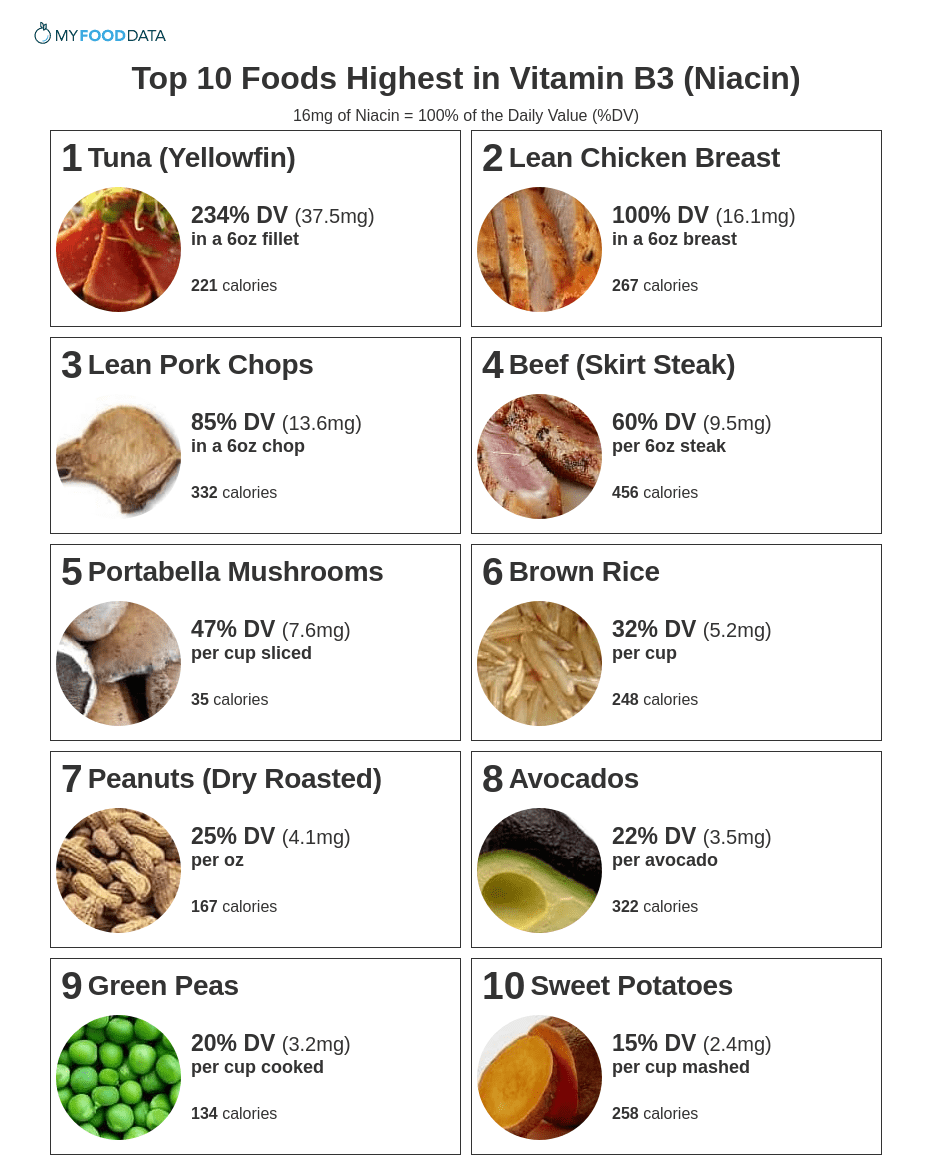
Below are the top 10 foods highest in niacin ranked by common serving sizes. For more, see the complete list of 200 foods high in niacin, and lists of other foods high in B vitamins.
- Introduction
- List of High Niacin Foods
- Printable
- Niacin (B3) Requirements By Age and Gender
- Health Benefits of Niacin (Vitamin B3)
- People at Risk of a Niacin (Vitamin B3) Deficiency
- Is Niacin Synthesized from Tryptophan?
- Other Vitamin B Foods
- About the Daily Value (%DV) Target
- About the Data
- Lists By Food Group
- Related
- References
- Feedback
-
 1. Tuna (Yellowfin)
Niacin
in a 6oz FilletNiacin
per 100gNiacin
per 200 Calories37.5mg
(234% DV)22.1mg
(138% DV)34mg
(212% DV)More Fish High in Niacin
- 112% DV in a 6oz fillet of bluefin tuna
- 108% DV in a 6oz fillet of salmon
- 62% DV in 3oz of canned tuna
See all fish high in niacin.
-
 2. Lean Chicken Breast
Niacin
in a 6oz BreastNiacin
per 100gNiacin
per 200 Calories16.1mg
(100% DV)9.5mg
(59% DV)12mg
(75% DV)More Poultry High in Niacin
- 133% DV in 6oz of ground turkey
- 50% DV in a chicken thigh
- 35% DV in a chicken drumstick
See all meats high in niacin.
-
 3. Lean Pork Chops
Niacin
in a 6oz ChopNiacin
per 100gNiacin
per 200 Calories13.6mg
(85% DV)8mg
(50% DV)8.2mg
(51% DV)More Pork Products High in Niacin
- 78% DV in 6oz of pork tenderloin
- 54% DV in 1 cup of cured ham
- 24% DV in 3 slices of bacon
See all meats high in niacin.
-
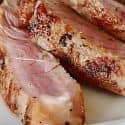 4. Beef (Skirt Steak)
Niacin
per 6oz SteakNiacin
per 100gNiacin
per 200 Calories9.5mg
(60% DV)5.6mg
(35% DV)4.2mg
(26% DV)More Red Meat High in Niacin
- 45% DV in 3oz of roast beef
- 36% DV in 3oz of lamb ribs
- 34% DV in a 3oz lamb shank serving
See all meats high in niacin.
-
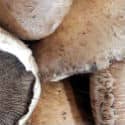 5. Portabella Mushrooms
Niacin
per Cup SlicedNiacin
per 100gNiacin
per 200 Calories7.6mg
(47% DV)6.3mg
(39% DV)43.1mg
(270% DV)More Mushrooms High in Niacin
- 43% DV in 1 cup of white button mushrooms
- 29% DV in 1 cup of miatake mushrooms
- 27% DV in 1 cup of oyster mushrooms
See all vegetables high in niacin.
-
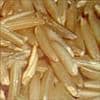 6. Brown Rice
Niacin
per CupNiacin
per 100gNiacin
per 200 Calories5.2mg
(32% DV)2.6mg
(16% DV)4.2mg
(26% DV)More Whole Grains High in Niacin
- 25% DV in 1 cup of kamut
- 23% DV in 1 cup of whole wheat pasta
- 16% DV in 1 tbsp of rice bran
- 13% DV in 1 cup of wild rice
- 11% DV in 1 cup of cornmeal (grits)
See all grains high in niacin.
-
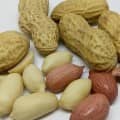 7. Peanuts (Dry Roasted)
Niacin
per OzNiacin
per 100gNiacin
per 200 Calories4.1mg
(25% DV)14.4mg
(90% DV)4.9mg
(31% DV)More Nuts and Seeds High in Niacin*
- 16% DV in 1oz of hemp and chia seeds
- 15% DV per 1oz of sunflower seeds
- 8% DV in 1oz of pine nuts
See all nuts and seeds high in niacin.
*We are aware that peanuts are actually legumes, however they are nuts in the culinary sense.
-
 8. Avocados
Niacin
per AvocadoNiacin
per 100gNiacin
per 200 Calories3.5mg
(22% DV)1.7mg
(11% DV)2.2mg
(14% DV)More Fruits High in Niacin
- 11% DV in 1 cup of guavas
- 10% DV in 1 cup of nectarines
- 8% DV in 1 cup of melons
See all fruits high niacin.
-
 9. Green Peas
Niacin
per Cup CookedNiacin
per 100gNiacin
per 200 Calories3.2mg
(20% DV)2mg
(13% DV)4.8mg
(30% DV)More Vegetables High in Niacin
- 16% DV in 1 cup of sweet corn
- 15% DV in a medium baked potato
- 12% DV in 1 cup of butternut squash
See all vegetables high in niacin.
-
 10. Sweet Potatoes
Niacin
per Cup MashedNiacin
per 100gNiacin
per 200 Calories2.4mg
(15% DV)1mg
(6% DV)1.9mg
(12% DV)See all vegetables high in niacin.
 Next ➞
Printable One Page Sheet
Niacin (B3) Requirements By Age and Gender
The recommended daily allowance (RDA) for niacin (Vitamin B3) ranges from 6mg to 16mg per day. The daily value for vitamin B3 is 16mg per day. (8)
| Life Stage | RDA |
|---|---|
| Infants* | |
| 0-6 months old | 0.2mg |
| 7-12 months old | 0.4mg |
| Children | |
| 1-3 years old | 6mg |
| 4-8 years old | 8mg |
| Males | |
| 9-13 years old | 12mg |
| 14-18 years old | 16mg |
| 19-50 years old | 16mg |
| 50+ years old | 16mg |
| Females | |
| 9-13 years old | 12mg |
| 14-18 years old | 14mg |
| 19-50 years old | 14mg |
| 50+ years old | 14mg |
| Pregnancy | |
| 14-18 years old | 18mg |
| 18+ years old | 18mg |
| Lactation | |
| 14-18 years old | 17mg |
| 18+ years old | 17mg |
Source: Dietary Reference Intakes for Niacin.
Health Benefits of Niacin (Vitamin B3)
- Protect Against Heart Disease - In the past, niacin was commonly prescribed by doctors to help lower levels of LDL (sometimes known as "bad cholesterol") and triglycerides, which are both associated with heart disease. However, because of the side effects that high doses of niacin can cause, its use for this purpose has been declining. (9) Consult your doctor before taking niacin supplements in high doses (10).
- Reduced Cancer Risk - Studies show that niacin may reduce cancer risk by ensuring DNA integrity and maintenance, and through proper regulation of the tumor suppressor gene: p53. (11)
- Slow the progression of AIDS - Some observational studies have reported that high-dose niacin could slow the progression of AIDS. However, other studies have found that niacin does not have a significant impact on the survival of people with HIV. (12,13)
People at Risk of a Niacin (Vitamin B3) Deficiency
- People with HIV/AIDS - The body's immune system creates a specific cytokine, interferon gamma, which breaks down tryptophan, a precursor of niacin. Studies show that HIV patients who take increased levels of niacin slow the progression of AIDS.(13,14,15)
- People who eat high amounts of refined foods - Bran, which is high in vitamin B3, is typically removed during any refining process. As a result, refined grain products, like white bread and white rice, don't contain significant amounts of niacin. These food products are now often fortified with niacin and other vitamins, but eating whole grains is considered to be a healthier way of getting adequate amounts of niacin.
- Chronic alcoholism, Malabsorption syndrome, Adverse drug effects, and Anorexia nervosa - All of these conditions hinder absorption of nutrients and proper niacin (B3) levels. (16)
Is Niacin Synthesized from Tryptophan?
The human body can create niacin from tryptophan, which is an essential amino acid. (17,18) This is why many of the foods high in niacin are also high tryptophan foods.
In people who eat less protein, more of their dietary tryptophan may be used to create niacin. (17)
Other Vitamin B Foods
About the Data
Data for the curated food lists comes from the USDA Food Data Central Repository.
You can check our data against the USDA by clicking the (Source) link at the bottom of each food listing.
Note: When checking data please be sure the serving sizes are the same. In the rare case you find any difference, please contact us and we will fix it right away.
About Nutrient Targets
Setting targets can provide a guide to healthy eating.
Some of the most popular targets include:- Daily Value (%DV) - The daily value (%DV) is a general guideline for consumption that will prevent deficiency of a particular nutrient in most people. The %DV refers to the percentage of an amount that\'s found in a single serving of a food. It also accounts for absorption factors. It is set by the U.S. FDA.
- Recommended Dietary Allowance (%RDA) - The RDA sets an average daily dietary intake level that is sufficient to meet the nutrient requirements of nearly all (97.5%) healthy individuals. It\'s more specific than the daily value, and varies by age and gender. The RDA is set by the US National Institutes of Health.
- Reference Dietary Intake (%RDI) -The reference dietary intake is similar to the recommended daily allowance, but is specific to age and gender. The RDI for amino acids is set by the U.N. World Health Organization.
- Adequate Intake (%AI) - This value is primarily used in reference to omega-3 and omega-6 fats. The Adequate Intake is set by the U.S. Institute of Medicine. Because there is less evidence to determine the ideal targets for consumption of these nutrients, the specific amount is considered to be less reliable. Using the term Adequate Intake, rather than one of the other terms, helps to emphasize that the ideal intake of that particular nutrient has not yet been scientifically determined.
See the Guide to Recommended Daily Intakes for more information.
Want to set your own targets? Sign up for an account and set custom targets in the daily food log.From the Nutrient Ranking Tool
Use the ranking tool links below to select foods and create your own food list to share or print.
- Foods High in Niacin (B3)
- Foods Low in Niacin (B3)
- Vegetables High in Niacin (B3)
- Fruits High in Niacin (B3)
- Vegetarian Foods High in Niacin (B3)
- Nuts High in Niacin (B3)
- Grains High in Niacin (B3)
- Beans High in Niacin (B3)
- Dairy High in Niacin (B3)
- Breakfast Cereals High in Niacin (B3)
- Fast Foods High in Niacin (B3)
View more nutrients with the nutrient ranking tool, or see ratios with the nutrient ratio tool.
Related
- High Tryptophan Foods
- Cholesterol Lowering Foods
- Top 10 Foods Highest in Thiamin (Vitamin B1)
- Top 10 Foods Highest in Vitamin B2 (Riboflavin)
- Top 10 Foods Highest in Vitamin B5 (Pantothenic Acid)
- Top 10 Foods Highest in Vitamin B6
- Top 10 Foods Highest in Vitamin B9 (Folate)
- Top 10 Foods Highest in Vitamin B9 (Folate)
- Top 10 Foods Highest in Vitamin B12
Data Sources and References
- Harikrishnan S, Rajeev E, Tharakan JA, Titus T, Ajit Kumar VK, Sivasankaran S, Krishnamoorthy KM, Nair K. Effect of low-dose niacin on high-density lipoprotein cholesterol and total cholesterol/high-density lipoprotein cholesterol ratio Indian Heart J. 2008 May-Jun;60(3):215-22. 19240310
- Davidson MH, Rooney M, Pollock E, Drucker J, Choy Y. Effect of Low-Dose Niacin on Glucose Control in Patients with Non--Insulin-Dependent Diabetes Mellitus and Hyperlipidemia J Clin Lipidol. 2013 Sep-Oct;7(5):423-32. doi: 10.1016/j.jacl.2013.06.001. Epub 2013 Jun 11. 24079283
- Lanska DJ. Niacin Deficiency Handb Clin Neurol. 2010;95:445-76. doi: 10.1016/S0072-9752(08)02130-1. 19892133
- Lanska DJ. Nicotinic Acid Deficiency Handb Clin Neurol. 2010;95:445-76. doi: 10.1016/S0072-9752(08)02130-1. 19892133
- Dietary niacin intake in relation to depression among adults: a population-based study
- Paolini JF, Bays HE, Ballantyne CM, Davidson M, Pasternak R, Maccubbin D, Norquist JM, Lai E, Waters MG, Kuznetsova O, Sisk CM, Mitchel YB. The mechanism and mitigation of niacin-induced flushing Cardiol Clin. 2008 Nov;26(4):547-60. doi: 10.1016/j.ccl.2008.06.007. 19031552
- Daul AM, Beuhler MC. Acute liver failure secondary to niacin toxicity J Emerg Med. 2011 Sep;41(3):e65-8. doi: 10.1016/j.jemermed.2009.11.029. Epub 2010 Feb 5. 20138459
- U.S.FDA - Daily Value on the New Nutrition and Supplement Facts Labels
- Cziraky MJ, Watson KE, Talbert RL. Niacin in the Treatment of Hyperlipidemias in Light of New Clinical Trials: Has Niacin Lost its Place? J Manag Care Pharm. 2008 Oct;14(8 Suppl):S3-28; quiz S30-1. 19891279
- Cziraky MJ, Watson KE, Talbert RL. Niacin J Manag Care Pharm. 2008 Oct;14(8 Suppl):S3-28; quiz S30-1. 19891279
- Kirkland JB. Niacin and carcinogenesis Exp Biol Med (Maywood). 2010 May;235(5):561-8. doi: 10.1258/ebm.2010.009280. 20463295
- Masuda W, Takenaka S, Tsuyama S, Inui H, Miyatake K, Nakano Y. Niacin as a potential AIDS preventive factor J Biochem. 1999 Mar;125(3):449-53. doi: 10.1093/oxfordjournals.jbchem.a022307. 10050031
- Taylor MW, Feng GS. Implications of interferon-induced tryptophan catabolism in cancer, auto-immune diseases and AIDS FASEB J. 1991 Aug;5(11):2516-22. 1907934
- Bloom BR, Atun R, Cohen T, Dye C, Fraser H, Gomez GB, Knight G, Murray M, Nardell E, Rubin E, Salomon J, Vassall A, Volchenkov G, White R, Wilson D, Yadav P. Nutrition and HIV: Epidemiological Evidence to Public Health In: Holmes KK, Bertozzi S, Bloom BR, Jha P, editors. Major Infectious Diseases. 3rd edition. Washington (DC): The International Bank for Reconstruction and Development / The World Bank; 2017 Nov 3. Chapter 11. 30212088
- Tang AM, Graham NM, Kirby AJ, McCall LD, Willett WC, Saah AJ. Effects of micronutrient intake on survival in human immunodeficiency virus type 1 infection Am J Epidemiol. 1993 Dec 1;138(11):937-51. doi: 10.1093/oxfordjournals.aje.a116814. 7903021
- Lanska DJ. Niacin Deficiency Handb Clin Neurol. 2010;95:445-76. doi: 10.1016/S0072-9752(08)02130-1. 19892133
- Shibata K, Mushiage M, Kondo T, Hayakawa T, Tsuge H. Nutritional factors that regulate on the conversion of L-tryptophan to niacin Biosci Biotechnol Biochem. 1995 Nov;59(11):2060-3. doi: 10.1271/bbb.59.2060. 8541642
- Shibata K. Nutritional aspect of tryptophan metabolism J Nutr Sci Vitaminol (Tokyo). 2018;64(2):90-98. doi: 10.3177/jnsv.64.90. 29710037
Try the recipe nutrition calculator, or daily meal planner.
Create a free account to log and track foods.