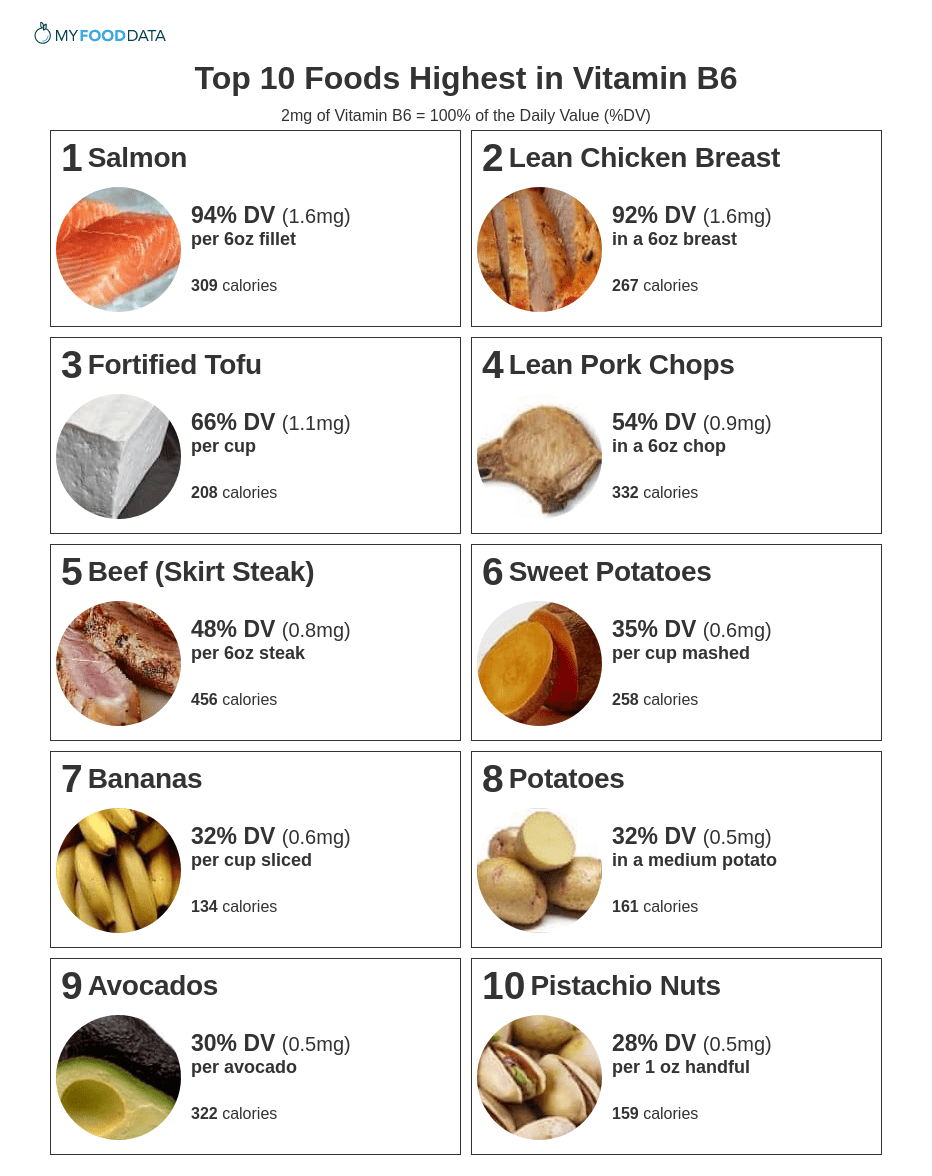
Top 10 Foods Highest in Vitamin B6


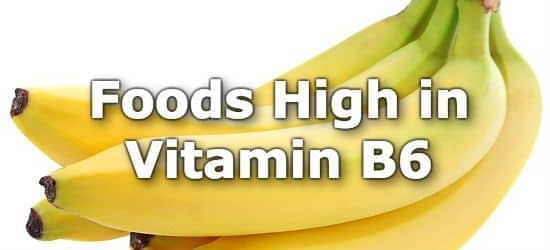
Vitamin B6 is a water-soluble vitamin necessary for processing amino acids in the body, which form the building blocks of proteins and some hormones. It is involved in red blood cell metabolism, proper functioning of the nervous and immune systems, and various other bodily functions. (1,2)
There are several compounds that are all considered to be vitamin B6, including pyridoxine, pyridoxal, and pyridoxamine. All of these can be converted in the body into the active form of the vitamin, so they're biologically equivalent.
While rare, a long-term deficiency in vitamin B6 can lead to skin inflammation and may increase the risk of heart disease. (2,3)
Foods high in vitamin B6 include fish, chicken, tofu, pork, beef, sweet potatoes, bananas, potatoes, avocados, and pistachios. The daily value (DV) for vitamin B6 is 1.7mg per day. (4)
Below is a list of high vitamin B6 foods sorted by a common serving size, see the nutrient ranking of all foods high in vitamin B6 to sort by 100 grams or 200 calories.
-
 1. Salmon
Vitamin B6
per 6oz FilletVitamin B6
per 100gVitamin B6
per 200 Calories1.6mg
(94% DV)0.9mg
(56% DV)1mg
(61% DV)More Fish High in Vitamin B6
- 104% DV in a 6oz tuna fillet
- 46% DV in a 6oz snapper fillet
- 43% DV in a 5.5oz mahi-mahi fillet
See all fish high in vitamin B6.
-
 2. Lean Chicken Breast
Vitamin B6
in a 6oz BreastVitamin B6
per 100gVitamin B6
per 200 Calories1.6mg
(92% DV)0.9mg
(54% DV)1.2mg
(69% DV)More Poultry High in Vitamin B6
- 108% DV in 6oz of ground turkey
- 81% DV in 6oz of roast turkey breast
- 33% DV in a roast chicken thigh
See all meat high in vitamin B6.
-
 3. Fortified Tofu
Vitamin B6
per CupVitamin B6
per 100gVitamin B6
per 200 Calories1.1mg
(66% DV)0.5mg
(29% DV)1.1mg
(64% DV)More Soy Products High in Vitamin B6
- 24% DV in 1 cup of edamame (green soybeans)
- 21% DV in 1 cup of tempeh
- 14% DV in 1 cup of tofu (unfortified)
-
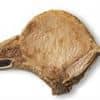 4. Lean Pork Chops
Vitamin B6
in a 6oz ChopVitamin B6
per 100gVitamin B6
per 200 Calories0.9mg
(54% DV)0.5mg
(32% DV)0.6mg
(32% DV)More Pork High in Vitamin B6
- 37% DV in 3oz of pork tenderloin
- 33% DV in 1 cup of cured ham
- 28% DV in 1oz of salami
See all meat high in vitamin B6.
-
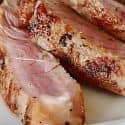 5. Beef (Skirt Steak)
Vitamin B6
per 6oz SteakVitamin B6
per 100gVitamin B6
per 200 Calories0.8mg
(48% DV)0.5mg
(28% DV)0.4mg
(21% DV)More Red Meat High in Vitamin B6
- 41% DV in 3oz of beef roast
- 28% DV in 3oz of buffalo sirloin
- 21% DV in a 3oz beef hamburger
See all meat high in vitamin B6.
-
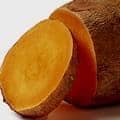 6. Sweet Potatoes
Vitamin B6
per Cup MashedVitamin B6
per 100gVitamin B6
per 200 Calories0.6mg
(35% DV)0.2mg
(14% DV)0.5mg
(27% DV)More Vegetables High in Vitamin B6
- 26% DV in 1 cup of spinach
- 23% DV in 1 cup of acorn squash
- 20% DV in 1 cup of peas
See all vegetables high in vitamin B6.
-
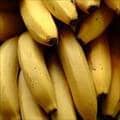 7. Bananas
Vitamin B6
per Cup SlicedVitamin B6
per 100gVitamin B6
per 200 Calories0.6mg
(32% DV)0.4mg
(22% DV)0.8mg
(49% DV)More Fruits High in Vitamin B6
- 12% DV in 1 cup of mango pieces
- 11% DV in 1 cup of pineapple chunks
- 9% DV in 1 cup of honeydew melon balls
See all fruits high in vitamin B6.
-
 8. Potatoes
Vitamin B6
in a Medium PotatoVitamin B6
per 100gVitamin B6
per 200 Calories0.5mg
(32% DV)0.3mg
(18% DV)0.7mg
(39% DV)See all vegetables high in vitamin B6.
-
 9. Avocados
Vitamin B6
per AvocadoVitamin B6
per 100gVitamin B6
per 200 Calories0.5mg
(30% DV)0.3mg
(15% DV)0.3mg
(19% DV)See all fruits high in vitamin B6.
-
 10. Pistachio Nuts
Vitamin B6
per 1 Oz HandfulVitamin B6
per 100gVitamin B6
per 200 Calories0.5mg
(28% DV)1.7mg
(100% DV)0.6mg
(36% DV)More Nuts and Seeds High in Vitamin B6
- 25% DV in 10 roasted chestnuts
- 22% DV in 1oz of dried sunflower seeds
- 9% DV in 1oz of walnuts
Try to find raw pistachios or walnuts as roasting destroys some of the vitamin B6. See all nuts and seeds high in vitamin B6.
 Next ➞
Printable One Page Sheet
Vitamin B6 Requirements By Age and Gender
The recommended daily allowance (RDA) for Vitamin B6 ranges from 0.5mg to 1.7mg per day. The daily value for vitamin B6 is 1.7mg per day. (4)
| Life Stage | RDA |
|---|---|
| Infants* | |
| 0-6 months old | 0.1mg |
| 7-12 months old | 0.3mg |
| Children | |
| 1-3 years old | 0.5mg |
| 4-8 years old | 0.6mg |
| Males | |
| 9-13 years old | 1mg |
| 14-18 years old | 1.3mg |
| 19-50 years old | 1.3mg |
| 50+ years old | 1.7mg |
| Females | |
| 9-13 years old | 1mg |
| 14-18 years old | 1.2mg |
| 19-50 years old | 1.3mg |
| 50+ years old | 1.5mg |
| Pregnancy | |
| 14-18 years old | 1.9mg |
| 18+ years old | 1.9mg |
| Lactation | |
| 14-18 years old | 2mg |
| 18+ years old | 2mg |
Source: Dietary Reference Intakes for Vitamin B6.
Health Benefits of Vitamin B6
- Regulation of Mood - Vitamin B6 is needed for the production of many neurotransmitters, so it could have an effect on mood. Although there is a link between vitamin B6 deficiency and mood disorders like depression, taking vitamin B6 supplements has not been shown to be effective for depression. (5)
- Reduced Homocysteine Levels - Homocysteine is an amino acid that's naturally produced in the body. High levels of homocysteine have been associated with an increased risk of many chronic diseases, including dementia, heart disease, and stroke. Vitamin B6 is needed for the body to break down homocysteine, so getting enough vitamin B6 can help to prevent high homocysteine levels. (5)
- Supporting Long-Term Brain Function - Some studies have shown a link between getting more vitamin B6 and a reduced risk of dementia. However, this effect has not been consistent in the research, and there have been some studies that have shown no effect of vitamin B6 supplementation on the risk of cognitive decline and dementia. (6)
- Alleviation of Premenstrual Syndrome (PMS) - Studies suggest that consuming vitamin B6 in conjunction with magnesium can help to alleviate symptoms associated with PMS (7).
- Alleviation of mild morning sickness - Vitamin B6 has been shown to decrease symptoms of morning sickness. Other supplements and medications, including ginger, antihistamines, metoclopramide, and ondansetron, have also been found to be effective for this. (8)
Other Vitamin B Foods
- Top 10 Foods Highest in Thiamin (Vitamin B1)
- Top 10 Foods Highest in Vitamin B2 (Riboflavin)
- Top 10 Foods Highest in Niacin (Vitamin B3)
- Top 10 Foods Highest in Vitamin B5 (Pantothenic Acid)
- Top 10 Foods Highest in Vitamin B6
- Top 10 Foods Highest in Vitamin B9 (Folate)
- Top 10 Foods Highest in Vitamin B12
About the Data
Data for the curated food lists comes from the USDA Food Data Central Repository.
You can check our data against the USDA by clicking the (Source) link at the bottom of each food listing.
Note: When checking data please be sure the serving sizes are the same. In the rare case you find any difference, please contact us and we will fix it right away.
About Nutrient Targets
Setting targets can provide a guide to healthy eating.
Some of the most popular targets include:- Daily Value (%DV) - The daily value (%DV) is a general guideline for consumption that will prevent deficiency of a particular nutrient in most people. The %DV refers to the percentage of an amount that\'s found in a single serving of a food. It also accounts for absorption factors. It is set by the U.S. FDA.
- Recommended Dietary Allowance (%RDA) - The RDA sets an average daily dietary intake level that is sufficient to meet the nutrient requirements of nearly all (97.5%) healthy individuals. It\'s more specific than the daily value, and varies by age and gender. The RDA is set by the US National Institutes of Health.
- Reference Dietary Intake (%RDI) -The reference dietary intake is similar to the recommended daily allowance, but is specific to age and gender. The RDI for amino acids is set by the U.N. World Health Organization.
- Adequate Intake (%AI) - This value is primarily used in reference to omega-3 and omega-6 fats. The Adequate Intake is set by the U.S. Institute of Medicine. Because there is less evidence to determine the ideal targets for consumption of these nutrients, the specific amount is considered to be less reliable. Using the term Adequate Intake, rather than one of the other terms, helps to emphasize that the ideal intake of that particular nutrient has not yet been scientifically determined.
See the Guide to Recommended Daily Intakes for more information.
Want to set your own targets? Sign up for an account and set custom targets in the daily food log.From the Nutrient Ranking Tool
Use the ranking tool links below to select foods and create your own food list to share or print.
- Foods High in Vitamin B6
- Foods Low in Vitamin B6
- Vegetables High in Vitamin B6
- Fruits High in Vitamin B6
- Vegetarian Foods High in Vitamin B6
- Nuts High in Vitamin B6
- Grains High in Vitamin B6
- Beans High in Vitamin B6
- Dairy High in Vitamin B6
- Breakfast Cereals High in Vitamin B6
- Fast Foods High in Vitamin B6
View more nutrients with the nutrient ranking tool, or see ratios with the nutrient ratio tool.
Related
Data Sources and References
- Al-Tahan J, González-Gross M, Pietrzik K. Vitamin B6 status, deficiency and its consequences--an overview Nutr Hosp. 2006 Jul-Aug;21(4):452-65. 16913205
- Minovi? I, Kieneker LM, Gansevoort RT, Eggersdorfer M, Touw DJ, Voerman AJ, Connelly MA, Boer RA, Hak E, Bos J, Dullaart RPF, Kema IP, Bakker SJL. Vitamin B6 in Health and Disease Nutrients. 2020 Sep 4;12(9):2711. doi: 10.3390/nu12092711. 32899820
- Brescoll J, Daveluy S. Vitamin B group levels and supplementations in dermatology Am J Clin Dermatol. 2015 Feb;16(1):27-33. doi: 10.1007/s40257-014-0107-3. 25559140
- U.S.FDA - Daily Value on the New Nutrition and Supplement Facts Labels
- Malouf M, Grimley EJ, Areosa SA. The effect of vitamin B6 on cognition Cochrane Database Syst Rev. 2003;(4):CD004514. doi: 10.1002/14651858.CD004514. 14584018
- Wang Z, Zhu W, Xing Y, Jia J, Tang Y. Folate, vitamin B-6, and vitamin B-12 intake and mild cognitive impairment and probable dementia in the Women's Health Initiative Memory Study Nutr Rev. 2022 Mar 10;80(4):931-949. doi: 10.1093/nutrit/nuab057. 34432056
- Ebrahimi E, Khayati Motlagh S, Nemati S, Tavakoli Z. Evaluating the effect of magnesium and magnesium plus vitamin B6 supplement on the severity of premenstrual syndrome J Caring Sci. 2012 Nov 22;1(4):183-9. doi: 10.5681/jcs.2012.026. eCollection 2012 Dec. 25276694
- Jin J. Treatments for Hyperemesis Gravidarum and Nausea and Vomiting in Pregnancy: A Systematic Review JAMA. 2016 Oct 4;316(13):1420. doi: 10.1001/jama.2016.14737. 27701662
- Office of Dietary Supplements Fact Sheet: Vitamin B6
- U.S. Agricultural Research Service Food Data Central
- Malouf M, Grimley EJ, Areosa SA. The effect of vitamin B6 on cognition Cochrane Database Syst Rev. 2003;(4):CD004514. doi: 10.1002/14651858.CD004514. 14584018
- Ebrahimi E, Khayati Motlagh S, Nemati S, Tavakoli Z. Evaluating the effect of magnesium and magnesium plus vitamin B6 supplement on the severity of premenstrual syndrome J Caring Sci. 2012 Nov 22;1(4):183-9. doi: 10.5681/jcs.2012.026. eCollection 2012 Dec. 25276694
- Jin J. Treatments for Hyperemesis Gravidarum and Nausea and Vomiting in Pregnancy: A Systematic Review JAMA. 2016 Oct 4;316(13):1420. doi: 10.1001/jama.2016.14737. 27701662
Try the recipe nutrition calculator, or daily meal planner.
Create a free account to log and track foods.