Top 10 Foods Highest in Copper

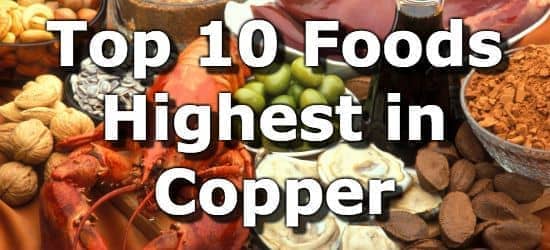
Copper is an essential trace mineral required by the body for energy production, absorption of iron, bone and connective tissue production, immune system function, synthesis of some hormones and red blood cell formation. (1) It also forms part of one of the body's key antioxidant enzymes superoxide dismutase (SOD).
A deficiency in copper can lead to weak bones, joint pain, vitamin b12 deficiency, iron deficiency, and anemia. (2)
Conversely, over-consumption of copper will lead to cramps, diarrhea, and vomiting in the short term, and can have neurological (mental) effects in the long term. (3)
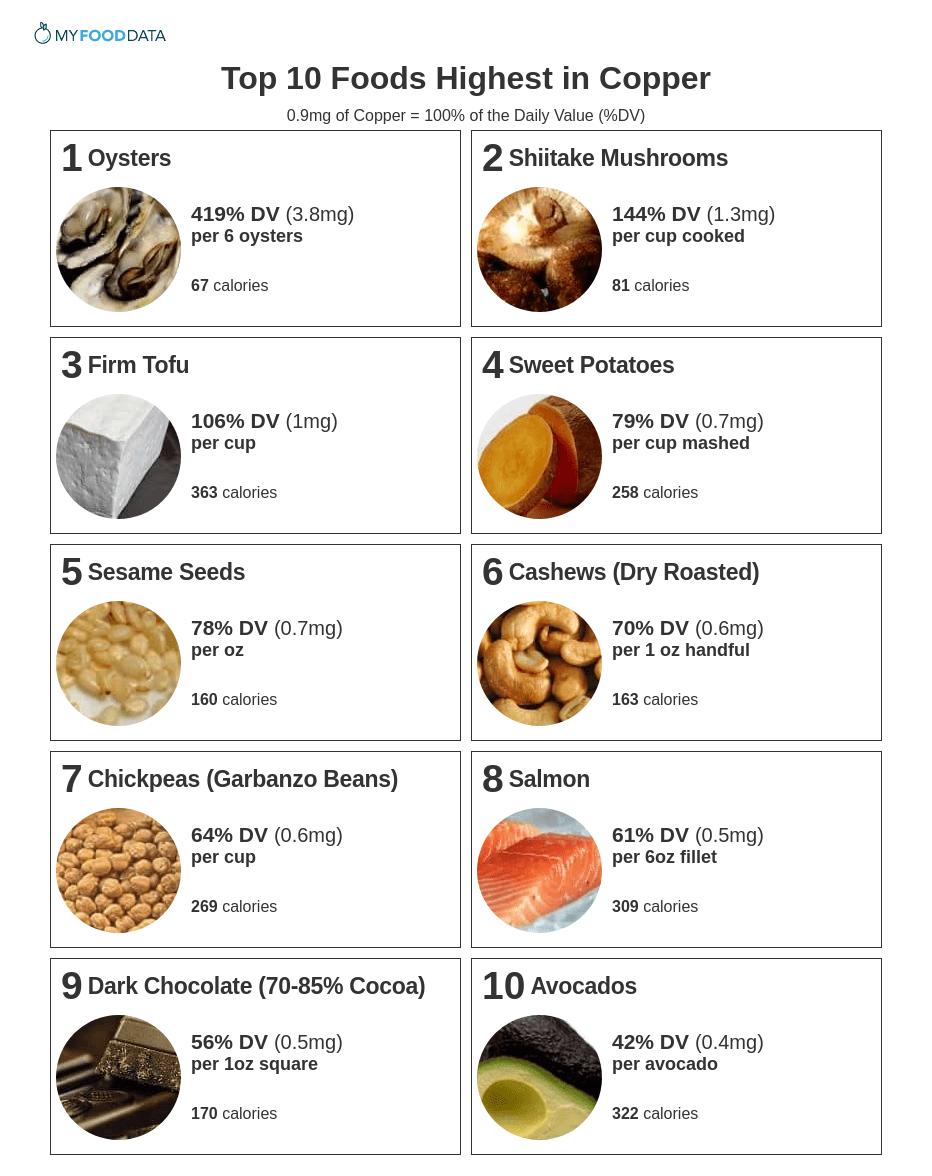
High copper foods include seafood, mushrooms, tofu, sweet potatoes, sesame seeds, cashews, chickpeas, salmon, dark chocolate, and avocados. (4) The current daily value (DV) for copper is 0.9mg. (5)
Below is a list of high copper foods, for more, see the extended list of copper rich foods, high copper vegetables, and high copper fruits.
-
 1. Oysters
Copper
per 6 OystersCopper
per 100gCopper
per 200 Calories3.8mg
(419% DV)4.4mg
(493% DV)11.2mg
(1249% DV)More Shellfish High in Copper
- 176% DV in 1 leg of Alaskan King crab
- 146% DV in 3oz of lobster
- 145% DV in 20 small clams
See all fish high in copper.
-
 2. Shiitake Mushrooms
Copper
per Cup CookedCopper
per 100gCopper
per 200 Calories1.3mg
(144% DV)0.9mg
(100% DV)3.2mg
(356% DV)More Mushrooms High in Copper
- 87% DV in 1 cup of white button mushrooms
- 52% DV in 1 cup of portobellos
- 48% DV in 1 cup of cremini mushrooms
See the list of high copper vegetables.
-
 3. Firm Tofu
Copper
per CupCopper
per 100gCopper
per 200 Calories1mg
(106% DV)0.4mg
(42% DV)0.5mg
(58% DV)More Soy Foods High in Copper
- 78% DV in 1 cup of boiled soybeans
- 53% DV in 1 cup of medium firm tofu
- 44% DV in a 16oz glass of soy milk
See all beans and legumes high in copper.
-
 4. Sweet Potatoes
Copper
per Cup MashedCopper
per 100gCopper
per 200 Calories0.7mg
(79% DV)0.3mg
(31% DV)0.6mg
(61% DV)More Vegetables High in Copper
- 40% DV in 1 cup of cooked turnip greens
- 37% DV in a baked potato
- 35% DV in 1 cup of cooked spinach
See the list of high copper vegetables.
-
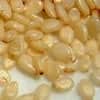 5. Sesame Seeds
Copper
per OzCopper
per 100gCopper
per 200 Calories0.7mg
(78% DV)2.5mg
(274% DV)0.9mg
(97% DV)More Seeds High in Copper
- 58% DV per oz of sunflower seeds
- 50% DV per oz of hemp seeds
- 42% DV per oz of dried pumpkin and squash seeds
See all nuts and seeds high in copper.
-
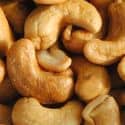 6. Cashews (Dry Roasted)
Copper
per 1 Oz HandfulCopper
per 100gCopper
per 200 Calories0.6mg
(70% DV)2.2mg
(247% DV)0.8mg
(86% DV)More Nuts High in Copper
- 55% DV per oz of Brazil nuts
- 50% DV per oz of walnuts
- 41% DV per oz of pistachios
See all nuts and seeds high in copper.
-
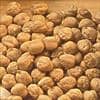 7. Chickpeas (Garbanzo Beans)
Copper
per CupCopper
per 100gCopper
per 200 Calories0.6mg
(64% DV)0.4mg
(39% DV)0.4mg
(48% DV)More Beans High in Copper
- 61% DV per cup of navy beans
- 55% DV per cup of lentils
- 52% DV per cup of kidney beans
See all beans and legumes high in copper.
-
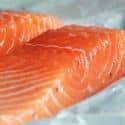 8. Salmon
Copper
per 6oz FilletCopper
per 100gCopper
per 200 Calories0.5mg
(61% DV)0.3mg
(36% DV)0.4mg
(39% DV)More Fish High in Copper
- 31% DV per cup of sardines
- 24% DV in 3oz of shrimp
- 21% DV in a 6oz tuna steak
See all fish high in copper.
-
 9. Dark Chocolate (70-85% Cocoa)
Copper
per 1oz SquareCopper
per 100gCopper
per 200 Calories0.5mg
(56% DV)1.8mg
(196% DV)0.6mg
(66% DV) -
 10. Avocados
Copper
per AvocadoCopper
per 100gCopper
per 200 Calories0.4mg
(42% DV)0.2mg
(21% DV)0.2mg
(26% DV)More Fruits High in Copper
- 42% DV in 1 cup of guava
- 26% DV in 1 cup of kiwifruit
- 20% DV in 1 cup of chopped pineapple
See the list of high copper fruits.
 Next ➞
Printable One Page Sheet
More Copper Rich Foods
| Food | Serving | Copper |
|---|---|---|
| 1. Beef Liver | per 3oz slice | 1313% DV (11.8mg) |
| 2. Tempeh | per cup | 103% DV (0.9mg) |
| 3. Coconut Milk | per cup | 56% DV (0.5mg) |
| 4. Durian | per cup chopped | 56% DV (0.5mg) |
| 5. Mamey Sapote | 1 cup chopped | 41% DV (0.4mg) |
| 6. Kamut (Khorasan - Wheat) | per cup | 40% DV (0.4mg) |
| 7. Quinoa | per cup | 39% DV (0.4mg) |
| 8. Buckwheat | per cup | 27% DV (0.2mg) |
| 9. Radicchio | per cup | 15% DV (0.1mg) |
| 10. Medjool Dates | per date | 10% DV (0.1mg) |
| 11. Kale | per cup fresh | 1% DV (0mg) |
About the Data
Data for the curated food lists comes from the USDA Food Data Central Repository.
You can check our data against the USDA by clicking the (Source) link at the bottom of each food listing.
Note: When checking data please be sure the serving sizes are the same. In the rare case you find any difference, please contact us and we will fix it right away.
About Nutrient Targets
Setting targets can provide a guide to healthy eating.
Some of the most popular targets include:- Daily Value (%DV) - The daily value (%DV) is a general guideline for consumption that will prevent deficiency of a particular nutrient in most people. The %DV refers to the percentage of an amount that\'s found in a single serving of a food. It also accounts for absorption factors. It is set by the U.S. FDA.
- Recommended Dietary Allowance (%RDA) - The RDA sets an average daily dietary intake level that is sufficient to meet the nutrient requirements of nearly all (97.5%) healthy individuals. It\'s more specific than the daily value, and varies by age and gender. The RDA is set by the US National Institutes of Health.
- Reference Dietary Intake (%RDI) -The reference dietary intake is similar to the recommended daily allowance, but is specific to age and gender. The RDI for amino acids is set by the U.N. World Health Organization.
- Adequate Intake (%AI) - This value is primarily used in reference to omega-3 and omega-6 fats. The Adequate Intake is set by the U.S. Institute of Medicine. Because there is less evidence to determine the ideal targets for consumption of these nutrients, the specific amount is considered to be less reliable. Using the term Adequate Intake, rather than one of the other terms, helps to emphasize that the ideal intake of that particular nutrient has not yet been scientifically determined.
See the Guide to Recommended Daily Intakes for more information.
Want to set your own targets? Sign up for an account and set custom targets in the daily food log.From the Nutrient Ranking Tool
Use the ranking tool links below to select foods and create your own food list to share or print.
- Foods High in Copper
- Foods Low in Copper
- Vegetables High in Copper
- Fruits High in Copper
- Vegetarian Foods High in Copper
- Nuts High in Copper
- Grains High in Copper
- Beans High in Copper
- Dairy High in Copper
- Breakfast Cereals High in Copper
- Fast Foods High in Copper
View more nutrients with the nutrient ranking tool, or see ratios with the nutrient ratio tool.
Related
Data Sources and References
- Medline Plus on Copper
- Copper deficiency, a new triad: anemia, leucopenia, and myeloneuropathy. J Community Hosp Intern Med Perspect. 2017 Oct; 7(4): 265–268.
- Health Effects of Excess Copper. National Research Council (US) Committee on Copper in Drinking Water. Washington (DC): National Academies Press (US); 2000.
- U.S. Agricultural Research Service Food Data Central
- NIH: Dietary Supplement Label Database
Try the recipe nutrition calculator, or daily meal planner.
Create a free account to log and track foods.