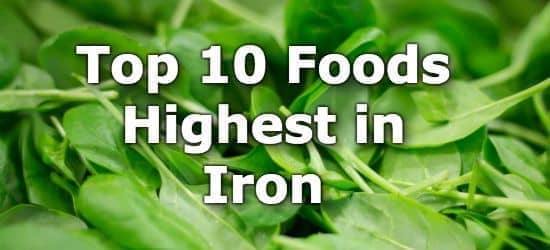
Top 10 Foods Highest in Iron

Iron is an essential mineral used to transport oxygen around the body in the form of hemoglobin. A slight deficiency in iron causes anemia (fatigue/weakness), and a chronic deficiency can lead to organ failure. (1)
Conversely, too much iron leads to the production of harmful free radicals, and interferes with metabolism, causing damage to organs like the heart and liver. (1)
The body is able to regulate the uptake of iron, so overdose is rare and usually only occurs when people take supplements. Iron from natural food sources, like the ones listed below, are considered safe and healthy.
Foods high in iron include fortified cereals, beef, shellfish, dried fruit, beans, lentils, dark leafy greens, dark chocolate, quinoa, mushrooms, and squash seeds. The current daily value (DV) for iron is 18 milligrams (mg). (2)
Below is a list of high iron foods. For more high iron foods see:
- Introduction
- List of High Iron Foods
- Printable
- Iron Rich Foods by Nutrient Density (Most Iron per 100 grams)
- Non-Heme (Plant Based) Iron Foods
- Heme (Meat Based) Iron Foods
- Heme Iron vs. Non-Heme Iron
- Iron Absorption Factors
- Causes of Iron Deficiency
- Warnings
- About the Daily Value (%DV) Target
- About the Data
- Lists By Food Group
- Related
- References
- Feedback
-
 1. Fortified Cereals
Iron
per 3/4 CupIron
per 100gIron
per 200 Calories19.6mg
(109% DV)67.7mg
(376% DV)34.7mg
(193% DV)See the list of 200 Breakfast Cereals Highest in Iron.
-
 2. Beef (Skirt Steak)
Iron
per 6oz SteakIron
per 100gIron
per 200 Calories9.3mg
(52% DV)5.5mg
(30% DV)4.1mg
(23% DV)More Red Meat High in Iron
- 28% DV in a 3oz slice of beef liver
- 16% DV in a 3oz buffalo steak
- 14% DV in a 3oz beef chuck roast
- 14% DV in a 3oz lean ground beef patty (burger)
- 13% DV in a 3oz lamb shoulder roast
- 11% DV per 3oz of beef short ribs
See all meats high in iron.
-
 3. Shellfish (Oysters)
Iron
per 3oz ServingIron
per 100gIron
per 200 Calories7.8mg
(43% DV)9.2mg
(51% DV)11.3mg
(63% DV)More Seafood High in Iron (%DV per 3oz)
- 51% DV per 3oz of cuttlefish
- 48% DV per 3oz of whelk
- 45% DV per 3oz of octopus
- 32% DV per 3oz of mussels
- 18% DV per 3oz of abalone
- 14% DV per 3oz of scallops
See all fish high in iron.
-
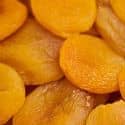 4. Dried Fruit (Apricots)
Iron
per CupIron
per 100gIron
per 200 Calories7.5mg
(42% DV)6.3mg
(35% DV)3.9mg
(22% DV)More Dried Fruit High in Iron
- 36% DV per cup of dried peaches
- 26% DV per cup of dried prunes
- 17% DV per cup of dried figs
- 17% DV per cup of dried raisins
- 7% DV per cup of dried apples
Note: Dried fruit is high in natural sugars and calories, so portion sizes should be limited to about one handful per day.
See the list of high iron fruits and vegetables.
-
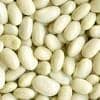 5. Large White Beans
Iron
per CupIron
per 100gIron
per 200 Calories6.6mg
(37% DV)3.7mg
(21% DV)5.3mg
(30% DV)More Beans High in Iron
- 49% DV per up of soybeans
- 37% DV per cup of lentils
- 29% DV per cup of kidney beans
- 26% DV per cup of garbanzo beans (chickpeas)
- 25% DV per cup of lima beans
- 24% DV per cup of navy beans
- 20% DV per cup of black beans
- 20% DV per cup of pinto beans
- 20% DV per cup of black-eyed peas
See more high iron vegetarian and vegan foods.
-
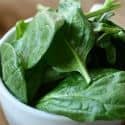 6. Spinach
Iron
per Cup CookedIron
per 100gIron
per 200 Calories6.4mg
(36% DV)3.6mg
(20% DV)31mg
(172% DV)More Green Leafy Vegetables High in Iron
- 22% DV per cup of cooked Swiss chard
- 16% DV per cup of cooked turnip greens
- 15% DV per cup of cooked beet greens
- 14% DV per cup of cooked Scotch (curly) kale
- 14% DV per cup of raw mustard spinach
- 6% DV per cup of raw kale
- 5% DV per cup of raw beet greens
See more fruits and vegetables high in iron.
-
 7. Baking Chocolate (Unsweetened)
Iron
per 1oz SquareIron
per 100gIron
per 200 Calories5mg
(28% DV)17.4mg
(97% DV)5.4mg
(30% DV)More Chocolate High in Iron
- 66% DV in 1 cup of cocoa powder
- 19% DV in 1oz of dark chocolate (70%-85% cocoa)
- 13% DV in 1oz of semi-dark chocolate (45%-59% cocoa)
- 6% DV per 1.5oz candy bar
- 6% DV per 1/2 cup of chocolate mousse
-
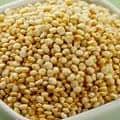 8. Quinoa
Iron
per CupIron
per 100gIron
per 200 Calories2.8mg
(15% DV)1.5mg
(8% DV)2.5mg
(14% DV)More Wholegrains High in Iron
- 12% DV per cup of oatmeal
- 12% DV per cup of barley
- 11% DV per cup of rice
- 10% DV per cup of bulgur
- 7% DV per cup of buckwheat
- 6% DV per cup of millet
Bran from whole grains can harm absorption of iron supplements, while whole grains are a good source of iron, they should not be consumed with iron supplements. (6)
-
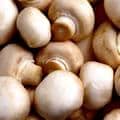 9. White Button Mushrooms
Iron
per Cup CookedIron
per 100gIron
per 200 Calories2.7mg
(15% DV)1.7mg
(10% DV)12.4mg
(69% DV)More Mushrooms High in Iron
- 45% DV per cup of sliced morels
- 14% DV per cup of straw mushrooms
- 10% DV per cup of chanterelles
- 6% DV per cup of slices oyster mushrooms
- 4% DV per cup of sliced shiitake mushrooms
-
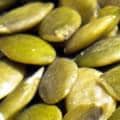 10. Squash and Pumpkin Seeds
Iron
per 1oz HandfulIron
per 100gIron
per 200 Calories2.5mg
(14% DV)8.8mg
(49% DV)3.2mg
(18% DV)More Nuts & Seeds High in Iron
- 23% DV per oz of sesame seeds
- 13% DV per oz of hemp seeds
- 12% DV per oz of chia seeds
- 9% DV per oz of dry-roasted cashews
- 9% DV per oz of flax seeds
- 8% DV per oz of sunflower seeds
- 6% DV per oz of almonds
See all nuts and seeds high in iron.
 Next ➞
Printable One Page Sheet
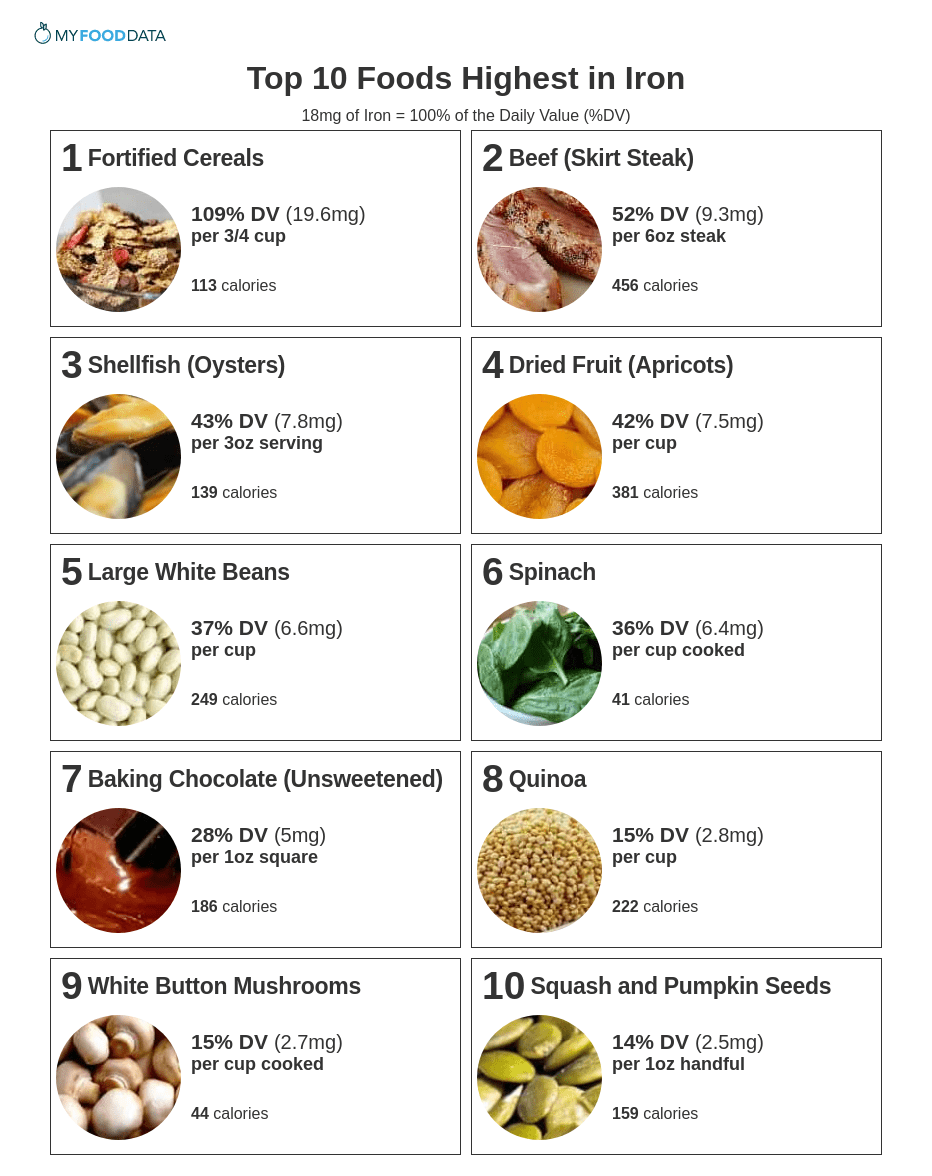
Iron Rich Foods by Nutrient Density (Most Iron per 100 grams)
| Food | Serving | Iron |
|---|---|---|
| 1. Dried Herbs (Thyme, Parsley, Spearmint, Black Pepper, Marjoram) | 100 grams | 687% DV (123.6mg) |
| 2. Fortified Cereals | 100 grams | 376% DV (67.7mg) |
| 3. Spirulina (Dried Seaweed) | 100 grams | 158% DV (28.5mg) |
| 4. Bran | 100 grams | 103% DV (18.5mg) |
| 5. Cocoa Powder | 100 grams | 86% DV (15.5mg) |
| 6. Liver (Chicken Liver) | 100 grams | 72% DV (12.9mg) |
| 7. Caviar (Fish Roe) | 100 grams | 66% DV (11.9mg) |
| 8. Shellfish (Oysters) | 100 grams | 51% DV (9.2mg) |
| 9. Wheat Germ | 100 grams | 35% DV (6.3mg) |
| 10. Cashews (Dry Roasted) | 100 grams | 33% DV (6mg) |
Non-Heme (Plant Based) Iron Foods
| Food | Serving | Iron |
|---|---|---|
| 1. Vital Wheat Gluten | 100 grams | 29% DV (5.2mg) |
| 2. Artichokes | 1 cup | 28% DV (5.1mg) |
| 3. Green Peas | 1 cup | 14% DV (2.5mg) |
| 4. Tempeh | 100 grams | 12% DV (2.1mg) |
| 5. Acorn Squash | per cup cooked | 11% DV (1.9mg) |
| 6. Dried Goji Berries | 5 tbsp | 11% DV (1.9mg) |
| 7. Tofu | 1/5 Block | 10% DV (1.9mg) |
| 8. Whole Wheat Bread | 1 slice | 6% DV (1.1mg) |
| 9. Molasses | 1 tbsp | 5% DV (0.9mg) |
| 10. Sorghum Syrup | 1 tbsp | 4% DV (0.8mg) |
Heme (Meat Based) Iron Foods
| Food | Serving | Iron |
|---|---|---|
| 1. Lean Chuck Pot Roast (Beef) | 3oz | 18% DV (3.2mg) |
| 2. Fish (Mackerel) | per 6oz fillet | 15% DV (2.7mg) |
| 3. Canned Tuna | 1 can (drained) | 14% DV (2.5mg) |
| 4. Lamb Stew Meat | 3oz | 13% DV (2.4mg) |
| 5. Turkey Meat (Dark) | 3oz | 7% DV (1.3mg) |
| 6. Trout | 3oz fillet | 7% DV (1.2mg) |
| 7. Bass | 1 fillet | 7% DV (1.2mg) |
| 8. Chicken Breast | 1/2 Breast | 6% DV (1mg) |
| 9. Pork Chops | 1 chop | 5% DV (0.9mg) |
| 10. Chicken Drumstick | 1 leg | 4% DV (0.6mg) |
Heme Iron vs. Non-Heme Iron
- Non-heme iron comes from plant foods, heme iron comes from animal foods.
- Heme iron can be absorbed more efficiently by the body.
- The body can better regulate absorption of non-heme iron, helping to protect against toxic effects.
Factors which Affect Iron Absorption and Retention
- The most important factor is your existing iron level. A low iron level will increase absorption, while a high iron level will decrease absorption. In general, you absorb 10-15% of the iron from foods. (1)
- Meat proteins will increase the absorption of non-heme iron. (1)
- Vitamin C will increase the absorption of non-heme iron by as much as 85%. (1,4)
- Tannins, oxalates, polyphenols, and phytates found in tea and coffee can reduce the absorption of non-heme iron by up to 65%. Black tea reduces absorption more than green tea and coffee. (1,4,5)
- The following teas and beverages also inhibit iron absorption: Peppermint tea, cocoa, vervain, lime flower, chamomile, and most other herbal teas containing polyphenols. (5)
- Calcium, polyphenols, and phytates found in legumes, whole grains, and chocolate can reduce absorption of non-heme iron. (1) Further milk and antacids can inhibit absorption of iron supplements. (6)
- Some proteins from soy products may inhibit non-heme iron absorption. (1)
- High fiber foods, such as whole grains, raw vegetables, and bran can inhibit absorption of iron supplements. (6)
- Foods or drinks containing caffeine can inhibit absorption of iron supplements. (5,6)
Causes of Iron Deficiency
- Menstruating Women - Due to blood loss during menstruation, women are at risk of iron deficiency. The greater the blood loss the greater the risk. (1)
- Individuals with Kidney Failure - People with kidney failure, and especially those on dialysis, are at high risk of iron deficiency anemia. This is due to an inability of the kidney to create adequate amounts of the hormone erythropoietin which is necessary for red blood cell creation, and therefore, retaining iron. (1)
- Pregnant and lactating women - A developing fetus requires a high amount of iron, likewise, there is a high amount of iron lost through breast milk after birth. (1)
- Older infants and toddlers - Infants and toddlers require a lot of iron as they grow and so are at risk of iron deficiency. (1)
- People with low levels of Vitamin A - Vitamin A helps move iron from storage in the body. Without adequate amounts of vitamin A, the body cannot regulate iron leading to an iron deficiency. (1)
- People with gastrointestinal disorders - Diarrhea, ulcers, and other gastrointestinal disorders and diseases can lead to an inadequate iron absorption. (1)
- Cancer - 60% of patients with colon cancer are iron deficient. 29-46% of patients with other cancers are also deficient in iron. (1)
- People with Gastrointestinal Disorders - People on a restricted diet, or who have problems absorbing nutrients are at risk of iron deficiency. This includes people after bypass surgery. (1)
- People with Heart Failure - Around 60% of people with heart failure are iron deficient. (1)
Warnings
- People with high levels of iron in their body may have Hemochromatosis. They should avoid the high iron foods listed in this article. Hemochromatosis can lead to organ damage. Symptoms include joint pain, fatigue, general weakness, weight loss, and stomach pain.
- Liver is a high cholesterol food which should be eaten in moderate amounts and avoided by people at risk of heart disease or stroke.
- Dark Chocolate, pumpkin seeds, squash seeds, sesame seeds, dried apricots, and molasses are high calorie foods and should be eaten in moderate amounts by people with a high body mass index.
About the Data
Data for the curated food lists comes from the USDA Food Data Central Repository.
You can check our data against the USDA by clicking the (Source) link at the bottom of each food listing.
Note: When checking data please be sure the serving sizes are the same. In the rare case you find any difference, please contact us and we will fix it right away.
About Nutrient Targets
Setting targets can provide a guide to healthy eating.
Some of the most popular targets include:- Daily Value (%DV) - The daily value (%DV) is a general guideline for consumption that will prevent deficiency of a particular nutrient in most people. The %DV refers to the percentage of an amount that\'s found in a single serving of a food. It also accounts for absorption factors. It is set by the U.S. FDA.
- Recommended Dietary Allowance (%RDA) - The RDA sets an average daily dietary intake level that is sufficient to meet the nutrient requirements of nearly all (97.5%) healthy individuals. It\'s more specific than the daily value, and varies by age and gender. The RDA is set by the US National Institutes of Health.
- Reference Dietary Intake (%RDI) -The reference dietary intake is similar to the recommended daily allowance, but is specific to age and gender. The RDI for amino acids is set by the U.N. World Health Organization.
- Adequate Intake (%AI) - This value is primarily used in reference to omega-3 and omega-6 fats. The Adequate Intake is set by the U.S. Institute of Medicine. Because there is less evidence to determine the ideal targets for consumption of these nutrients, the specific amount is considered to be less reliable. Using the term Adequate Intake, rather than one of the other terms, helps to emphasize that the ideal intake of that particular nutrient has not yet been scientifically determined.
See the Guide to Recommended Daily Intakes for more information.
Want to set your own targets? Sign up for an account and set custom targets in the daily food log.From the Nutrient Ranking Tool
Use the ranking tool links below to select foods and create your own food list to share or print.
- Foods High in Iron
- Foods Low in Iron
- Vegetables High in Iron
- Fruits High in Iron
- Vegetarian Foods High in Iron
- Nuts High in Iron
- Grains High in Iron
- Beans High in Iron
- Dairy High in Iron
- Breakfast Cereals High in Iron
- Fast Foods High in Iron
View more nutrients with the nutrient ranking tool, or see ratios with the nutrient ratio tool.
Related
Data Sources and References
- Office of Dietary Supplements Fact Sheet: Iron
- FDA Daily Values Guidelines
- U.S. Agricultural Research Service Food Data Central
- Hallberg L, Rossander L. Effect of different drinks on the absorption of non-heme iron from composite meals. Human Nutrition Applied Nutrition 1982 Apr;36(2):116-23.
- Richard F. Hurrell, Manju Reddy, and James D. Cook. Inhibition of non-heme iron absorption in man by polyphenolic-containing beverages. British Journal of Nutrition (1999), 81, 289-295
- National Library of Medicine Fact Sheet on Taking Iron Supplements.
Try the recipe nutrition calculator, or daily meal planner.
Create a free account to log and track foods.